What the filings show
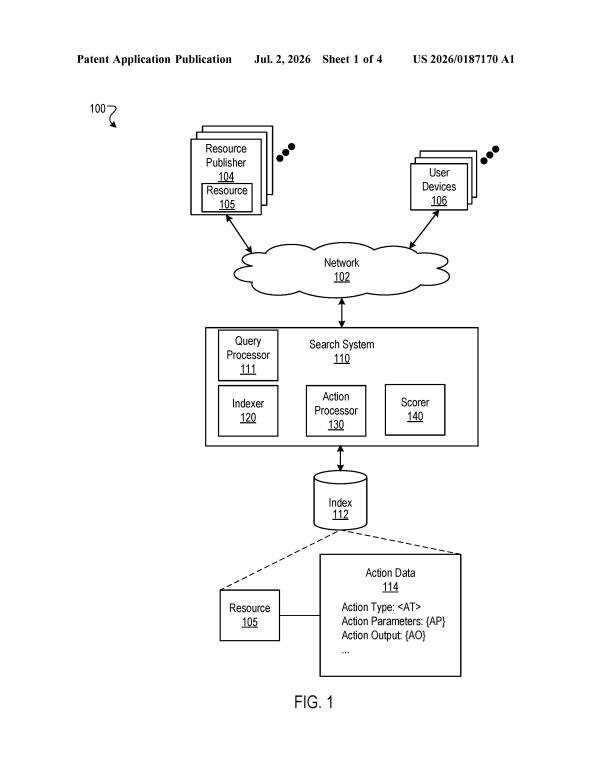
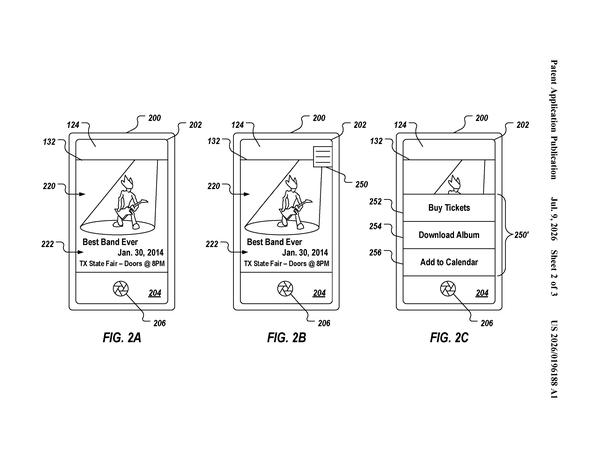
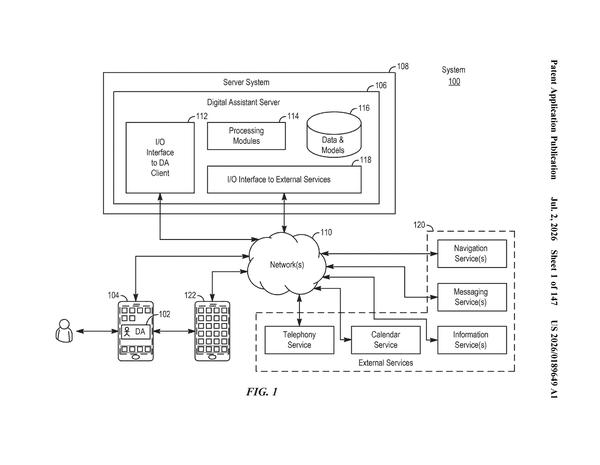
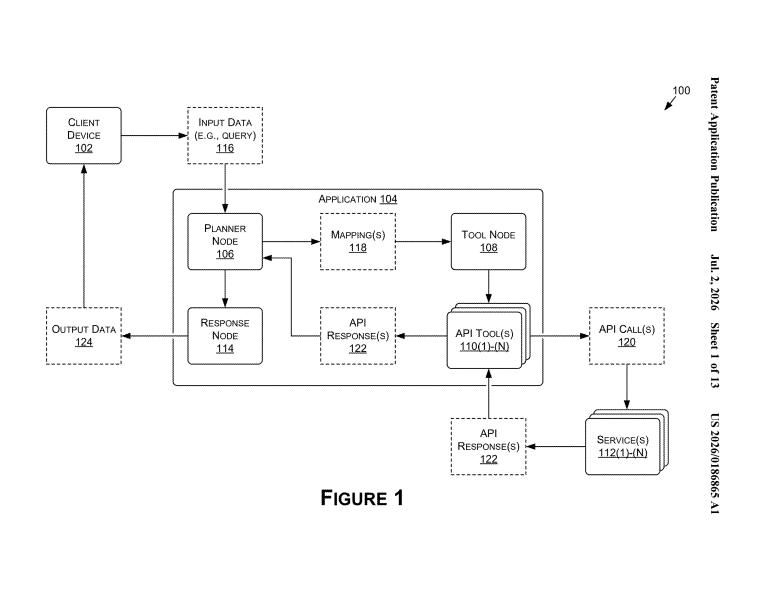
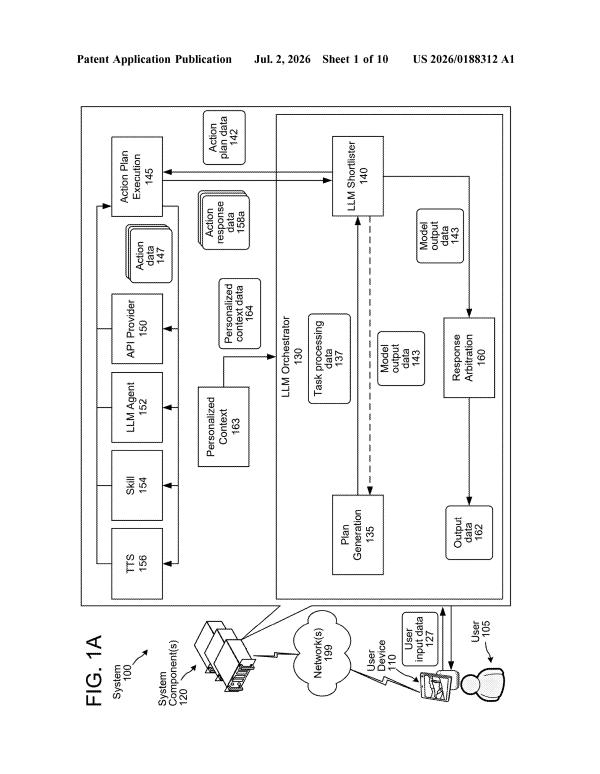
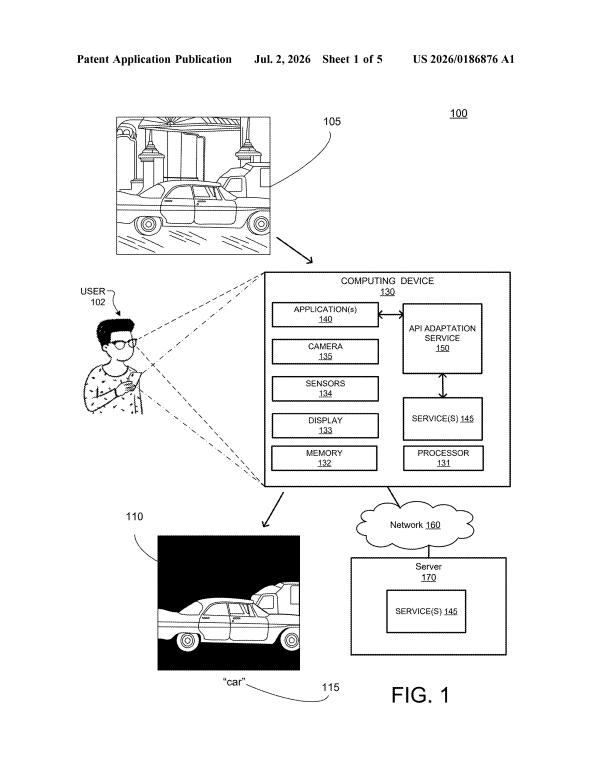
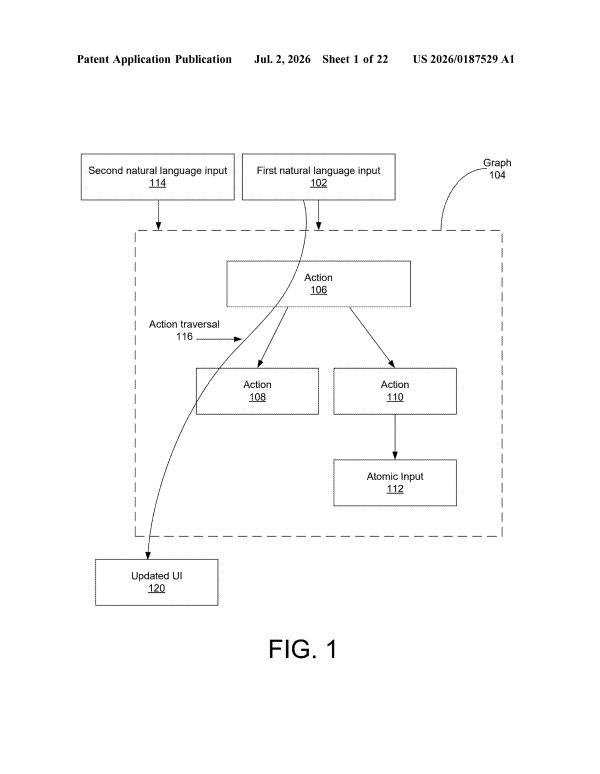
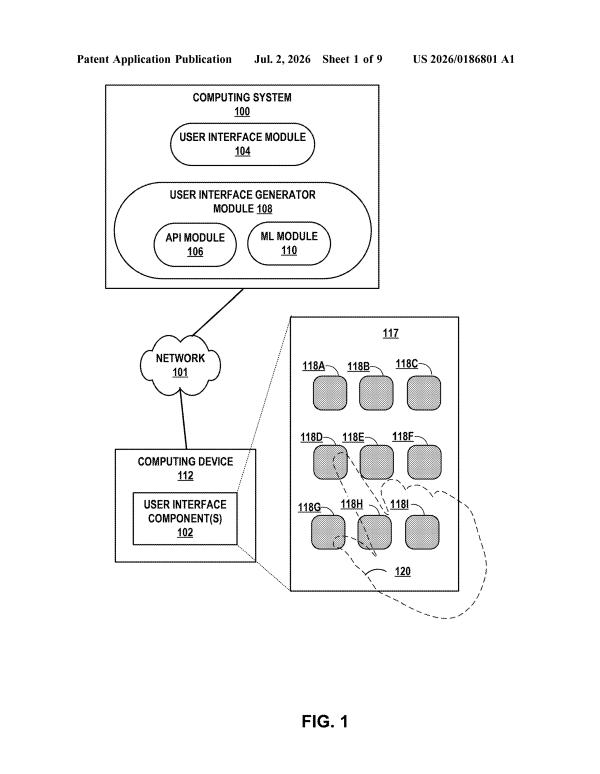
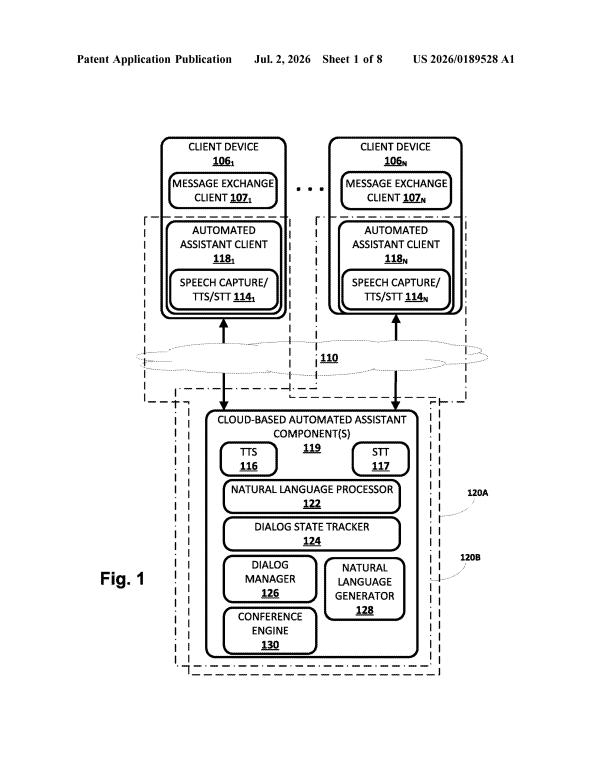
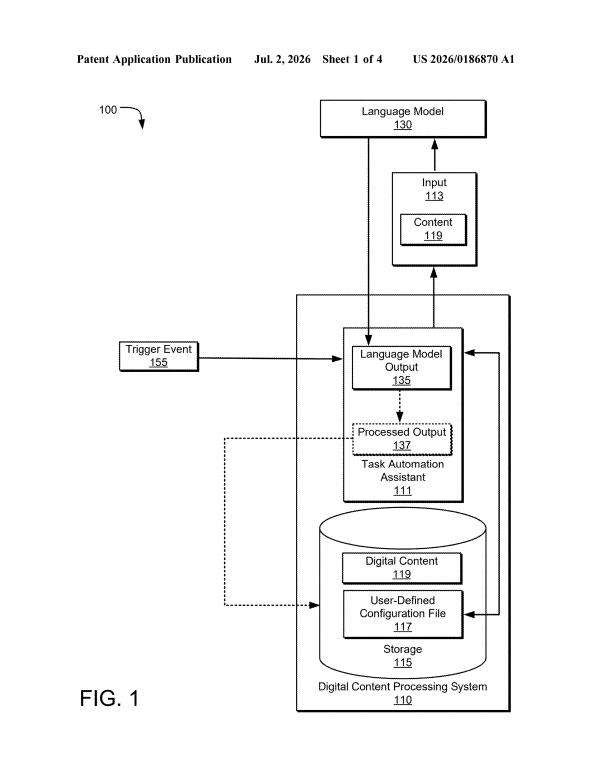
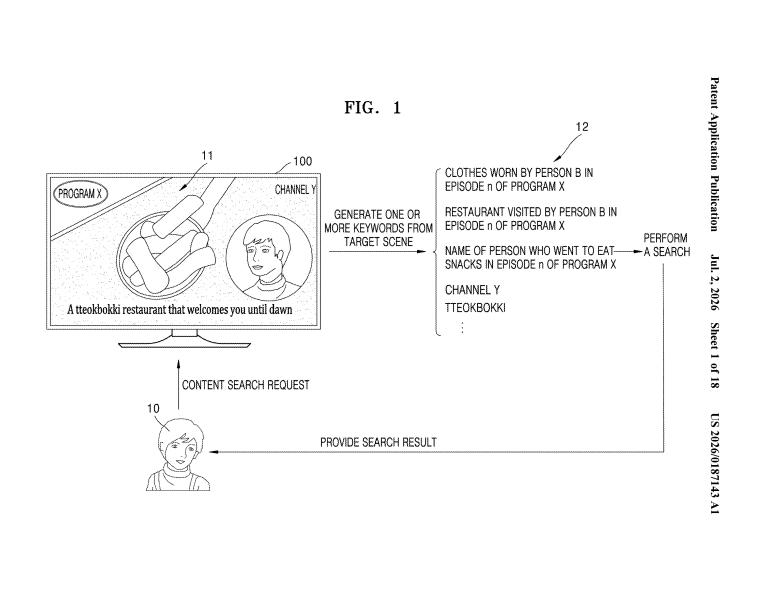
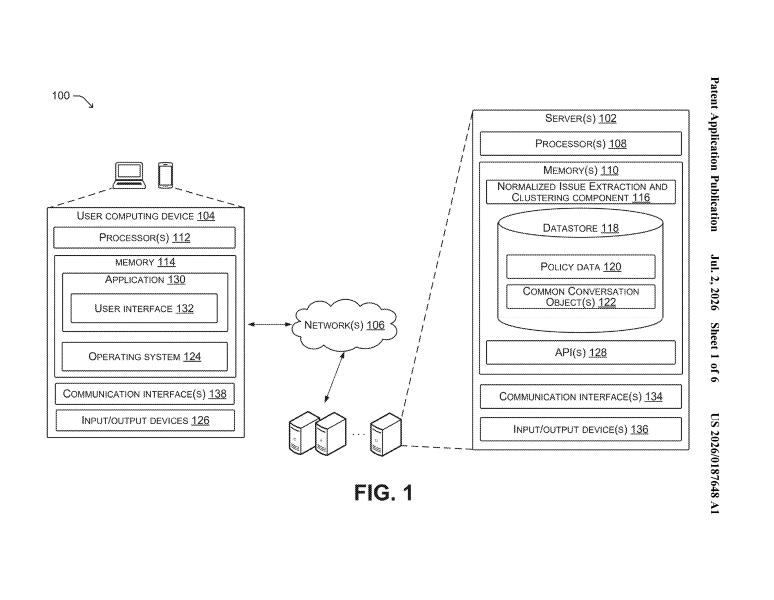
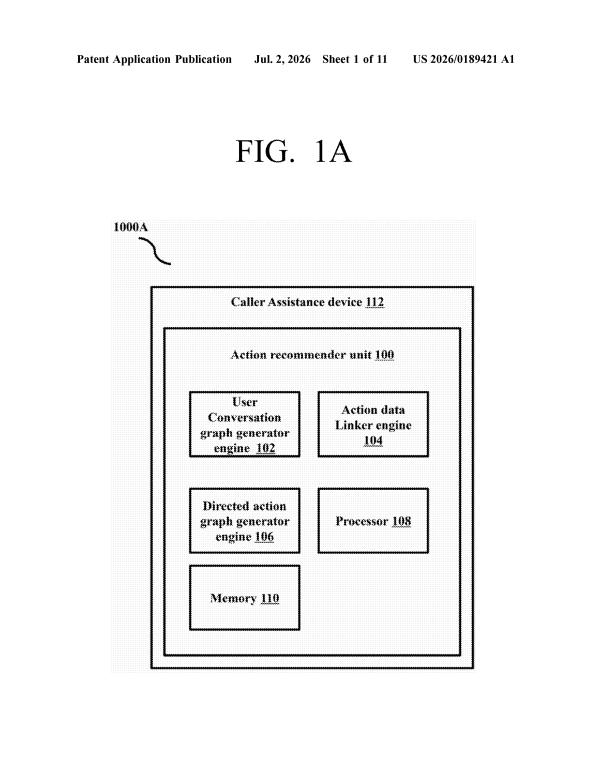
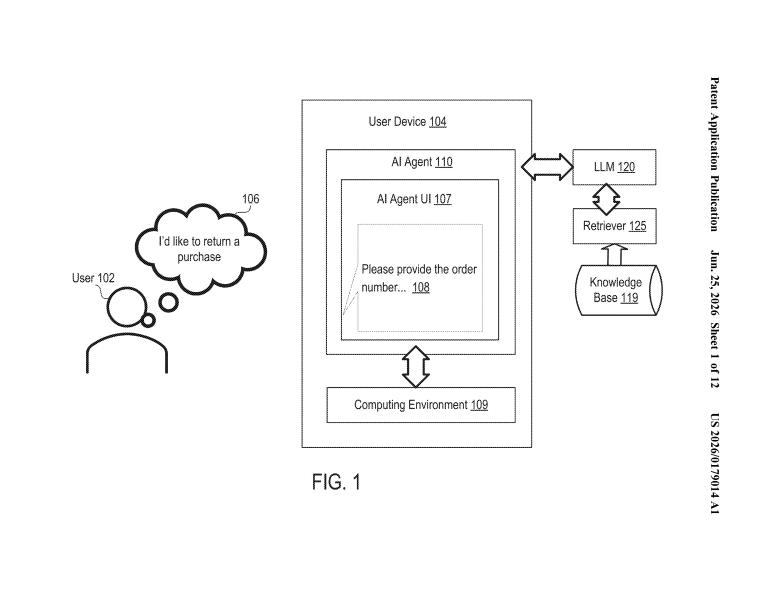
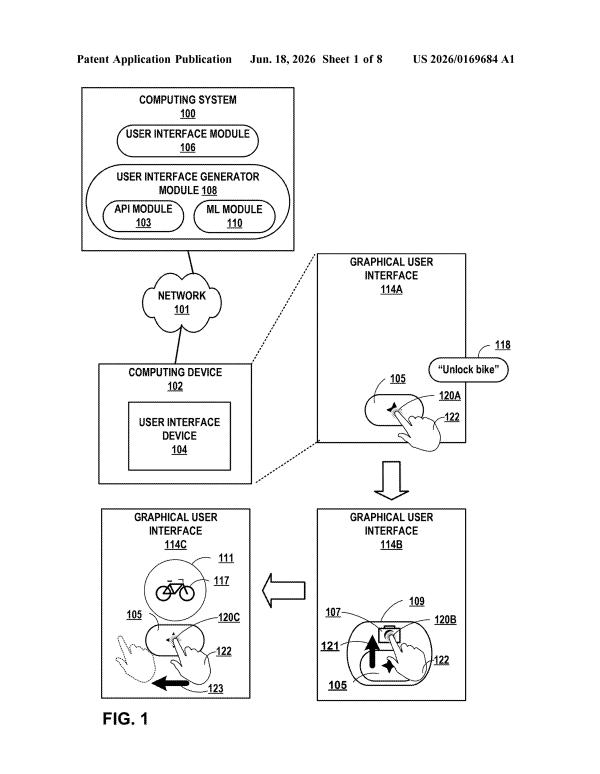
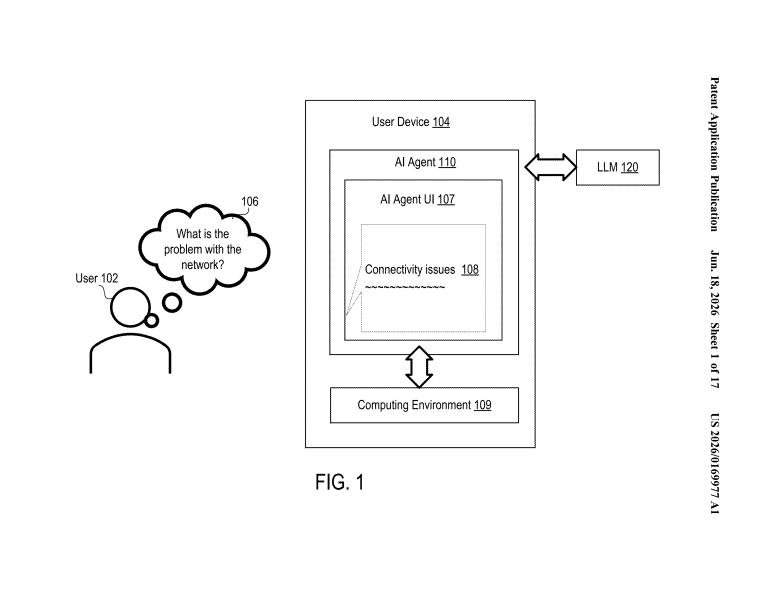
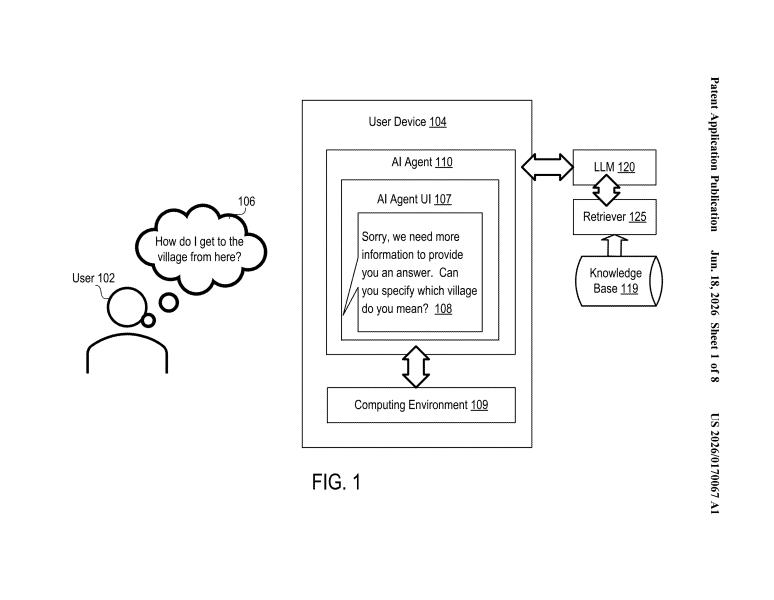
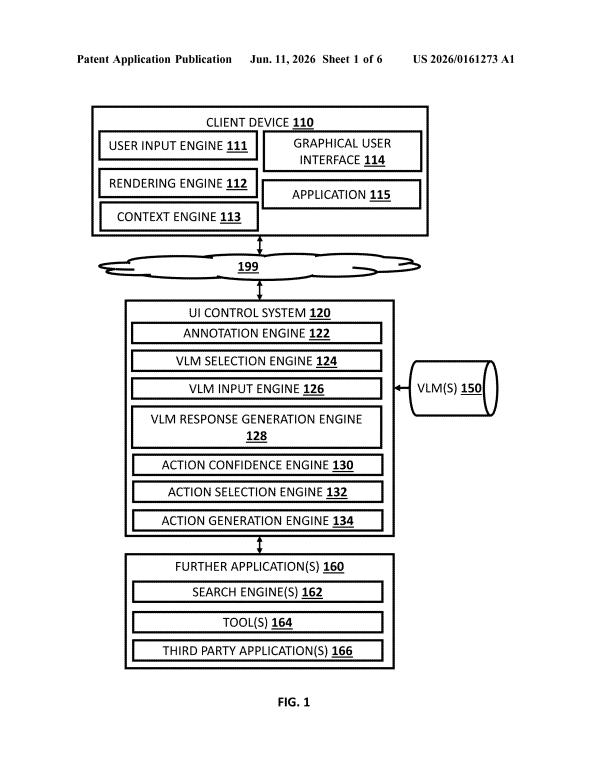
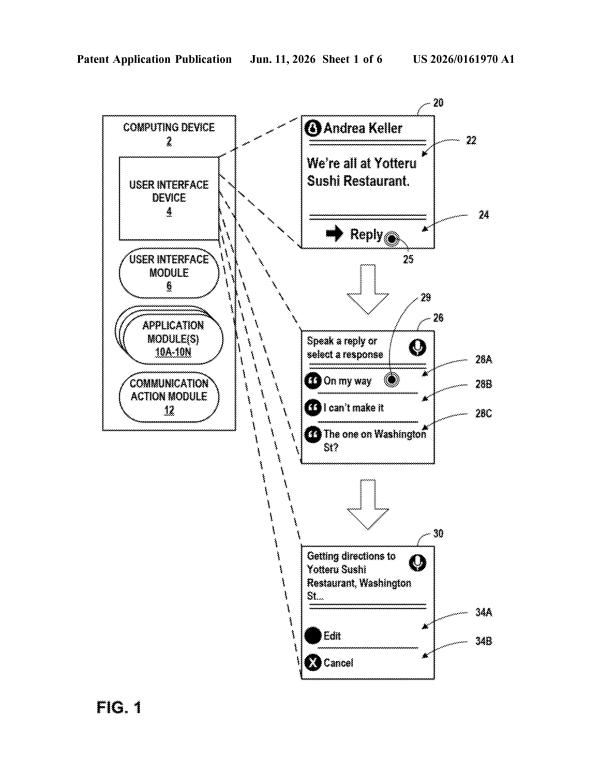
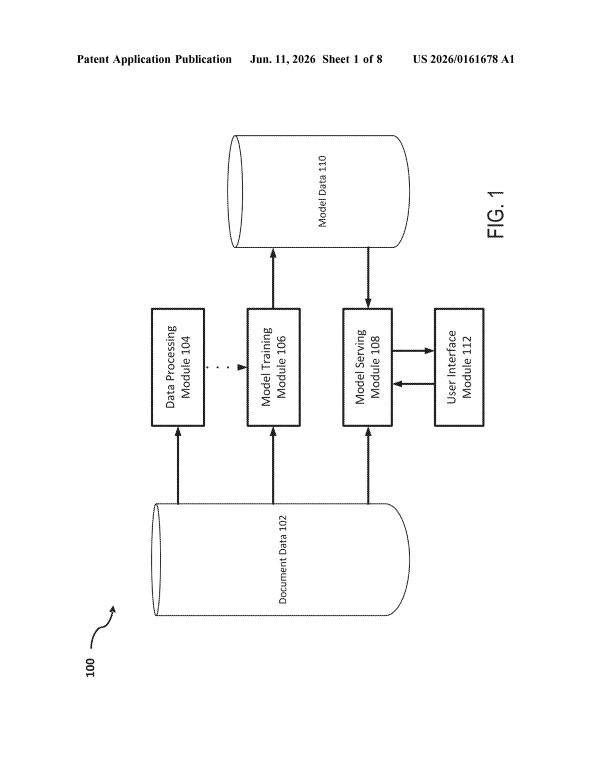
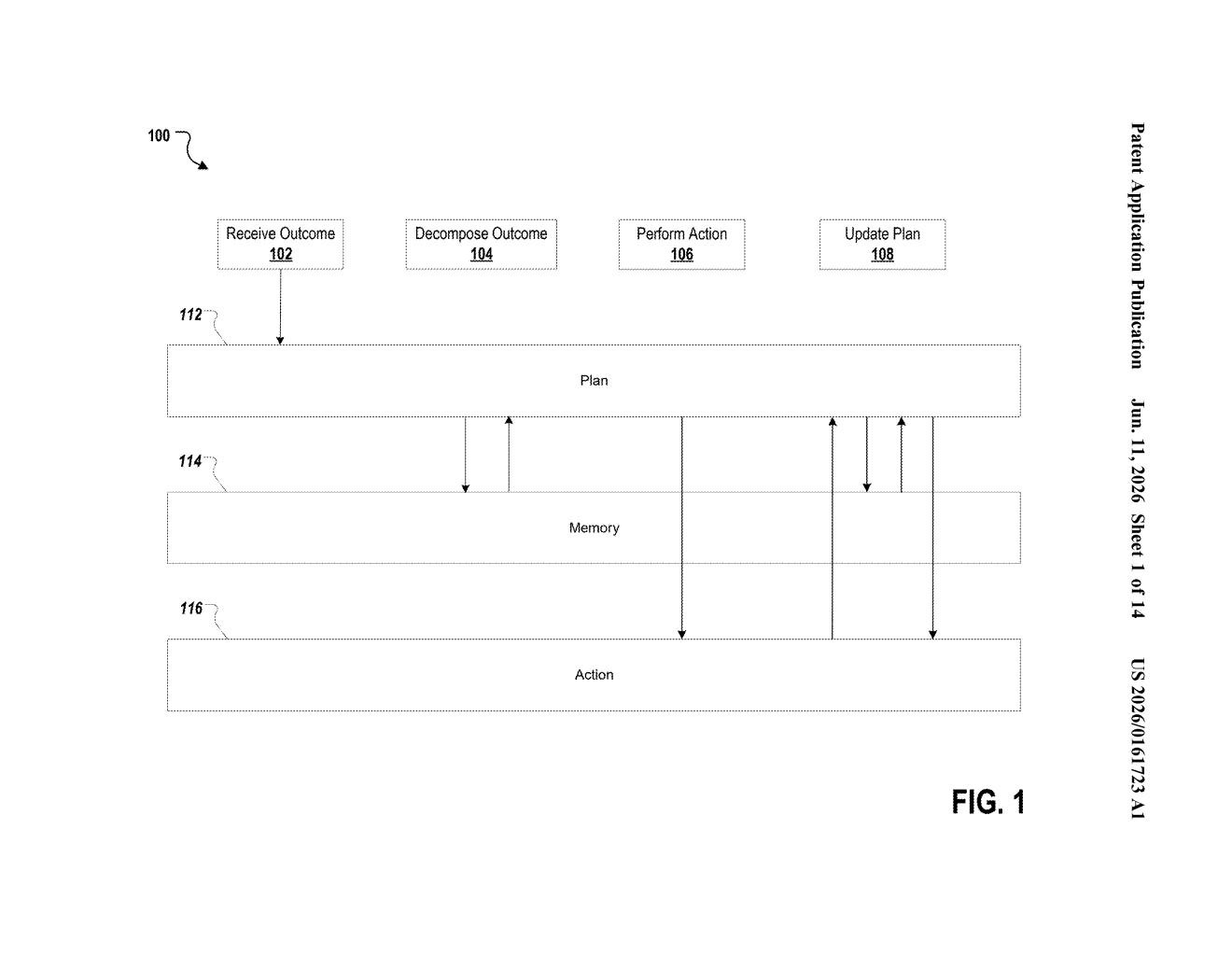
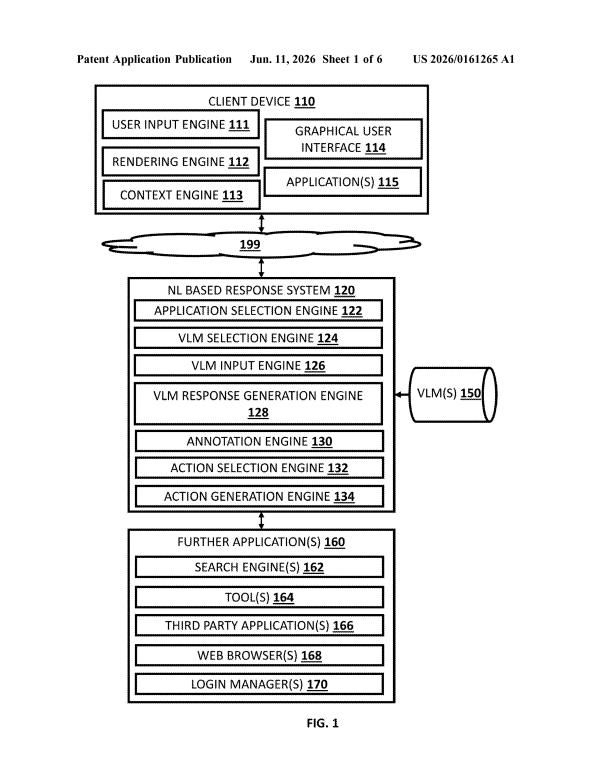
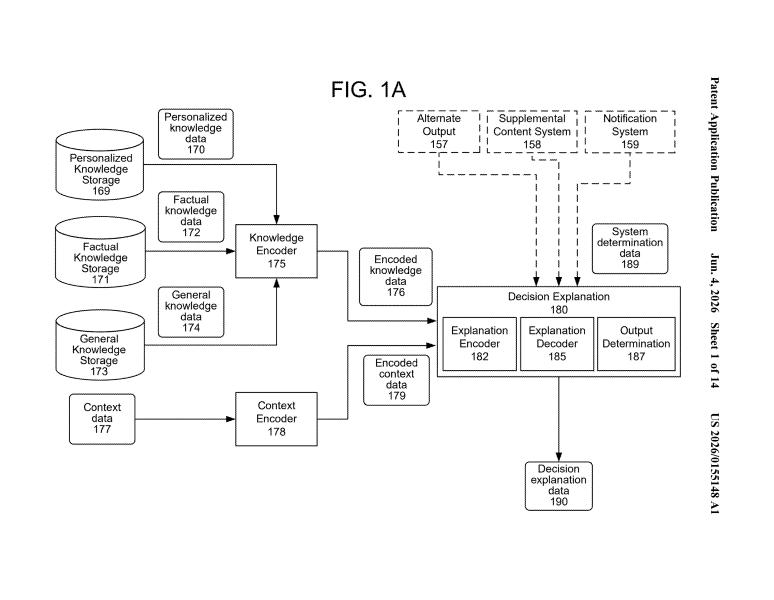
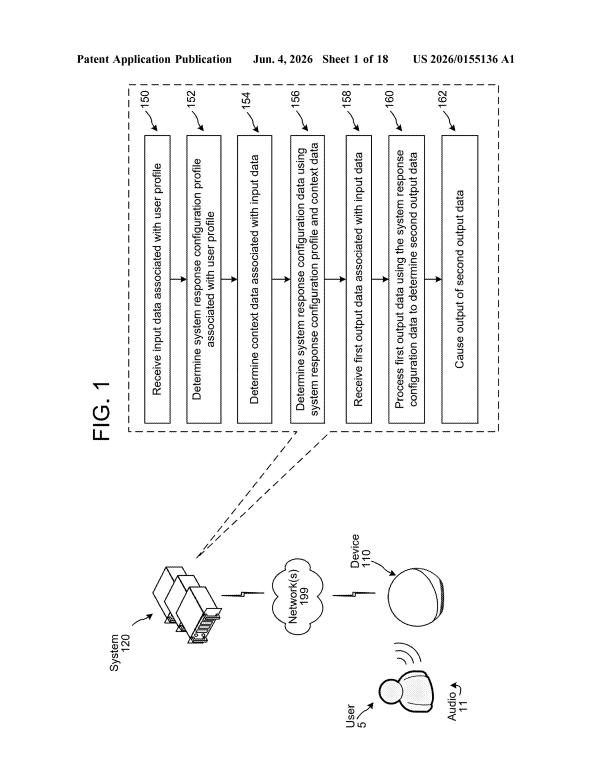
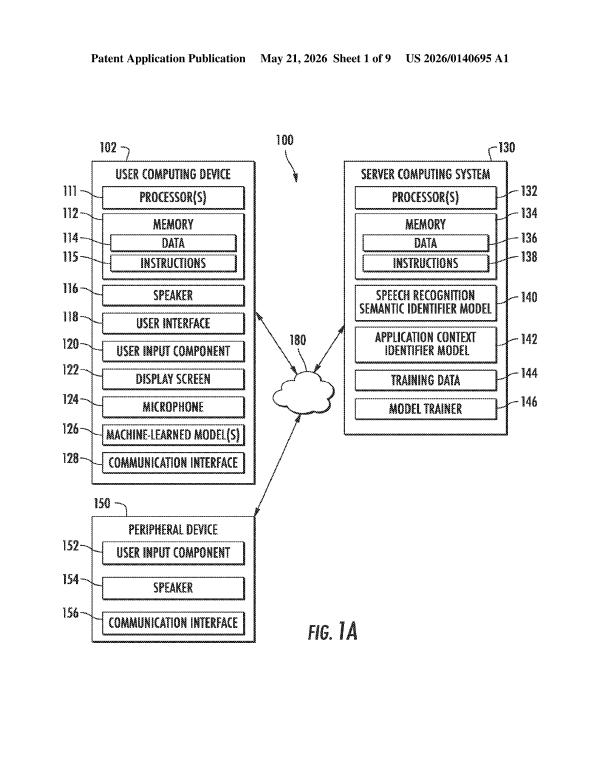
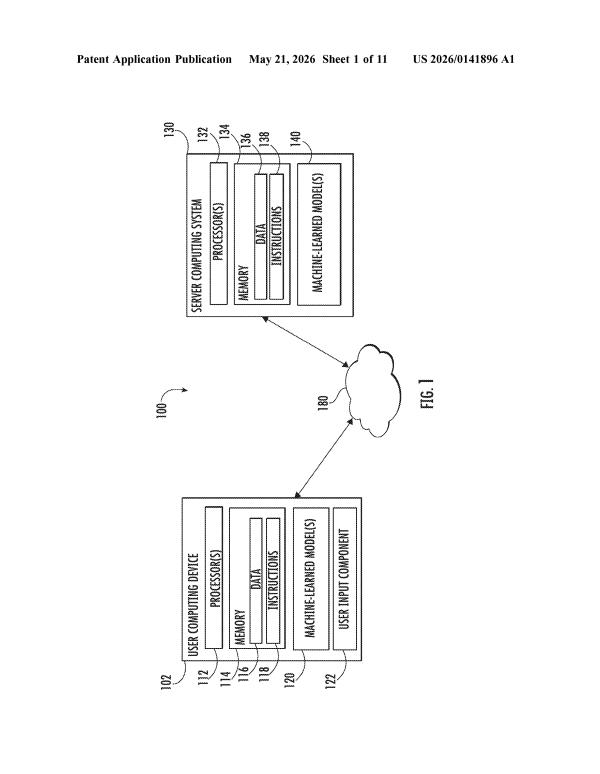
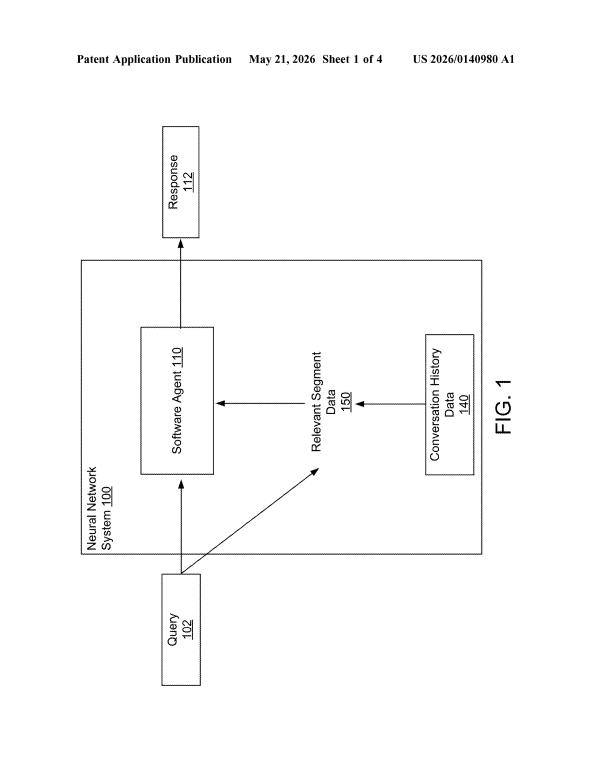
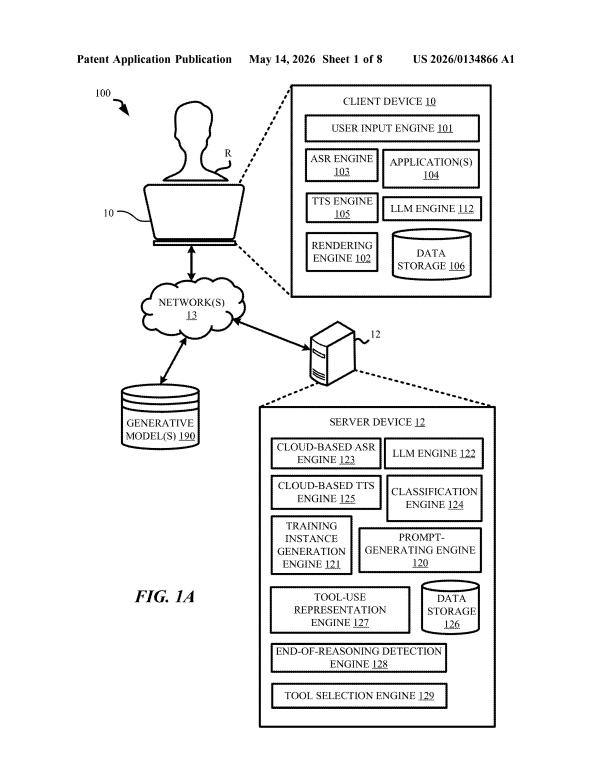
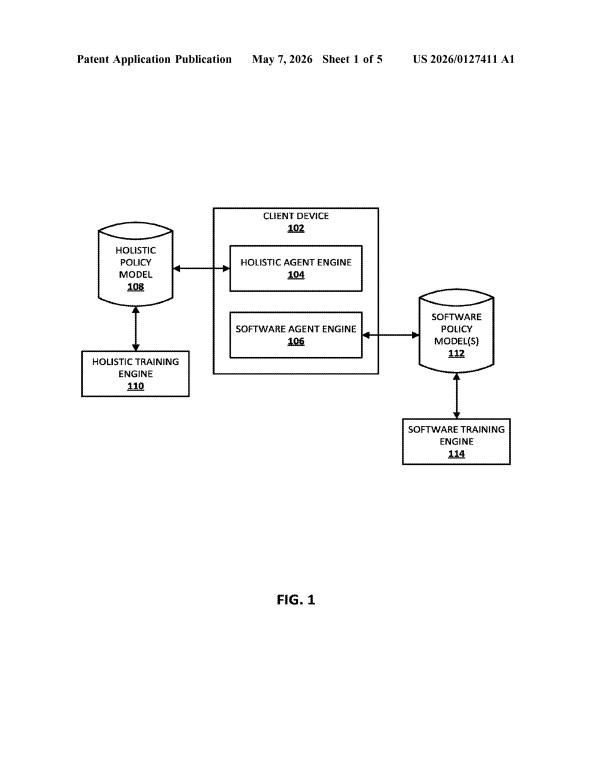
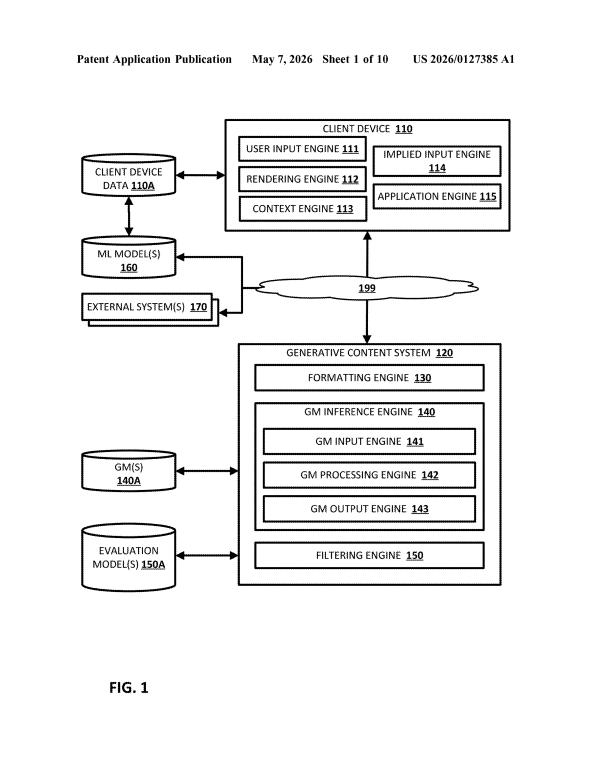
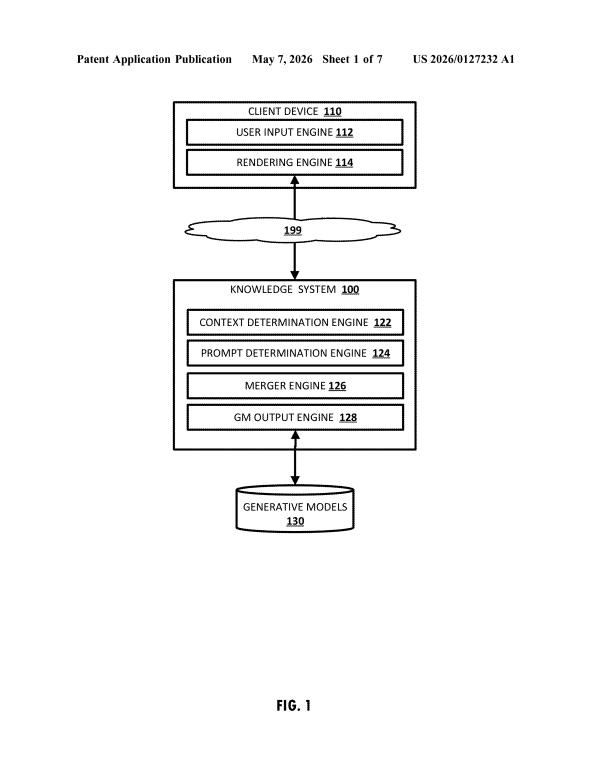
Most of the filings here come from Google, and they map out a layered architecture: one model figures out what a user wants, another decides which app or tool to call, and a filtering step cleans up the prompt before it reaches the model. Other Google filings extend that reasoning to images, letting an assistant read text in a photo and act on it, and to memory, using embeddings so an agent recalls earlier conversations instead of starting fresh each time.
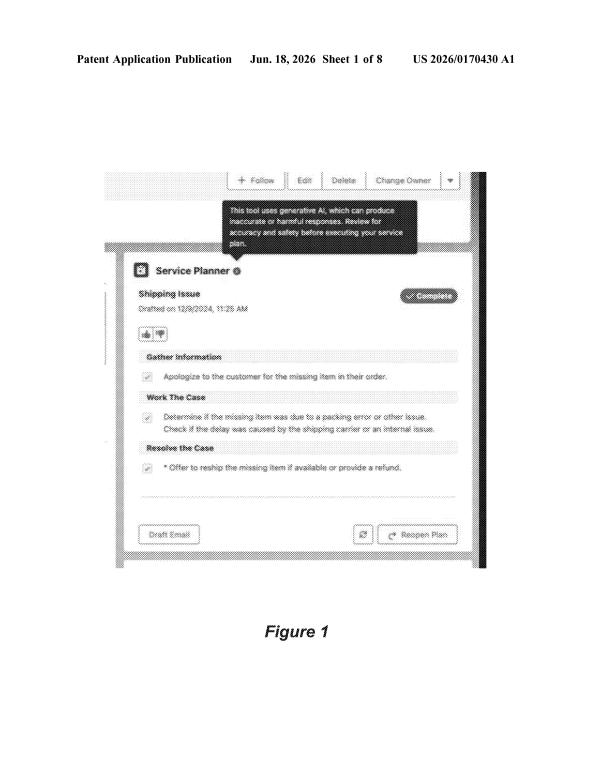
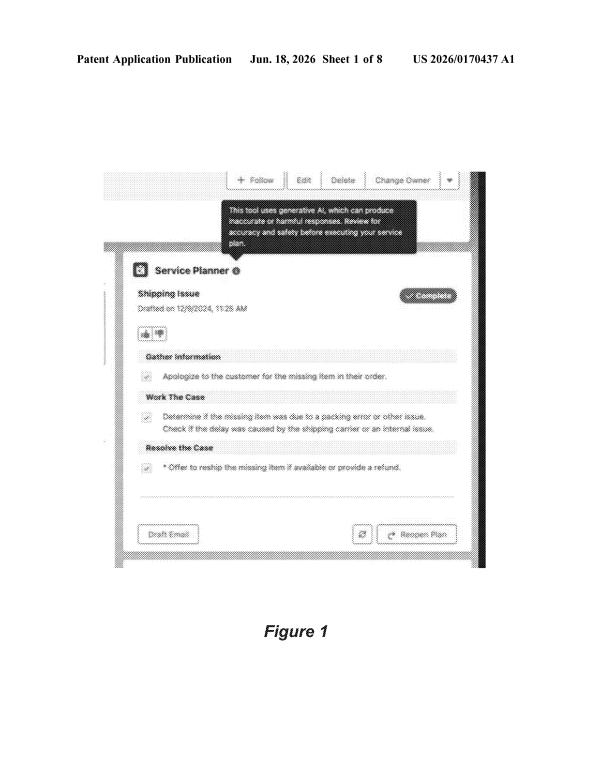
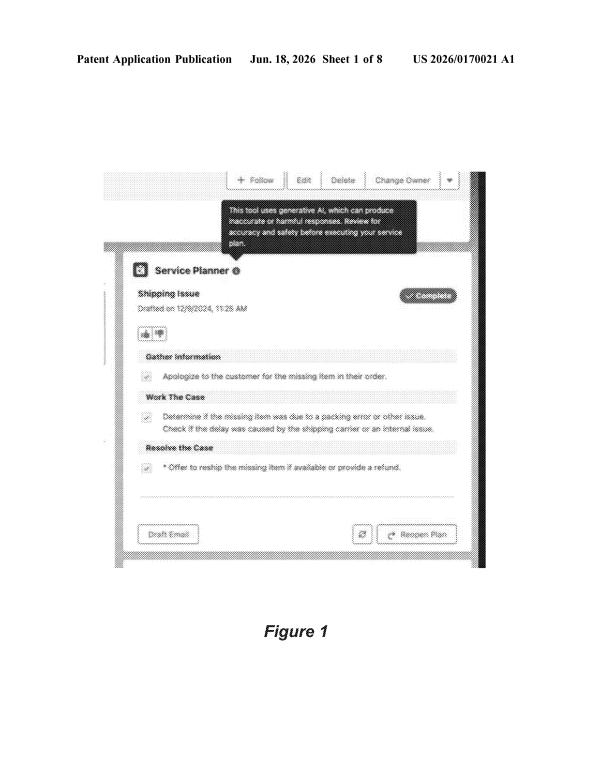
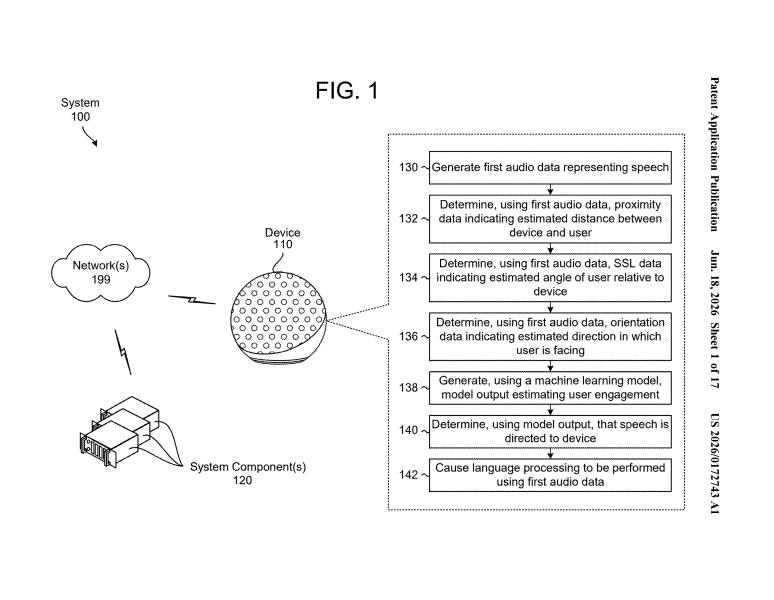
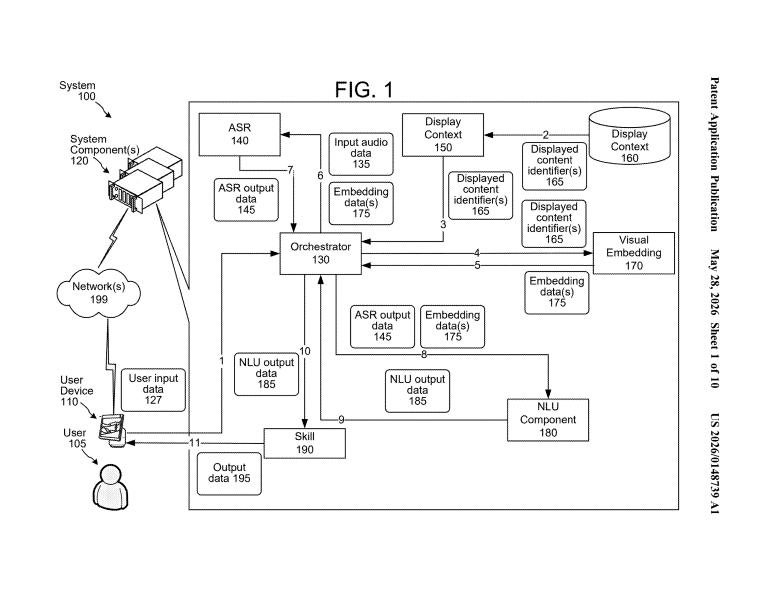
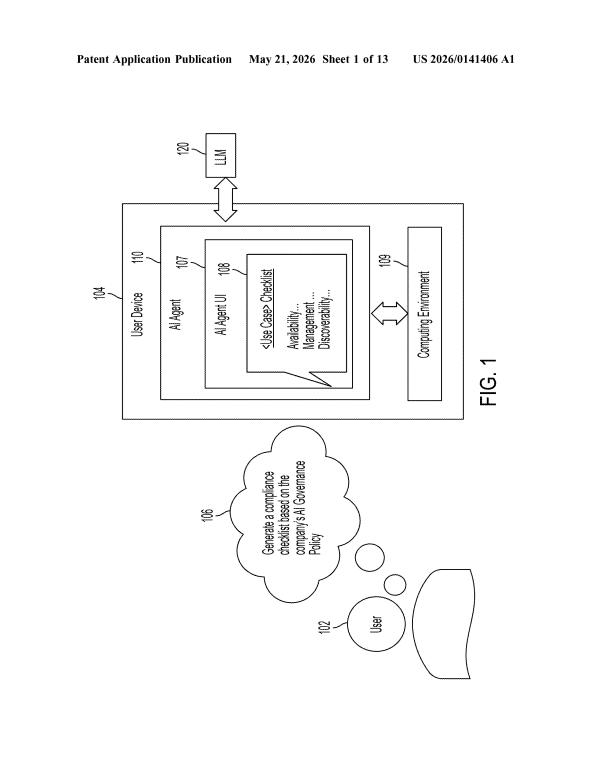
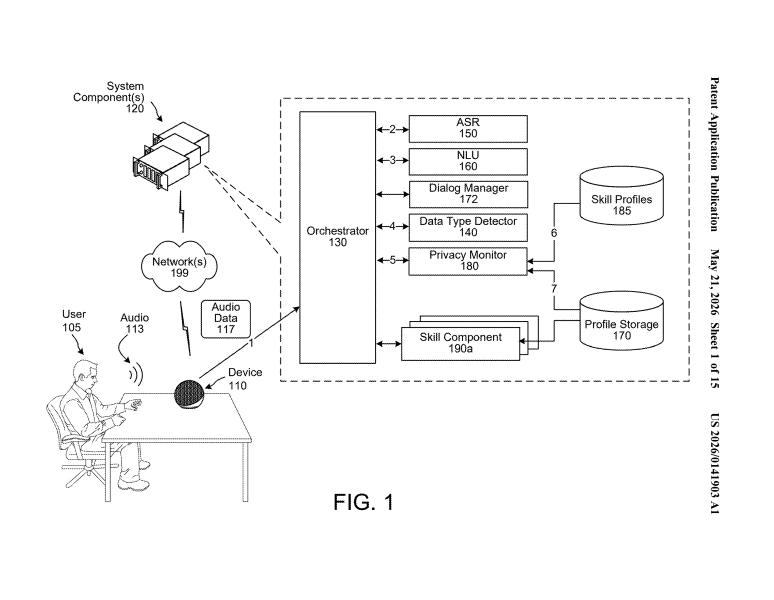
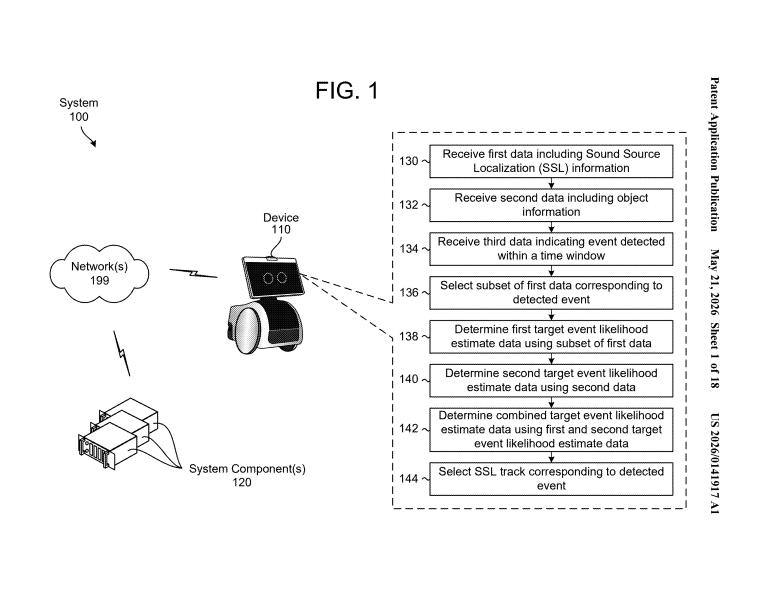
Amazon and Salesforce fill in the parts of the story about control and safety. Amazon patents cover a privacy monitor that flags Alexa skills collecting sensitive data, a system that fuses object maps with audio to locate the real speaker instead of an echo, and a way to tie voice commands to whatever is on screen so 'add that to my cart' resolves correctly. Salesforce contributes guardrail frameworks where one agent watches others for compliance violations and can shut down a rogue deployment mid-run.
Read together, the filings point toward assistants that act first and explain later, so watch for more patents on permissioning, since an agent that can control apps, read your screen, and remember your history needs clear limits on what it is allowed to do without asking. The guardrail and privacy filings suggest that policing these agents is becoming its own patent category, not an afterthought.
Questions readers ask
Are these AI agent patents already in products?
Not necessarily. A patent filing describes an invention a company wants to protect, not a shipped feature. Some ideas in this storyline, like app control layers or ambient listening, may show up in products later, get shelved, or never leave the lab. The filings tell us where engineering effort is going, not what you'll use next year.
Why does Google have so many patents in this AI agent storyline?
Google files the most patents in this collection, covering intent detection, app control, prompt filtering, tool-call reasoning, image understanding, and memory. That spread suggests Google is building out a full stack for its assistants rather than one feature. It does not mean Google's approach will win, only that its patent output on this topic is currently the densest.
What problems are these patents trying to solve?
The recurring problems are figuring out what a user actually wants, deciding which app or tool to call, keeping a filtered and accurate prompt, recalling past interactions, and reacting to what a camera or microphone picks up. Amazon and Salesforce filings add privacy checks and compliance guardrails on top, since an assistant that acts needs limits on what it can do.
How do guardrail patents fit into this AI agent race?
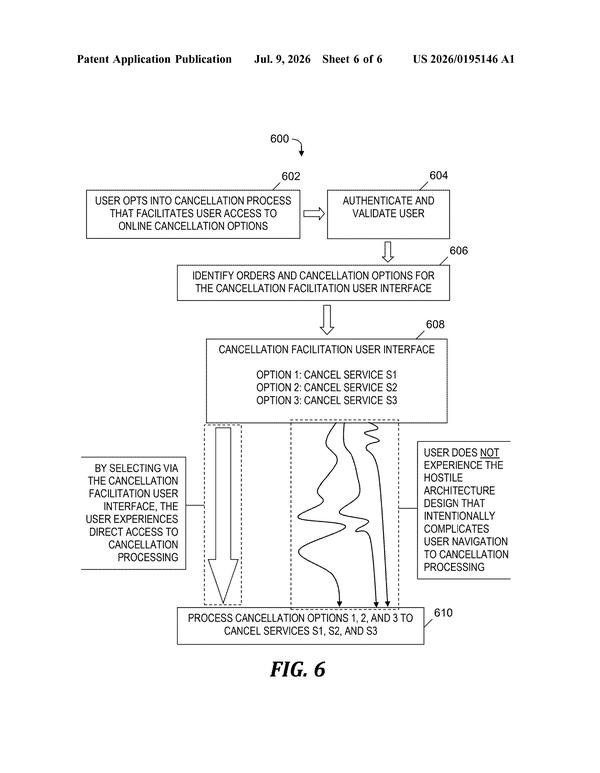
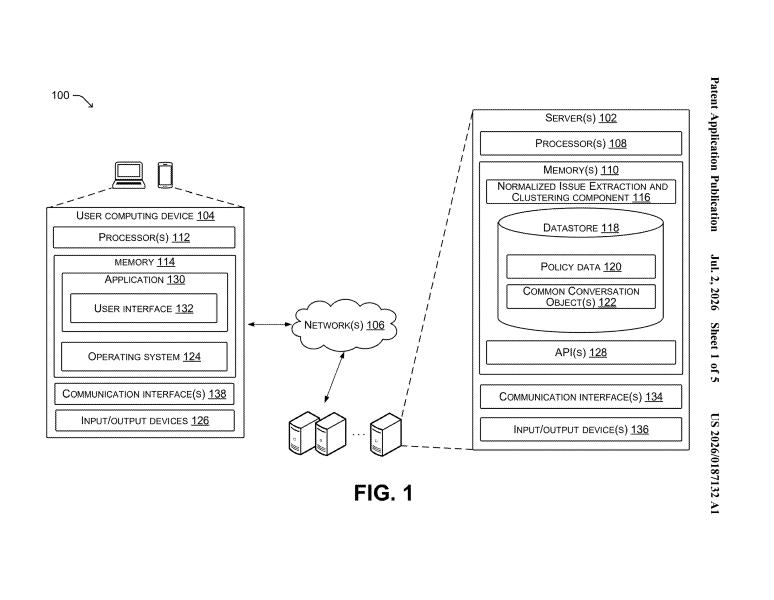
Salesforce's guardrail patents describe one AI agent watching others for compliance violations and blocking a rogue deployment before it causes harm. Paired with Amazon's privacy monitor for Alexa skills, they show that as assistants gain the ability to act, companies are also patenting ways to supervise and shut down agents that misbehave.