What the filings show
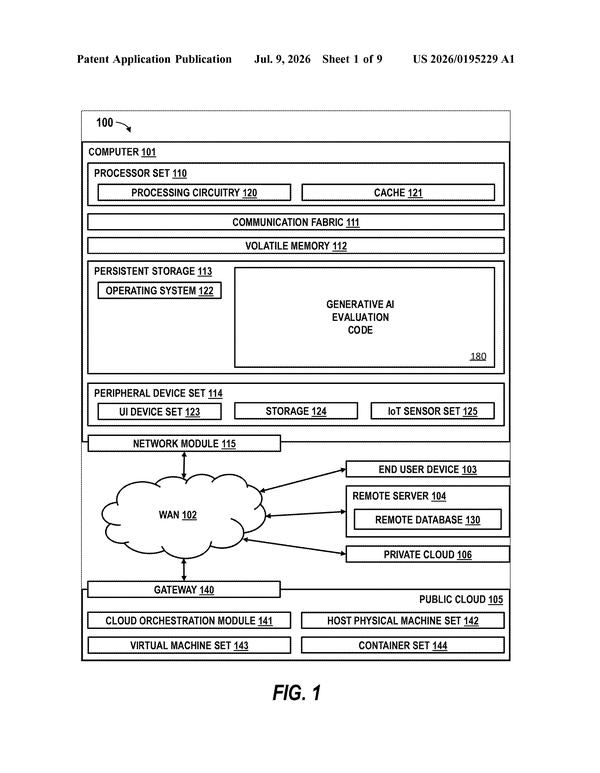
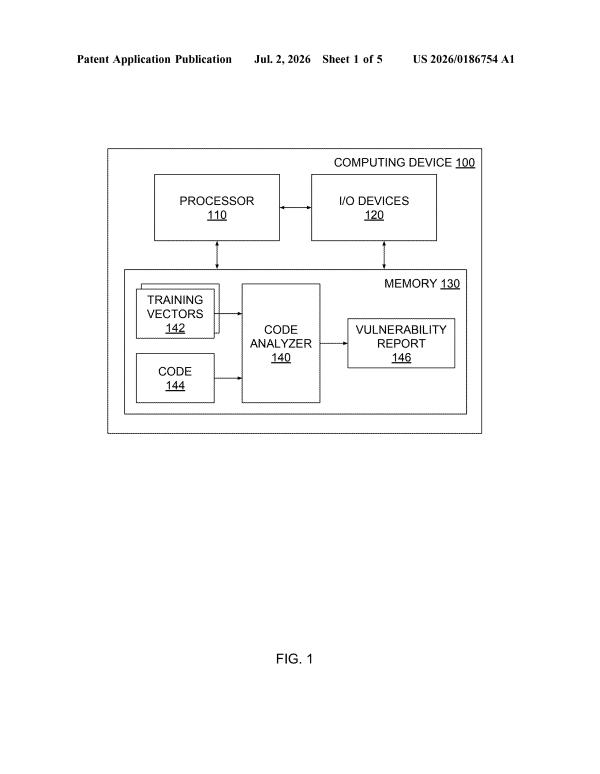
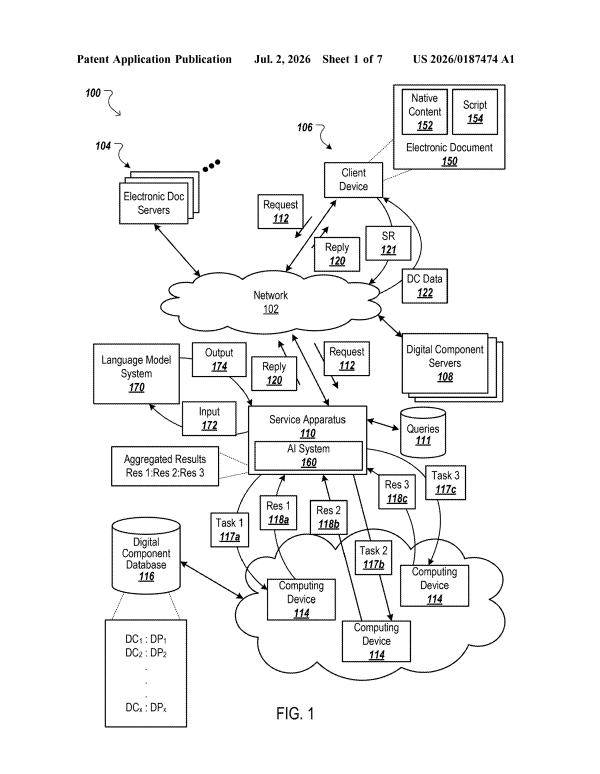
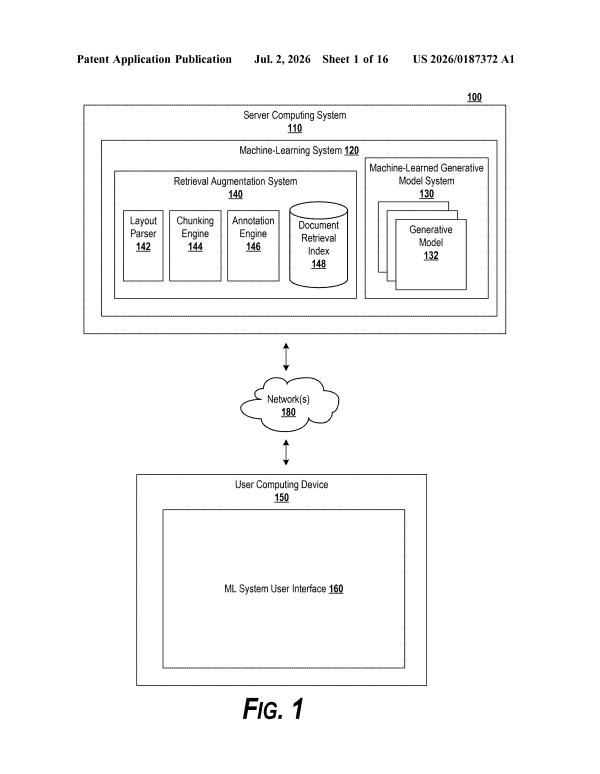
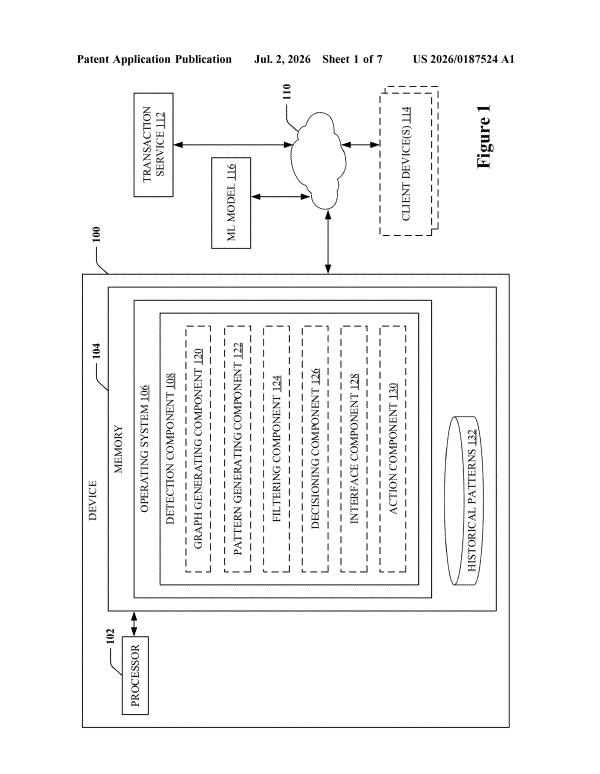
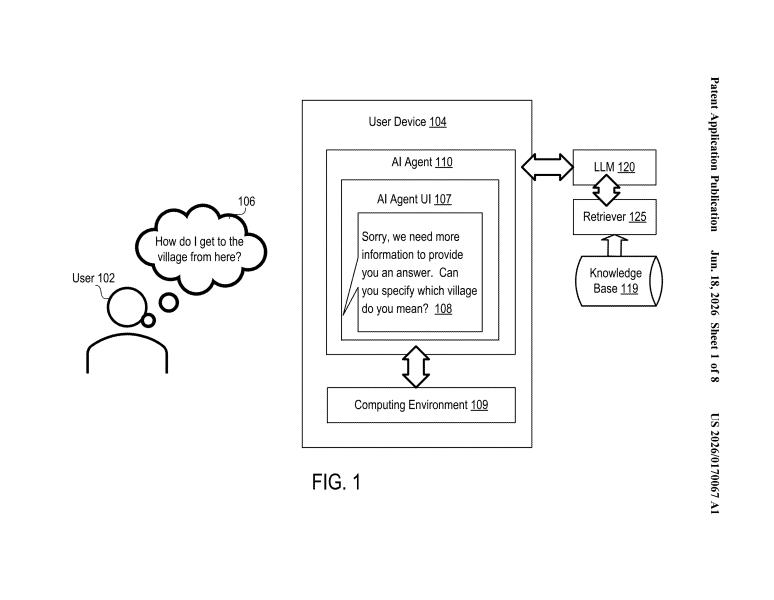
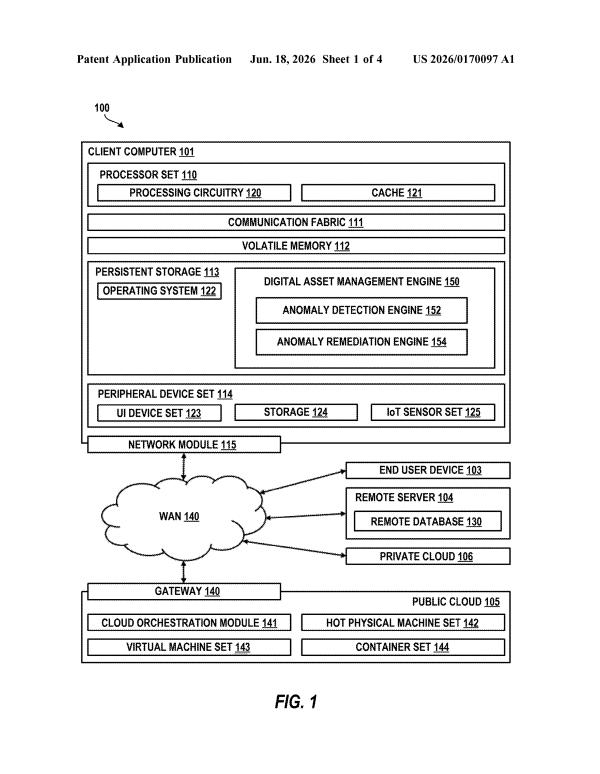
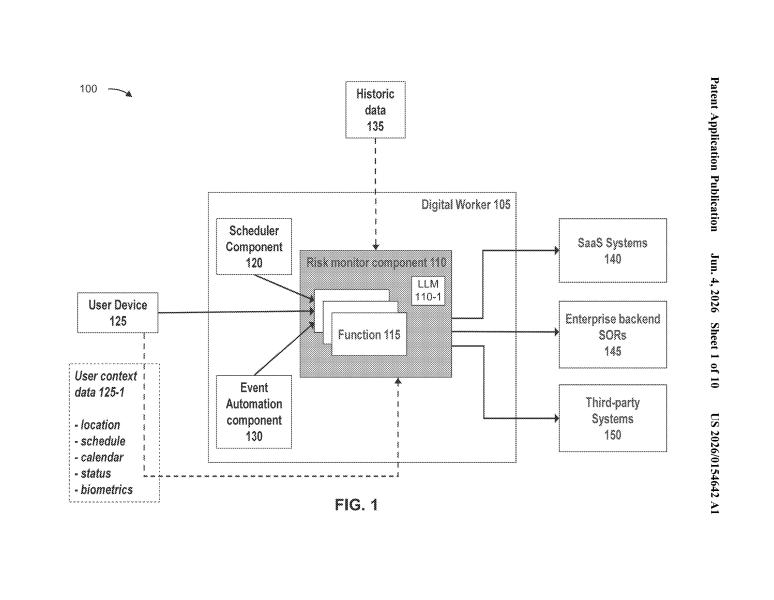
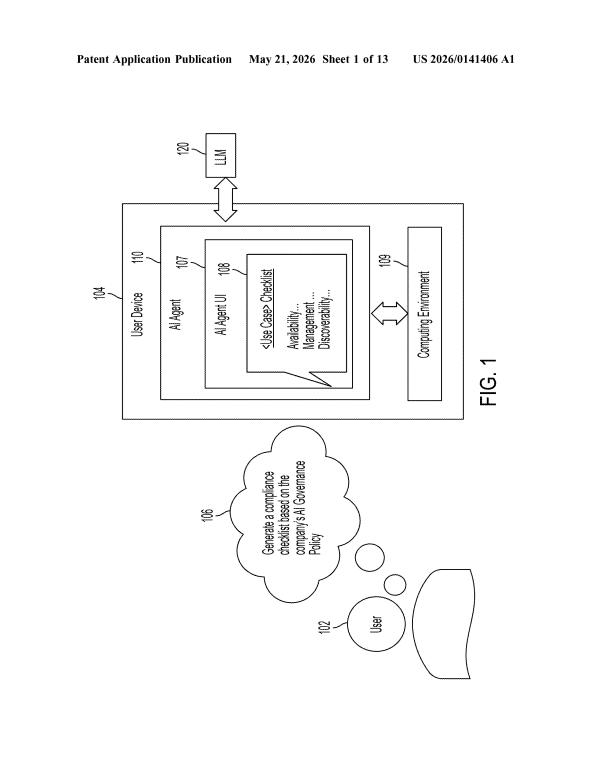
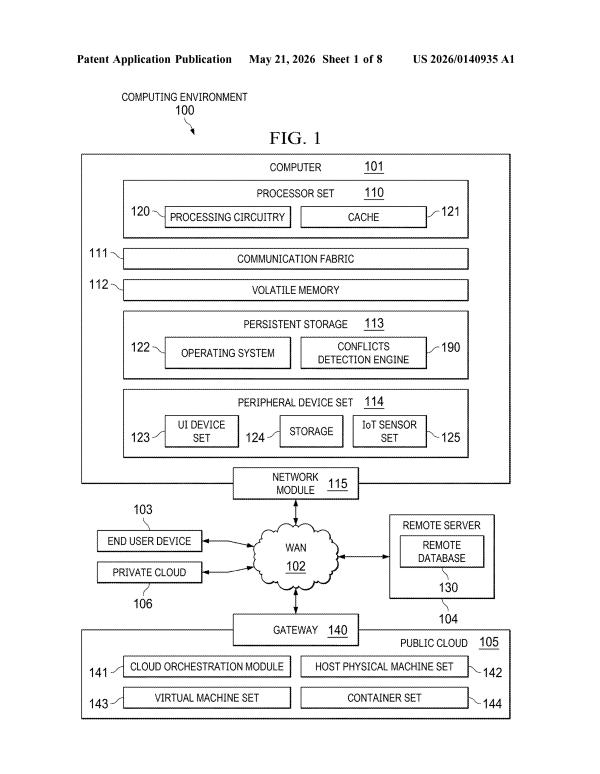
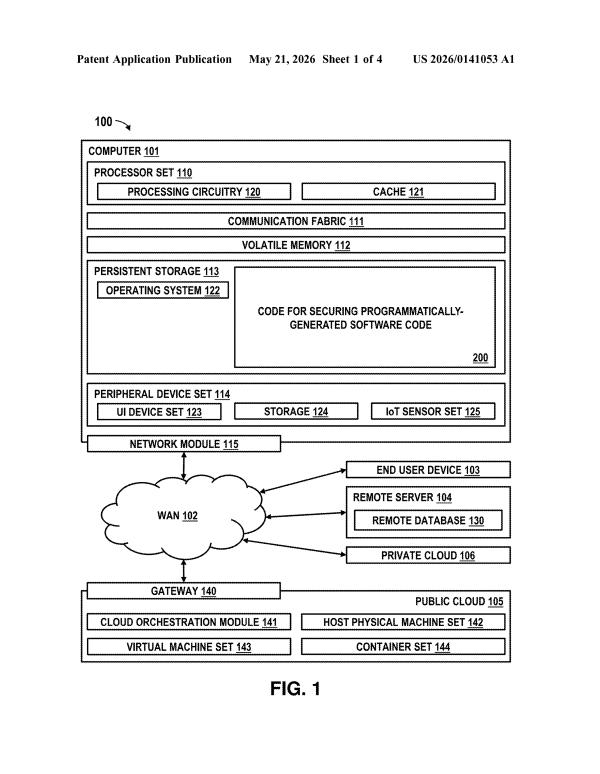
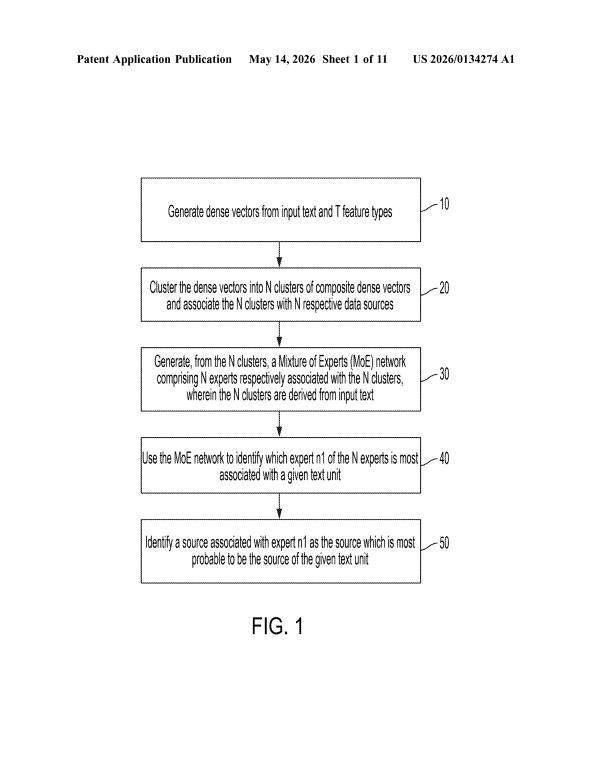
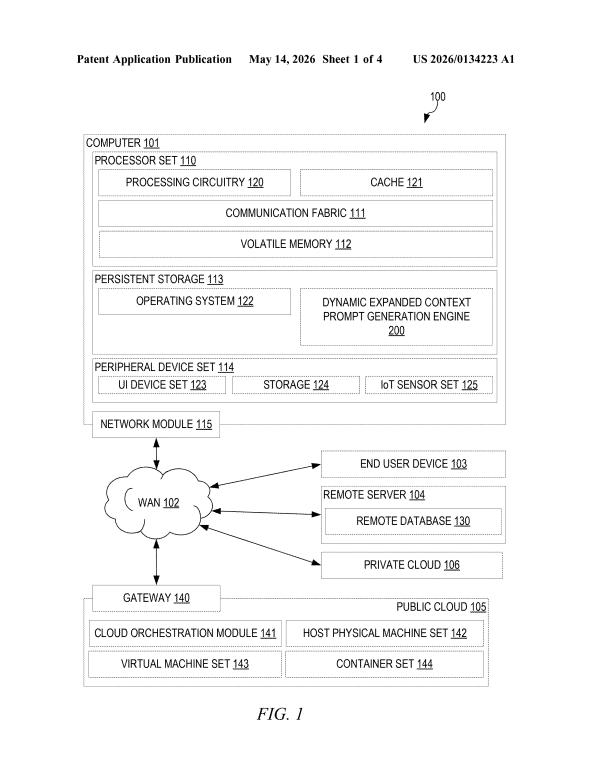
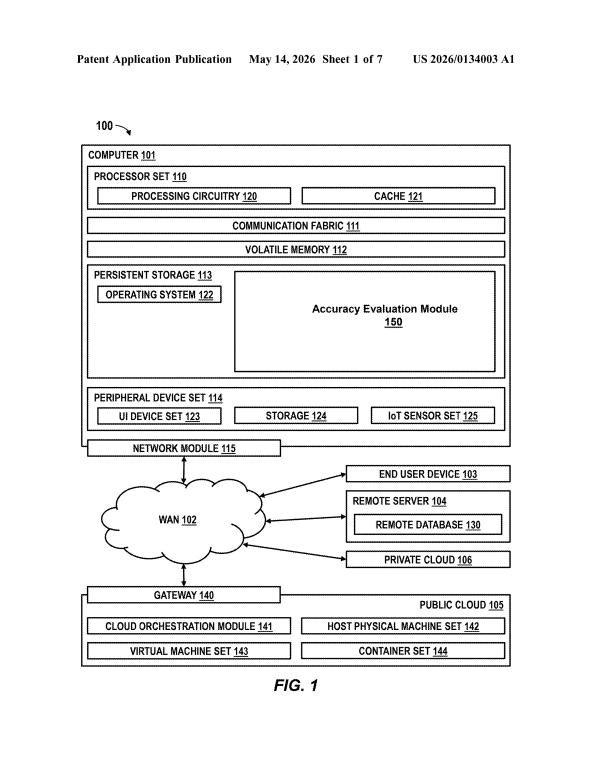
The filings in this storyline cluster around three problems: judging AI output for accuracy, tracing where generated text or answers came from, and stopping AI systems from acting on bad information. IBM's patents cover ranking multiple AI answers before showing one, tracing text through a mixture-of-experts network, catching conflicting documents in a vector database, and stopping AI-generated code from deleting data.
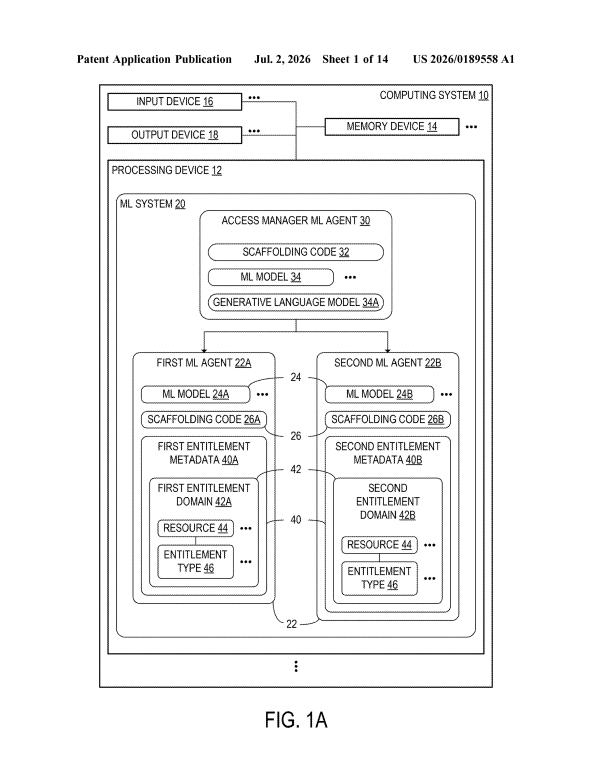
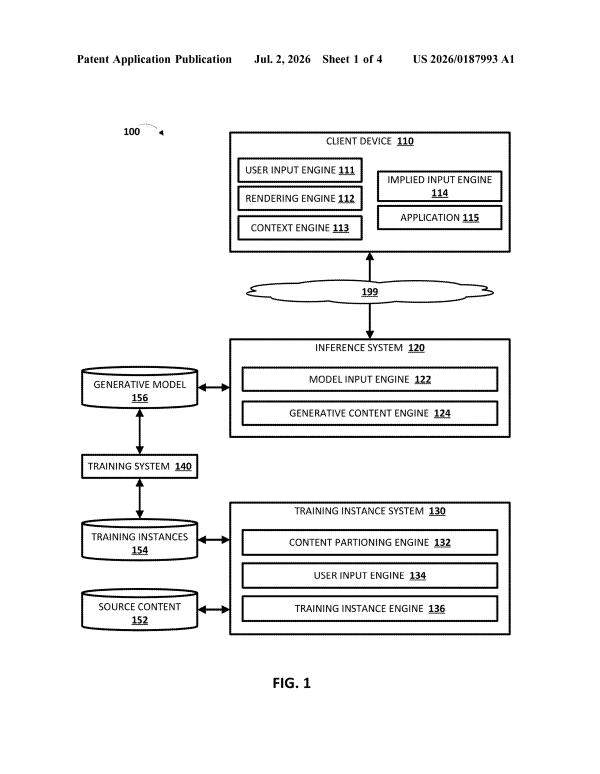
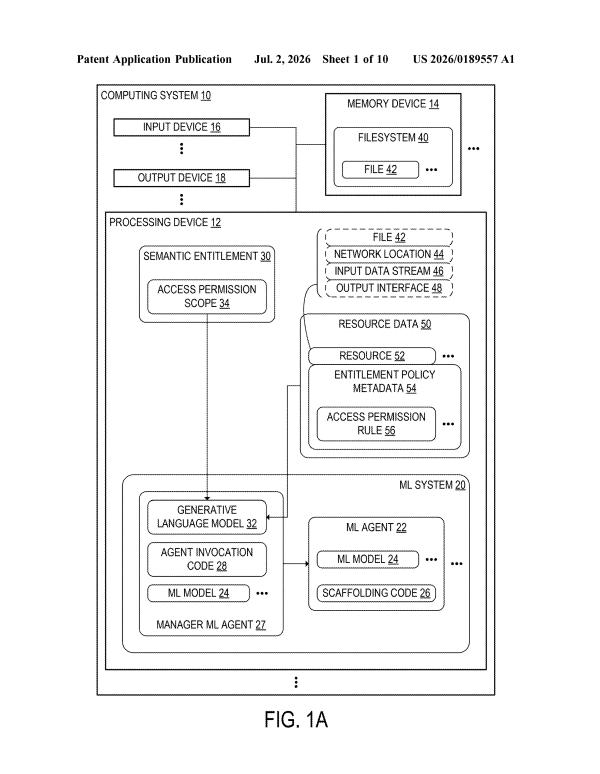
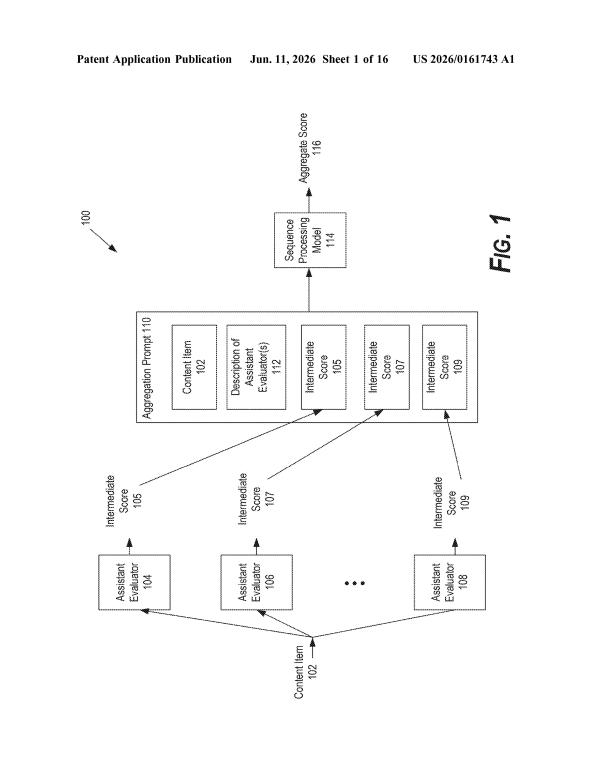
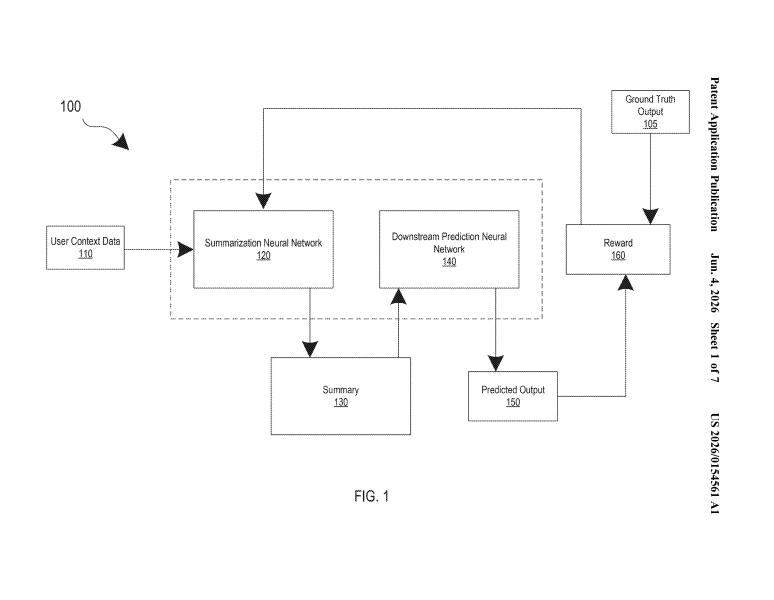
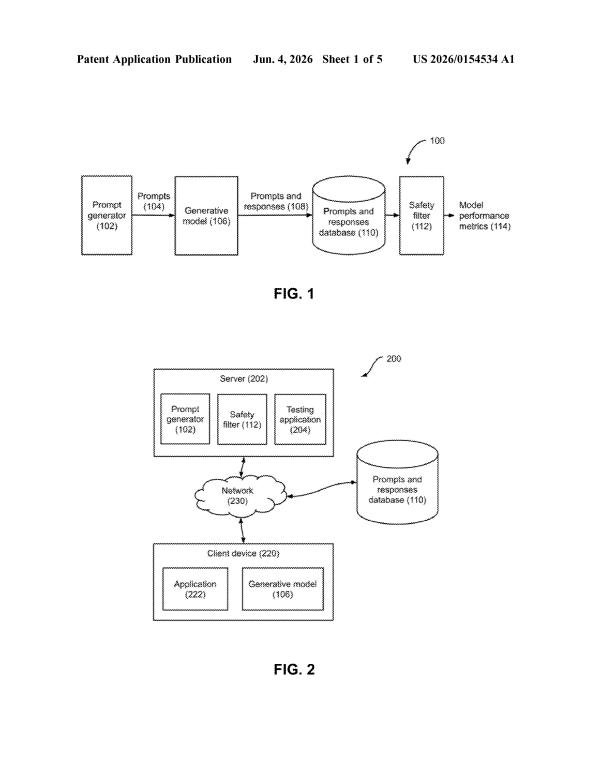
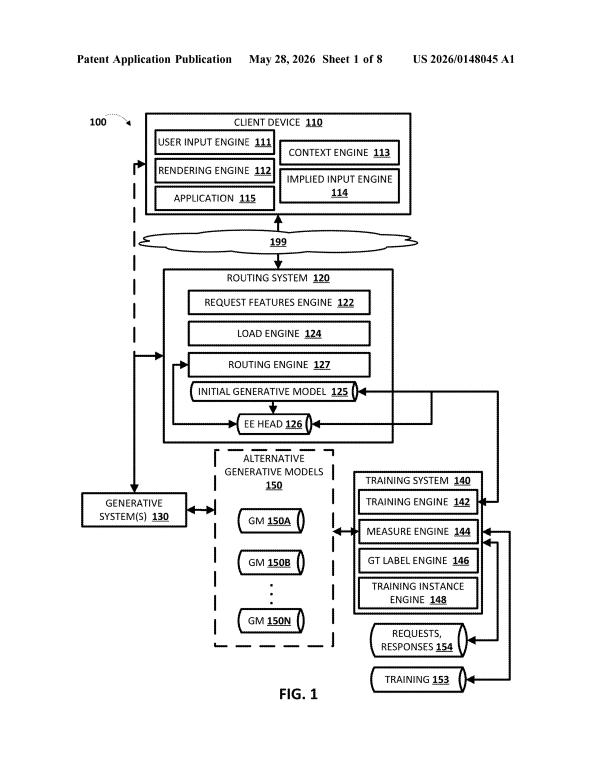
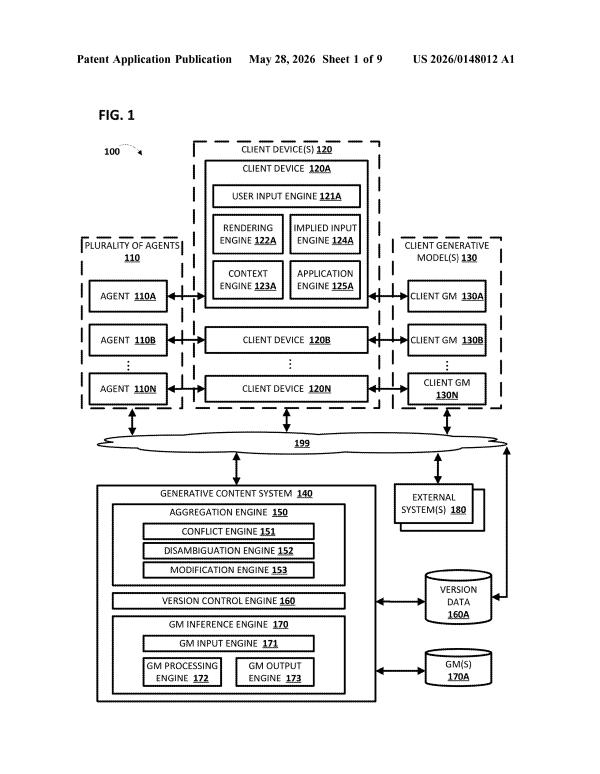
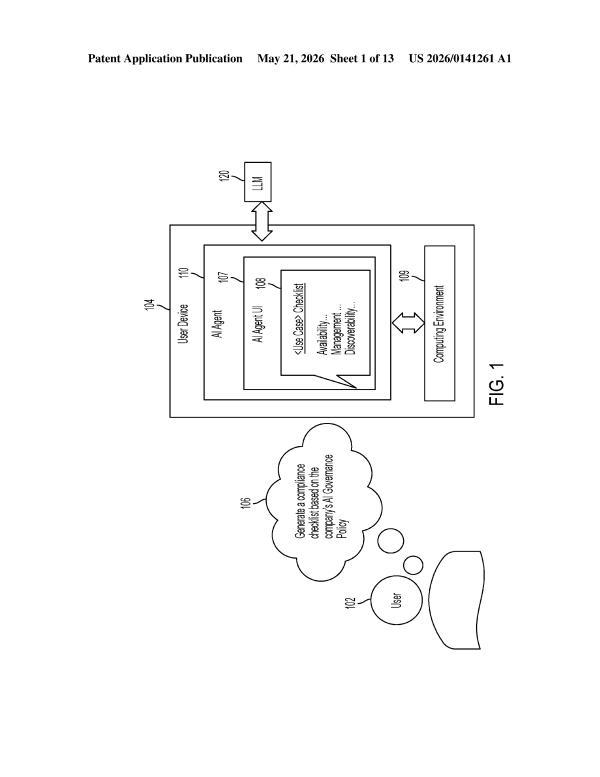
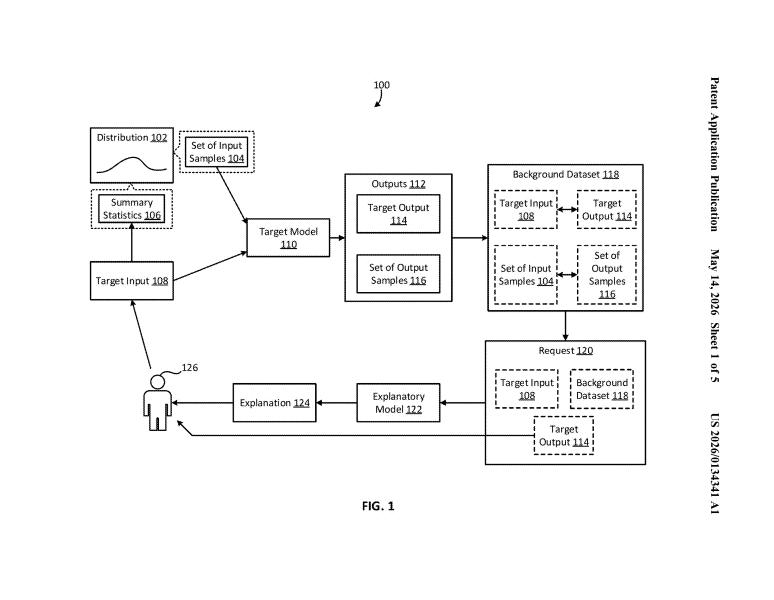
Red Hat's filing keeps explainability data current as the underlying model changes, so an explanation stays accurate instead of going stale. Salesforce patents let one AI agent monitor other agents for compliance violations and block them mid-deployment if they step out of line. Google's patents cover routing a task to the right model mid-generation, merging conflicting prompts from multiple agents, judging summaries by whether they help the reader, and running automated safety drills that fire test prompts at a model without a human in the loop.
Together the filings suggest that catching AI mistakes now takes several layers: a check on the answer, a check on where it came from, and a check on what happens after it acts. Readers should watch whether future filings extend this thinking to areas we have not seen yet, like enterprise deployment audits or cross-company standards, since each new entry keeps testing whether one company's checks can catch what another company's model misses.
Questions readers ask
What problems do the AI guardrails patents actually solve?
They target concrete failure points: an AI giving a confidently wrong answer, generated text with no clear source, conflicting documents in a knowledge base, and AI-written code or agents that act on bad information. The filings from IBM, Red Hat, Google, and Salesforce each attack one piece of that chain rather than proposing one universal fix.
Is this an actual product, or just a patent filing?
These are patent filings, which show research direction, not confirmed products. Companies patent far more systems than they ship, so a filing here means IBM, Google, Red Hat, or Salesforce is exploring the idea seriously enough to protect it, not that a feature is live in any product.
Why are so many companies filing similar AI safety patents at once?
As companies deploy AI agents and generative models in real products, they run into the same failure modes: wrong answers, untraceable text, and code or agents that act before anyone checks them. IBM, Google, Red Hat, and Salesforce are each patenting their own version of a check on that process, which suggests the industry sees this as a shared problem, not one vendor's issue.
What should I watch for as this storyline updates?
Watch for filings that connect these checks together, like a system that ranks an answer, traces its source, and blocks a bad action in one pipeline instead of three separate patents. Also watch which company starts patenting checks on other companies' AI outputs, since that would signal guardrails becoming a shared industry layer rather than an internal tool.