What the filings show
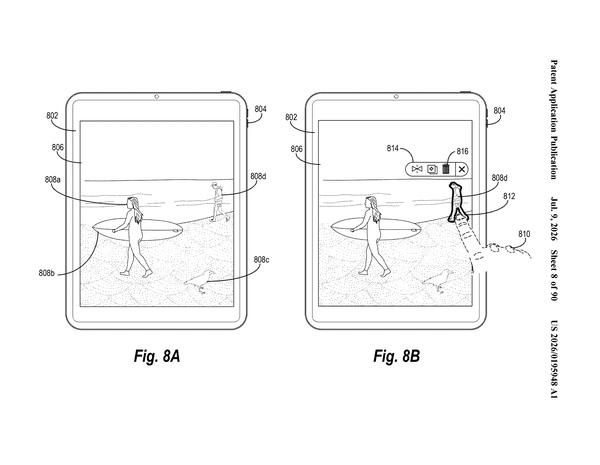
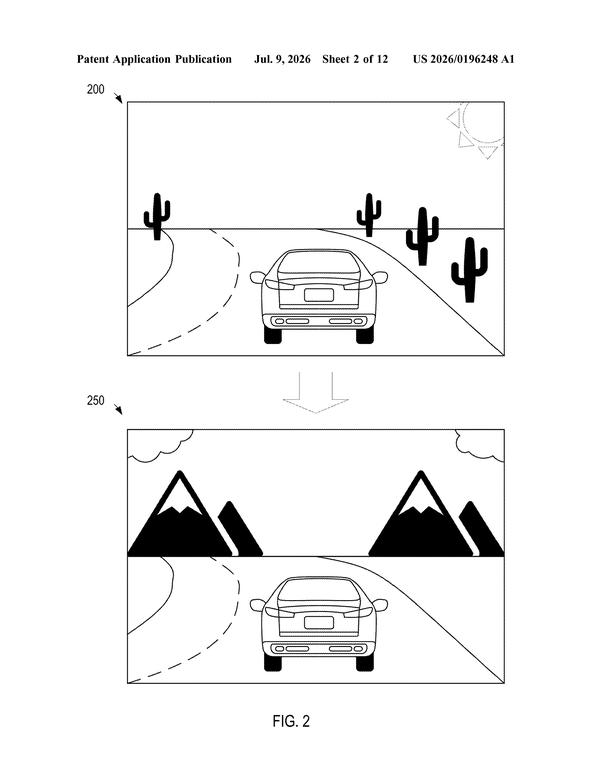
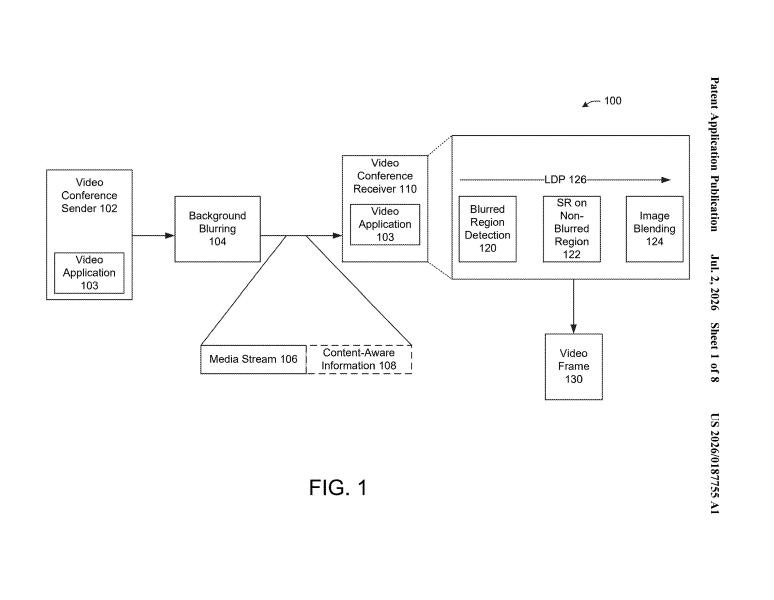
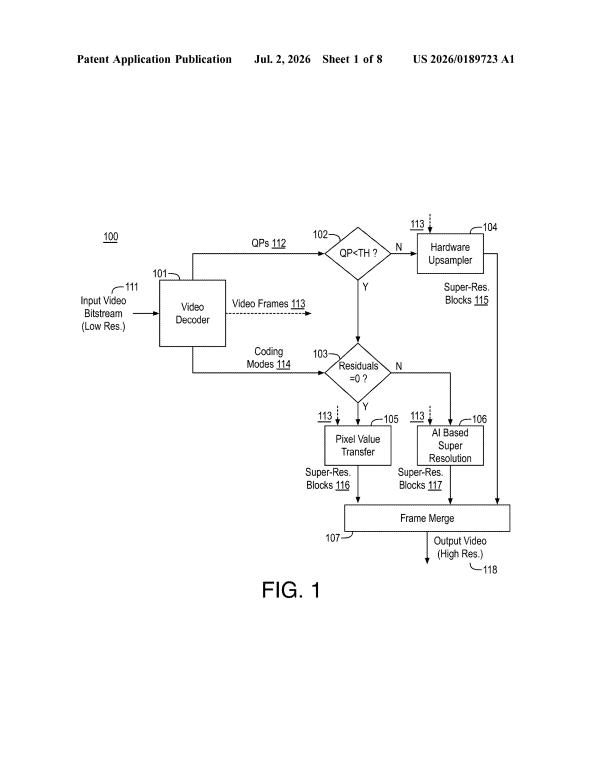
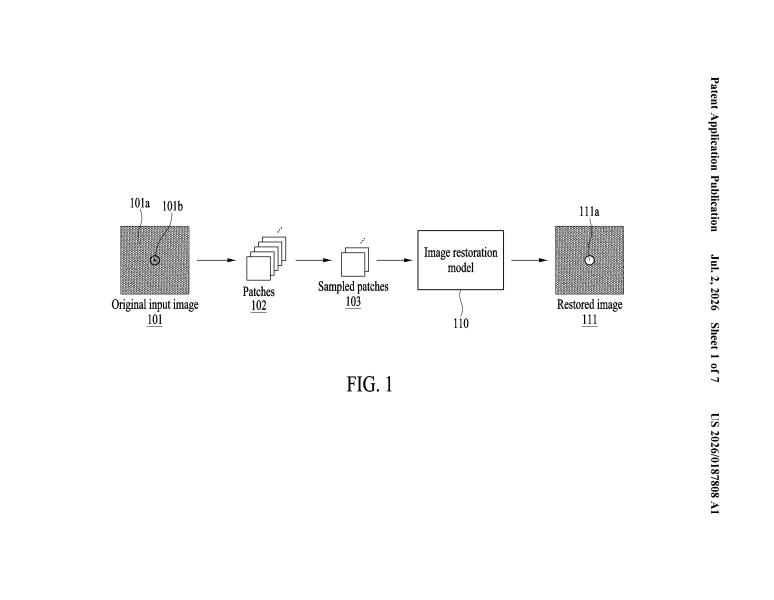
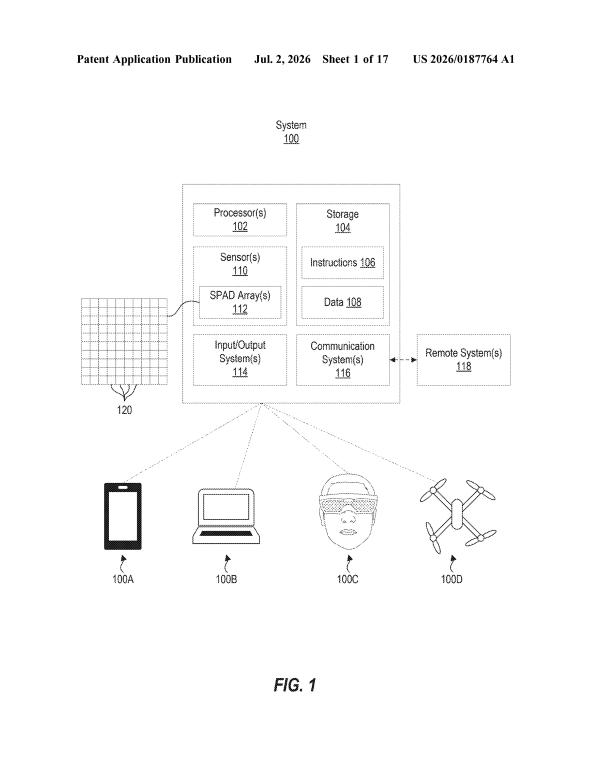
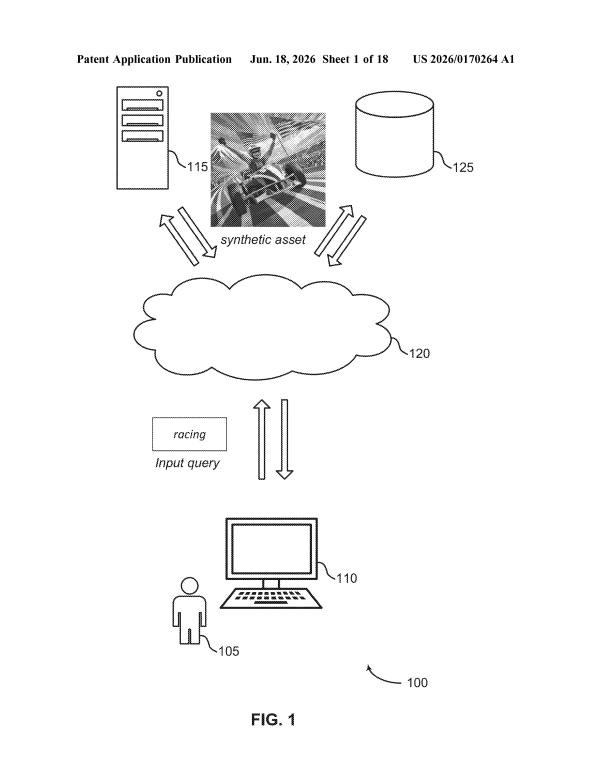
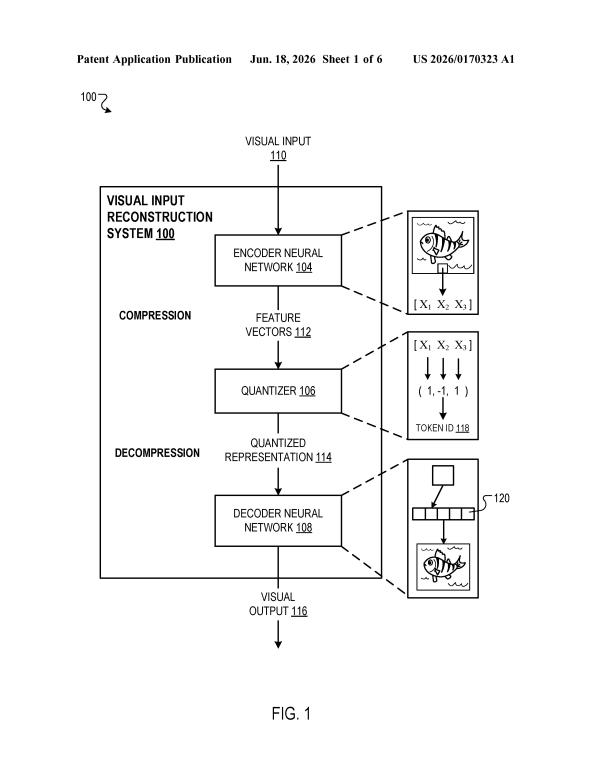
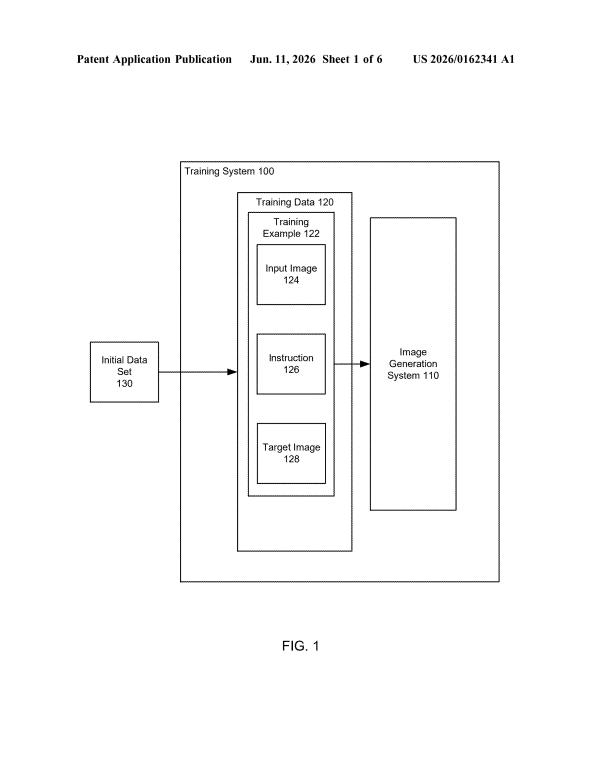
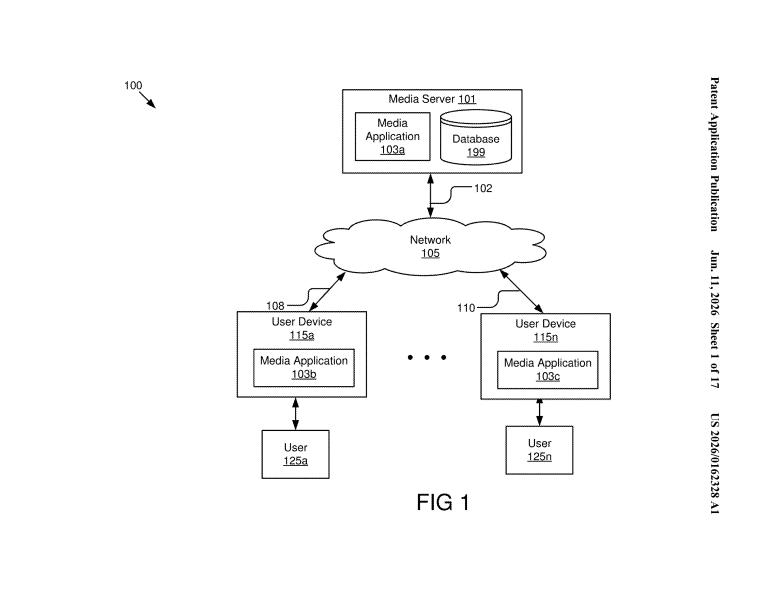
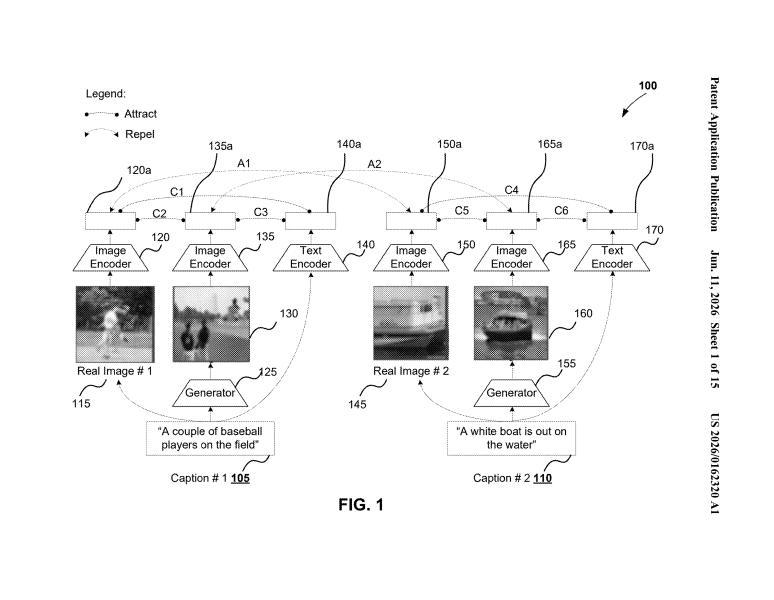
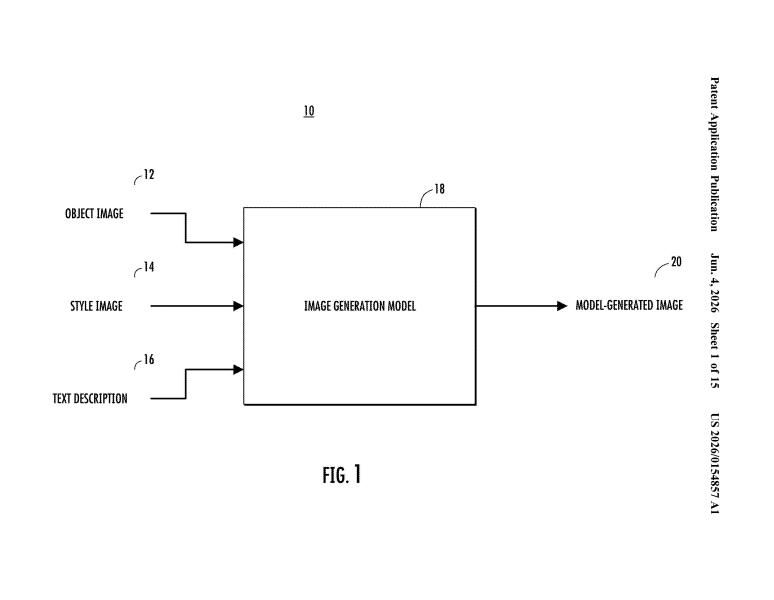
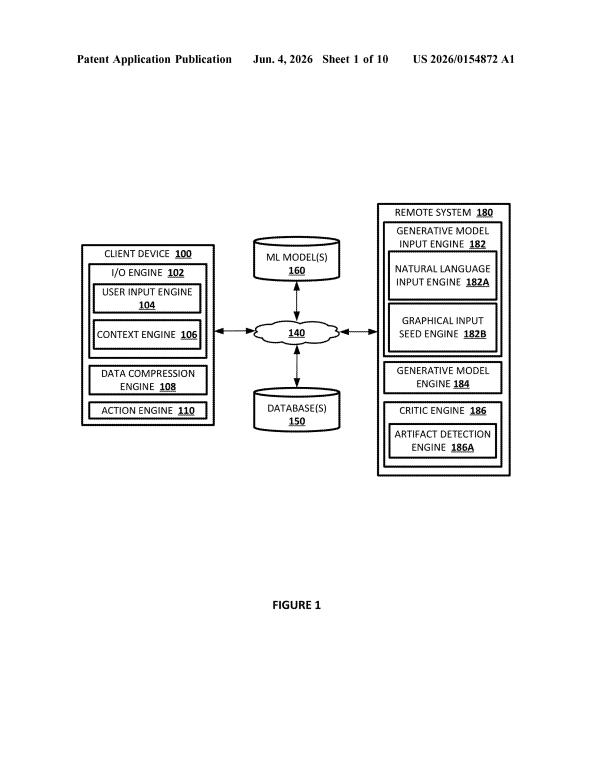
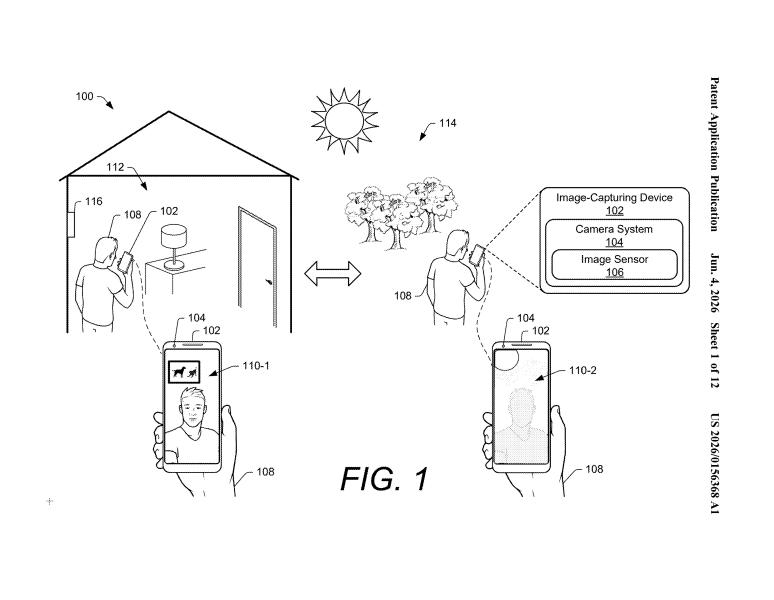
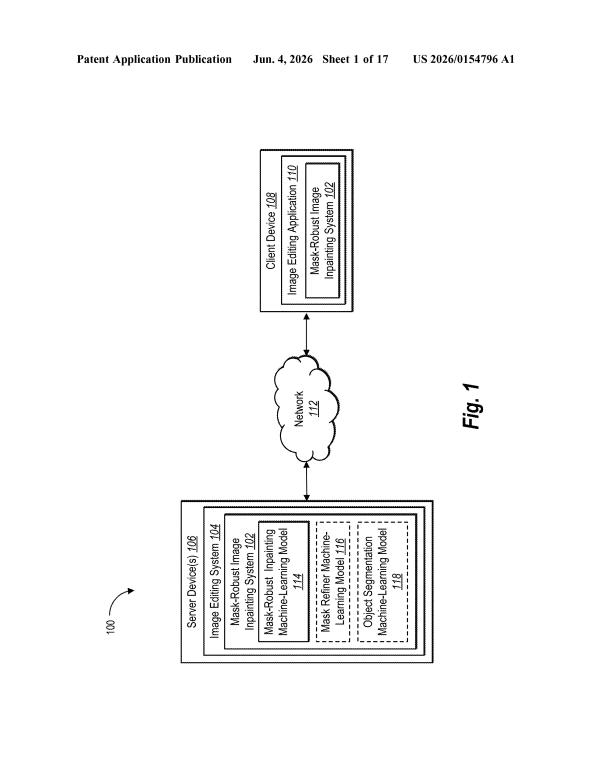
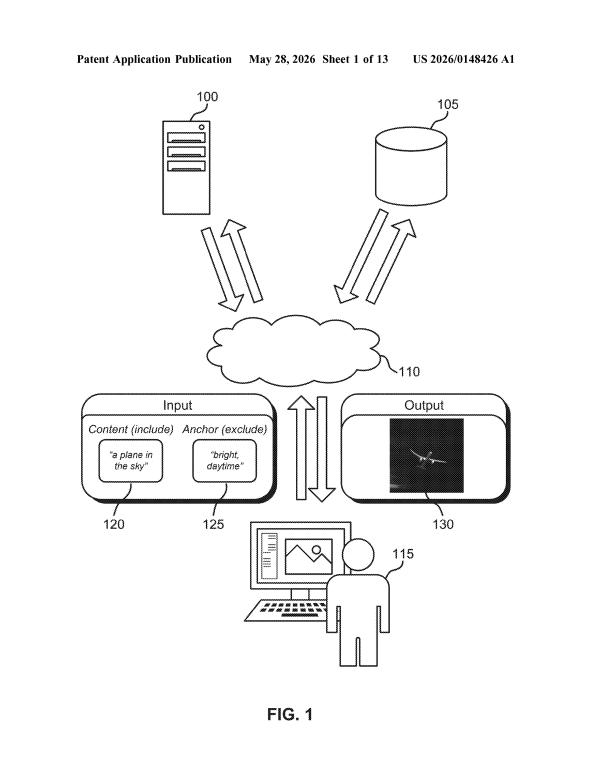
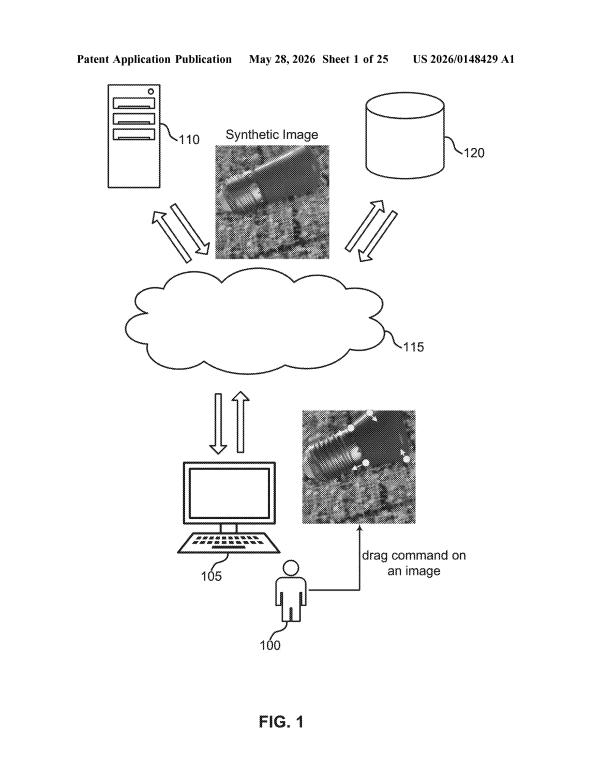
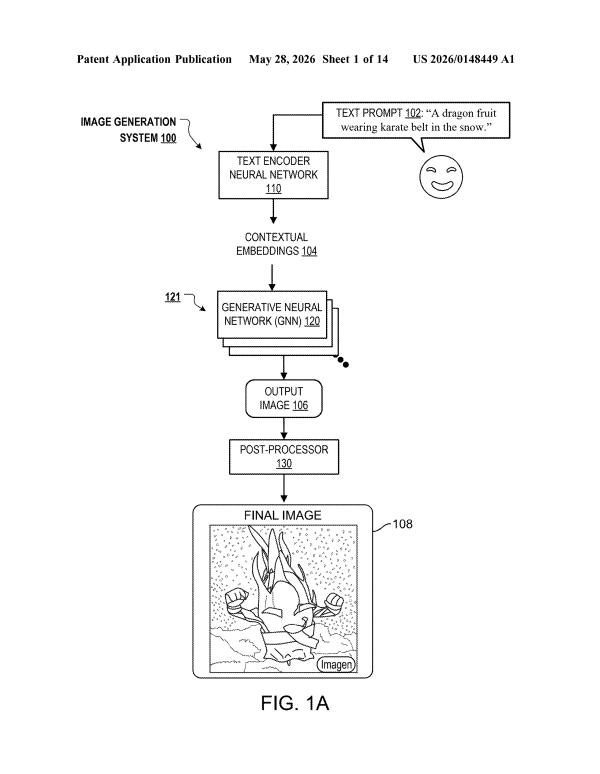
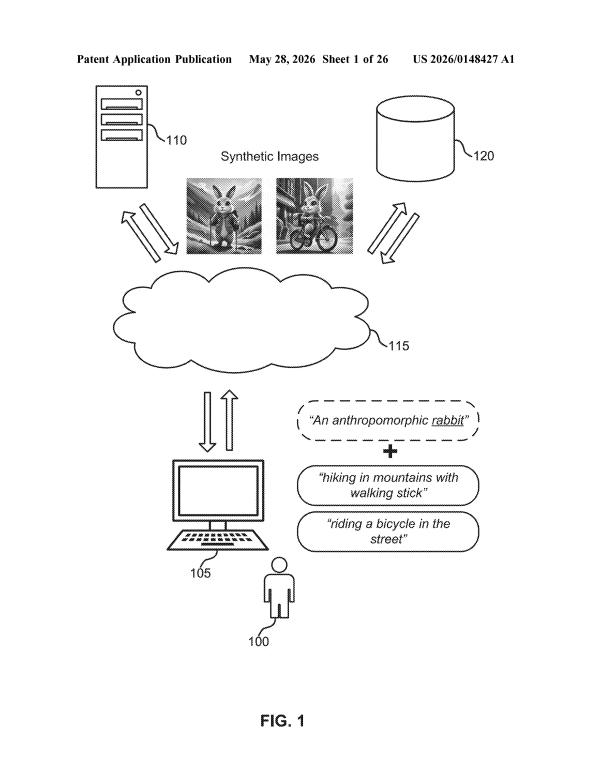
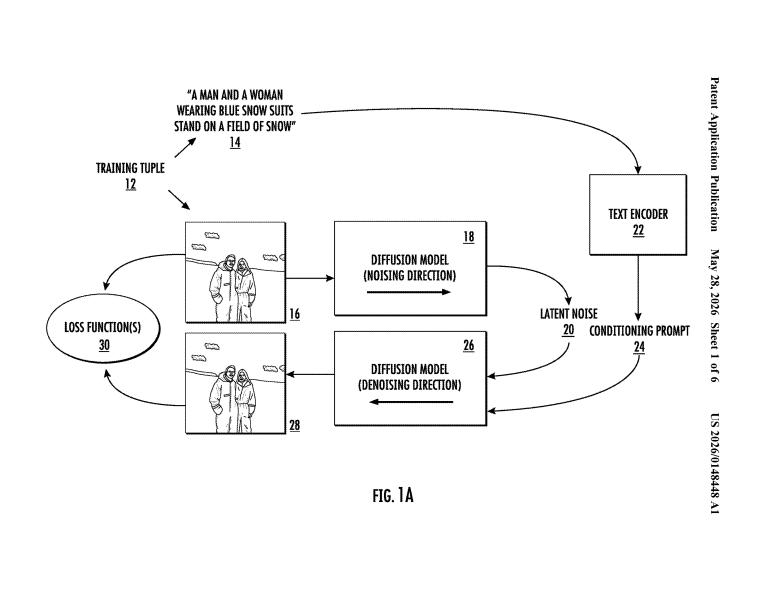
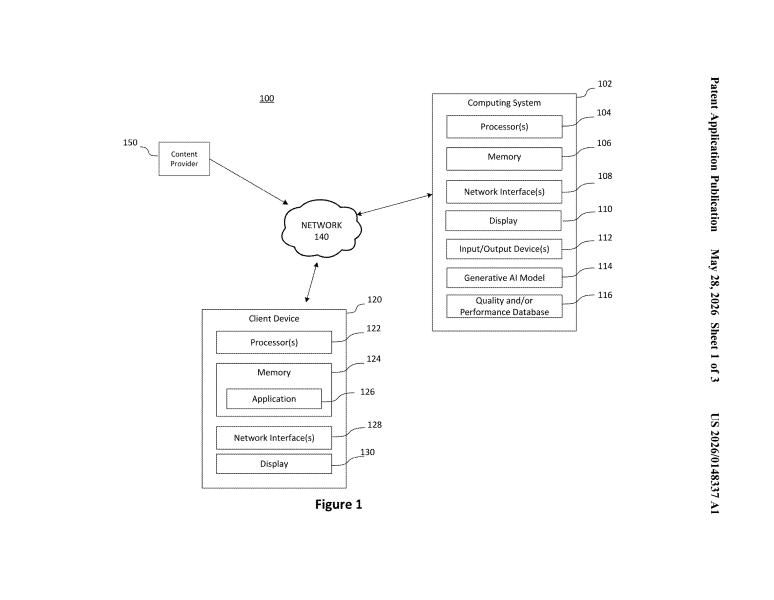
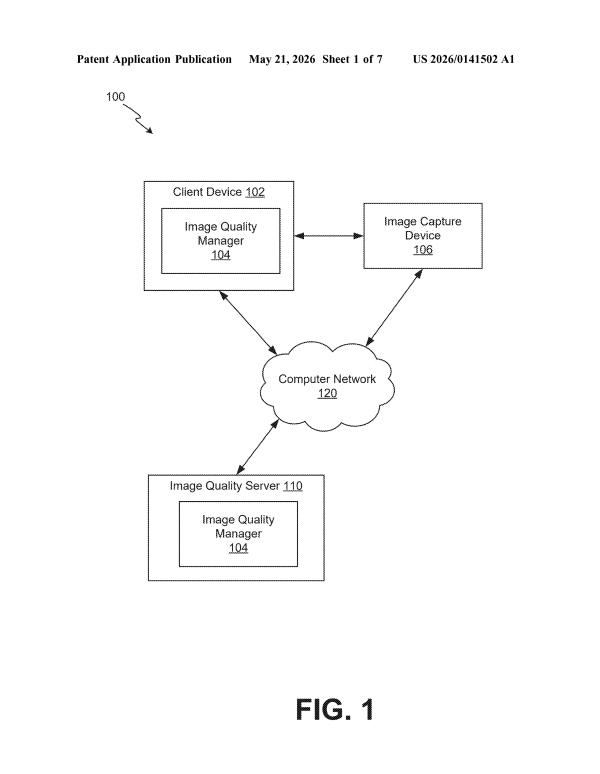
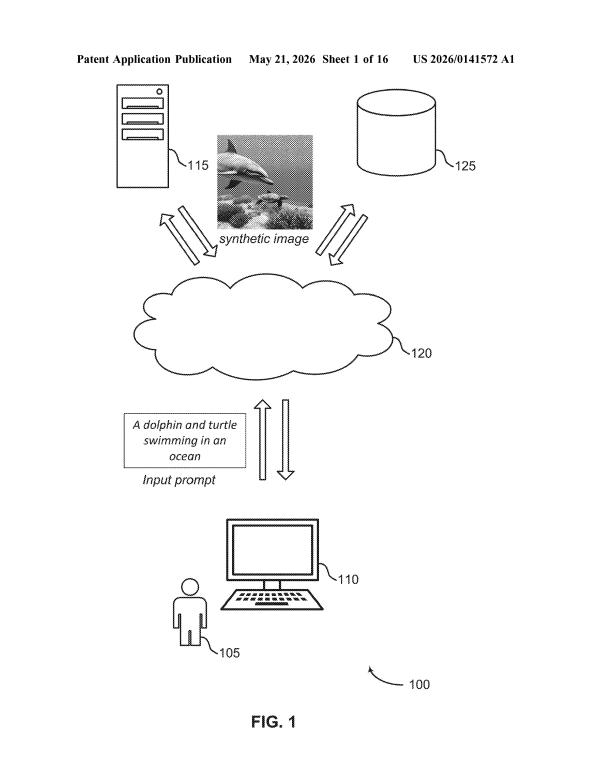
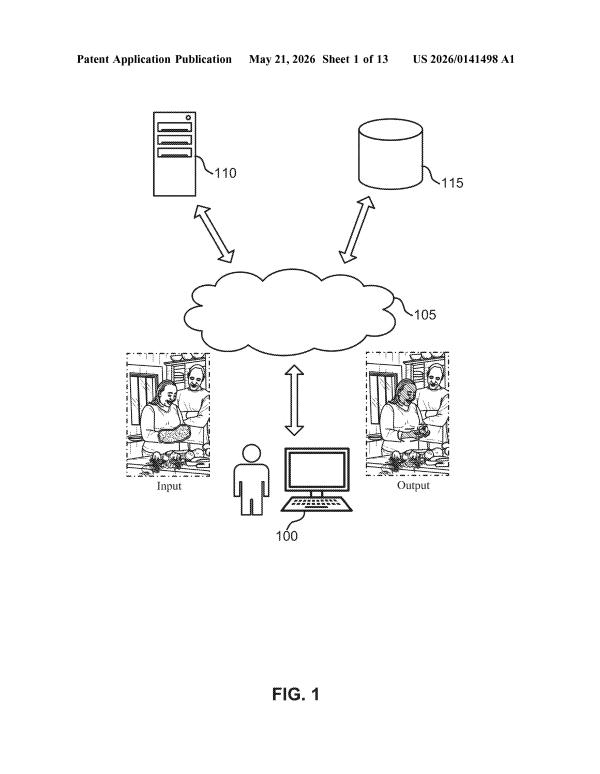
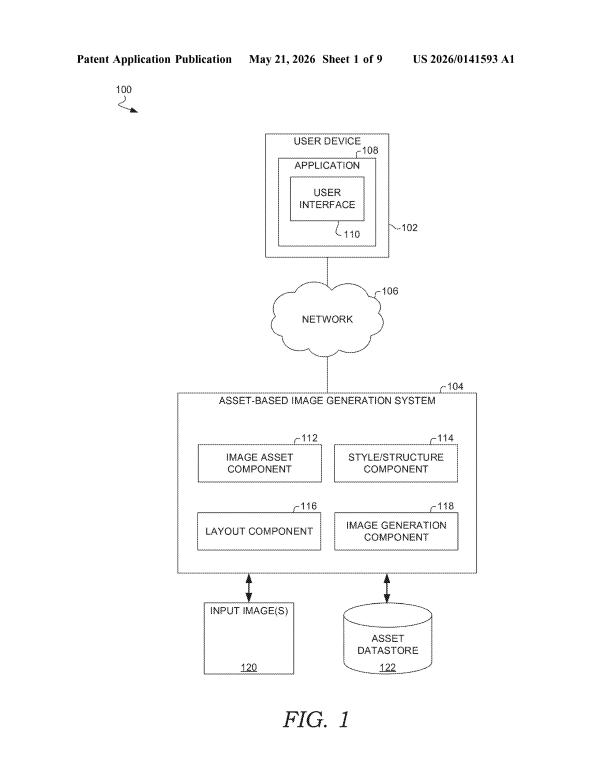
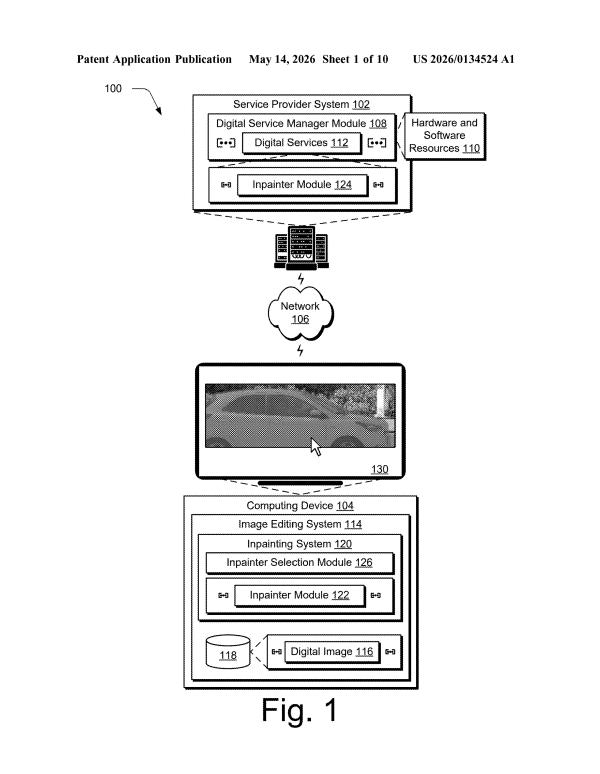
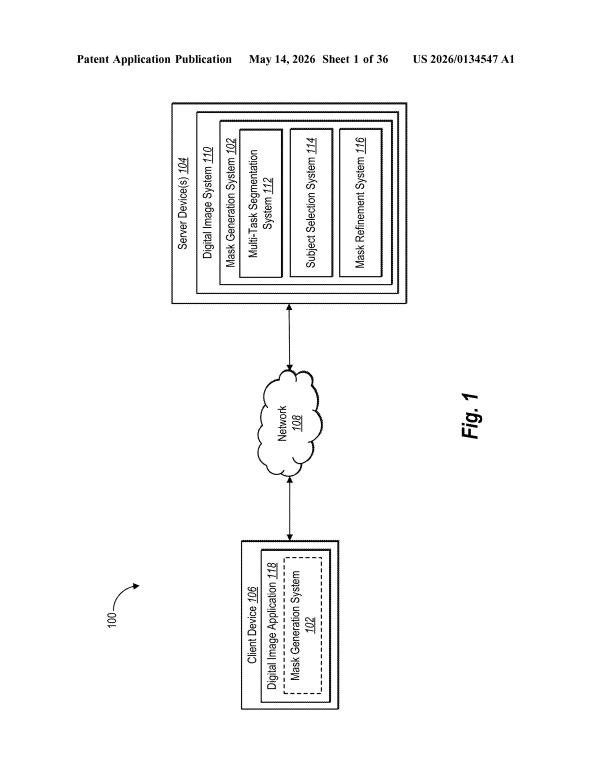
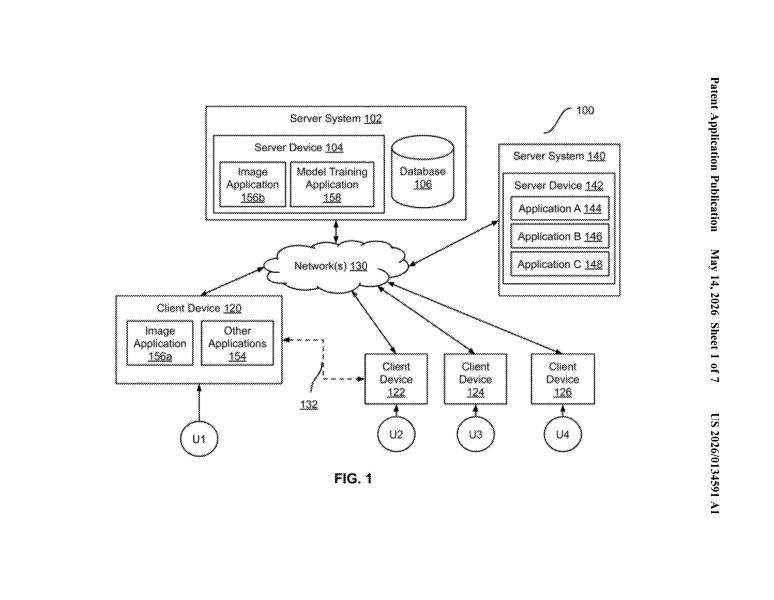
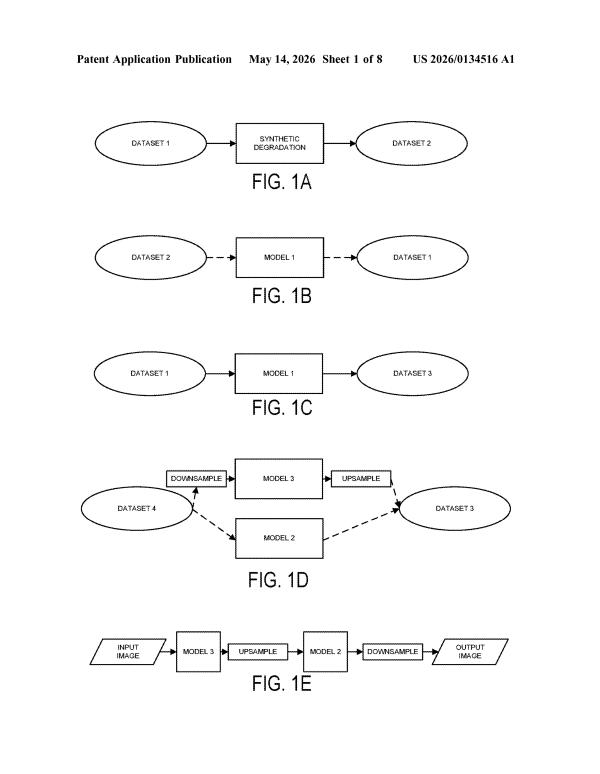
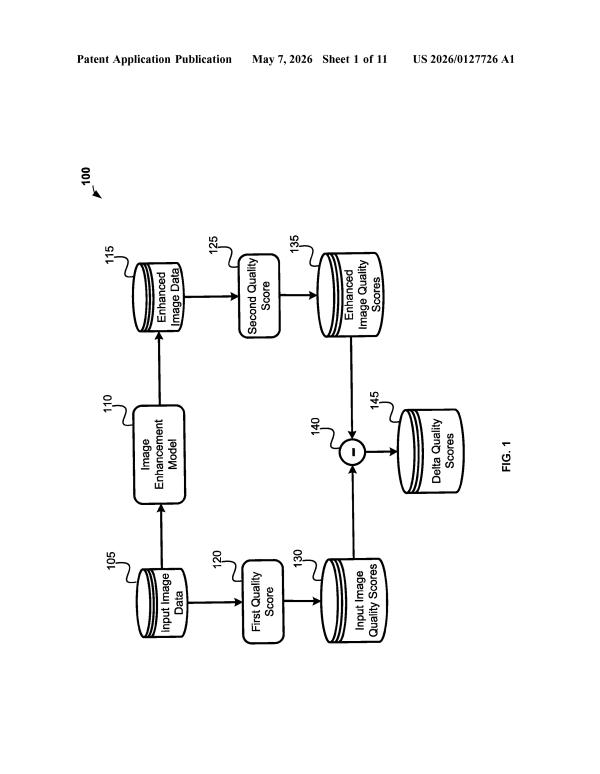
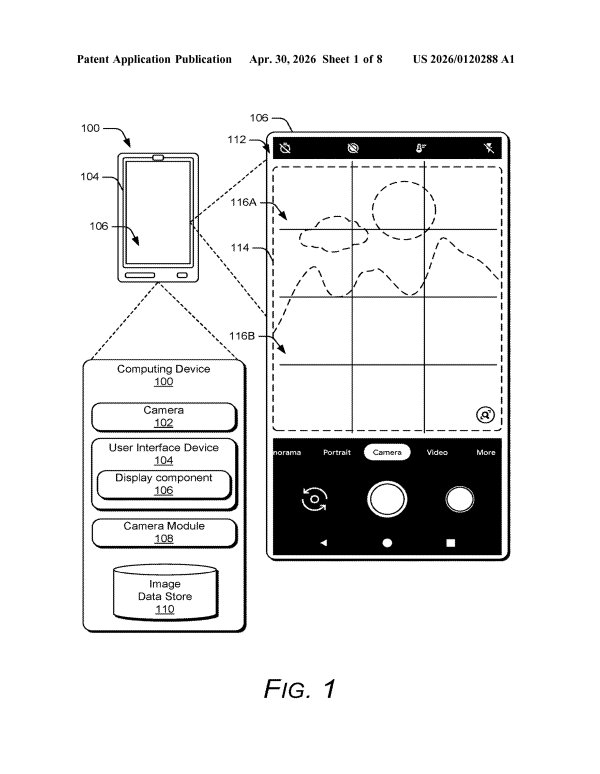
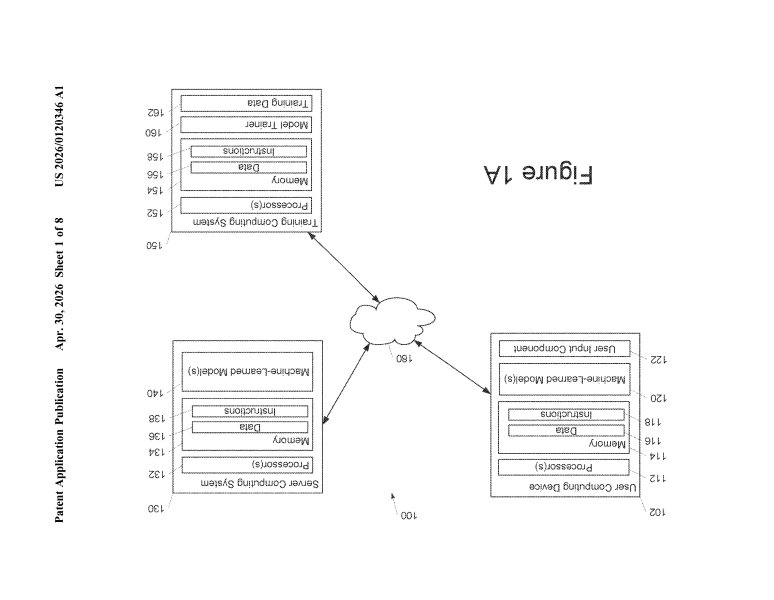
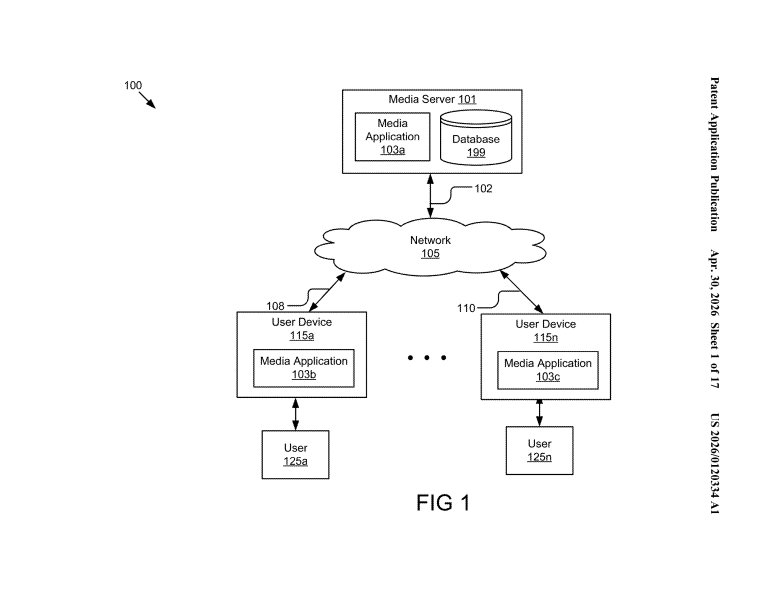
Most filings in this batch come from Google and cluster around making photo edits smarter rather than flashier. The company is patenting systems that treat different regions of an image separately, decide which photos deserve heavier processing, recolor scenes from text prompts, compress and rebuild images without losing detail, and smooth out jumpy zoom previews. Several filings also target autofocus on small close-up subjects and better methods for removing unwanted objects from photos.
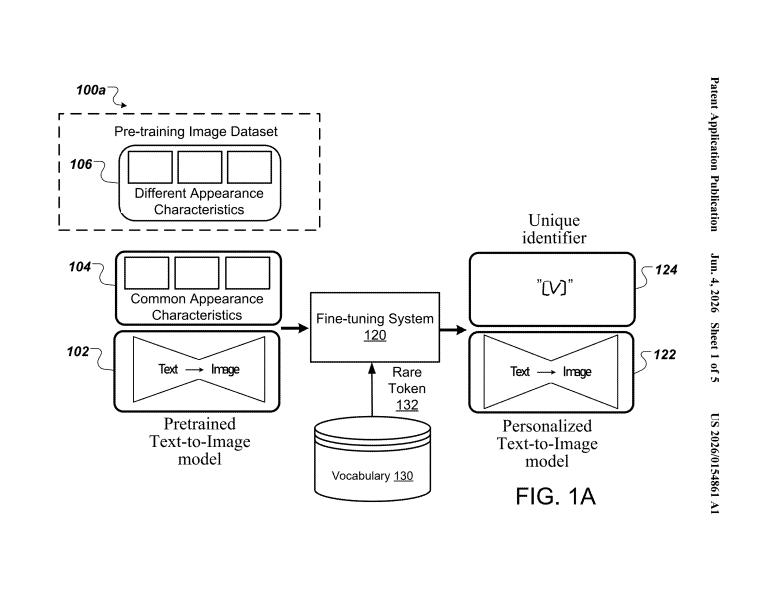
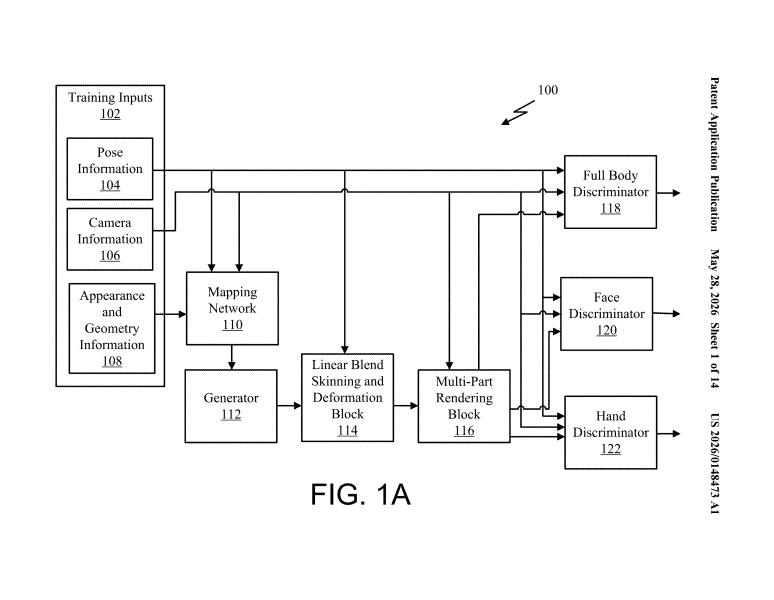
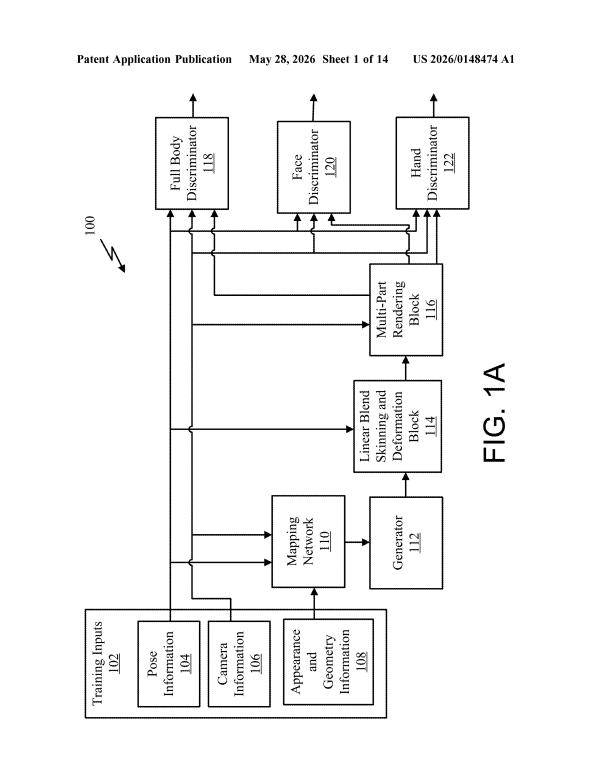
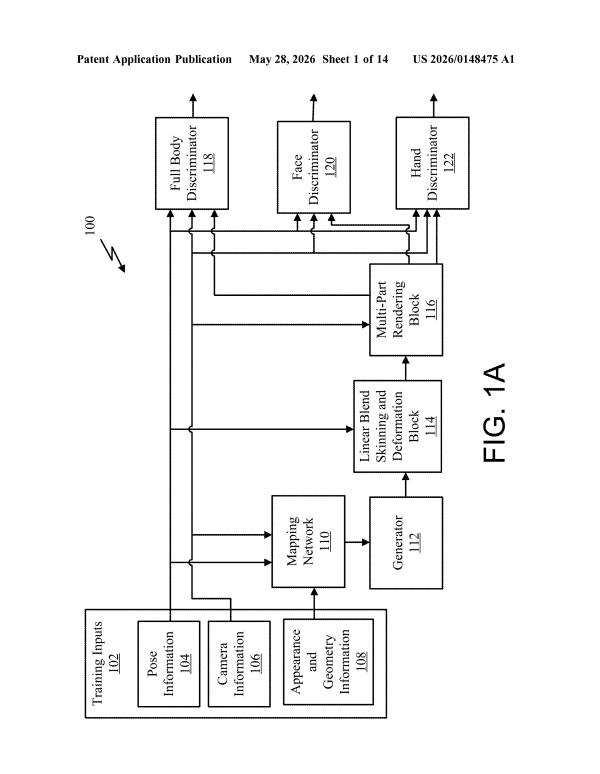
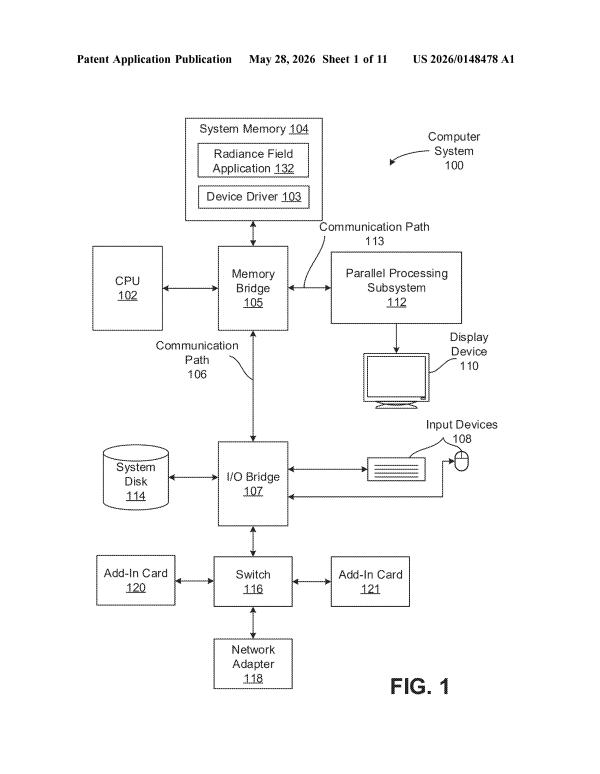
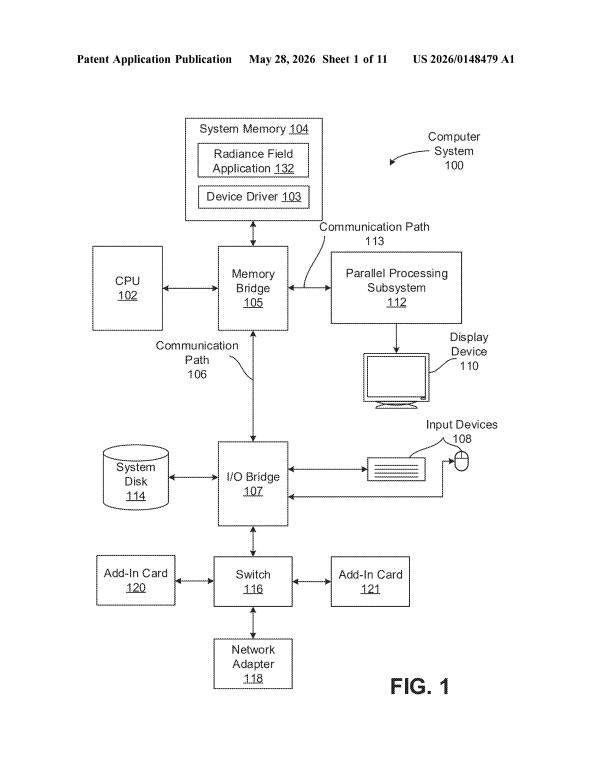
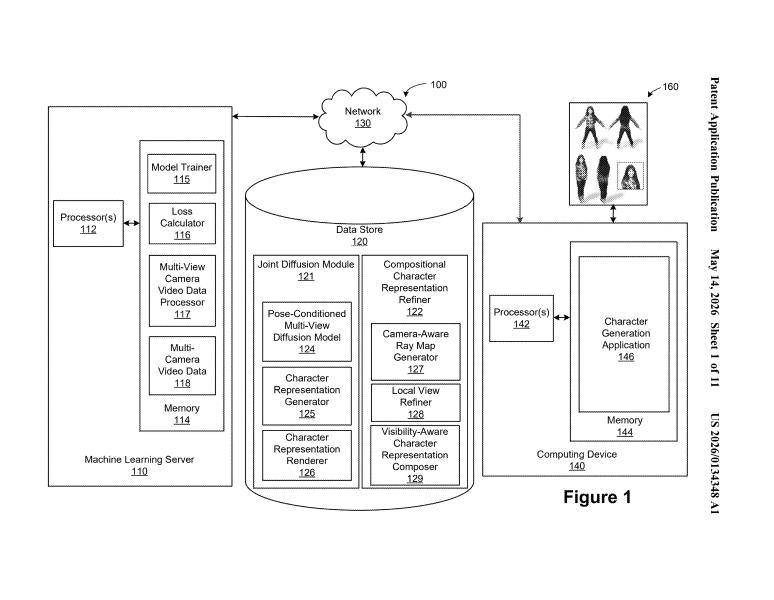
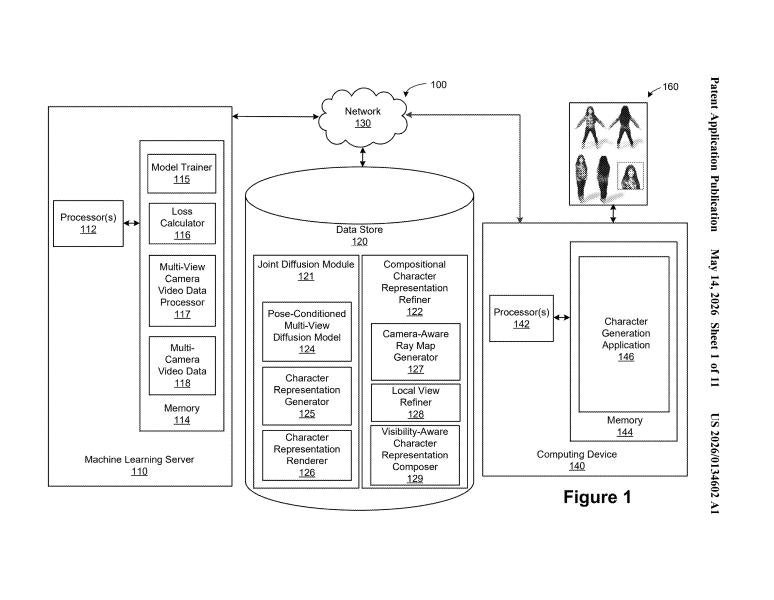
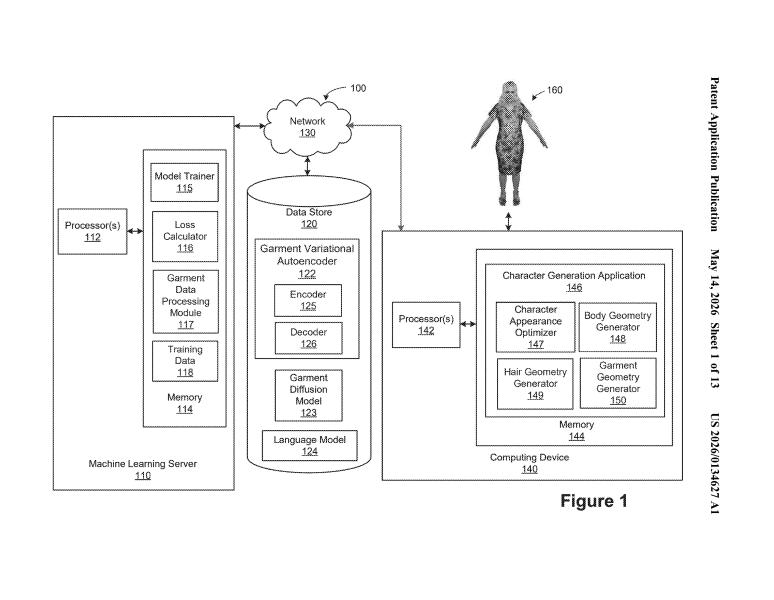
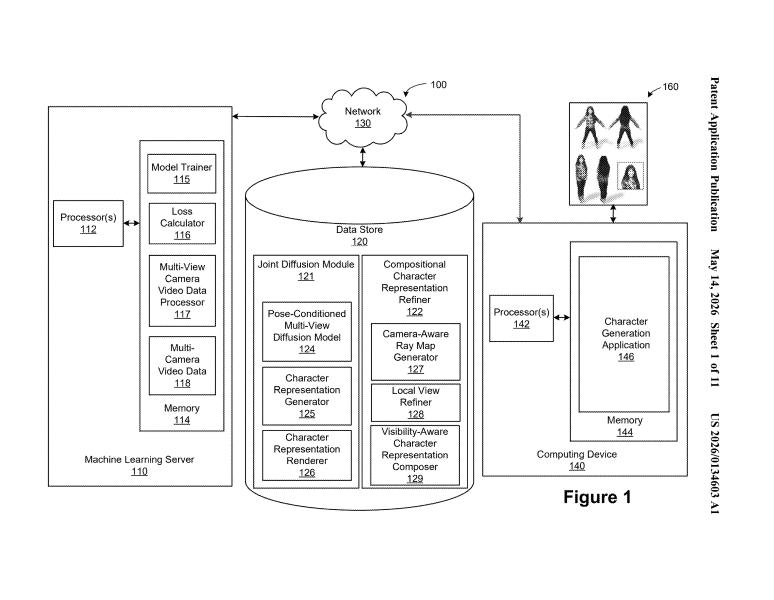
Nvidia's contribution to this storyline points in a different direction: turning descriptions and video into animatable 3D characters. One filing builds 3D characters from text prompts, another reconstructs them from video footage, and a third generalizes the pipeline for simulation-ready output. Compared with Google's per-pixel refinements, Nvidia's filings suggest interest in generating whole synthetic figures rather than editing existing photos.
Watch for filings that blend these two threads: automated decisions about which images or scenes need heavy AI intervention, and pipelines that move beyond flat photos into layered or synthetic representations. The steady flow of restoration, inpainting, and pipeline filings suggests both companies are building toward AI editing that runs with less user input, deciding on its own what a photo needs before touching it.
Questions readers ask
Is Google actually building AI photo editing into products, or is this just patents?
These are patent filings, which show research direction, not confirmed features. Google has filed systems for per-region editing, text-based recoloring, compression, and zoom smoothing, but a patent does not guarantee any of these ship in a camera app. It signals where engineering time is going, not a release date.
Why does Nvidia show up in a photo editing storyline?
Nvidia's filings in this batch focus on turning text descriptions or video footage into animatable 3D characters, which overlaps with photo and image work through shared AI techniques like generative modeling. It is not photo editing in the traditional sense, but the underlying methods for building and refining visual content connect the two companies' patents.
What problems keep showing up across these patents?
Several filings return to the same challenges: deciding which photos need heavy AI processing, editing different regions of an image with different rules, and shrinking images without losing quality on rebuild. Restoration and inpainting also appear more than once, suggesting both companies see removing flaws and filling gaps as an ongoing area worth patenting repeatedly.
Will these patents mean my phone's photos change soon?
Not necessarily, and not on any predictable timeline. Patents describe technical approaches companies want to protect, sometimes years before a feature reaches a device, if it ever does. This storyline is a useful way to see what problems Google and Nvidia are actively working on, not a preview of your next software update.