What the filings show
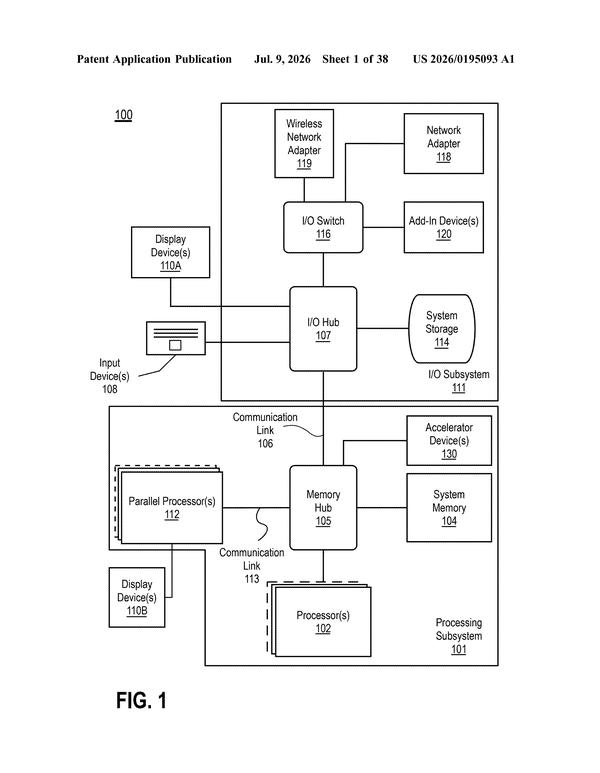
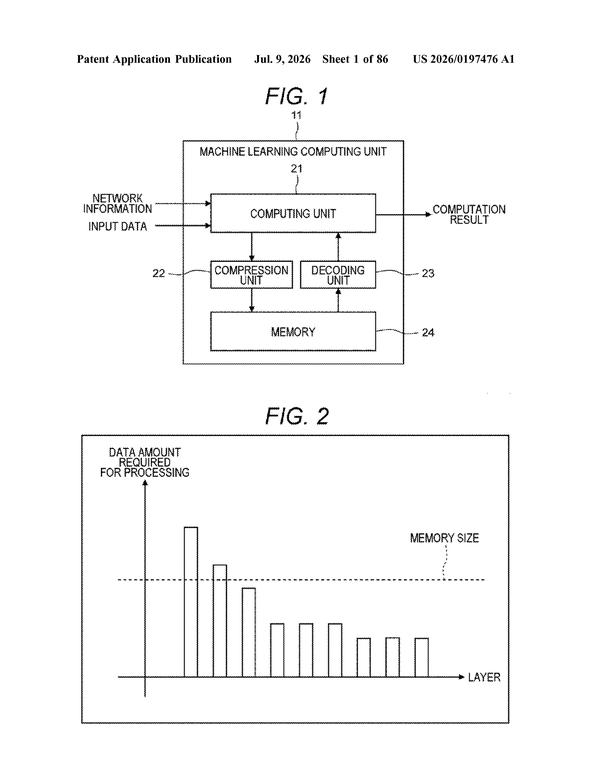
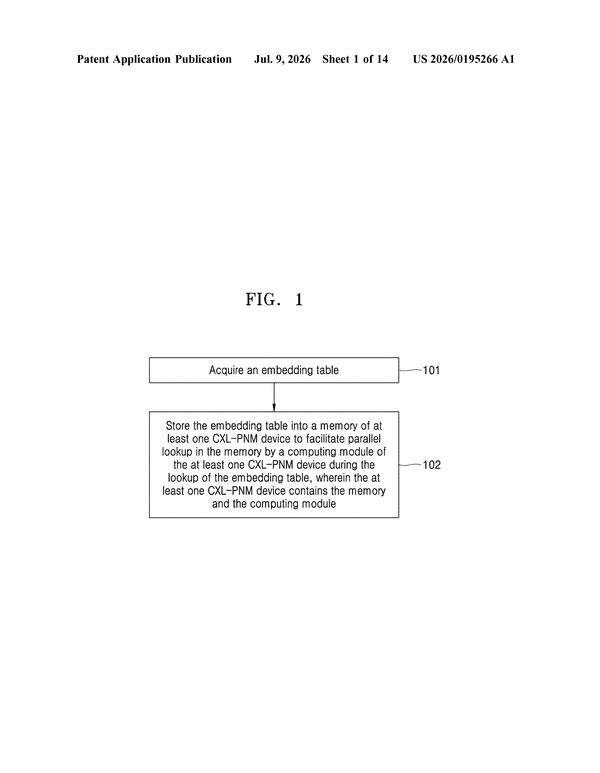
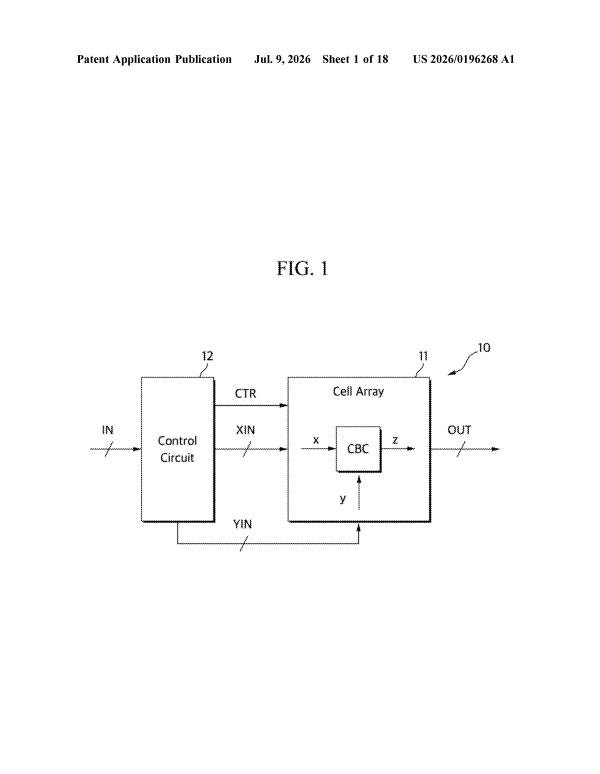
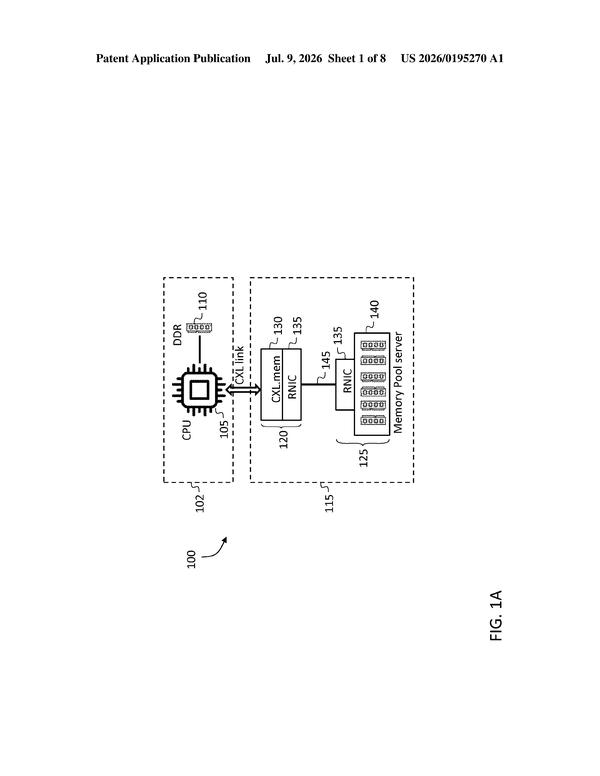
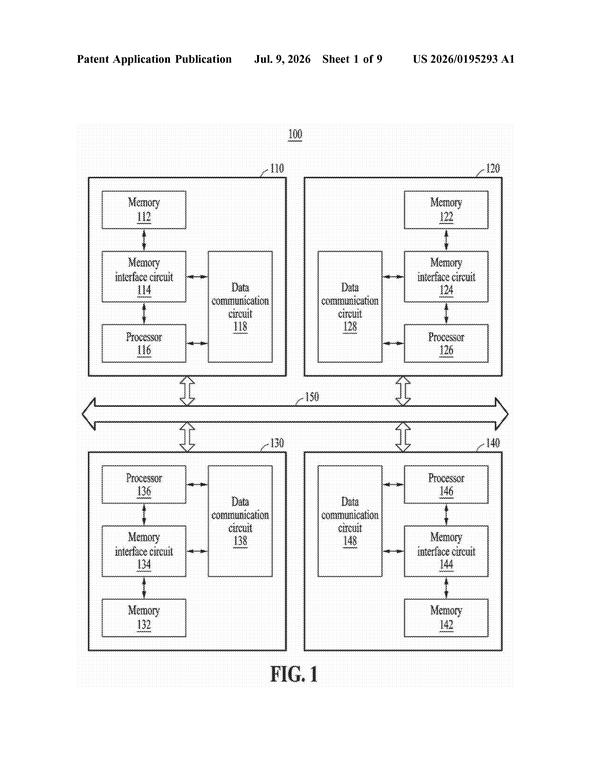
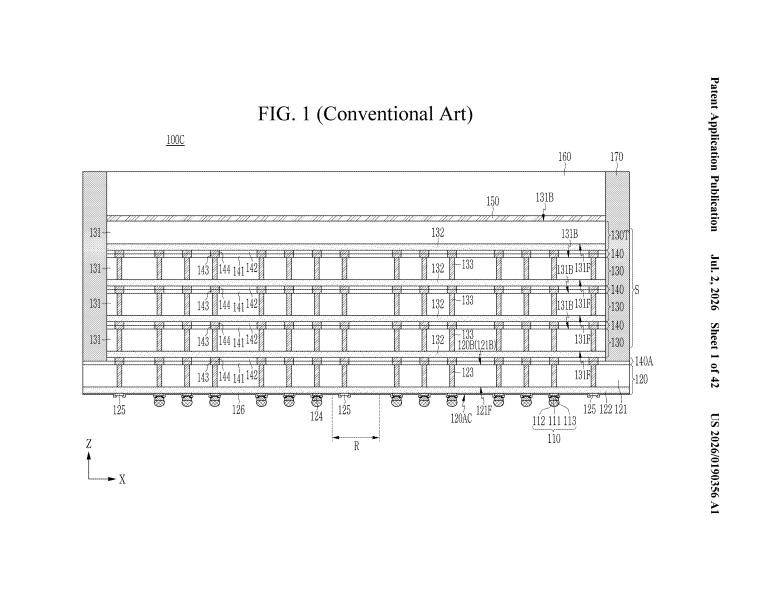
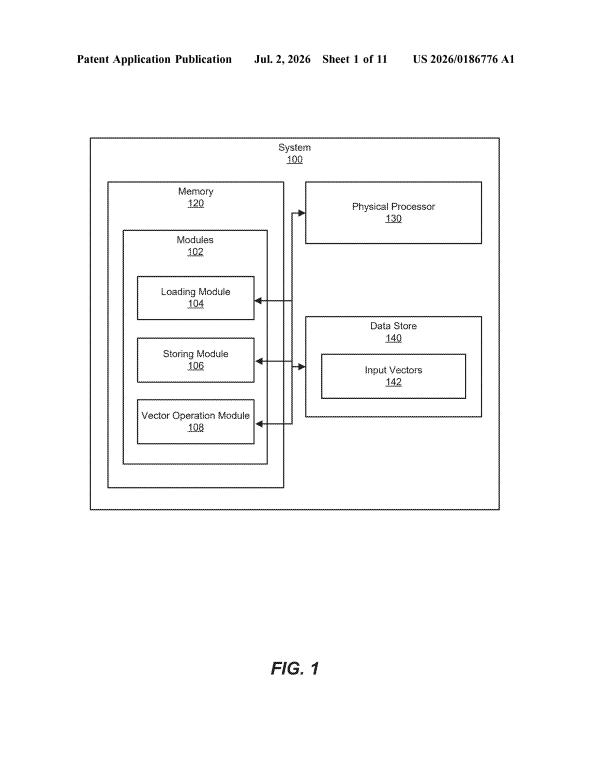
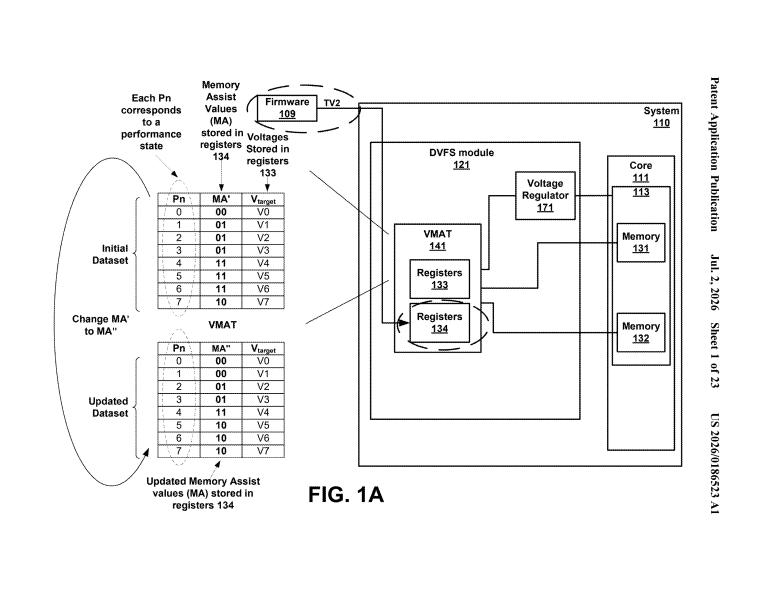
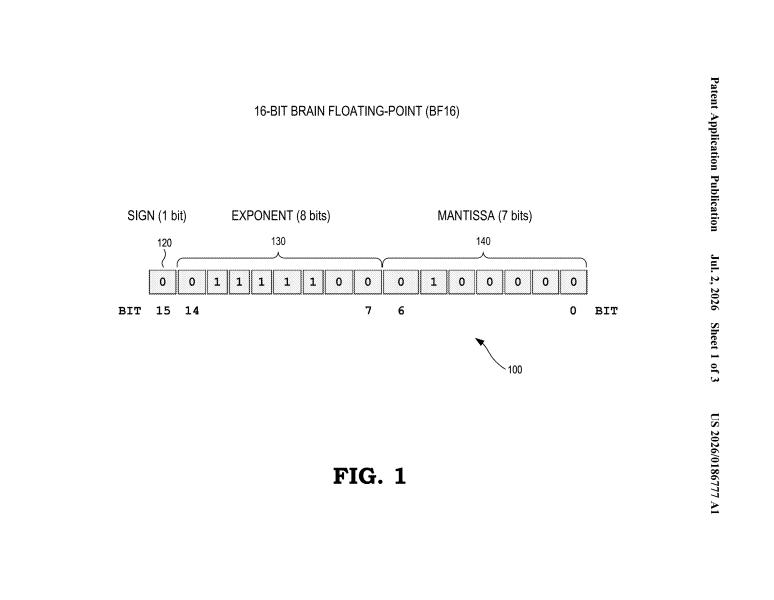
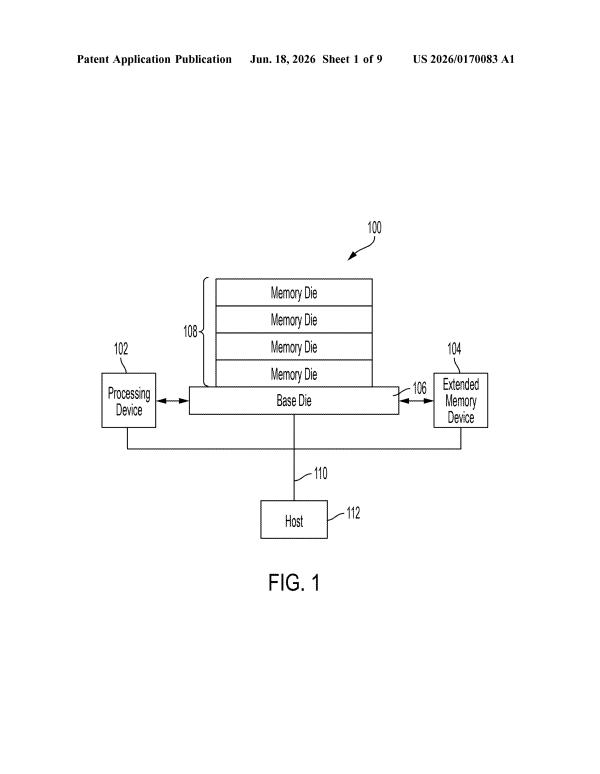
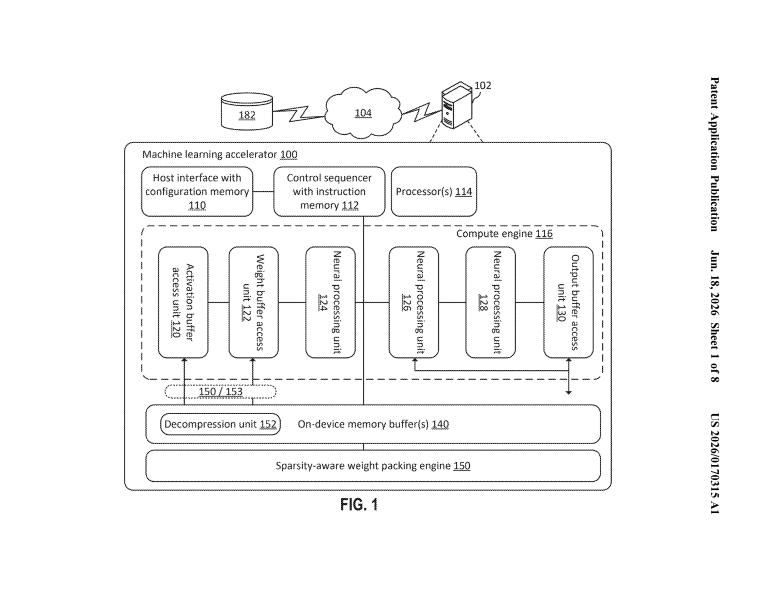
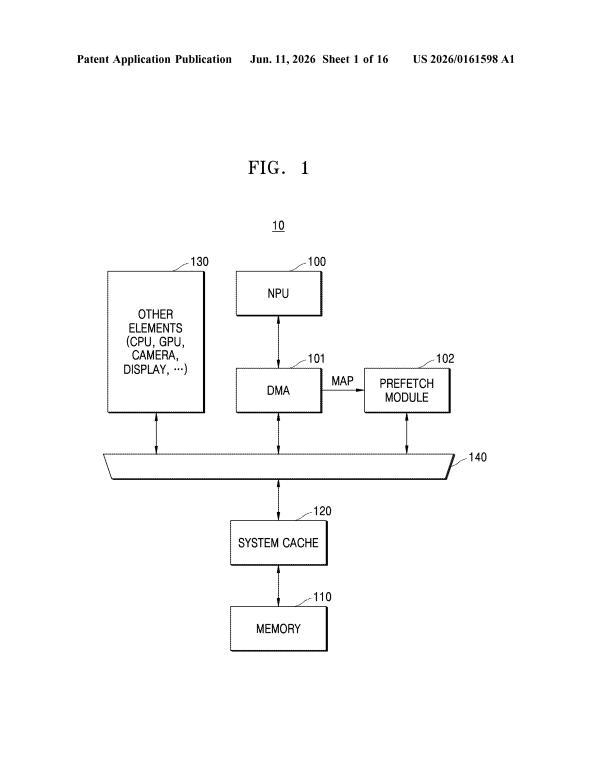
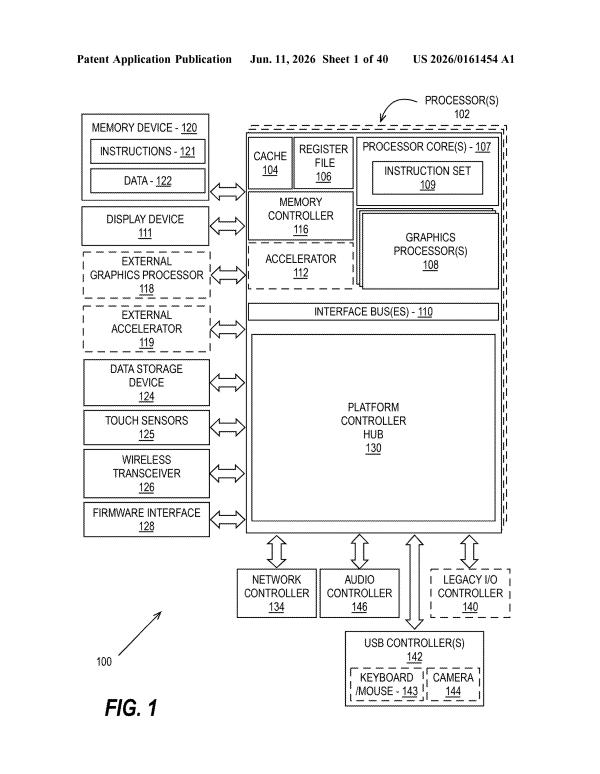
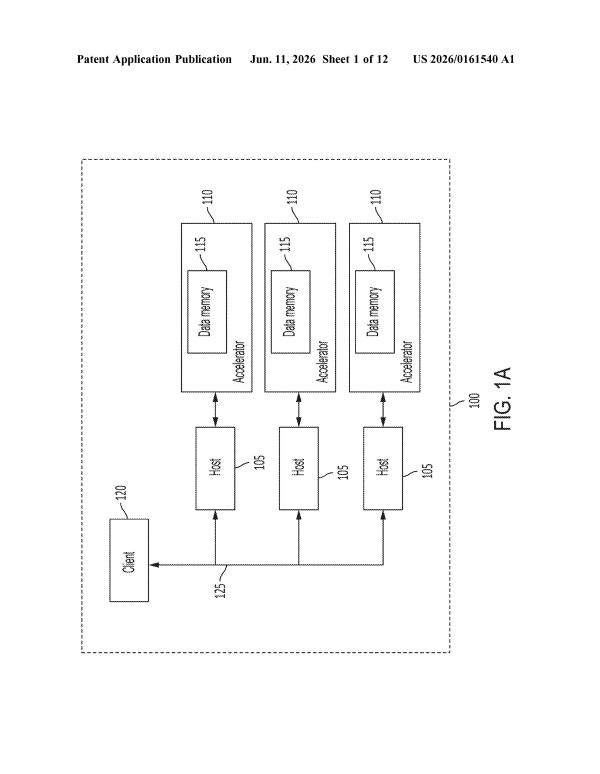
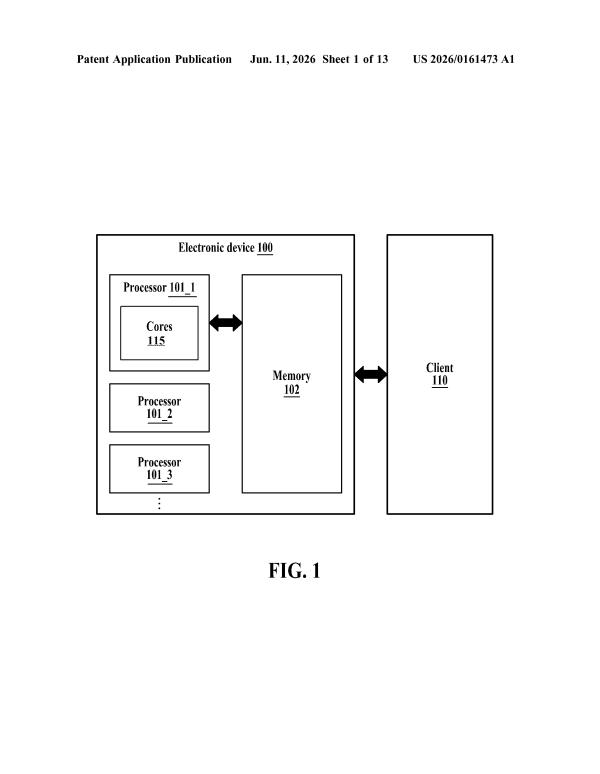
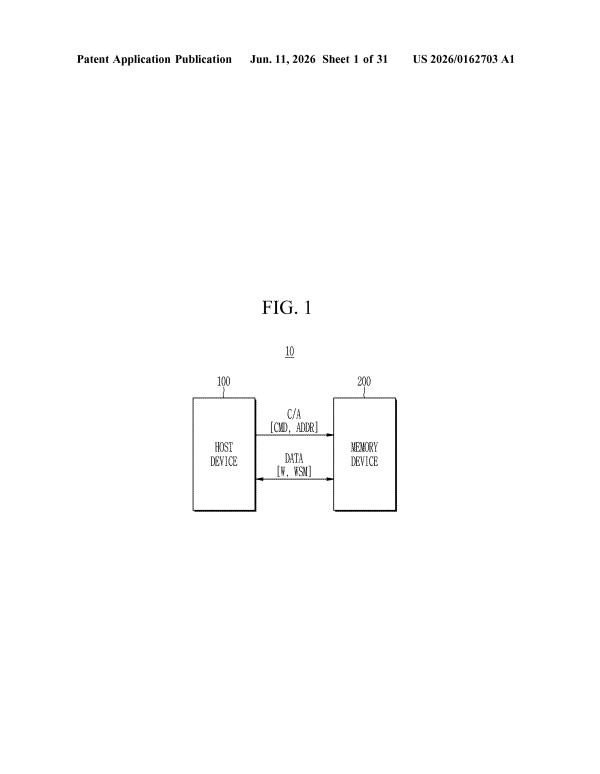
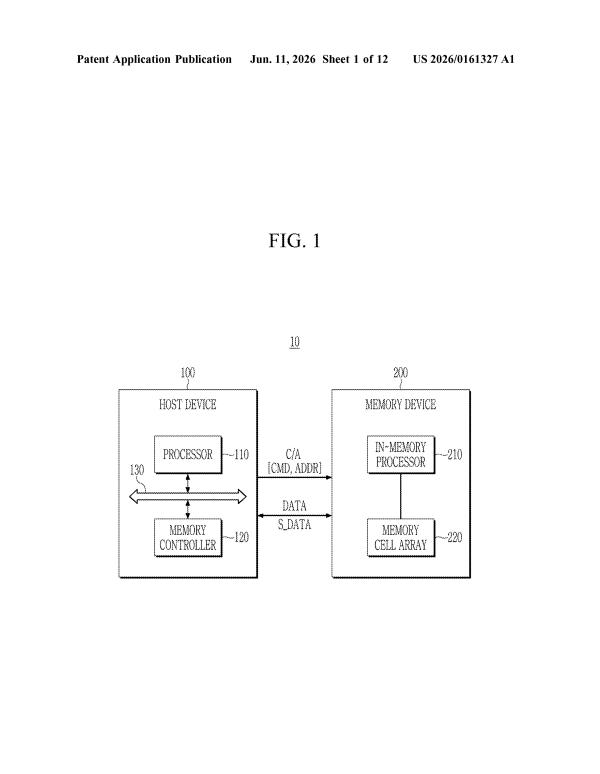
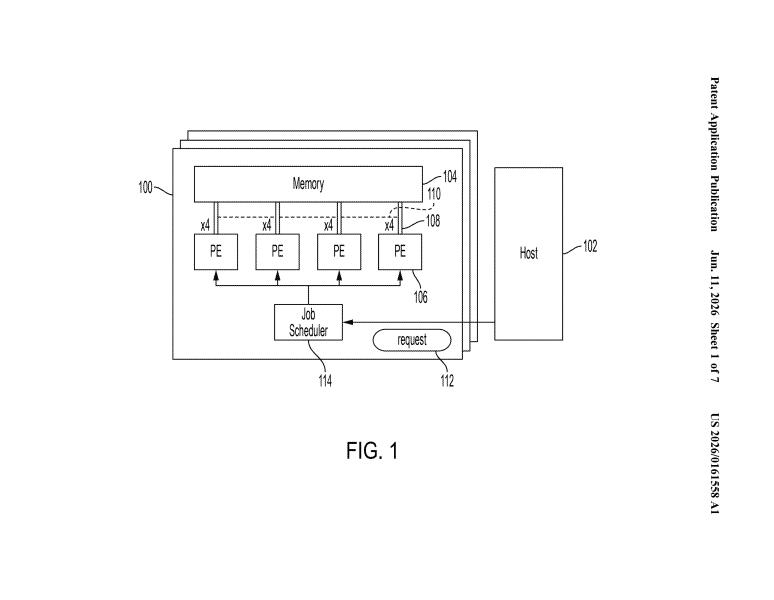
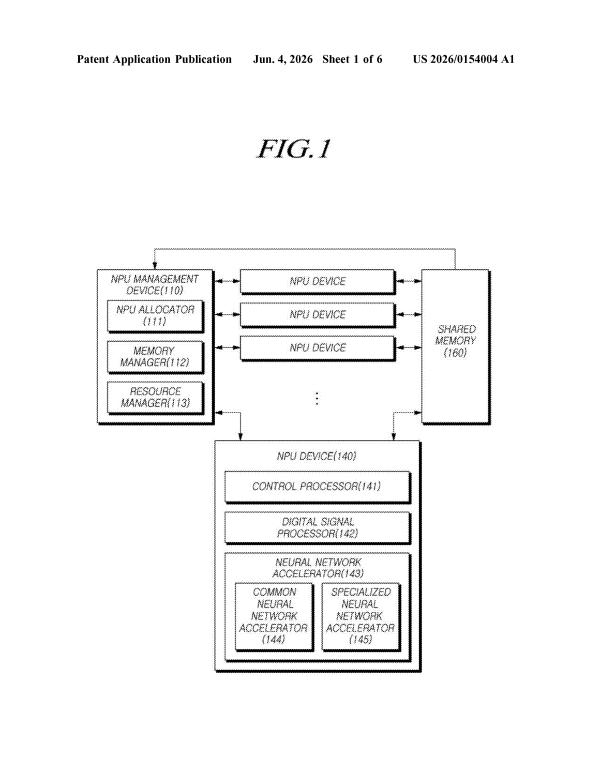
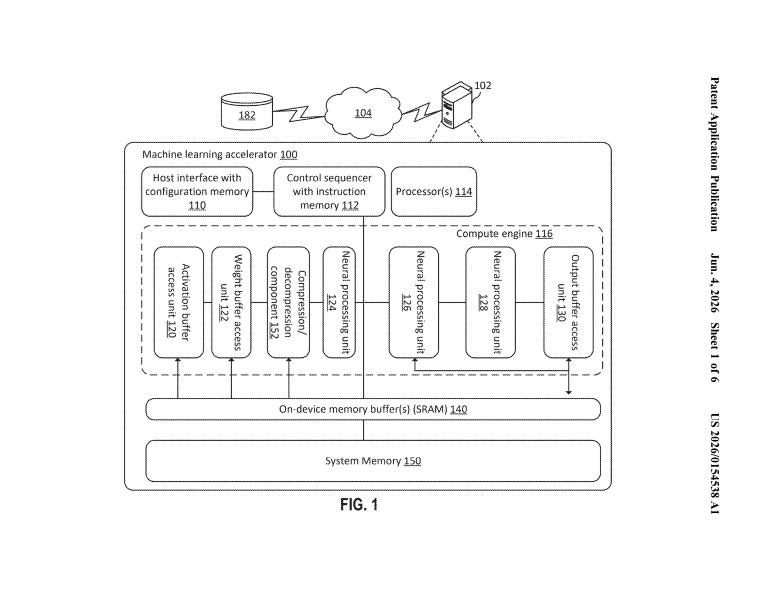
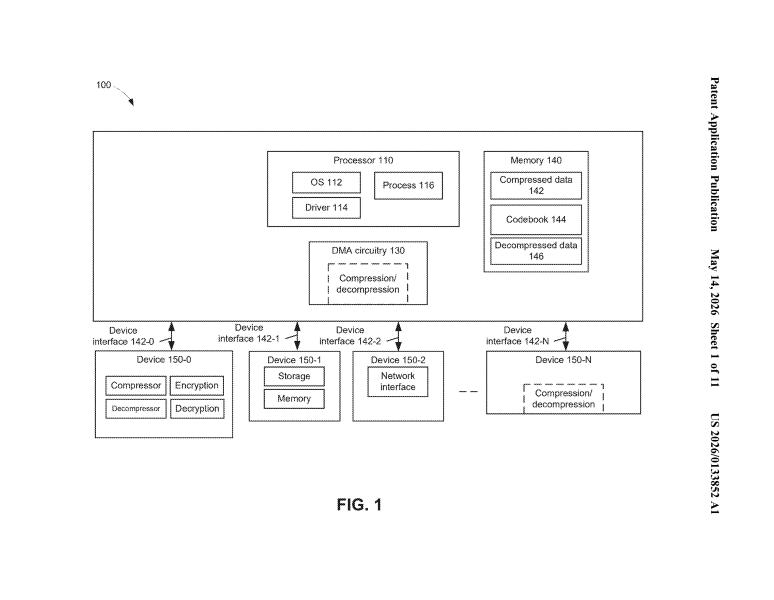
Across this storyline, the bulk of the engineering effort goes into getting data to the chip faster and cheaper. Intel is patenting ways to stop AI chips from waiting on their own memory. Samsung has filed multiple patents on preloading data before it's requested, on memory layouts that speed up chip math, and on letting several AI chips share memory instead of duplicating it. Amazon has patented a method for shrinking tensor data before it ever reaches memory. The common thread is that memory bandwidth, not raw compute, keeps showing up as the constraint companies are racing to patent around.
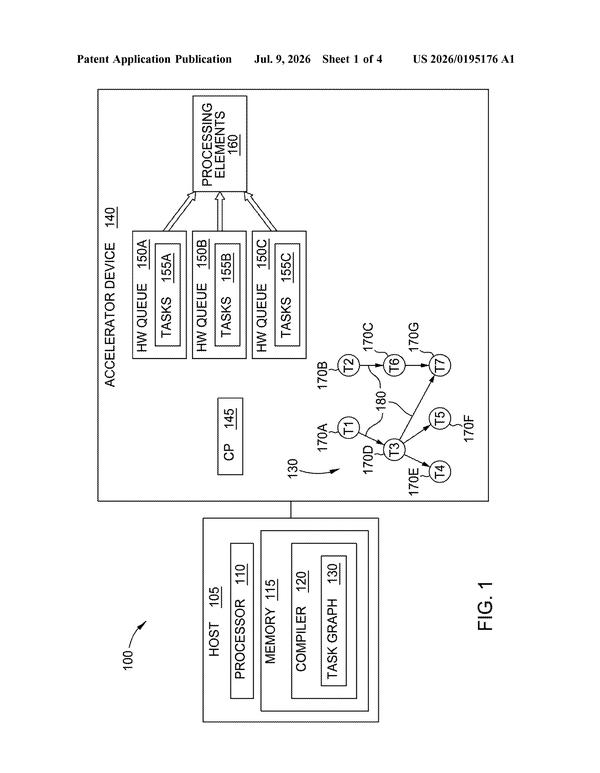
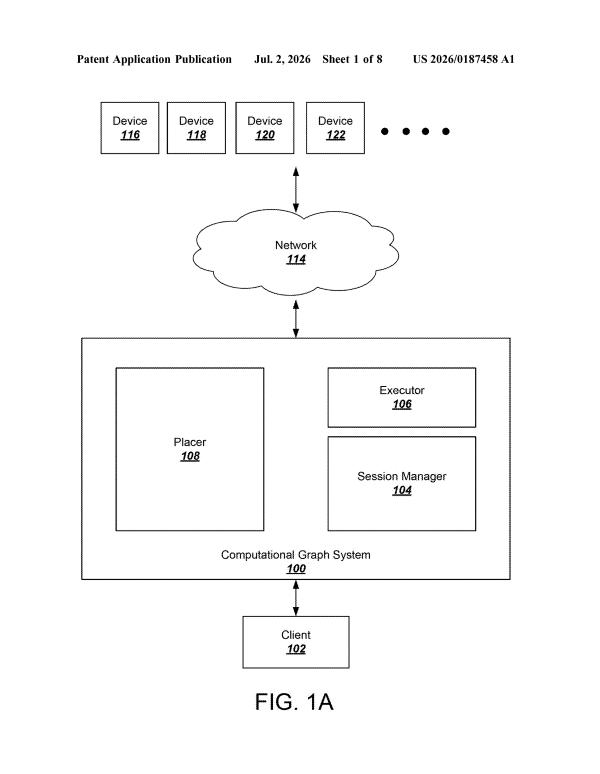
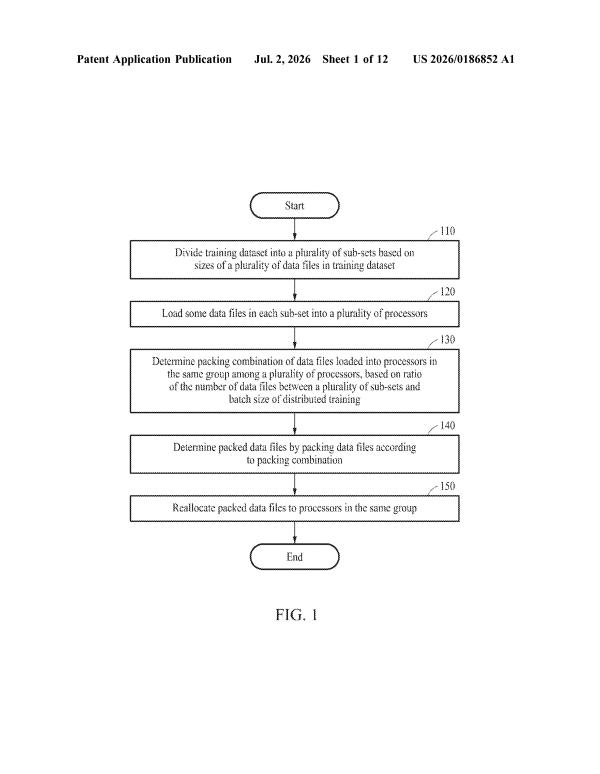
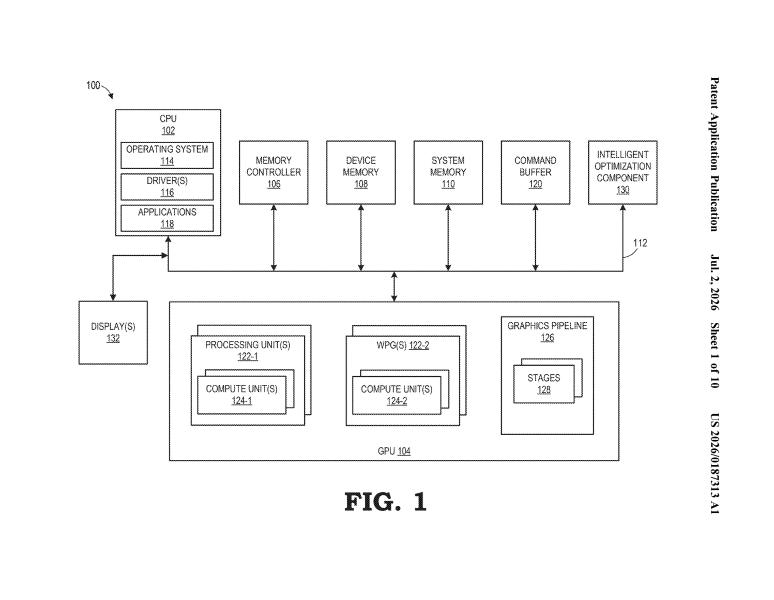
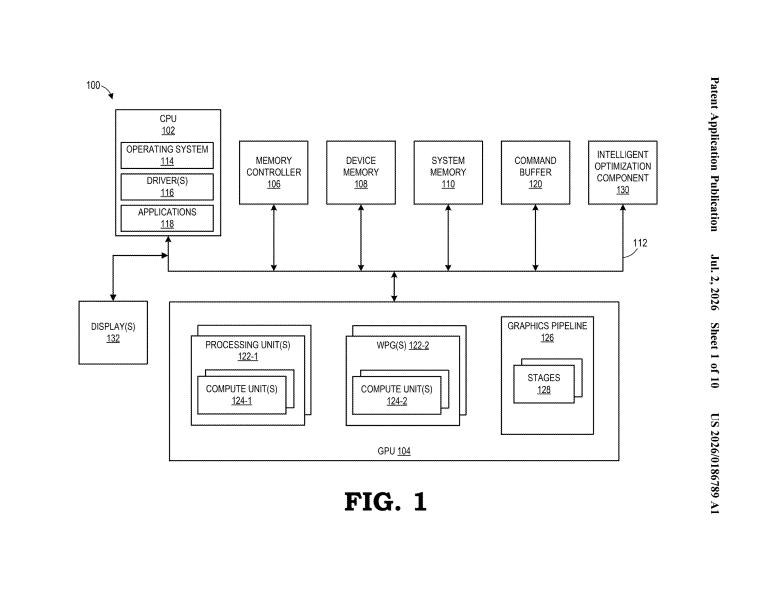
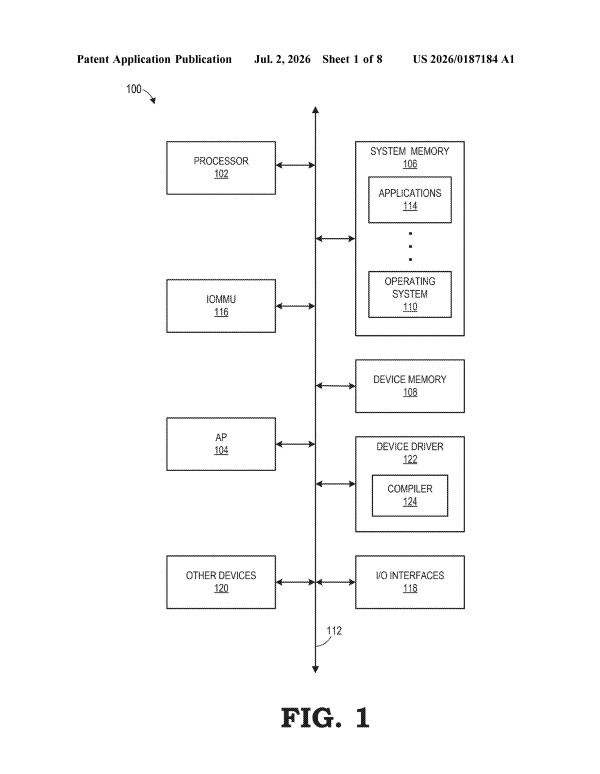
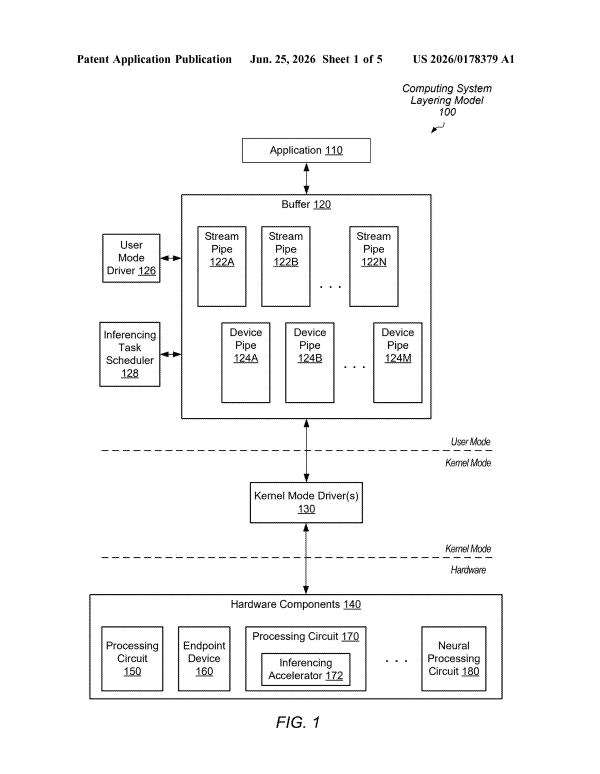
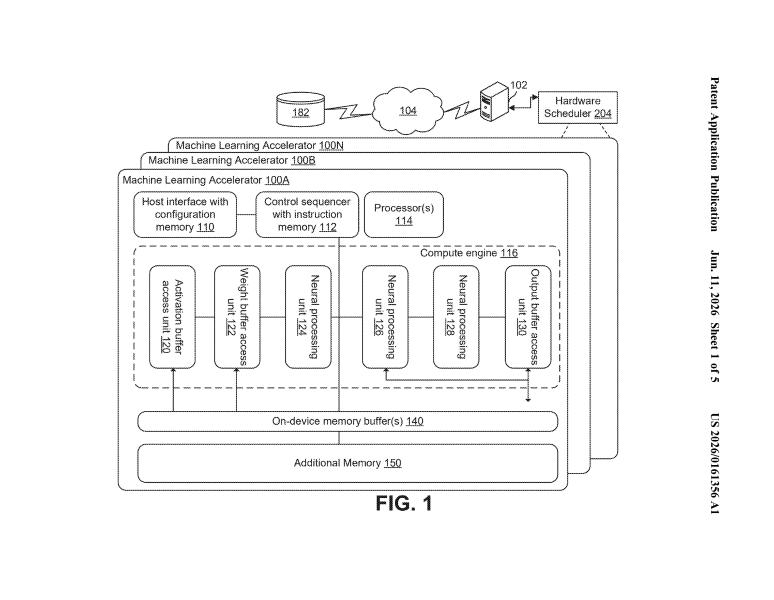
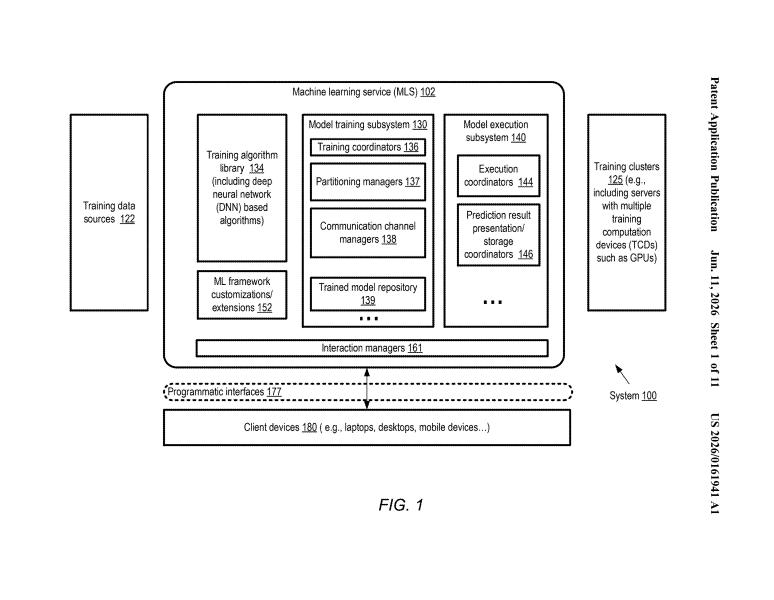
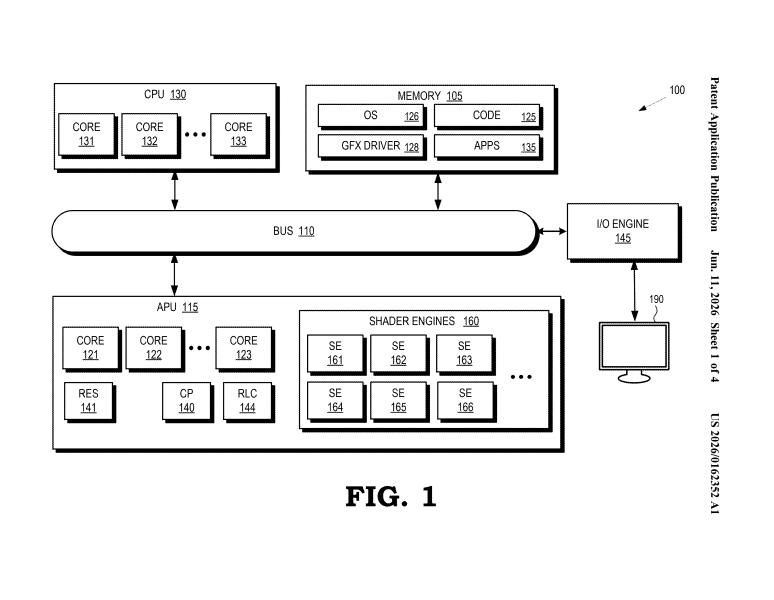
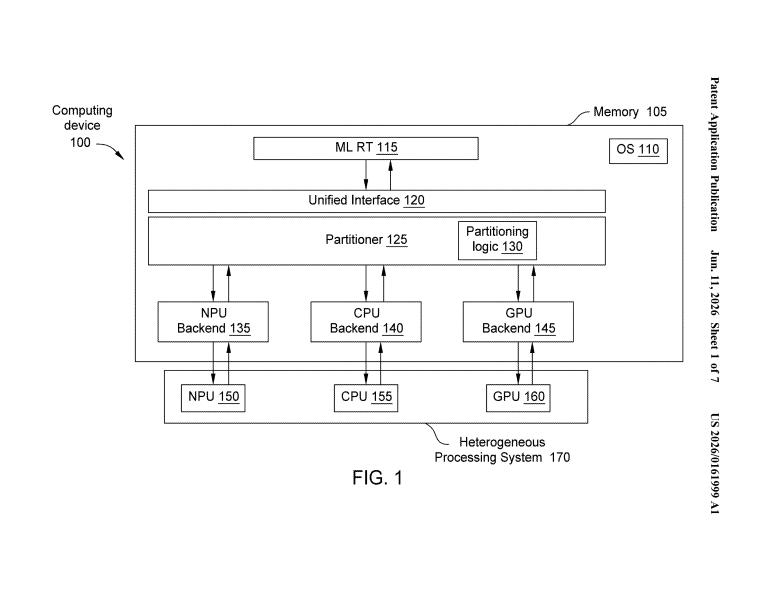
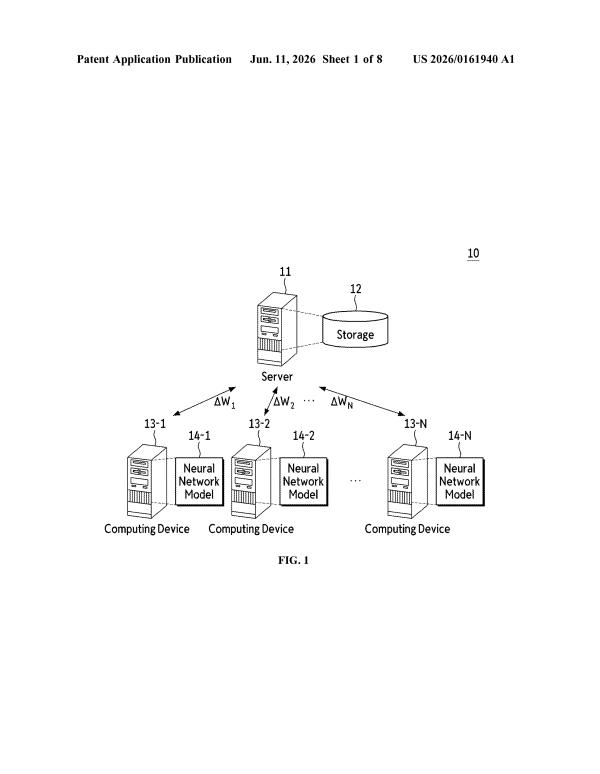
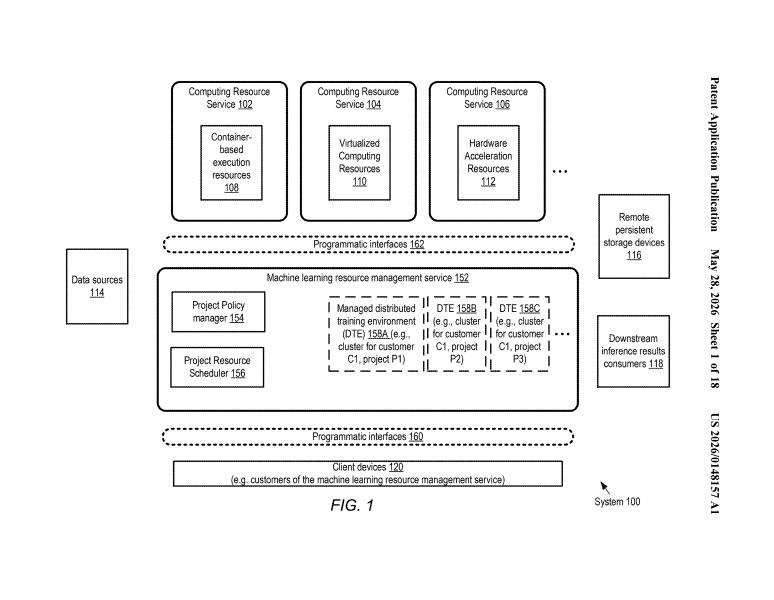
A second cluster of filings deals with scheduling, who gets the chip and when. Xilinx has patented fine-grained task preemption so urgent neural network jobs can interrupt lower-priority ones. AMD is patenting a GPU shader scheduler that learns from how past frames actually ran. Amazon has filed several patents in this area too, covering GPU sharing across multiple ML projects, automatically routing tasks to the right chip, and cutting training time by changing how servers share data during training. The pattern points to companies treating scheduling logic as its own competitive layer, separate from the chips themselves.
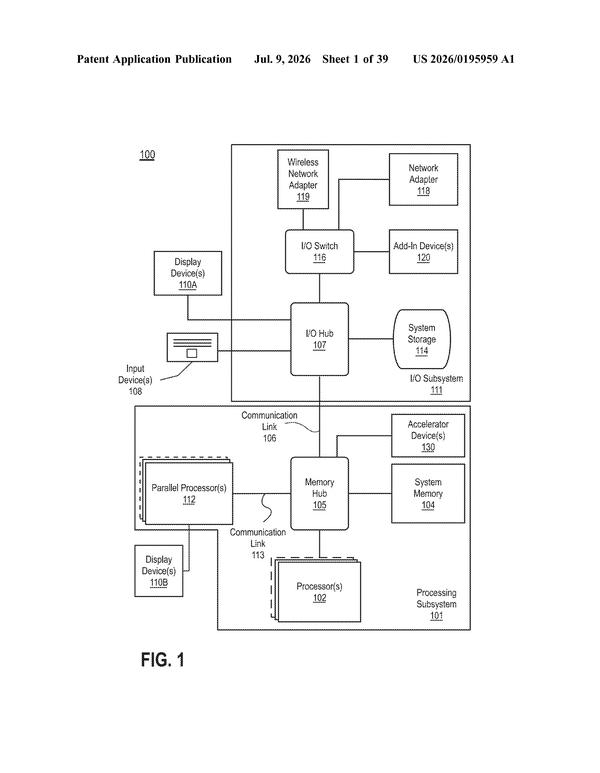
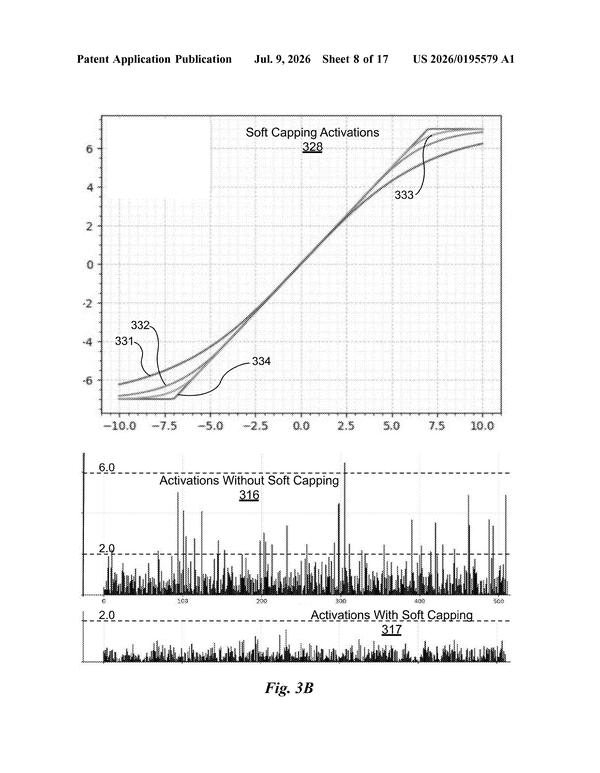
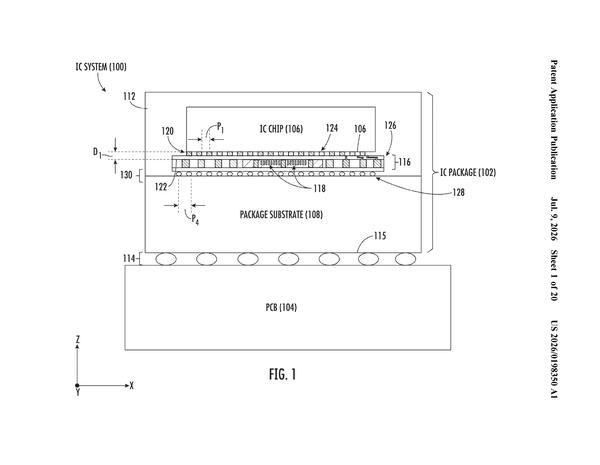
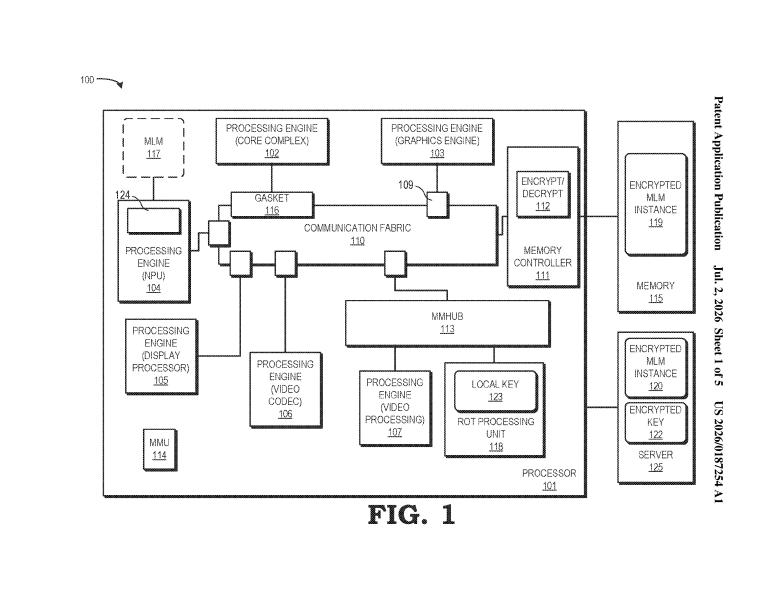
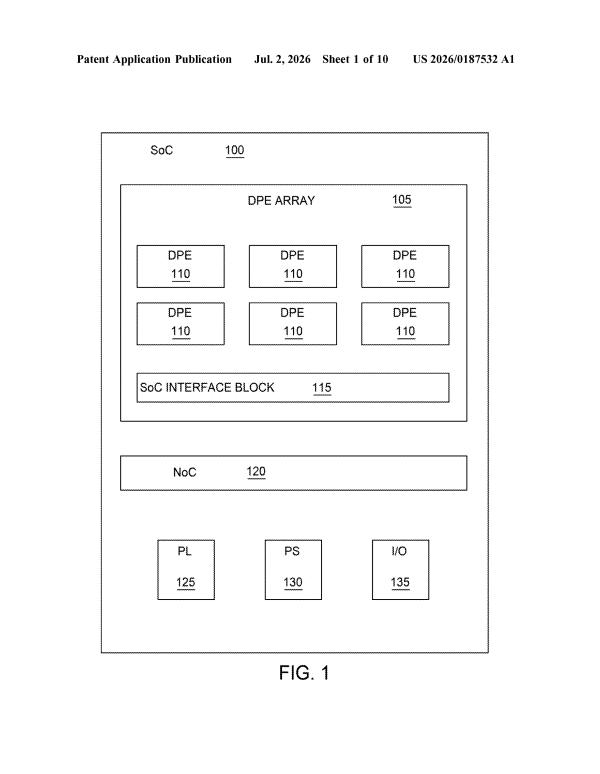
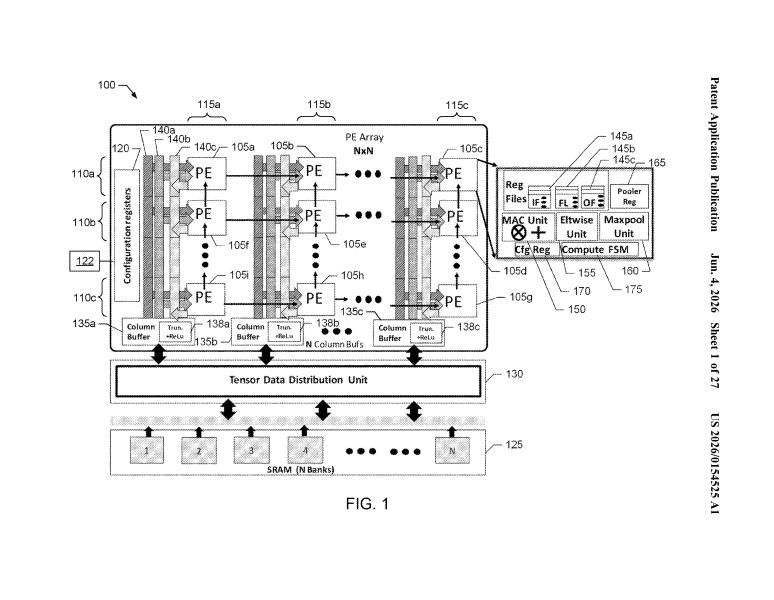
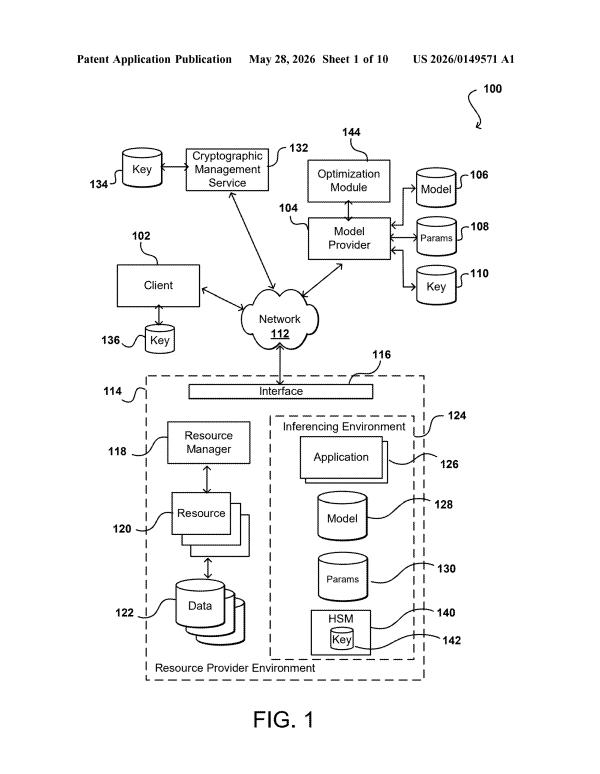
A smaller set of filings looks at protecting and reshaping the chip itself. Amazon has patented a way to lock AI model weights behind cryptographic keys, letting customers run an optimized model without seeing its internals. Intel has filed on a reconfigurable chip array that can rearrange itself for different neural network layers. These are early signals rather than finished products, but they suggest companies are also thinking about who controls a model once it's running, and how flexible the underlying silicon needs to be. Readers should watch for more filings that blend security controls with hardware design.
Questions readers ask
What is the AI chip wars patent storyline?
This storyline groups patent filings from Intel, Amazon, Samsung, AMD, and Xilinx that all touch AI chip hardware, from memory management to task scheduling to data compression. It's a running collection, not a single product line, so it grows as each company files new patents on how AI computing should work under the hood.
Do these patents mean the chips are already being sold?
No. A patent filing describes an idea a company wants legal protection for, not a shipped product. Some of these filings, like Amazon's cryptographic key locking of model weights or Intel's reconfigurable chip array, describe directions the company is exploring rather than features you can buy today. Think of this storyline as a signal of research priorities, not a product roadmap.
Which companies show up most in this storyline?
Intel, Amazon, Samsung, AMD, and Xilinx all appear regularly, with Amazon and Samsung showing up across several different sub-problems, from memory sharing to task routing to data compression. That spread suggests both companies are patenting broadly across the AI hardware stack rather than focusing on one narrow piece of the chip.
Why do so many patents focus on memory instead of processing speed?
Several filings, from Intel's memory-waiting fix to Samsung's preloading and memory layout patents, target the same bottleneck: chips finishing their math faster than data can reach them. When a chip sits idle waiting for numbers to arrive, faster processors don't help, so companies are patenting ways to move and store data more efficiently instead.