What the filings show
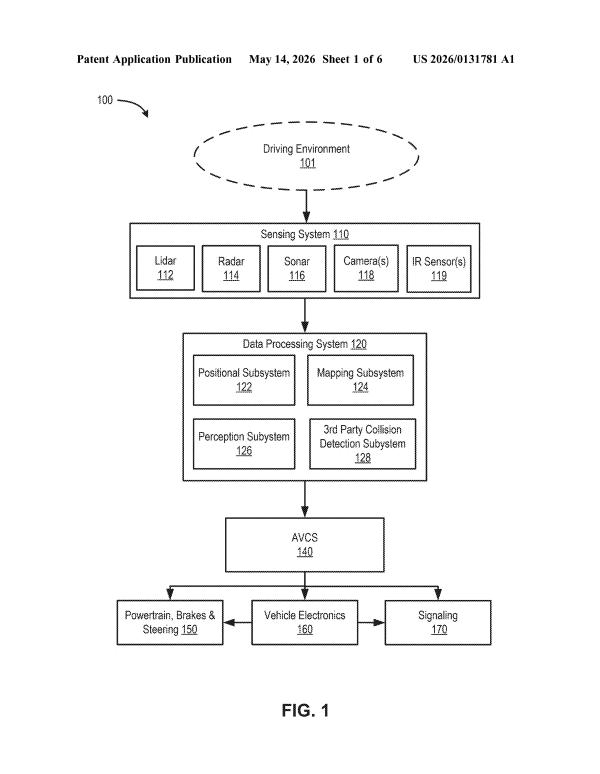
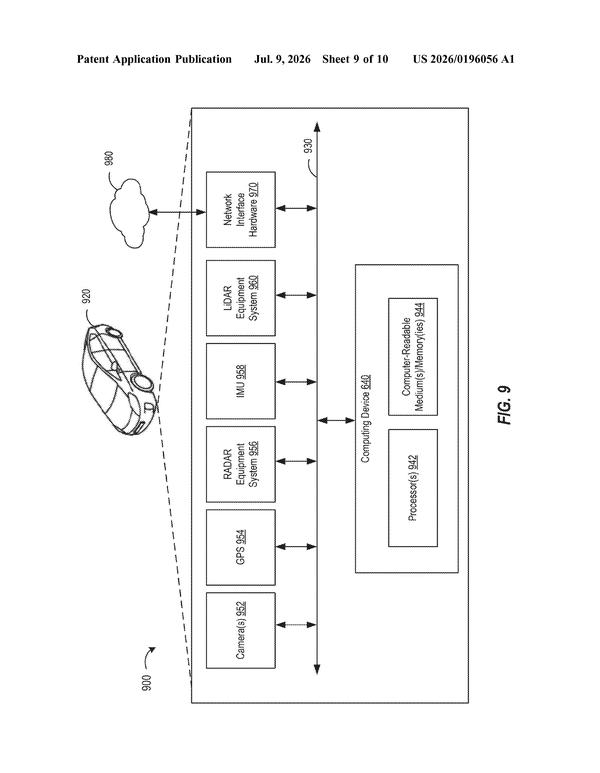
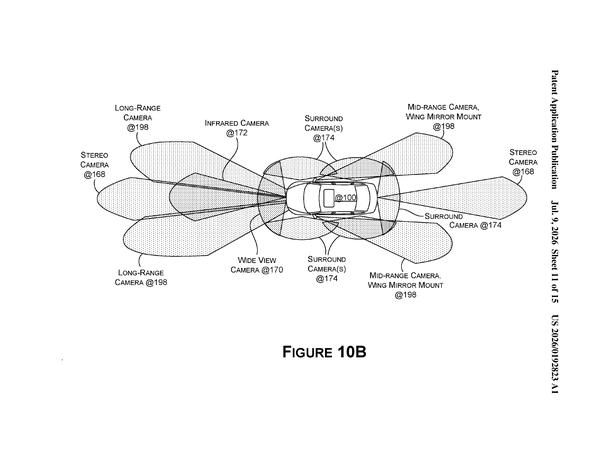
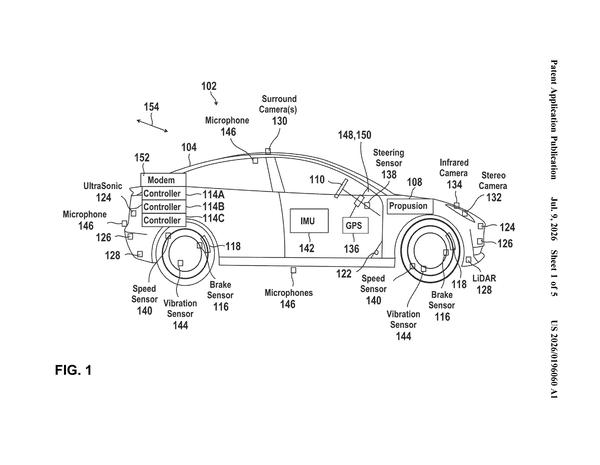
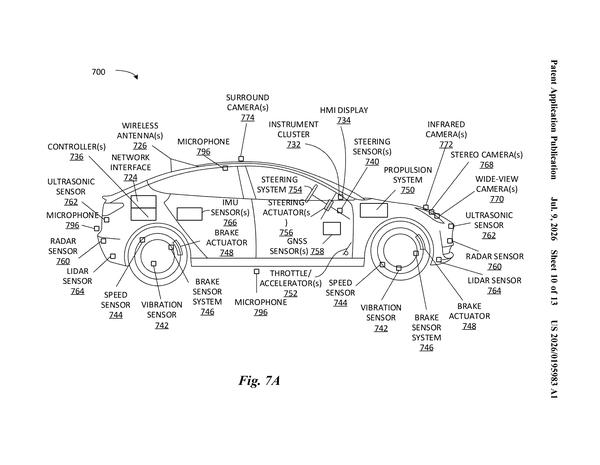
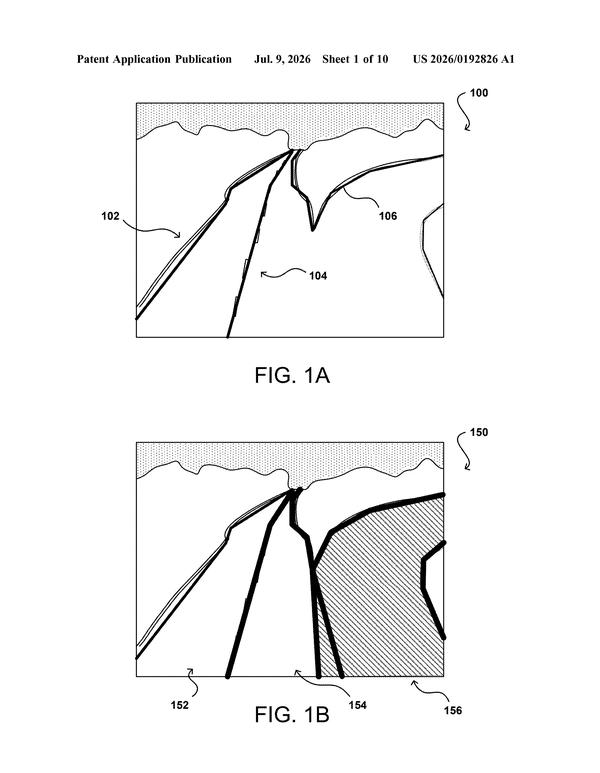
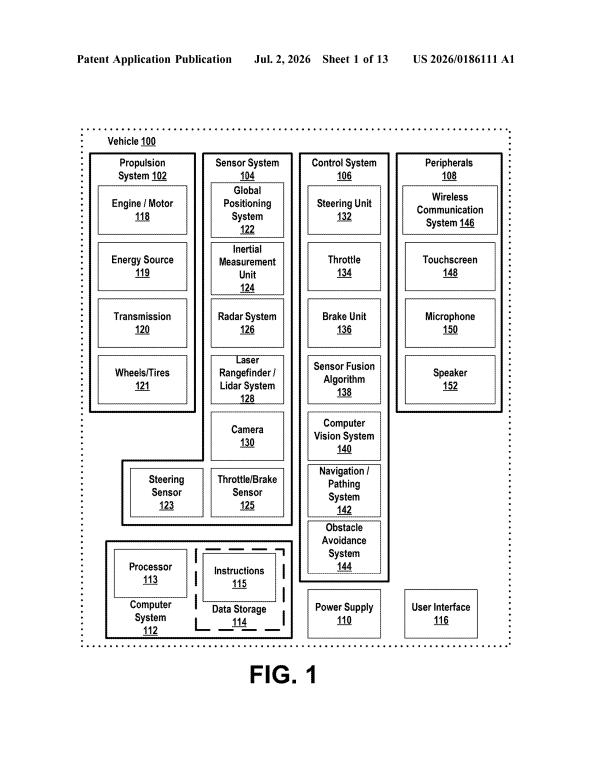
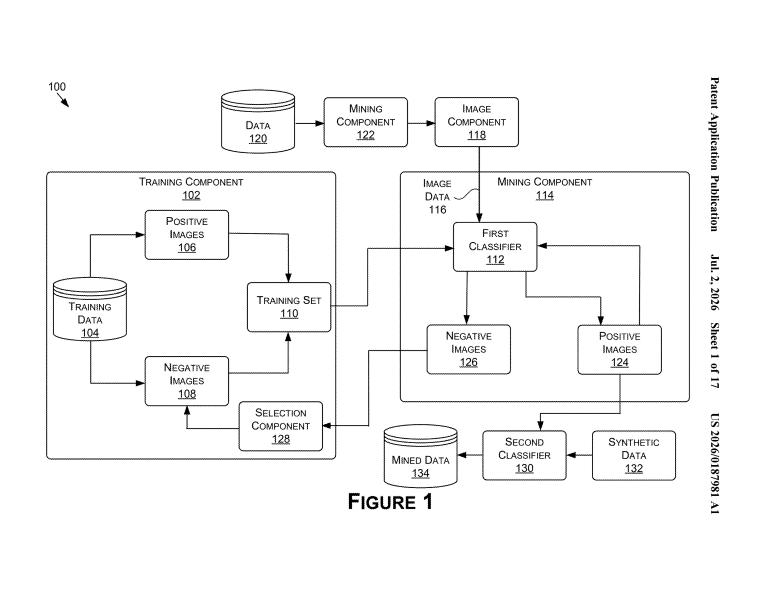
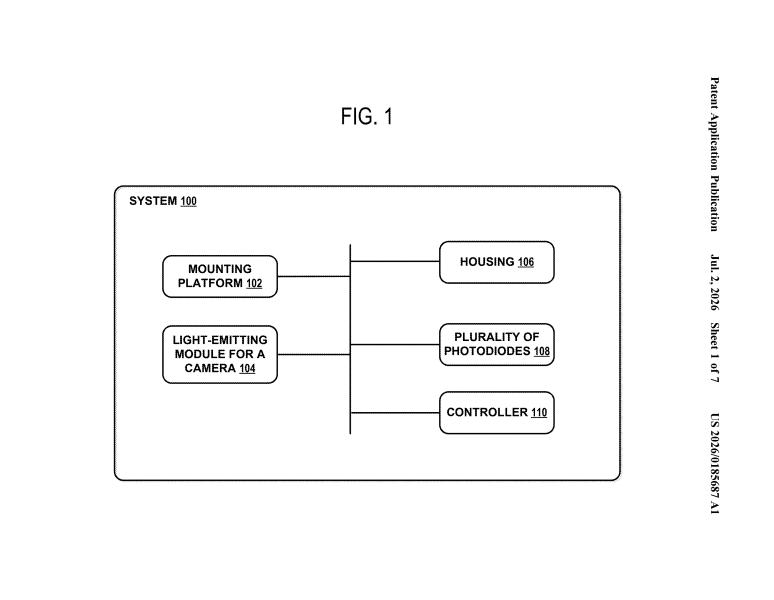
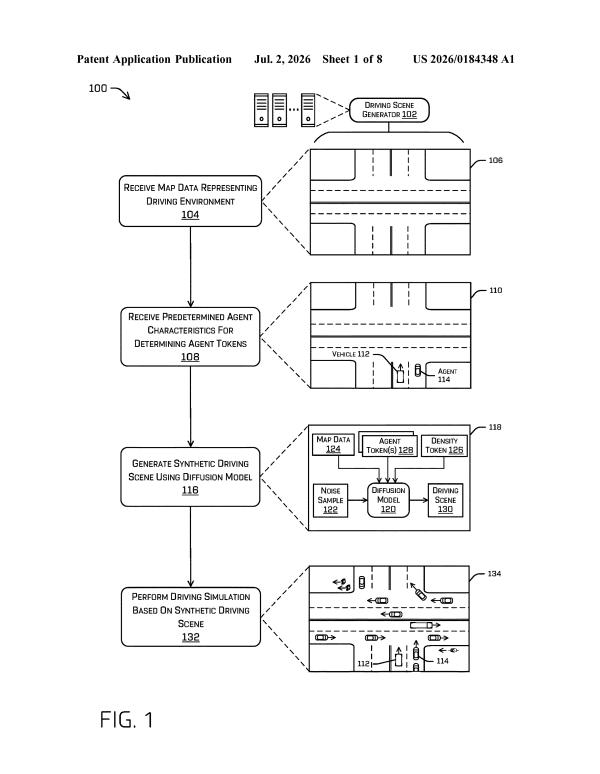
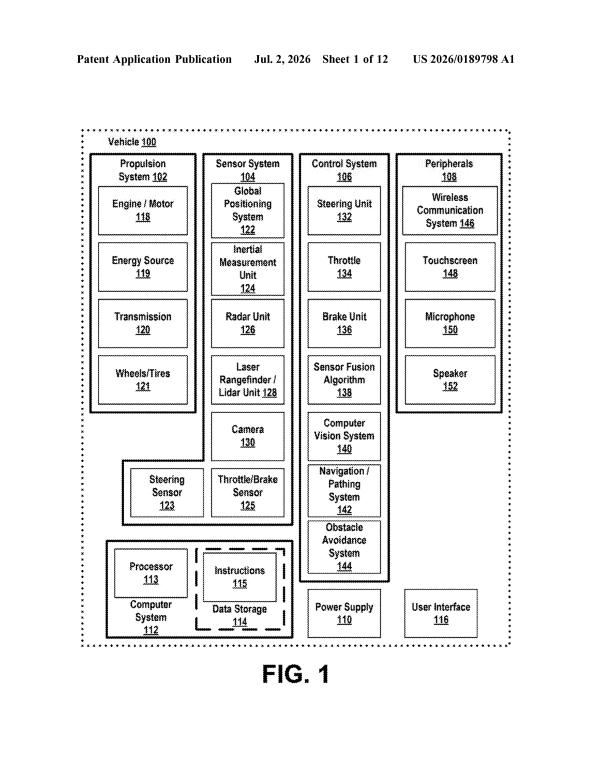
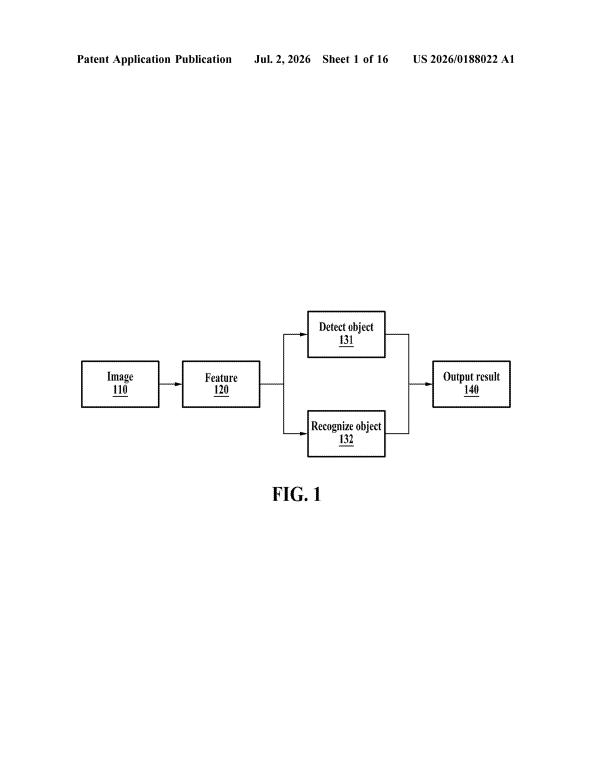
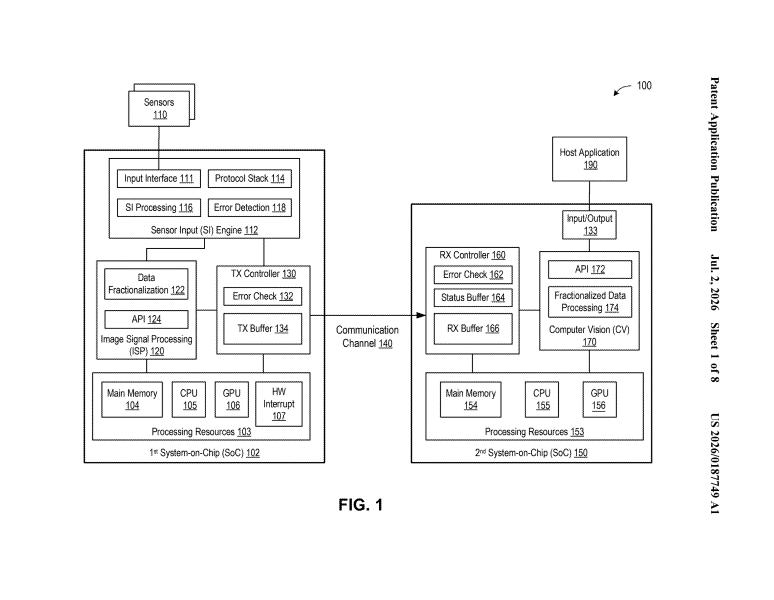
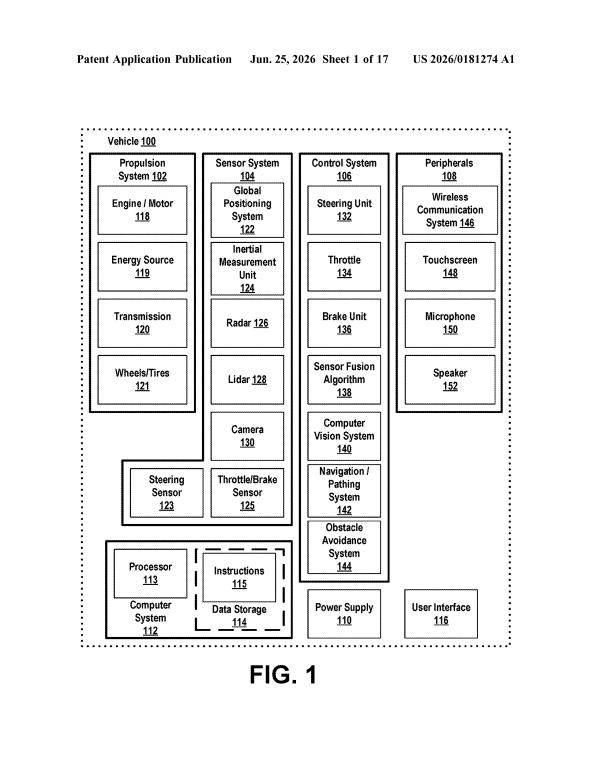
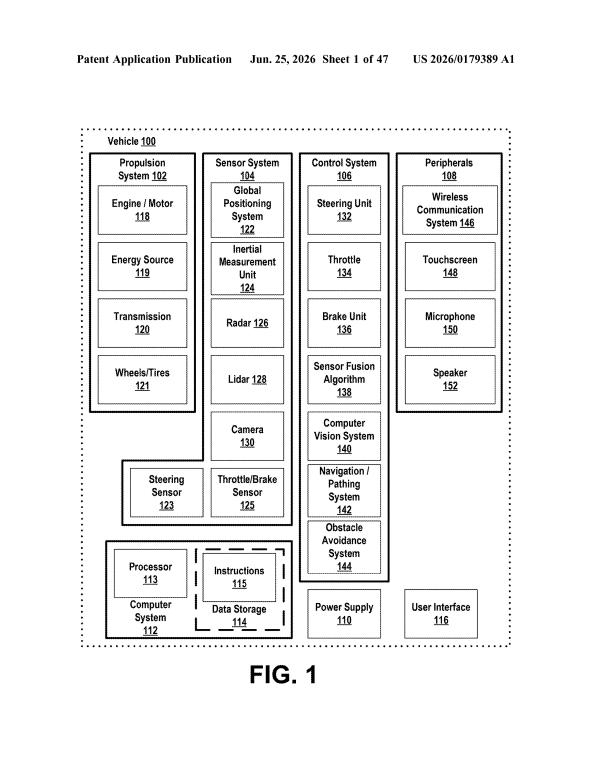
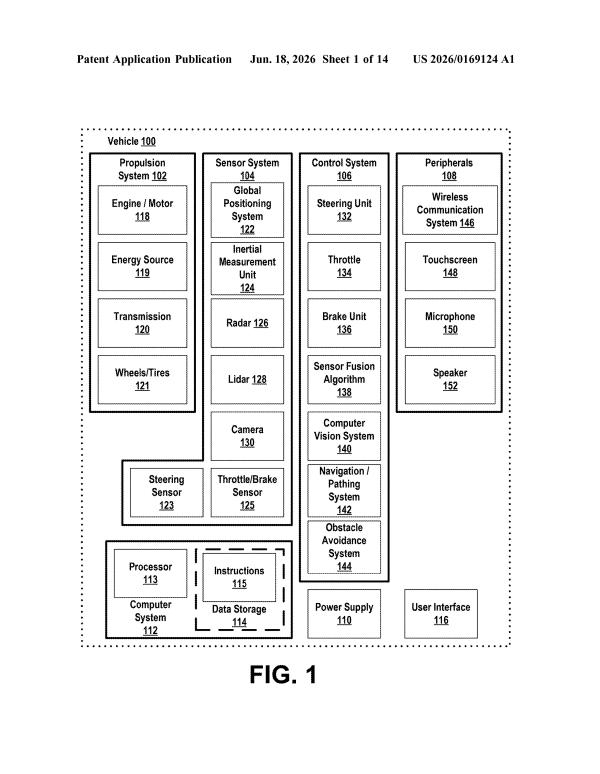
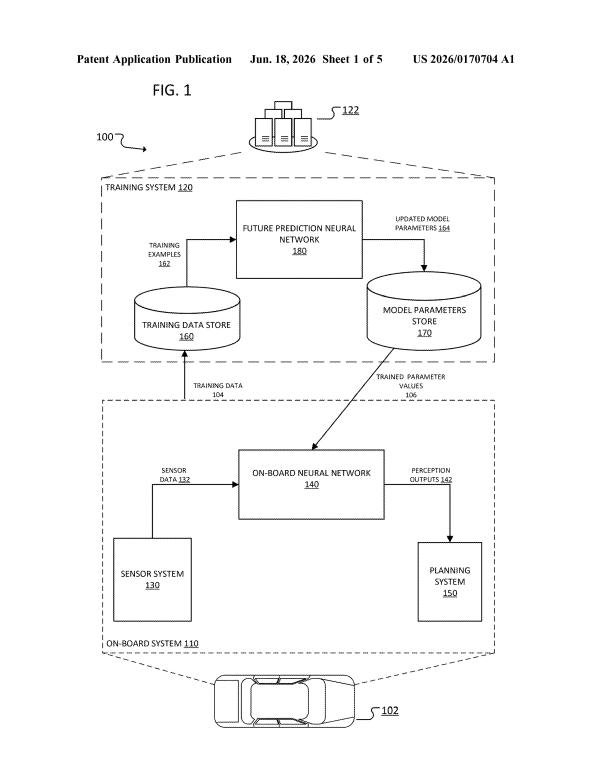
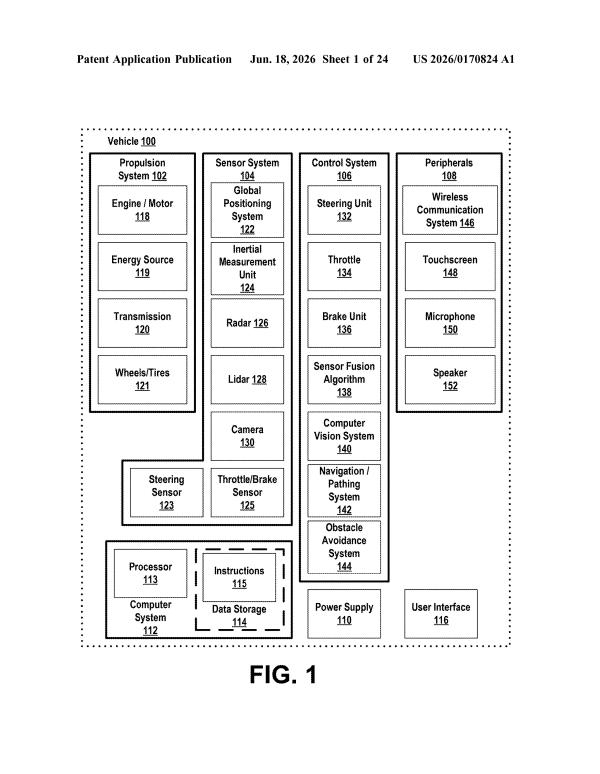
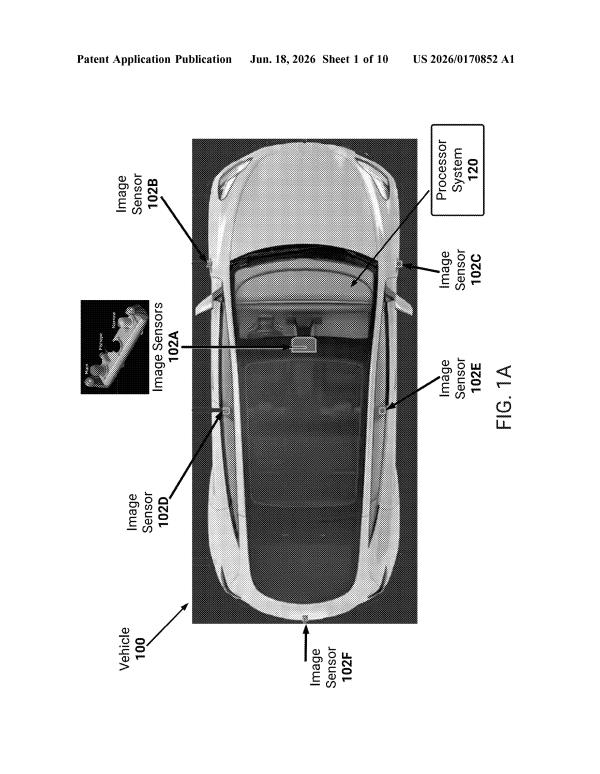
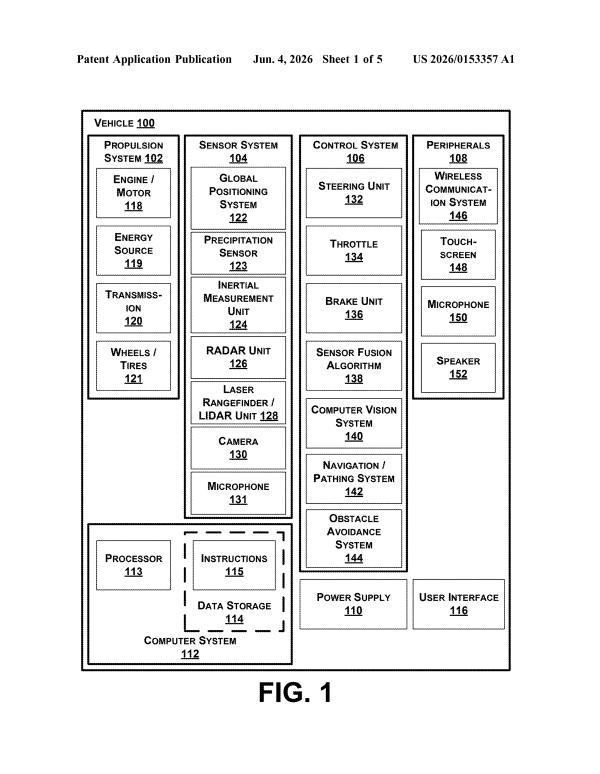
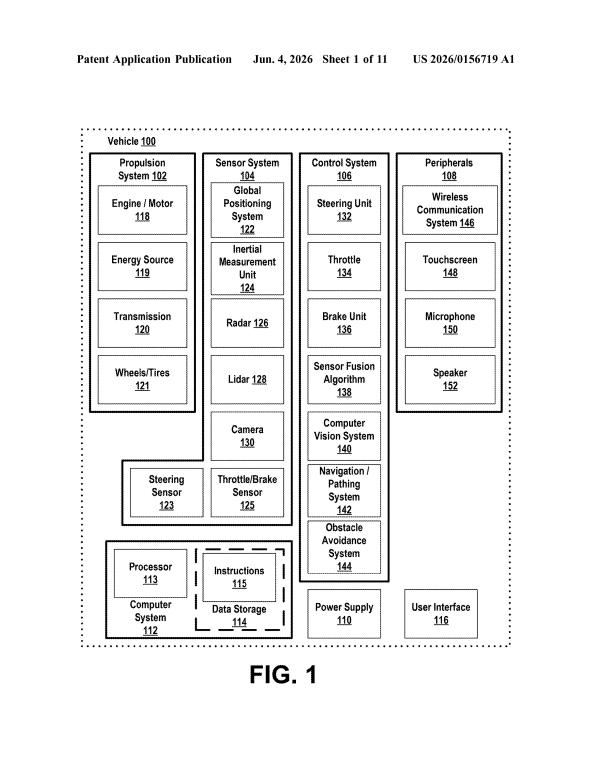
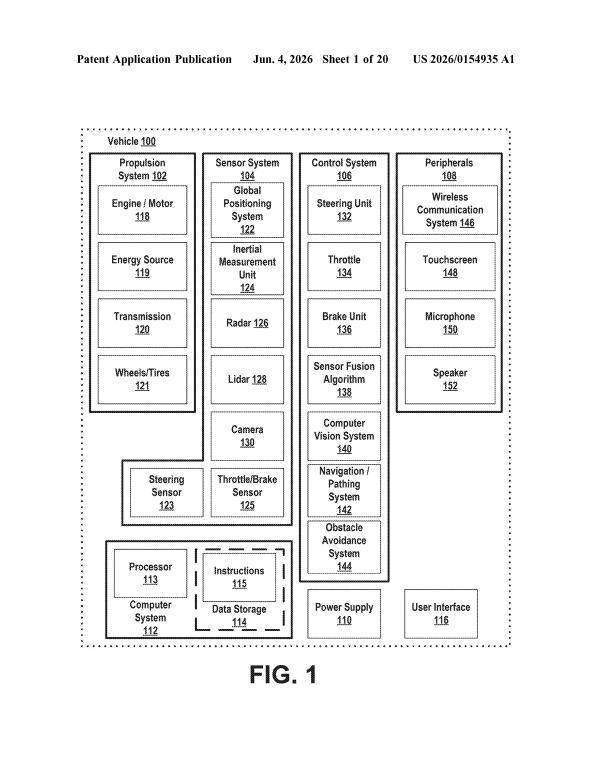
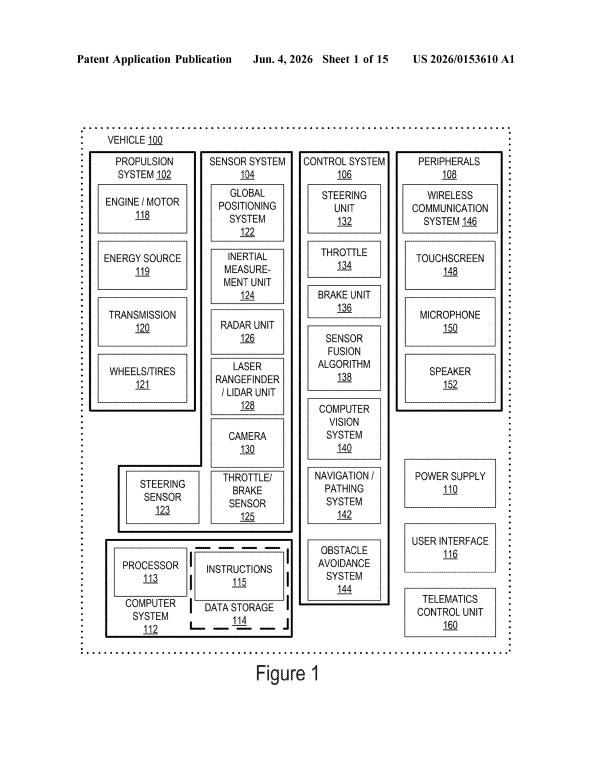
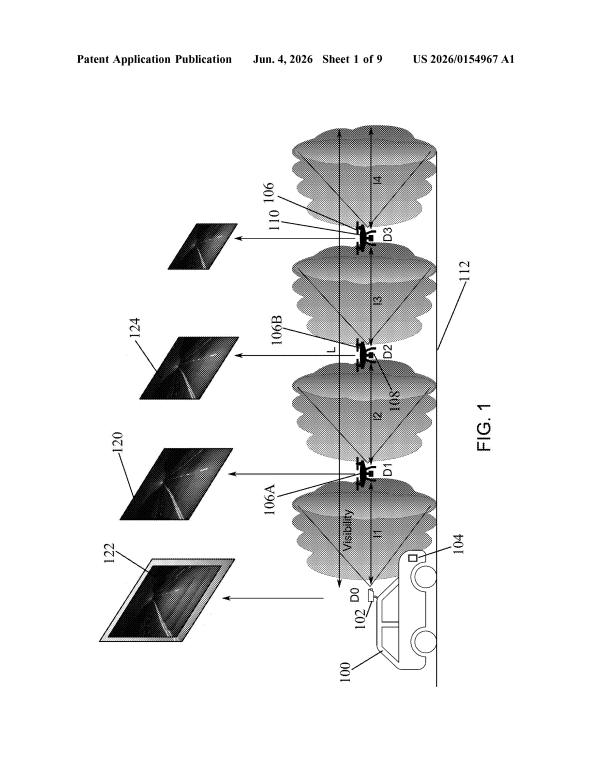
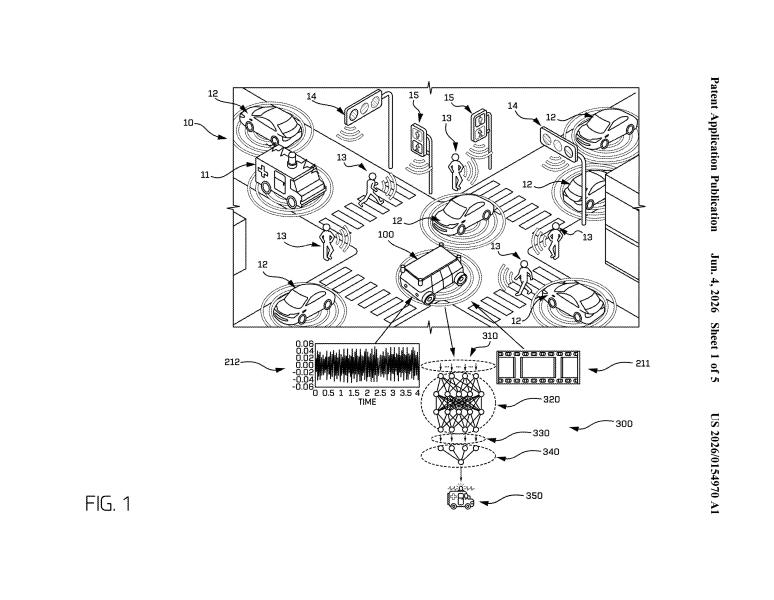
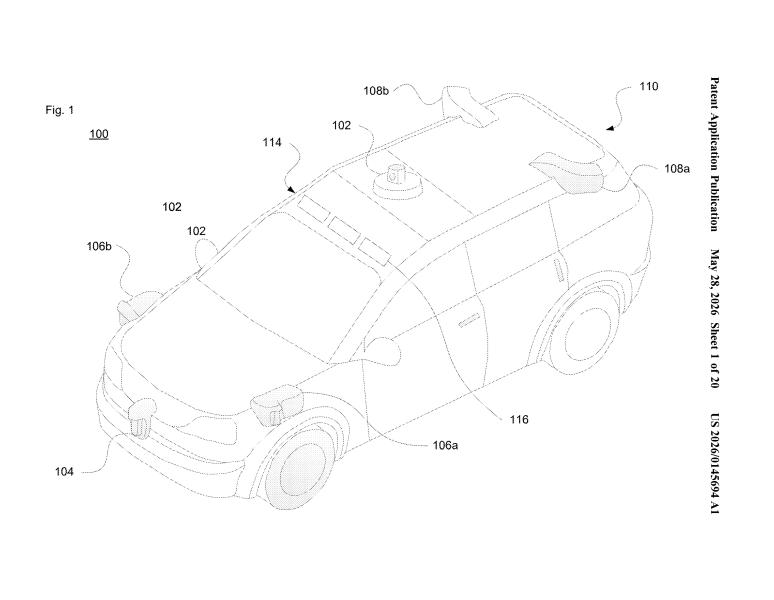
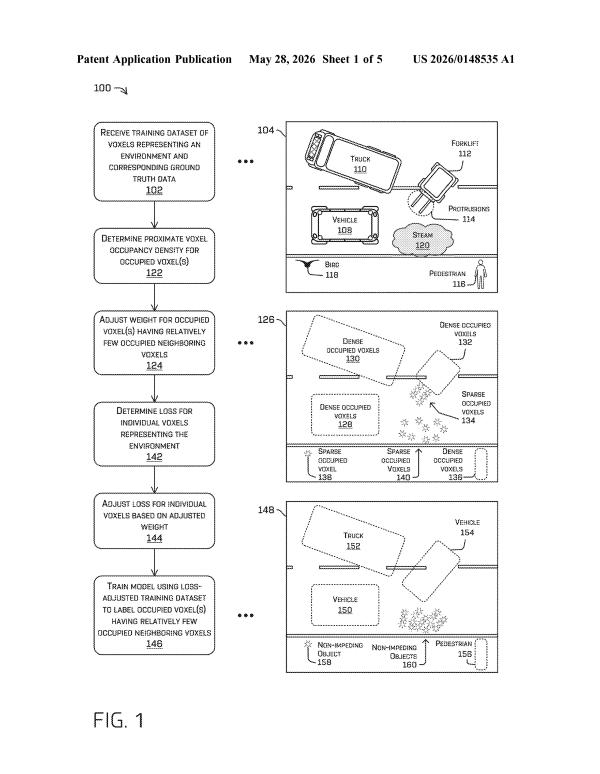
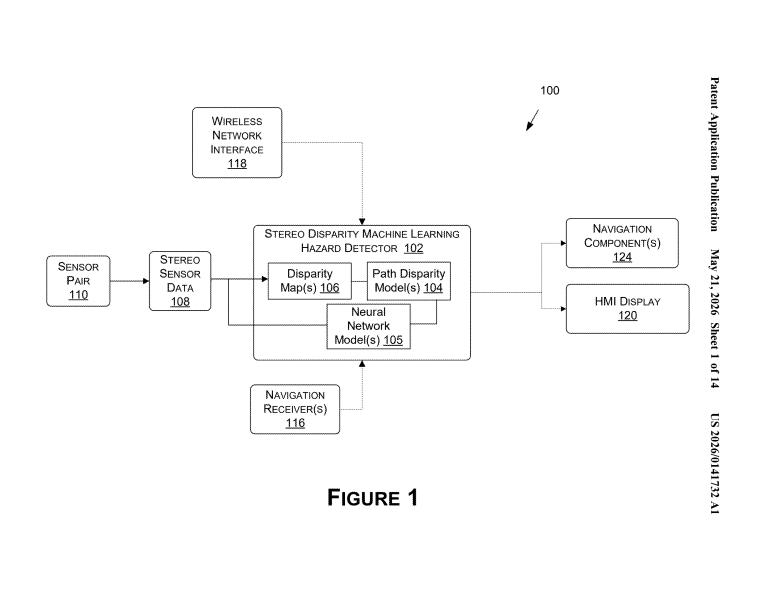
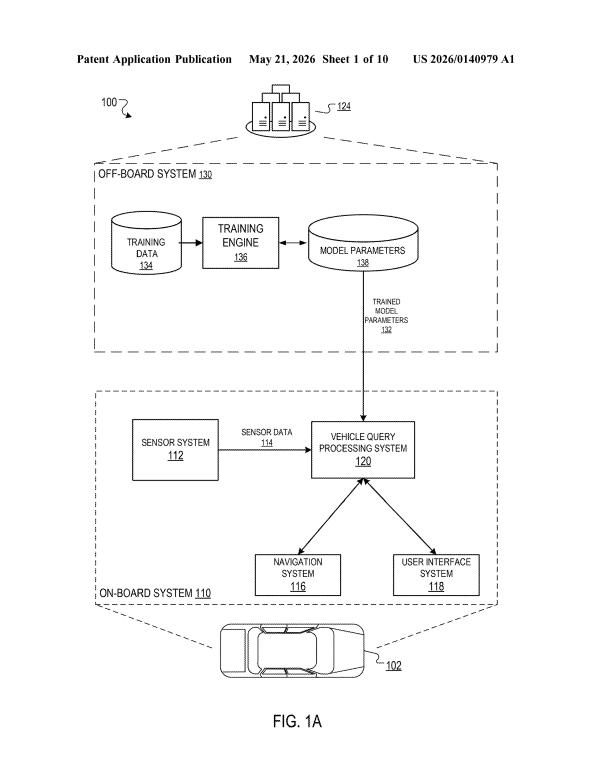
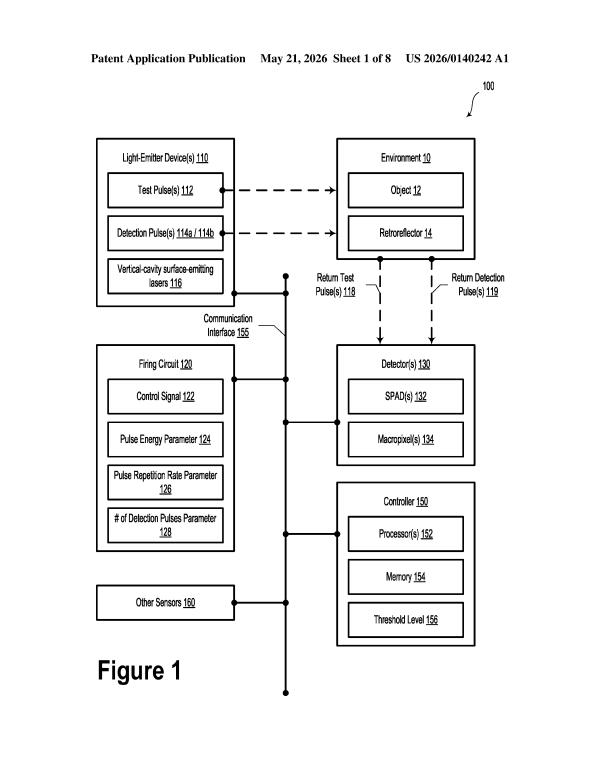
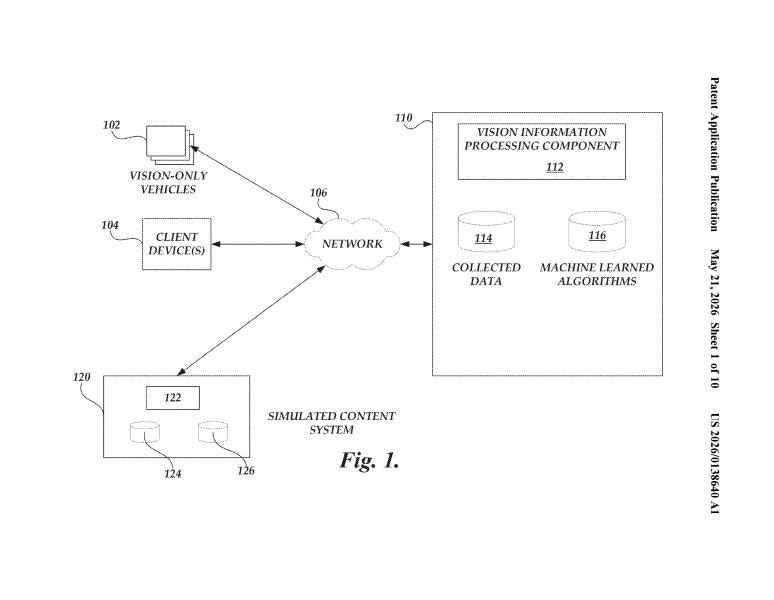
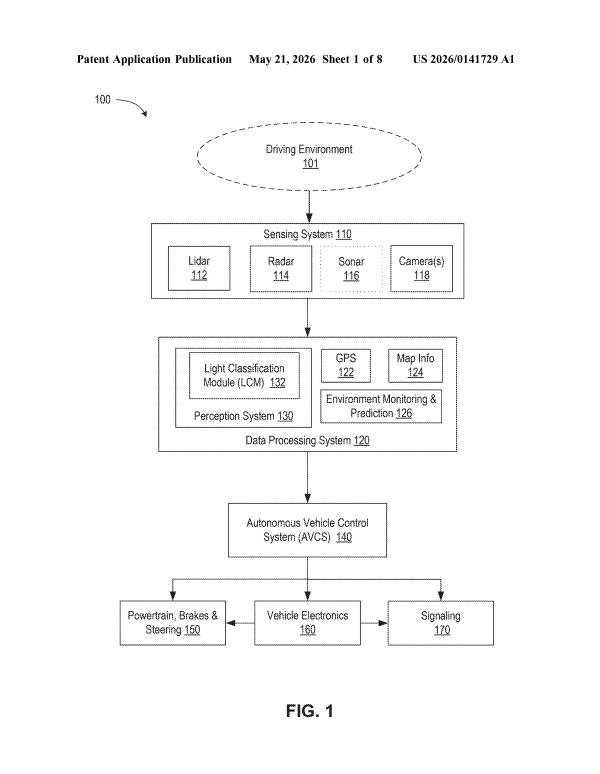
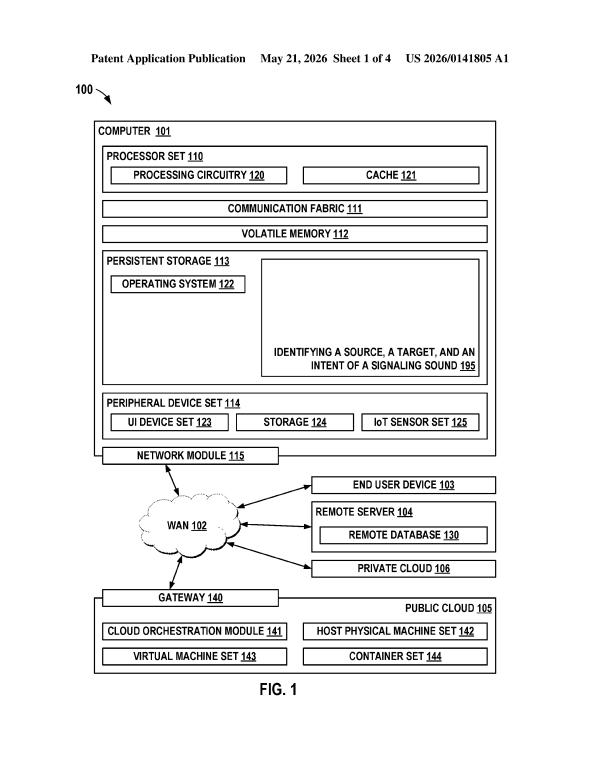
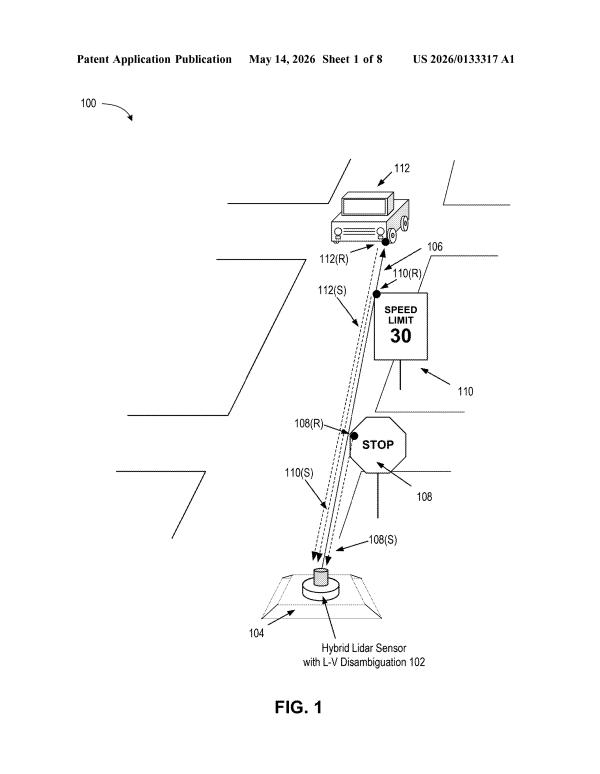
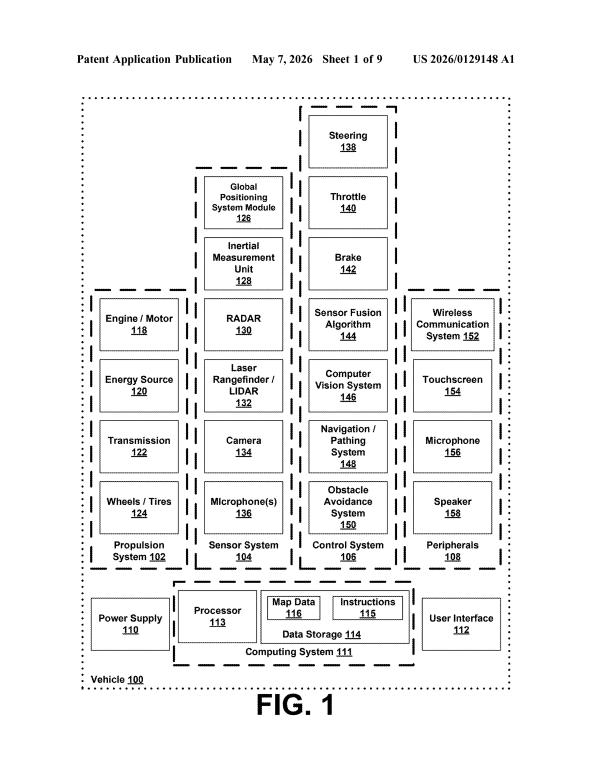
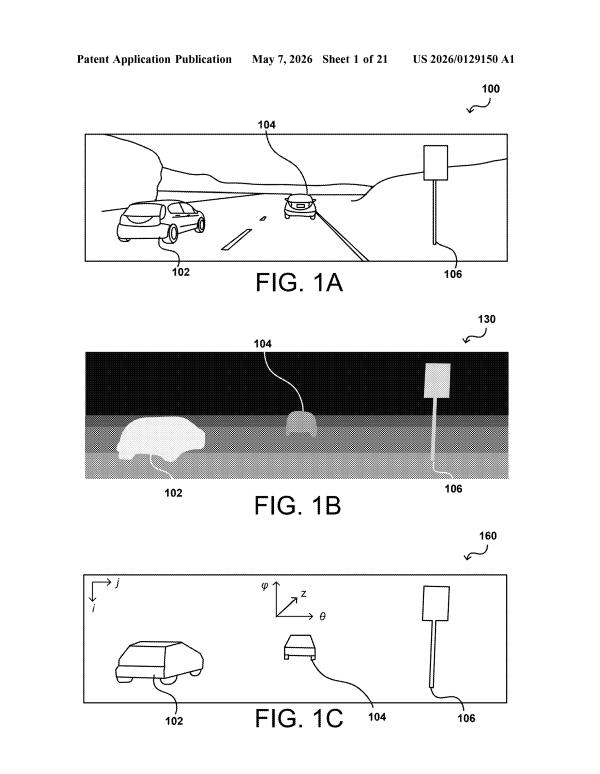
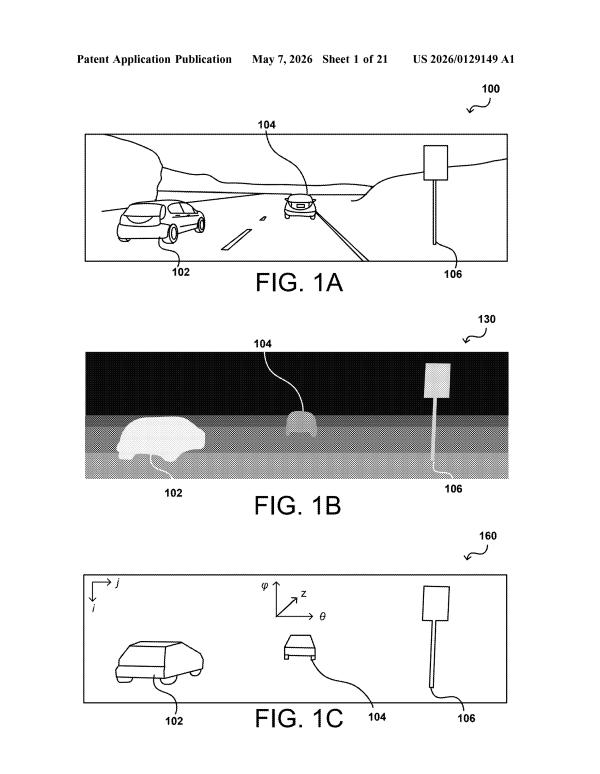
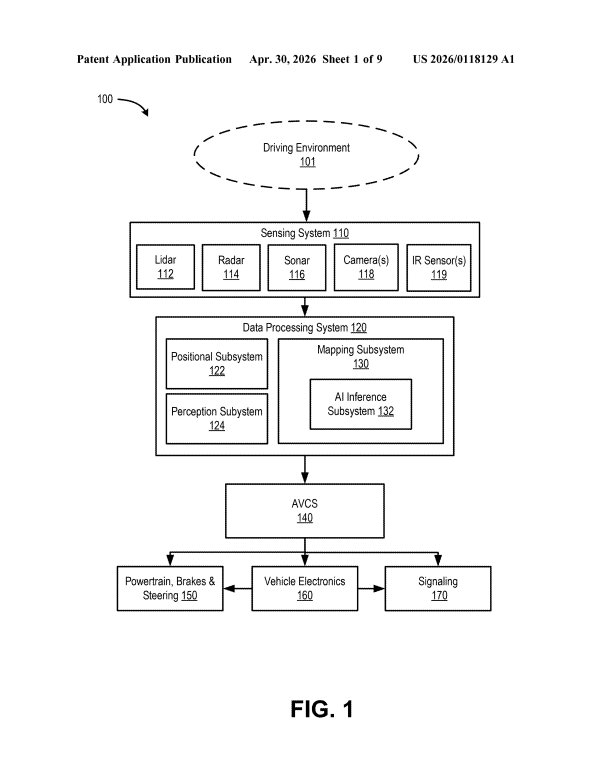
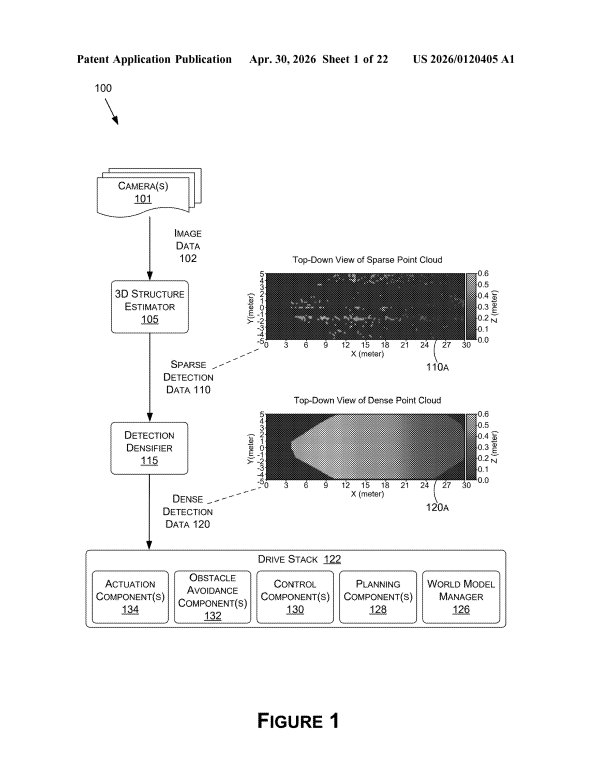
Much of the filing activity here focuses on raw perception: how a self-driving car senses the world before it decides anything. Waymo's LiDAR system for fog and its microphone setup for hearing sirens both aim at filling gaps that cameras alone can't cover. Nvidia's patents on bird's eye view generation and synthetic data pipelines for road surfaces address a related problem: turning messy sensor input into something a driving model can actually use. Together these filings suggest both companies are still spending real engineering effort on the basic question of what the car can reliably detect.
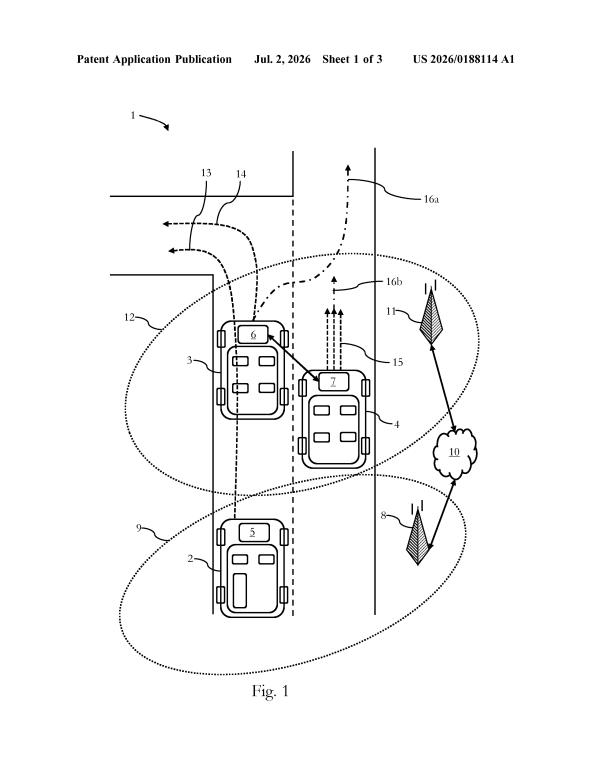
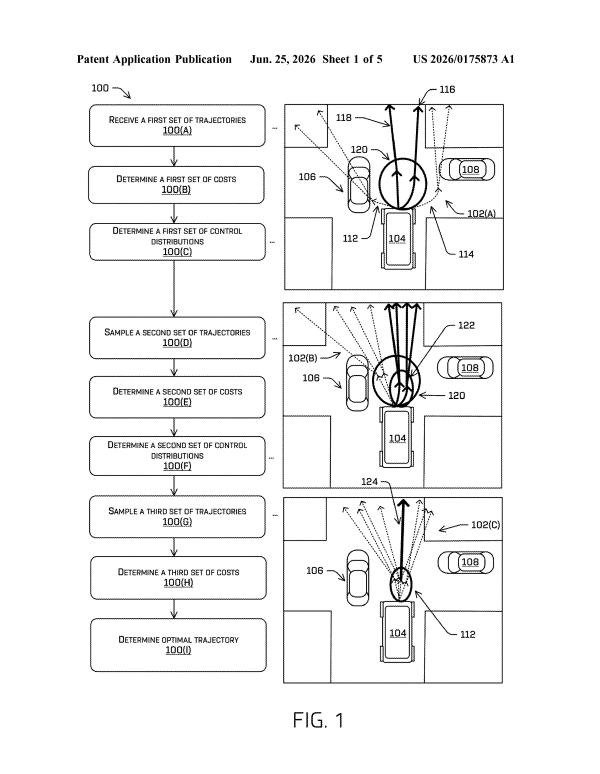
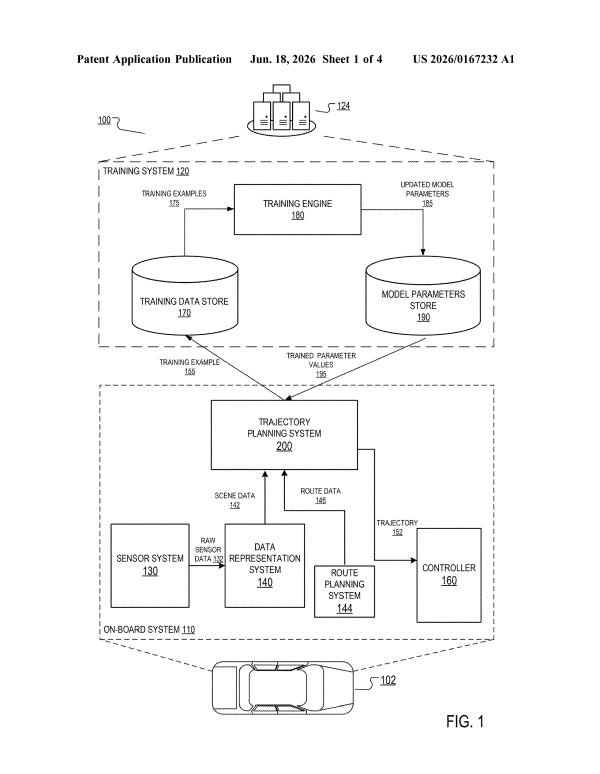
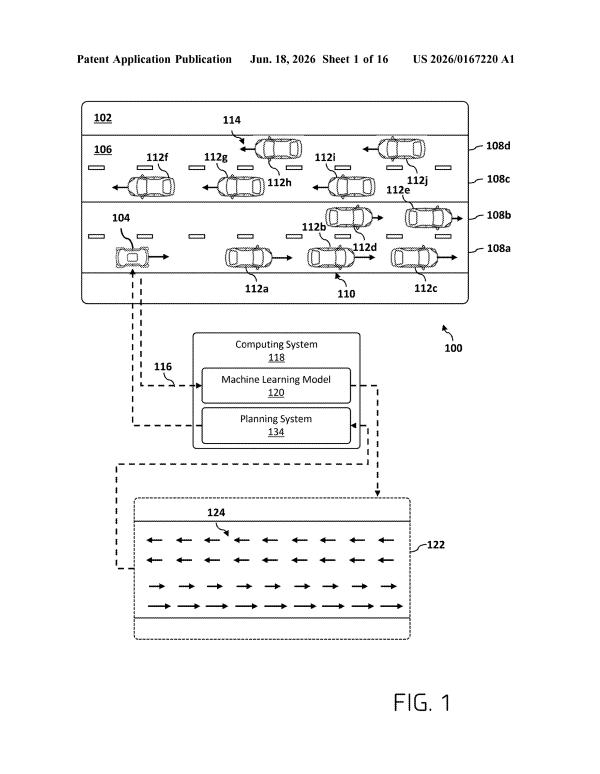
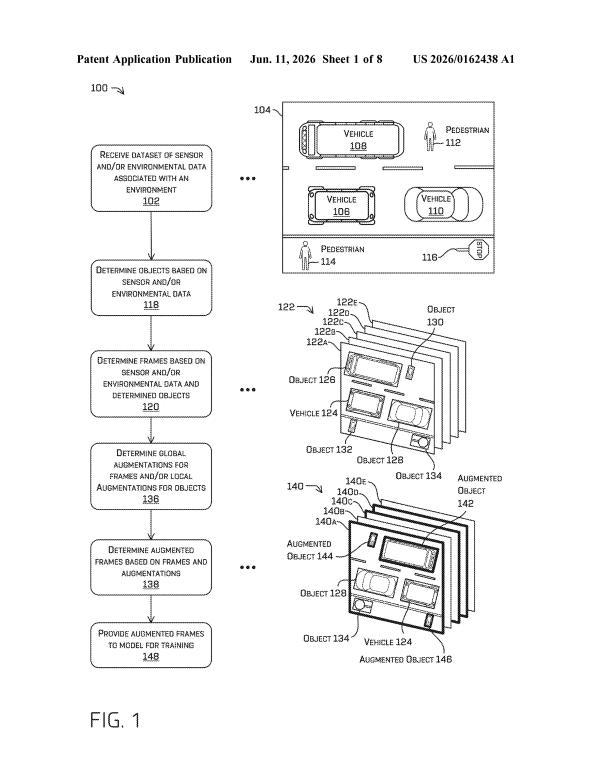
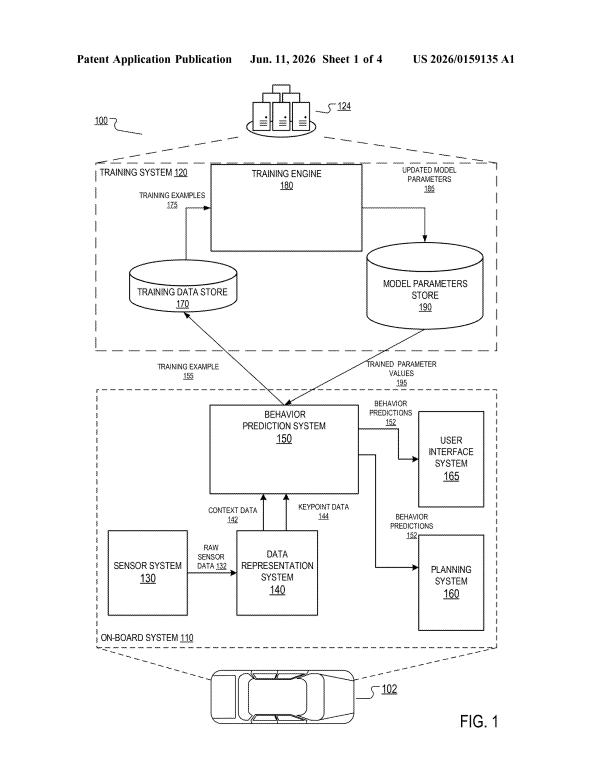
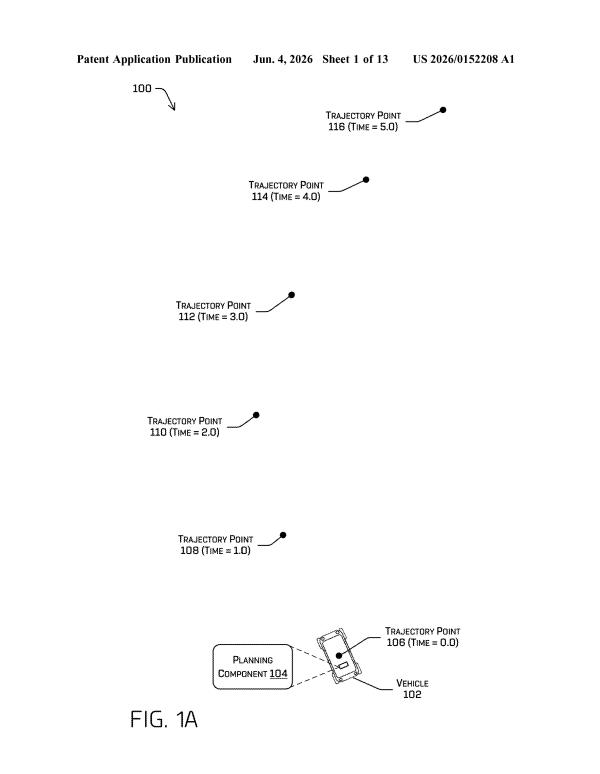
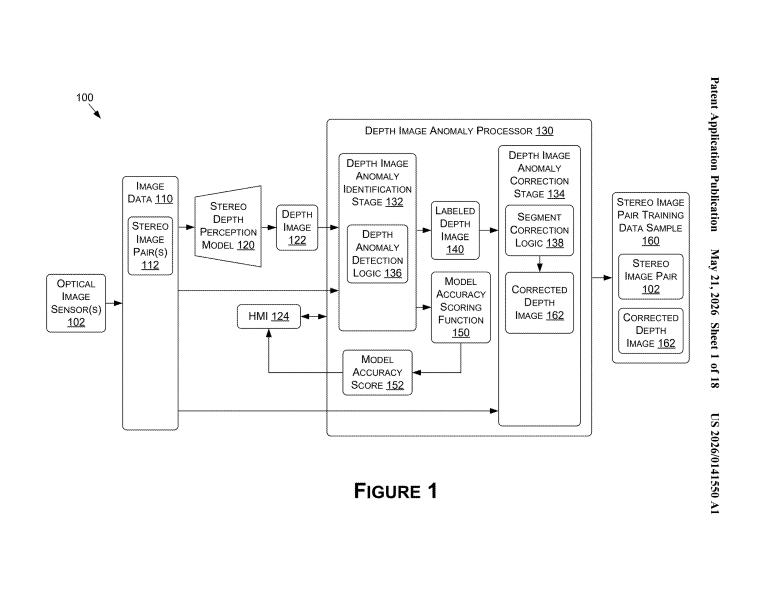
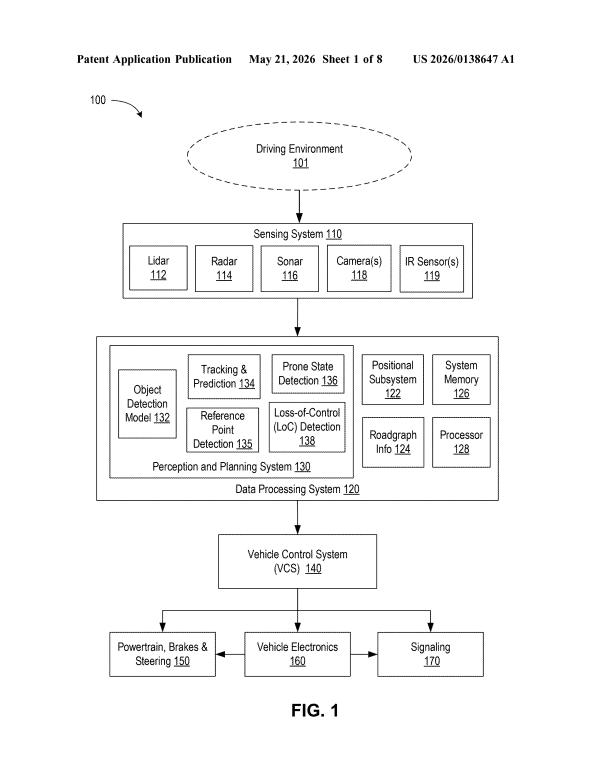
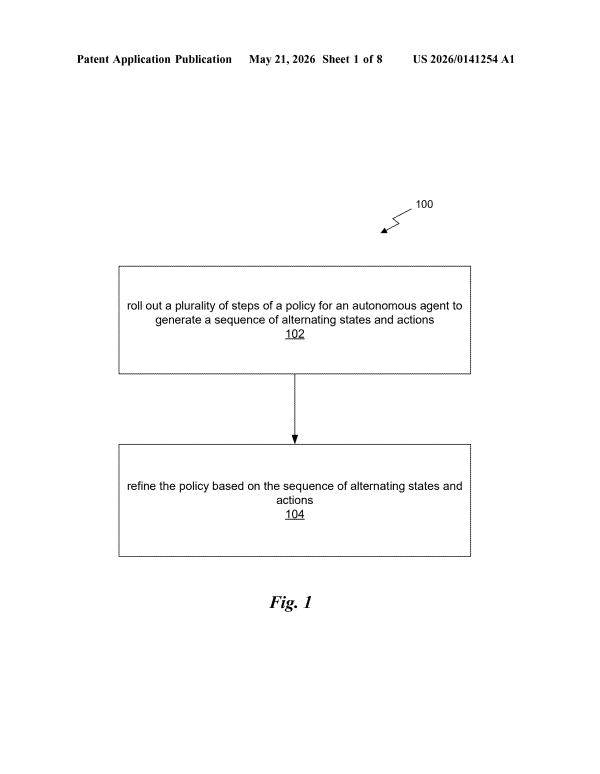
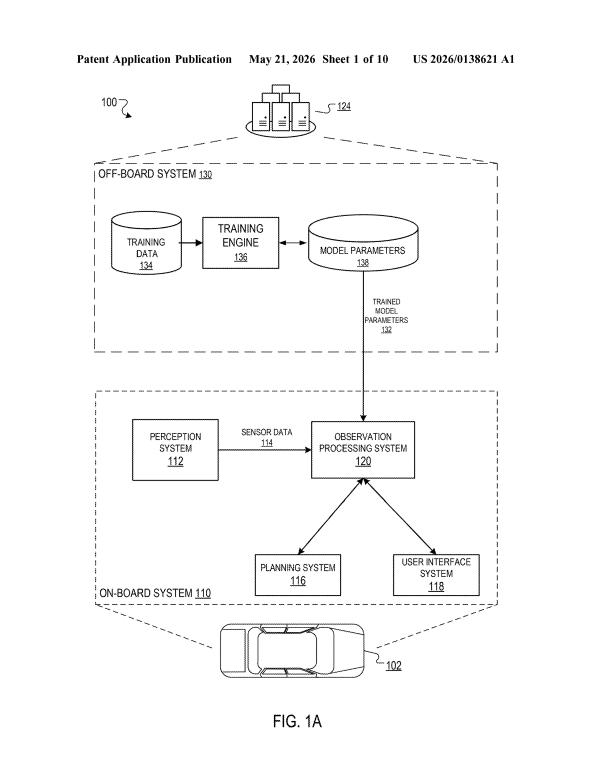
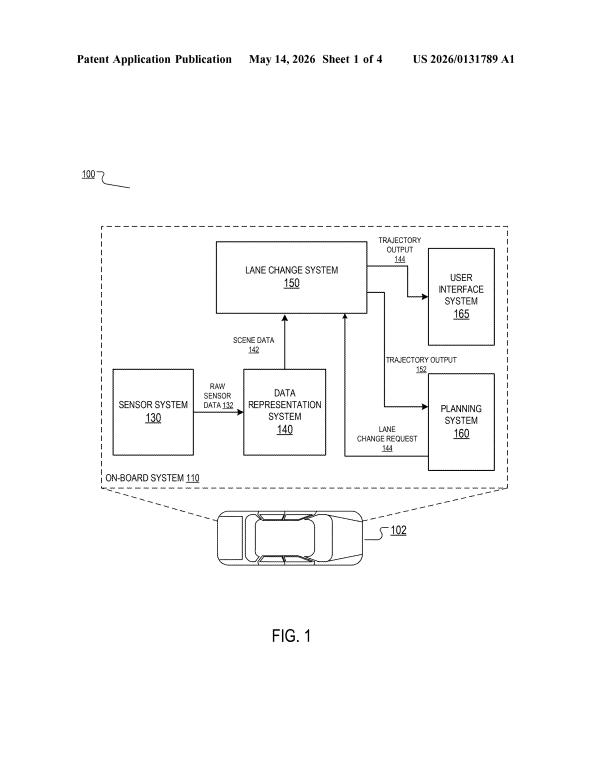
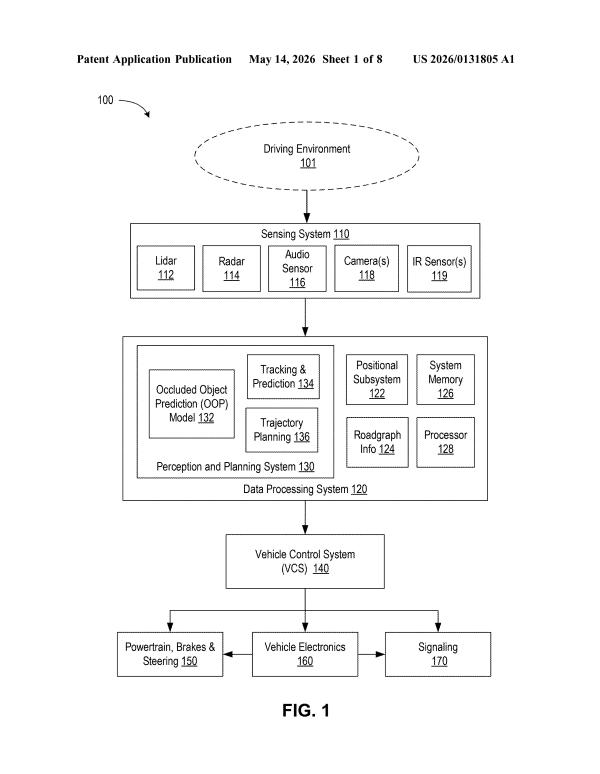
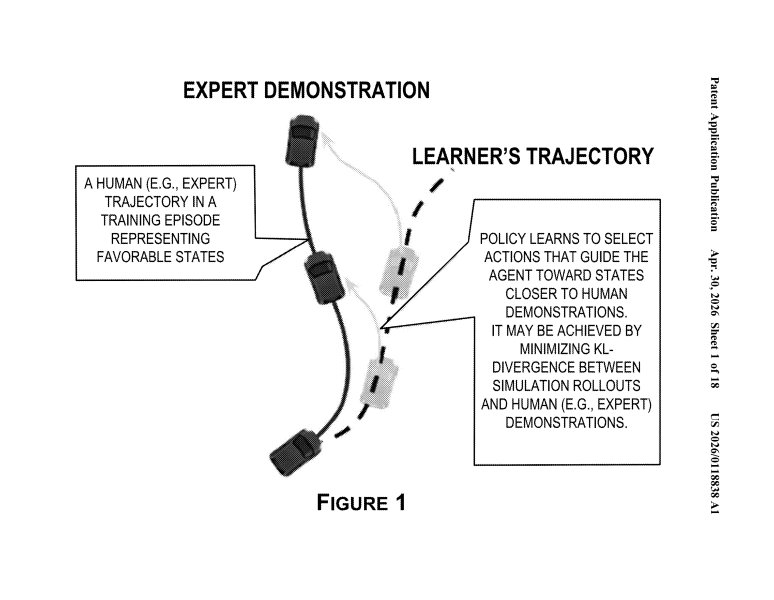
A second cluster of patents deals with judgment calls once the car has good sensor data. Waymo's two-stage model for predicting hidden pedestrians and its system for forecasting crashes between other vehicles both push prediction further out, beyond what's directly visible. Its patent on smarter lane changes and Tesla's patent on reading intent before moving point to the same question: how confident does the car need to be before it acts? Nvidia's self-correcting training loop suggests part of the answer comes from letting the AI learn from its own mistakes in simulation rather than on the road.
Reading across the filings, the recurring theme is translation: raw signals becoming maps, sounds, or bird's eye views that a driving model can reason about. Readers should watch for more patents that connect perception to action, since that's where Waymo, Nvidia, and now Tesla appear to be converging. As always, a patent filing describes an idea a company wants to protect, not a feature confirmed for release.
Questions readers ask
Is Waymo or Nvidia further ahead in self-driving sensor technology?
The patents don't show a clear leader. Waymo's filings lean toward sensor fusion and prediction, like LiDAR that adapts to fog or models that guess where hidden pedestrians might be. Nvidia's filings focus more on turning raw camera and LiDAR data into usable formats, like bird's eye views and synthetic training data. Both are solving different pieces of the same puzzle.
Does a patent mean these self-driving features are actually in cars now?
No. A patent filing shows a company protecting an idea it wants to use, not a feature that has shipped. Some of these filings, like Waymo's siren-detecting microphone system or Nvidia's self-correcting training loop, describe research directions that may take years to reach an actual vehicle, if they do at all.
What problems keep showing up across these self-driving patents?
Two problems repeat often: making sense of messy real-world sensor data, and predicting what other road users will do before they do it. Fog, hidden pedestrians, sirens, and unpredictable drivers all point to the same underlying challenge, getting a car to react correctly to things it can't fully see yet.
Is Tesla part of this self-driving sensing race too?
Mostly this storyline tracks Waymo and Nvidia, but Tesla shows up too, with a patent on reading a situation's intent before the car moves. That overlap suggests the same underlying questions, like when a car should trust its own read of a scene, matter across the industry, not just to two companies.