Big Tech's On-Device AI Privacy Patents, and who's winning the race
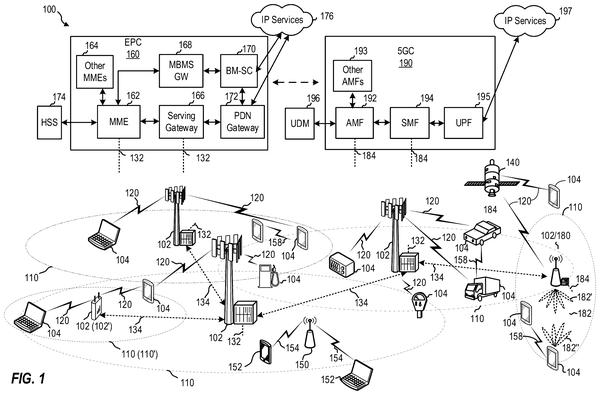
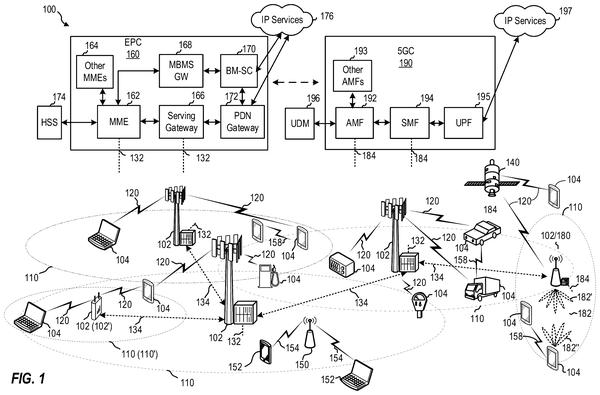
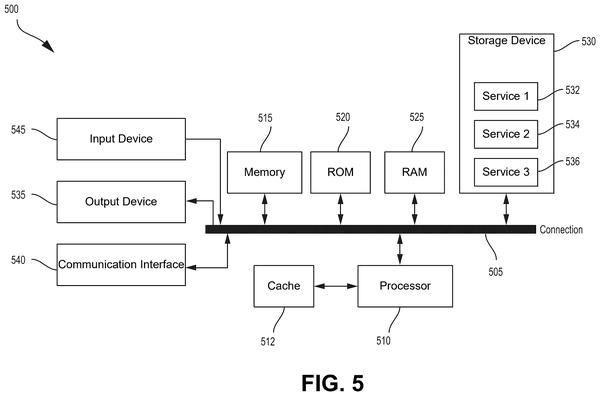
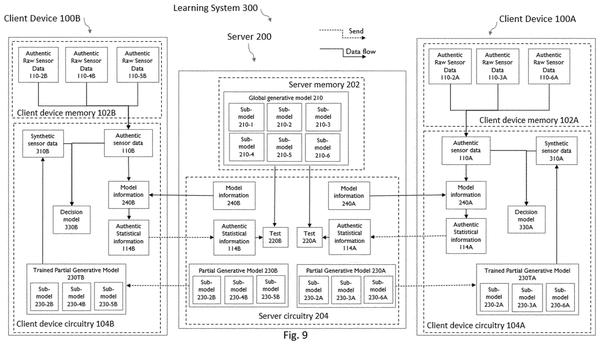
This watchlist tracks patents on scrubbing personal data before it leaves a device, training AI models without exposing raw data, and filtering sensitive information before it reaches cloud AI or ad auctions. Together they show Google and Samsung racing to prove AI features can run locally without sending data to company servers.
based on all tracked filings in this watchlist · refreshes every week
This fight is over who can make AI useful on your phone or device without ever sending your personal data to a server somewhere else. The companies filing here are all trying to solve the same core problem: AI needs data to work, but users do not want their data leaving their hands.
Google and Samsung carry the most weight here by sheer filing count, with Google focused heavily on keeping ad targeting and learning local, and Samsung spreading bets across training, encryption, and network sharing.
What’s new in the on-device AI privacy push
a dated entry each week this watchlist moves · older entries stay archived
Sep 17, 2026 10 filings joined
Most new filings focus on keeping personal data local or hidden during AI work. Microsoft and Google are the most active, each filing multiple patents around protecting private information while still letting AI systems learn and run.
Most filings this week focus on keeping data on your device instead of sending it to the cloud. Google and Apple each filed multiple patents in this space, covering everything from photo protection to facial recognition to ad targeting.
This week's filings all circle around keeping AI work on your own device rather than sending data to the cloud, covering everything from smart home updates to emergency messages to voice fixes. Google leads with two filings, while Apple, Samsung, and Sony each add their own take on handling personal data locally.
Aug 27, 2026 9 filings joined
This week's filings center on running AI directly on your device instead of sending data to outside servers, with Apple and Qualcomm each adding three new filings. Uses range from reading faces and tracking objects to showing ads without ever seeing your full personal profile.
Aug 20, 2026 11 filings joined
This week's filings focus on keeping personal data on the device and out of outside servers. Apple and Google led the activity, each filing multiple patents around hiding or stripping personal details before any data leaves your hands.
Who’s filing patents in the on-device AI privacy push
counts from tracked filings · focus read from each company’s own filings
The battlegrounds inside the on-device AI privacy push
the fights inside the fight · each with its three newest filings · new filings join every week
Training AI Without Touching Your Data 29 filings
Google 9, Samsung 6, Qualcomm 6
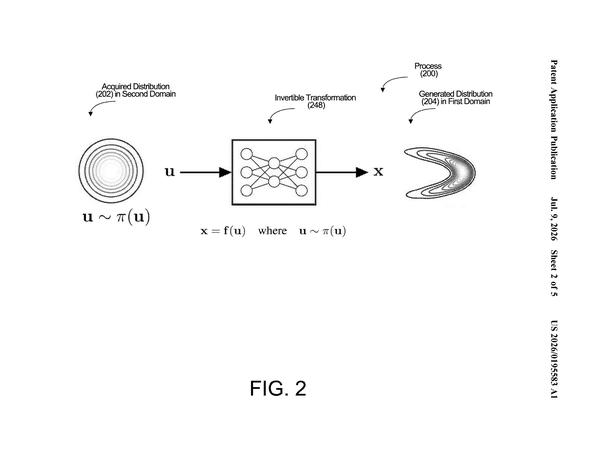
Several companies are filing patents for ways to teach AI using real-world data while making sure that data never leaves your device. Google, Samsung, Sony, IBM, and Qualcomm are all pushing different versions of this idea.
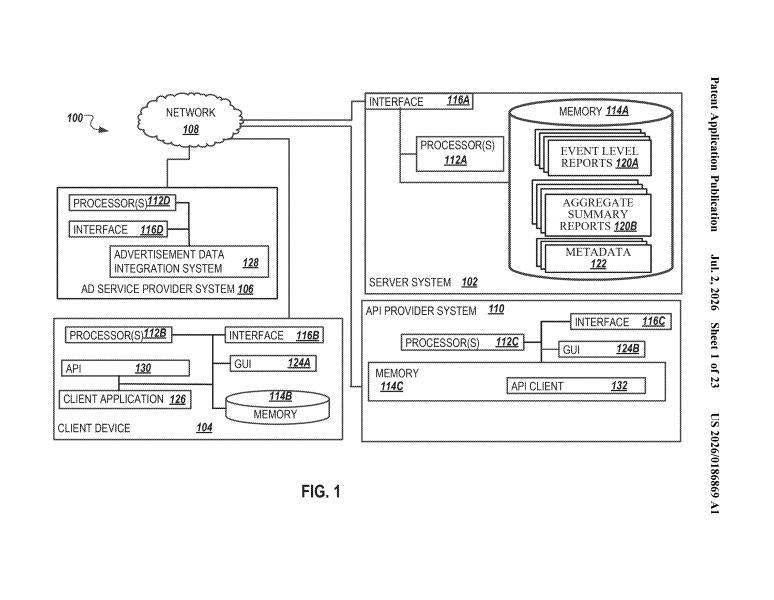
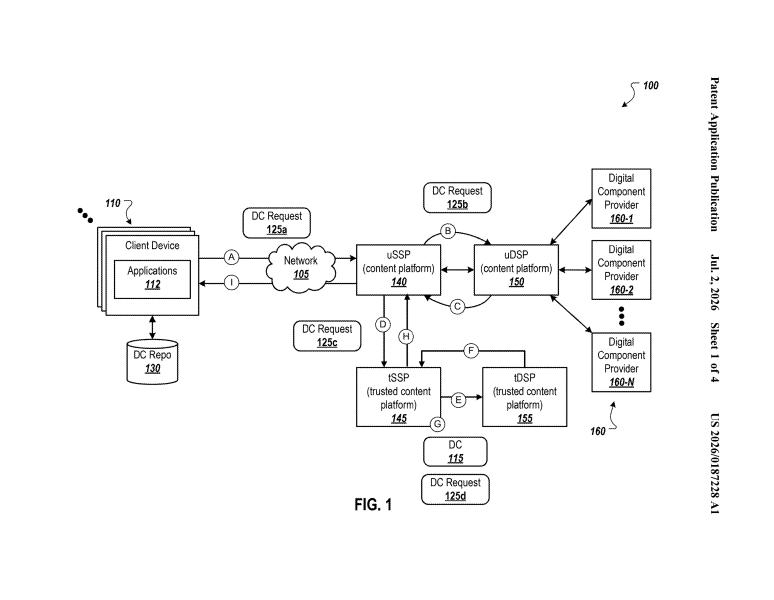
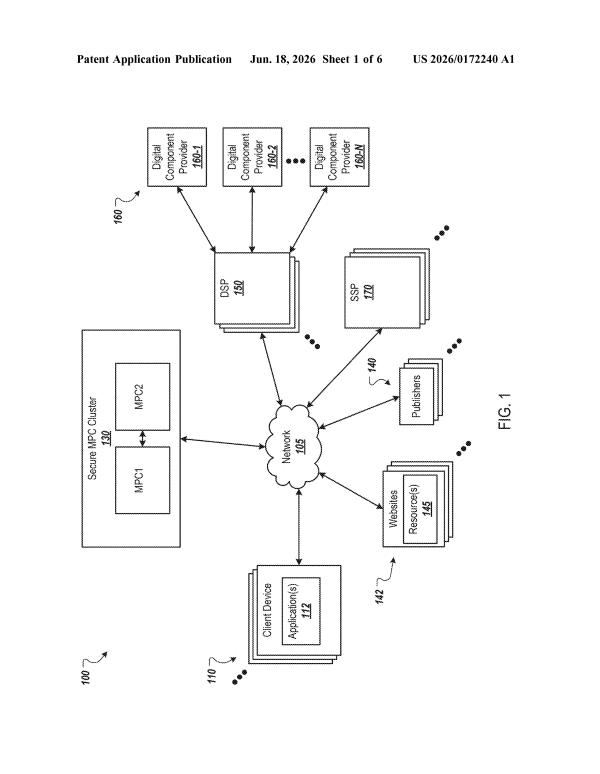
Google is filing a large number of patents around serving targeted ads without storing who you are or what you browse, doing the matching on your device instead of on a server. The filings cover picking winning ads to counting trends without ever seeing individual people.
Multiple companies are working on ways to stop apps and services from learning who you really are, using stand-ins, decoys, or encrypted replacements instead of your real details. IBM, Google, Qualcomm, Samsung, and Apple are all filing patents in this space.
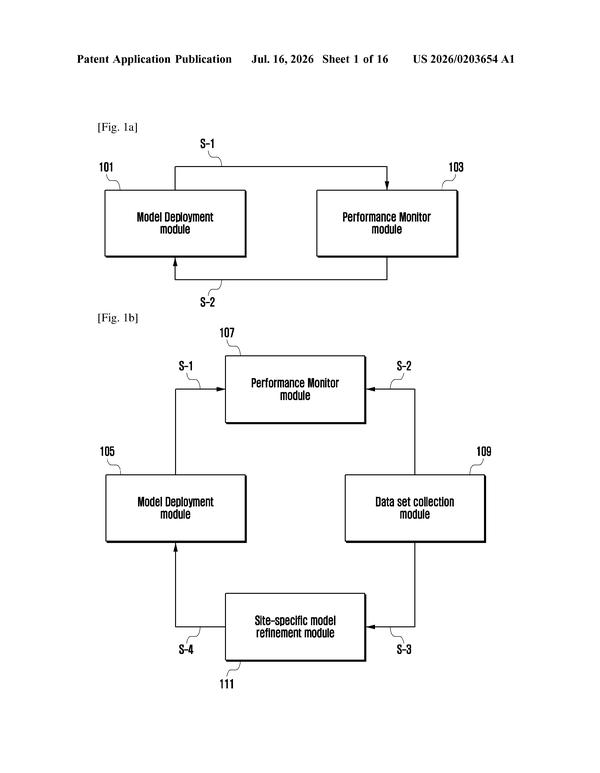
Companies are filing patents for AI that does its work entirely on your phone or computer without sending anything to a server, covering tasks like grammar checking, recommendations, and answering questions. Google, Samsung, Qualcomm, Apple, and Salesforce are all pursuing this.
A cluster of patents focuses on catching and blocking sensitive data before it escapes, whether during software testing, code sharing, login flows, or blockchain transactions. IBM, Samsung, Google, and Intel are filing on different versions of this problem.
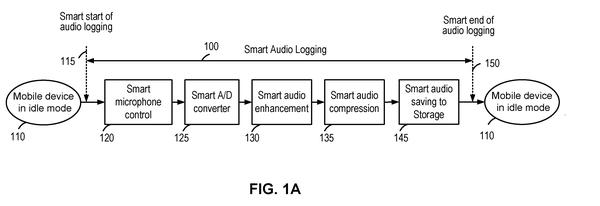
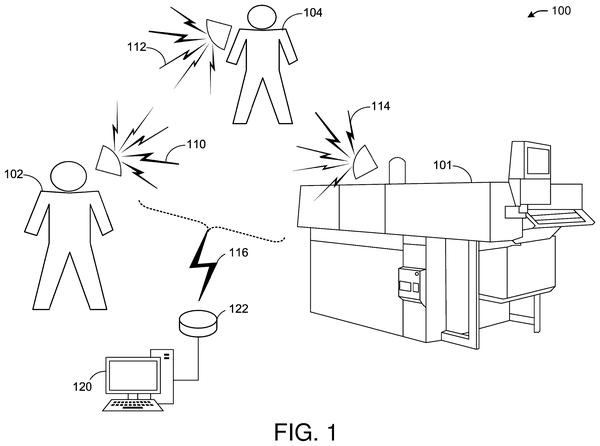
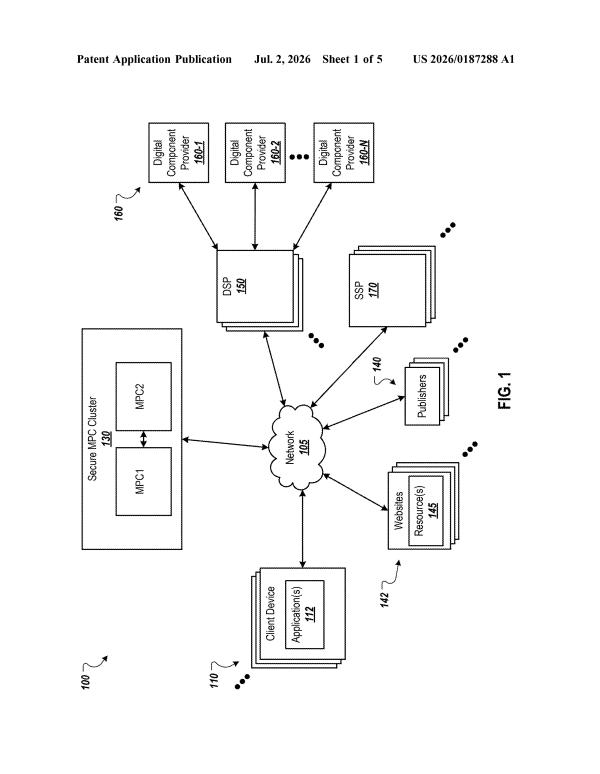
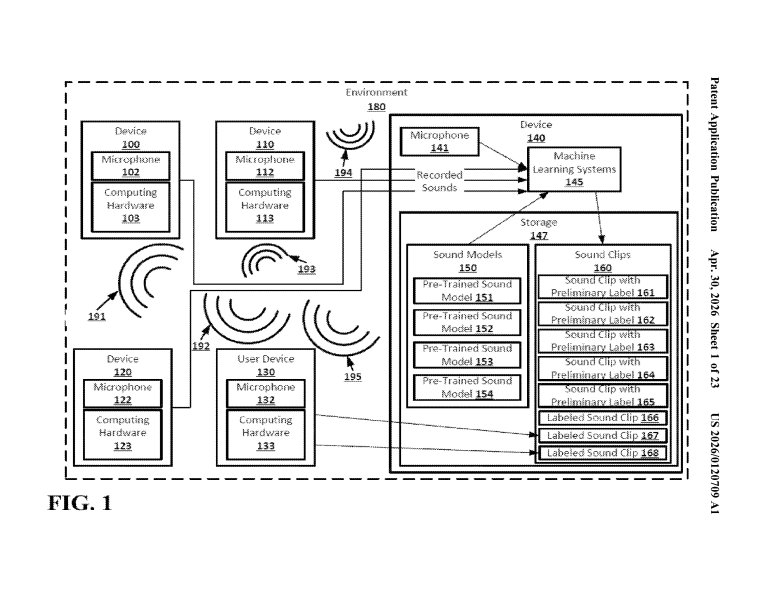
Devices that filter sensitive audio in real time could let factories monitor equipment without capturing worker conversations, solving the problem of always-on microphones that currently threaten privacy.
Filtering speaker identity from voice data before transmission keeps cloud AI systems from receiving biometric markers embedded in audio, even when transcription itself happens remotely.
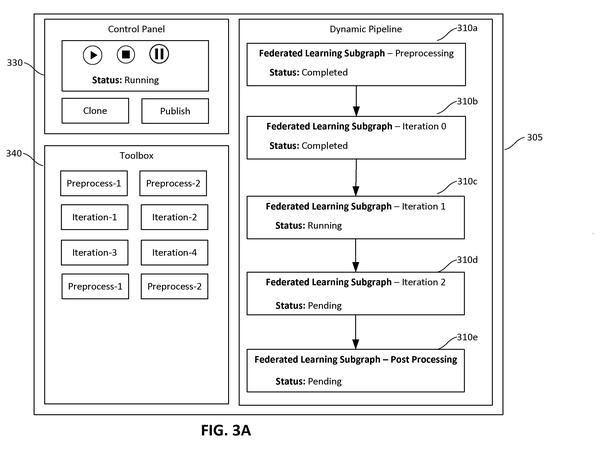
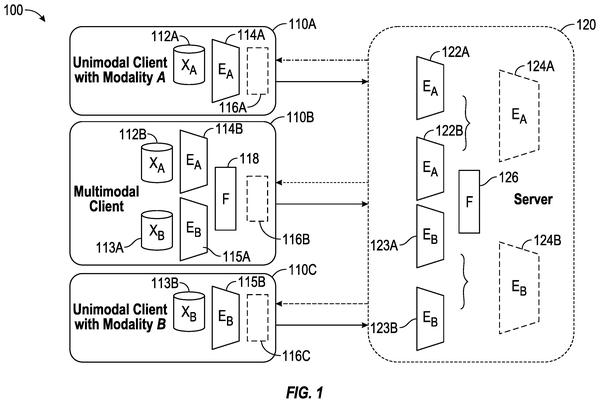
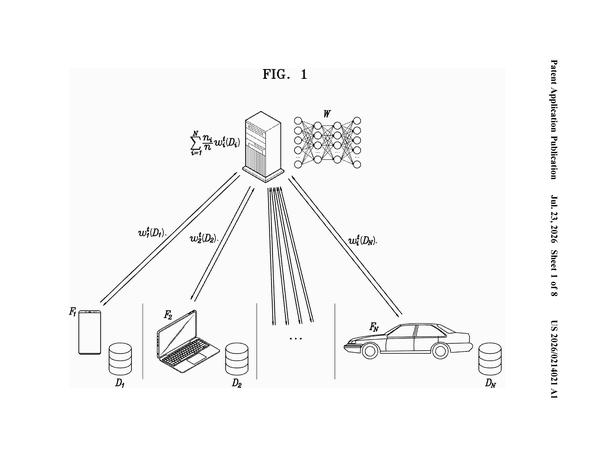
Within the broader privacy push, this pins down how federated learning solves the core problem: models improve from your device's data without that data ever leaving.
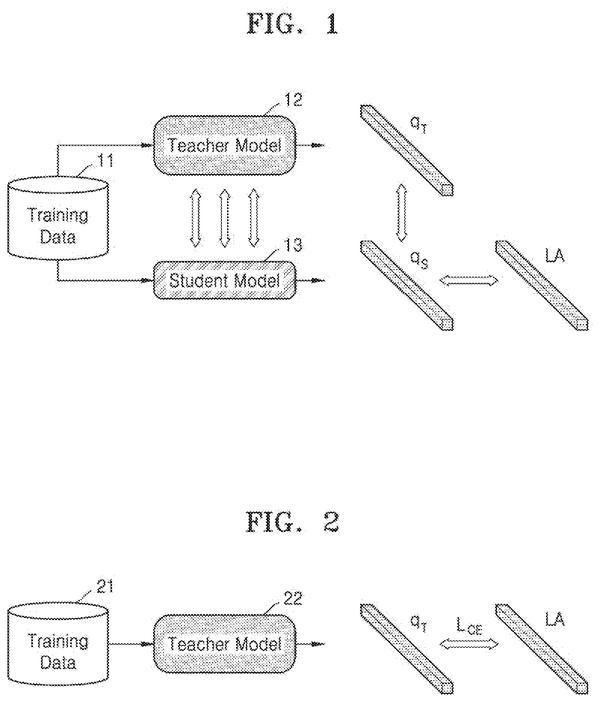
Bidirectional knowledge transfer during training keeps the smaller model's real-world constraints visible to the larger one from the start, rather than compressing afterwards when those constraints can't reshape the architecture.
Dynamic early stopping during distributed training eliminates the need to centralize sensitive data, letting each location halt its local model updates once convergence signals sufficient learning.
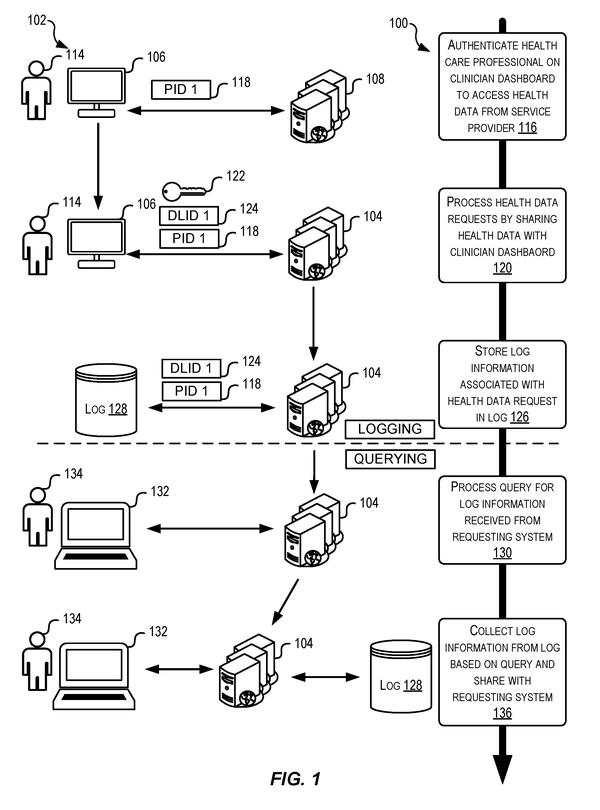
Extends the on-device privacy focus to health records stored in the cloud, adding cryptographic audit trails so patients can verify access without exposing raw data to the system doing the tracking.
Within the watchlist's focus on filtering sensitive data before cloud transmission, this patent adds a specific mechanism: enforcing a minimum anonymity threshold on browsing context data before any ad system can access it at all.
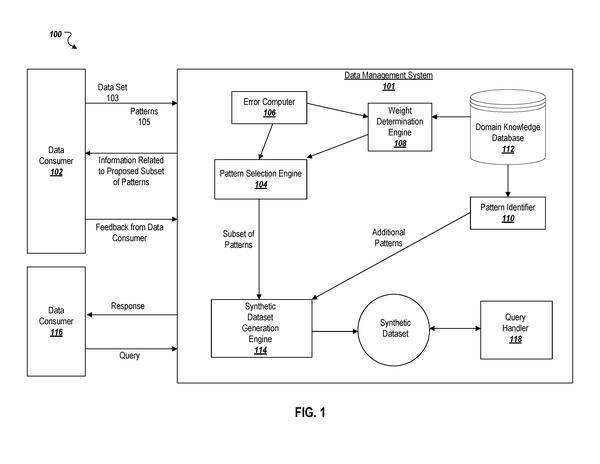
Synthetic data generation sidesteps exposure by learning statistical patterns from real datasets, then producing fake but statistically valid alternatives, letting researchers share usable data without transmitting actual personal details.
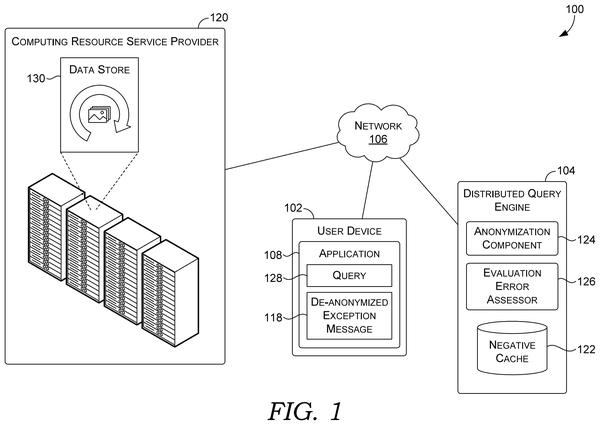
Extends the privacy perimeter from query execution to error handling itself: catches database failures before they expose user data in error messages, plugging a leak that happens silently at scale across large systems.
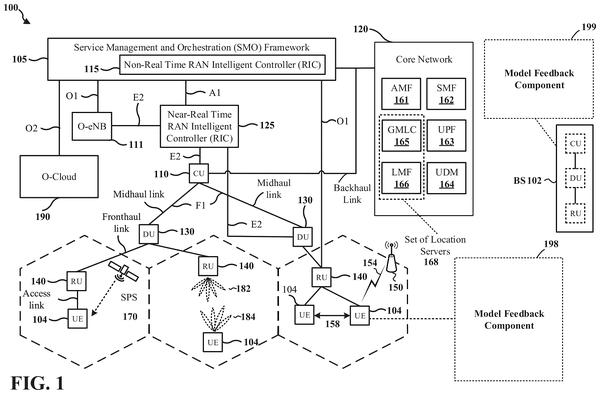
Phones validating network traffic classification locally, then reporting mismatches back to improve the shared model without exposing raw data streams.
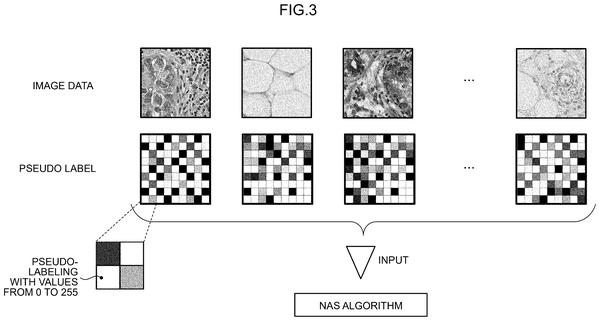
Reducing labeling costs by auto-generating synthetic training data during architecture search, so engineers can optimize network design before collecting expensive human-labeled examples.
If it works, advertisers could match users to ad profiles without any company holding the unencrypted personal data. The patent demonstrates a shift toward cryptographic matching that replaces data exposure with mathematical proofs of identity.
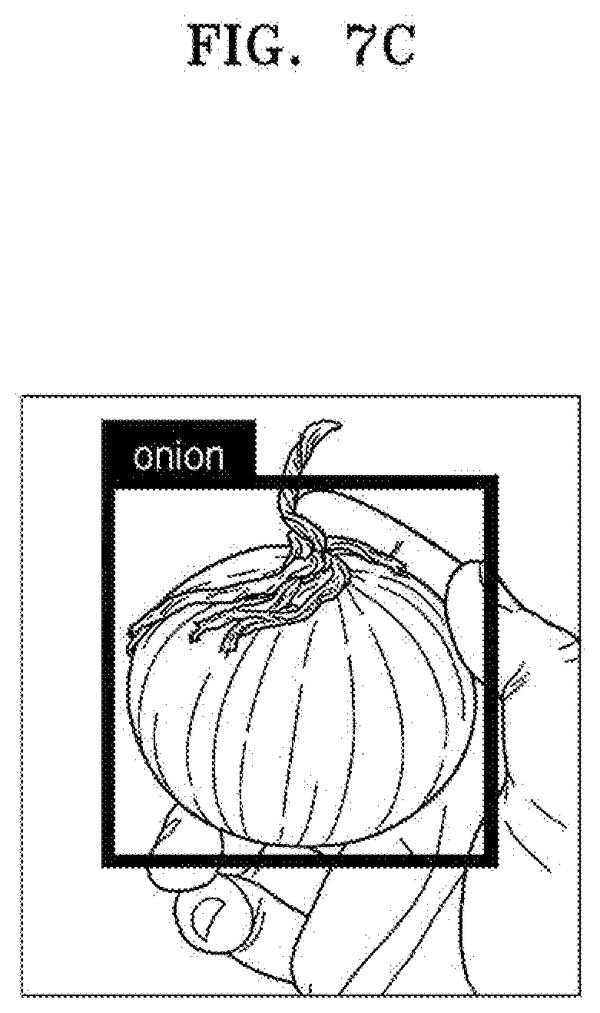
On-device model retraining without catastrophic forgetting means users could teach their phone to recognize custom objects while keeping existing recognition intact, all without uploading training data to the cloud.
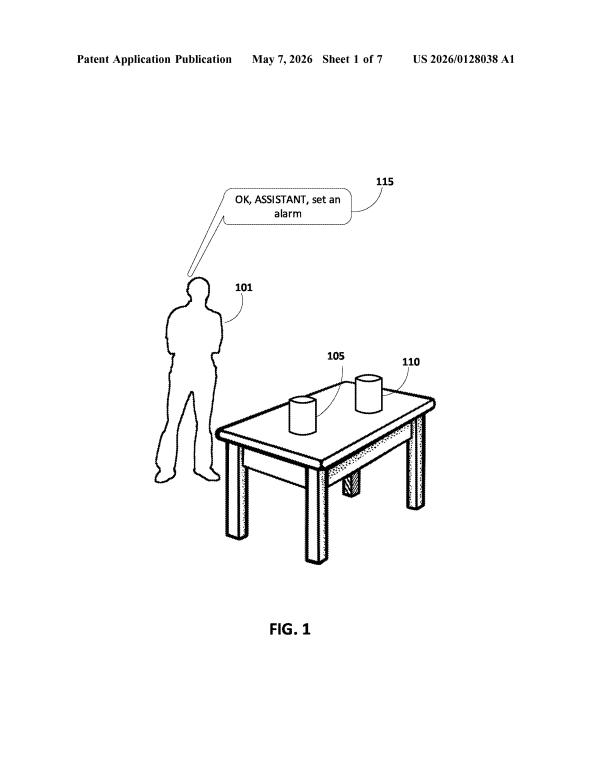
Shared devices can answer personal questions by pulling data directly from a user's phone and discarding it immediately after, avoiding storage of sensitive info on the communal hardware.
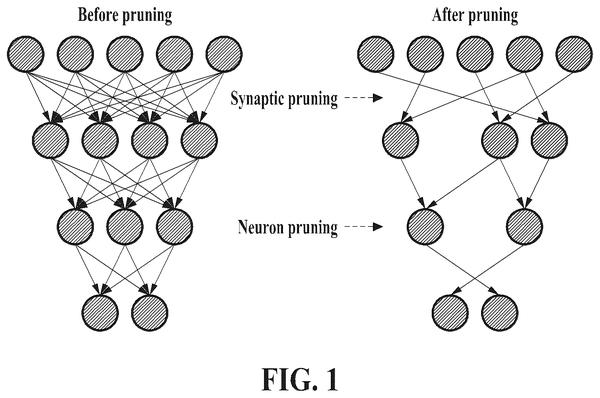
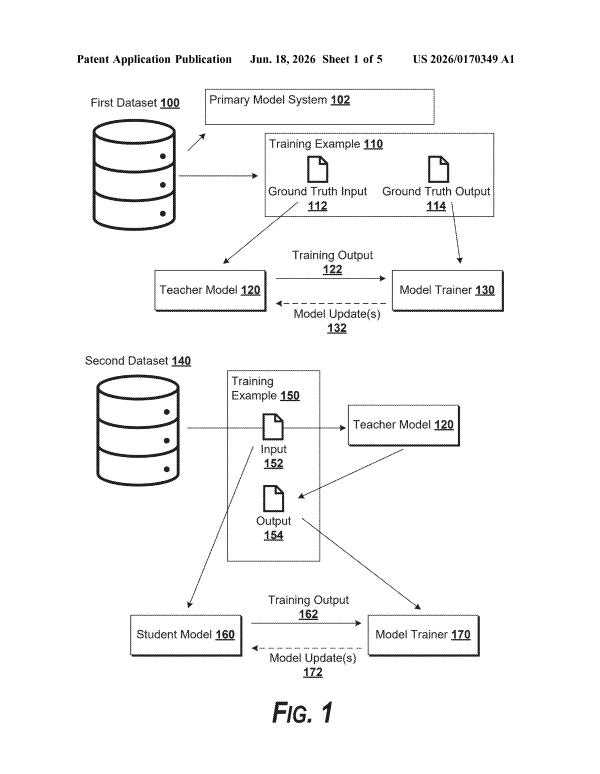
Smaller on-device models need less power but lose accuracy; Samsung's method uses a full model as a teacher to recover that lost precision without bloating the trimmed version.
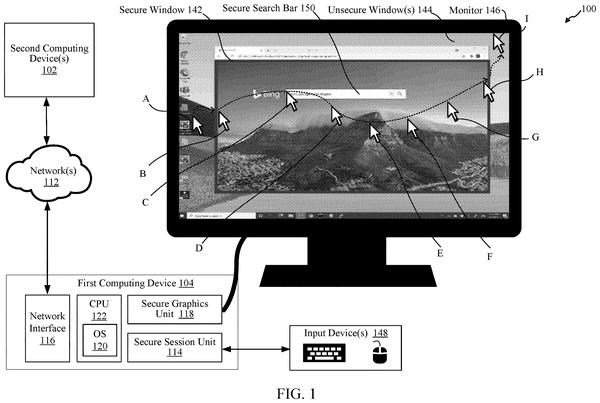
Your computer's operating system sees nearly everything you do, including where you click inside sensitive apps. Microsoft's latest patent describes a way to encrypt that activity so the OS itself stays in the dark.
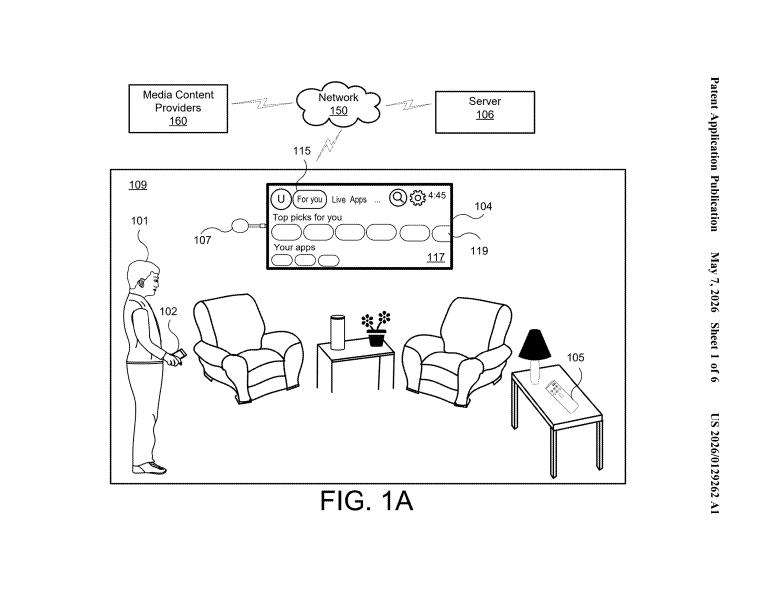
On-device facial recognition means security cameras can identify visitors without uploading face images to servers, keeping biometric data fully local and under user control.
Serving ads to unidentified users without relying on cookies or login states. Microsoft's method abandons the requirement for certain user identity, instead ranking probabilistic guesses about who someone might be to deliver personalized content anyway.
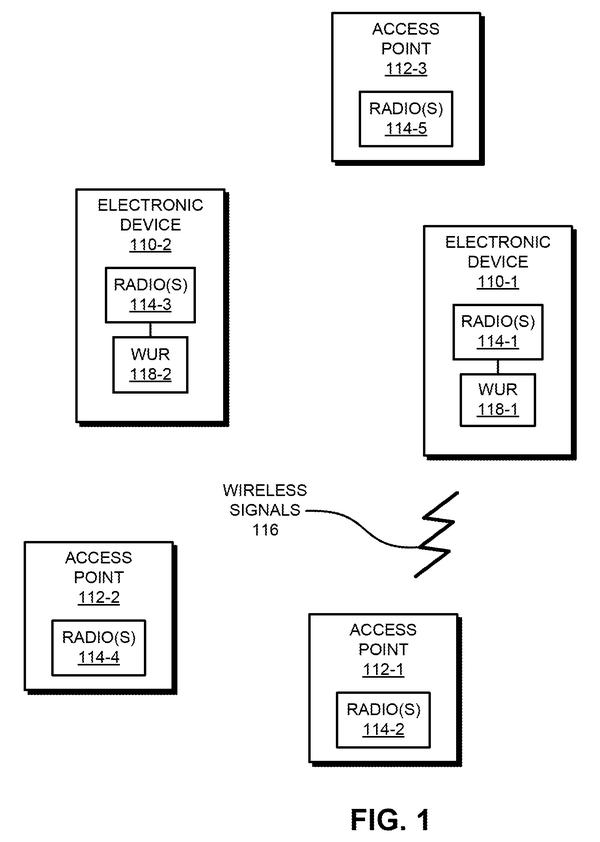
Devices could automatically join networks that match their privacy settings instead of leaving users to manually choose between convenience and exposure, shifting the privacy burden from the user to the connection itself.
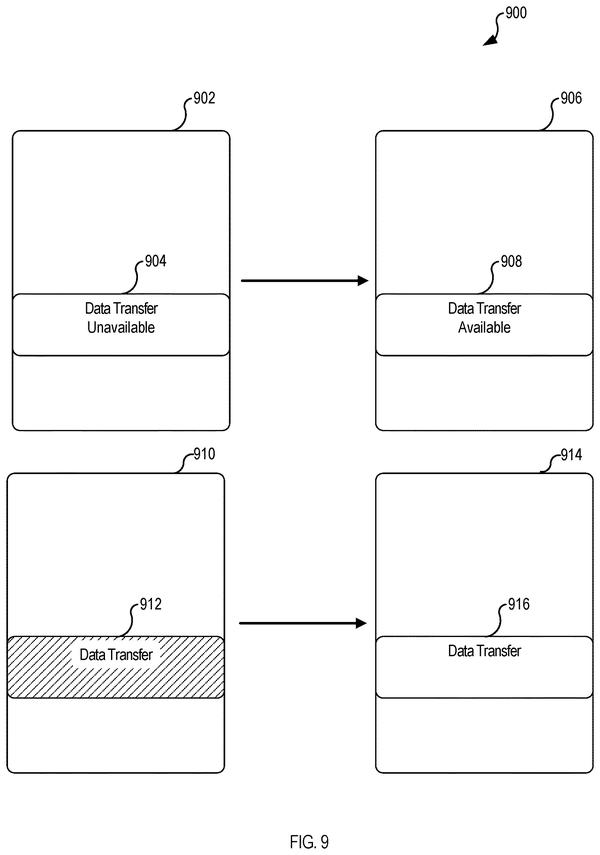
Could you prove a photo on your phone hasn't been altered? A new Apple patent describes a system that saves a certified copy of every image before any app ever sees it, creating a tamper-evident record you can check later.
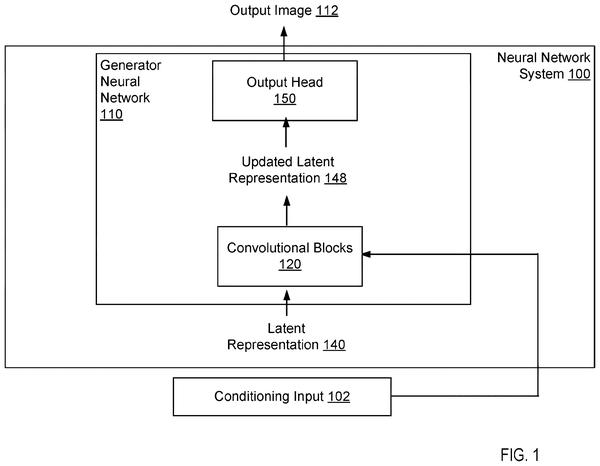
Keeping image generation requests off the network entirely. Google's patent describes running GANs locally on devices, eliminating the server round trip that normally exposes user requests to cloud infrastructure.
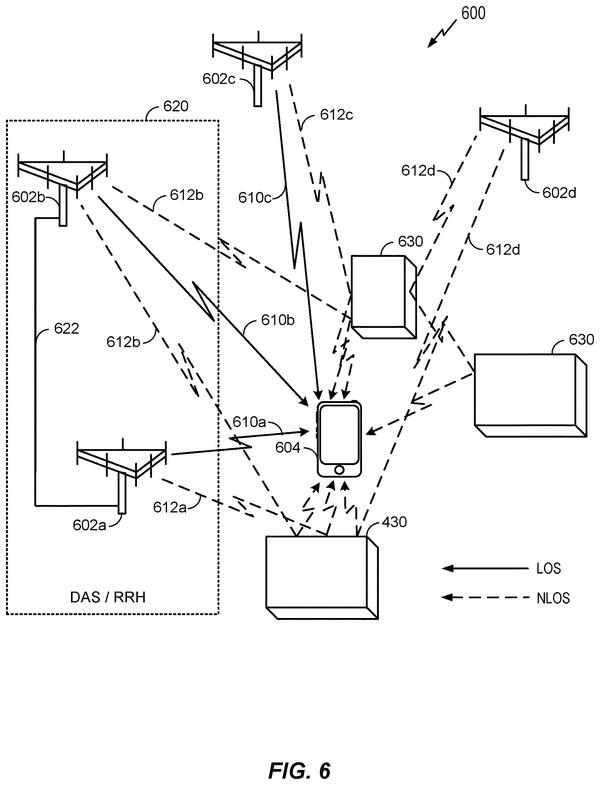
Keeping location inference local: the filing shows how to run positioning AI directly on the device using cell signal data, avoiding transmission of raw location traces to network servers.
Routing decisions based on live device and network conditions mean AI can stay local when it's faster or safer, shifting away from fixed deployment choices.
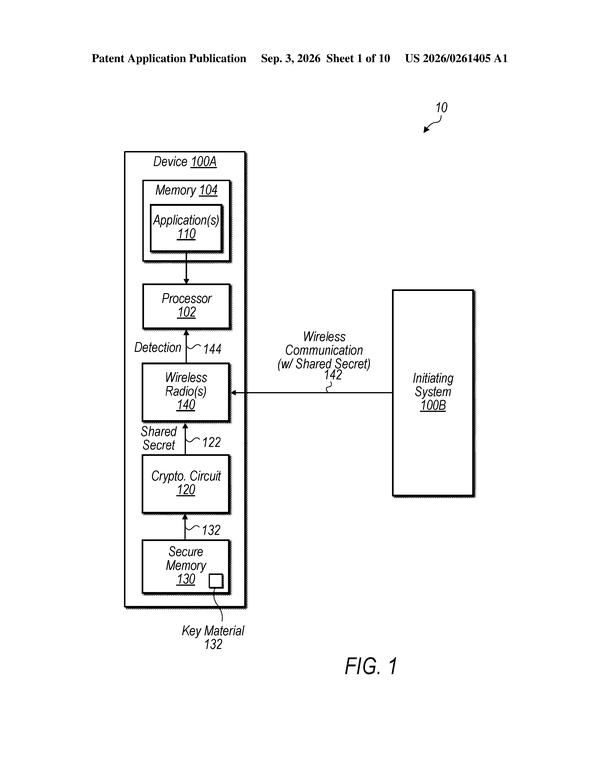
A separate low-power chip intercepts wireless wake signals using hardware-embedded codes that the main processor never sees, keeping sensitive unlock logic isolated from the always-connected processor.
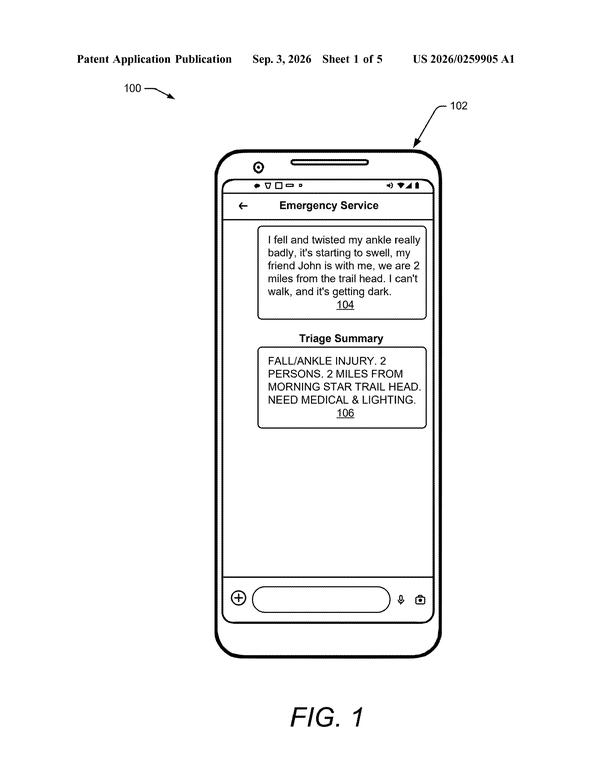
On-device language model processes raw emergency input locally, converting panicked speech or text into structured data before transmission to responders or cloud systems.
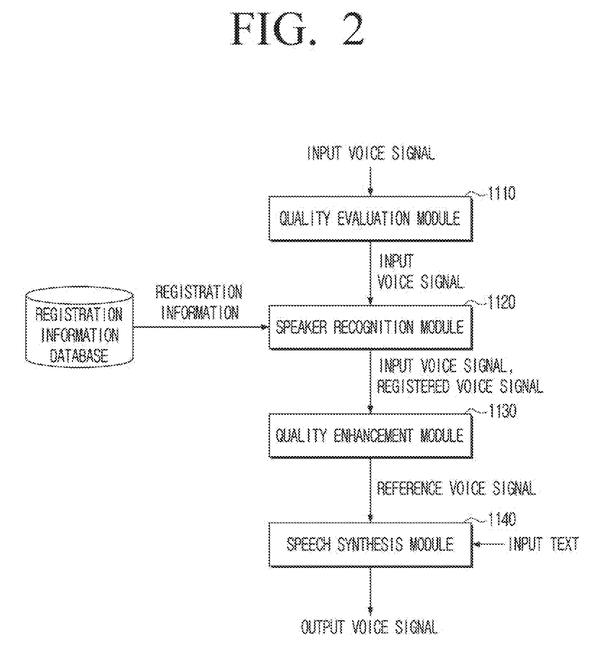
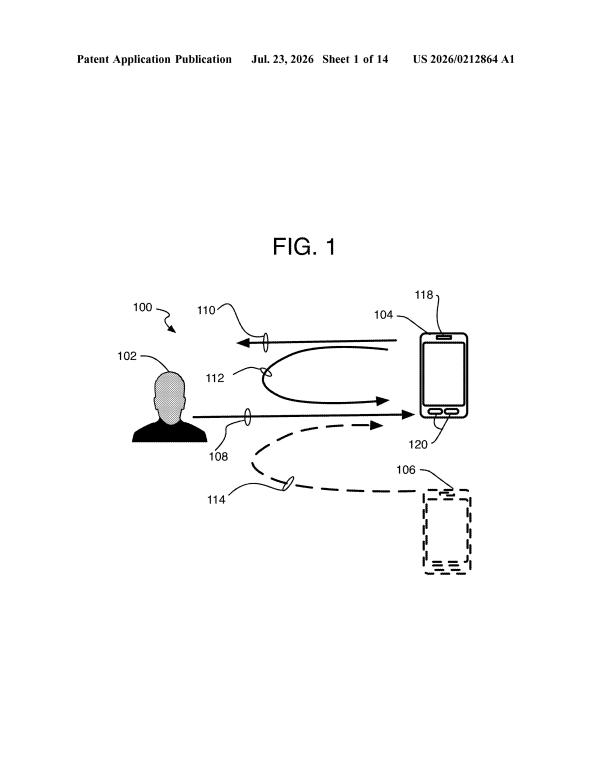
Voice quality scoring on-device triggers local voice model matching to reconstruct garbled input before sending to the assistant, keeping the correction loop offline rather than uploading poor audio to cloud services for reprocessing.
Within the broader privacy push, Sony's method shifts focus to the training stage itself, using public proxy data rather than trying to sanitize restricted datasets before use.
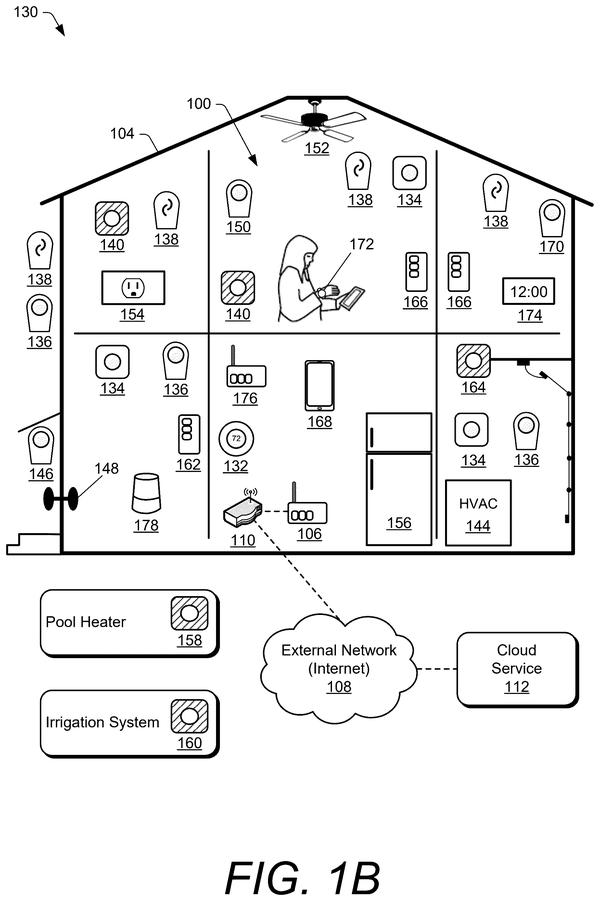
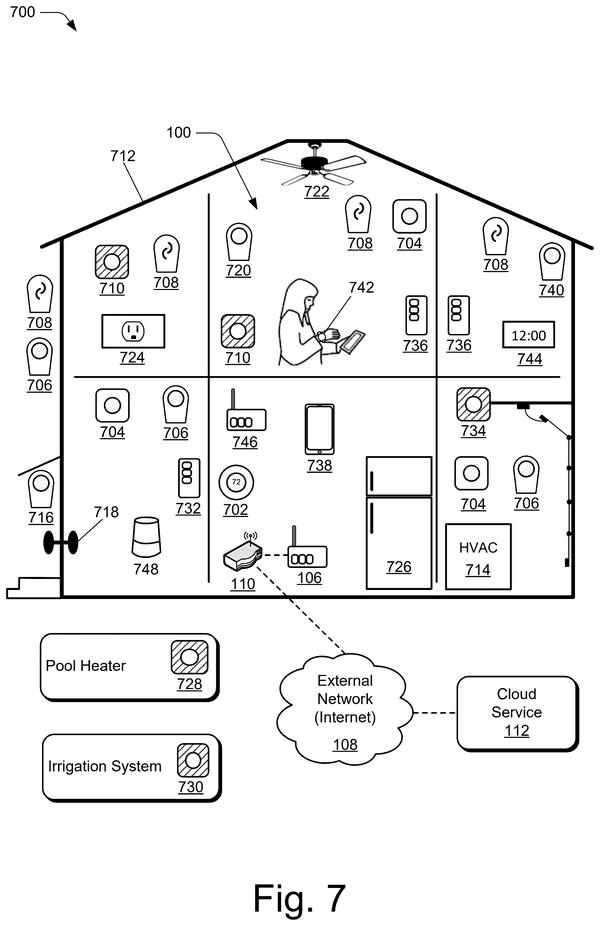
Where the on-device AI privacy push meets smart home infrastructure: Google's hub acts as a local relay, letting edge devices consume AI insights without individual cloud connections.
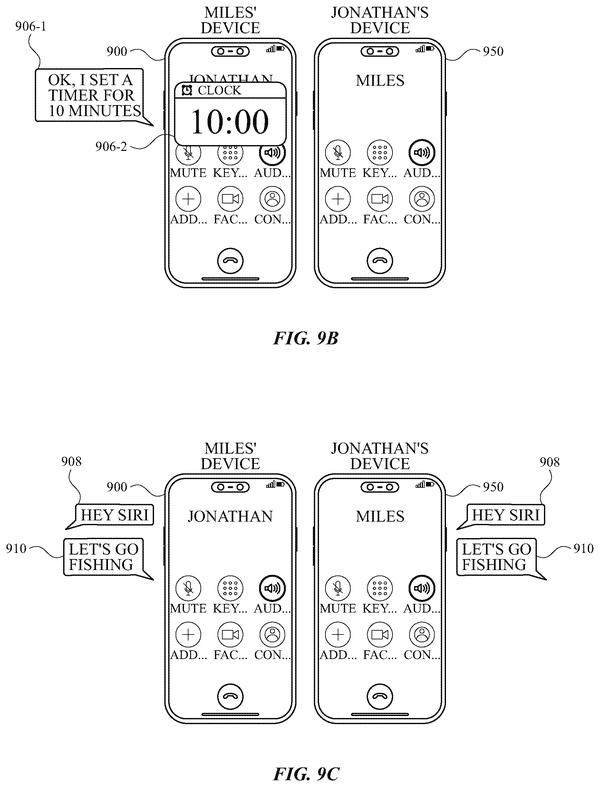
Detecting active phone calls lets Siri dynamically adjust data handling mid-session, keeping third parties out of the loop when someone else is already on the line.
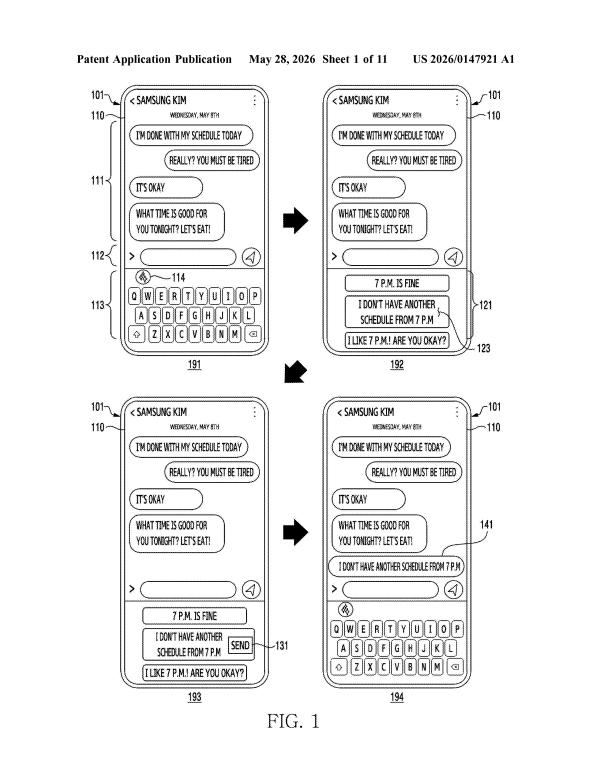
Keeping facial models local during setup and animation sidesteps uploading raw biometric data to train or run face-matching systems, letting the device build personalized recognition profiles without cloud dependency.
Devices could skip continuous video recording and process images only after audio or motion detection triggers them, reducing the raw data that needs privacy handling on the device or sent elsewhere.
Earlier filings in this watchlist focus on blocking data egress or training models on encrypted data. This one goes further by partitioning user profiles across devices so no single server reconstructs the full picture, even during ad selection.
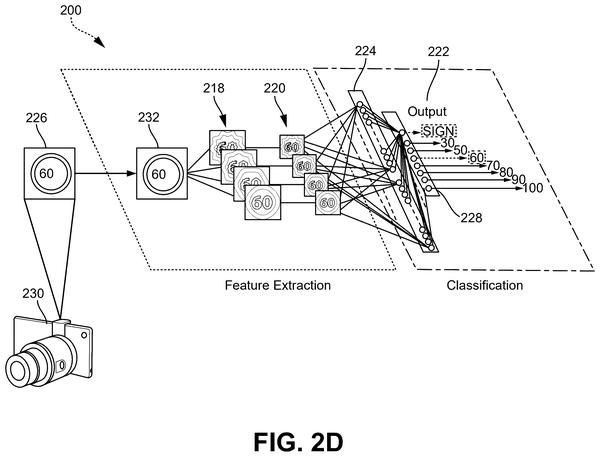
On-device object detection at the sensor level means raw pixel data never enters the processing pipeline, eliminating the upstream exposure window that occurs when cameras transmit unfiltered images to external processors.
Deciding when to activate power-saving modes locally keeps the phone from broadcasting usage patterns to servers, eliminating a data leakage vector that currently exists even when cloud sync is disabled.
Device-side learning removes the need to upload video footage to a server to train camera AI on new objects, keeping raw footage contained while expanding what the camera can recognize without redeployment.
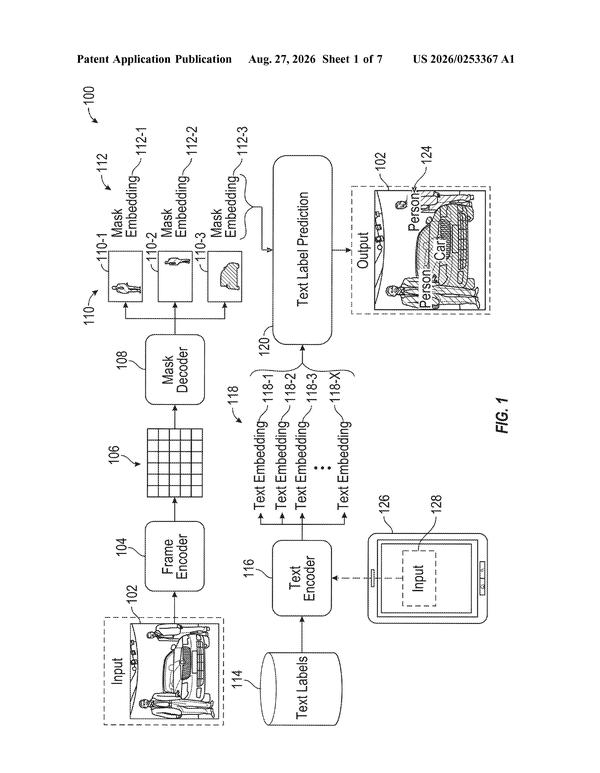
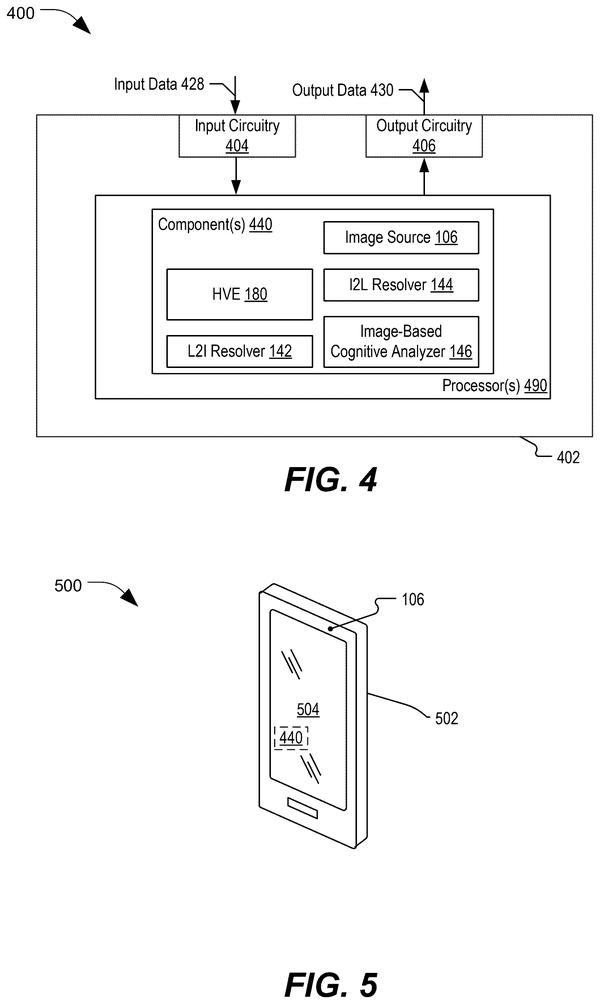
On-device image analysis becomes practical when phones can compress video frames into compact summaries before running detection models, eliminating the need to process or transmit raw pixel data.
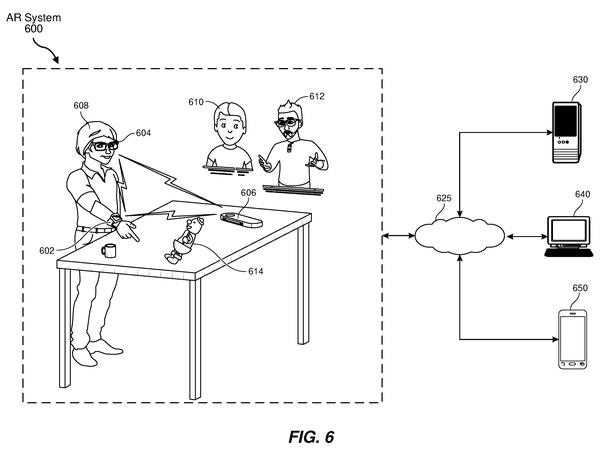
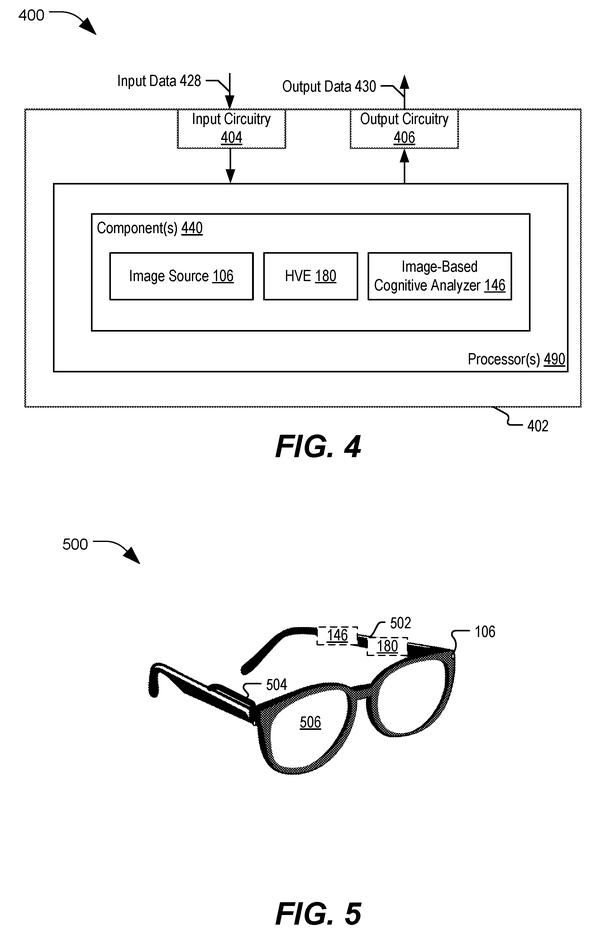
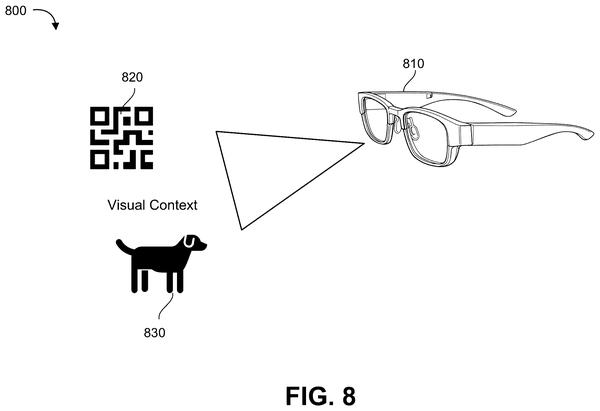
Compressing video frames locally before AI analysis lets glasses extract meaning from dense visual data without transmitting raw footage, shrinking what needs processing on-device.
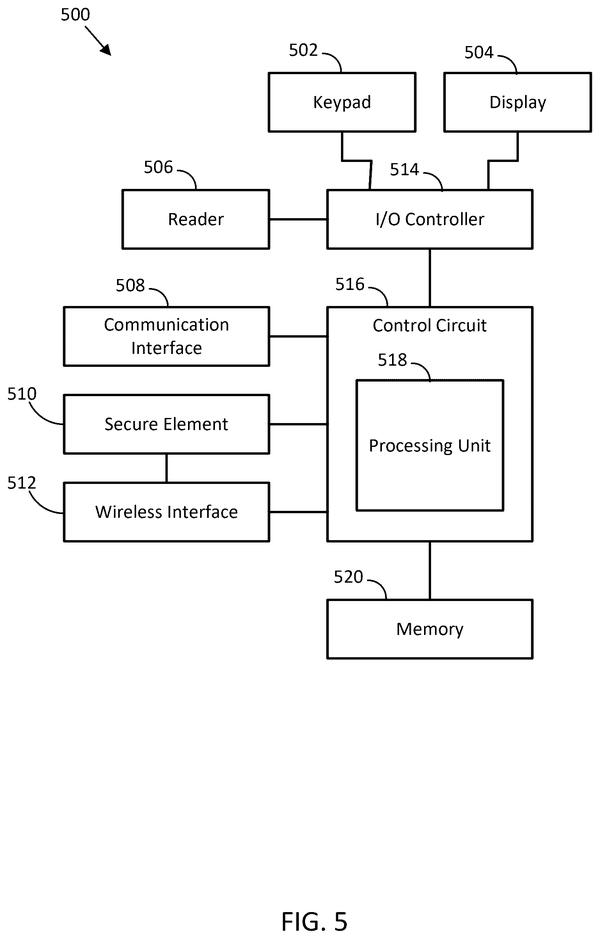
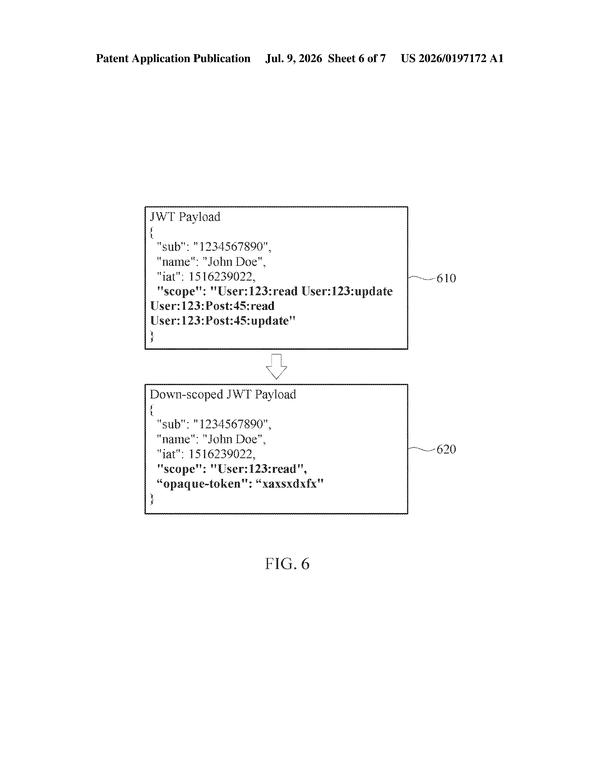
On-device filtering gains a practical point of entry: when apps request card credentials, Apple's secure chip intercepts and handles the exchange, keeping raw card data off the requesting app entirely.
The timeline so far has focused on filtering data before it leaves a device. This filing shifts the lens to inter-service boundaries within Apple's own infrastructure, introducing a permission check between services rather than blocking at the edge.
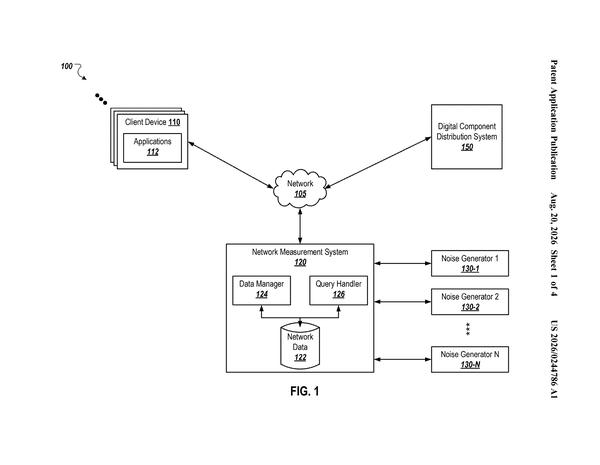
Distributing noise generation across separate servers means the privacy layer survives even if individual machines are compromised or malicious, eliminating the single point where an attacker could strip protections from raw data.
Distributed location matching on the device lets advertisers reach users by geography without centralizing coordinates on any server, extending the privacy-by-design model from data filtering to ad selection itself.
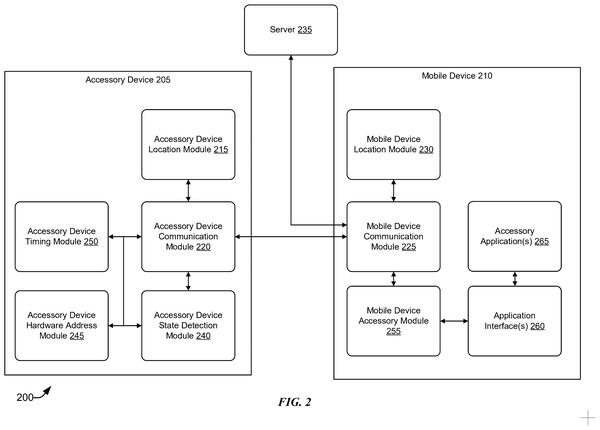
Encrypted intermediaries between apps and Bluetooth accessories prevent the pairing handshake from exposing device identity to companion apps that shouldn't see it, narrowing what data flows during the connection setup phase.
A display that geometrically distorts sensitive content based on viewing angle keeps passwords and financial data unreadable from side glances, shifting the privacy perimeter from software detection to the physical properties of the screen itself.
Running inference inside the browser eliminates the network round trip that currently forces sensitive data off-device, addressing the latency and exposure cost of cloud-dependent AI in real-time applications like clinical documentation.
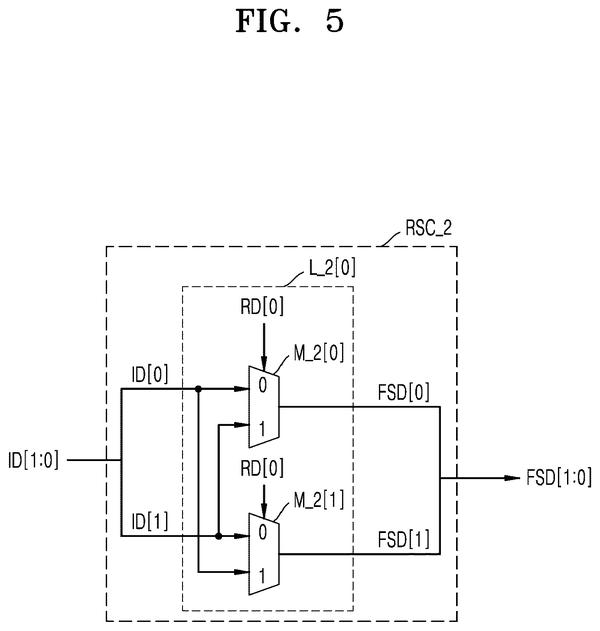
Samsung is patenting a way to scramble data inside a chip before encryption even begins, using a carefully sized network of switching circuits that guarantees every possible output is equally likely.
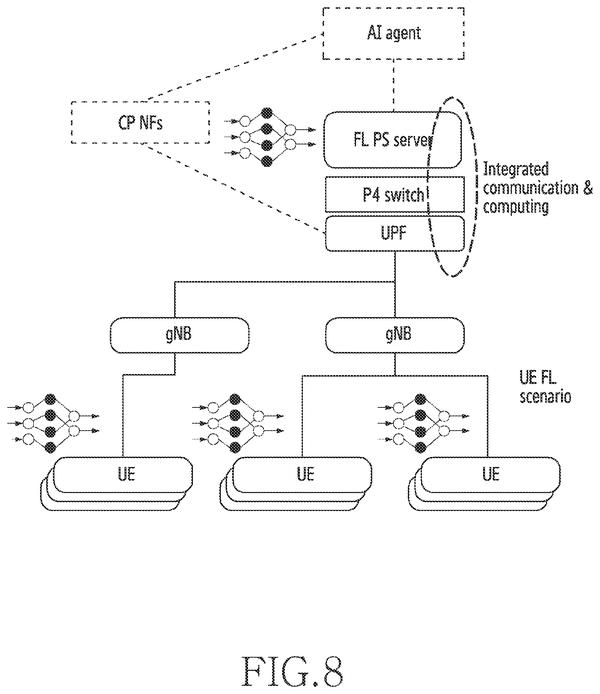
Routing federated learning updates through optimized 5G paths cuts the bandwidth needed to coordinate model training across multiple devices, letting hospitals or clinics pool AI insights without moving raw patient data.
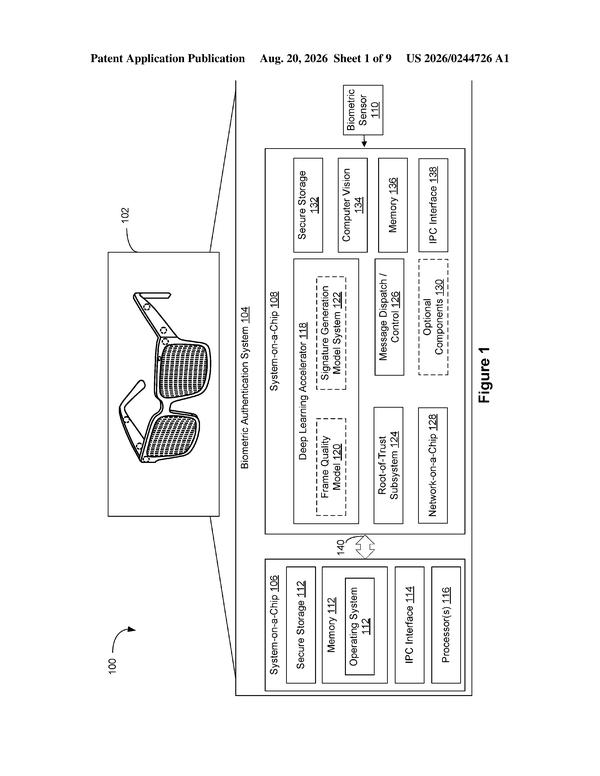
A separate hardware boundary isolates biometric processing from the main processor, preventing the wearable's general software stack from ever accessing raw fingerprint or face data, shifting from logical separation to physical chip isolation.
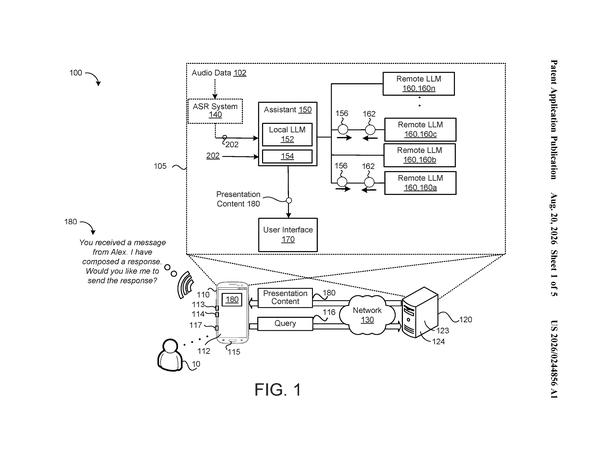
Running inference locally first to filter queries down to essentials confirms the strategy of using device-side models as privacy checkpoints rather than just preprocessing layers, keeping sensitive context from ever reaching remote systems.
On-device personalization could finally break the feedback loop where servers collect raw behavioral data to improve recommendations. This filing shows how a model can learn user preferences through local processing, sending only aggregated insights upstream.
Coordinating model versions across devices requires tracking which training data belongs to which model update. Apple's patent covers the infrastructure needed to keep distributed models synchronized without mixing datasets across phones, tablets, and servers.
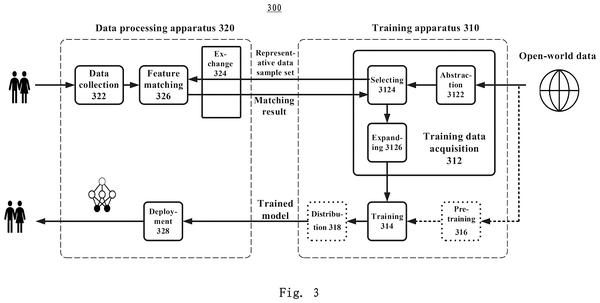
Distributed teams can now optimize which network design performs best while keeping data locked in place, solving the architecture selection problem without centralizing training.
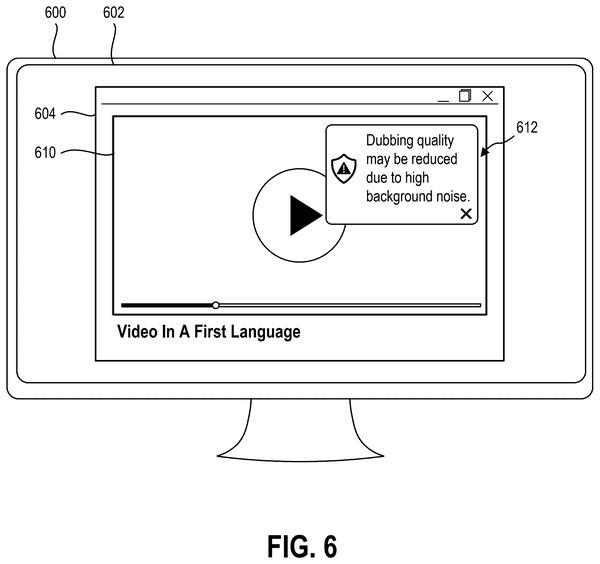
Filtering degraded AI output before playback requires local quality scoring, which keeps dubbing decisions off remote servers and prevents transmitting low-confidence audio clips that might expose the original dialogue.
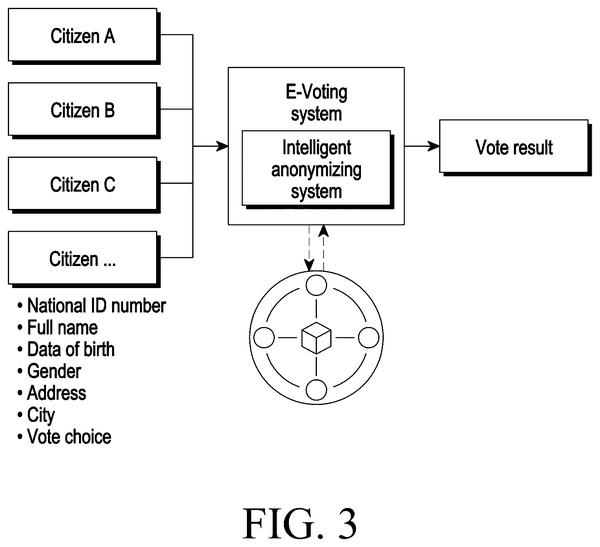
A filtering layer on the device removes personal details before blockchain recording, extending the privacy-scrubbing approach from cloud AI to distributed ledgers where data permanence makes exposure especially costly.
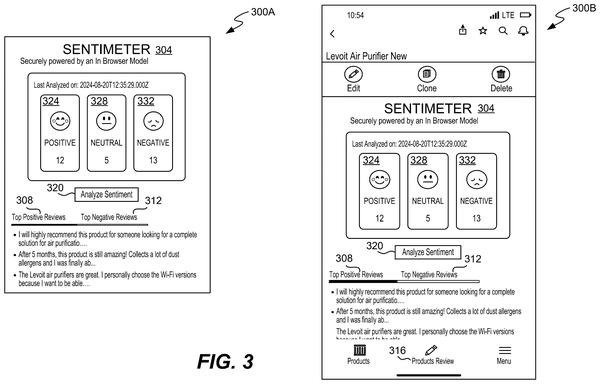
Moving AI inference from servers to browsers keeps user interactions off company infrastructure entirely, eliminating the server-side data collection that cloud-based chatbots require.
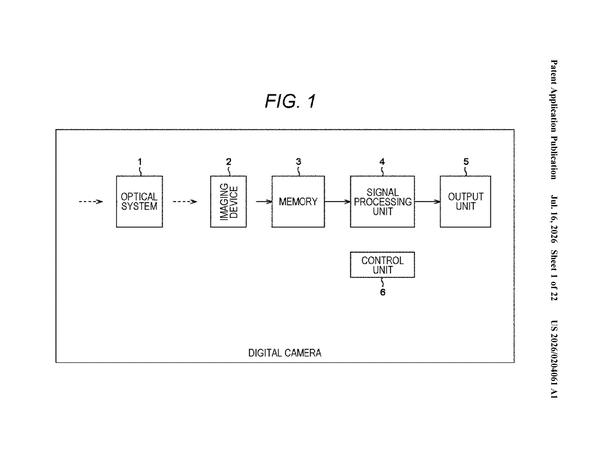
Running event detection on the camera chip itself lets the system discard raw video frames before they reach processing pipelines, keeping sensitive visual data contained at the hardware level.
Within filtering before cloud AI, this explores running inference directly in UI components so sensitive data stays client-side even when offline, shifting the scrubbing boundary to individual app panels.
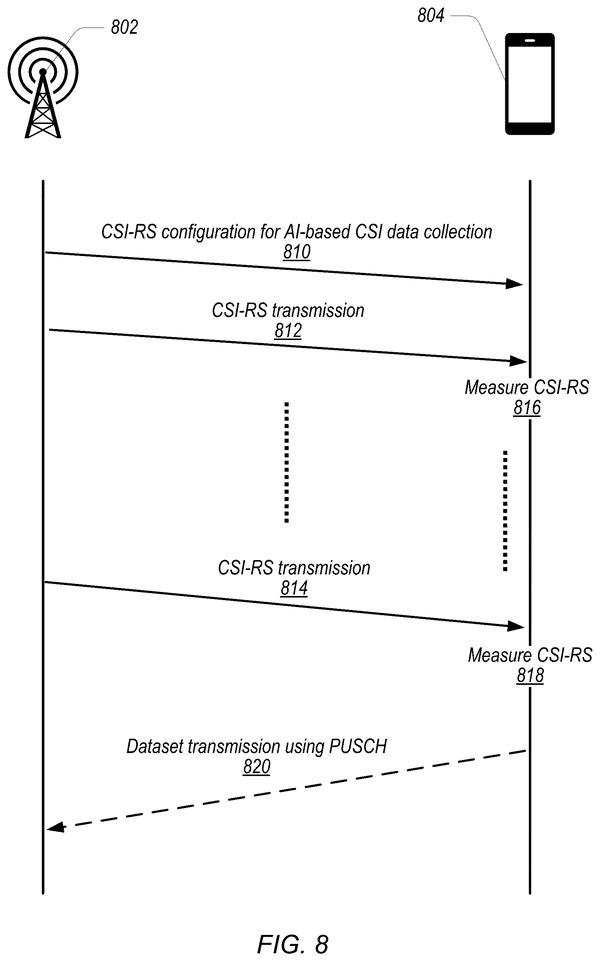
Within the privacy-first training bucket, this filing proposes using diagnostic 5G signals already flowing between device and tower as a training data source, potentially reducing the need to transmit raw user data for model improvement.
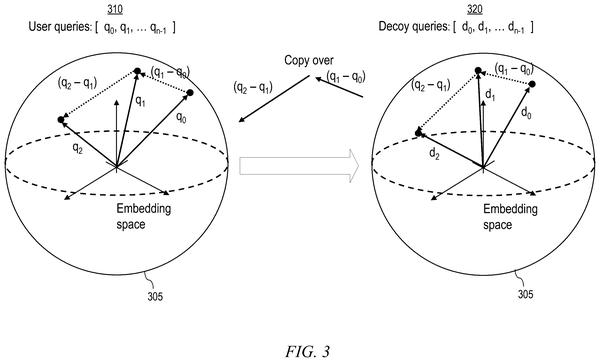
The watchlist so far focuses on scrubbing data before it leaves a device. This filing shifts to obfuscation: instead of removing personal signals, it floods the pipe with noise, burying real queries in synthetic ones that fool downstream trackers.
Debugging tools expose everything by design, so IBM's method masks sensitive data during code inspection, letting engineers find bugs without revealing passwords or encryption keys that happen to be in memory.
Local model training followed by encrypted weight-sharing lets devices improve a central AI without exposing raw user data to servers, shifting the privacy burden from input filtering to parameter transmission.
Where the watchlist has focused on keeping data local, Sony's filing adds a mechanics layer: how to partition training work across multiple nearby devices so no single phone bears the full computational load, keeping the entire process off remote servers.
Federated learning on resource-constrained devices requires phones to compress their local training updates before transmission, and this patent details how to strip unnecessary data from those updates without degrading model accuracy.
Within filtering before cloud reach, this confirms the shift from full identifiers to partial signals: Google measures app traffic intensity using only scrambled fragments, never complete user markers.
On-device model training needs diverse, representative data to avoid skewed performance. Qualcomm's approach collects location signals across varied conditions directly on the phone, preventing the bias that comes from passive or limited sampling.
Filtering search results on the display itself keeps spoiler metadata from ever reaching external servers, moving the privacy boundary to the moment content enters your screen.
The watchlist has focused on scrubbing data before transmission; this filing shows a specific mechanism for identity verification by substituting encrypted tokens for actual biometric data, keeping the raw scan confined to the device itself.
The watchlist has covered training without raw data exposure; this filing shows how to move those trained updates efficiently across wireless networks instead of requiring direct server connections.
Distributed training schemes need all devices to speak the same compression language or model updates won't combine cleanly. Qualcomm's negotiation layer lets phones agree on a common format before they start sending encrypted updates to a shared model.
Blocking cross-app identity reconstruction by monitoring what each app collects separately, then preventing combinations that would re-identify users even when individual datasets stay anonymized.
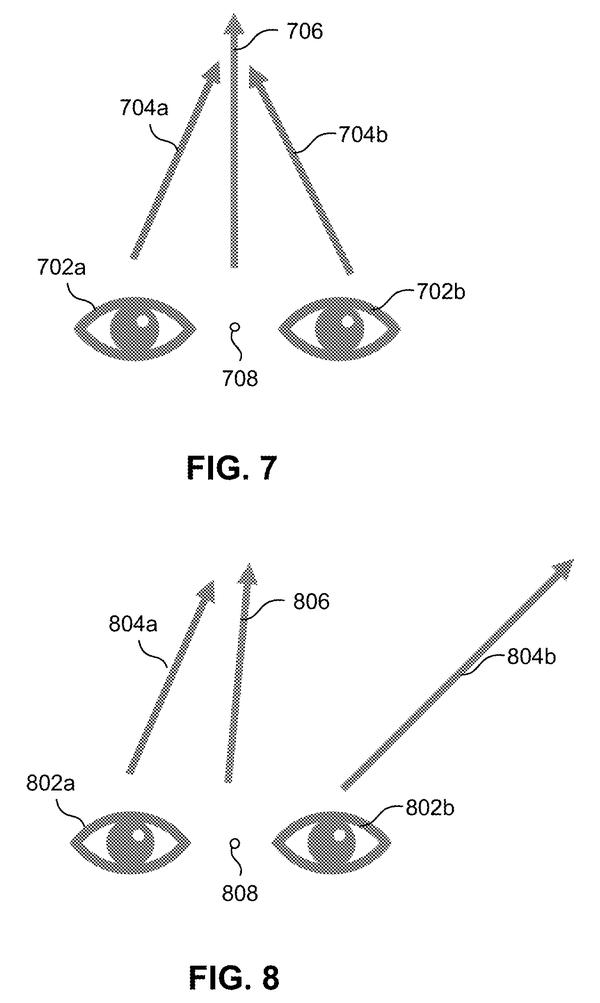
Users could get sharp vision rendering without apps learning their precise eye movements, letting devices filter gaze data before passing it along rather than trusting software to ignore sensitive patterns.
On-device training already assumes models stay local; Sony's filing shows how devices can still personalize those models by uploading statistics rather than raw readings, shrinking what leaves the device from full sensor streams to computed summaries.
Training models across distributed devices has relied on one architecture so far; Samsung's filing shows how to weave together two different training approaches on the same 5G network, keeping raw data local while still combining what each node learns.
Where privacy-conscious on-device AI needs physical shielding, Qualcomm adds defense against side-channel attacks, preventing adversaries from reverse-engineering models through power consumption and timing patterns.
Filtering out audio the device itself is playing prevents false wake-word triggers from video and podcast content, narrowing the on-device processing to genuine user commands rather than filtering sensitive user speech.
Training image recognition models without uploading raw video keeps footage off the wire. Sony's camera chip updates its AI locally, so the device improves its own accuracy from live captures alone.
Devices could train AI locally while offloading compute to cell towers based on signal strength, distributing the workload rather than centralizing it.
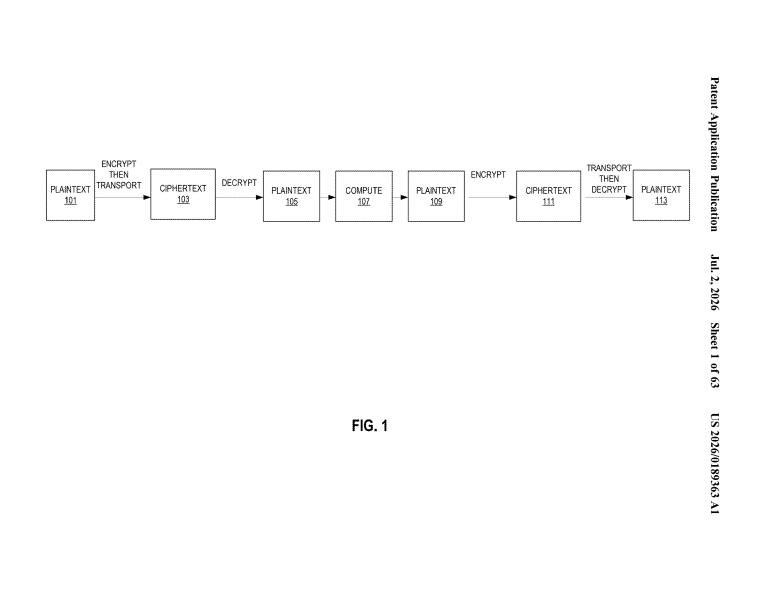
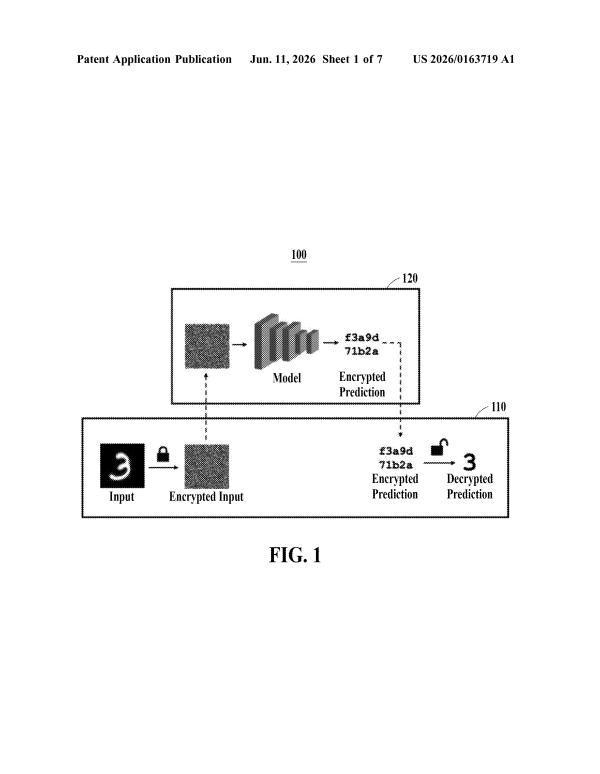
Keeping AI model weights and input data encrypted simultaneously during inference eliminates the decryption step where data typically becomes readable to the AI system.
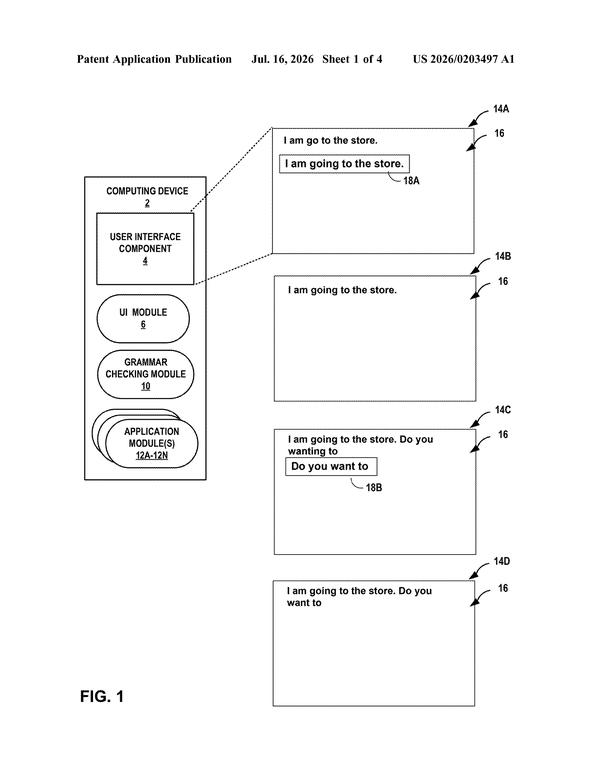
Filtering text before transmission requires local language models small enough for phones. Google's filing shows how to run grammar correction on-device without cloud processing, keeping raw writing data from ever leaving the device.
Broadcast signals from cameras and microphones alert nearby phones to their presence, letting users send privacy requests directly to the recording device rather than relying on posted notices or company policies.
Filtering identity tokens at the device level before they reach apps prevents unnecessary exposure of claims like name and address that aren't required for authentication alone.
Training across distributed private data sources confirms the watchlist's shift from device-level scrubbing to multi-party computation, where mathematical noise replaces data movement as the privacy mechanism.
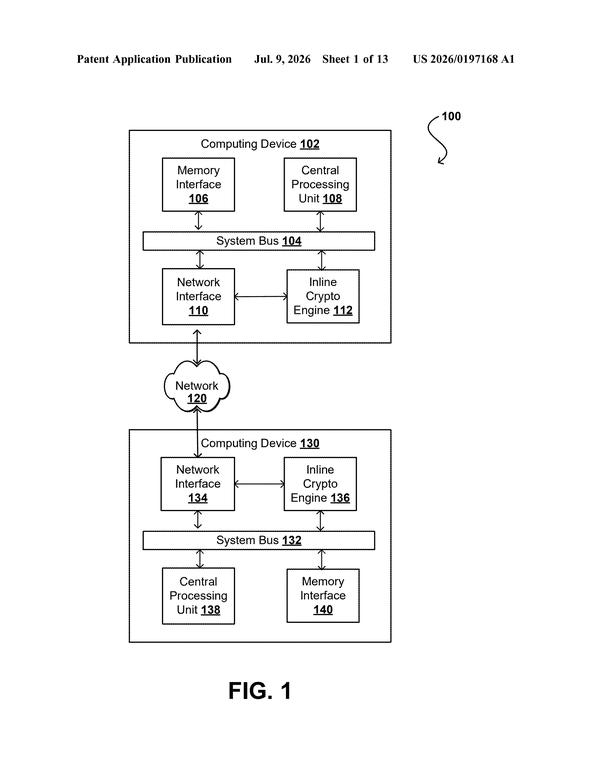
Hardware encryption vaults that process data internally rather than exposing keys to software running on the same chip, preventing local code from intercepting sensitive material during encryption operations.
The watchlist so far has focused on filtering before upload. Sony's approach fragments data across multiple processors so no single machine holds enough to breach privacy, even if compromised.
Training AI on devices without retaining raw data stays central to this watchlist. Google's approach replaces actual user examples with synthetic proxies that preserve statistical patterns, pushing the technical boundary on what "no storage" actually means.
Training loop extensions confirm the watchlist's focus: feedback signals can shape models without exposing inputs, only the neural state itself needs to leave the device.
Decomposing mixed audio into discrete sound objects on-device avoids transmitting raw recordings to cloud servers, letting users filter sensitive background sounds before any data leaves their phone.
On-device interest summaries let ad platforms match ads without collecting browsing history on their servers, shifting the profiling work entirely to the user's device where raw data stays put.
Organizing training data into discrete compartments during model creation lets companies selectively remove learned patterns tied to specific records without full retraining, solving the operational headache of honoring deletion requests at scale.
Within the data-filtering layer, this filing focuses on the detection problem: identifying credential leaks at the moment of composition, before content ever reaches the destination app or service.
Pooling radio-layer observations across nearby devices lets each phone improve signal handling from collective experience while keeping wireless data local, extending the privacy approach from cloud models down to physical-layer learning.
Running A/B tests on device features requires collecting behavioral data at scale. Google's patent describes how to conduct these experiments and aggregate results without storing individual user logs, keeping the raw data ephemeral.
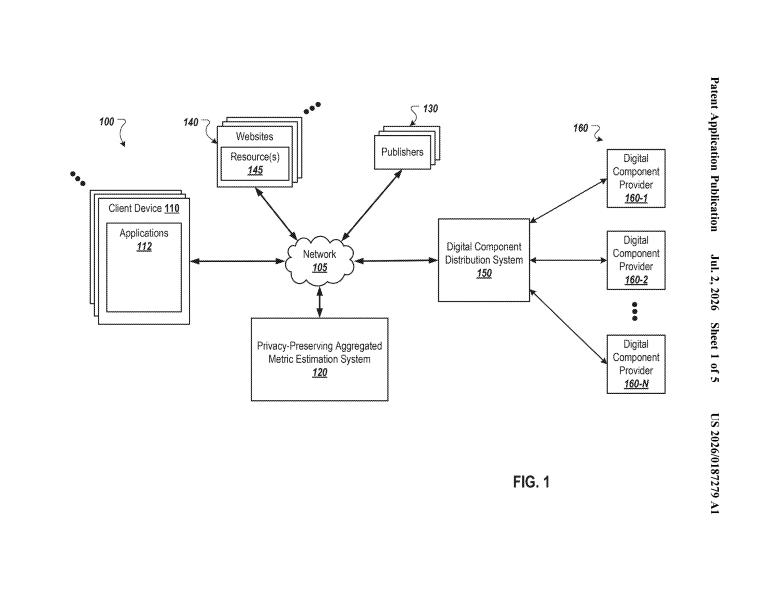
Filtering noise from aggregated ad reports recovers measurement accuracy without reconstructing individual user paths, letting advertisers validate campaign performance while keeping the Privacy Sandbox's anonymity layer intact.
Device-side analytics means servers never need raw user data. Google's patent shows how to answer business questions through statistical noise rather than individual records, keeping sensitive behavior patterns off centralized servers.
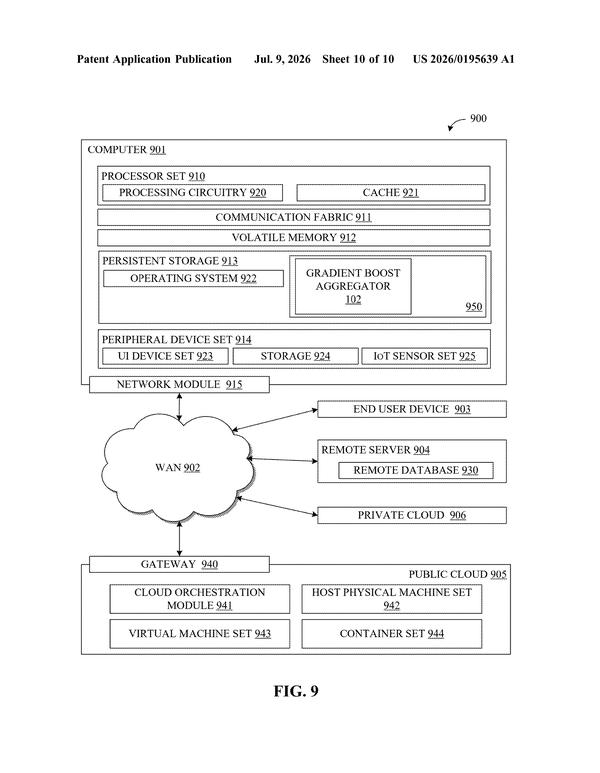
On-device AI needs training data scrubbed before deployment. Google's method detects when speech models have memorized private voice fragments during training, stopping that leakage at the source rather than after models reach user devices.
Differential privacy's computational overhead limits hospital-scale deployments. Google's approach caps total compute requirements, making on-device training feasible for organizations that currently can't afford the privacy tax.
Generating synthetic factory data rather than anonymizing real records sidesteps the risk that stripped identifiers could be reverse-engineered to expose actual production methods.
Keeping the interest profile on-device and sending only aggregated signals to servers sidesteps the need to store individual browsing histories in the cloud, reducing what data actually leaves the phone.
Within the data-filtering layer, Samsung adds a method for pooling intelligence across isolated network segments without exposing raw data to a central trainer.
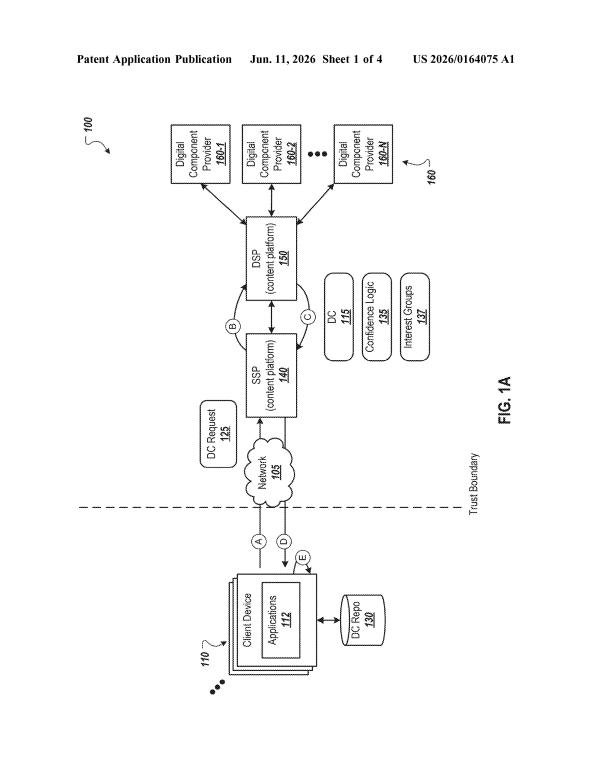
Devices deciding which ads to show users locally eliminates the server step entirely, keeping targeting data from ever uploading to Google's infrastructure.
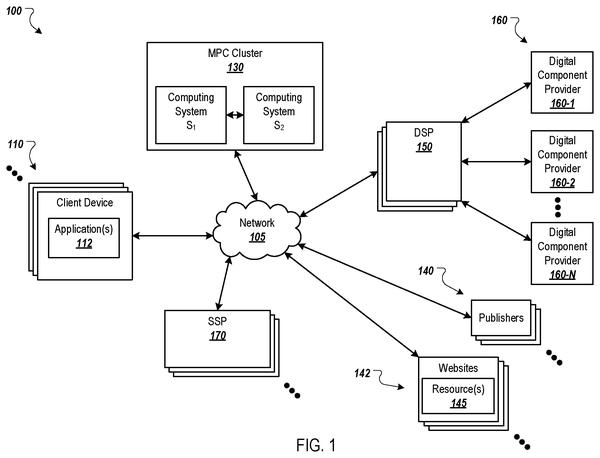
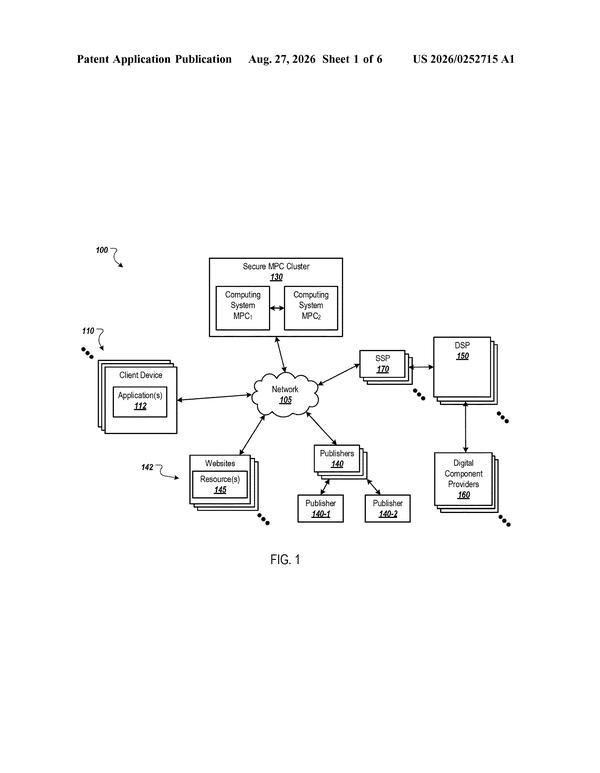
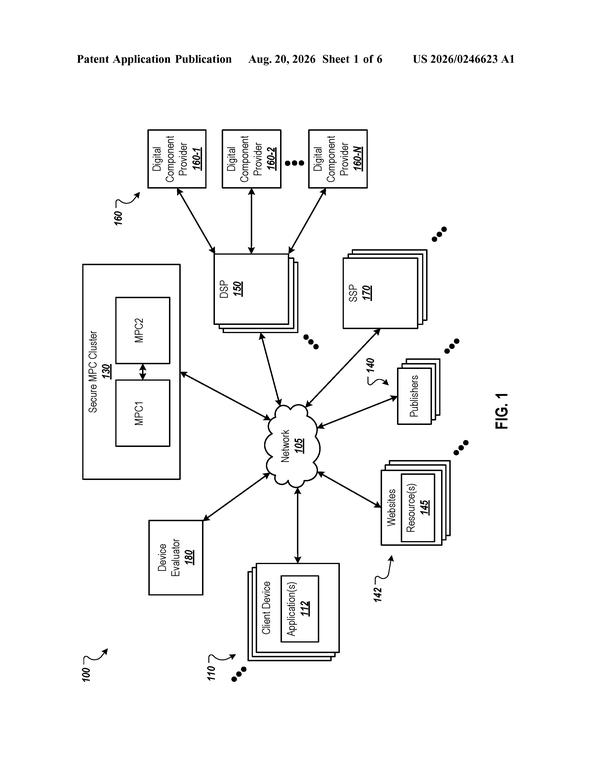
On-device AI needs ads that work without exposing user profiles. Google's split-server auction keeps ad selection distributed so no machine sees the full picture of who's watching.
Where cloud processing needs raw data exposure, FHE removes that requirement by computing directly on encrypted values. Intel's chip design targets the speed bottleneck that currently makes this impractical at scale.
The watchlist so far focuses on filtering before data leaves the device. This filing adds a ranking system that classifies events by importance, letting devices transmit only what matters most rather than everything logged.
Within the on-device AI privacy push, this filing adds a circuit-level defense: stopping attackers from inferring encryption keys by monitoring power consumption during data processing on the device itself.
Keeping ad selection logic split across isolated systems prevents any single server from matching specific users to the ads they see, a key technical requirement for on-device ad serving.
Running AI training on scrambled data means hospitals and banks could use real patient records and transactions without exposing the actual diagnoses or account details to anyone, even the engineers building the model.
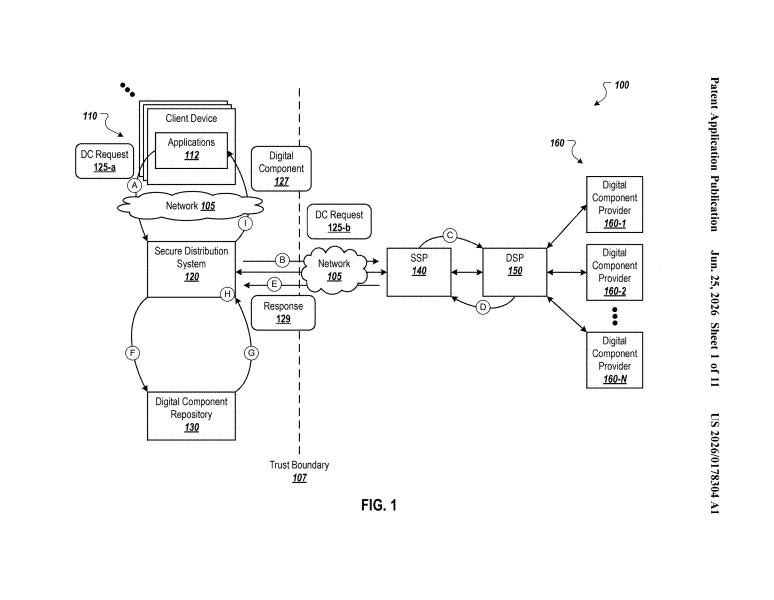
The ad stack itself becomes a target: Google proposes running the entire bidding process in one sealed environment rather than scattering user data across vendor networks.
On-device AI needs to stay reliable even when attackers know the training data. Google's approach uses a teacher-student model to filter out poisoned inputs before they corrupt the local model.
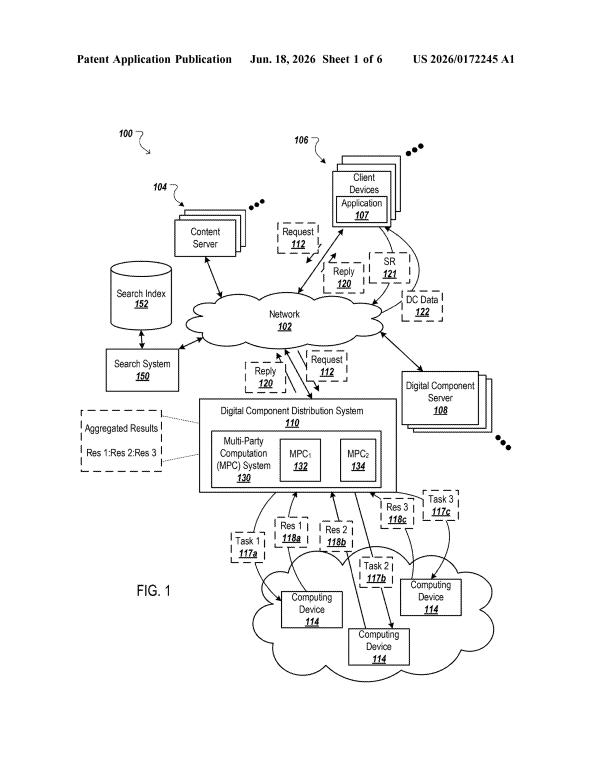
Bundling multiple ad requests into one trip prevents any single server from assembling a complete user profile, solving the fragmentation problem that currently lets advertisers stitch together behavioral data across separate slot-filling calls.
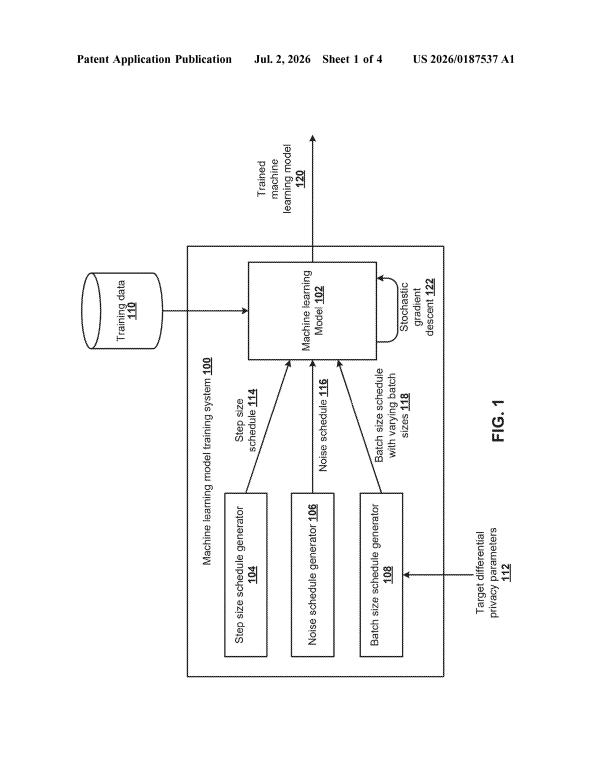
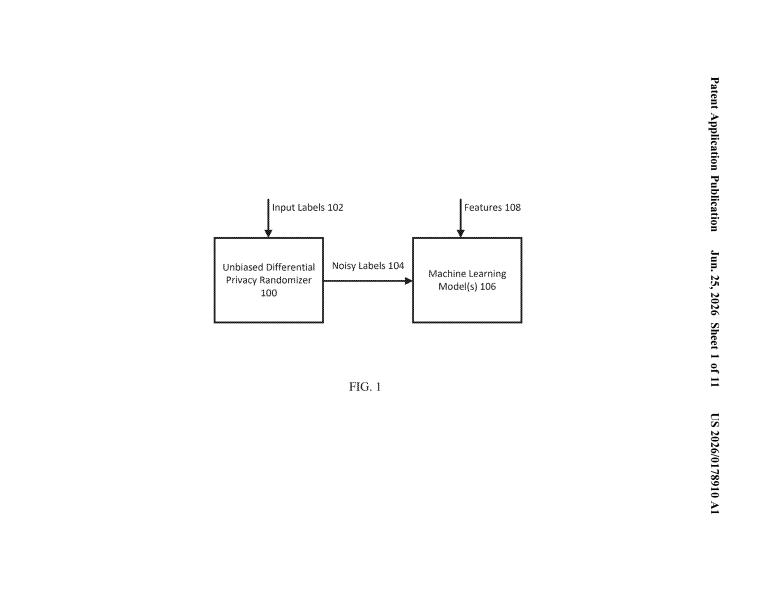
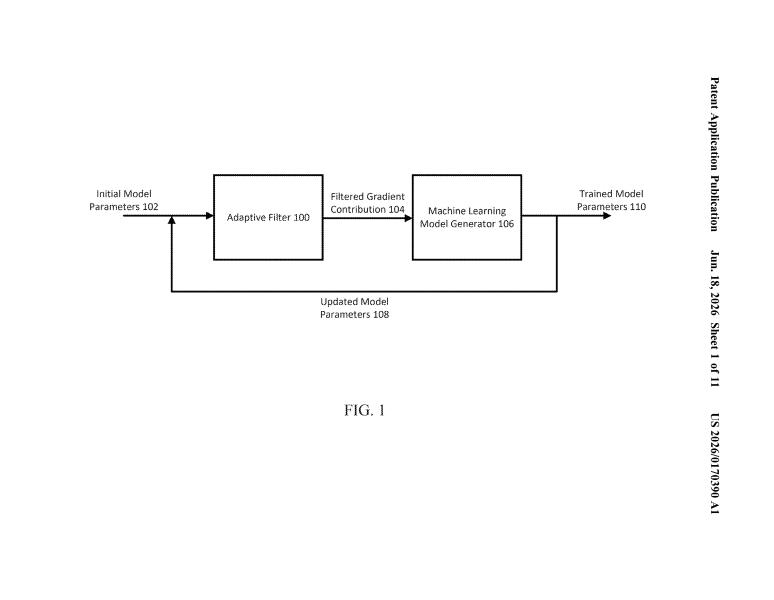
Injecting calibrated noise during training lets models learn from real user data while meeting formal privacy guarantees, solving the core tradeoff between personalization accuracy and data protection.
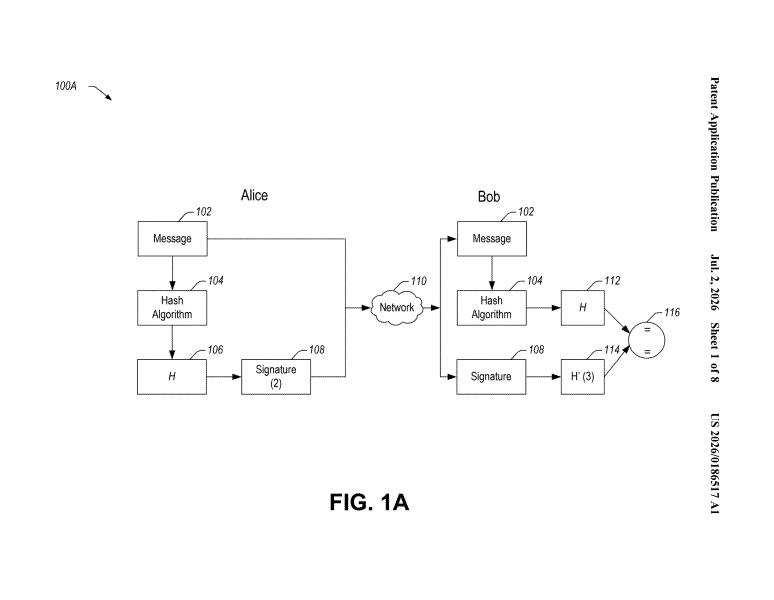
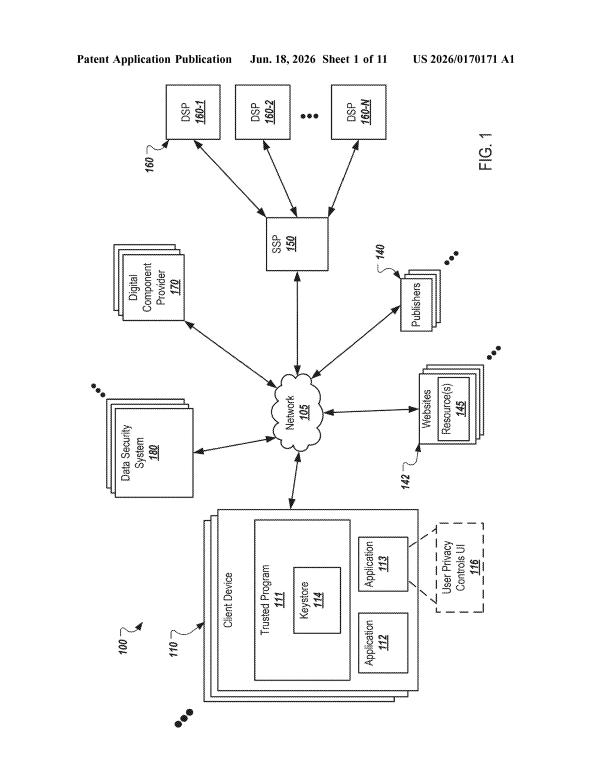
Intercepting identity handoffs between websites and trackers, this system substitutes cryptographic tokens for real email addresses, preventing publishers from linking your activity across the ad ecosystem.
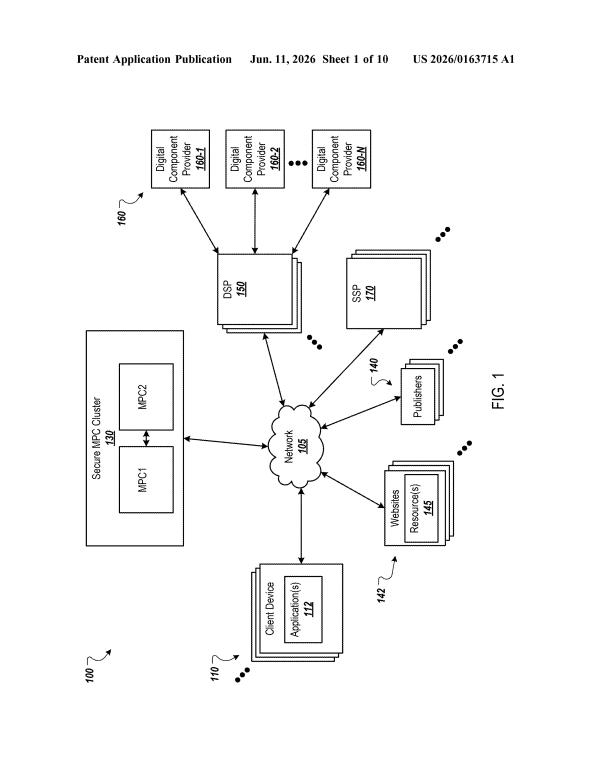
On-device AI needs servers to train models, but servers see everything. Google's split-data approach lets multiple servers collaborate on learning without any one holding the complete profile.
Devices holding ad-profiling data locally means ad networks stop building remote dossiers on individual users. Google's approach shifts the tracking infrastructure from centralized servers to local processing, eliminating the data collection step entirely.
The distributed auction approach extends the privacy-first logic beyond model inference to advertising infrastructure, keeping user profiles fragmented across parties so no entity assembles a complete bidding picture.
Knowing when personal data actually improves an answer cuts unnecessary data exposure. Google's patent describes AI that retrieves your information only for questions where context genuinely matters, reducing privacy risk from indiscriminate profiling.
The on-device push so far has focused on running the whole model locally. Samsung's filing shows another path: keeping queries encrypted so even when processing happens on remote servers, the company operating them stays blind to what users are asking.
Filtering sensitive objects out of images before the AI model even sees them keeps private data from entering the processing pipeline at all, sidestepping the need to trust the model itself with restraint.
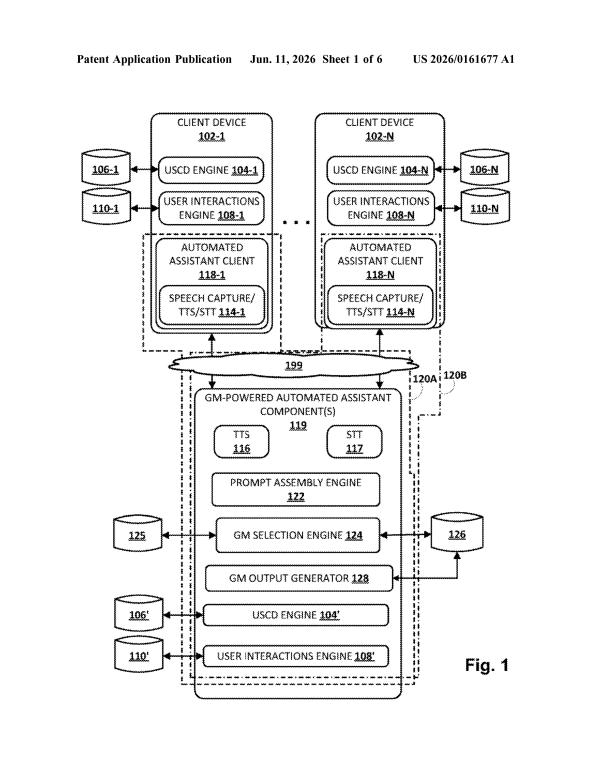
Running personalized AI queries entirely on-device means the phone itself becomes the knowledge base, eliminating the server round-trip that currently exposes user behavior data.
Keeping restricted cards from being casually transferred between phones requires identity verification baked into the wallet app itself, not just at the bank's backend.
Running cryptographic verification on a secure chipset isolates signature-checking from the main processor, preventing quantum attacks from compromising authentication even if device software gets breached.
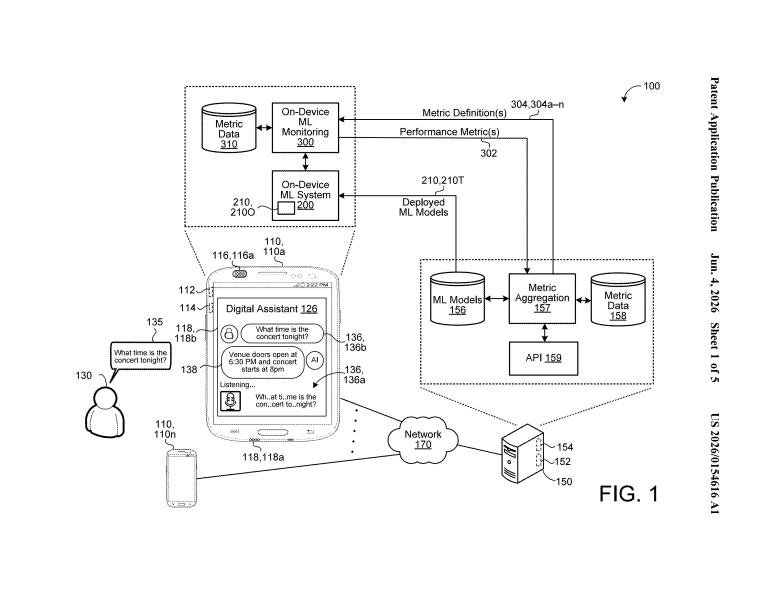
Monitoring local AI performance without exporting user data requires the phone to generate health metrics on-device, then send only aggregated summaries back to Google, solving the measurement problem that on-device deployment creates.
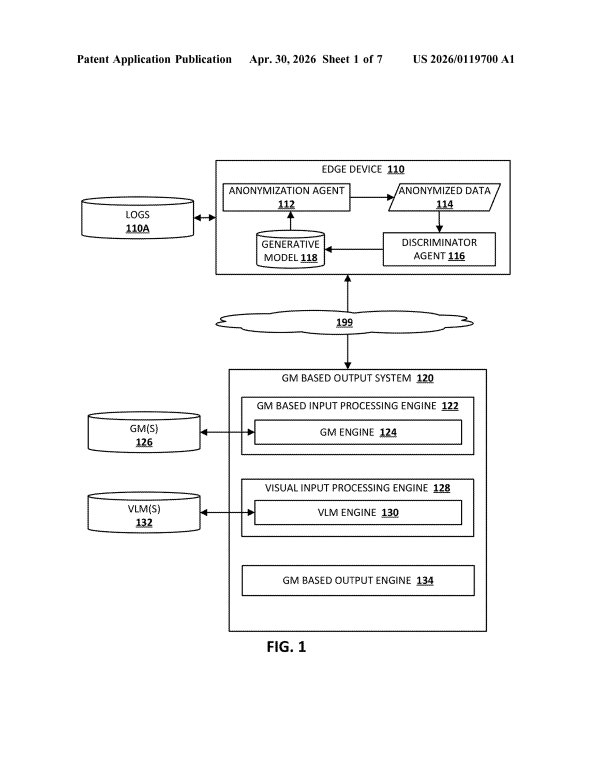
On-device models still need context to work well, but feeding them real data risks exposure. Samsung's solution: anonymize inputs before the AI processes them, then restore the original data after, keeping sensitive information away from the model entirely.
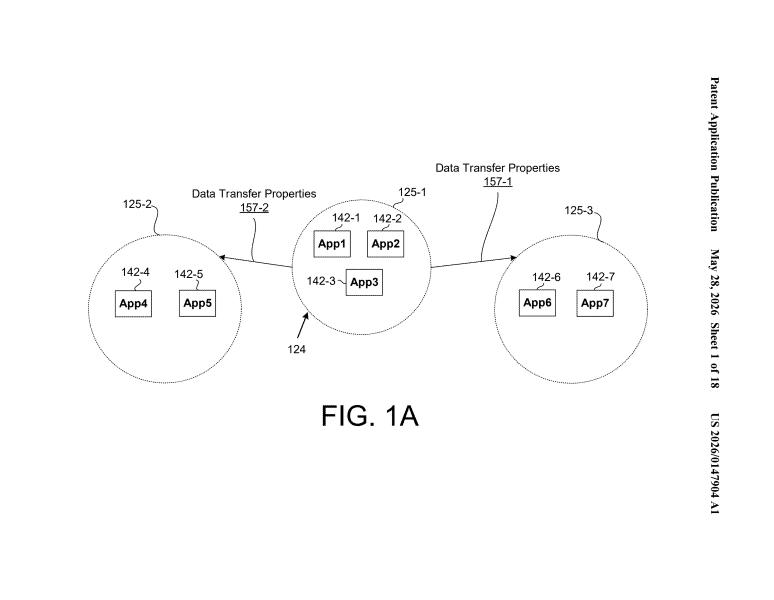
On-device data walls would let users group apps by trust level, preventing sensitive information from leaking between an approved work cluster and untrusted personal apps without requiring constant manual permission checks.
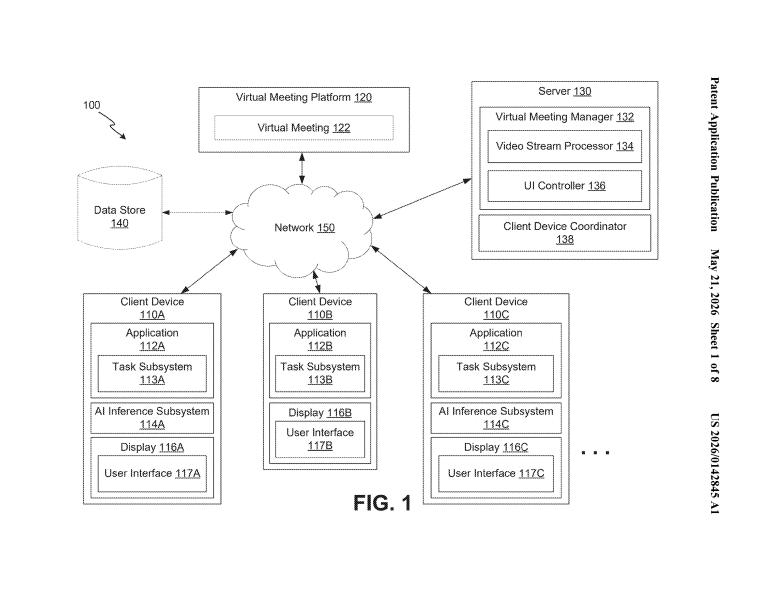
Distributing AI processing across multiple participants' devices during a call eliminates the need for a central server to handle meeting tasks like summarization and action-item extraction, keeping conversation data local throughout the interaction.
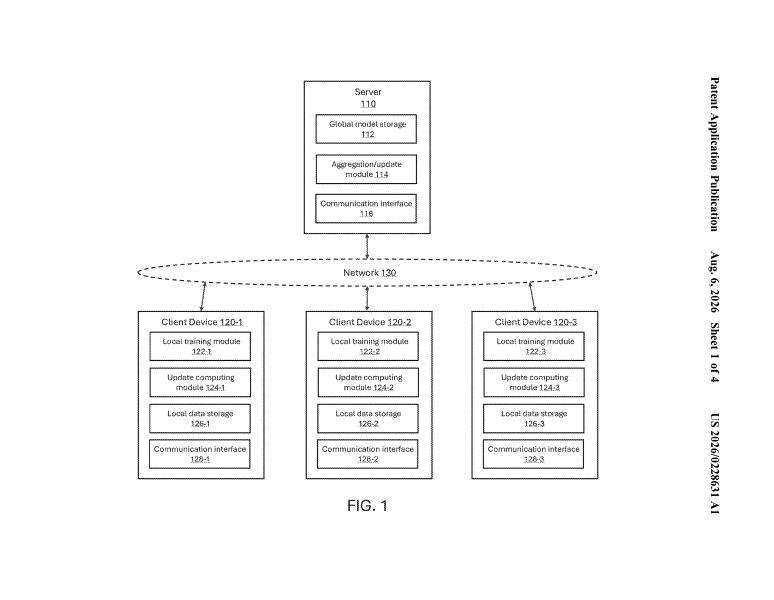
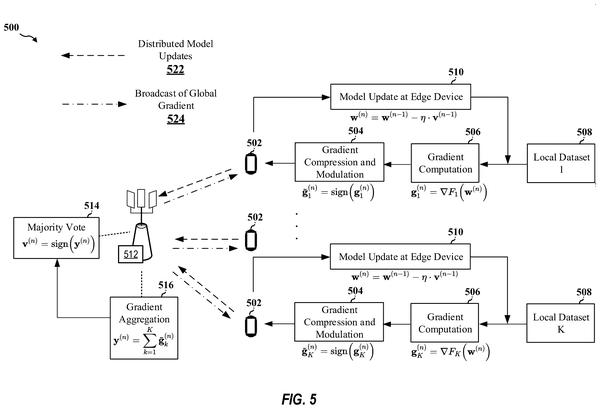
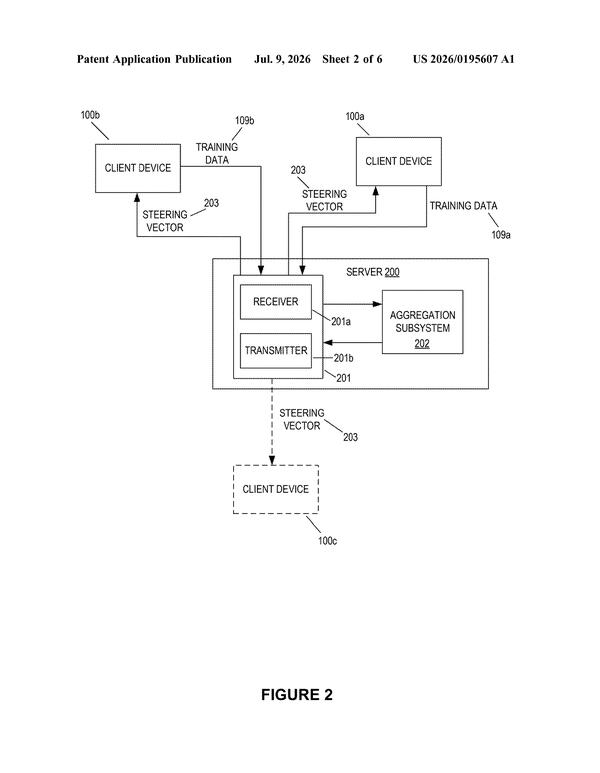
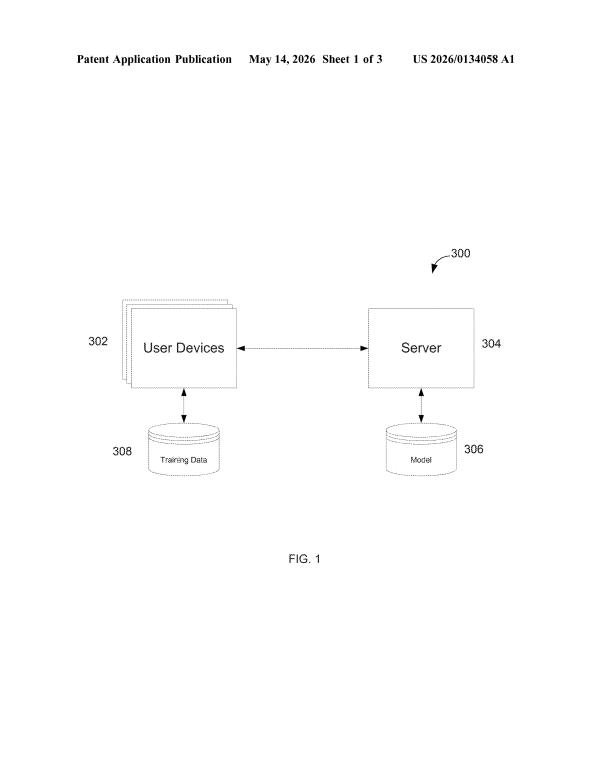
Training AI across millions of devices requires a way to share learning without exposing raw data. Google's approach sends summaries of what each phone learns to a central server, which combines them into a stronger model.
On-device recommendations mean streaming apps could learn viewing patterns without uploading watch history to the cloud, letting personalization happen where the data already lives.
As companies route queries between on-device and cloud AI systems, Google is solving the handoff problem: filtering sensitive details before voice data moves to untrusted external assistants.
Filtering sensitive data before cloud upload shifts the privacy burden from servers to the device itself, moving the filter upstream rather than asking cloud systems to handle it.
Keeping audio analysis on the device itself, Google's system lets smart speakers learn user-specific sound patterns through local feedback loops, sidestepping the need to transmit raw recordings for model training.
Questions readers ask
What problem is this watchlist actually about?
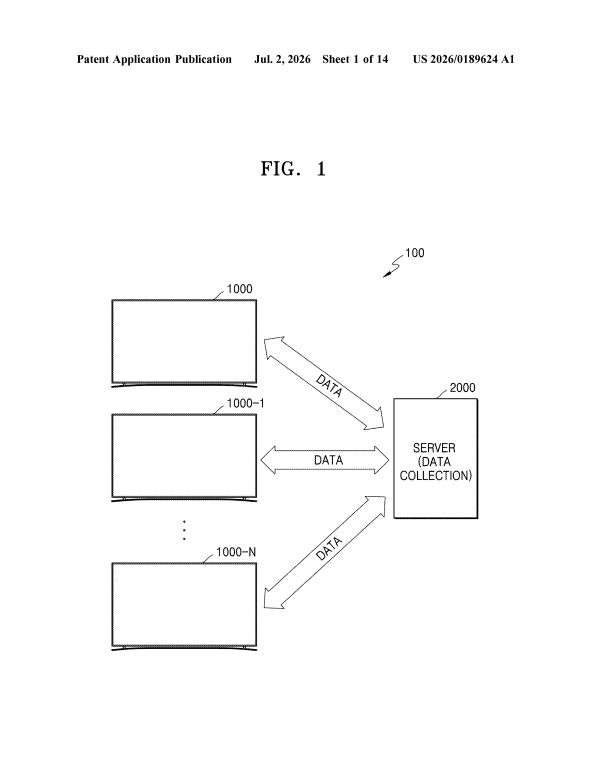
These filings show Big Tech engineers working on ways to run AI tasks like recommendations, voice assistants, and ad targeting directly on a phone or TV instead of a server, so personal data never has to leave the device. The goal is doing useful AI work while keeping raw user data local.
Does this mean Google and Samsung phones already run AI without sending data anywhere?
Not yet, and patents are not proof of a shipped feature. What we see is a documented direction: both companies are filing designs for scrubbing, filtering, and training AI locally, which signals engineering priority even before any feature reaches a real device or app.
Why does Samsung's post-quantum patent show up in a privacy watchlist?
It fits because the watchlist tracks device-level trust, not just data scrubbing. A post-quantum authentication system is about making sure a device can prove its own identity securely even after future computers break today's encryption, which supports the same on-device privacy goal from a different angle.
Who is filing the most patents in this race?
Right now the sample leans heavily toward Google, with Samsung also contributing filings on data substitution and future-proof security. The watchlist is designed to track new filers as they appear, so the balance between companies can shift as more patents get added each week.
Want this weekly breakdown for a company we don't cover?
Patentlyze Pro →
The weekly email: the best of Big Tech's filings, in plain English. Free.