Apple vs. Samsung Foldable Phone Patents, and where they point
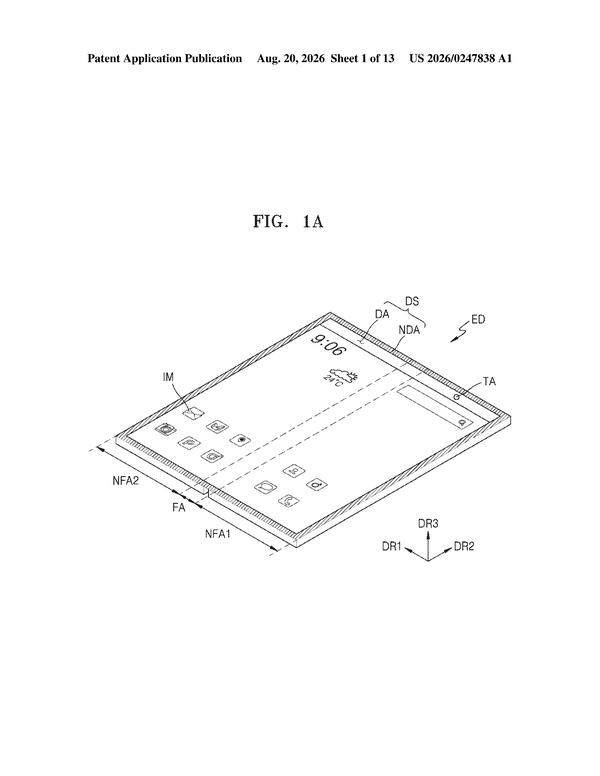
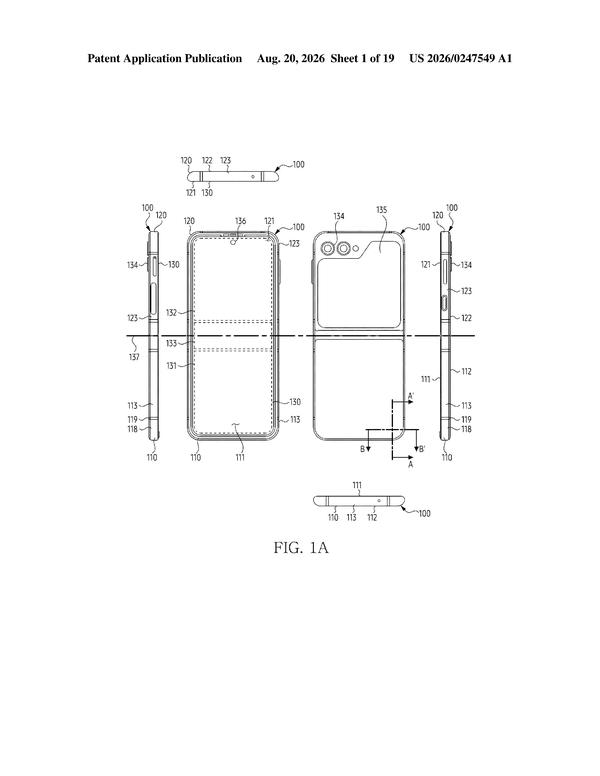
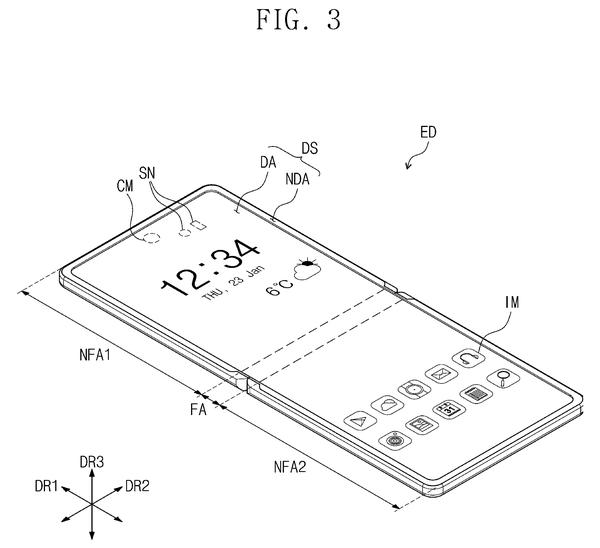
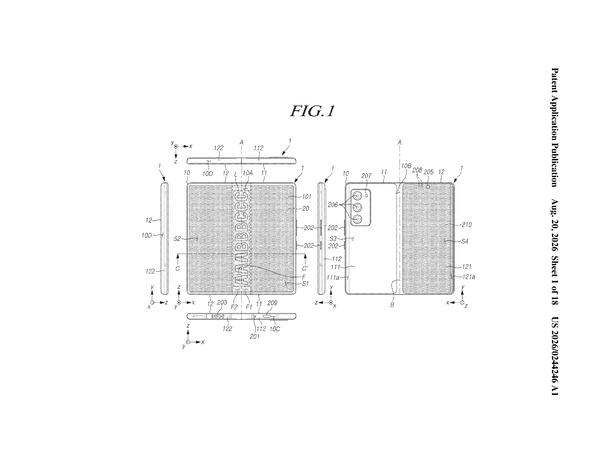
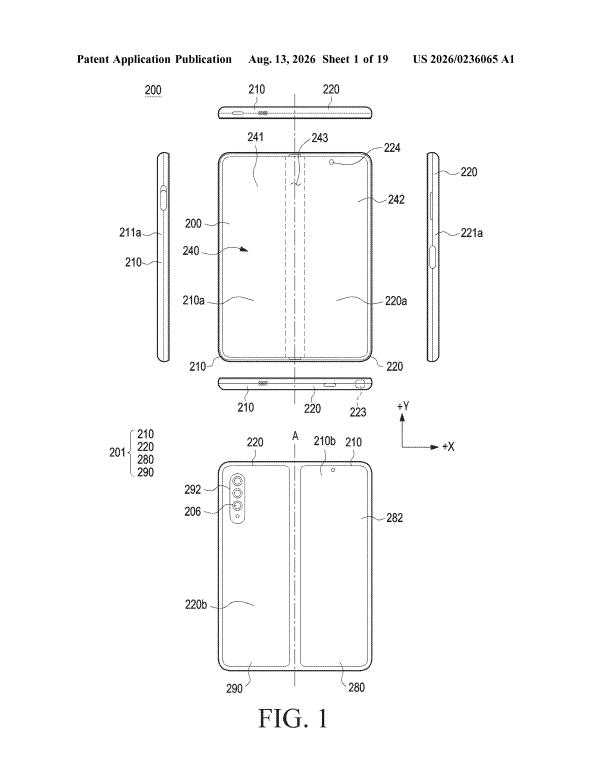
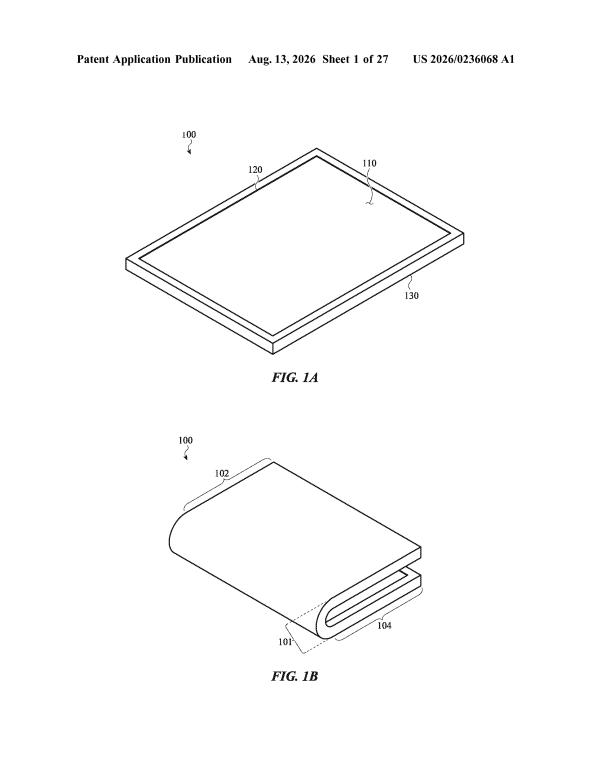
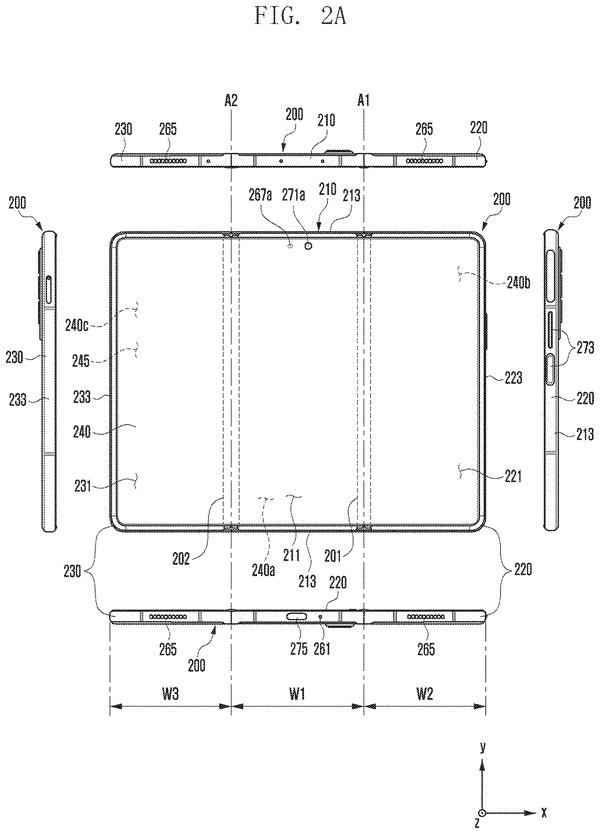
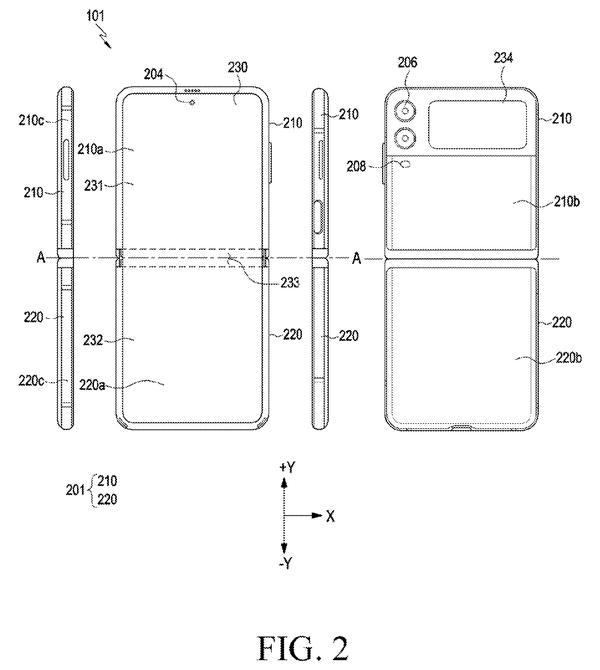
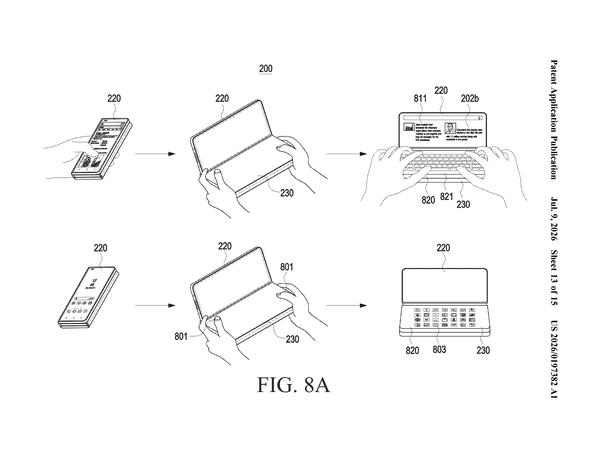
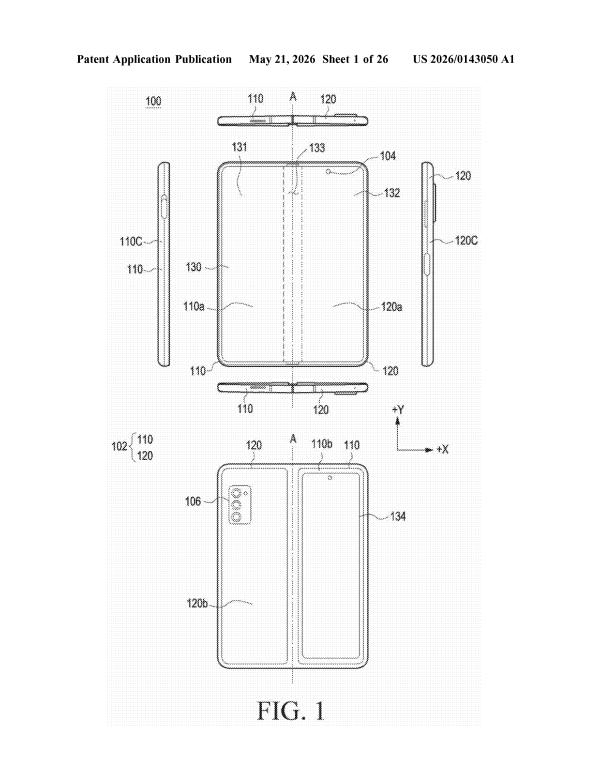
This tracker collects Apple and Samsung filings that attack crease-prone screens, hinge wear, camera-magnet interference, flexible circuit boards, and cover-display software tricks. Together they show both companies chasing the same handful of mechanical and display problems from different technical angles.
based on all tracked filings in this watchlist · refreshes every week
These patents are all fighting over the same core problem: how do you make a screen that bends without breaking, and how does the software know what to show when the shape changes.
Samsung carries most of the weight here by a wide margin, with Apple as the only other company filing in meaningful numbers.
What’s new in the foldable phone race
a dated entry each week this watchlist moves · older entries stay archived
Sep 17, 2026 6 filings joined
Samsung leads this week with five filings covering hinges, waterproofing, batteries, and screen layouts for folding phones. Apple added one filing focused on a hinge that keeps the screen flat.
This week's filings are heavy on Samsung refining how foldable screens behave at different open angles, covering brightness, app switching, and vibration. A few filings also focus on making the physical hardware, like magnets and the pen layer, hold up better.
Both new filings this week focus on protecting the folding part of the phone: one covers a two-part seal to shield the screen, and the other aims to keep more of the phone's features working across the hinge area. Samsung is putting clear attention into making the fold itself more durable and functional.
Aug 27, 2026 5 filings joined
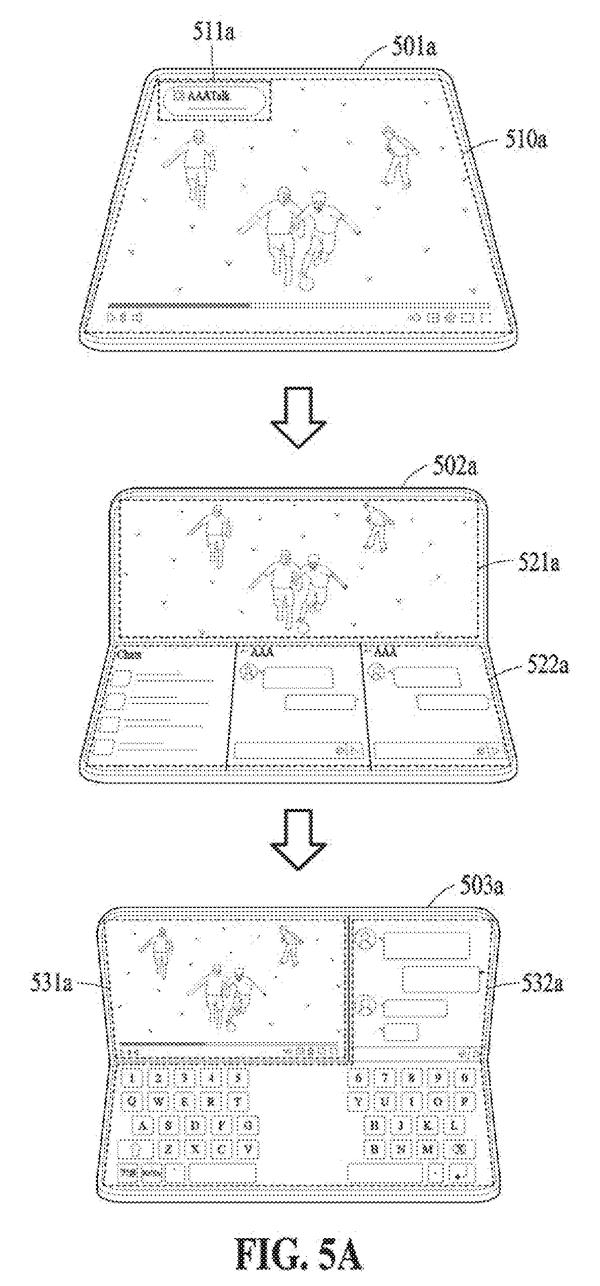
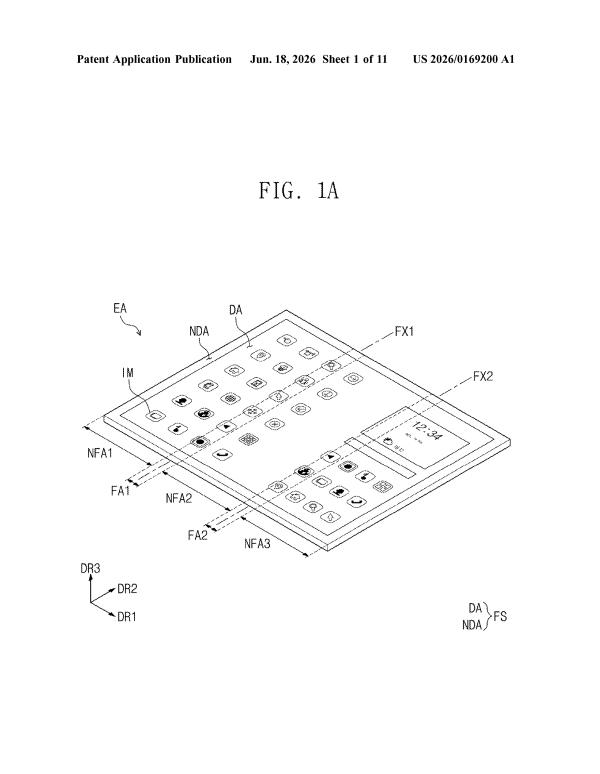
Samsung filed four of the five new patents this week, all focused on stopping foldable screens from cracking and rearranging content when the phone opens or folds. The main push is around making the folding part of the screen hold up better and handling layouts across two or three panels.
Aug 20, 2026 7 filings joined
Samsung filed seven patents this week, most focused on making foldable screens hold up better over time, covering the glue, foam, and glass that protect the folding part. A few others tackle the hinge itself and how the phone handles accidental touches when opened.
Who’s filing patents in the foldable phone race
counts from tracked filings · focus read from each company’s own filings
the fights inside the fight · each with its three newest filings · new filings join every week
Hinge Design and Control 14 filings
Samsung 8, Microsoft 3, Apple 2
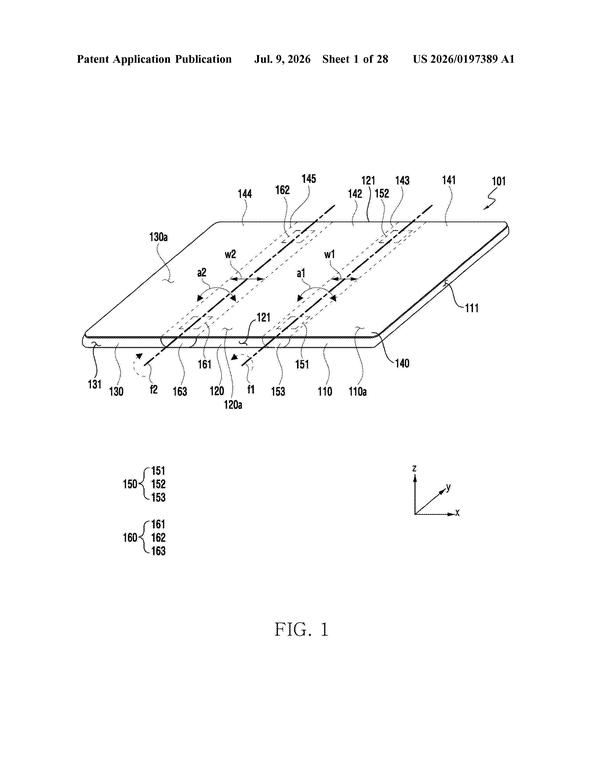
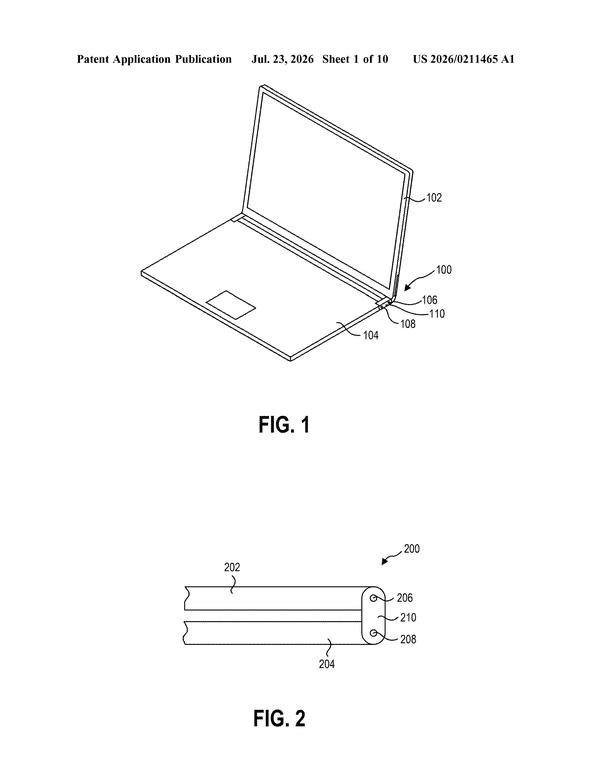
Several companies are filing patents on how a foldable phone's folding joint works, locks, and moves. Samsung, Microsoft, Google, and Apple are all exploring different ways to make the hinge hold its position, stay aligned, and open or close smoothly.
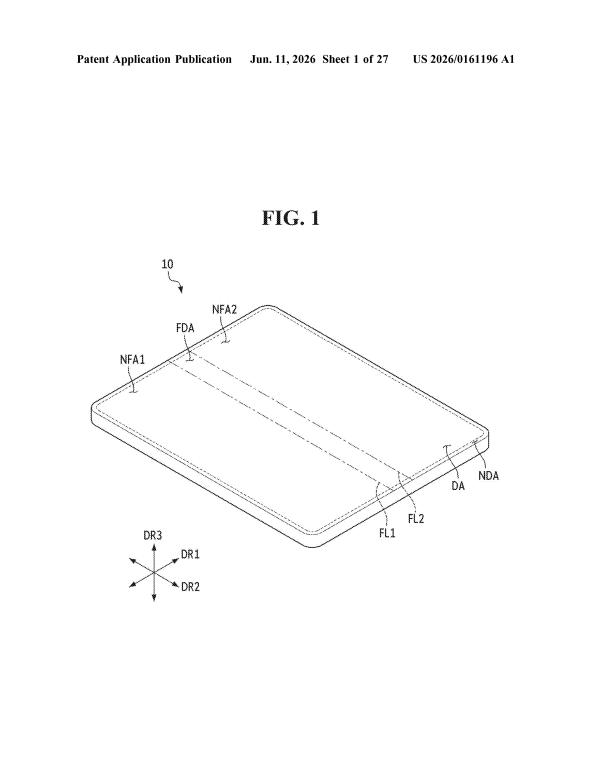
A large share of filings focus on stopping the fold point from cracking, creasing, or wearing out over time. Samsung and Apple are both working on layered materials, protective borders, and flexible glass covers that can bend without breaking.
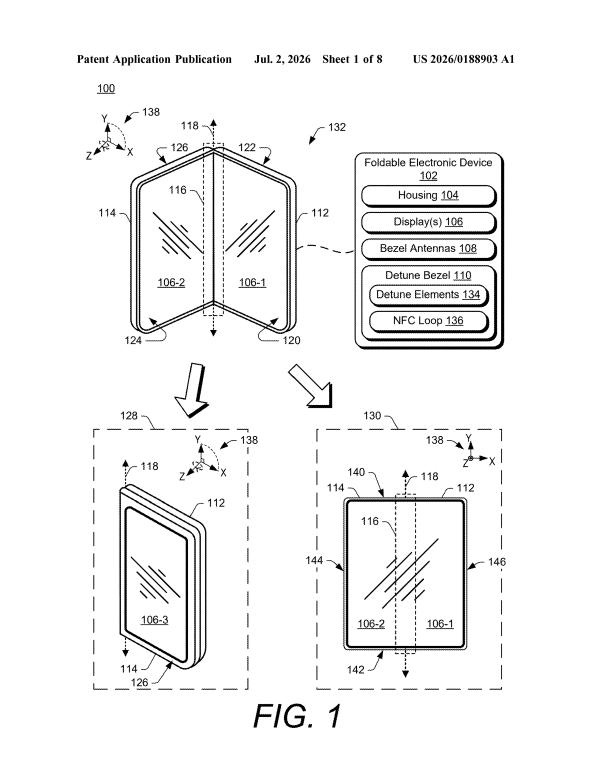
Fitting antennas into a phone that folds in half is a real engineering problem, and Samsung and Google are both filing patents on how to solve it. Their approaches include treating both halves as one antenna, hiding the antenna in the frame, and routing it through the display itself.
Folding State Detection and Screen Response 14 filings
Samsung 13, Qualcomm 1
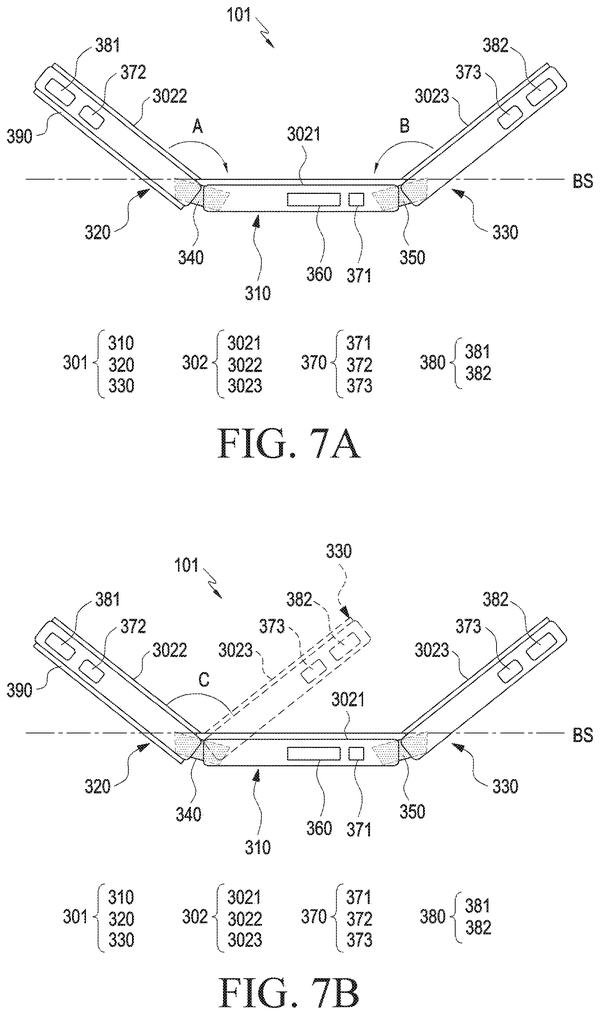
These filings deal with how a foldable phone senses how far it has been opened and then decides what to show on screen. Samsung is the main company here, with patents covering everything from waking the screen at a certain angle to managing what appears on each panel.
Flexible Circuit Boards and Internal Wiring 7 filings
Samsung 7
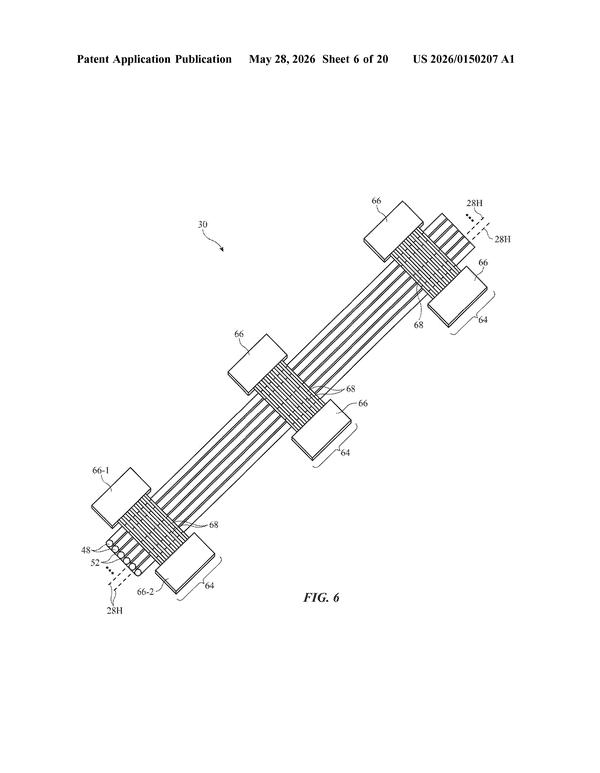
Making the electronics inside a folding phone survive thousands of bends is its own challenge, and Samsung is filing patents on how wiring, circuit boards, and electrical paths can flex without breaking. These filings cover the parts the user never sees.
Power delivery during screen transitions: Samsung's solution routes current through multiple batteries in different configurations to spike voltage for the motor without draining the pack during normal use.
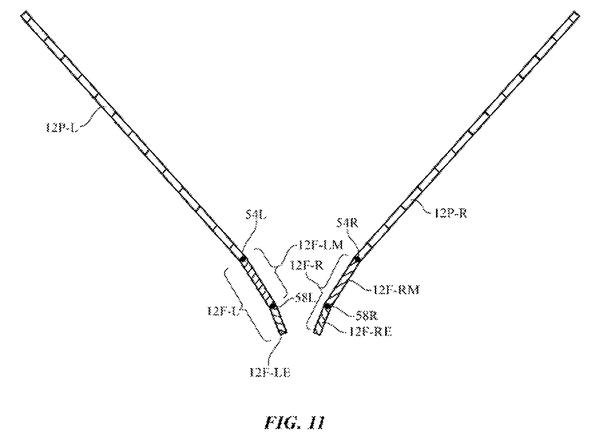
Screen sag near the fold: Apple's hinge uses spring-loaded mechanical parts to tension the display flat when unfolded, working against the natural rippling that occurs after repeated bends.
Water intrusion at the dual-screen junction demands new sealing geometry. Samsung's three-layer seal targets the specific weak point where inner and outer displays meet, a vulnerability unique to its cover-display design.
Hinge geometry that creates slack space during the fold could prevent the screen from bunching under compression, shifting the mechanical burden away from the display material itself.
Hidden display edges crack first when phones flex or drop. Samsung's molding design shields that curved corner where the screen tucks into the frame, reducing stress on the most vulnerable point.
Hinge angle sensors could route notifications to specific app states without requiring manual switching, streamlining the multitasking friction that plagues foldable interactions.
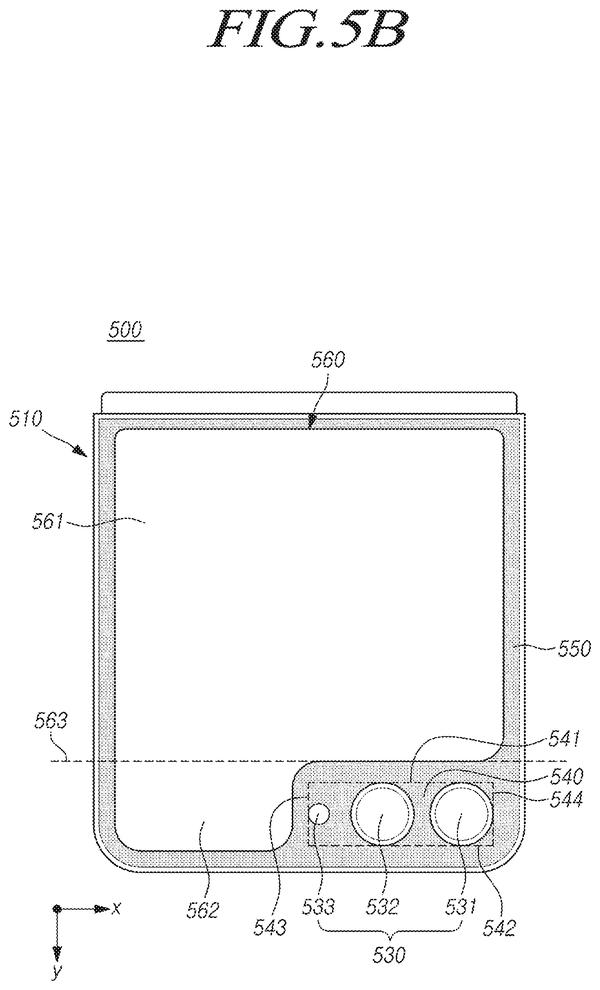
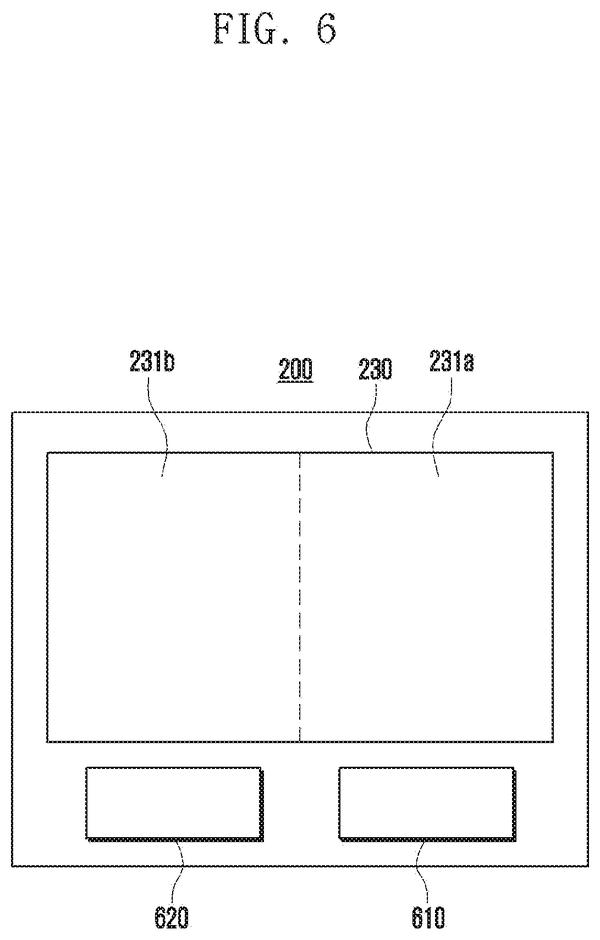
Samsung's dual-window cover display sidesteps the camera cutout by treating it as a natural dividing line between two independent content zones, rather than forcing a single image across the obstruction.
Dual vibration motors on each wing let the phone adjust haptic feedback based on fold angle, so notifications feel natural whether the device is fully open, partially folded, or closed.
Adaptive refresh rates during the pull motion prevent visual lag and battery waste as the flexible display stretches to fill new screen area during opening.
A reinforced digitizer layer sandwiched with protective materials resists cracking under repeated stylus pressure at the fold, where existing sensor arrays have proven vulnerable to mechanical stress.
Four magnets positioned across the three panels work to keep multi-fold sections aligned during closure, addressing the compounding alignment problem that grows with each additional hinge.
Among the core durability challenges here, Samsung moves past simple wire routing by compressing signals through the hinge, reducing physical strain on connections that fail with repeated folding.
A two-layer seal at the screen's edge could stop dust and moisture from creeping into the fold during repeated opening and closing, a common failure mode that degrades display quality over time.
Parallel slits etched into the glass layer create flex points that prevent crack propagation at the hinge during repeated folding cycles, shifting the durability challenge from material brittleness to controlled stress distribution.
Unfolding mid-use won't force you to hunt for buttons buried under content. The system detects fold state changes and reshuffles the layout automatically, keeping controls visible without manual intervention.
A reinforced backing plate means the display itself bears less stress each time the phone folds, directly reducing the fatigue cracks that form along the crease over hundreds of use cycles.
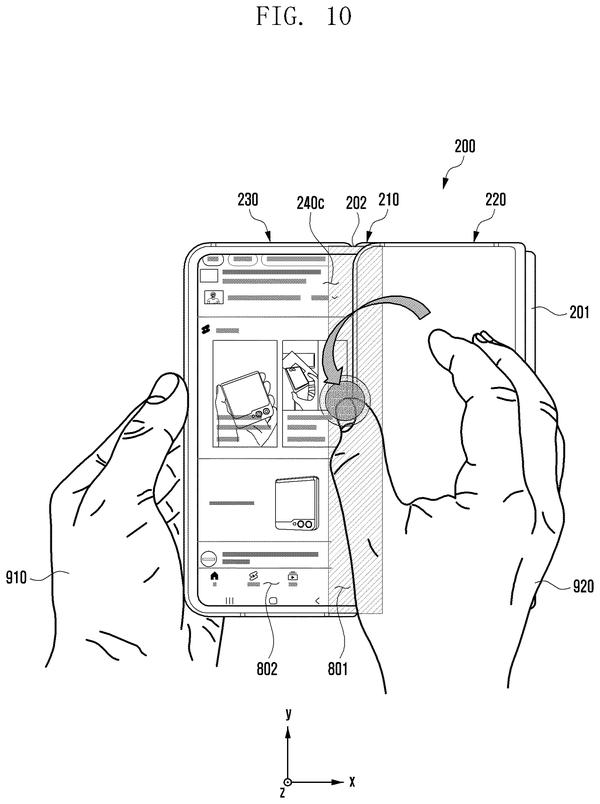
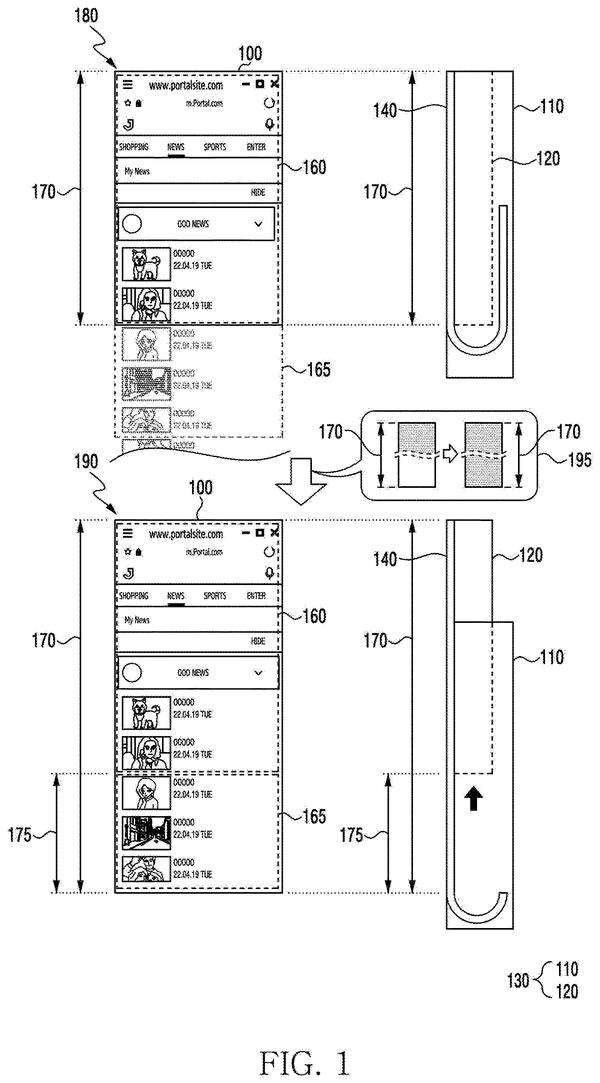
Cover-display software tricks: Samsung proposes detecting the unfolding motion itself as a signal to offer related apps rather than auto-expanding the current one, letting users choose a better fit for the larger screen.
Crease visibility from repeated hinge cycles gets a material fix: foam that expands under compression to cushion the display stack where it bends most.
A quality-check hole in the corner magnet lets manufacturers verify the seal seated correctly without disassembly, reducing defects that let dust into the fold gap during the phone's life.
A tri-fold design forces the software to ignore touch inputs on panels still moving during an unfold, preventing accidental commands from competing inputs across multiple hinges.
A flatter fold requires the layers underneath to stay put without blocking flex. Samsung's dual adhesive approach keeps the support structure from shifting during the bend, which could let the screen itself sit more evenly across the crease zone.
Hinge wear demands mechanical solutions that don't rely on motors or electronics to stay reliable. Samsung's gear-and-spring design shifts the burden to purely mechanical resistance, keeping the two halves moving in sync without powered intervention.
A crease-zone shimmer that kills viewing comfort when grids collide gets blocked by breaking the pattern match in the cover glass itself, shifting the optical interference away from visible wavelengths.
Antenna dead zones created by the hinge mechanism get addressed by embedding patch antennas directly into the hinge structure itself, preserving signal strength during fold positions where traditional placement fails.
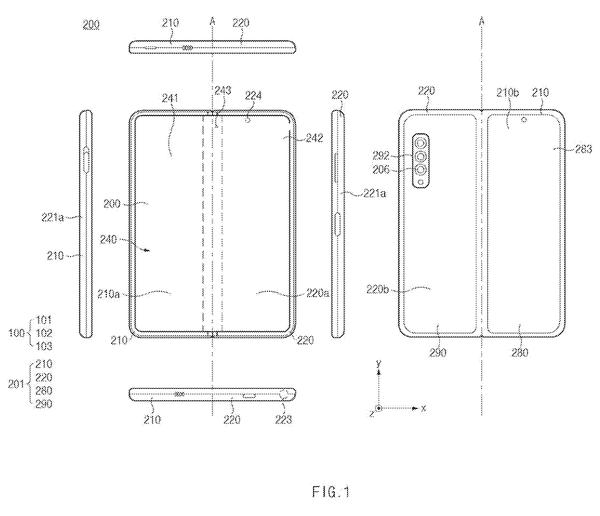
A four-axis hinge lets each screen section rotate independently, eliminating the gap-or-crease choice that single-pivot designs force. This confirms Samsung is betting mechanical precision, not just flexible materials, solves the creasing problem.
Crease-prone screens need materials that resist both scratching and repeated folding. Apple is experimenting with ceramic coatings to combine hardness with the flexibility required at the bend point.
A tri-fold design means managing three separate hinge points instead of one. Samsung's sliding magnet system lets each panel lock at its intended angle without extra mechanical stops that add bulk or wear.
A rigid edge guard that seats into the internal frame could stop the screen from peeling away where it meets the hinge, a failure point separate from crease damage itself.
Vibration feedback consistency across folded and unfolded states requires motor control that adapts to physical configuration. Samsung's approach detects position and adjusts haptic intensity accordingly.
A flexible perimeter strip could prevent edge cracks when the screen folds, solving a failure point that rigid bezels can't survive and soft materials can't reinforce.
Battery drain in partial-fold modes gets cut by dimming the screen half that faces away from the user, confirming Samsung's push toward software-level efficiency in foldable postures.
Flexible circuit boards need materials that won't fail when bent repeatedly. Samsung's organic semiconductor approach moves the problem from rigid chip architecture to the material itself, letting circuits stretch without breaking connections.
The watchlist so far has focused on Apple and Samsung fighting hinge wear through material science and design redundancy. Microsoft's approach differs: a mechanical locking pin that forces discrete positions rather than fighting continuous friction.
Crease-prone screens stand to gain mechanical reinforcement by embedding a stiffening layer within the display stack itself, shifting durability work from the hinge mechanism to the panel's internal architecture.
Antenna interference when folded degrades signal; Samsung's approach treats stacked halves as a single antenna system to preserve connectivity during use.
The timeline has focused on crease damage and wear; this shifts focus to what degrades the hinge itself, dust infiltration that compounds mechanical stress over hundreds of open-close cycles.
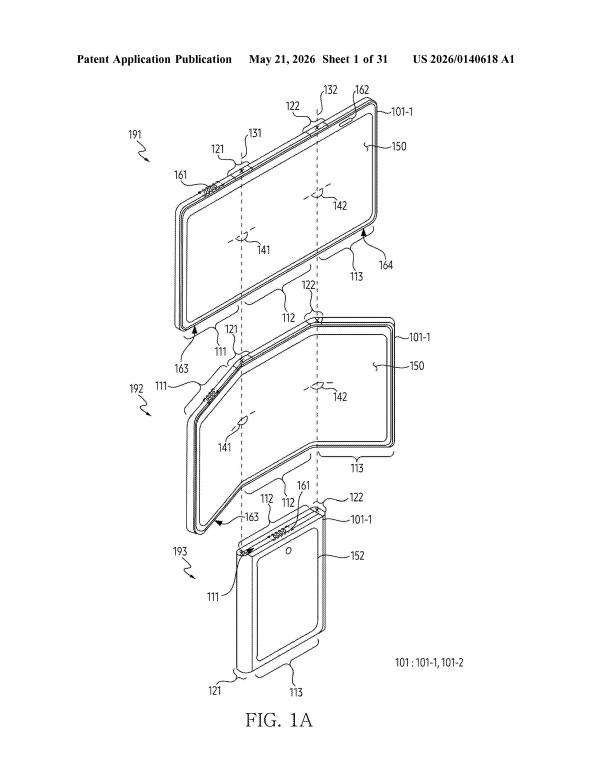
The tracker has mostly focused on durability and the crease itself; this filing shifts toward the software layer above three-panel geometry, where the phone must route content to whichever screens face the user based on sensor feedback rather than user input.
A foldable that stays closed in a pocket without external latches means the hinge itself becomes the guard against creases. Google's internal locking mechanism removes the need for visible catches that add bulk or fail over time.
The crease-prone screen problem gets a software answer here: Samsung proposes sensing fold angle to serve scaled-down displays before full unfolding, potentially reducing stress on the creased area by delaying full-screen activation.
The tracker has focused on Apple and Samsung solving crease and wear problems; Microsoft's angle-sensing hinge opens a different front by letting the device respond to how far open it sits, shifting software and display behavior without user input.
The hinge-wear problem branches beyond screen crease into mechanical symmetry: Microsoft's timing shuttle prevents the uneven rotation that degrades one side faster than the other.
A foldable's inner screen could stop guessing whether to auto-expand an app or hold it on the cover display, letting the device learn which apps you actually want enlarged and which you prefer to keep small.
Flexible circuit board fatigue at the hinge gets a redesign here, Samsung routes the wiring inside the display backing rather than across the mechanical joint, reducing the flex cycles that degrade connections over repeated folds.
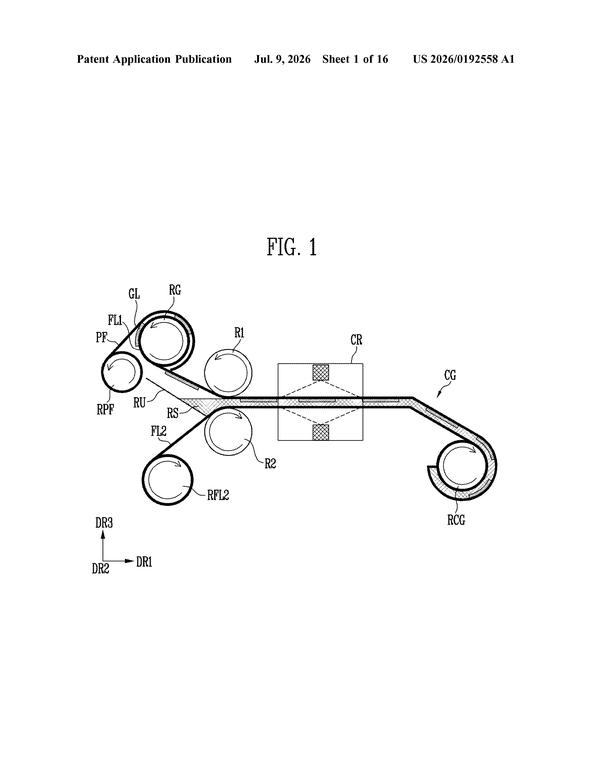
Cover-display glass lamination requires precise resin application without air gaps or delamination. Samsung's continuous-feed machine automates this wrapping process, suggesting the company is moving toward factory-scale production rather than hand assembly.
The camera-magnet interference problem gets a practical fix: Samsung pairs the magnetic sensor with an angle detector so nearby metal can't fool the phone into false state changes.
Foldables need the ribbon cables connecting flexible screens to survive repeated bending without cracking. Samsung's buffer layer cushions the exact joint where those cables attach to the display, treating a known failure point in the flex cycle.
The antenna routing problem shifts from finding space to making one antenna work in two shapes. Google embeds the NFC coil in the frame itself, sidestepping the need for a dedicated interior layer that would break or lose signal during the fold.
Folding phones could shed the dedicated antenna strip by repurposing conductive layers already in the display. This frees up internal real estate the hinge and battery currently fight over.
A tri-fold design splits the antenna into fragments across multiple hinges. Samsung's solution runs a continuous metal strip through the middle section to maintain signal strength across the folds.
A smoother cover-screen experience could reduce friction between users and foldables' cramped outer displays, moving away from clunky navigation arrows toward gesture-based widget browsing that mirrors familiar phone habits.
A sliding screen needs tolerances tight enough to prevent wobbling but loose enough to move smoothly, Samsung's rail design solves that friction point for expanding-screen phones.
A conductive barrier along the fold's inner edge would protect the display from accidental static discharge during everyday use, a failure mode that flat screens never face.
Where the watchlist has focused on screen durability and stress distribution, Samsung's filing zeros in on the mechanical precision of the hinge itself, using interlocking components to prevent misalignment during the fold and unfold cycle.
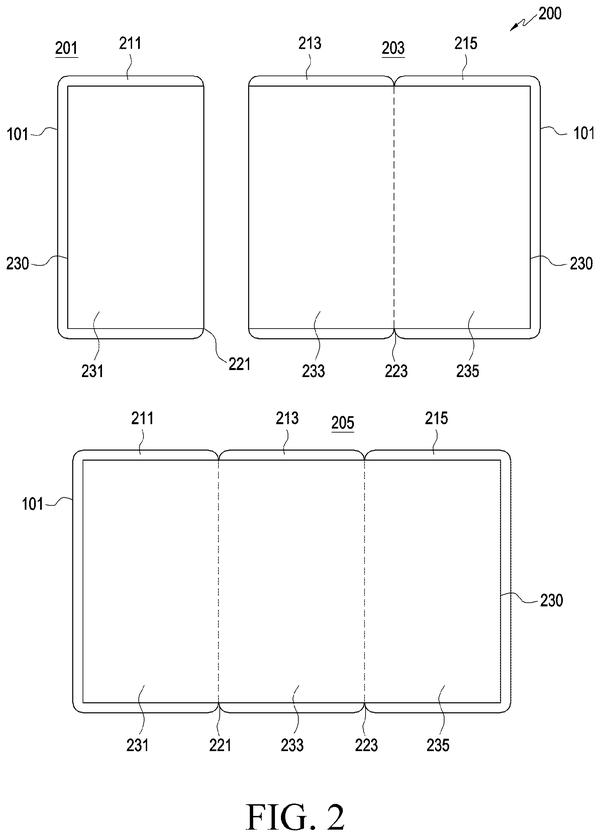
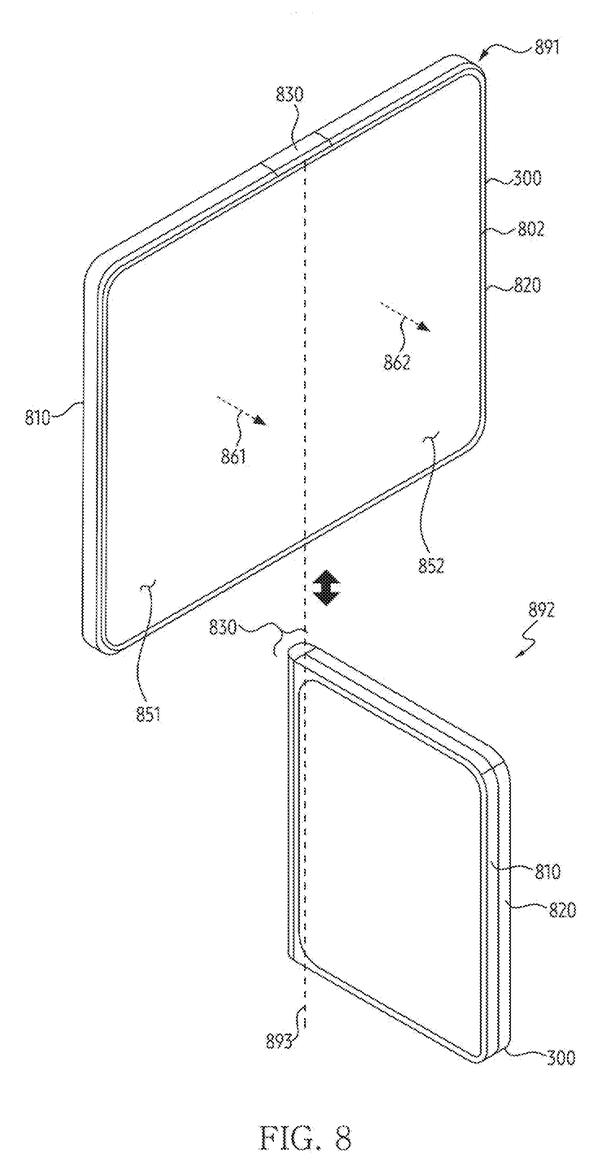
Dual hinges on three progressively narrower panels could let Samsung fit a larger display into a more compact folded pocket size than single-hinge designs allow.
A smoother screen surface means better durability where the fold happens. Samsung's approach uses layered material of varying thickness to distribute stress more evenly across the bend zone.
Splitting the inner glass layer and filling the gap with a compliant material lets the cover fold at the crease without forcing the rigid outer pane to bend, shifting the stress problem from the glass itself to a softer interlayer.
Screen durability under repeated folding hinges on the cushion layer's ability to absorb stress without degrading. Samsung's patent embeds a reinforcing material in that middle layer to distribute flex more evenly and slow creasing.
A dual-coating strategy lets Samsung use different material properties at each fold zone versus the flat sections, reducing the competing demands that weaken single-layer defenses on tri-fold screens.
Within the dual-fold design, Samsung solves a materials problem by engineering glass that stays rigid across the flat panels but flexes only at the hinge zones, avoiding the stress concentration that plagues single-fold screens.
A cushioned layer behind the screen could distribute folding stress across a wider zone instead of concentrating it at a single crease line, potentially slowing the degradation that users see with repeated opens and closes.
Speeding up the display's refresh rate during the unroll motion keeps pixels synced to physical movement, avoiding the blur or lag that occurs when screen extension outpaces image updates.
The patent extends the multi-device coordination problem: instead of one foldable managing its own hinge geometry, two phones now need to sync content based on their relative fold positions, turning physical state into a shared control signal.
Stylus tracking breaks down at the fold crease where display layers can't stretch. Samsung's dual-layer sensor approach routes tracking wires both through the screen and beneath it to maintain pen position across the hinge zone.
A dual-fold screen needs different glass thicknesses at each crease to match the actual stress each bend creates, rather than using uniform protection across both fold points.
After years of hinge prototypes, Apple's focus shifts from structural durability to feel, designing friction that keeps the fold smooth at any angle while preventing drift when fully open or closed.
Pixel dimming at viewing angles on curved edges gets solved here with per-pixel mirrors that bounce light back toward the viewer, letting all four sides of the screen stay bright even when viewed from the side.
A tri-fold screen means two crease lines instead of one, doubling the problem of where to hide the seam. Samsung's solution repurposes those seams as touch-sensitive zones, converting dead space into functional UI real estate.
Interlocking spiral gears distribute stress across multiple contact points rather than concentrating wear on a single hinge line, potentially extending the fold mechanism's lifespan beyond current designs.
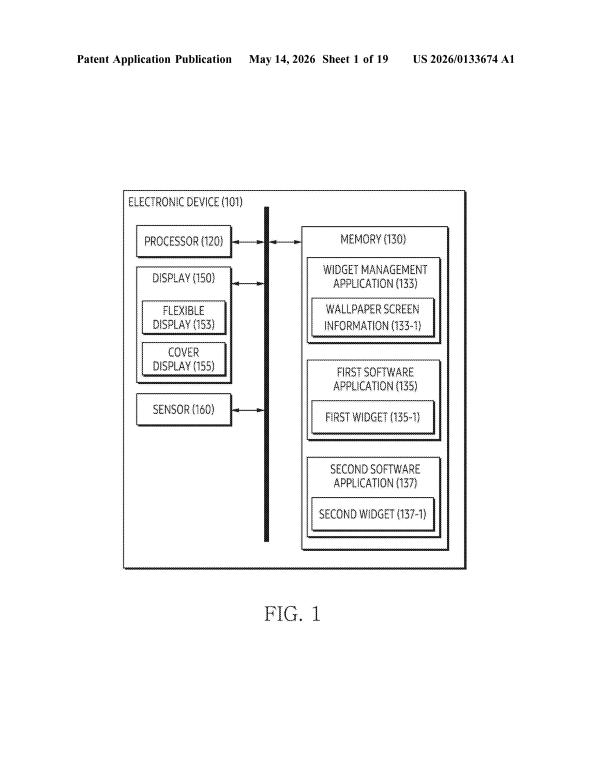
A foldable's cover screen gains actual utility when multiple live apps share cramped space. Samsung's solution lets widgets shrink on demand while staying current, turning the outer display from a notification strip into a functional control panel.
The watchlist has focused on hinge mechanics and screen durability; this filing moves upstream to how the actual electronics are physically arranged so they can bend repeatedly without severing the connections between halves.
A foldable's screen real estate stays fragmented when folded, so Samsung's approach uses that constraint as an advantage: display charging status where the port actually sits rather than forcing users to navigate menus on whichever panel happens to be active.
Lock screen navigation gets a directional split: horizontal swipes manage wallpapers while vertical swipes control widget visibility, letting users access different functions without cluttering the fold's limited screen real estate.
Hinge durability under repeated folding hinges on keeping the rotating parts aligned without added bulk. Samsung's hollow-shaft design uses link members to stabilize the inner shaft, trading mechanical complexity for thinner overall profile.
Where hinges and screens dominate the race, Samsung zooms in on the circuit board that flexes thousands of times inside the fold. Better materials and layering here mean signals stay strong across the crease.
Keeping a sliding screen from warping or drifting requires precision mechanics below the surface. Samsung's guide system shows how the company plans to manage that constant expansion and retraction without display failure.
A two-layer film window lets Samsung tune stiffness independently for each layer, solving the material-balance problem that single-film covers can't fix during repeated folds.
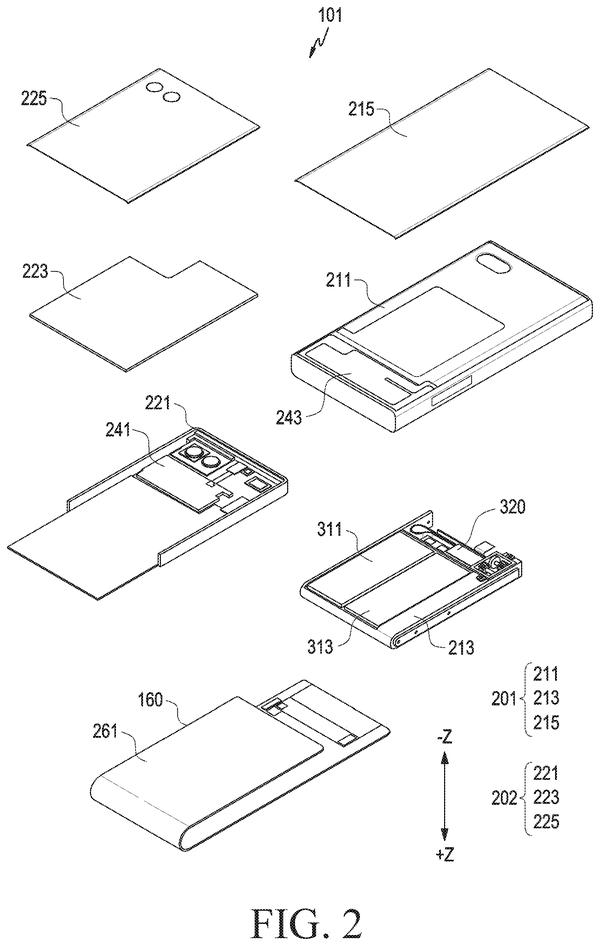
Magnetic shielding between the fold mechanism and camera optics prevents the closure magnets from scrambling autofocus and image stabilization, solving a crosstalk problem unique to the folded form factor.
While earlier foldable patents focus on the main crease, this filing moves the interface problem to the device perimeter, turning wraparound edges into functional screen real estate instead of dead space.
Display creasing under repeated bending has plagued every foldable so far, and Apple proposes counteracting the stress mechanically, adjusting screen tension based on open or closed position rather than accepting the damage as inevitable.
A hybrid transistor gate driver lets Apple speed up pixel-refresh cycles without the power drain that plagues single-material designs, critical for foldable screens that demand both responsiveness and battery life under stress.
A foldable screen's creases and stress points make pixel crosstalk worse, so Apple's compensation method in the display driver itself could help keep image quality consistent across the fold without requiring thicker or more expensive hardware.
Questions readers ask
Are these patents guaranteed to appear in future foldable phones?
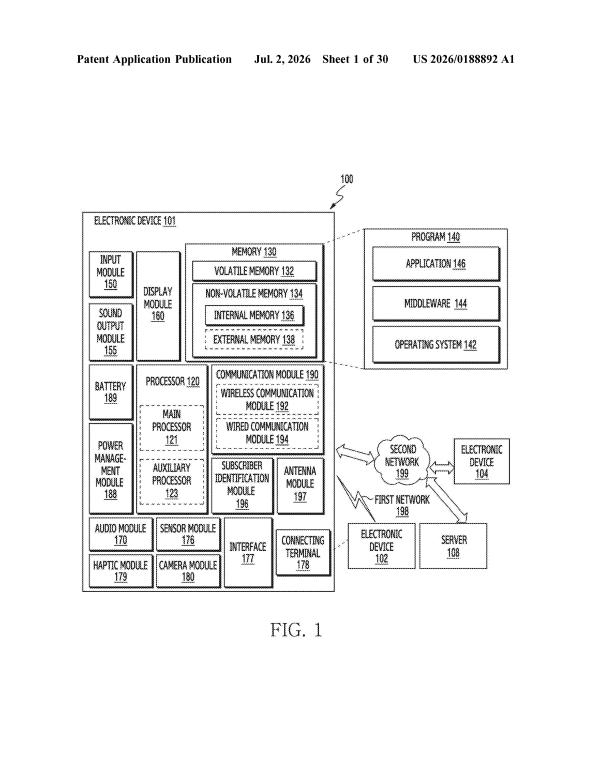
No. Patents like Apple's screen stress management system or Samsung's hollow-shaft hinge show the technical directions each company is exploring, not confirmed product features. Some ideas in this batch may never ship, while others could show up years later in a different form.
What problem do most of these patents try to solve?
The biggest cluster deals with the physical stress a fold puts on the phone, covering hinges, flexible circuit boards, and the display's crease point. Apple's screen stress management system and Samsung's stress-resistant flexible circuit board both address that same underlying concern.
How do Apple's and Samsung's approaches differ?
Apple's filings lean toward display technology itself, such as gate drivers, pixel crosstalk fixes, and a flexible display that wraps around the phone's edges. Samsung's patents lean more toward mechanical and software solutions, including hinge assemblies, camera shielding, and cover-display software.
Does this watchlist only cover hinges?
No, it spans several sub-problems, including screen stress, pixel crosstalk, camera magnet interference, circuit board flexing, and cover-display software. Hinges are one visible piece, but the watchlist tracks the whole set of engineering and software patches around foldable design.
Want this weekly breakdown for a company we don't cover?
Patentlyze Pro →
The weekly email: the best of Big Tech's filings, in plain English. Free.