Samsung's 5G and 6G Patents, and What They Add Up To
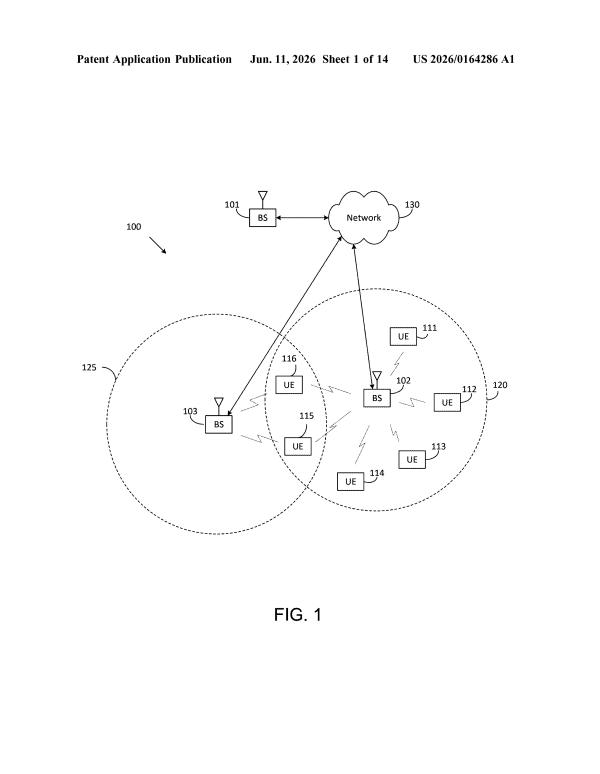
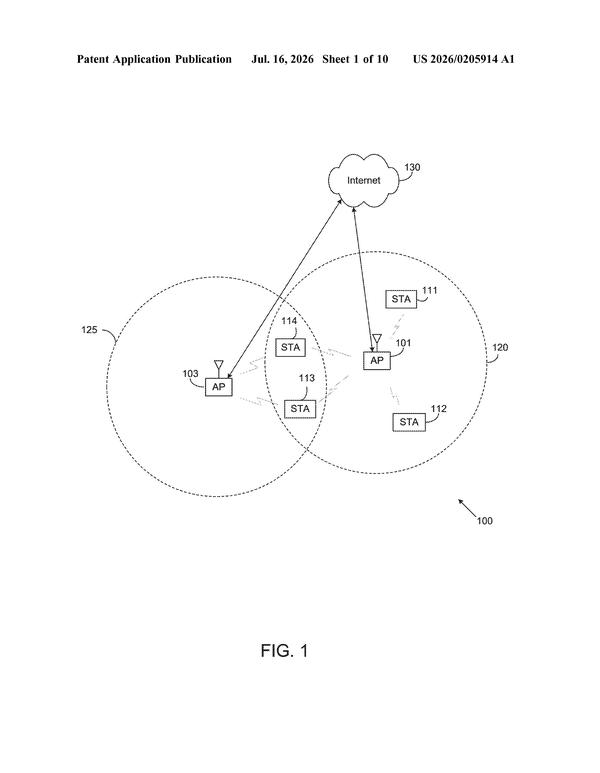
This tracker collects Samsung's patent filings on cell handovers, satellite fallback, beamforming, emergency call signaling, and low-power device scheduling. Together they show Samsung building the connection plumbing that keeps phones online as networks and satellites get more complex.
76 filings
· tracking since May 2026 · latest Sep 2026 · updates weekly
based on all tracked filings in this watchlist · refreshes every week
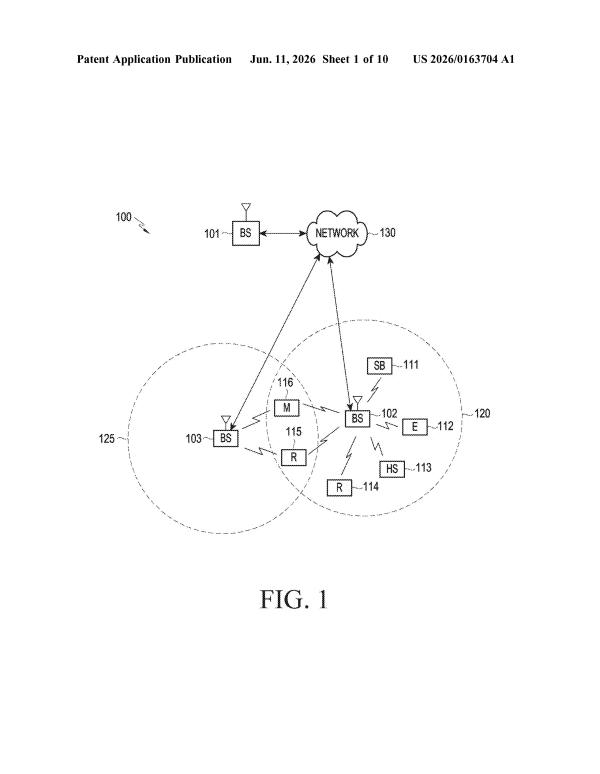
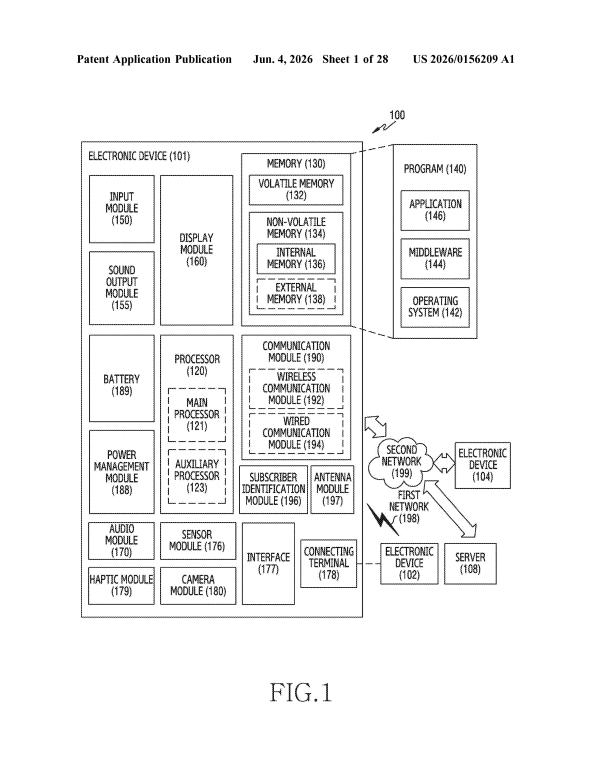
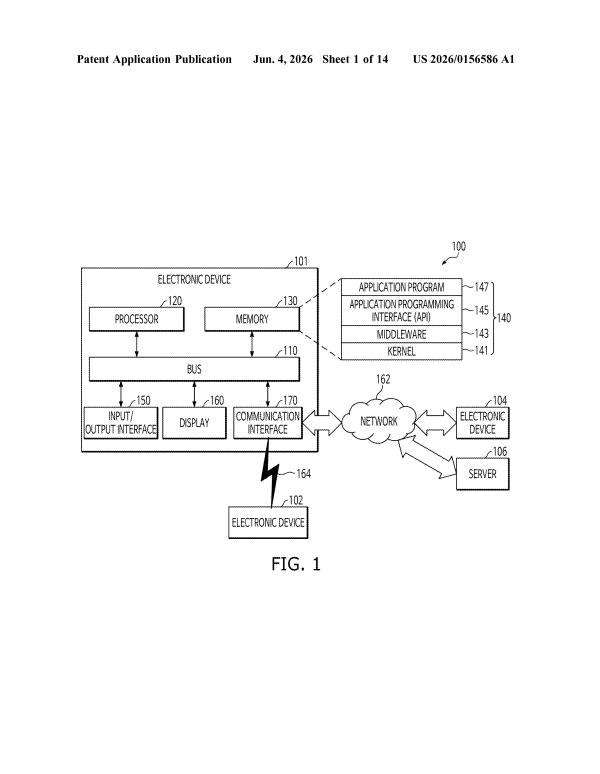
Samsung is filing patents around making 5G and satellite networks smarter, more reliable, and better at handling lots of devices at once. The work covers everything from how your phone switches between signal types to how networks save power without dropping your connection.
The heaviest concentration of filings right now is around keeping connections alive during tricky moments, like switching from 5G to older networks or losing a direct signal, and using AI to clean up and manage network traffic automatically.
What’s new in Samsung's 5G and network push
a dated entry each week this watchlist moves · older entries stay archived
Sep 17, 2026 1 filing joined
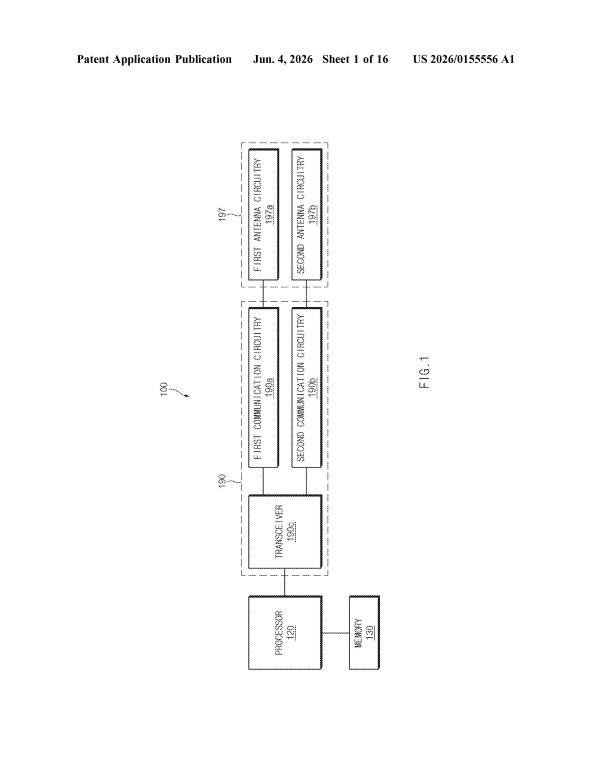
This week's filing covers a phone antenna that can send two radio signals at the same time. Samsung is exploring ways to push more data through the air without needing extra hardware.
This week's filings focus on keeping phones working when satellite signals are weak or lost, syncing apps, recovering missed texts, and fixing dropped connections faster. One filing also lets phones without GPS borrow location from nearby devices.
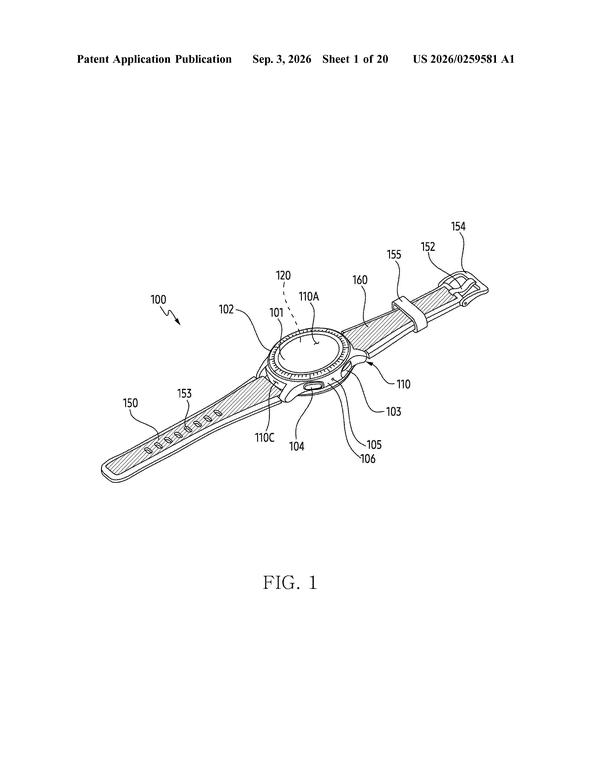
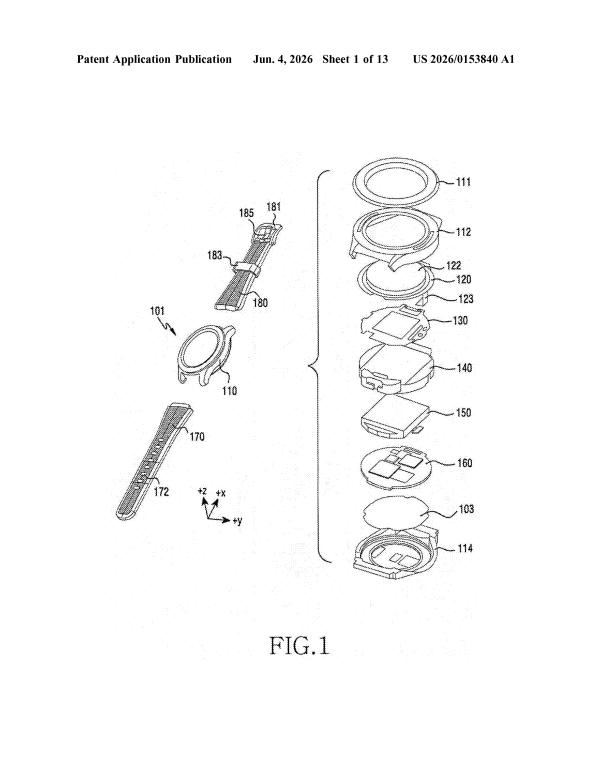
This week's filings all focus on keeping wireless connections working reliably, covering fixes for overheating phones, faster Wi-Fi reading, and watch shapes that do not block their own signal. The common thread is small, practical solutions to everyday connection problems.
Aug 27, 2026 3 filings joined
This week's filings show Samsung working on making its networks smarter about sound, space, and location. The patents cover teaching devices to focus on specific voices, cleaning up visual data in headsets before it causes problems, and using 5G and 6G signals to figure out where people are.
Aug 20, 2026 1 filing joined
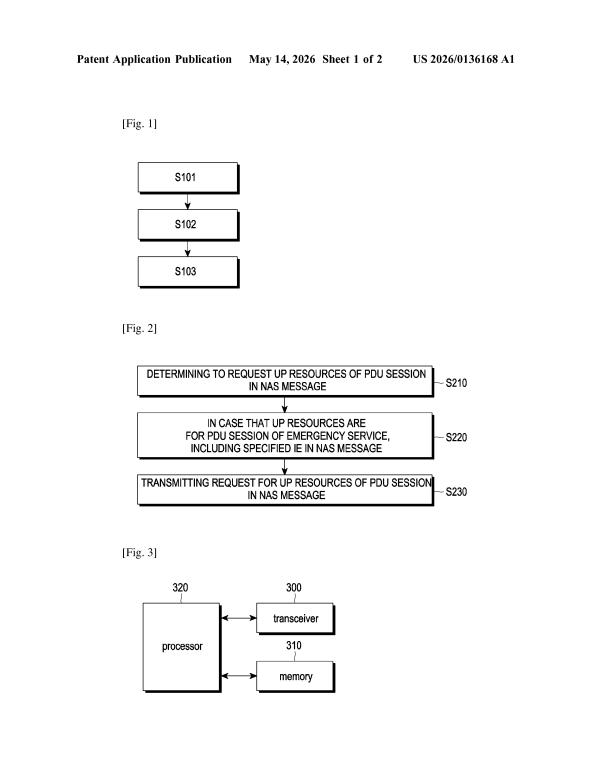
This week's filing focuses on how Samsung wants to handle multiple emergency video streams at once, so they do not overwrite or conflict with each other. The new work points toward Samsung thinking about how its network technology holds up under urgent, real-world pressure.
The filing pace inside Samsung's 5G and network push
The focus areas inside Samsung's 5G and network push
the problems Samsung keeps filing on · each with its three newest filings · new filings join every week
Antenna Design and Placement 11 filings
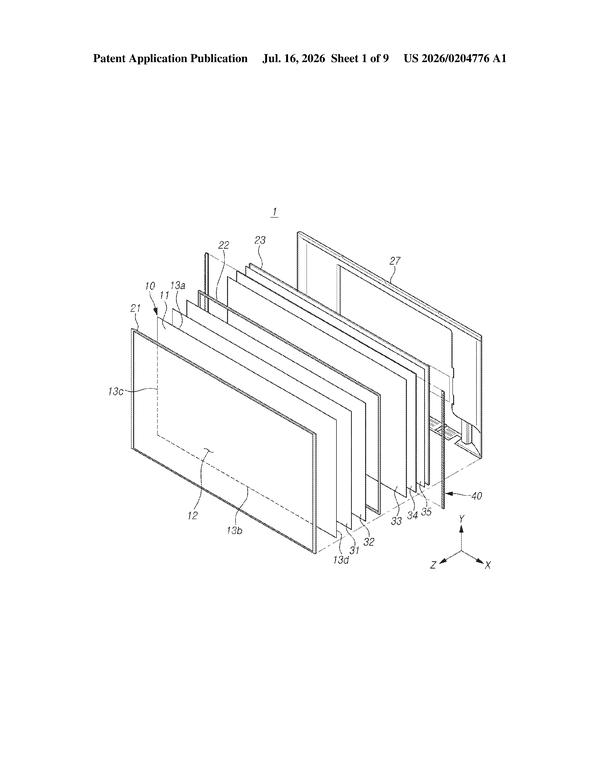
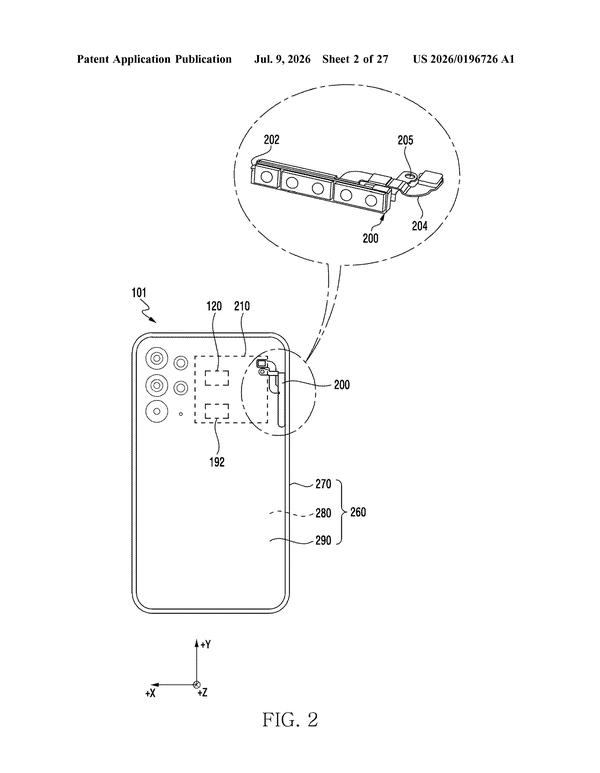
Fitting good antennas into thin, oddly shaped devices is hard. These filings cover antennas built into metal frames, camera rings, watch bands, display screens, and sliding phone bodies.
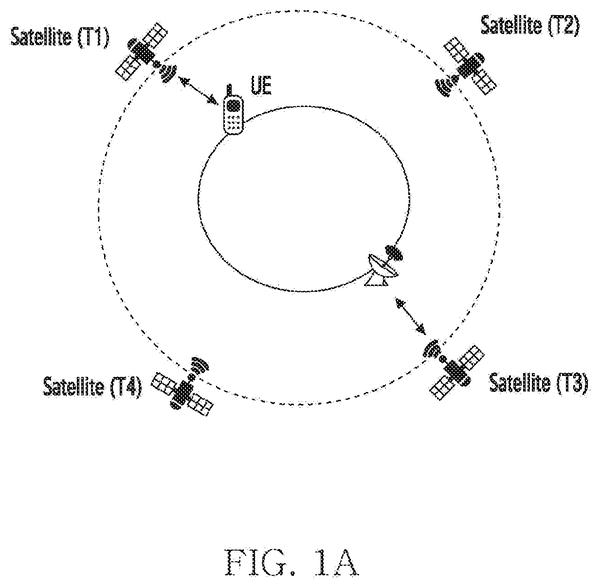
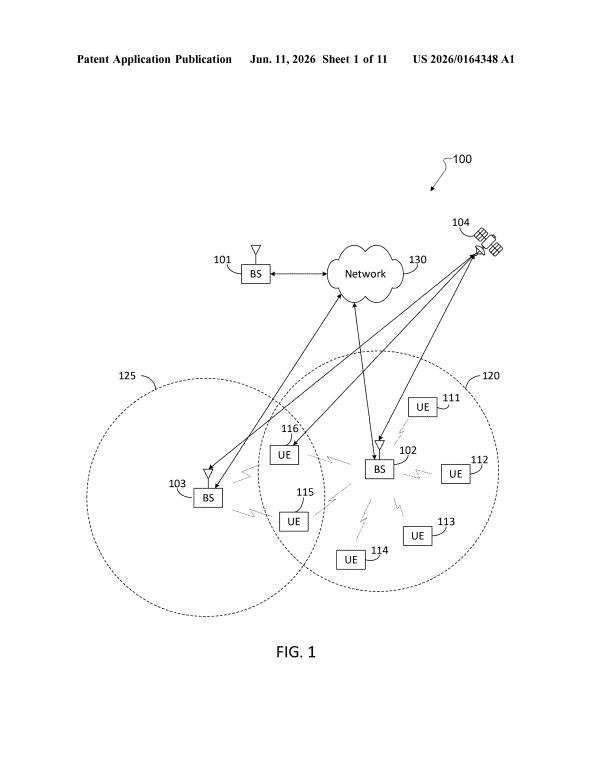
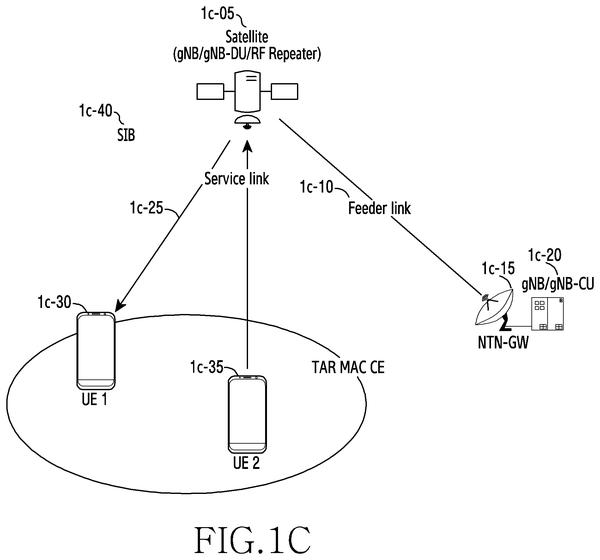
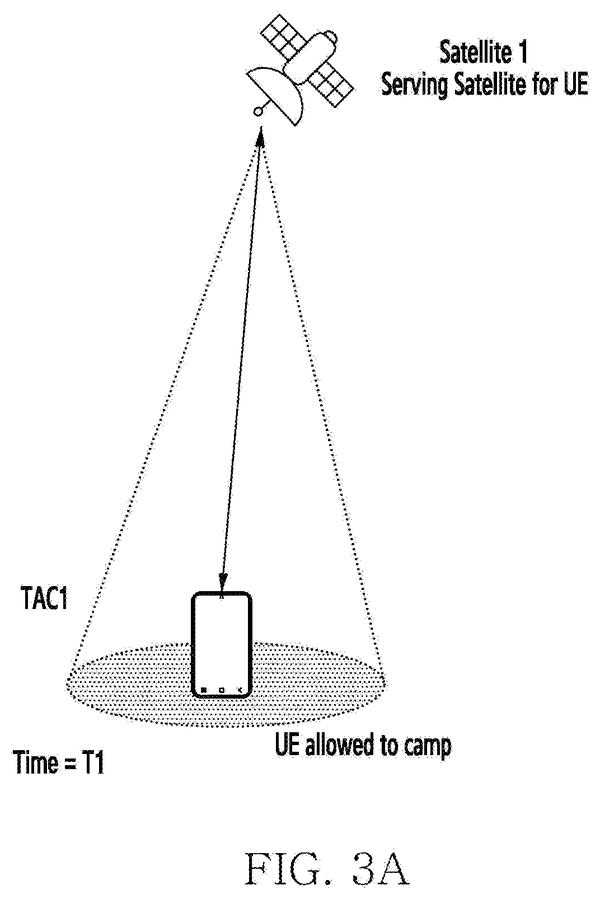
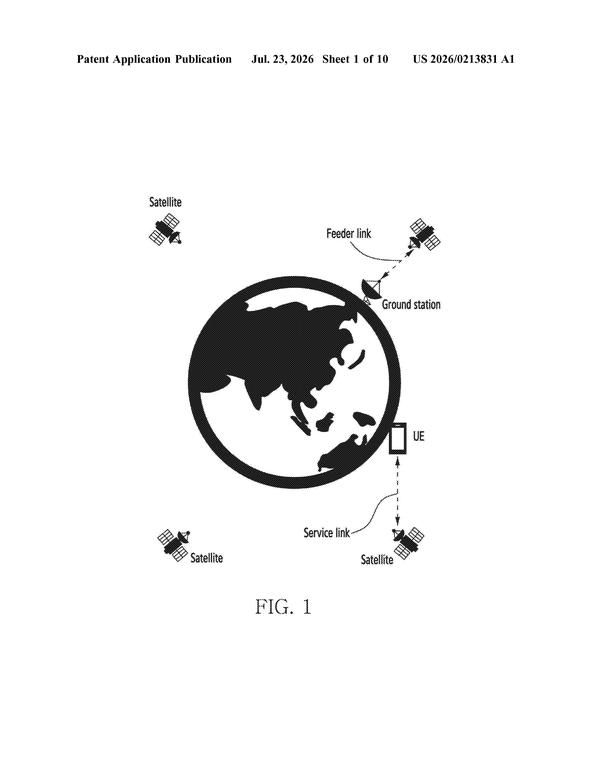
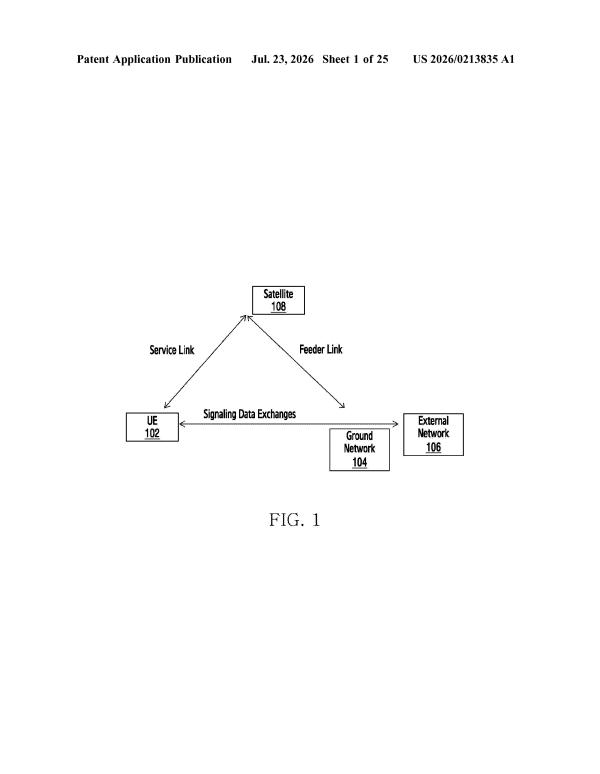
When a phone loses cell service, switching to a satellite connection without dropping anything is a real problem. These filings cover how devices detect that failure, hold messages, and hand off smoothly to satellite links.
Networks and phones both try to sleep when idle, but that can cause messages to get stuck or delayed. These filings cover ways for devices and towers to stay in sync around those sleep windows.
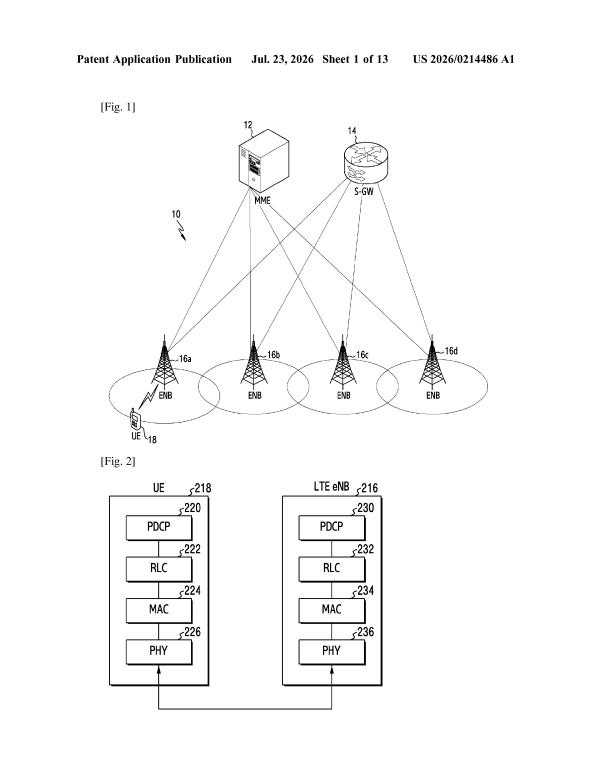
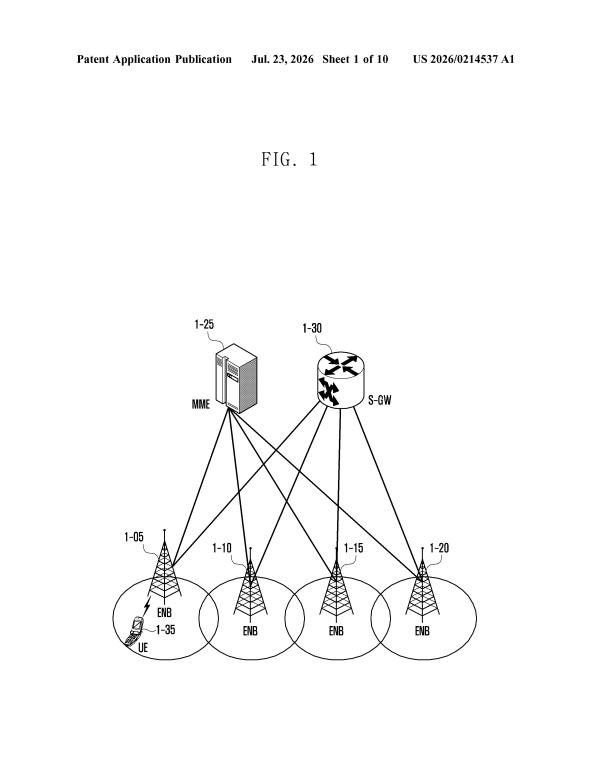
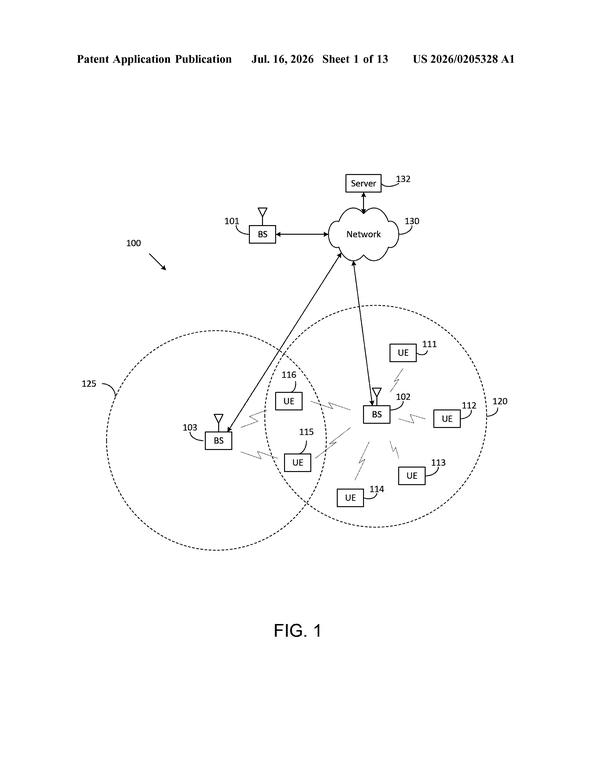
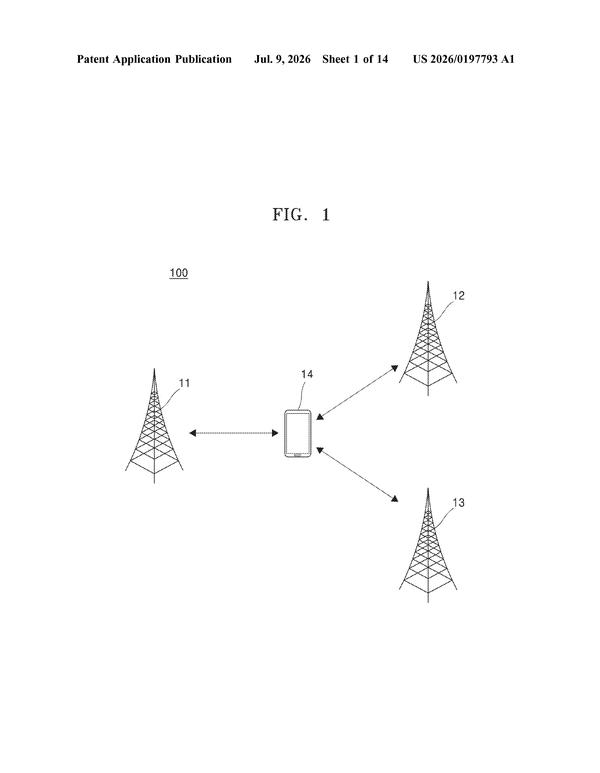
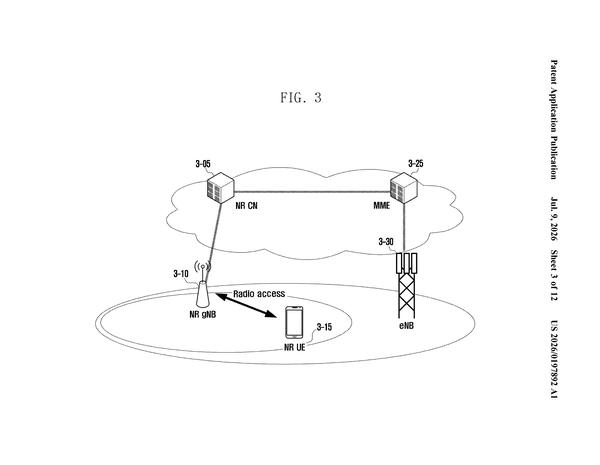
Moving between towers or between 5G and older networks can drop calls or slow data. These filings cover timing fixes, smoother handovers, and ways to log or reduce failures during those switches.
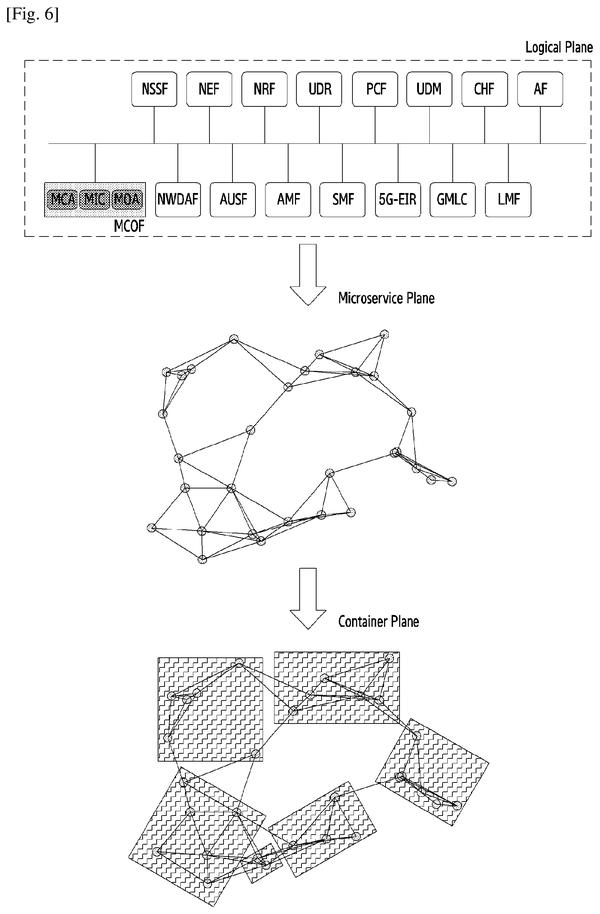
Networks produce messy signals and unpredictable loads that are hard to manage by hand. These filings cover AI tools that predict signal problems, clean up interference, pick the best beam or access point, and reorganise network software under pressure.
Emergency calls and safety data need to get through even when networks are busy or broken. These filings cover dedicated priority channels, smarter emergency session signals, and fixes for conflicts in emergency radio networks.
Splitting transmission between frame and internal trace lets the phone maintain signal even when one path gets blocked by a hand or obstruction, directly addressing the dropped-call problem during typical grip positions.
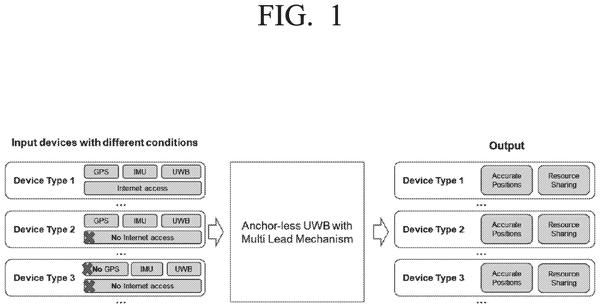
Most location-sharing systems fall apart the moment a device loses its internet connection. Samsung's new patent flips that around by turning any nearby connected phone into a living, breathing GPS anchor.
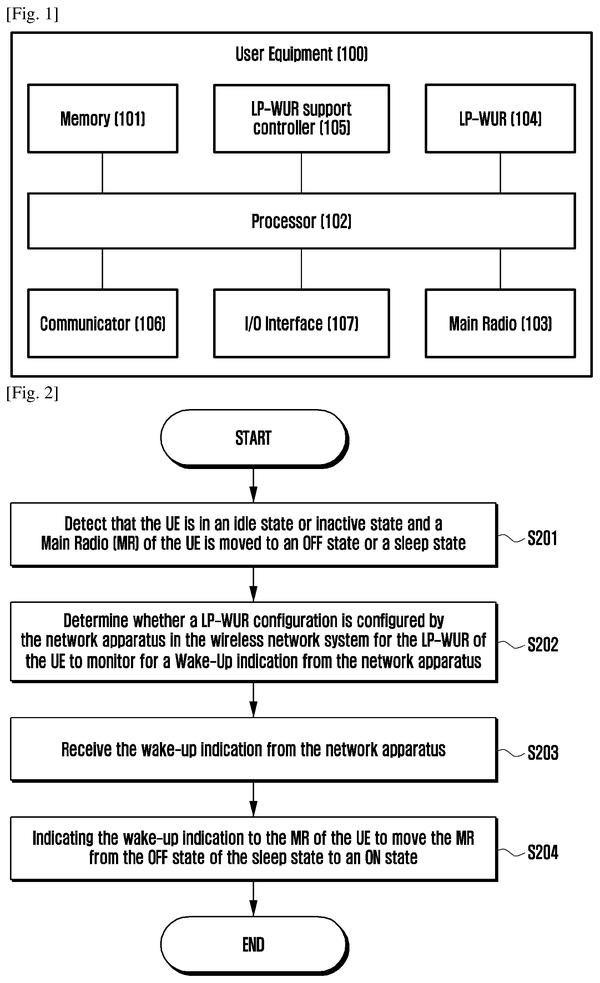
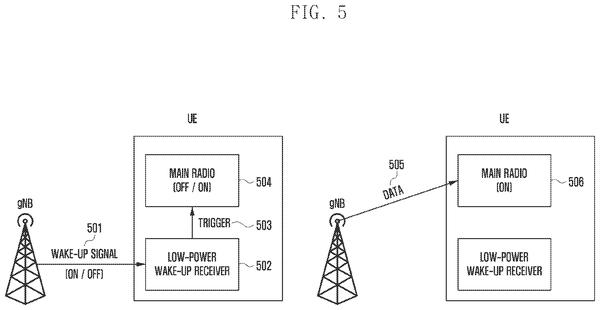
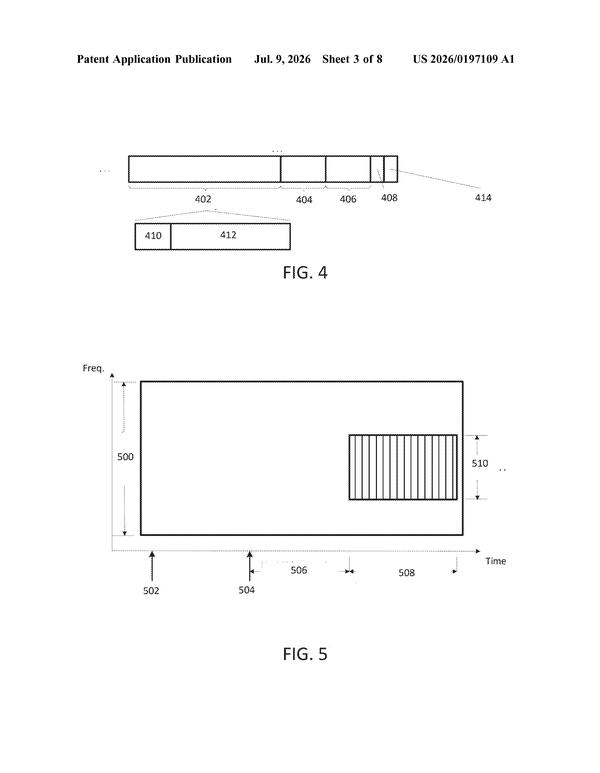
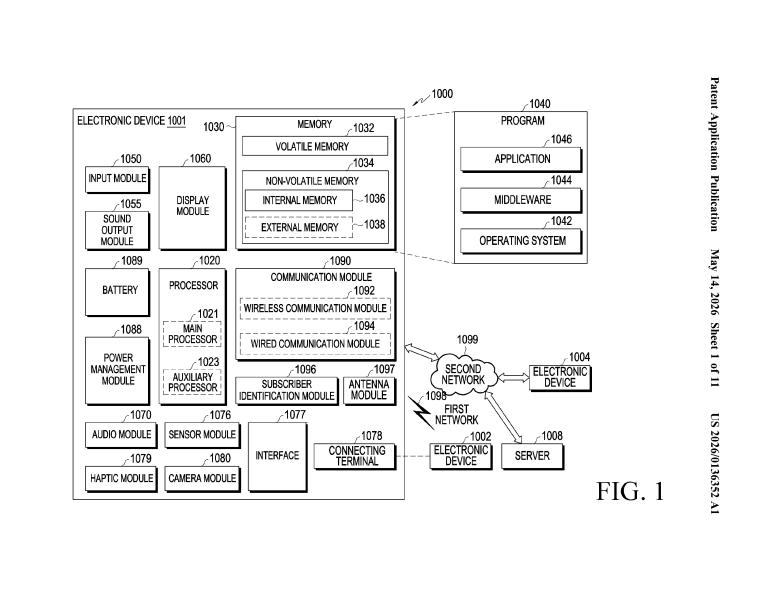
Low-power device scheduling gains a hardware path: a secondary receiver chip that idles instead of the main radio, cutting standby drain while staying responsive to incoming signals.
Faster detection of dead satellite links means less dead air during handoff to terrestrial networks. The patent builds out Samsung's fallback system by solving the timing problem that makes satellite failures harder to spot than tower failures.
Filling the gap when satellite service cuts out: the device queries the network for missed messages on reconnect rather than accepting only new arrivals going forward, preventing the silent loss of communications during coverage breaks.
Samsung's antenna isolation work extends to wearables, where the circuit board itself becomes the obstacle. This patent carves out a non-conductive zone in the board to prevent the same signal blockage that plagues compact devices with metal frames.
Faster signal processing in the wireless chip means 5G handovers and beamforming adjustments could happen with less latency, letting the phone stay locked on the strongest connection during network transitions.
Thermal throttling during dual-connection use risks silent call drops. Samsung's filing proposes ranking which radio to shed first based on user priority, preventing unexpected disconnection.
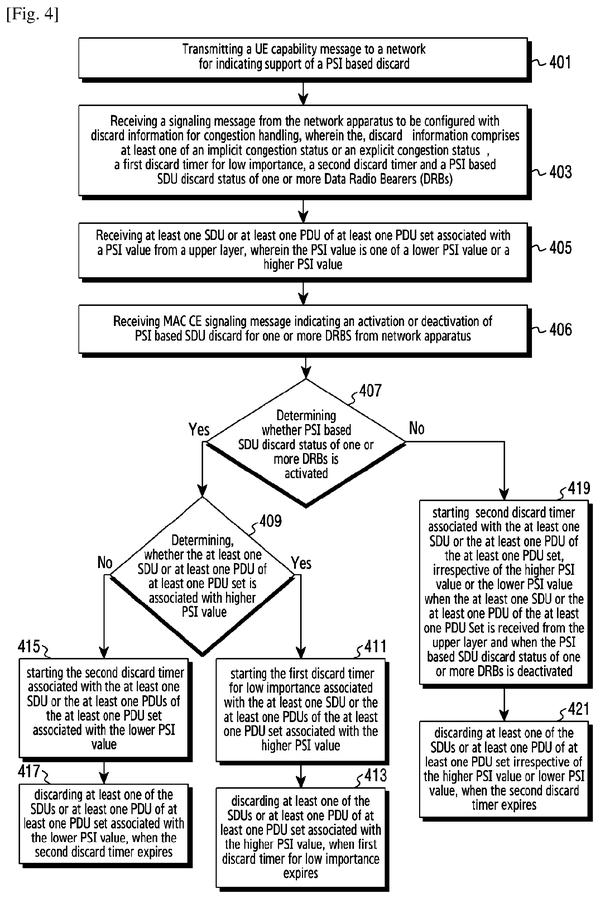
Countdown timers on frame packets let the headset discard late arrivals before rendering, keeping AR visuals in sync with real-world motion during network delays.
Samsung's satellite fallback work now extends to positioning: this filing details how AI models distributed across network nodes could pinpoint devices indoors where GPS fails, filling a real gap in the satellite coverage strategy.
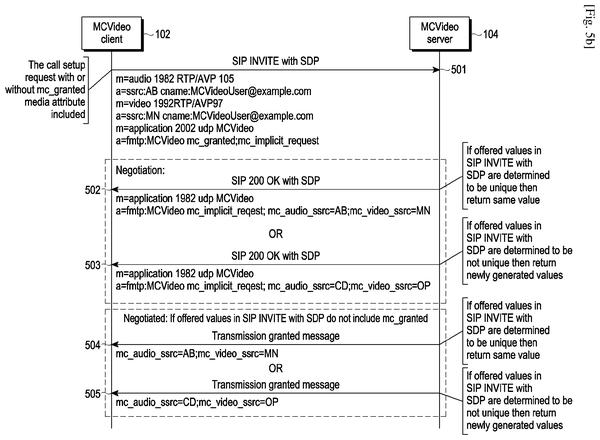
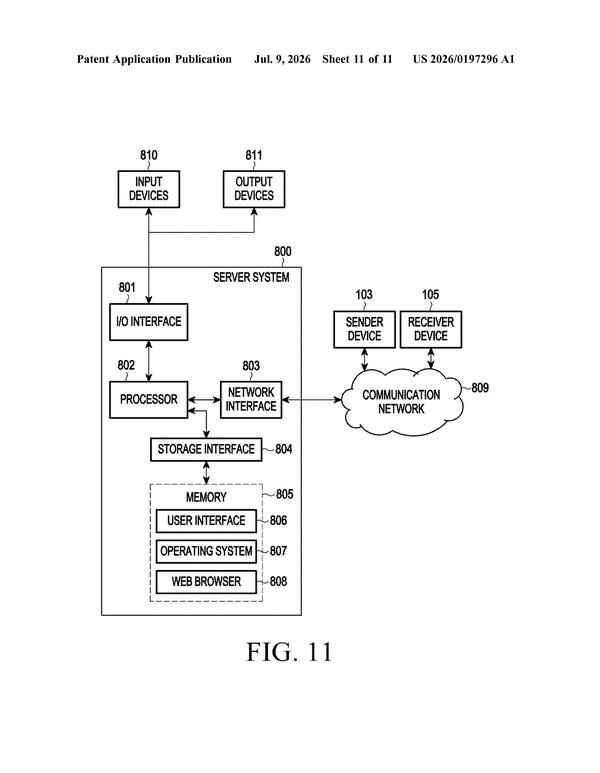
Server-side stream ID assignment prevents collisions when multiple emergency responders join the same call, ensuring each feed stays distinct without relying on devices to avoid picking duplicate numbers.
Satellite handoff rules for low-power devices needed clarification. Samsung's filing specifies the decision logic when NB-IoT sensors shut down and must switch to satellite connectivity.
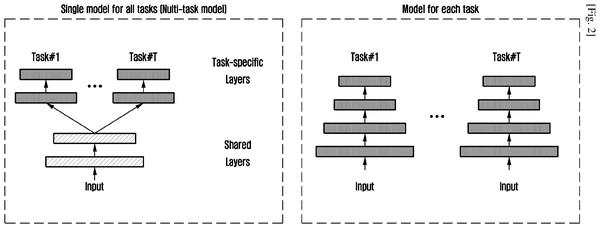
Getting one AI model to learn multiple network tasks in parallel cuts the training overhead that would pile up if Samsung built separate models for traffic prediction, handover management, and routing decisions.
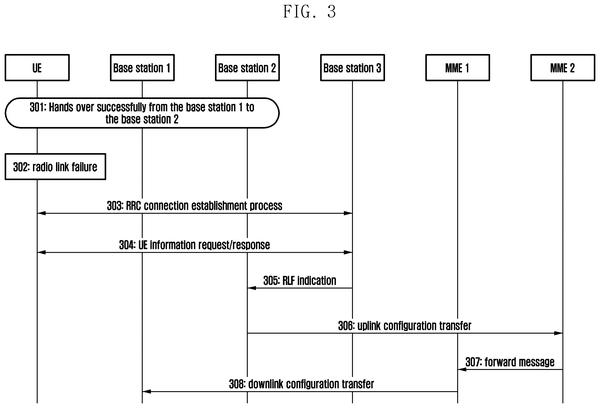
The handover problem deepens: Samsung now wants phones to report why 5G-to-4G switches fail, giving carriers the diagnostic data needed to stop calls from dropping during network transitions.
Buffering satellite responses until ground stations come in range lets devices maintain registration attempts in areas where orbital geometry creates gaps between satellite coverage and ground infrastructure access.
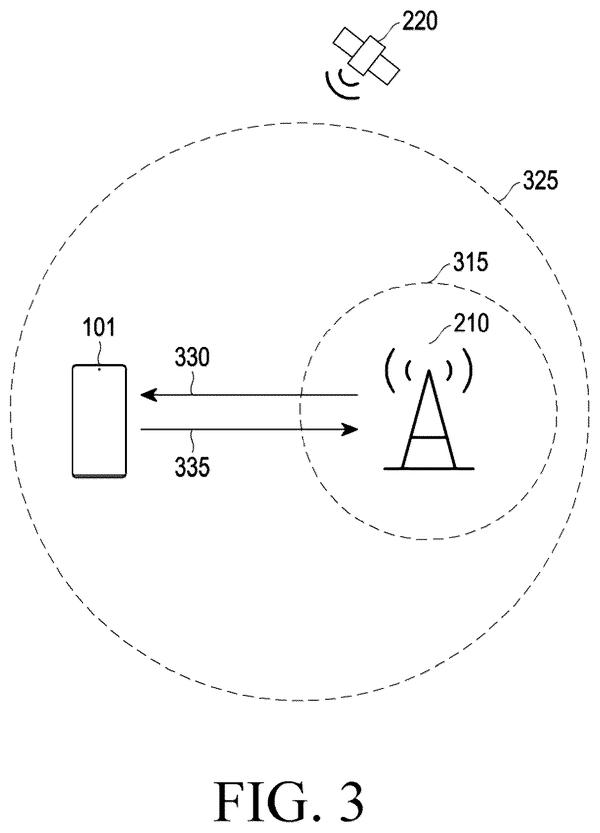
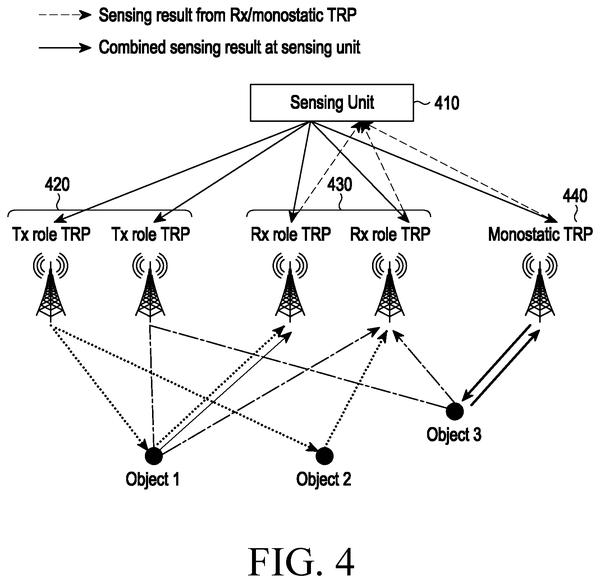
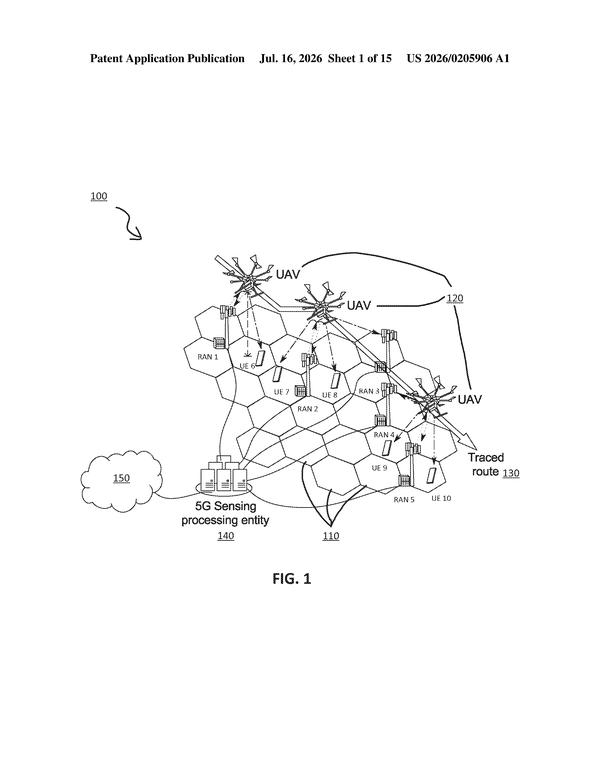
Repurposing existing 5G tower infrastructure as radar sensors lets Samsung detect moving objects without separate hardware, filling a coverage gap where satellite fallback and ground networks alone leave blind spots.
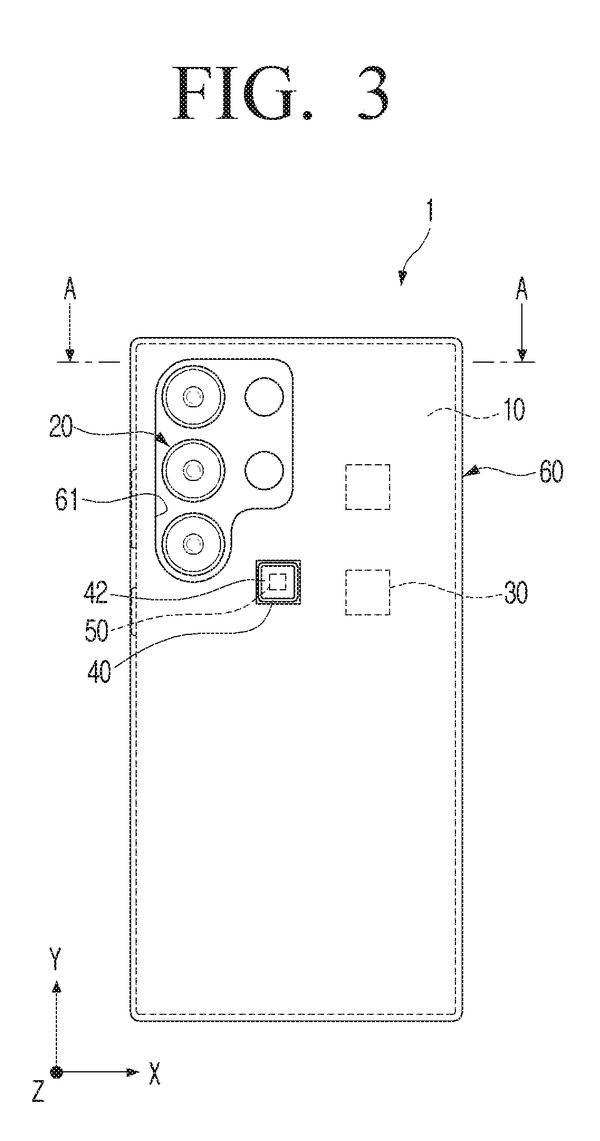
Within Samsung's broader 5G push, external antenna placement solves a mechanical problem: hand grip blocking internal antennas during video calls and data transfer, a real friction point in real-world 5G speeds.
Samsung's low-power device scheduling work now extends to video quality management: the network can shed less critical frames under congestion rather than dropping the connection entirely, keeping AR/VR streams viable when bandwidth tightens.
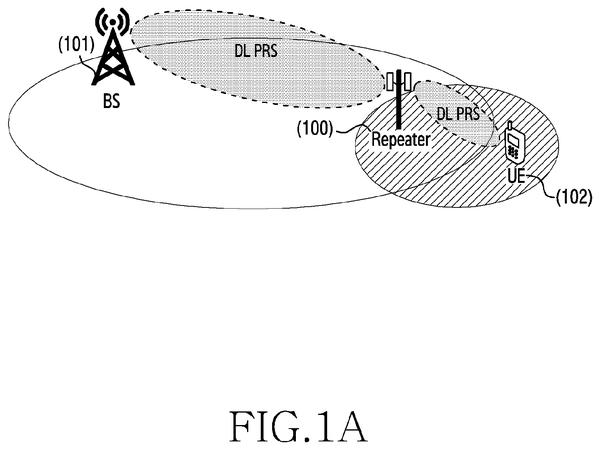
Repeaters introduce delay that corrupts location fixes, so this filing adds compensation logic to strip out the extra latency each amplification stage introduces, keeping position estimates sharp even in repeater-heavy coverage zones.
The dual connectivity work gains a feedback loop: phones now report measurements from both connections so network AI can optimize handover and load decisions in real time.
The low-power device scheduling angle gains a processing option: AI-based signal cleanup at the chip level reduces the compute burden on the device itself, letting modems stay efficient without offloading work to network infrastructure.
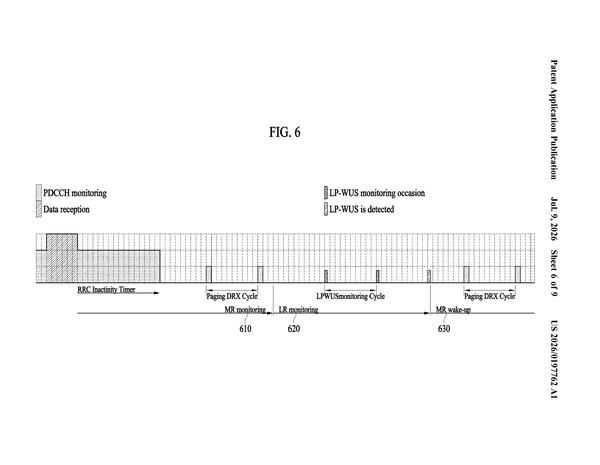
Synchronizing wake-up timing between the always-on receiver and main radio cuts the lag that drains battery during the handoff from low-power listen mode to active message reception.
Samsung's low-power device scheduling work now includes a mechanism for phones to time data requests around tower sleep cycles, avoiding forced wake-ups that drain network resources.
The satellite fallback story so far focused on keeping data flowing during dead zones. This filing adds the handoff problem: apps need to know when devices switch back from satellite to cellular so they can resume real-time operations.
Staggering when multiple devices report location changes prevents the signaling pile-ups that occur during dense handover events, a bottleneck Samsung identifies as critical for maintaining network stability as device density increases.
Samsung's network resilience work now extends to automatic load-balancing when hardware fails or saturates, removing the manual intervention step that currently requires engineer oversight.
Message buffering at the satellite layer solves the timing mismatch between device availability and orbital windows, letting remote handsets send data during brief passes without waiting for continuous line-of-sight.
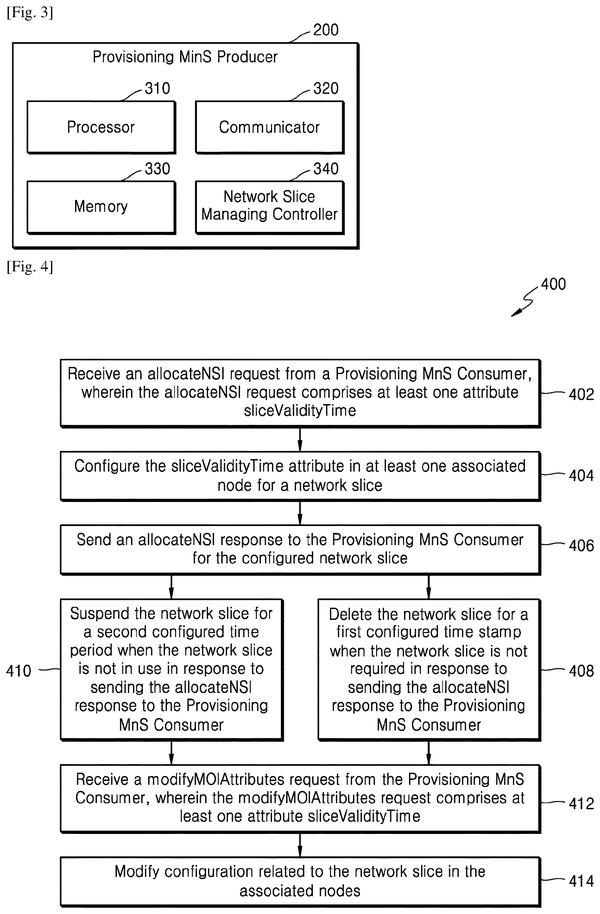
The low-power device scheduling work gains a resource-management counterpart: Samsung now covers not just when devices sleep, but when entire network slices themselves can go dormant, cutting waste on the carrier side.
Authenticating cell towers via cryptographic verification closes a gap in 5G handover security, ensuring devices connect only to legitimate infrastructure rather than relying solely on signal strength.
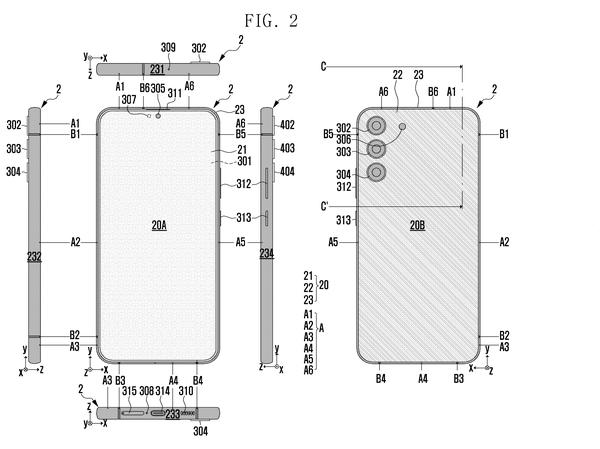
Antenna space competition shrinks when the metal frame itself becomes the radiator, freeing internal volume for other components in compact handset designs.
Preventing router bounce and late handovers requires predicting signal strength across space. Samsung's dual-model approach separates the decision to switch from choosing which router, reducing the thrashing that plagues current devices.
Continuous tracking of moving objects across coverage zones requires towers to share real-time location data during handoffs, filling a gap that current networks leave open when objects move between cells.
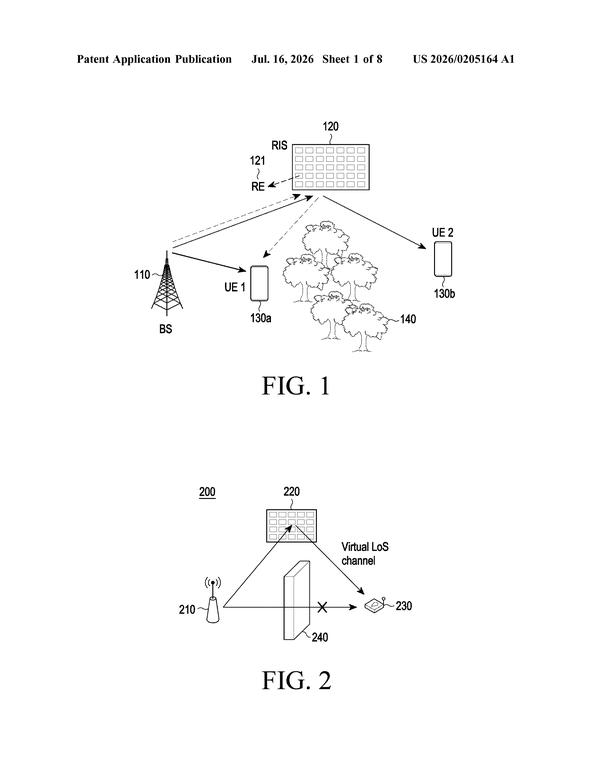
Routing signals around obstacles without new infrastructure requires controlling where each panel bounces the beam. Samsung's method dynamically adjusts panel elements based on real-time channel measurements.
Measuring signal quality drains battery on low-power devices. Samsung's AI approach strips unnecessary computation from the neural network layer, cutting the energy cost of constant channel estimation without sacrificing accuracy.
Fitting dual antennas into confined display spaces without added thickness requires novel board geometries. Samsung's T-shaped substrate design places both antennas along a single flat component, enabling the integrated wireless screens the roadmap envisions.
Samsung's dead-zone logging fits the handover story by making failed tower connections visible to the network. Better failure data lets carriers identify which handoff points actually need fixing, not just guess based on dropped calls.
Within Samsung's handover work, this filing shifts control to the device itself, letting phones initiate cell switches without waiting for network permission and cutting the lag that video calls currently suffer.
The handover work so far assumed network infrastructure makes tower-selection calls. This filing shifts that logic to the device itself, letting phones predict which tower will sustain a call rather than react after connection fails.
The broadcast efficiency work confirms Samsung's focus on the foundational plumbing: networks need standardized packet sizing before multicast can scale beyond controlled labs to real stadiums of concurrent users.
A centralized ID-assignment server prevents stream collisions in push-to-talk networks by issuing unique identifiers before transmission, keeping simultaneous audio and video feeds from being mixed up or dropped at the receiver.
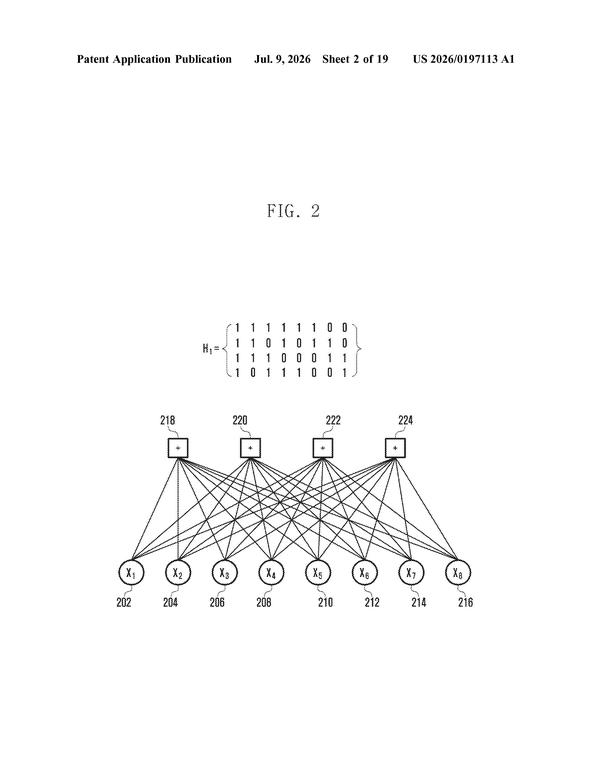
Structuring check bits with nested codes rather than flat ones lets receivers correct burst errors in real time, keeping 5G handovers and low-power device links from stalling on corrupted packets.
A radio chip that autonomously enters low-power receive states directly extends Samsung's low-power device scheduling work, shifting the power burden from software decisions to hardware-level sensing of network conditions.
Samsung's antenna stacking solves a physical constraint on the beamforming path: routing three frequency bands through one chip without multiplying the board space needed for simultaneous multi-band transmission.
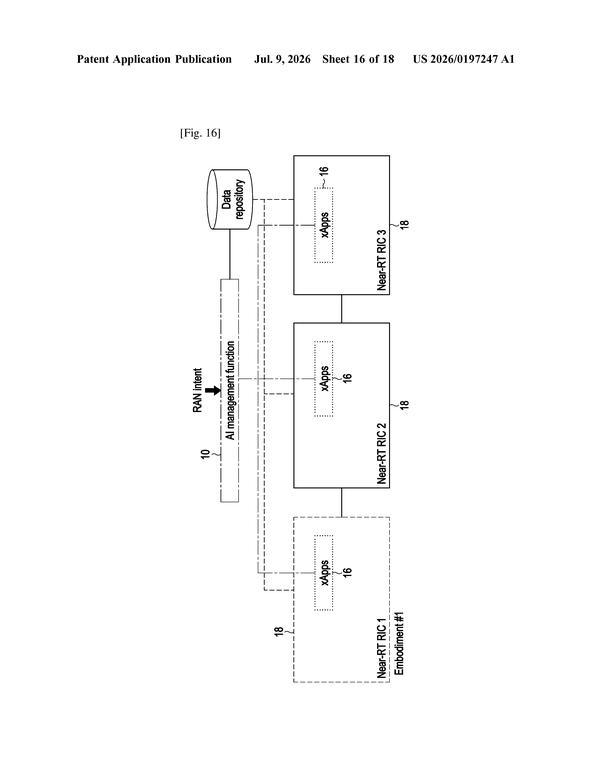
A distributed AI governance layer that syncs decision-making across network nodes prevents conflicting optimization calls that degrade throughput, filling a coordination gap Samsung's other filings address through hardware and signaling alone.
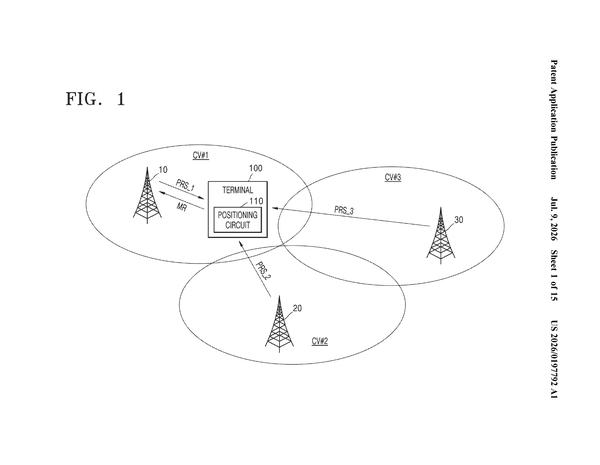
Samsung's indoor positioning work now zeros in on synchronization gaps between towers, a prerequisite for accurate trilateration when GPS is unavailable in buildings or underground spaces.
Preserving VPN sessions across network switches addresses the handover problem from a different angle: keeping application-layer connections stable when the underlying network changes, rather than optimizing the radio transition itself.
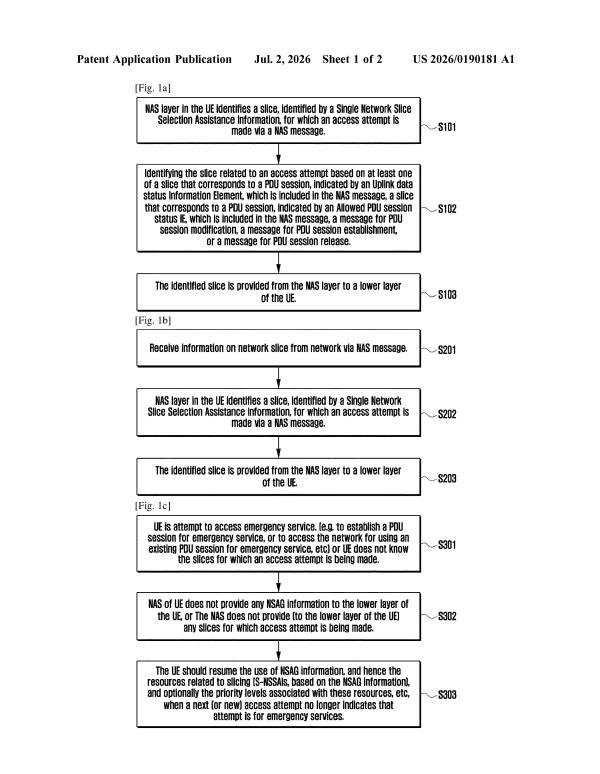
Reserving dedicated network slices for emergency calls requires the phone's registration layer to signal slice selection to the radio hardware before connection, a sequencing problem Samsung solves by embedding emergency context into the handshake itself.
Samsung's low-power device scheduling work now includes a feedback loop where phones signal their battery state to base stations, enabling towers to reduce transmission power rather than waiting for connection drops to trigger fallback.
Carving satellite receive capability into the phone's existing metal frame eliminates the need for a separate antenna module, addressing how to fit fallback connectivity into devices already constrained by size and thermal limits.
Automatic switching between cell and satellite networks eliminates the gap where phones currently lose service during handoff. The patent maps out how devices detect coverage edges and execute the transition without user intervention.
Phones could connect to 5G through narrow frequency gaps that today's networks ignore, multiplying available spectrum without waiting for new standards to catch up.
The plumbing needs acknowledgment signals that don't waste airtime on every packet. Samsung's filing shrinks the confirmation overhead so 5G networks spend less cycles on bookkeeping and more on actual data flow.
Phones with sliding screens need antennas that work at any extension length. Samsung's design cuts a slit in the rear housing and uses the frame itself as the radiating element, so signal stays stable whether the screen is in or out.
The 5G pipeline extends to wearables: by embedding antennas into watch frames rather than adding separate components, Samsung shrinks the radio hardware that smaller devices need to stay connected across its network infrastructure.
Keeping transmit power within legal SAR limits usually means cutting signal strength, risking dropped calls, Samsung's system adjusts power dynamically based on where your body is relative to the antenna.
Segmenting the metal frame into separate antenna sections requires plastic insulators that can either degrade performance or occupy precious space. Samsung's design optimizes how those dividers sit within the frame geometry itself.
A flexible circuit board that wraps around the camera module lets Samsung fit antenna conductors into spaces that would otherwise stay empty, preserving design room as camera sensors grow larger.
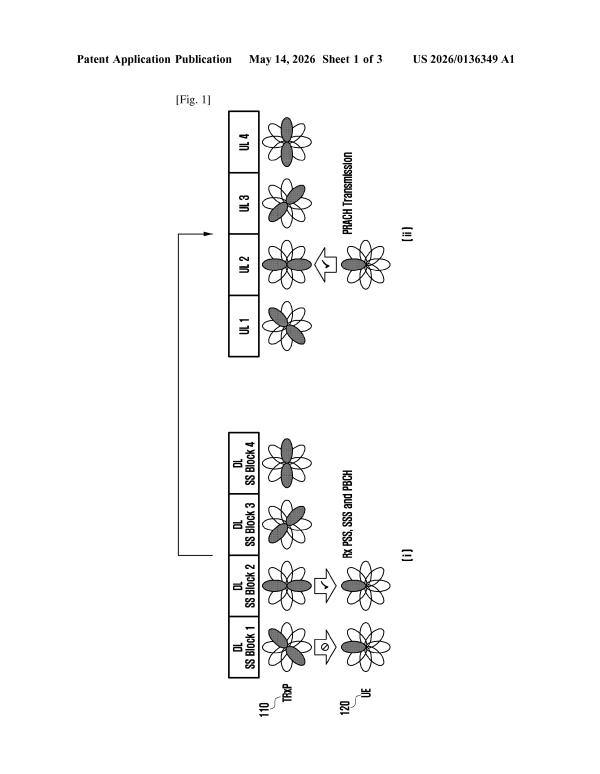
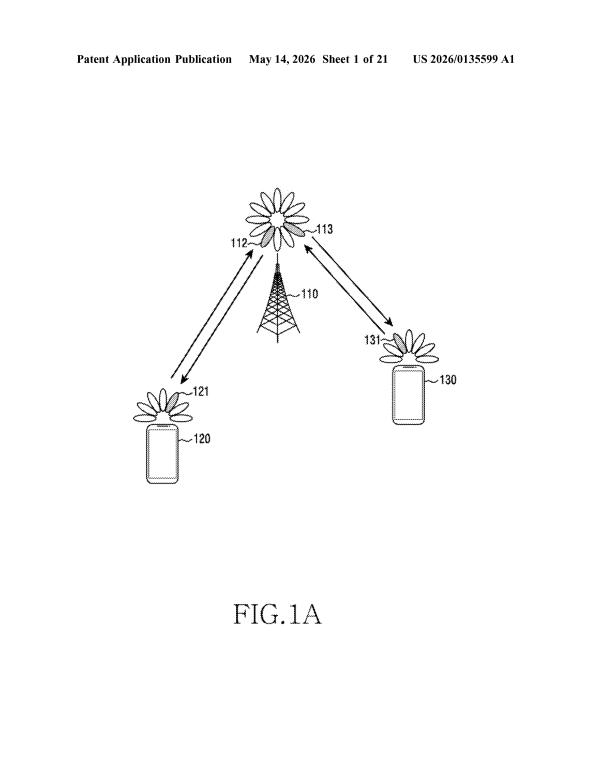
Networks today pick beams through slow fixed rules; this filing brings machine learning to predict user movement and switch beams faster, cutting the lag that causes stadium dropouts.
Predictive handoff to satellite uses signal degradation warnings as a trigger, letting phones prep for connection loss rather than react after it happens.
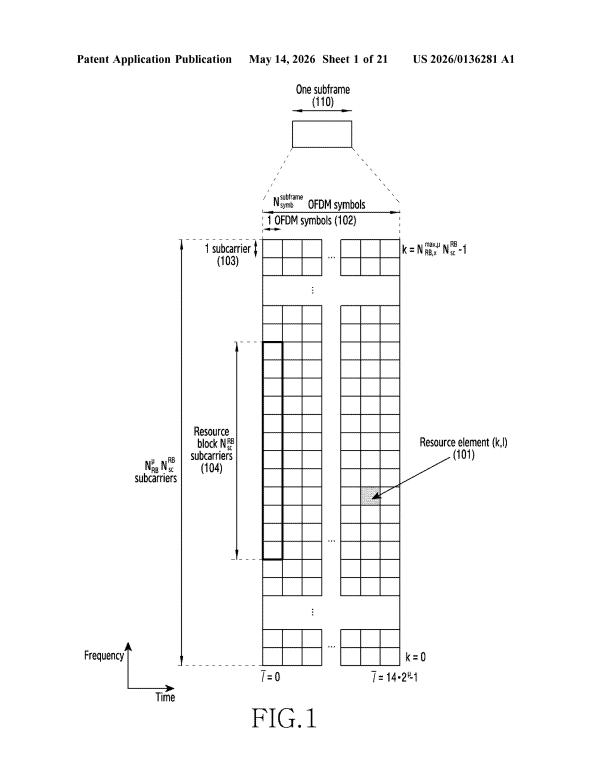
Phones and sensors on the same network need different power budgets. This filing shows how a base station can slice up transmission windows finely enough to let battery-constrained devices coexist with bandwidth-hungry ones.
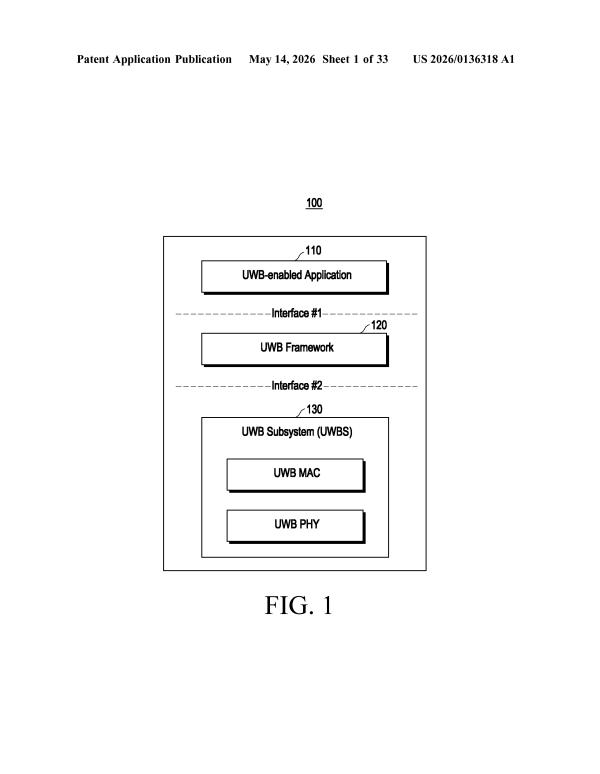
The 5G backbone needs indoor positioning to work reliably at short range, and UWB fills that gap, but only if sessions survive when you move between devices, which this patent solves through automated handoff logic.
Simultaneous upload and download on one frequency requires splitting the band into send and receive slices, this filing details how to schedule which data goes where without collision.
The 5G plumbing needs devices to find each other efficiently. Samsung's filing proposes a scheduled discovery method that reduces the collision and delay problems that slow down initial connections in dense network environments.
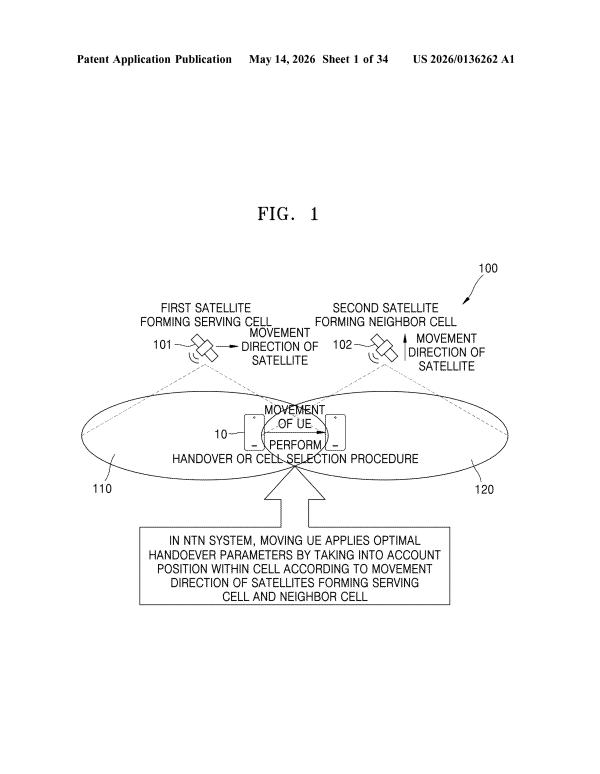
Predicting satellite position and velocity lets devices initiate handovers before the current satellite passes overhead, preventing the connection drops that plague moving orbital networks.
Splitting network traffic into finer priority buckets lets phones run multiple demanding tasks simultaneously without one starving the other, a constraint that grows sharper as 5G and 6G apps layer more concurrent streams into single connections.
A phone in a restricted coverage zone can now signal the network to open a data path specifically for emergency calls, bypassing the usual access blocks that normally apply to that region.
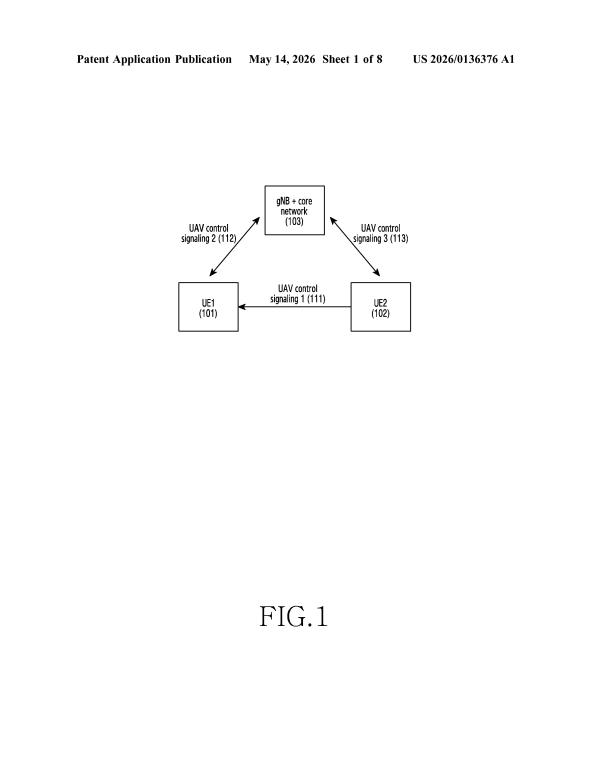
Direct device-to-device radio links over 5G sidechannels let drones stay connected to controllers without routing through network infrastructure, critical for remote operation in areas where cell coverage gaps or latency matter.
Phones switching towers during video calls today lose sync for milliseconds. This filing sharpens when and how devices lock onto new cells, reducing those dead spots in handoff.
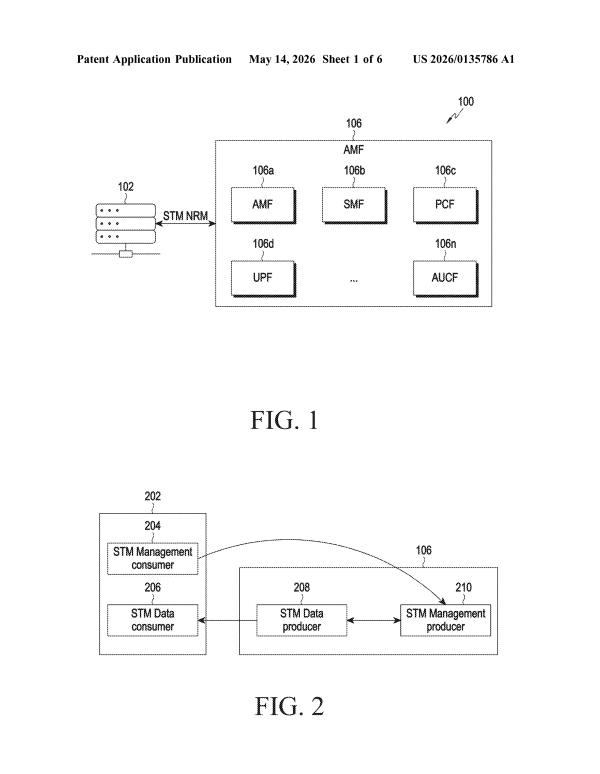
Operators gain real-time visibility into signaling congestion without deploying permanent monitoring infrastructure across the network, letting them pinpoint bottlenecks faster when 5G traffic patterns shift.
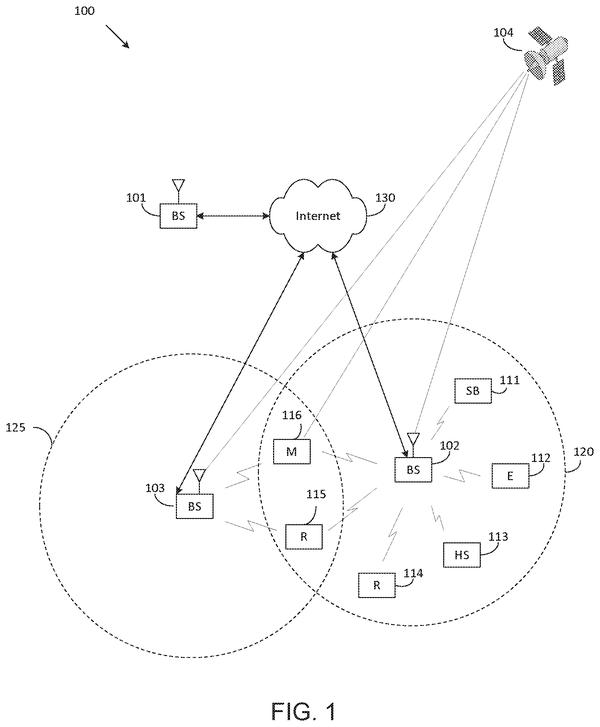
The split architecture of modern base stations creates a data bottleneck between the processing brain and the radio hands. This filing shows Samsung working to shrink that bottleneck by moving signal-shaping work closer to the antenna.
Questions readers ask
What is Samsung's 5G and 6G patent tracker actually about?
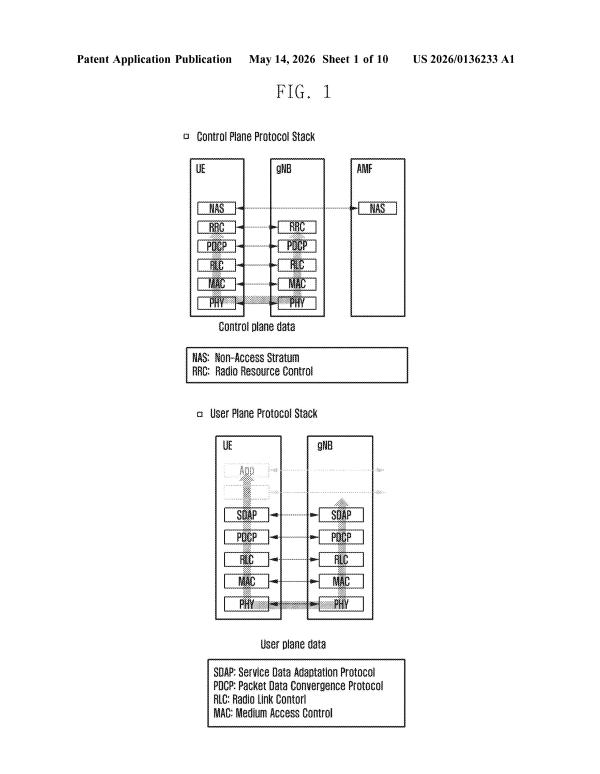
It follows Samsung's patent filings that deal with how phones stay connected, including handovers between cell towers and satellites, emergency call signaling, and beamforming. The filings show research direction, not confirmed products, since patents can sit unused for years.
Does this mean Samsung phones will use satellites soon?
The filings show Samsung researching satellite handover and fallback systems for when cell service fails, which suggests real engineering interest. A patent filing is not a launch announcement, so timing and whether it ships at all remain open questions.
Why do so many of these patents mention handovers?
Handovers, whether between cell towers, satellites, or paired devices, are where connections are most likely to drop or stutter. Samsung's filings repeatedly target that moment, suggesting it sees smoother handovers as a core problem for 5G and 6G networks.
Are these patents specific to one Samsung product?
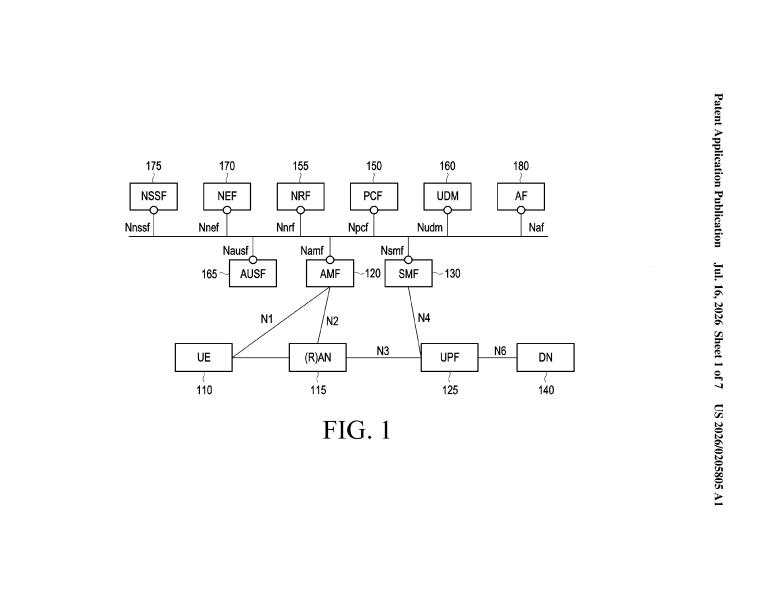
No, the filings read as network and device-level infrastructure work rather than features tied to one phone or chip. They cover base stations, fronthaul radio units, and device-side scheduling, which points to broad network plumbing rather than a single product.
Want this weekly breakdown for a company we don't cover?
Patentlyze Pro →
The weekly email: the best of Big Tech's filings, in plain English. Free.