Apple, Meta, and Google Patents for Body-Sensing Wearables, and where they point
This watchlist tracks patent filings on sleep tracking, breathing sensors, heart rate accuracy during motion, muscle-signal wristbands, and hand or head gesture controls from Apple, Meta, and Google. Together they show three companies building wearables that sense your state without taps, buttons, or manual logging.
based on all tracked filings in this watchlist · refreshes every week
These filings are all fighting over the same prize: making body-worn devices read your muscles, heart, blood, and movement accurately enough to be useful in real life.
Samsung and Meta are filing the most ground here, with Samsung pushing sensor accuracy across rings, earbuds, and watches, while Meta is almost entirely locked onto wrist-worn muscle-reading technology.
What’s new in Wearables that read your body
a dated entry each week this watchlist moves · older entries stay archived
Sep 17, 2026 2 filings joined
This week adds two filings: one from Sony on a screen that grows when you turn your wrist, one from Google on reading blood pressure through a fingertip. Both point to bodies as the new control surface.
This week's filing shows Google working on heart-rate sensors that adjust based on a person's skin tone. The focus is on making body-reading wearables work more accurately for more people.
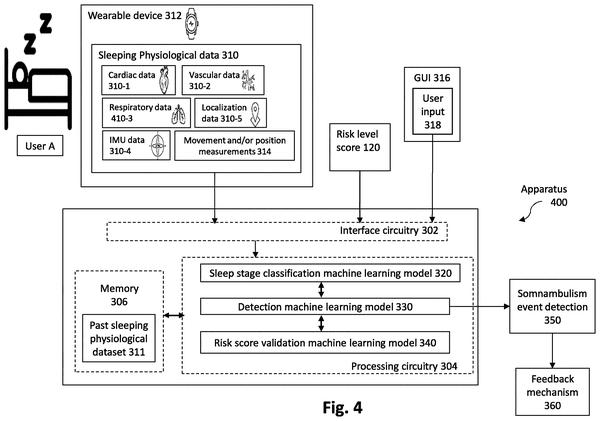
This week's filing comes from Sony, which is exploring a way to detect signs of sleepwalking before a person even gets out of bed. The focus is on reading body signals during sleep to catch a problem early.
Samsung leads this week with three filings covering how a device knows you're wearing it, keeps sensors accurate, and lets its screen check your health. Sony and IBM each added one filing, covering cleaner body signals and brain-to-search connections.
Aug 20, 2026 3 filings joined
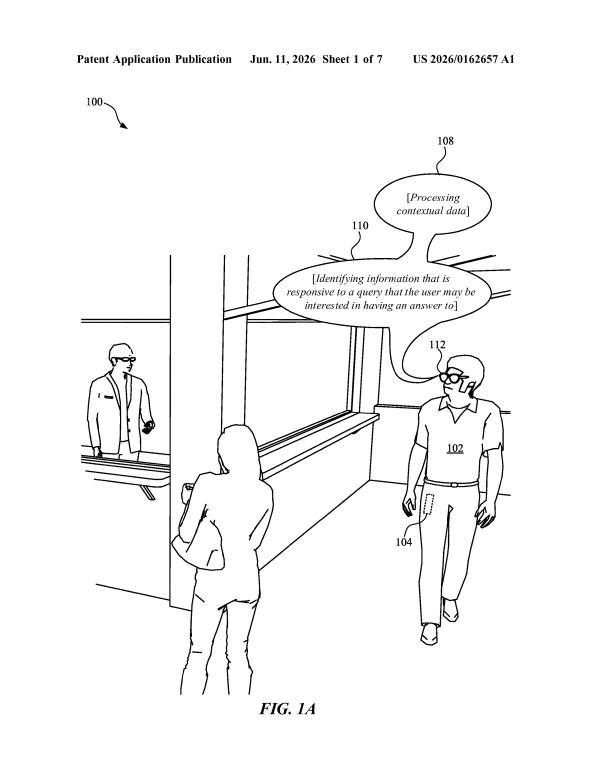
All three new filings are from Google, and they all point in the same direction: using cameras, earbuds, and screen images to read what your body is doing. The focus this week is on pulling health signals from everyday devices people already wear or look at, rather than dedicated medical tools.
Who’s filing patents in Wearables that read your body
counts from tracked filings · focus read from each company’s own filings
The battlegrounds inside Wearables that read your body
the fights inside the fight · each with its three newest filings · new filings join every week
Muscle Signals As Controls 11 filings
Meta 9, Google 1, Sony 1
Several companies are filing patents that read electrical signals from your muscles to let you control devices without touching them. Meta is the most active here, with Google and Sony also exploring how arm and finger movements could replace buttons.
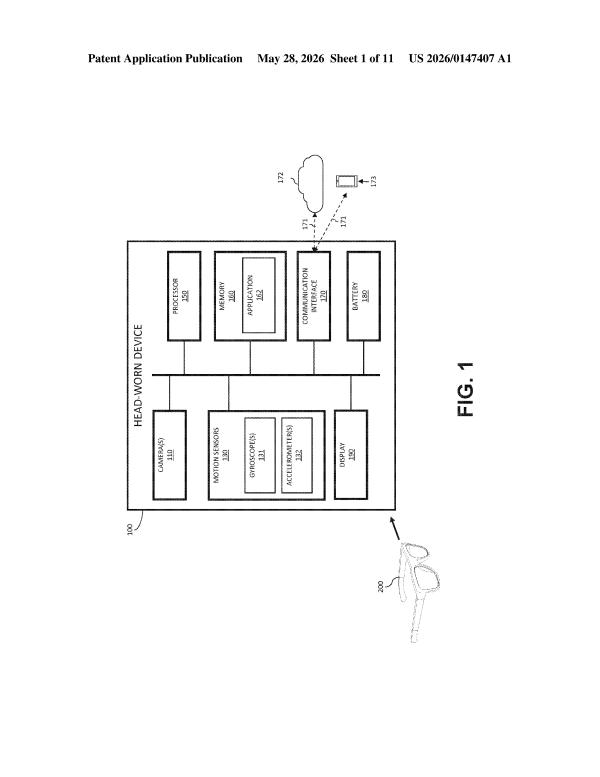
A cluster of patents tackles the basic problem that a ring or wristband moves around and gives bad readings. Samsung and Meta are both filing ways to detect how a device is sitting on your body and correct for it.
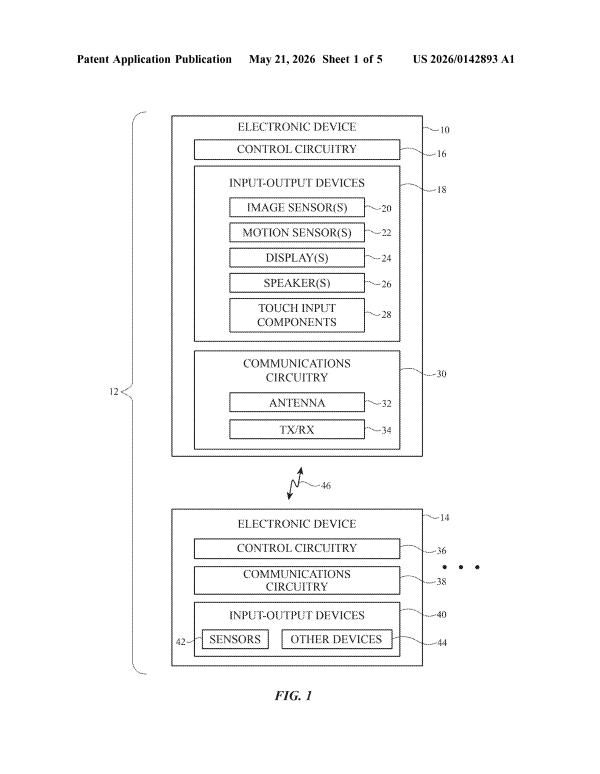
Getting clean heart rate and blood data from skin is hard, and Samsung, Meta, Google, and Apple are all filing patents that attack the problem from different angles, from filtering out noise to checking readings in two steps.
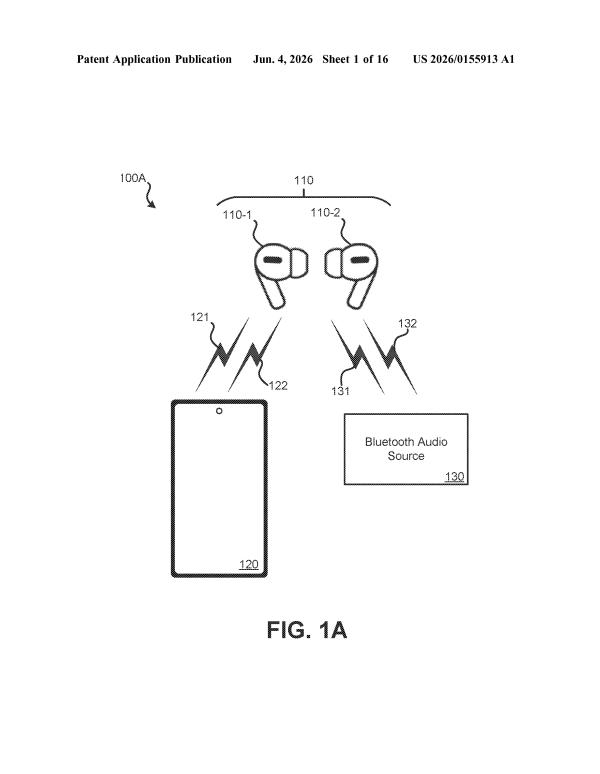
Google, Apple, and Samsung are filing patents that turn earbuds into body sensors, detecting whether they are in your ear, reading your temperature, or picking up on your gestures.
Apple is filing patents focused on how health information gets organized, shared across devices, and delivered to users in a way that is actually useful.
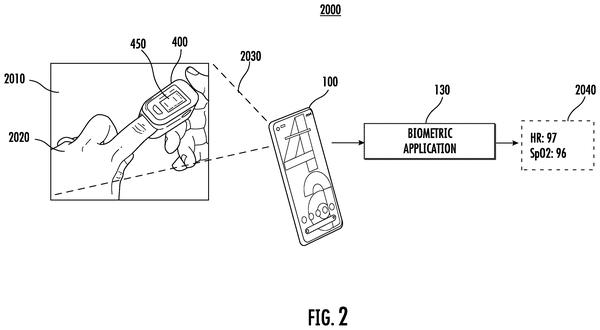
Blood pressure measurement has been missing from the wearables roster; this filing shows Google moving to embed the sensing hardware directly into device surfaces rather than requiring a separate tool or sustained contact.
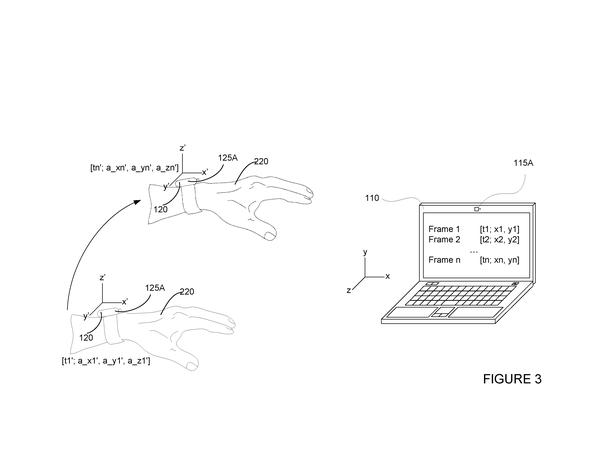
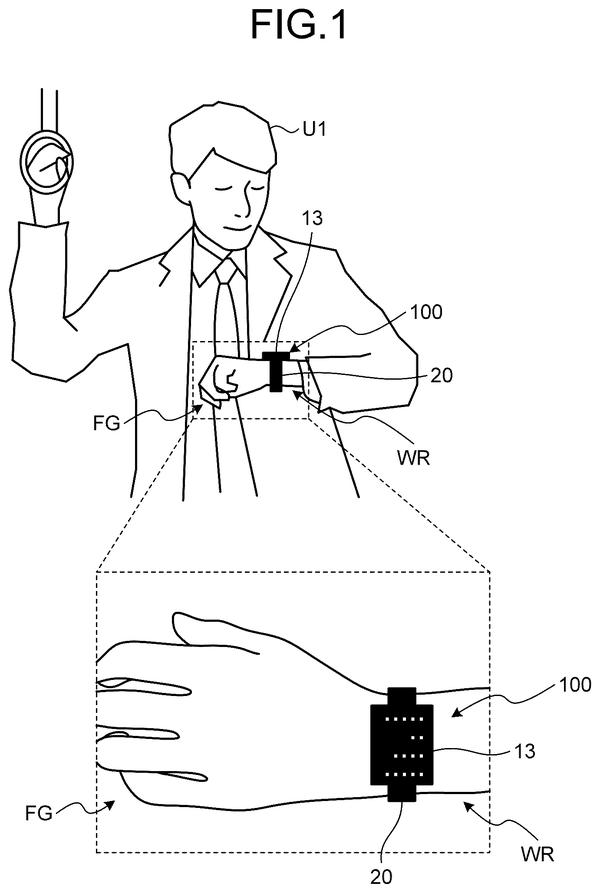
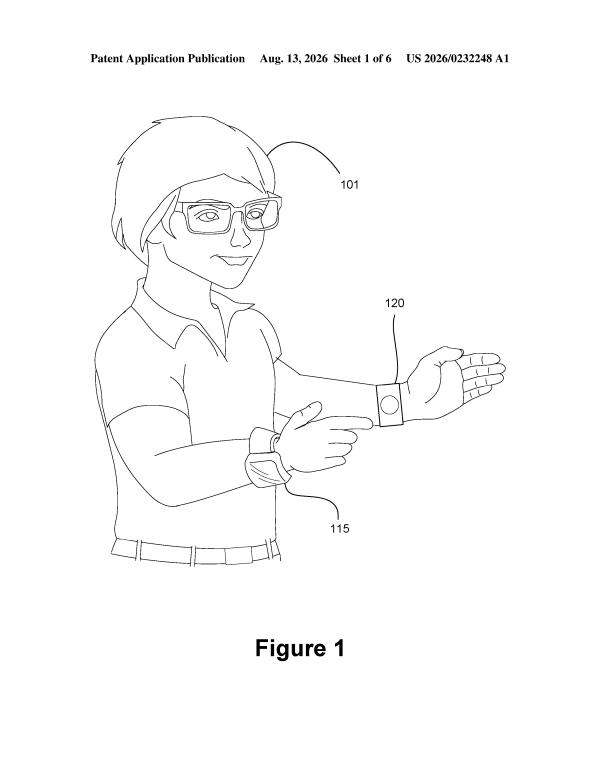
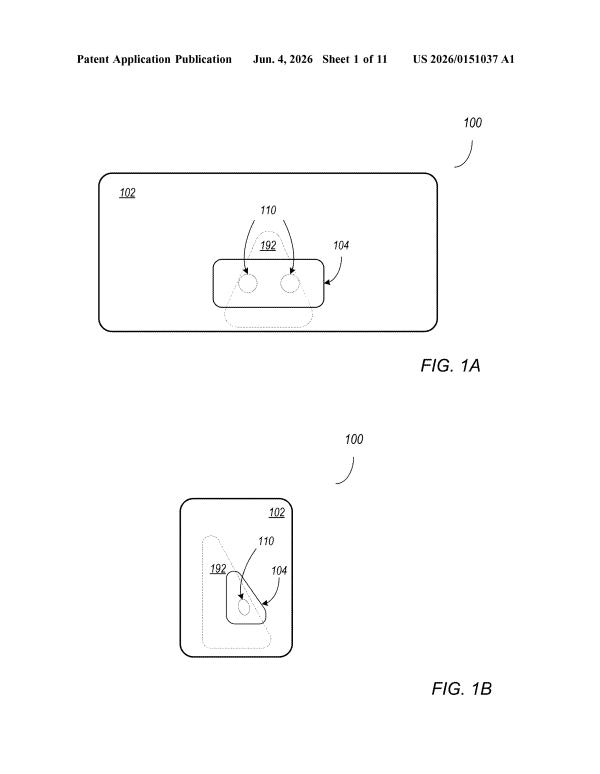
Among the group's gesture-control approaches, Sony's method pairs finger position with wrist rotation to dynamically resize screen content, letting users expand displays without lifting or repositioning their wrist.
Heart-rate accuracy during motion depends on optical sensors that work differently across skin tones. Google's method uses existing phone photos to auto-calibrate sensor light levels before measurement, skipping the manual tuning that current devices require.
Sleep tracking gets a prediction layer: Sony's system reads pre-sleep physiology to forecast sleepwalking risk, then deploys monitoring if the score runs high.
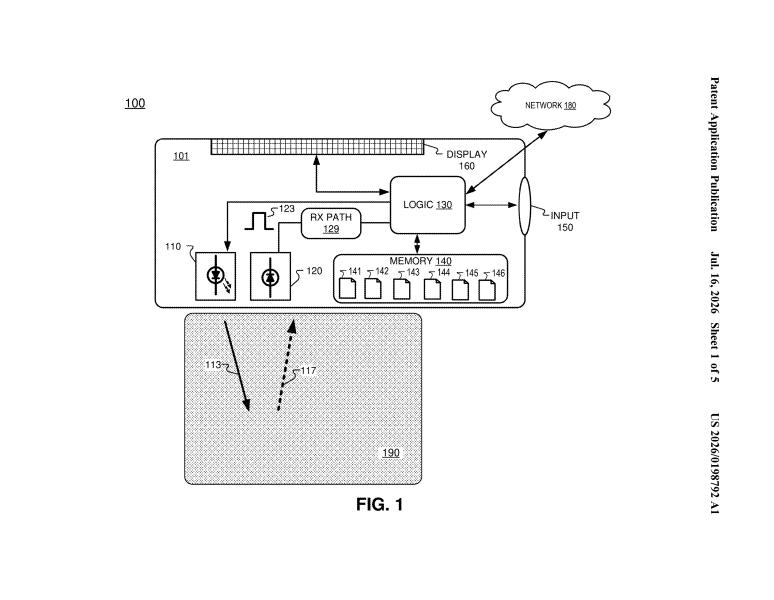
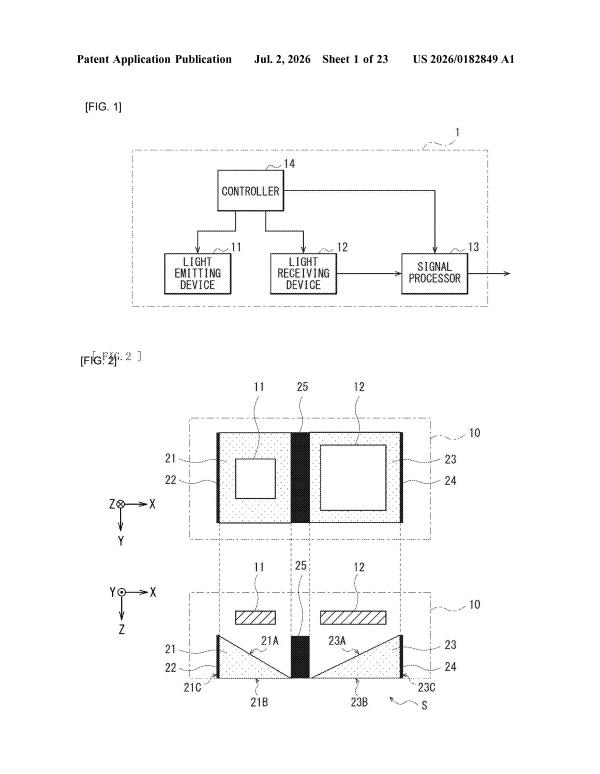
Distinguishing skin contact from false readings requires Samsung's dual-receiver approach to filter out ambient light noise that single sensors mistake for actual body signals.
Wearables here need to know when you're actually still enough for an accurate reading. Samsung's approach puts that judgment into the display itself, automating measurement only when body position and posture match what produces valid data.
Heart rate accuracy during motion improves when multiple electrode points replace single-sensor contact, reducing noise from movement and sweat rather than relying on one wrist placement to filter interference.
Wearable optical sensors need optical isolation to read accurately; Samsung's coating approach builds that isolation into the housing rather than relying on the sensor alone.
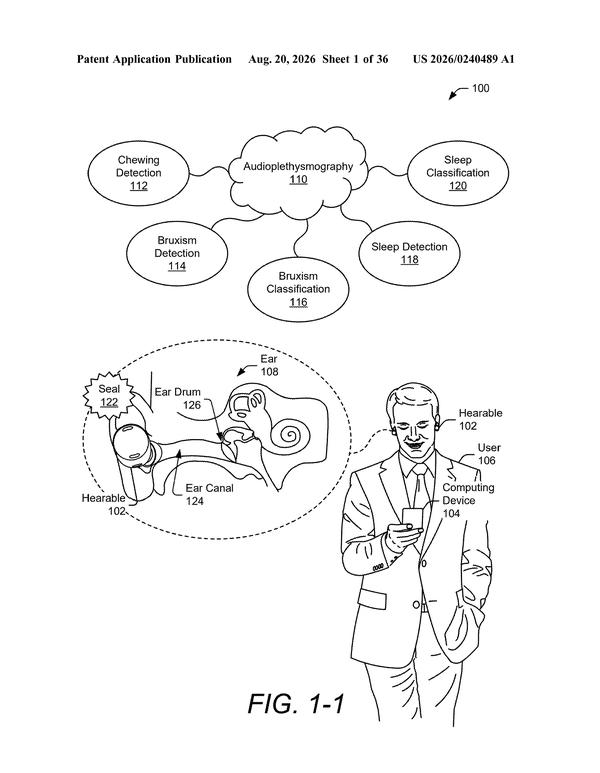
Sound-bounce detection in the ear canal extends sleep tracking into jaw movement patterns, grinding and chewing, without adding sensors elsewhere on the body.
Pairing camera vision with wrist-motion sensors lets the system confirm gestures through two independent channels, reducing false commands from camera occlusion or ambiguous arm movements.
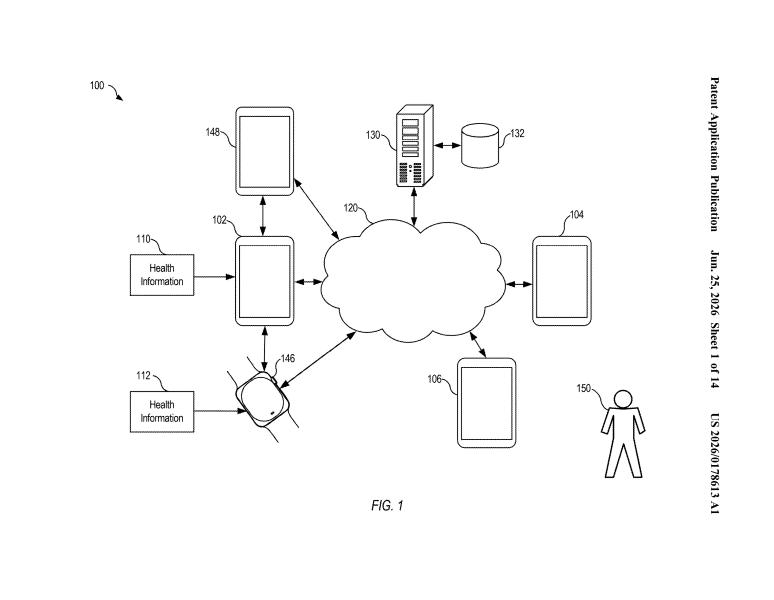
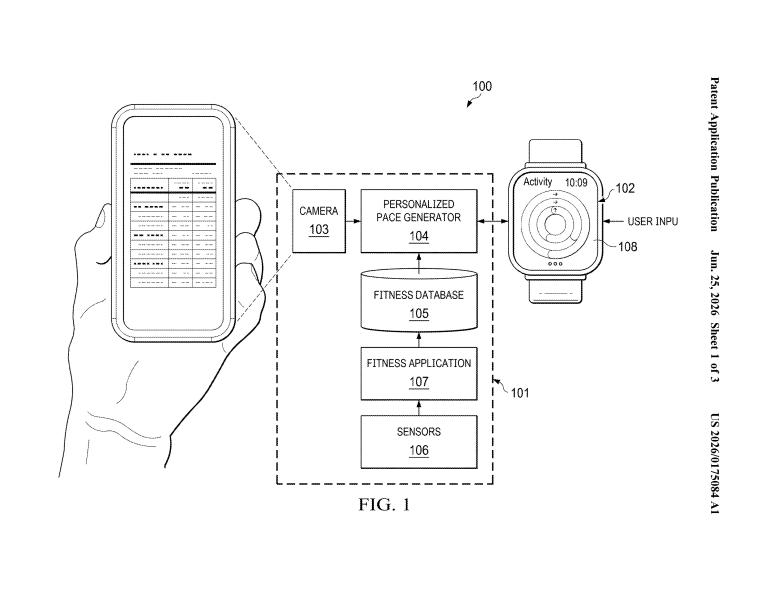
Camera-based screen capture bypasses the wearable-to-phone connection problem, letting users photograph any health display and have the data automatically parsed into their device instead of manual transcription.
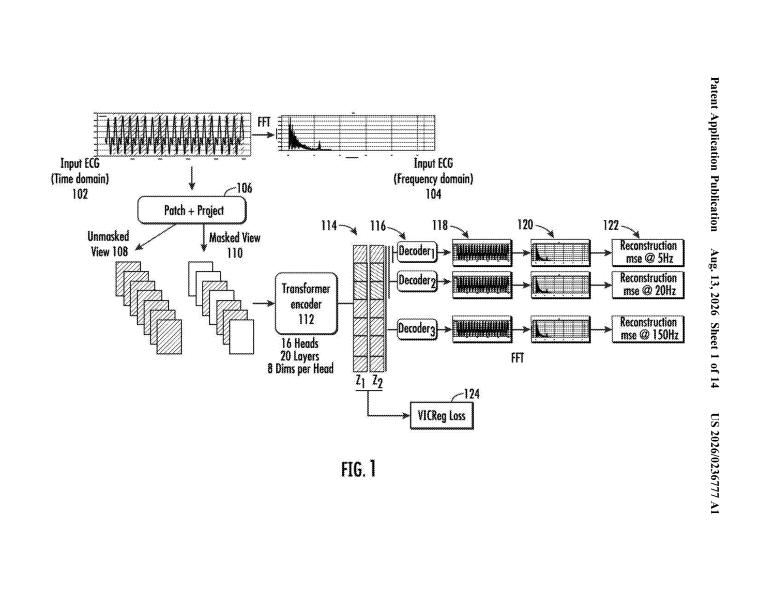
Separating heart rhythm into slow and fast components lets the AI extract distinct medical signals instead of processing raw waveforms whole, mirroring how trained cardiologists read ECGs layer by layer.
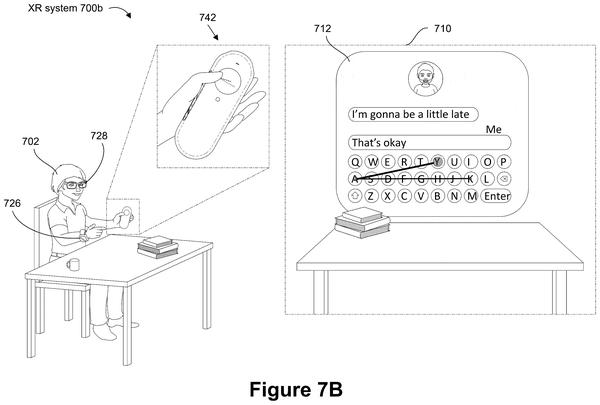
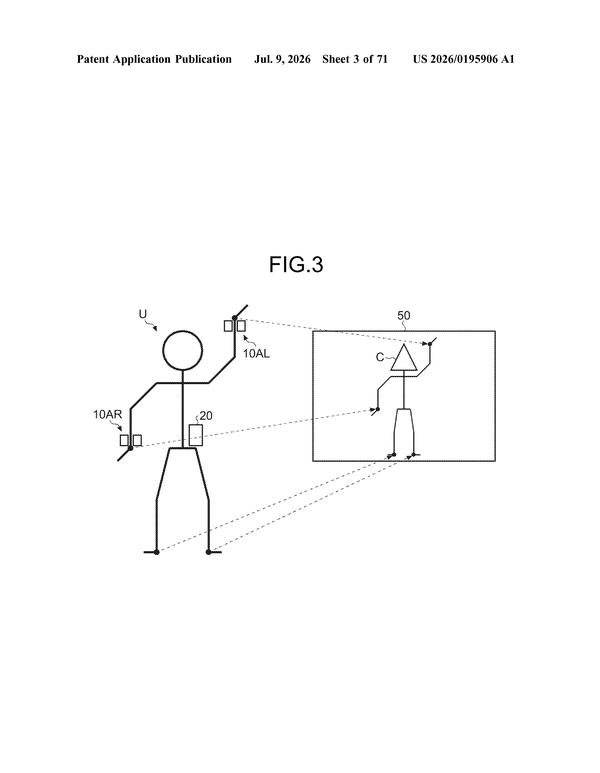
Detecting finger muscle signals without visible hand movement lets users navigate AR interfaces while keeping their hands occupied or still, bypassing the current need for hand gestures or controllers.
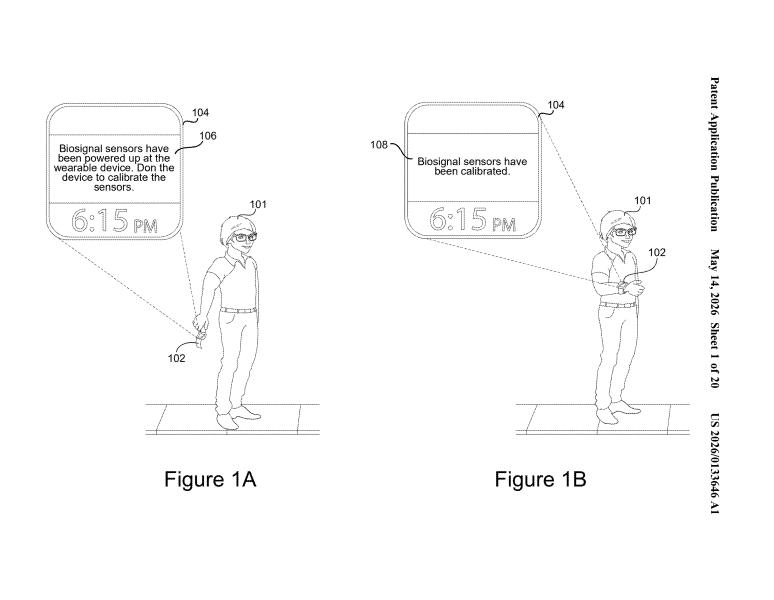
Wrist placement shifts optical sensor readings by enough to throw off heart rate data, so Meta's system uses a reference sensor to calibrate position without user guesswork.
A grid of pressure sensors in a finger cuff maps arterial pressure changes across skin contact points, replacing the arm-wide inflation needed for traditional BP measurement.
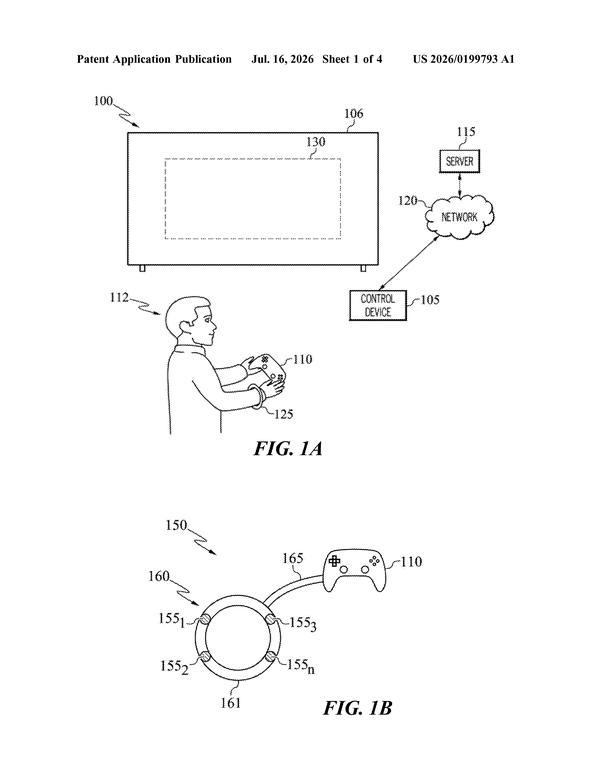
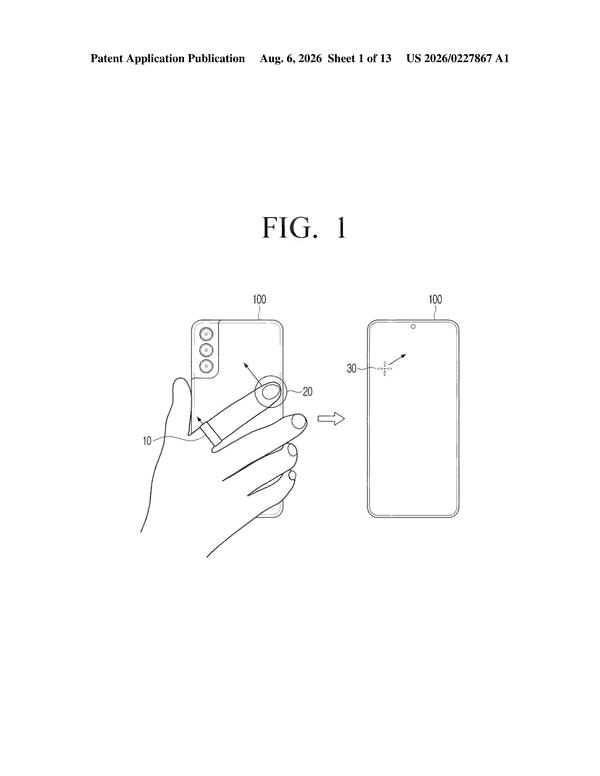
Wearables translate body movement into on-screen cursor control via wireless link to the display, extending gesture recognition beyond handheld remotes into full-body input.
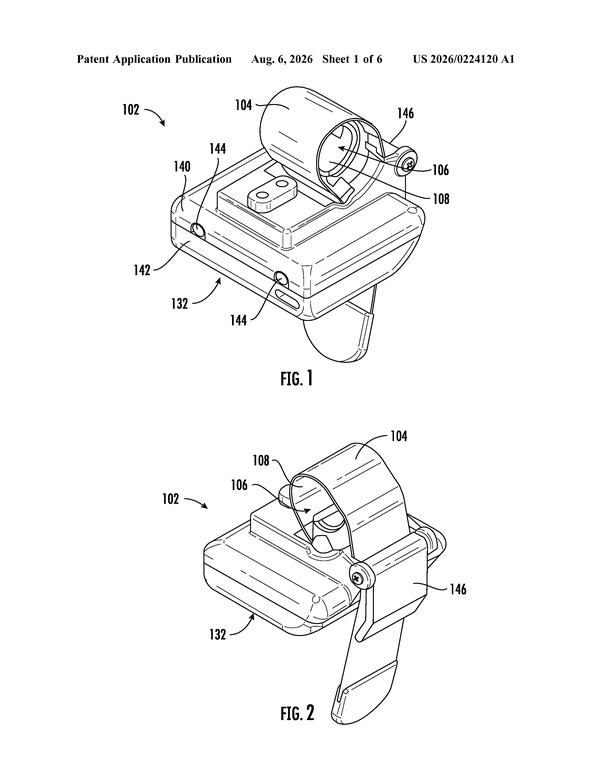
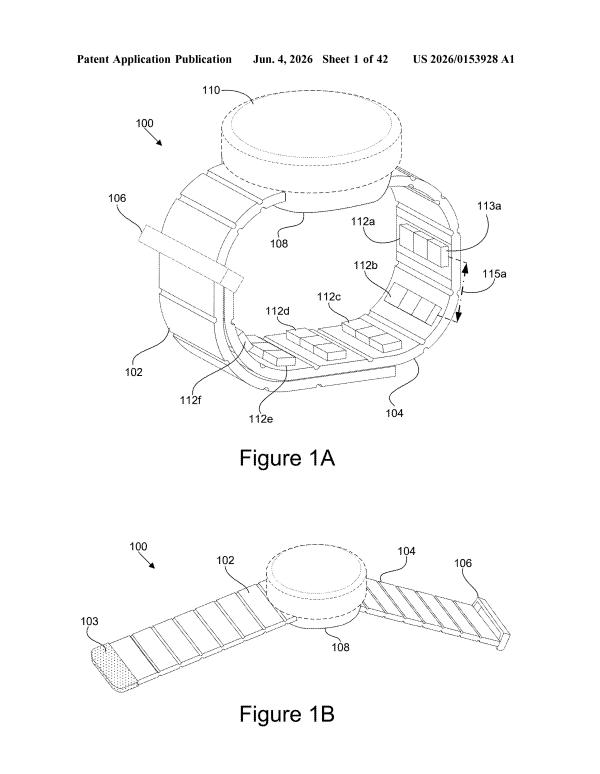
A flexible strap with an internal locking tab keeps pressure sensors stable during motion, solving the drift problem that degrades accuracy in wrist and finger-worn devices across the watchlist.
Swapping video content based on real-time heart rate and eye strain readings expands the watchlist beyond passive monitoring into active intervention, using wearable sensors to reshape what you watch mid-stream rather than simply logging vital signs.
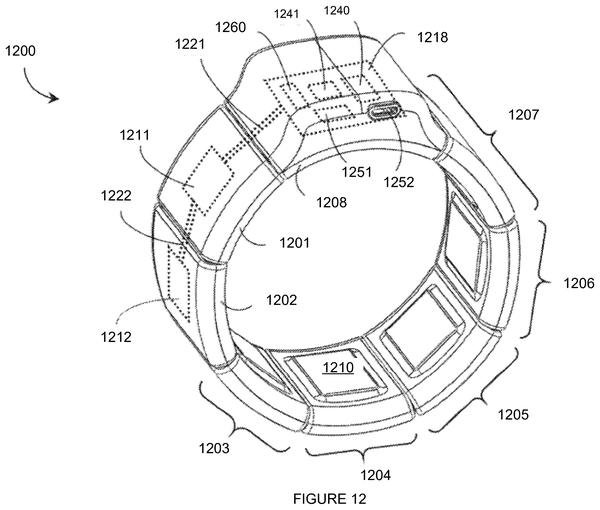
The watchlist has focused on sensor accuracy during motion; this filing shows how a ring solves that through physical contact, keeping optical sensors pressed to skin despite finger movement, which matters for heart rate and blood oxygen readings.
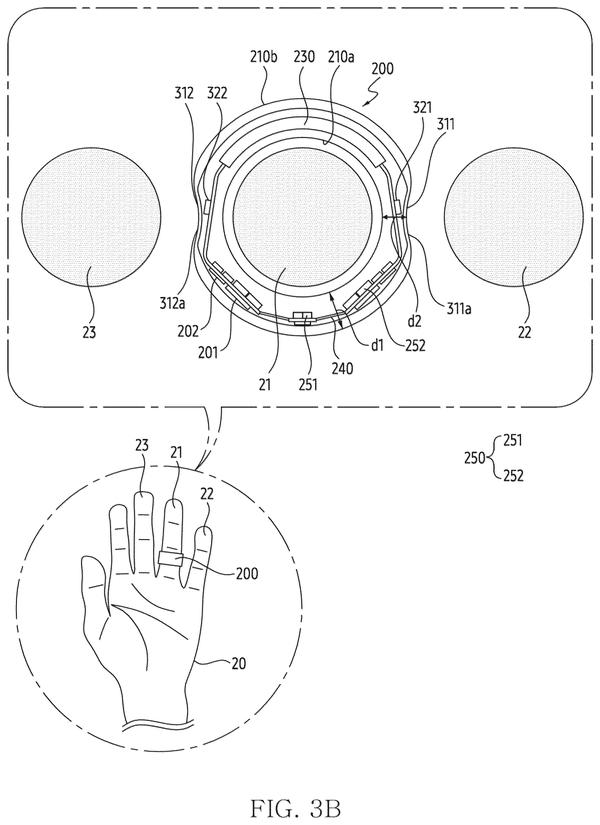
Heart rate and blood oxygen readings from wearables require sensor orientation. Samsung's ring detects which way it sits on your finger to correct measurements automatically.
The heart-rate accuracy challenge extends beyond motion to signal strength itself. Meta's approach catches weak optical readings before they become bad data, automating the sensor recalibration that users now do manually or simply accept as failure.
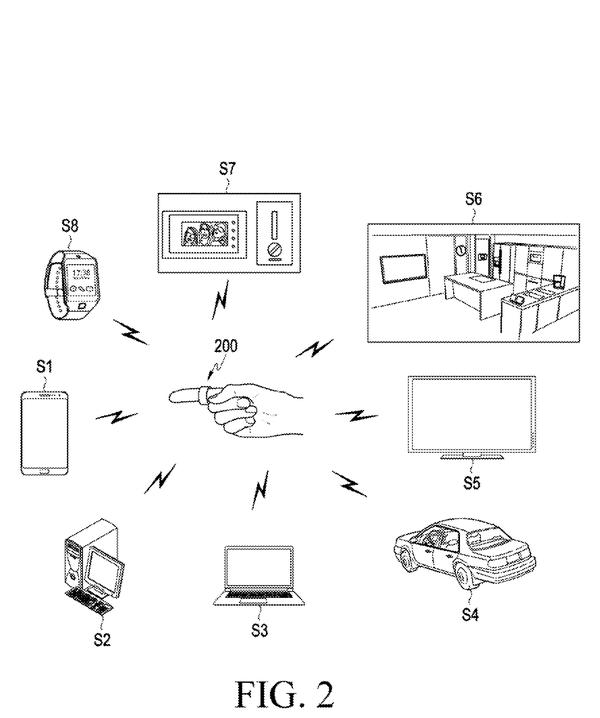
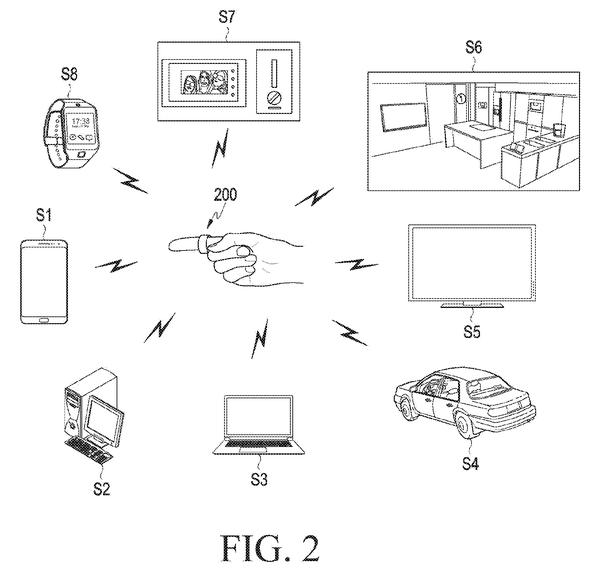
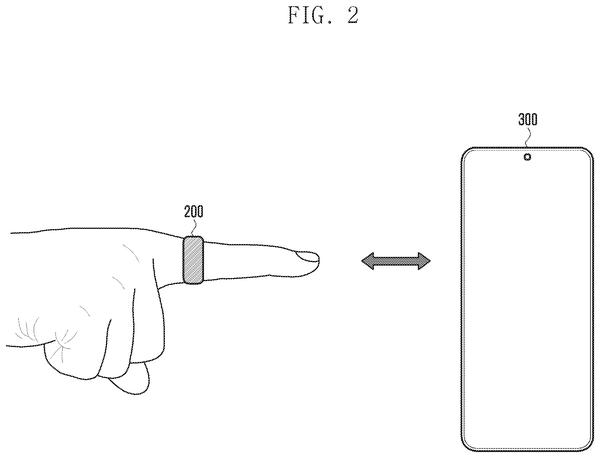
A ring that requires deliberate touch before recognizing hand gestures solves the false-trigger problem that has plagued gesture-control wearables, moving hand and head gesture controls from noisy sensor data to intentional commands.
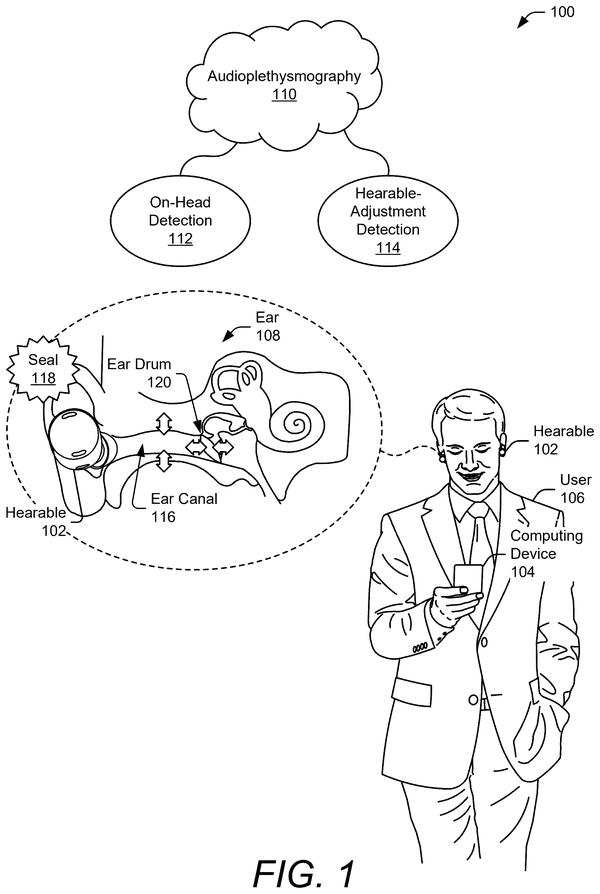
Acoustic reflections from the ear canal let earbuds confirm proper insertion and detect user adjustment, adding a passive fit-verification layer to wearables that already track heart rate and breathing during wear.
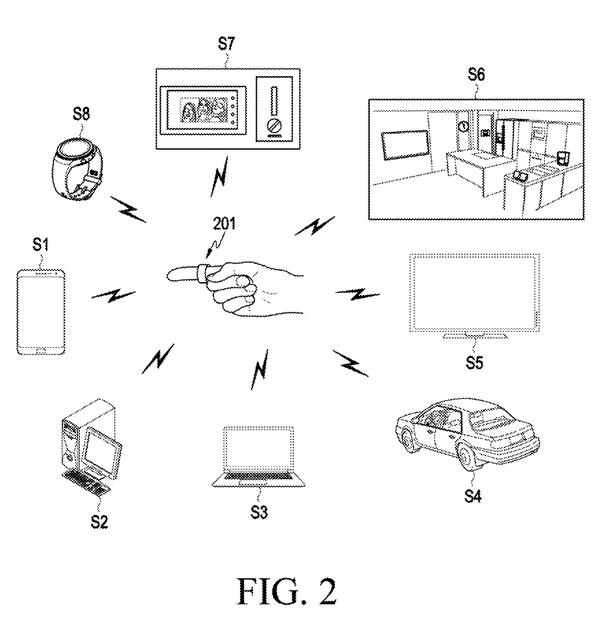
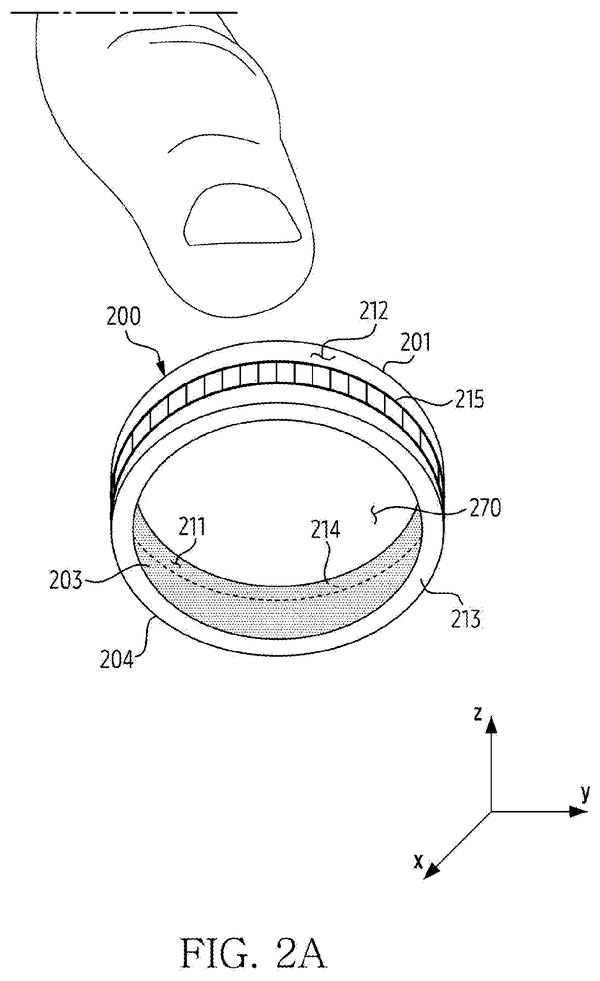
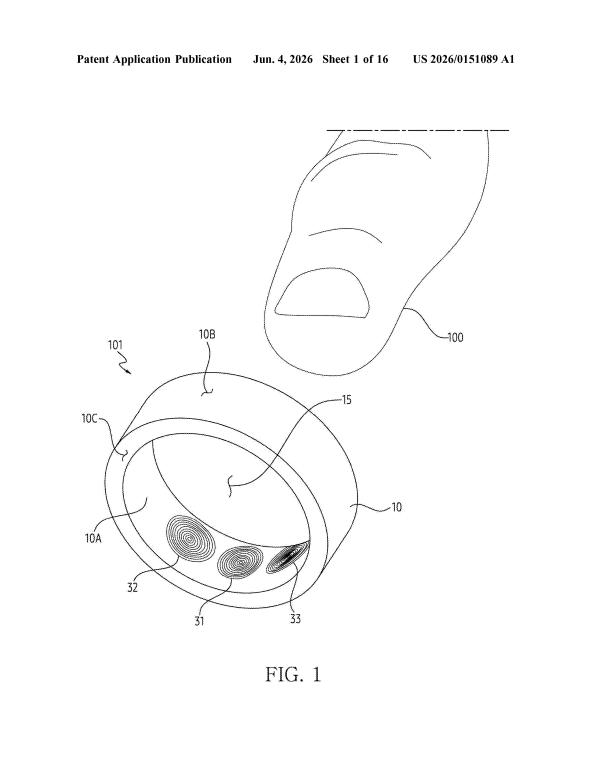
Gesture controls have relied on wrist motion or hand position so far; Samsung's groove-sensor ring shifts to finger contact itself as the input method, letting the ring detect when you press an adjacent finger against it.
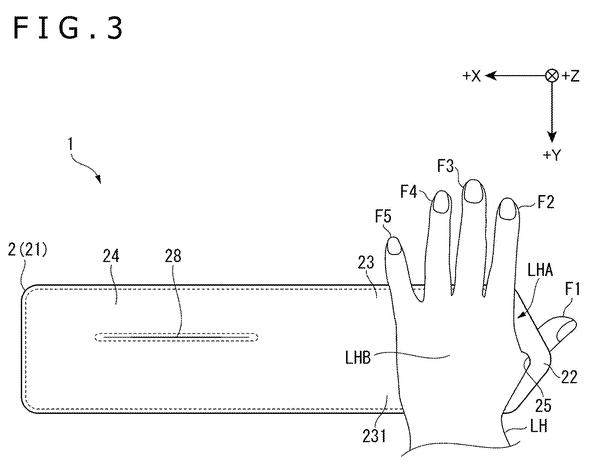
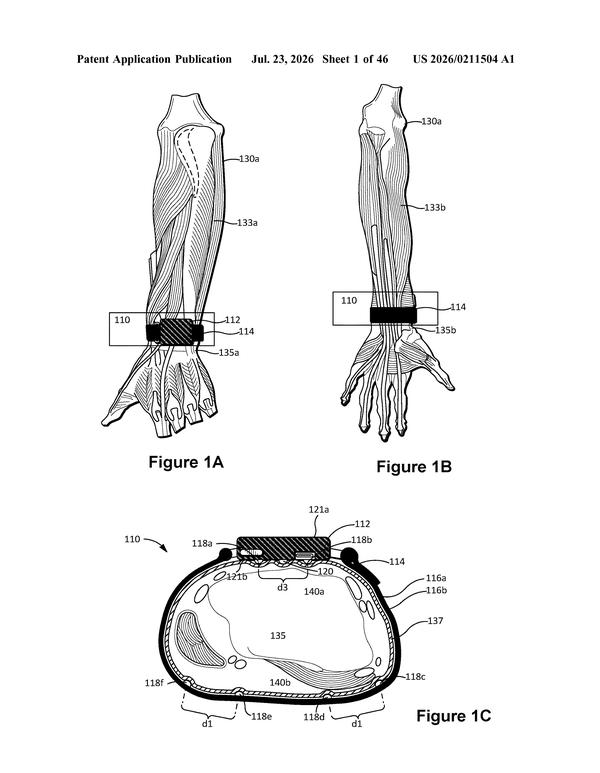
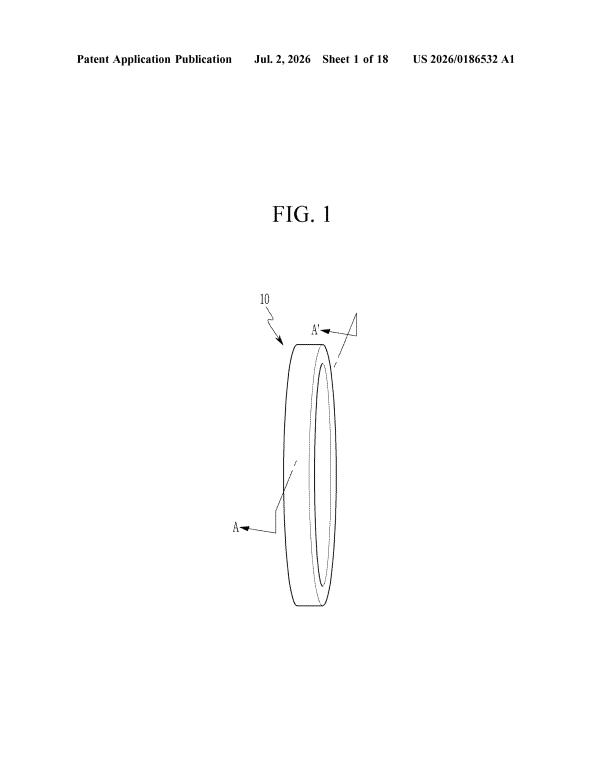
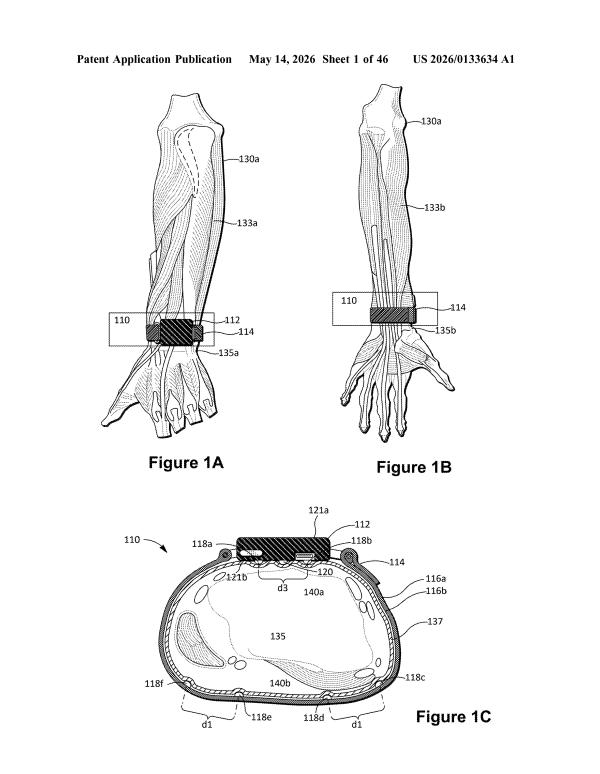
Muscle-signal wristbands need electrode placement that captures distinct finger movements without crosstalk. Meta's patent maps how spacing and arrangement on the band surface improve signal separation between individual digits.
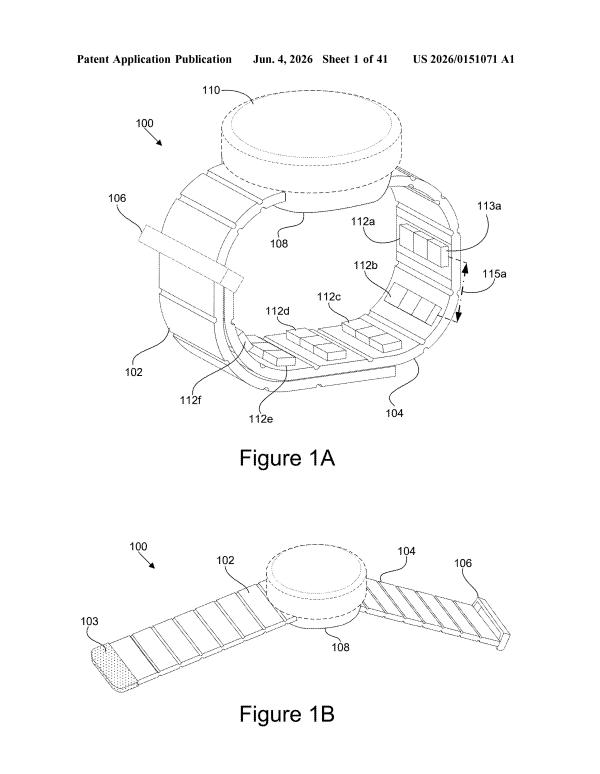
Embedding sensors into the band material itself solves a real durability problem: keeping muscle-signal electrodes stable against skin through normal wear, sweat, and movement instead of relying on surface contact that shifts.
Capacitive skin detection lets the device distinguish worn contact from removal or hand-off, adding biometric security to the wearables watchlist without requiring active user input like passwords or gestures.
Acoustic waves bouncing through tissue let the wristband measure core temperature rather than skin temperature, extending the watchlist from heart rate and breathing into metabolic sensing without requiring invasive probes.
Detecting hand gestures from muscle signals eliminates the need for physical contact with controllers or screens. This approach lets users navigate AR interfaces through natural hand movements read directly from the wrist.
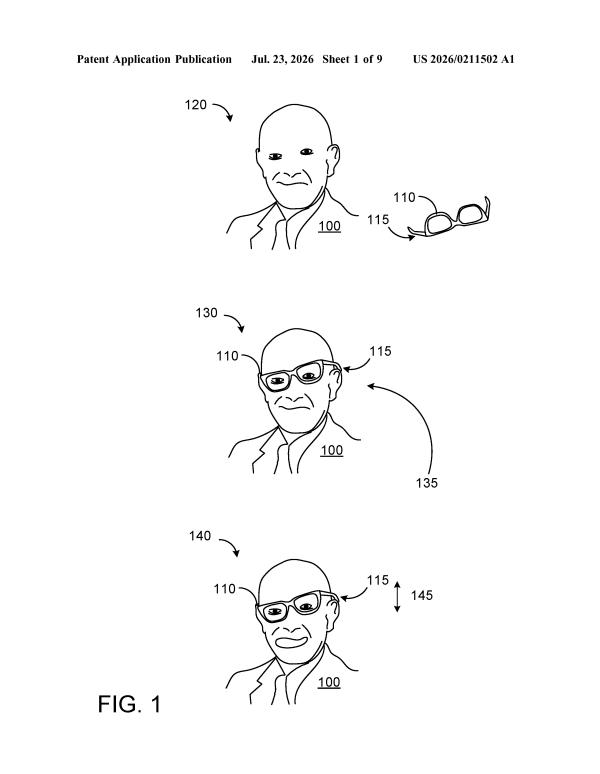
Hand and head gesture controls need reliable skeletal maps. Sony's body-worn camera system skips the reflective dots and external rigs, building joint positions from cameras mounted directly on the wearer.
The muscle-signal and heart-rate tracking efforts have run into optical noise from device internals. Sony's light-steering approach isolates the detector from stray reflections to improve reading fidelity.
The watchlist has covered heart rate and breathing sensors; this filing extends body-reading into composition metrics by taking dual-point electrical measurements from a single wearable contact, moving beyond single-site approximations.
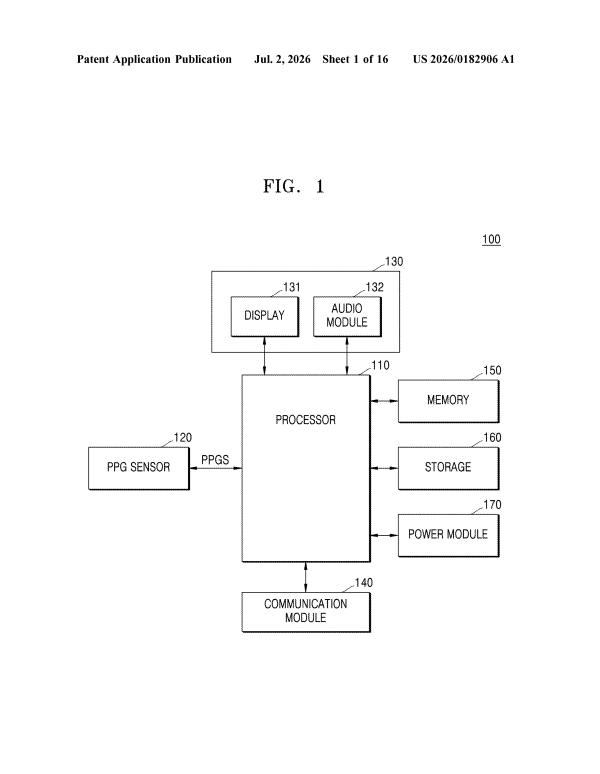
A pulse sensor using dual-wavelength light filters can measure melanin content alongside heart rate, potentially calibrating readings across different skin tones without requiring a separate sensor.
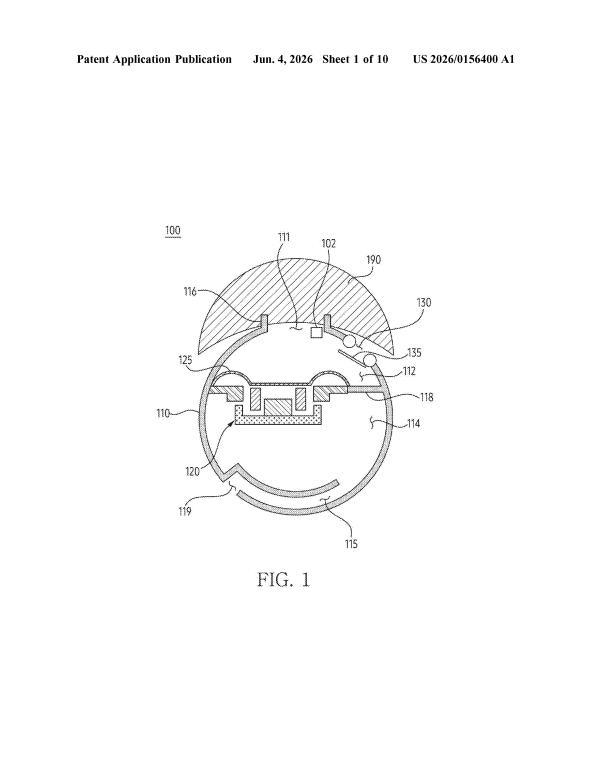
Dual optical sensors at different distances let Samsung filter ambient light and skin reflections separately, sharpening heart rate signals during the motion-heavy moments when wearables struggle most.
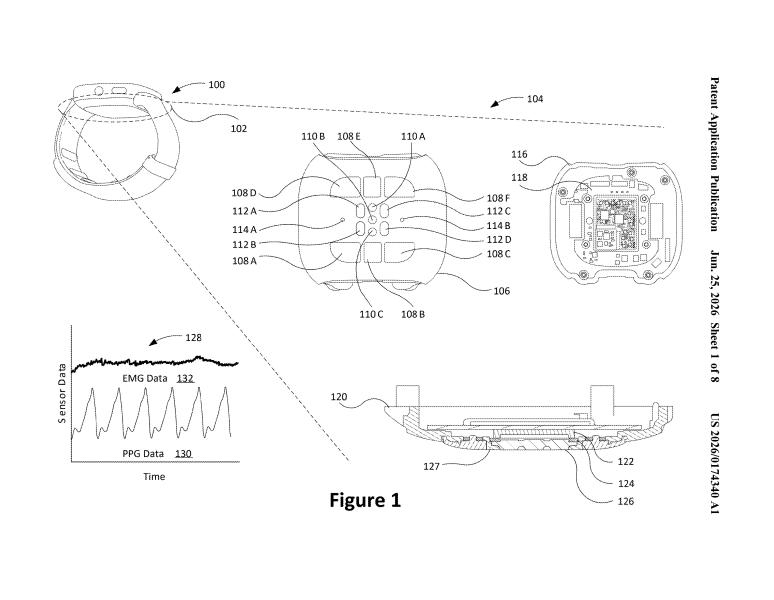
Combining muscle and heart sensors in one wristband requires solving signal interference, Meta's approach isolates the two measurement types electronically so they can operate simultaneously without corrupting each other's data.
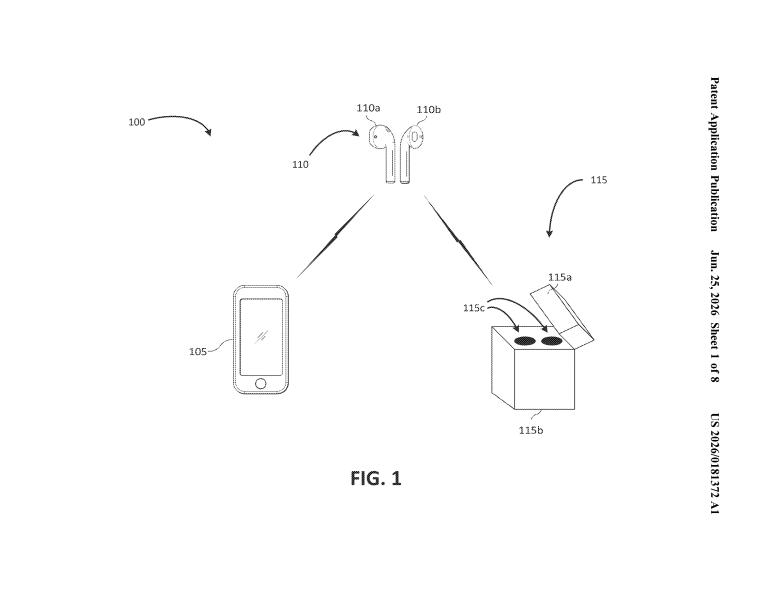
Placing earbuds in their case triggers automatic pairing signals instead of requiring manual discovery, streamlining how wearables connect to phones and other devices.
A wearable that merges calorie intake with exercise targets in real time, turning the device into an active nutritional feedback loop rather than a passive tracker that logs data separately.
The sync problem cuts deeper than just collecting readings across devices, Apple's approach shows the real challenge is keeping conflicting data versions from corrupting each other when multiple wearables feed the same health metrics into one account.
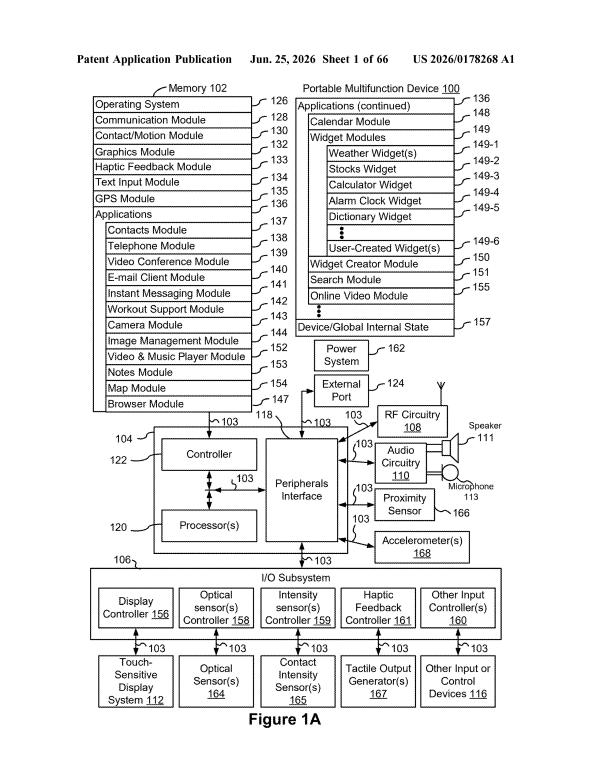
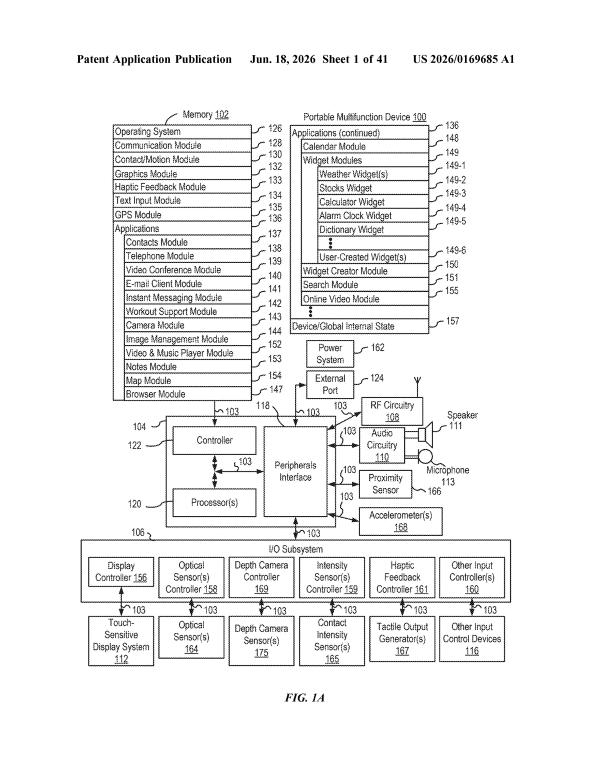
Hearing voices in noisy settings requires burying yourself in menus. Apple's patent shortcuts Conversation Boost into the volume control, collapsing multiple taps into a single gesture so users can isolate speech without breaking focus on their surroundings.
Detecting hand and head gestures without a screen requires audio feedback so users know their movement registered, not just guessing whether a nod worked.
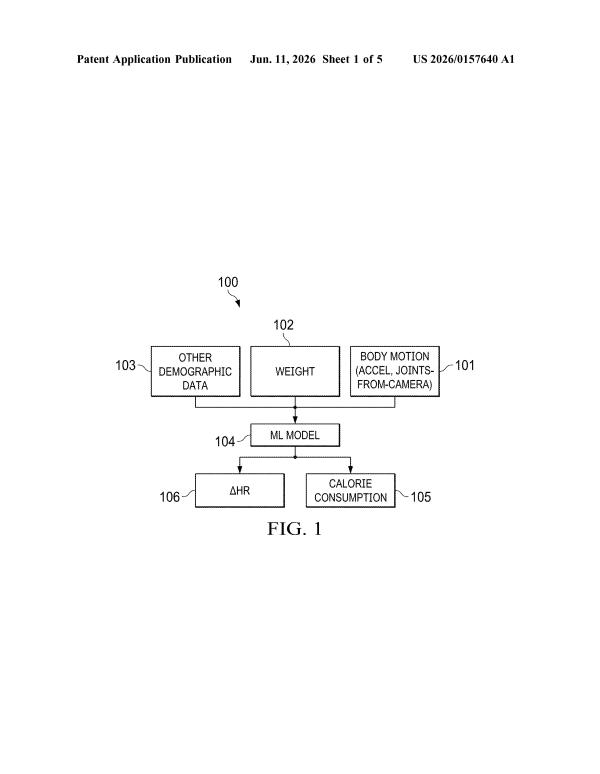
Telling muscle from fat requires more than a scale. Apple's camera method lets fitness apps swap generic weight numbers for actual body composition, so a runner and lifter doing the same workout get different calorie and recovery estimates.
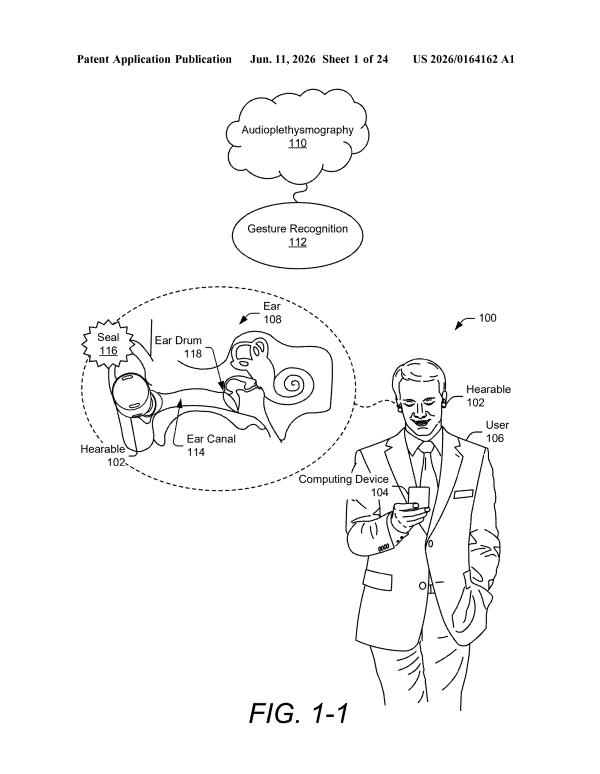
Acoustic sensing inside the ear canal lets earbuds detect jaw and head movements without cameras or touch inputs, filling a control gap for hands-free, silent interaction in public or crowded settings.
A wearable that monitors speech patterns in real time could flag cognitive states, attention lapses, fatigue, stress, before the wearer notices them, extending health tracking from physiology into mental performance during daily activity.
The timeline so far tracks how wearables sense what's happening inside your body. This filing adds a different layer: using multiple wearables worn together to fix gaps in location tracking when GPS drops out in tunnels or dense urban areas.
Detecting acoustic leakage in real time lets earbuds self-correct their seal instead of forcing users to manually refit them during use. This moves wearable sensing from passive monitoring into active compensation.
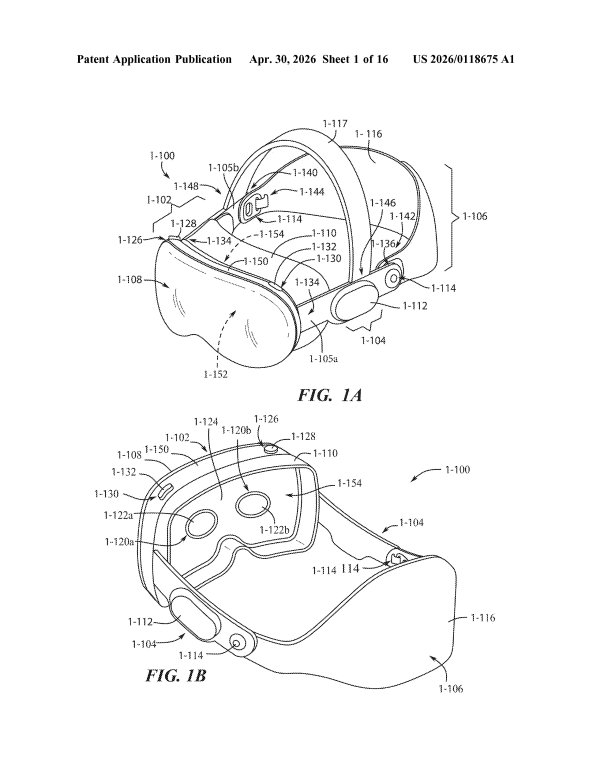
Inferring core body temperature and breathing rate from facial thermal readings eliminates the need for separate sensors, moving vital sign monitoring from wrist bands and chest straps into the headset itself.
Skin temperature mapping tells the device whether it's flush against bare skin or sitting over fabric, letting it auto-correct readings that drift when the fit changes during activity.
A smartwatch that requires two consecutive abnormal readings before alerting you could prevent the anxiety spikes that make people distrust their wearables' health warnings.
A relay system between paired earbuds lets the stronger receiver retransmit packets to the weaker one, keeping calls stable when one bud loses direct connection to the phone.
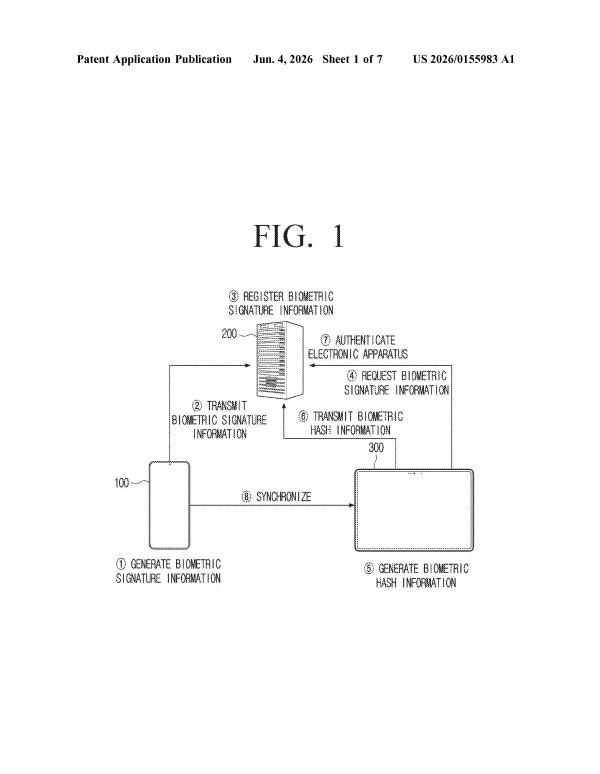
The ecosystem angle: instead of each wearable collecting its own biometric data, one trusted device vouches for you across the others, reducing enrollment friction and keeping the primary phone as the security anchor.
A wristband that reads muscle signals needs its internal antenna to reliably reach every sensor around your wrist; this patent solves the wireless routing problem so signals from scattered electrode patches actually make it back to the processor.
The wearable timeline so far has focused on passive sensing, heart rate, breathing, sleep. This filing pivots to reading muscle signals for active control, turning your arm into an input device rather than just a measurement surface.
Head gestures join the tracking mix, but Google's two-step sensor method solves a practical problem the earlier patents sidestepped: filtering real nods from random movement noise.
A camera-based gesture system lets users control speaker volume and playback from across a room without touching a phone or speaking commands, extending wearable sensing beyond the body itself to hand movements in physical space.
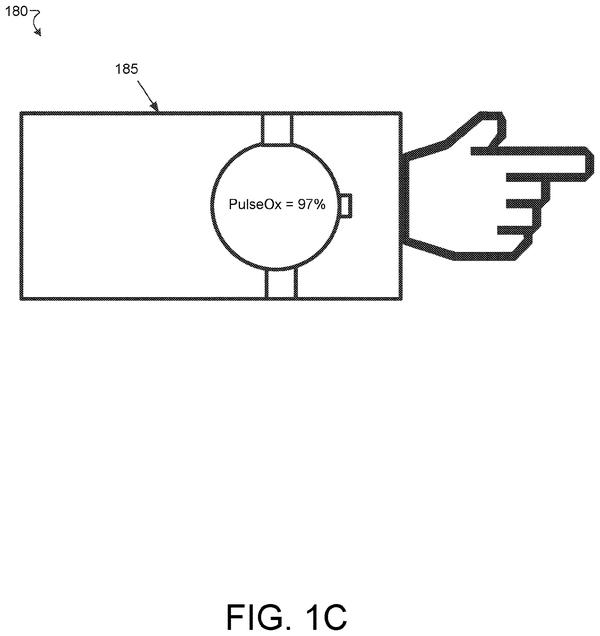
A wearable that knows when its own sensor can actually see straight eliminates a major source of false readings during exercise, where noise from movement has always corrupted heart rate data.
The wearables watchlist has focused on what sensors can detect. This filing solves a basic signal-quality problem: eliminating electrical noise that corrupts biosensor readings in the first place.
Muscle-signal sensing requires filtering out electromagnetic noise from surrounding devices. Meta's shielding design isolates the wristband's sensors so they can detect faint muscle activity in ordinary environments instead of controlled labs.
Tracking sleep consistency requires knowing whether you actually stayed in bed when scheduled, not just whether your phone dimmed at the right time. Apple's patent automates the morning accounting of how often you hit your bedtime targets.
Apple's system filters health data through the lens of upcoming activities, surfacing relevant metrics rather than everything at once. This moves wearable tracking from passive collection toward active decision support.
A face-worn device with light sensors could measure breathing depth and pattern without contact, filling a gap where current wearables rely on chest placement or audio detection.
Questions readers ask
Does this mean Apple, Meta, and Google are about to release these features?
No. These are patent filings, which describe research directions and possible designs, not confirmed products or launch dates. Some ideas in this watchlist may show up in future devices, others may never ship. The value of tracking them is seeing where each company is investing engineering attention, not predicting a release calendar.
What problem keeps showing up across these patents?
Getting sensors to work reliably outside a lab is the recurring theme. Apple's motion-gated heart rate system and light-based breathing sensor, and Meta's shielding and grounding work for muscle-reading wristbands, all address the same issue: real bodies move, sweat, and generate electrical noise that clean lab data doesn't account for.
How is Meta's approach different from Apple's in this watchlist?
Meta's filings concentrate almost entirely on one device type, a muscle-signal wristband, and solve internal engineering problems like grounding and shielding. Apple spreads its filings across phones, headsets, and watches, patenting sleep mode switching, breathing sensors, and heart rate accuracy rather than a single wearable form.
Why do gestures show up so often in these filings?
Several patents, from Apple and Google, aim to let people control devices without touching a screen, using hand motions in the air or a nod and shake of the head. That points toward wearables and earbuds that respond to your body's movement directly, cutting out taps and app switching.
Want this weekly breakdown for a company we don't cover?
Patentlyze Pro →
The weekly email: the best of Big Tech's filings, in plain English. Free.