What the filings show
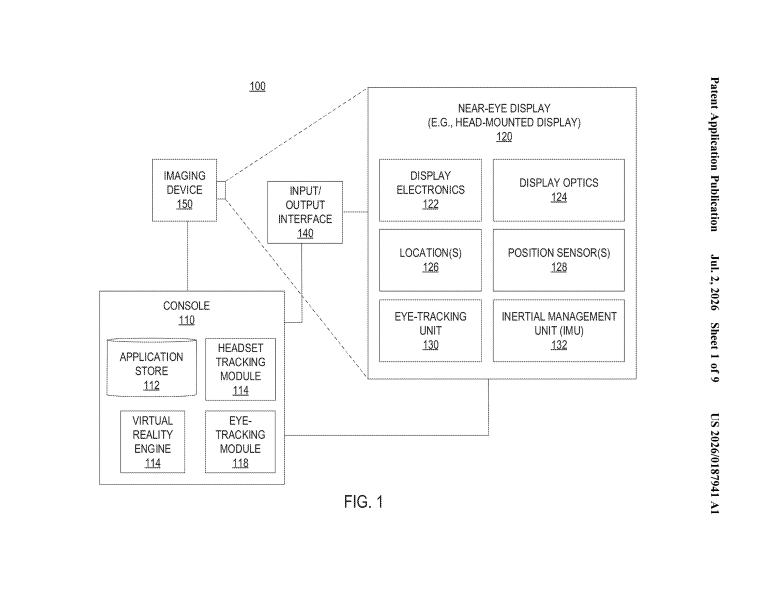
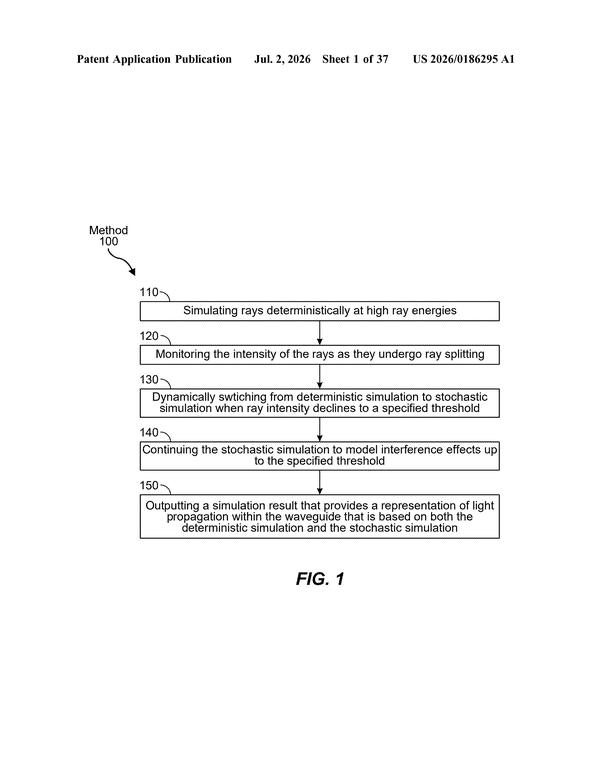
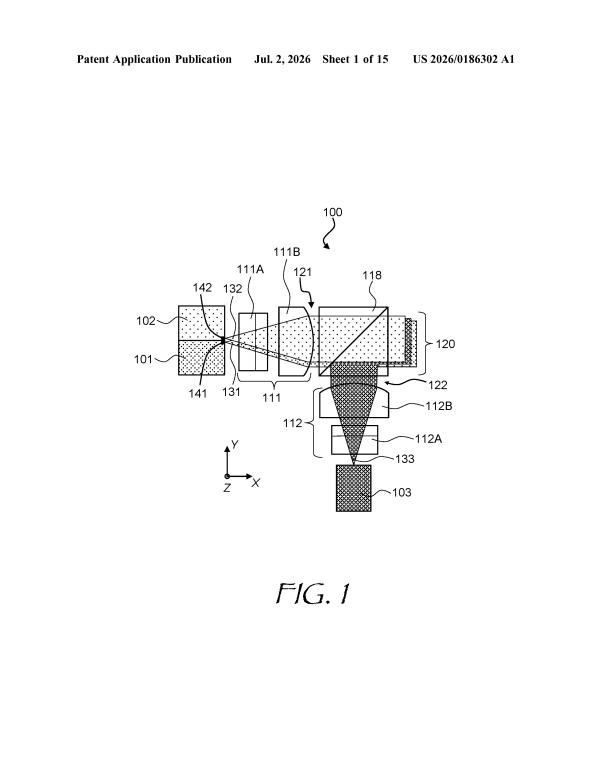
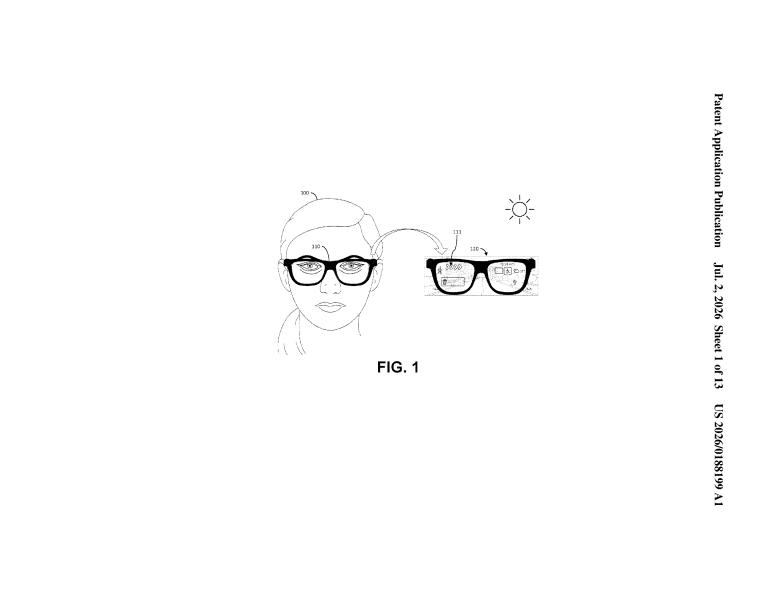
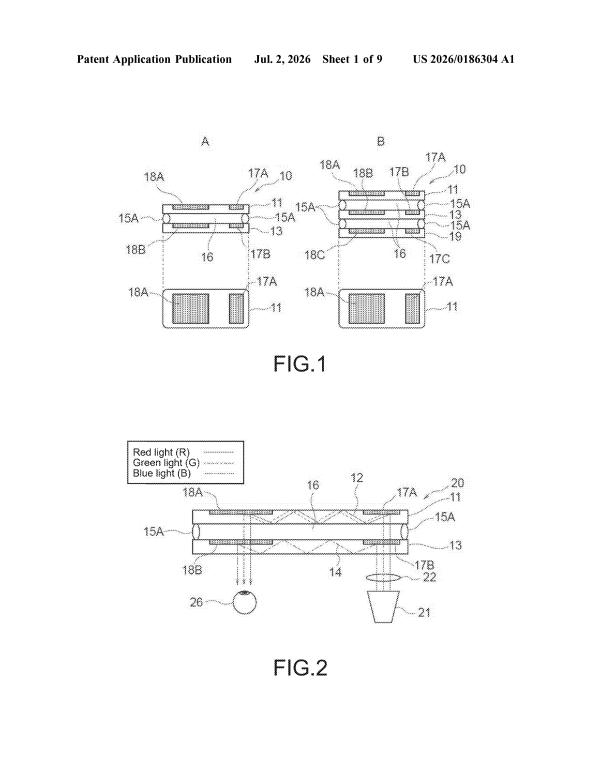
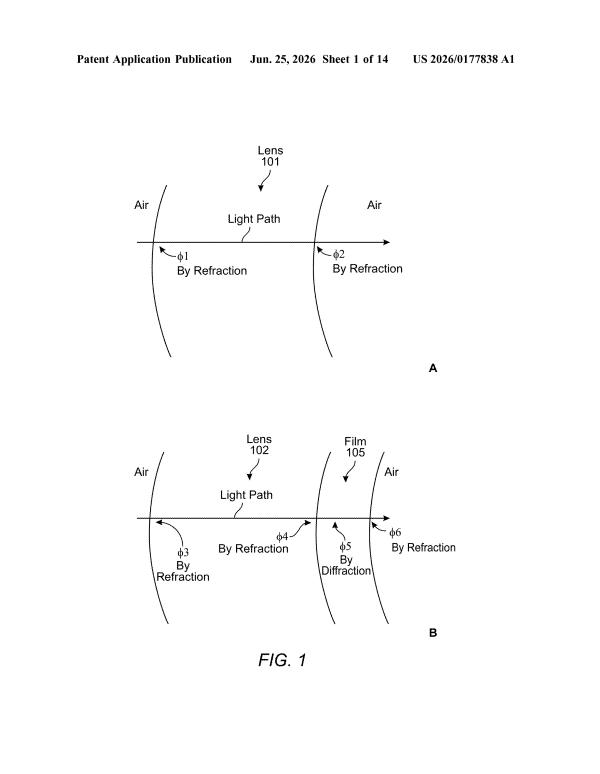
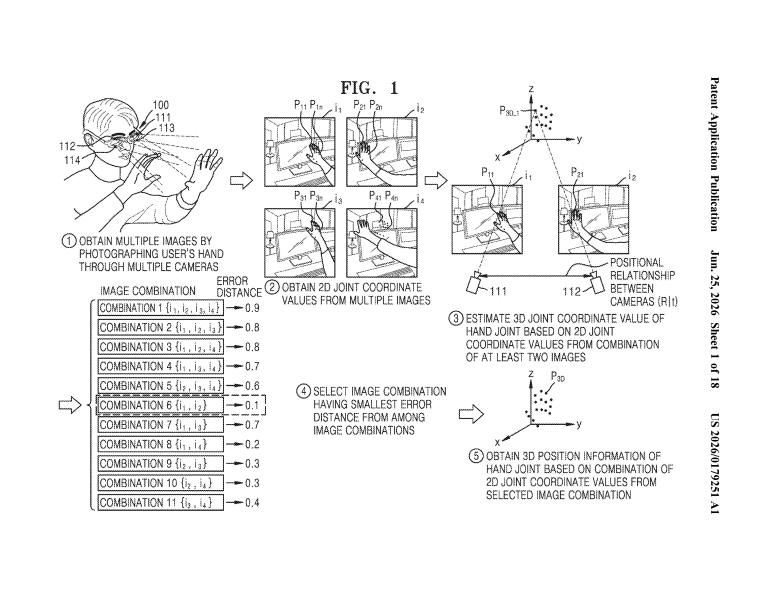
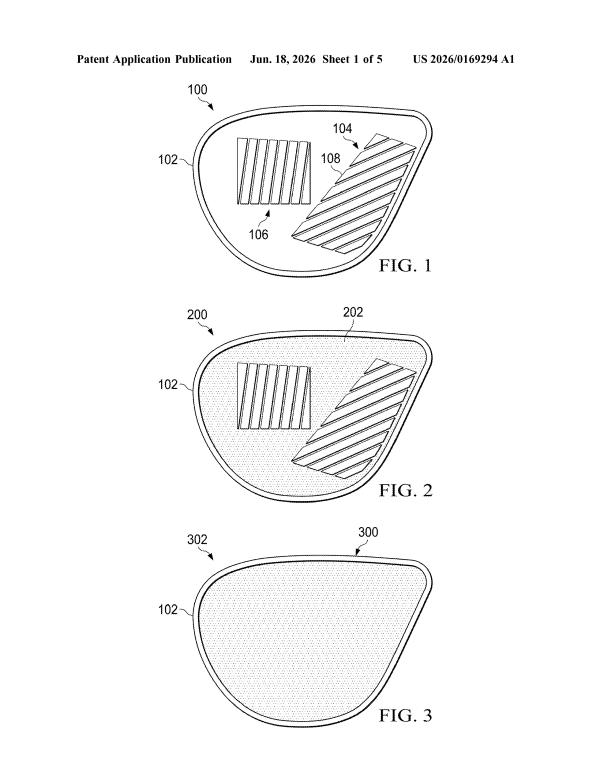
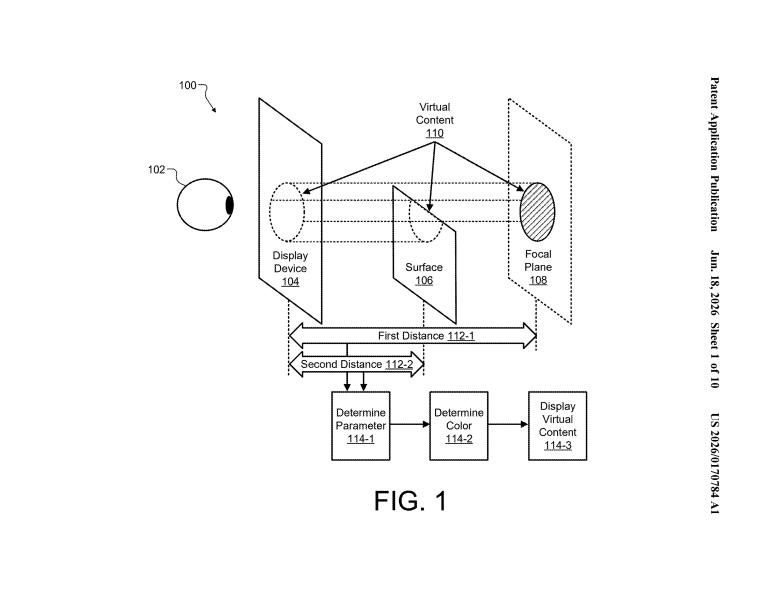
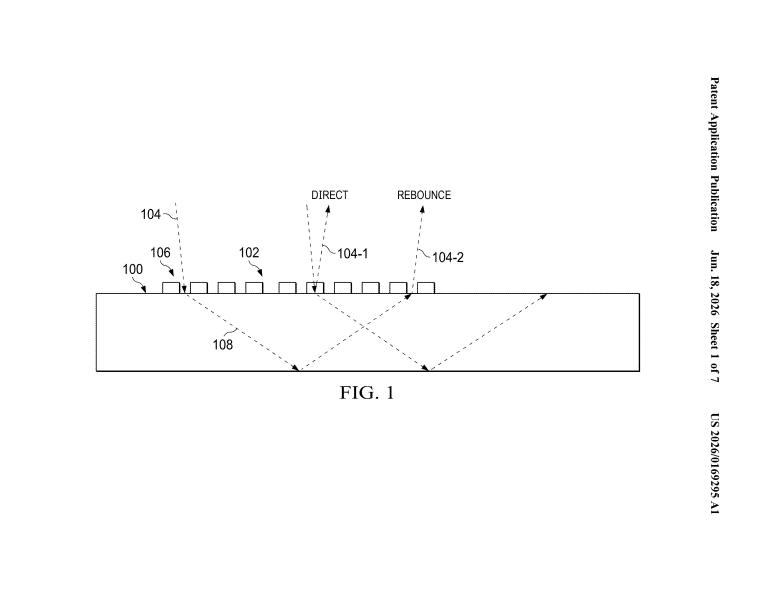
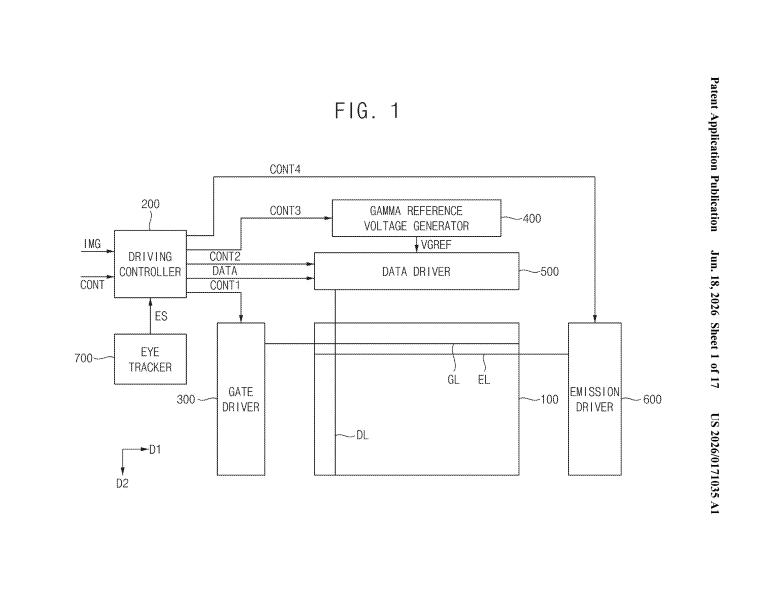
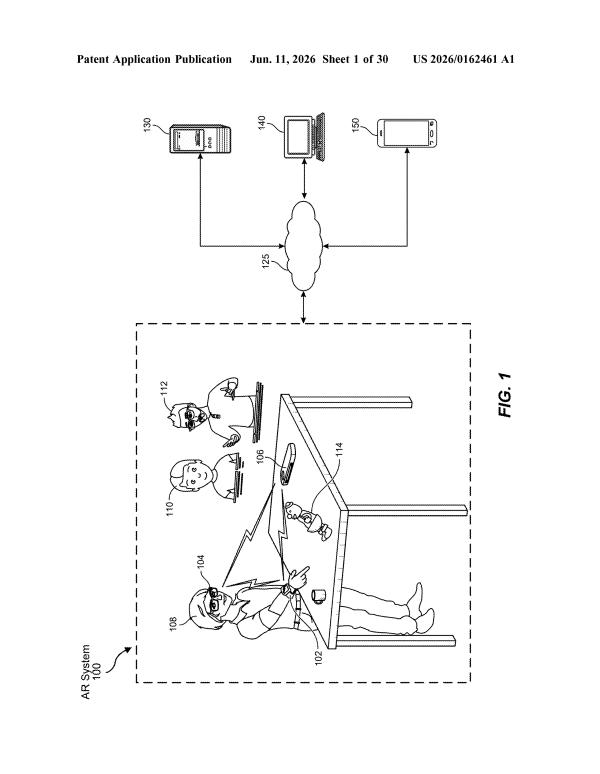
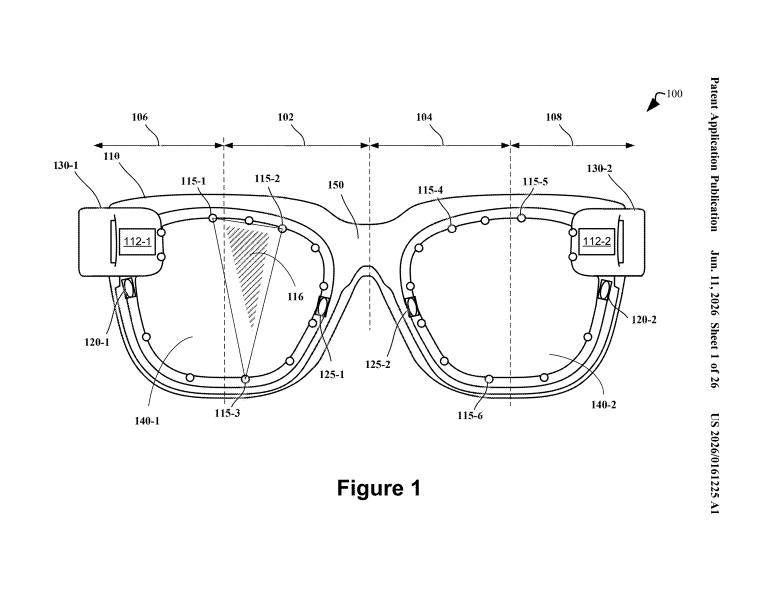
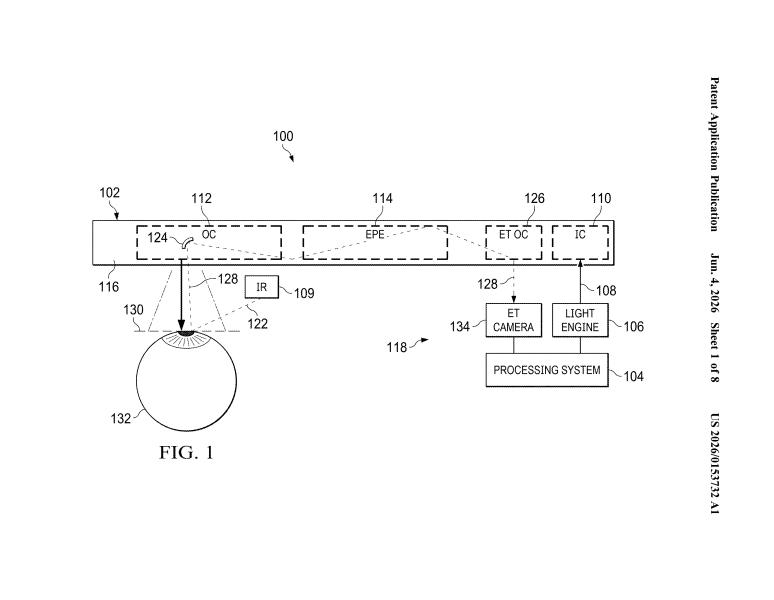
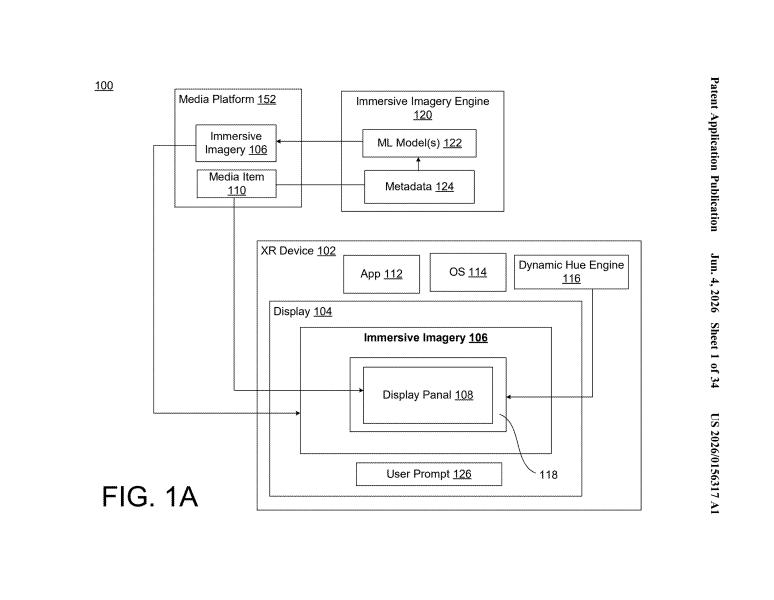
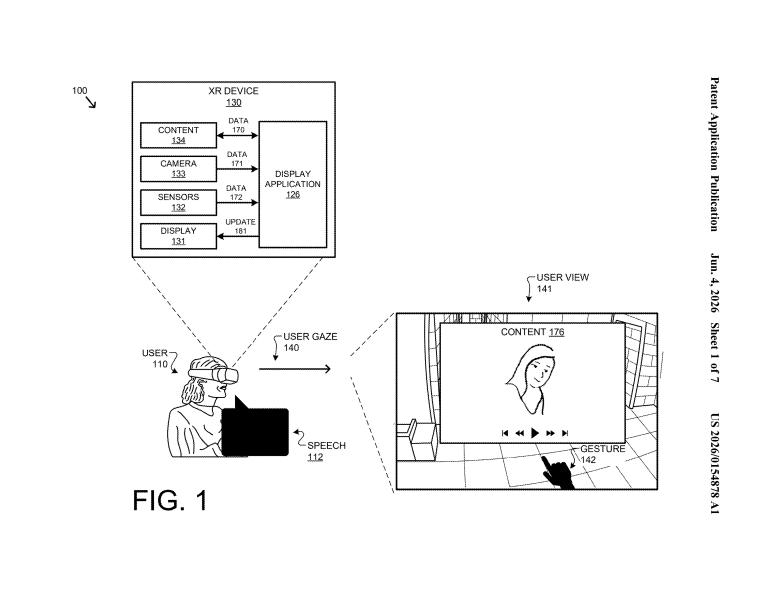
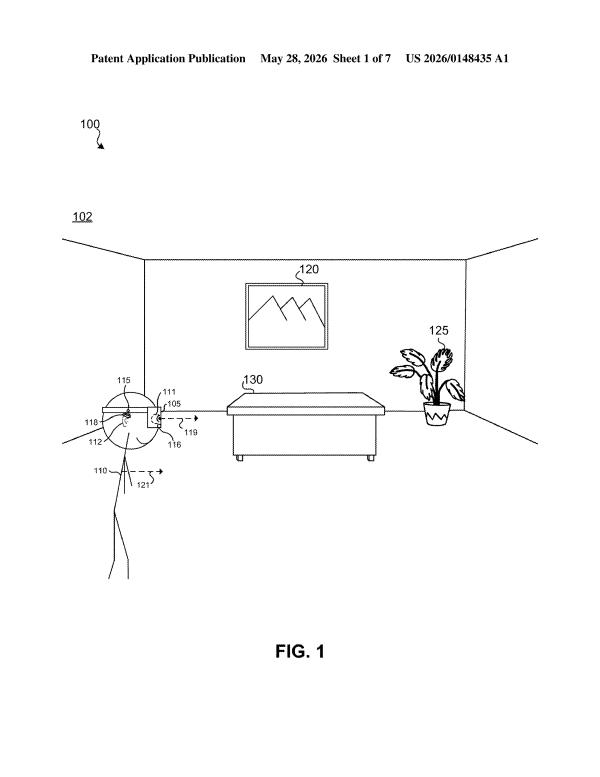
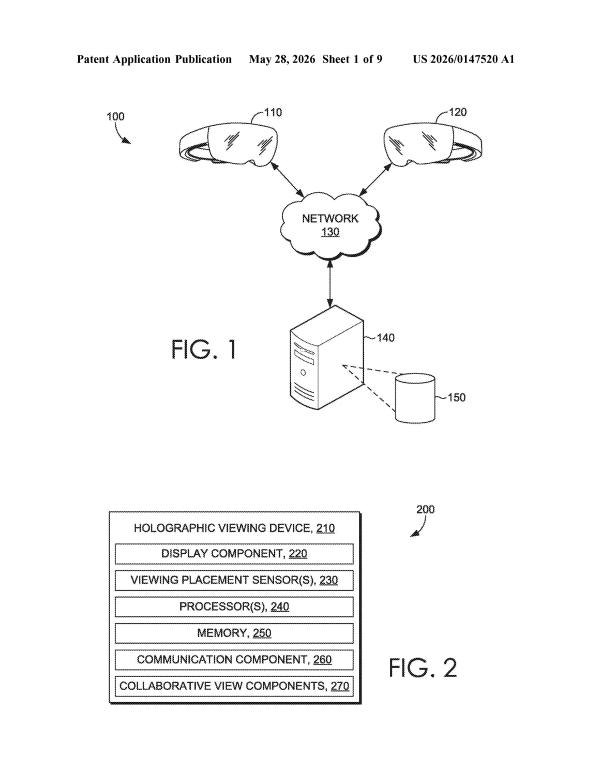
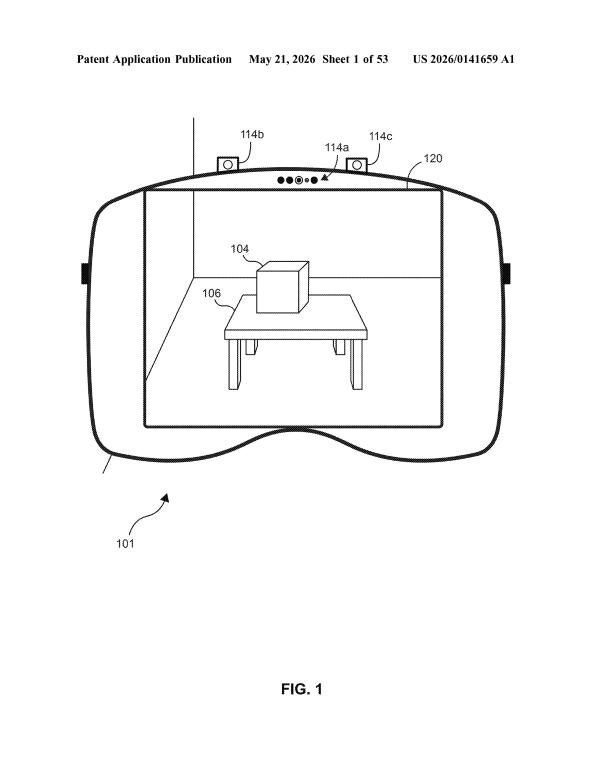
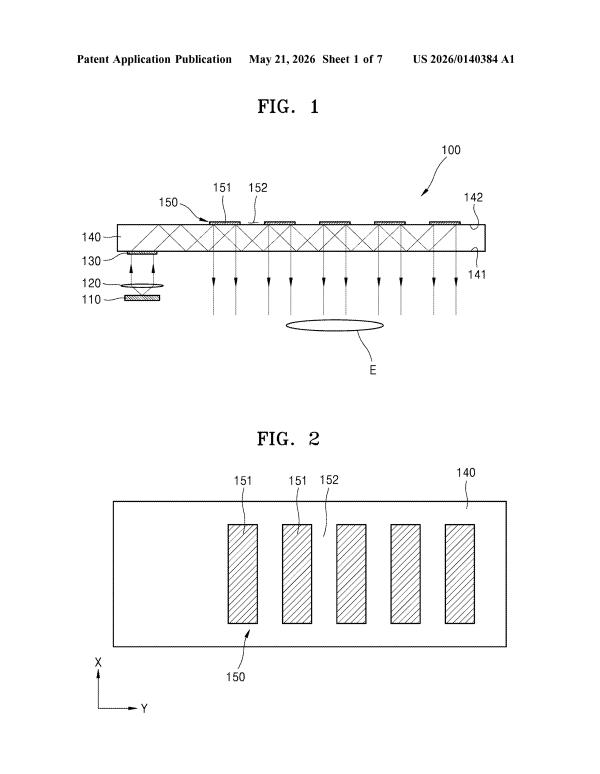
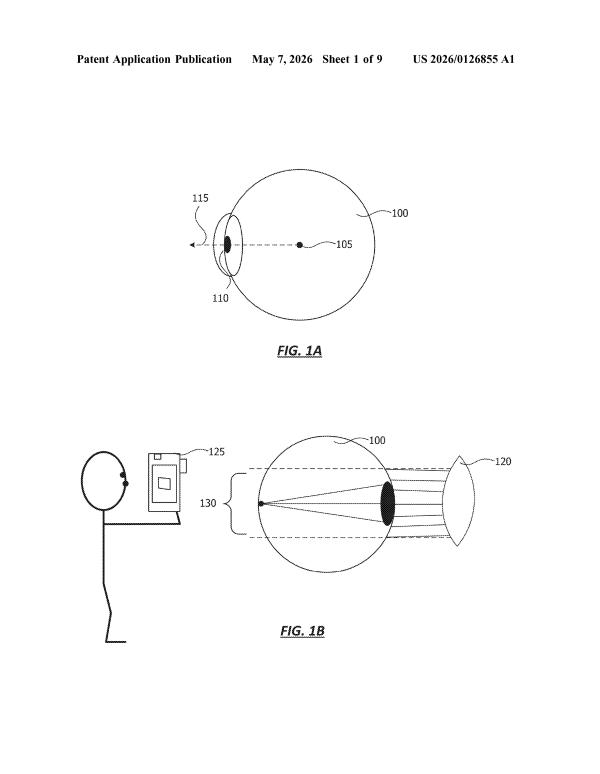
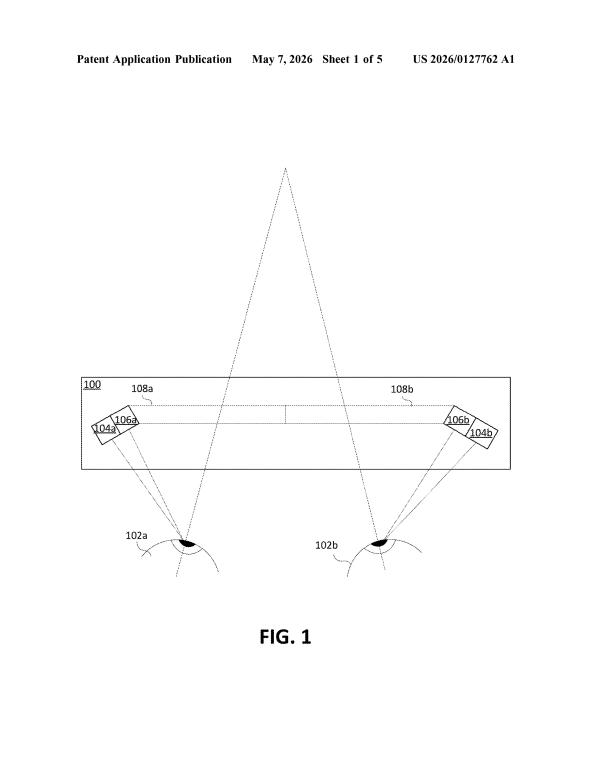
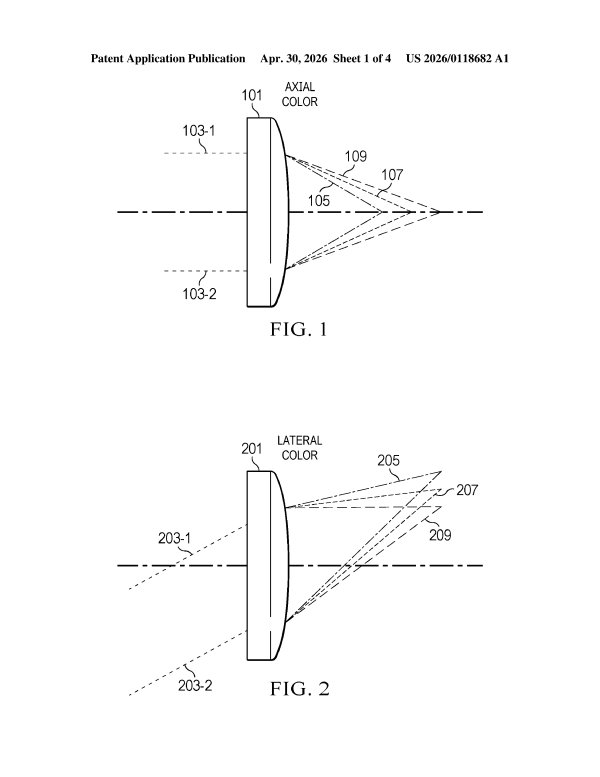
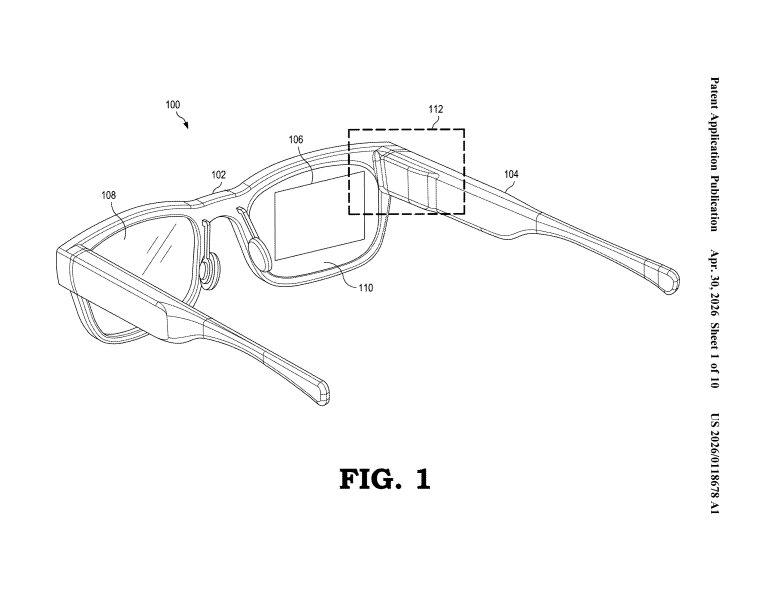
Most of the filings here split into two camps: getting light into the eye cleanly and getting data out of the eye accurately. Google's color-correcting lens and dual-pupil prism systems both attack waveguide clarity, the physics problem behind rainbow fringing in thin AR displays. Apple's gaze-detection, 3D eye-mapping, and lens-boundary filter patents refine how a headset reads where you are looking. Together they suggest eye tracking is becoming the main control layer for these devices.
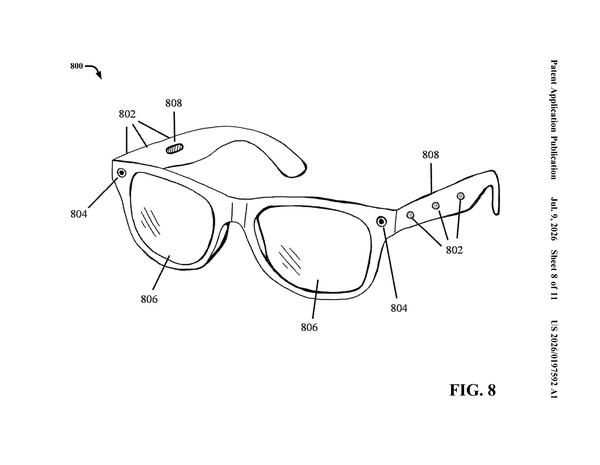
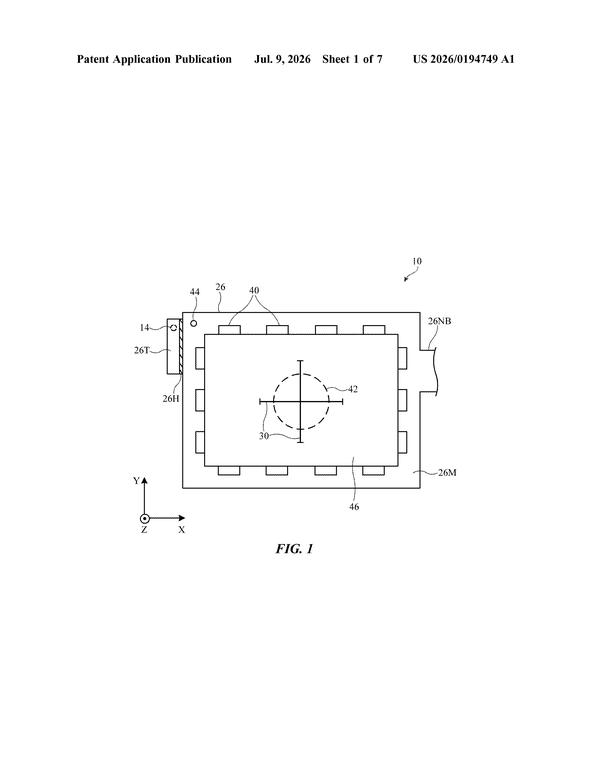
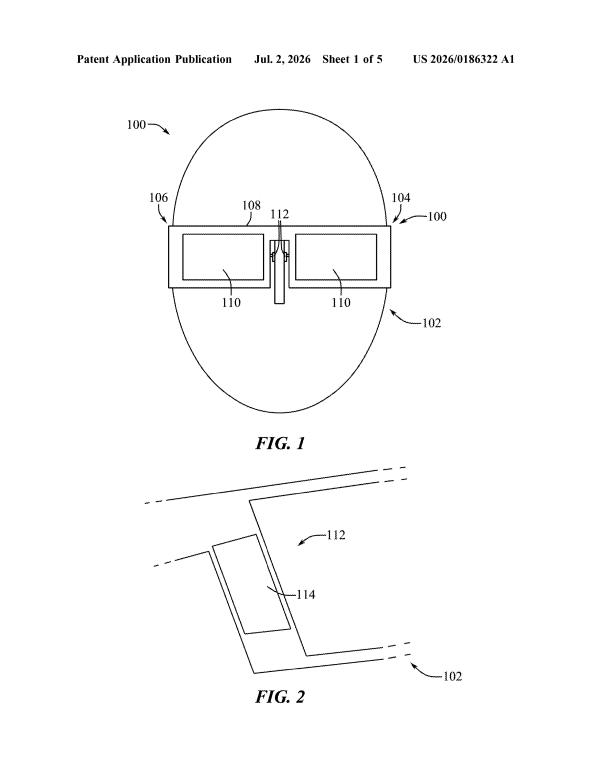
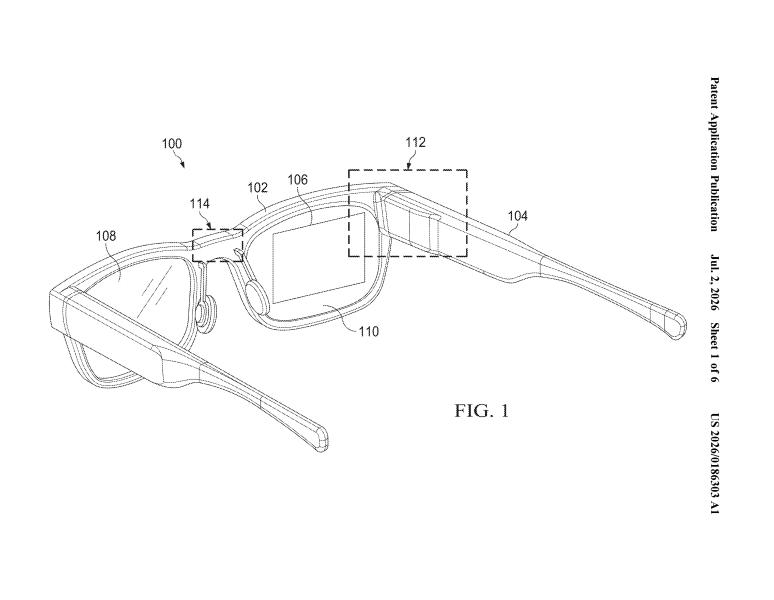
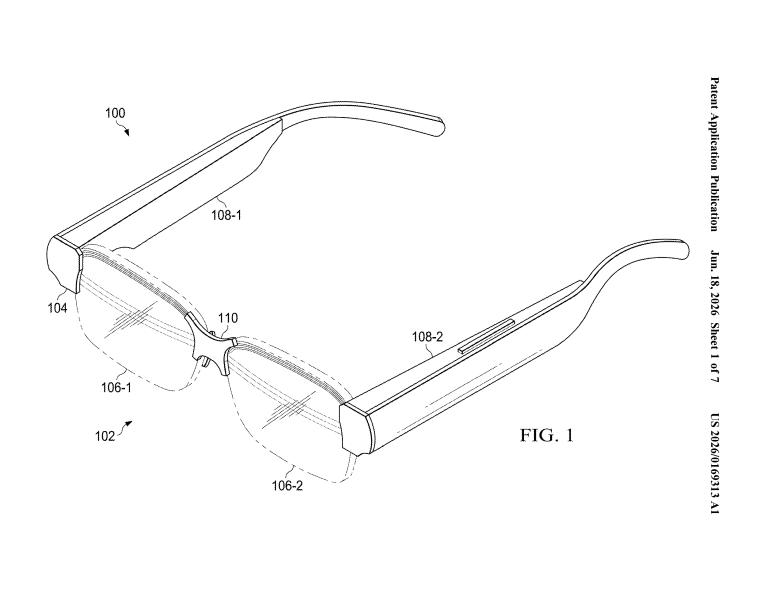
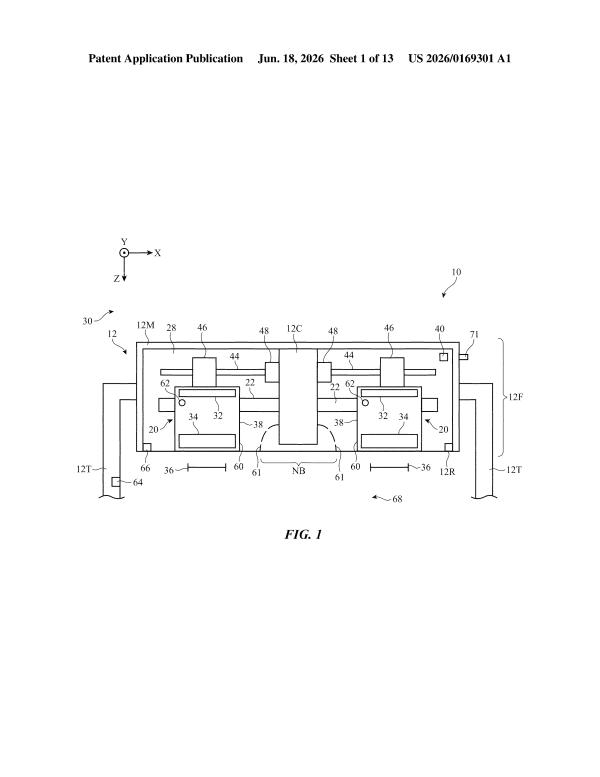
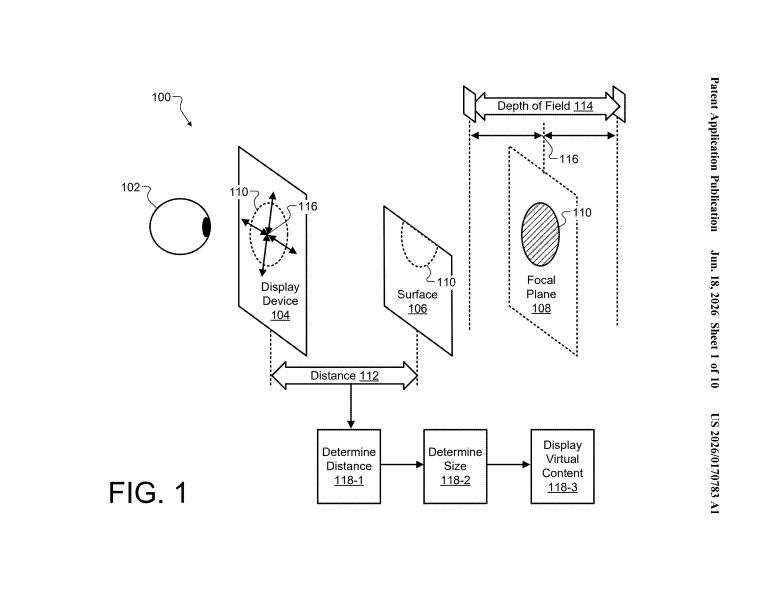
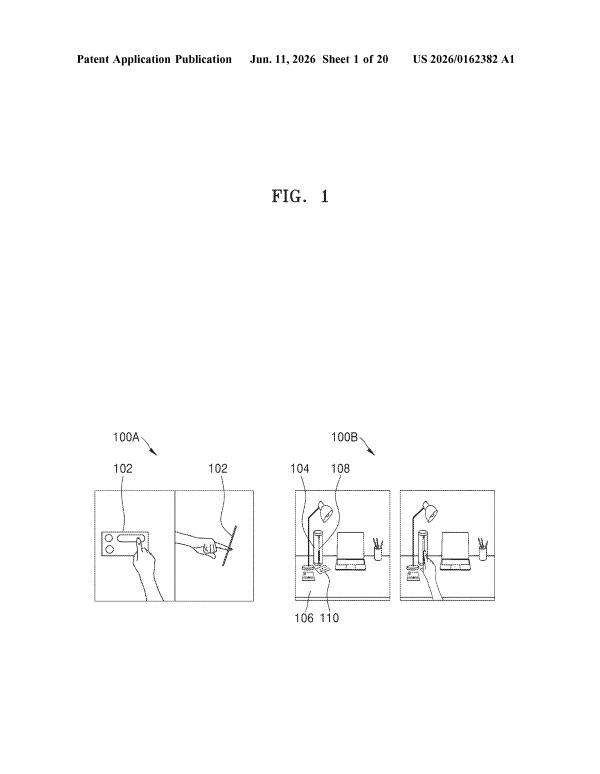
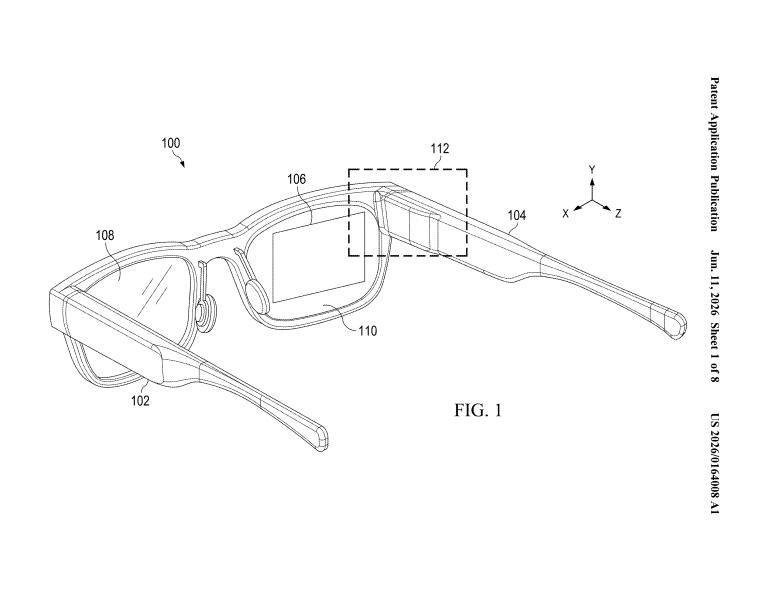
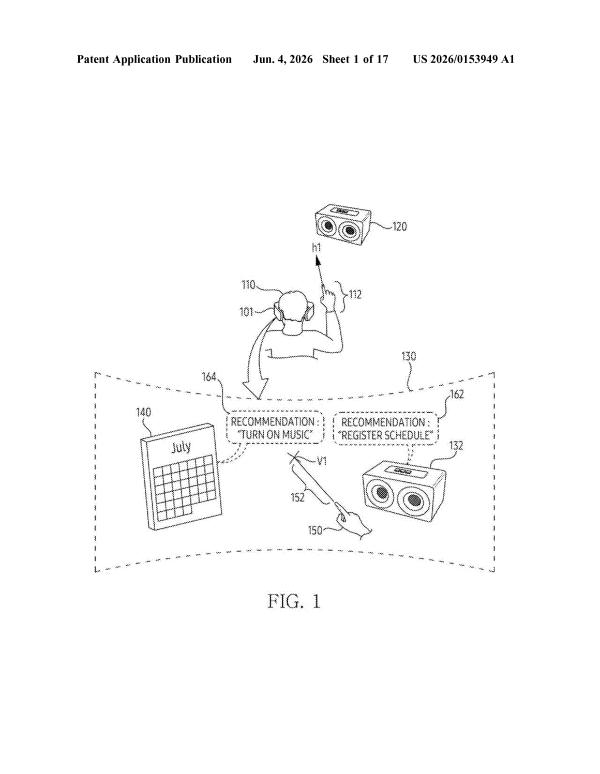
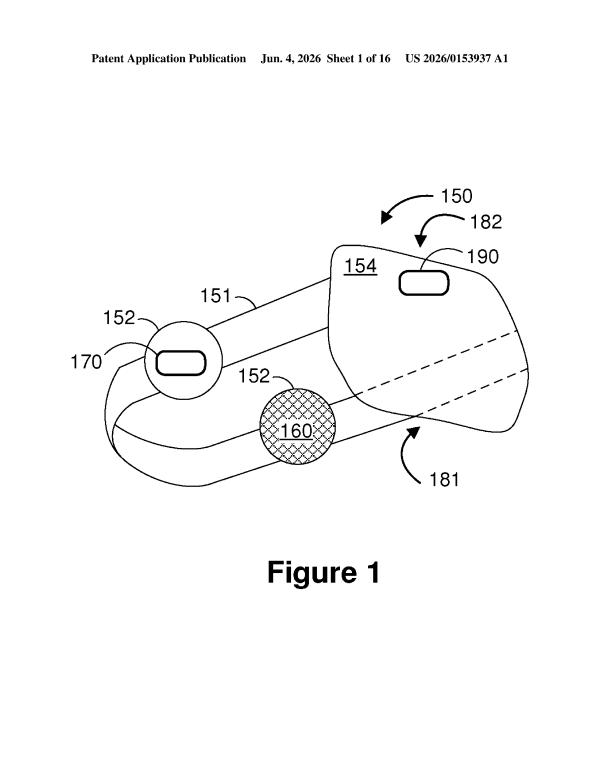
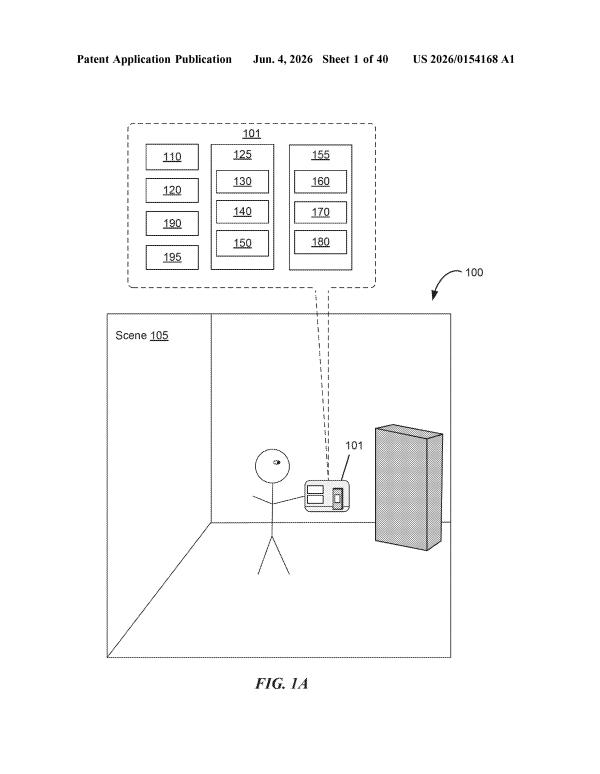
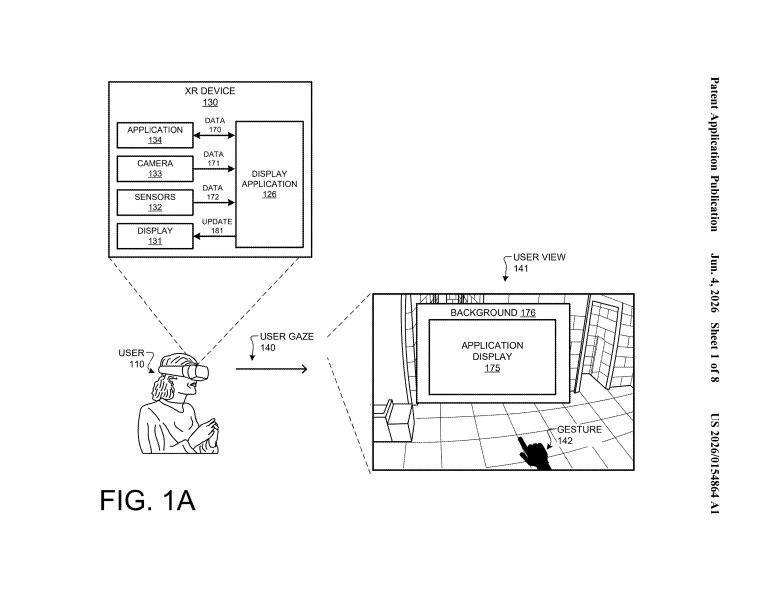
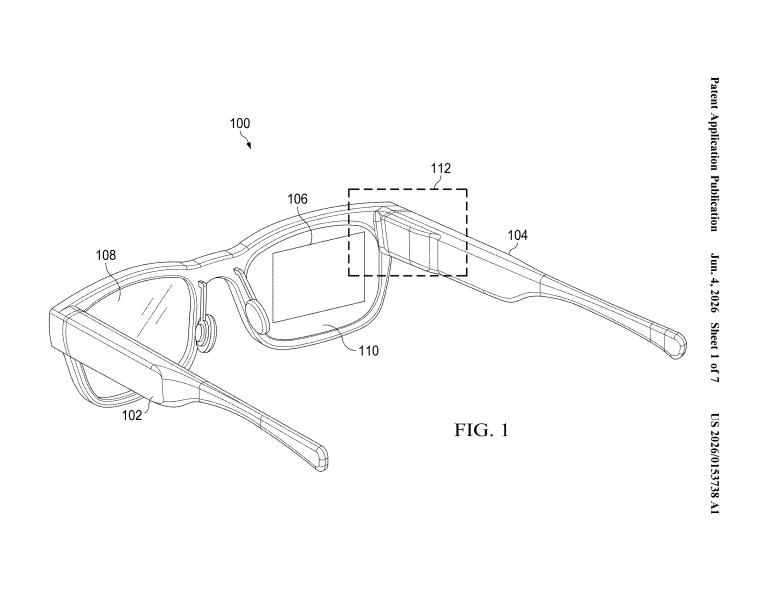
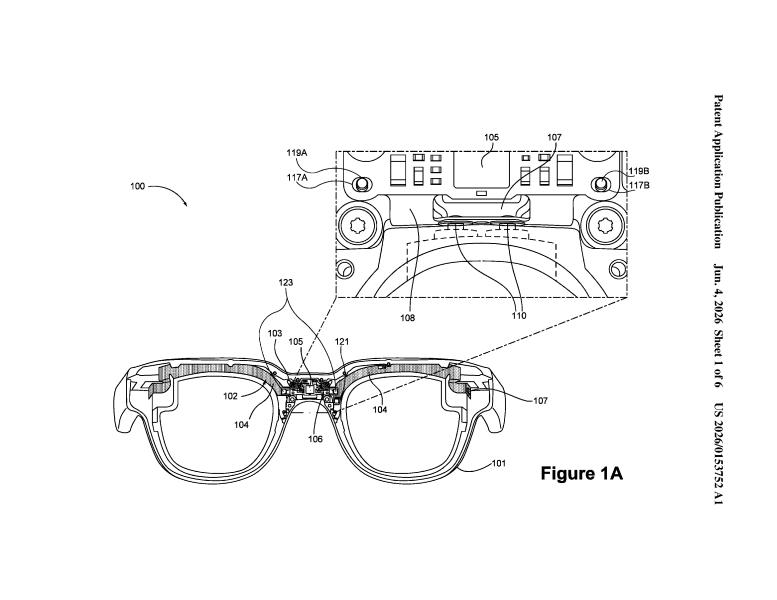
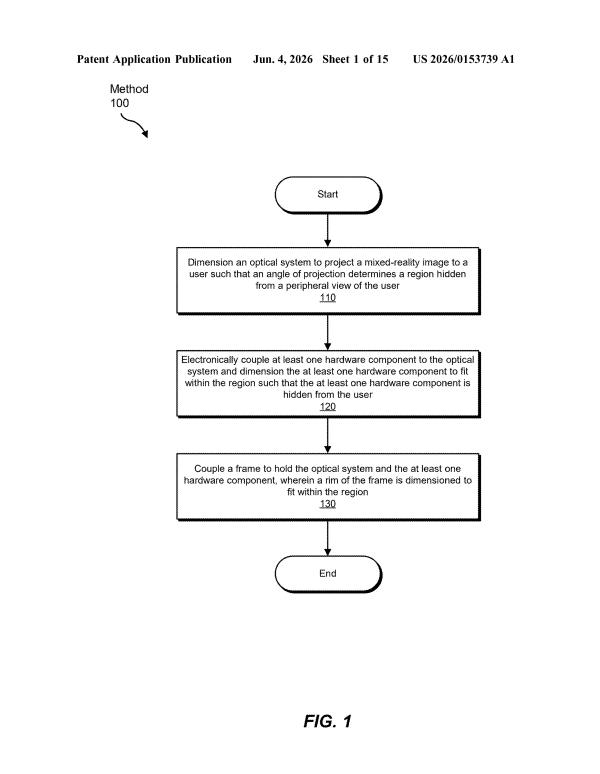
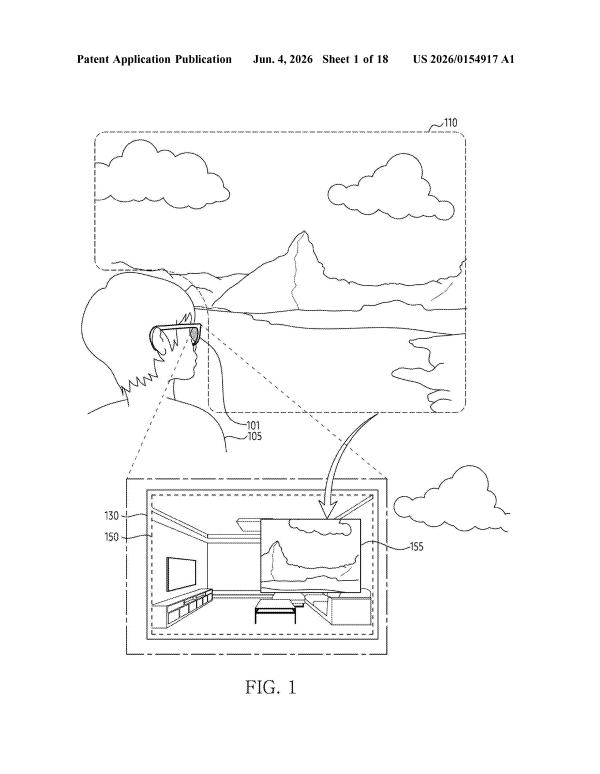
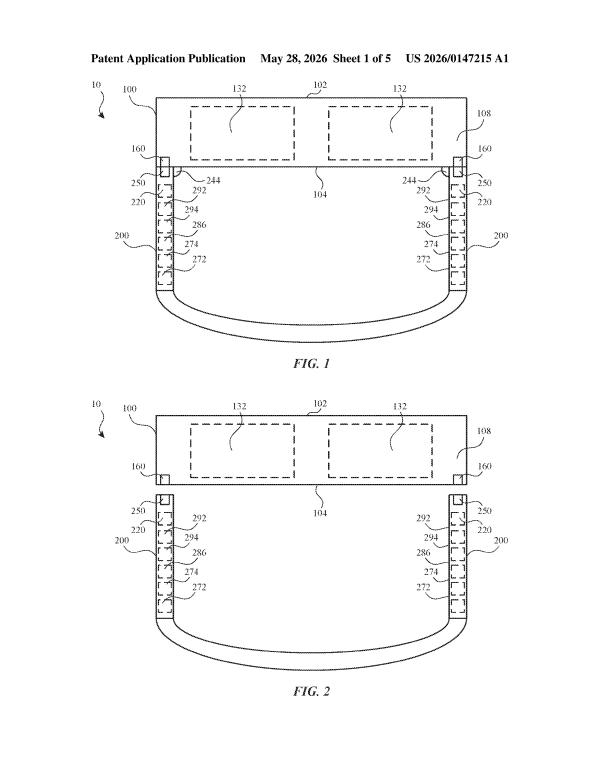
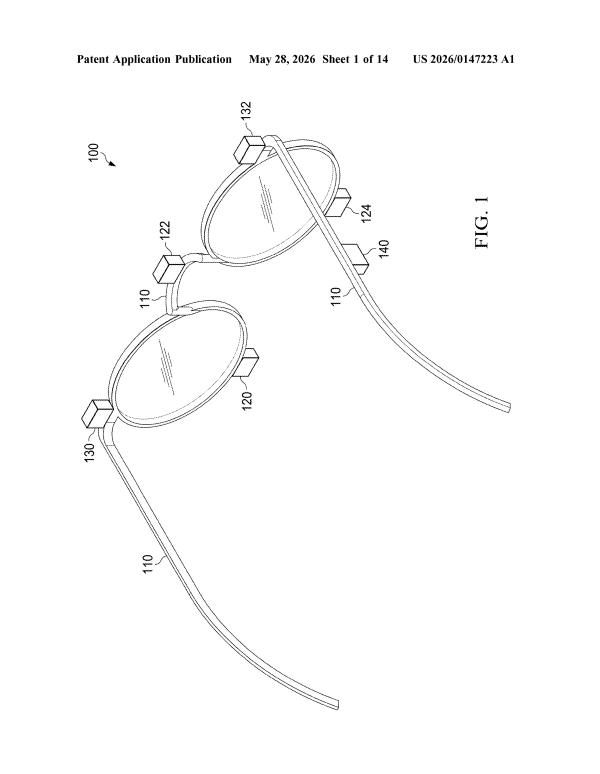
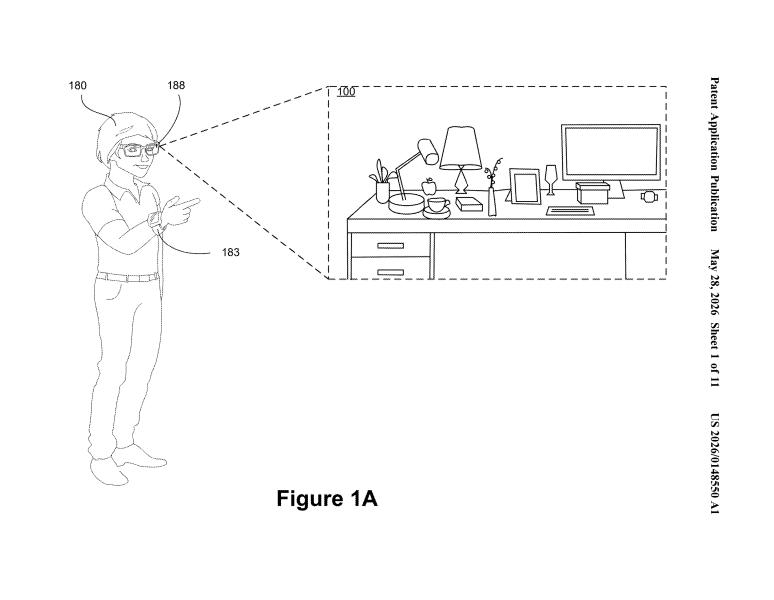
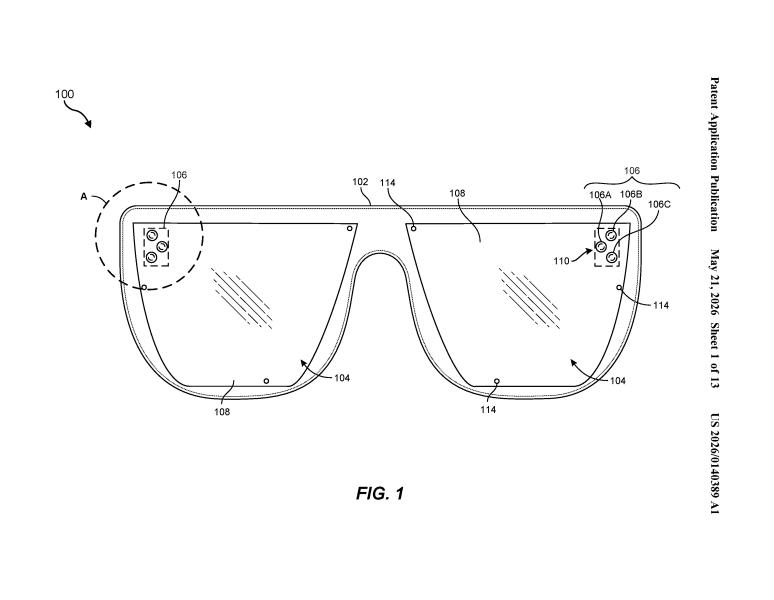
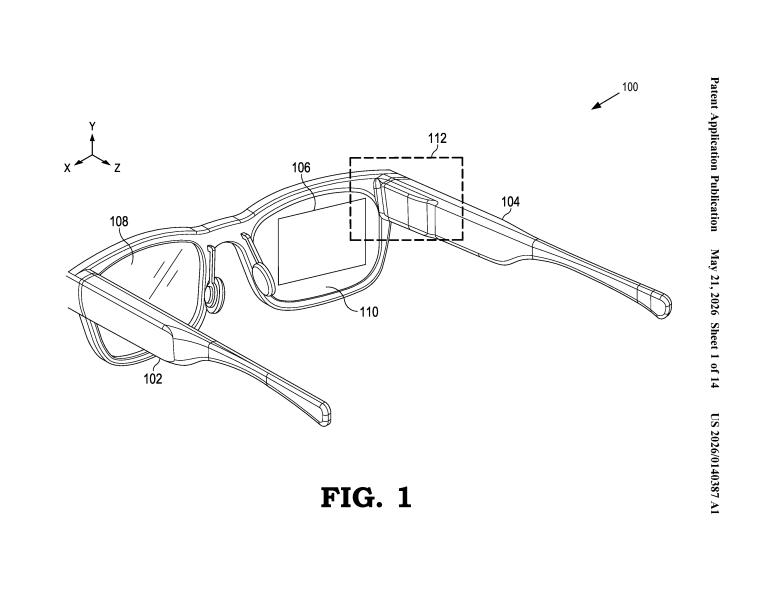
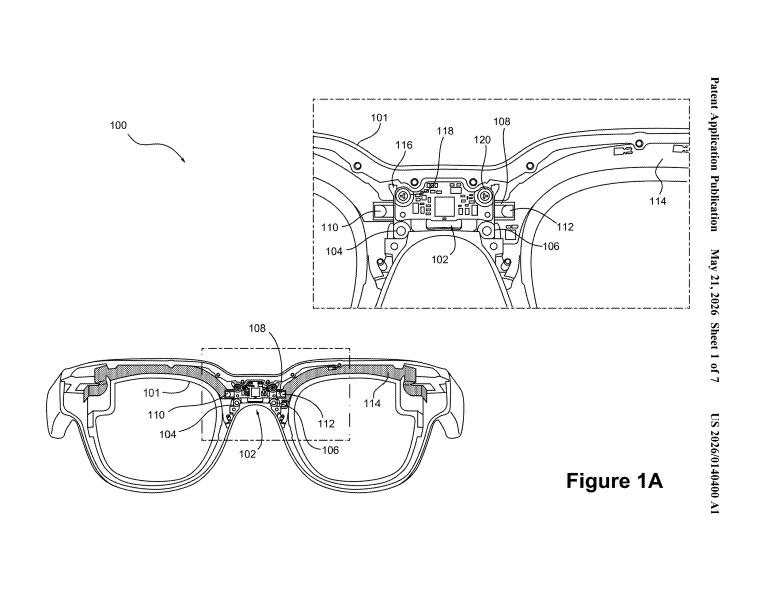
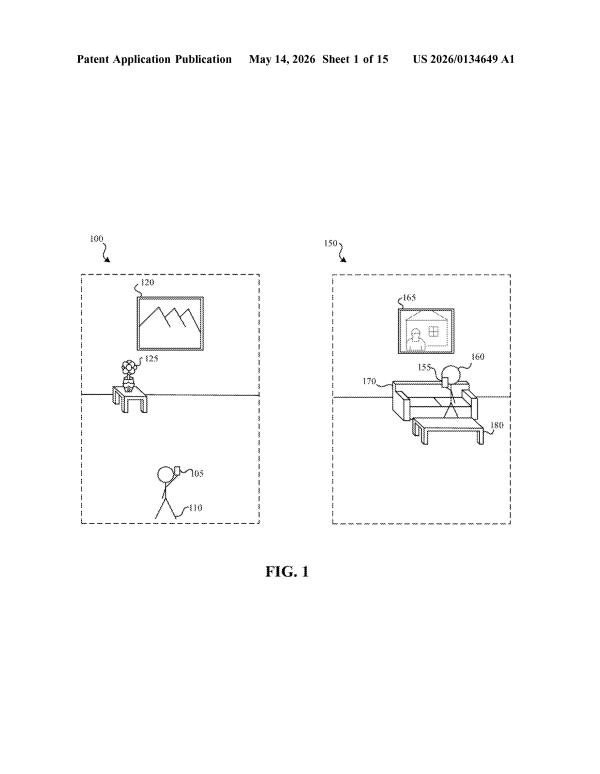
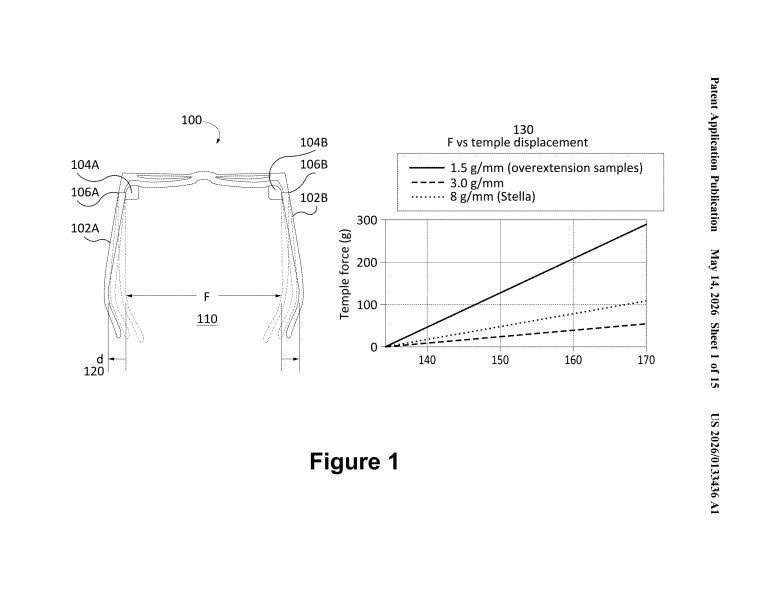
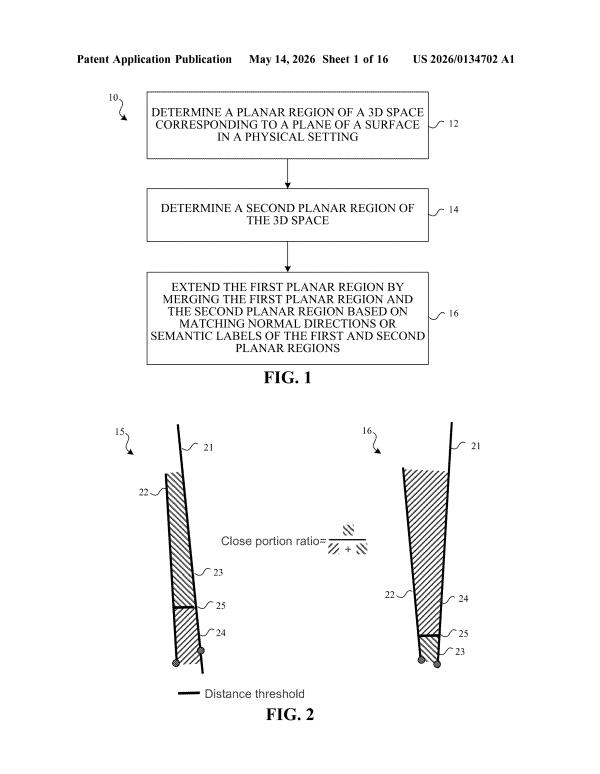
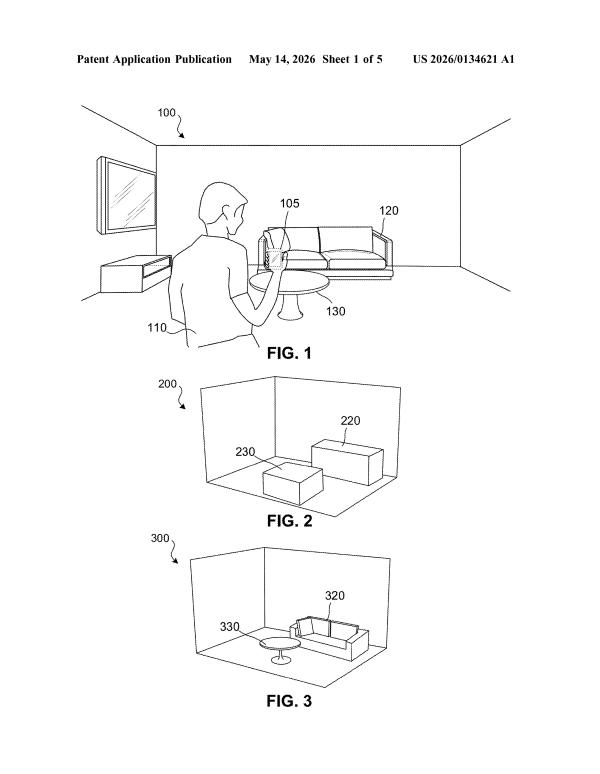
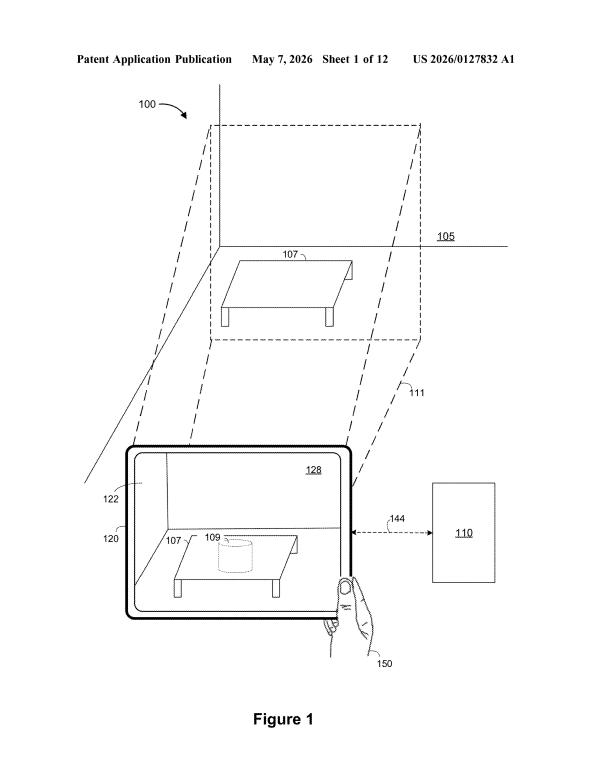
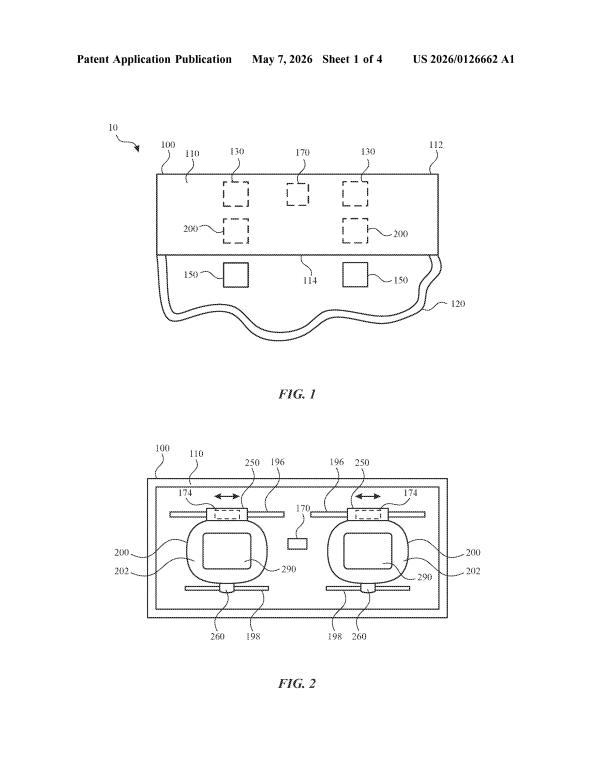
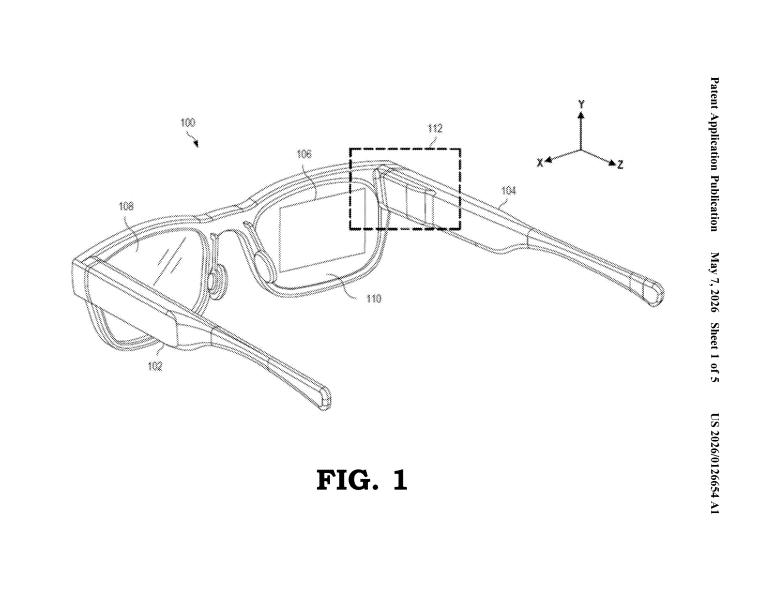
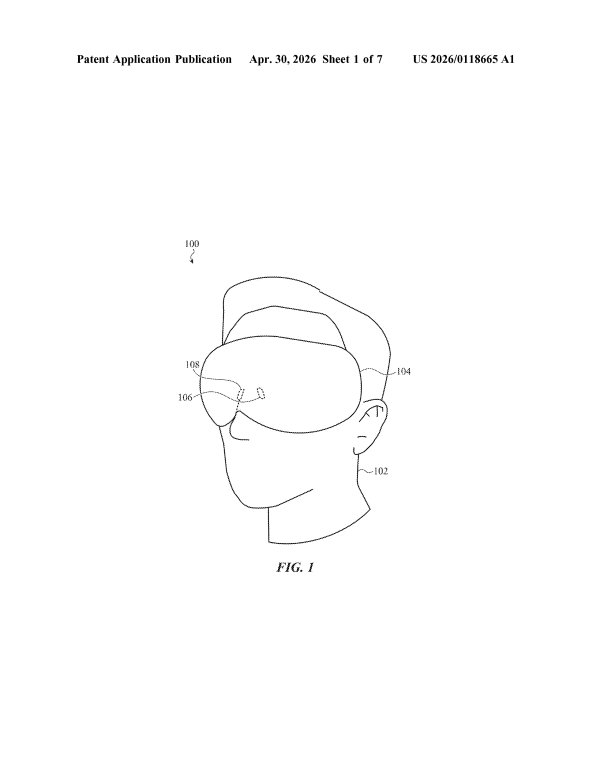
A second cluster targets physical comfort and fit. Meta's hinged nose bridge and metal-sheathed camera lens, Apple's sliding optical enclosure, and Apple's laser sensor that detects headset slip all treat the device's contact with your face and head as an engineering problem in its own right, not an afterthought. Apple's room-sized virtual window patent and context-sensitive UI patent point to software that adapts once the hardware fits, sizing content to your space and changing controls based on where you point.
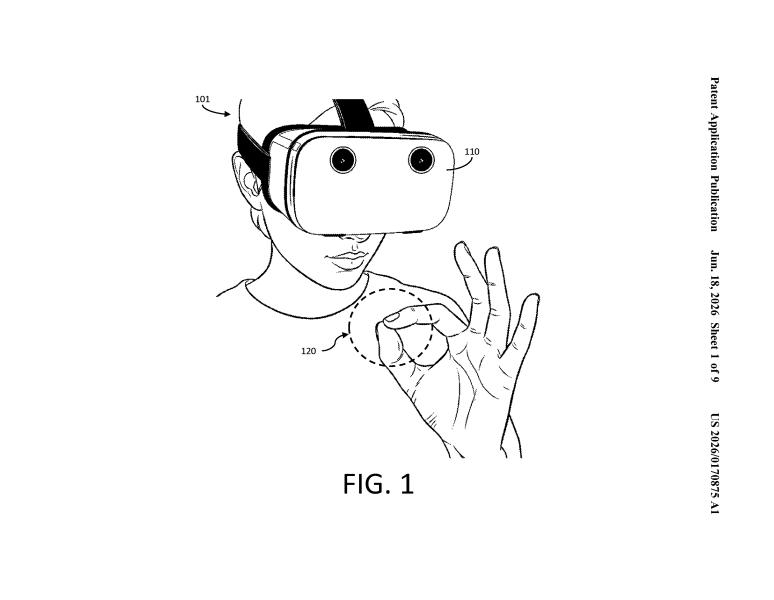
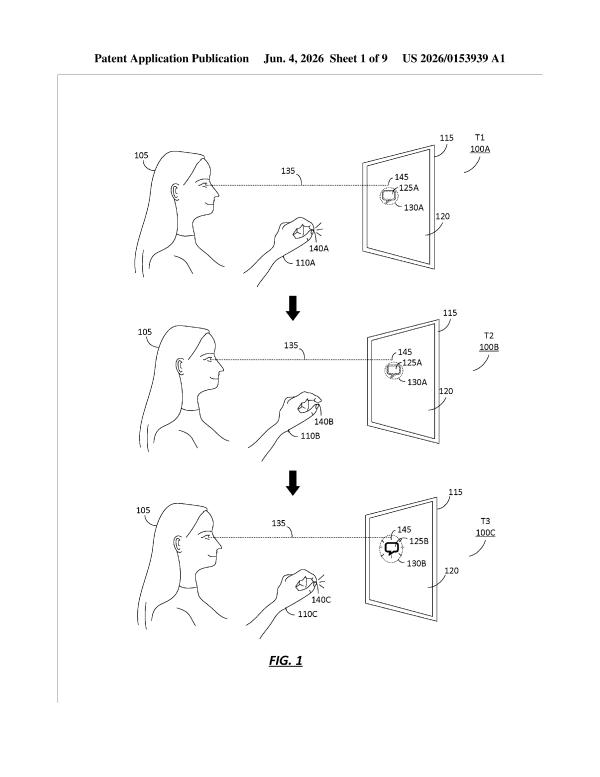
Watch for filings that connect these two threads, where eye-tracking data starts triggering specific UI actions rather than just correcting itself, as in Apple's hot-corner gaze patent. Also watch how often comfort fixes like Meta's nose bridge or Apple's slip sensor show up alongside optics work, since a device people can wear all day depends on both. The pattern so far is three companies solving the same short list of problems from different angles.
Questions readers ask
Is Apple actually building AR glasses?
Apple's filings here focus on eye tracking, headset fit, and display mechanics rather than a specific device. Patents like this show engineering directions a company is exploring, not confirmation of a shipping product. The volume and specificity of Apple's filings suggest serious investment in the underlying tech, but the timeline for any actual glasses stays unclear.
Why do so many patents focus on eye tracking?
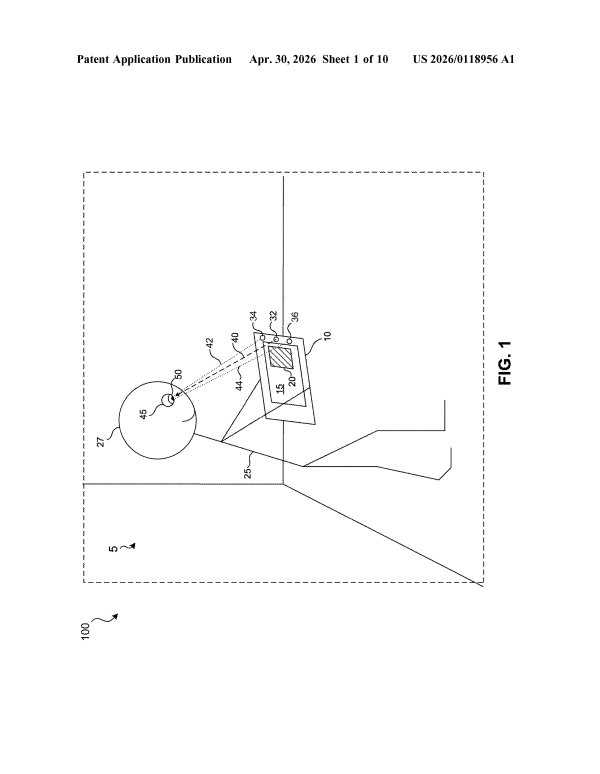
Several filings, including Apple's gaze-detection hot corner patent and its 3D eye-mapping system, treat eye tracking as a control input, not just a display feature. If a headset knows exactly where you're looking, it can trigger actions or adjust the screen without buttons. That double use, as both sensor and controller, seems to be why so many patents cluster here.
What problems are Meta's smart glasses patents solving?
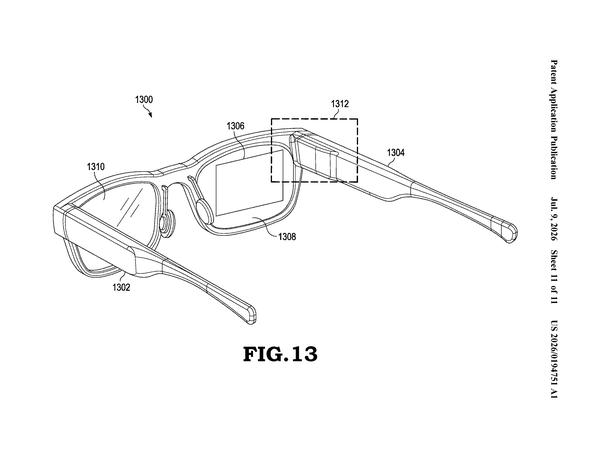
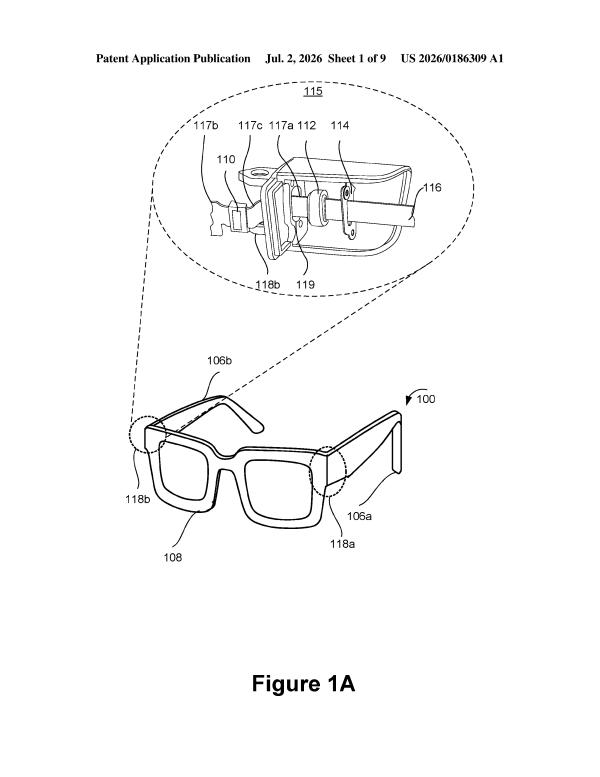
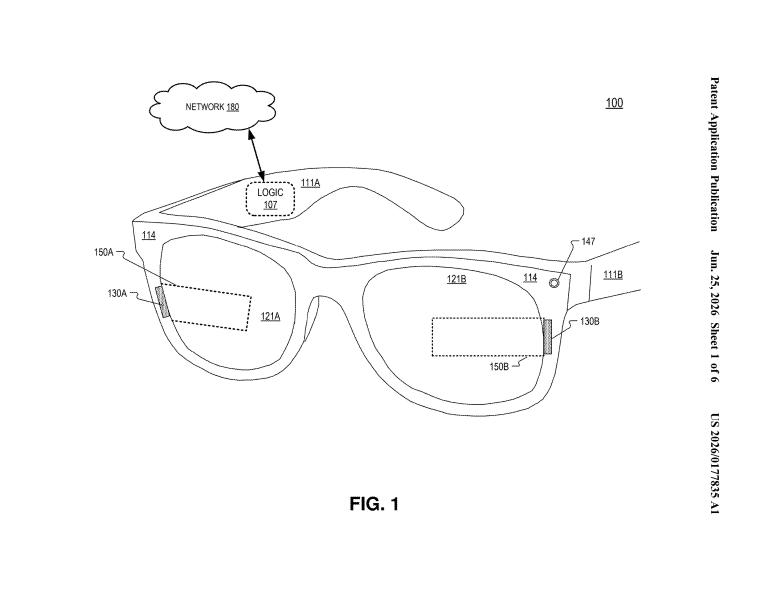
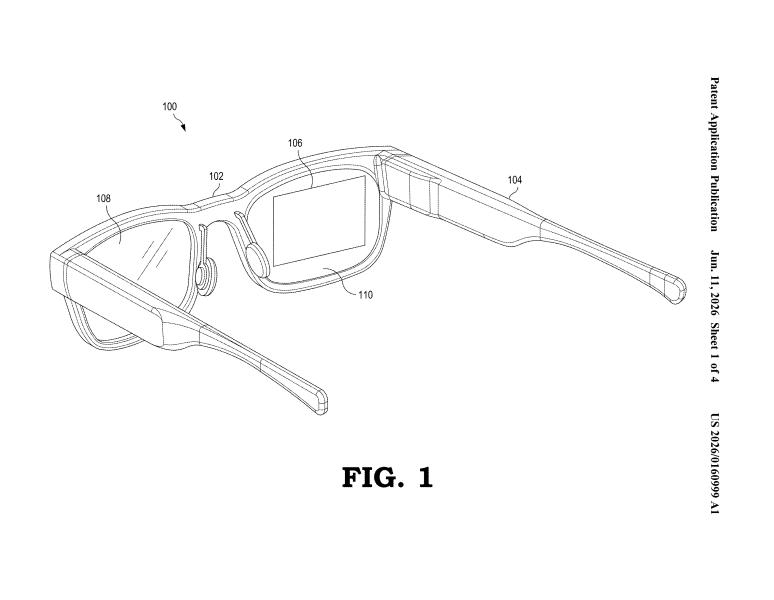
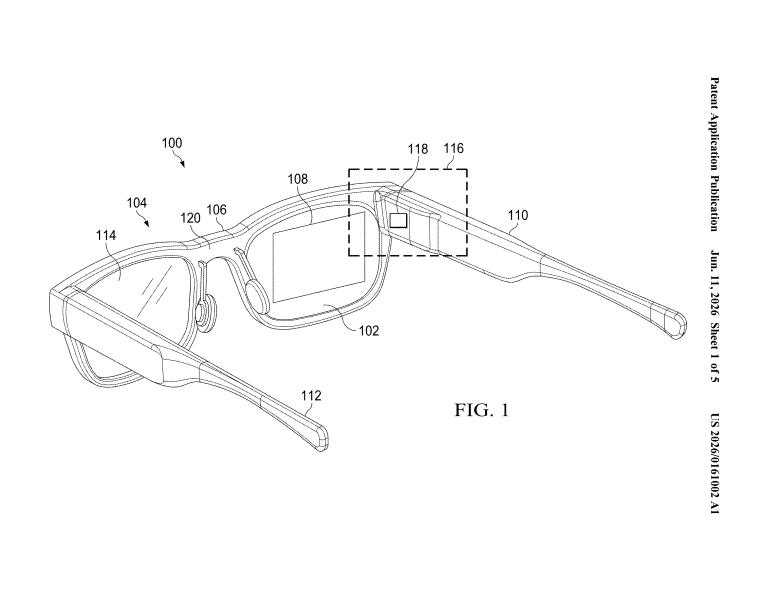
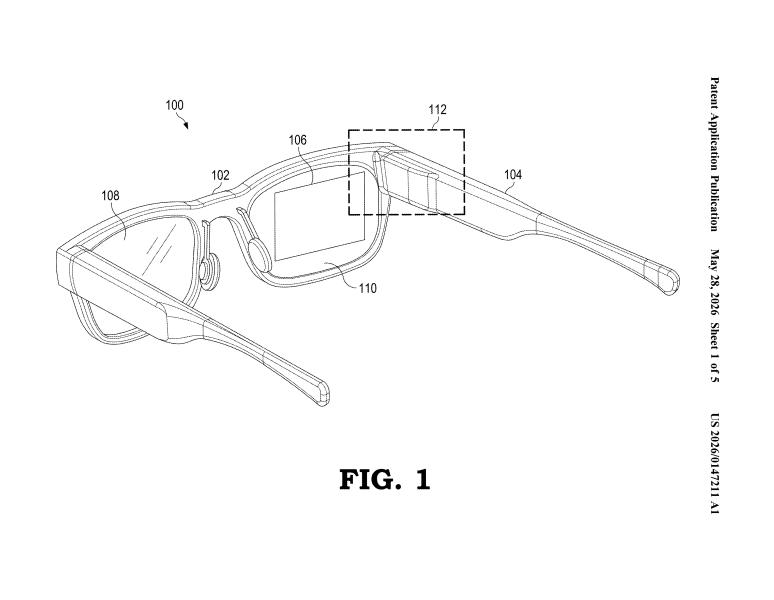
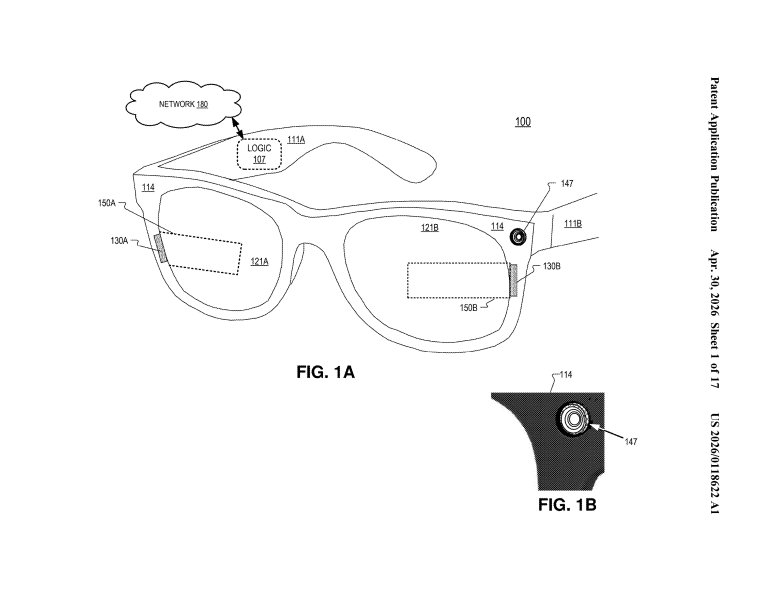
Meta's patents in this storyline lean toward physical comfort and durability, like a hinged nose bridge that adjusts to different face shapes and a metal-sheathed camera lens built with a small air gap. These are small mechanical fixes rather than flashy features, aimed at making glasses people will actually keep wearing.
Do these patents mean a product is coming soon?
No. Patent filings describe technology a company has explored and wants to protect, sometimes years before, or instead of, any product launch. This storyline tracks the direction of that research across Apple, Google, and Meta so readers can see where the engineering effort is going, not when or whether a device will ship.