Samsung's Camera Sensor Patents, and Where They Point
This tracker follows Samsung filings that address sensor pixel design, video motion blur, AI image fill quality, compression, and upscaling. Together they point to a camera pipeline where more decisions happen automatically, from capture to final edit.
129 filings
· tracking since May 2026 · latest Sep 2026 · updates weekly
based on all tracked filings in this watchlist · refreshes every week
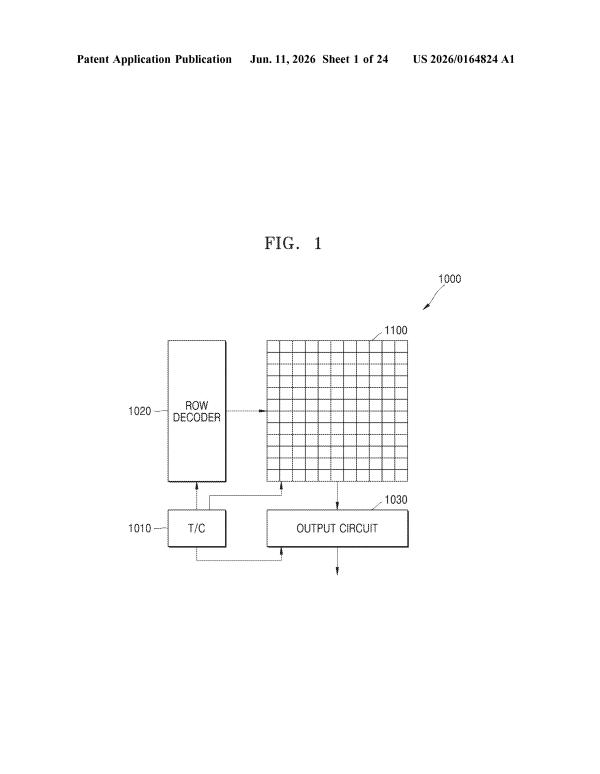
Samsung's 115 filings here are all about making cameras take better photos and videos, covering everything from how light hits the sensor to how software cleans up the result afterward.
The filings cluster most heavily around two problems: fixing blurry or dark shots using AI to sharpen and stabilize images, and improving how the sensor itself captures light in tricky conditions like high contrast scenes.
What’s new in Samsung's camera sensor push
a dated entry each week this watchlist moves · older entries stay archived
Sep 17, 2026 14 filings joined
Most new filings focus on how the camera sensor reads light and handles the resulting image, from capturing bright and dark scenes at once to cleaning up errors before they affect the photo. A few filings push into AI sharpening and smarter lens designs.
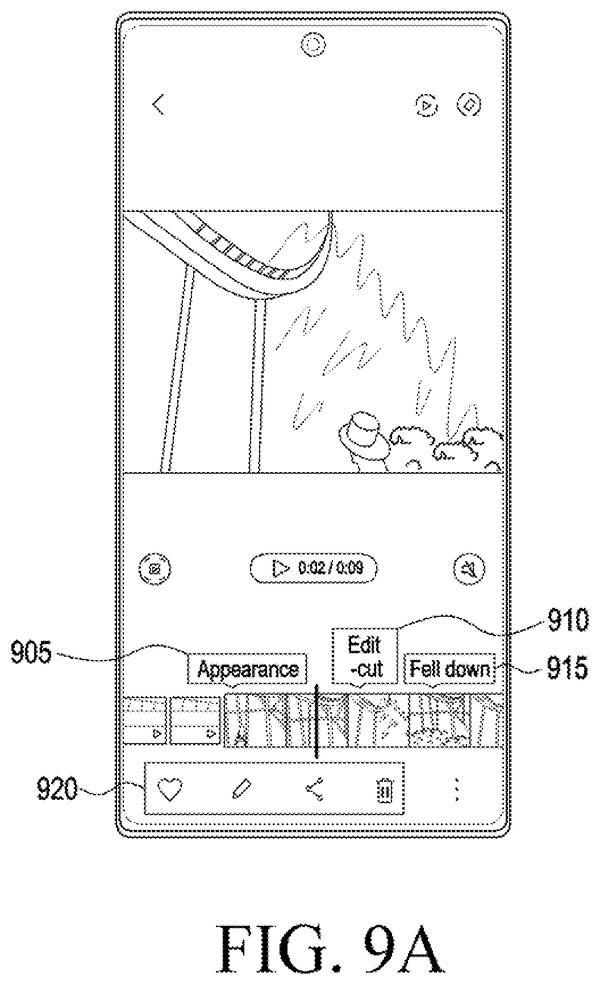
This week's filings lean heavily into how cameras capture, sort, and judge footage. Samsung is filing around automatic video highlights, photo-video combos, better color decoding, and AI that scores your photos.
This week's new filings all focus on getting cleaner, sharper photos in tough conditions. Samsung is applying for patents around fixing blur, reducing visual noise, and brightening dark shots.
Aug 27, 2026 10 filings joined
Most of this week's filings focus on helping cameras capture cleaner, sharper photos by improving how light is stored and processed inside the chip itself. A few filings also cover software that uses AI to sharpen blurry shots or combine multiple photos into one clear image.
Aug 20, 2026 7 filings joined
This week's filings are heavily focused on how a camera sensor captures and processes light, covering everything from handling bright and dark areas at once to sorting light by color and direction at the chip level. A few filings also tackle motion blur, flicker detection, and separating voice from video audio.
The filing pace inside Samsung's camera sensor push
The focus areas inside Samsung's camera sensor push
the problems Samsung keeps filing on · each with its three newest filings · new filings join every week
Pixel and Sensor Layers 32 filings
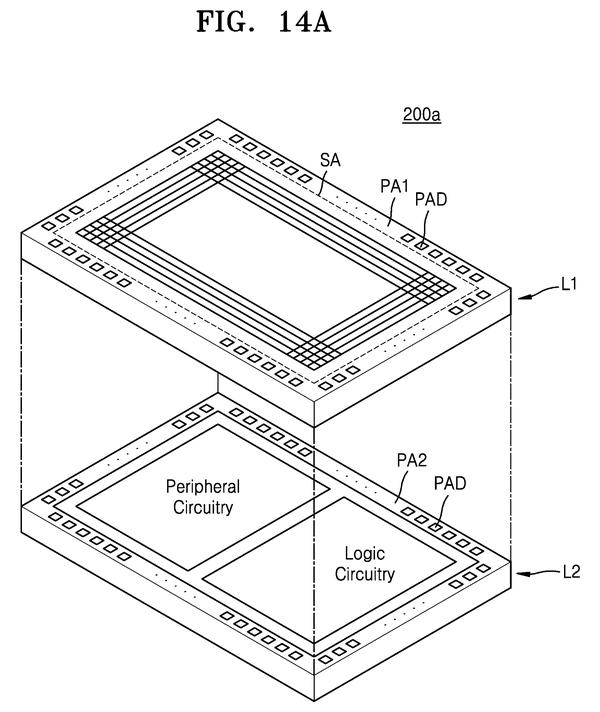
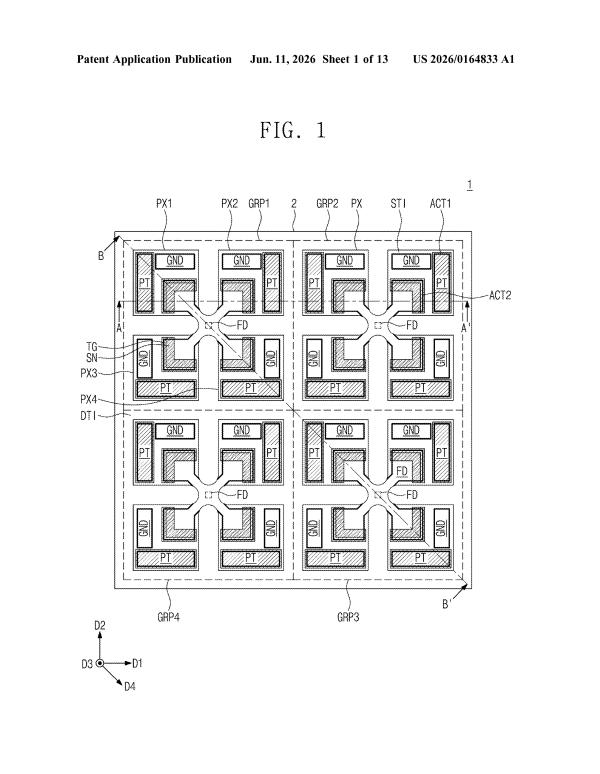
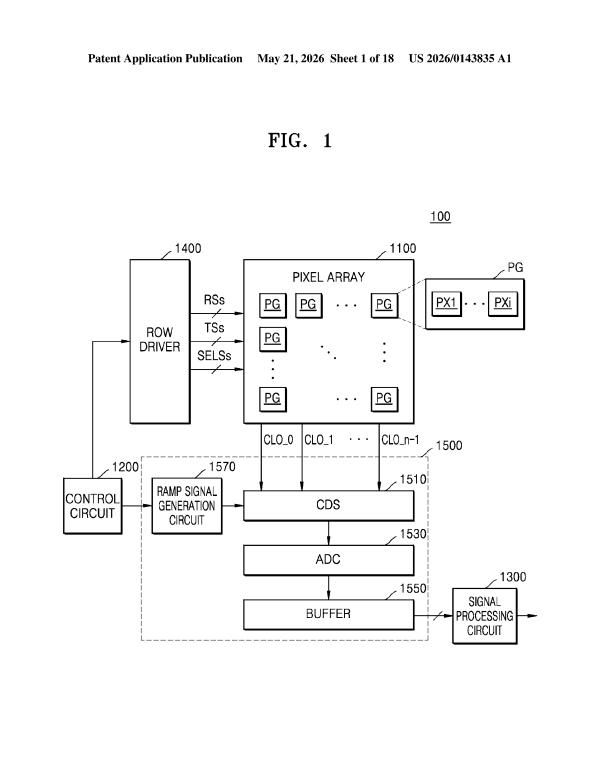
Getting more light into each pixel and keeping colors from bleeding into each other is a core hardware problem. These filings cover the physical structure of camera chips, including stacked layers, air gaps between color filters, nano-scale materials, and new wall shapes between pixels.
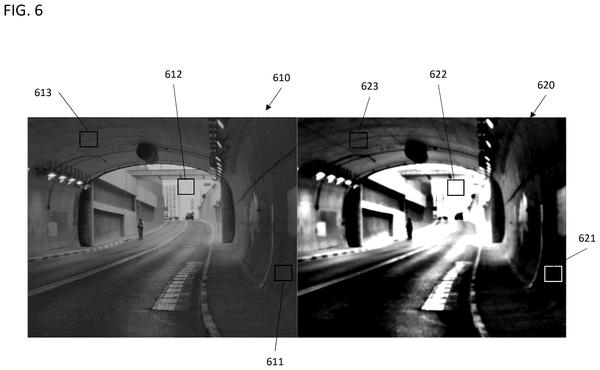
A camera sensor that handles both very bright and very dark parts of a scene at the same time avoids washed-out or too-dark photos. These filings cover ways to store light data across two regions, read multiple exposure levels from one sensor, and capture fine detail across the full range of light.
Light leaking where it should not causes blurry edges, color fringing, and soft focus. These filings cover chip designs that block stray light, coatings built into the glass, and pixel structures that stop excess light from spreading.
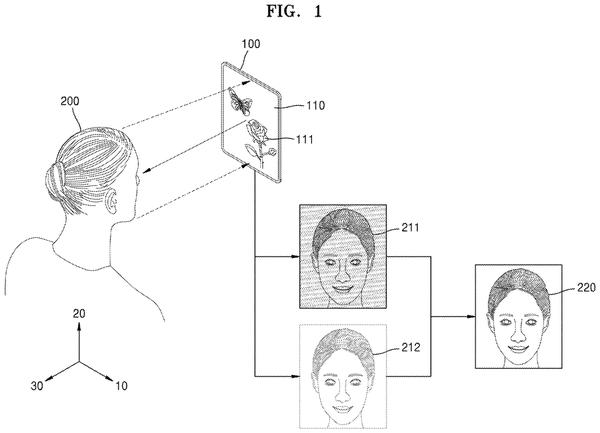
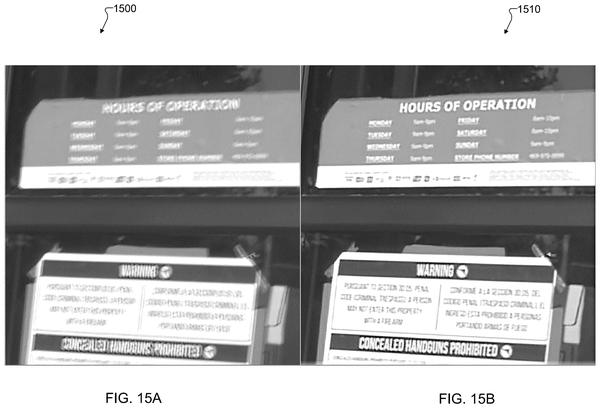
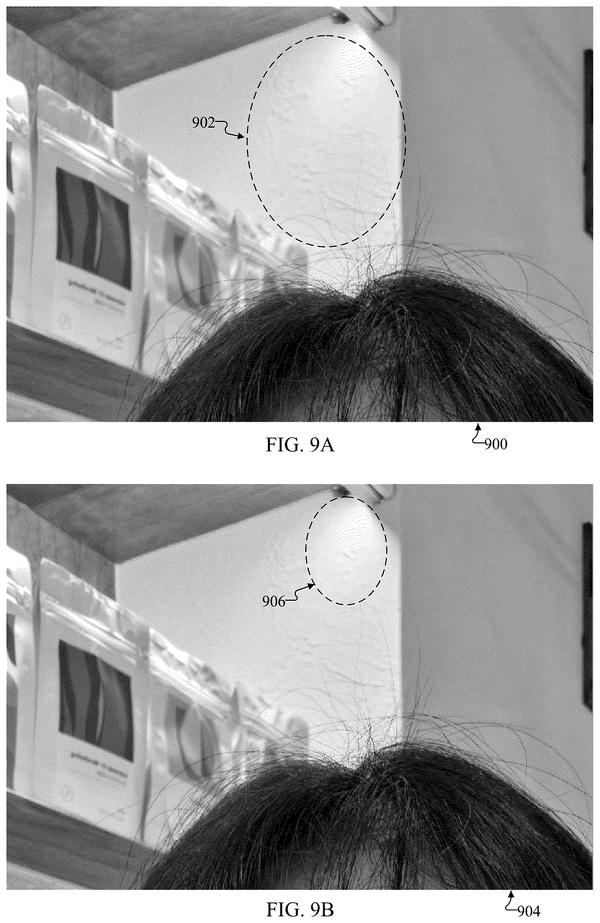
Photos and video often come out blurry, blocky, or missing detail, especially in low light or after heavy compression. These filings cover AI systems that detect and fill missing parts, remove blur, fix compressed video frames, and adjust how light or dark each part of an image looks.
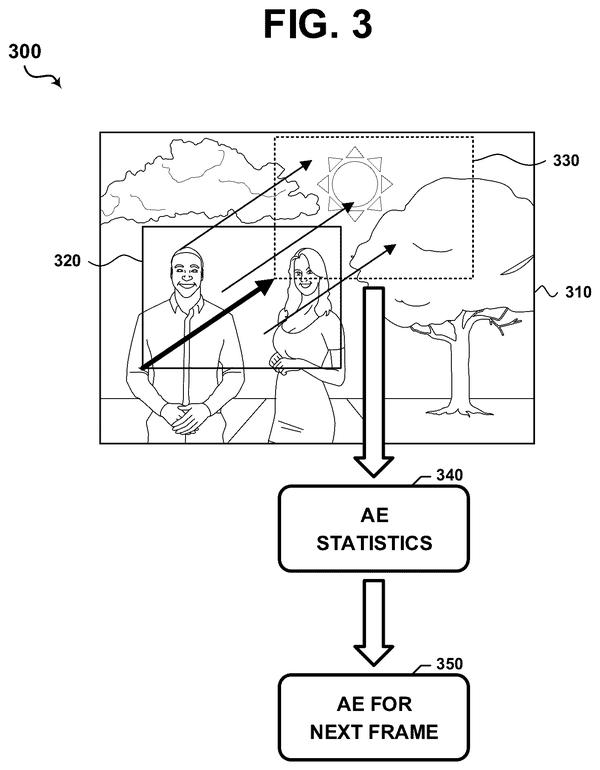
Locking focus quickly and setting the right exposure before or during a shot is hard, especially when subjects move. These filings cover systems that predict lighting before the shutter fires, adjust exposure based on movement, and process less data to lock focus faster.
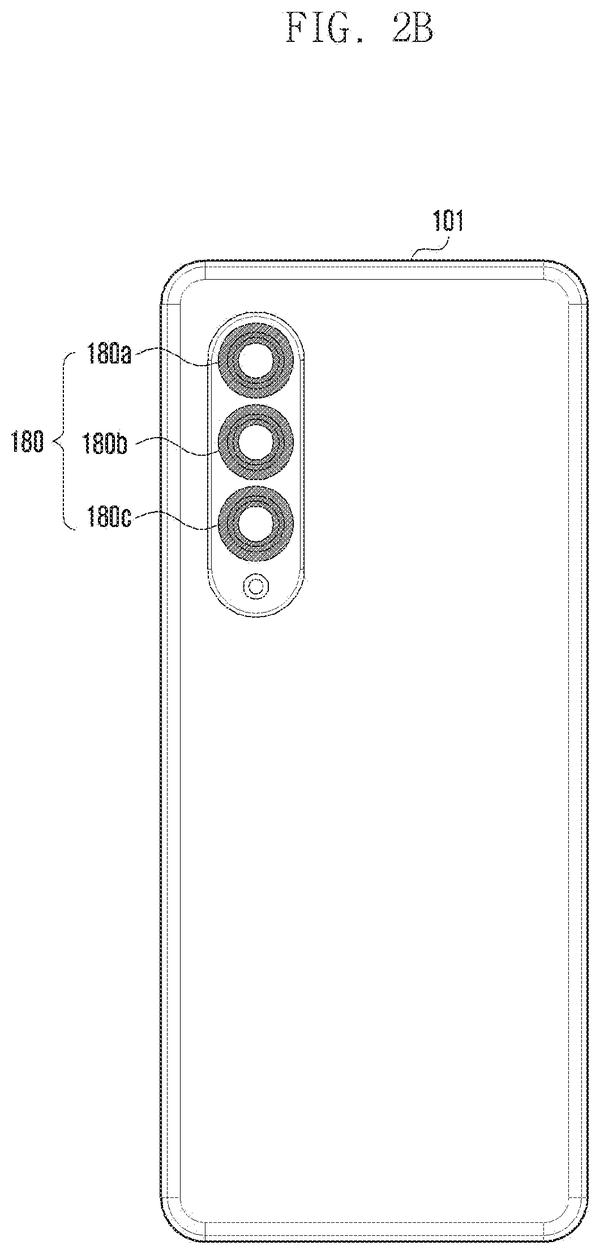
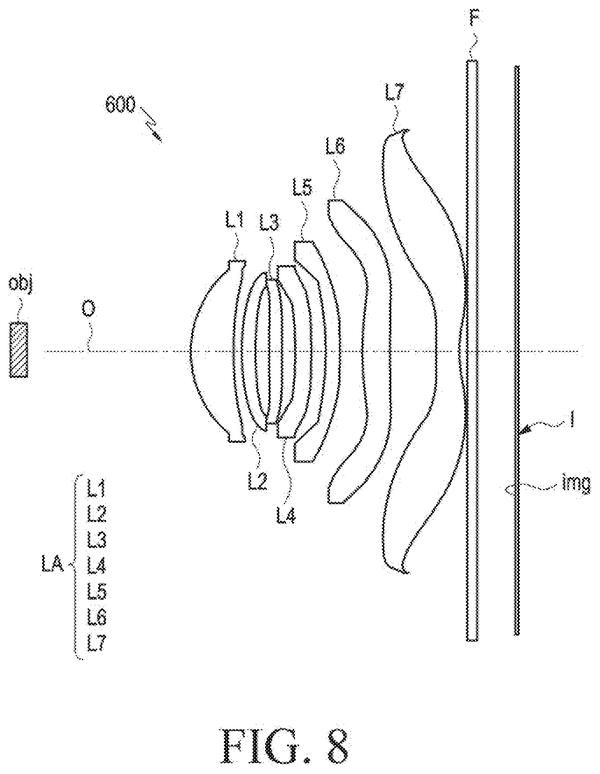
Phones with more than one camera need to keep colors consistent, avoid shake, and switch between lenses smoothly. These filings cover systems that match colors across cameras, cut video shake, switch lenses when an accessory is attached, and fold light to slim down zoom lenses.
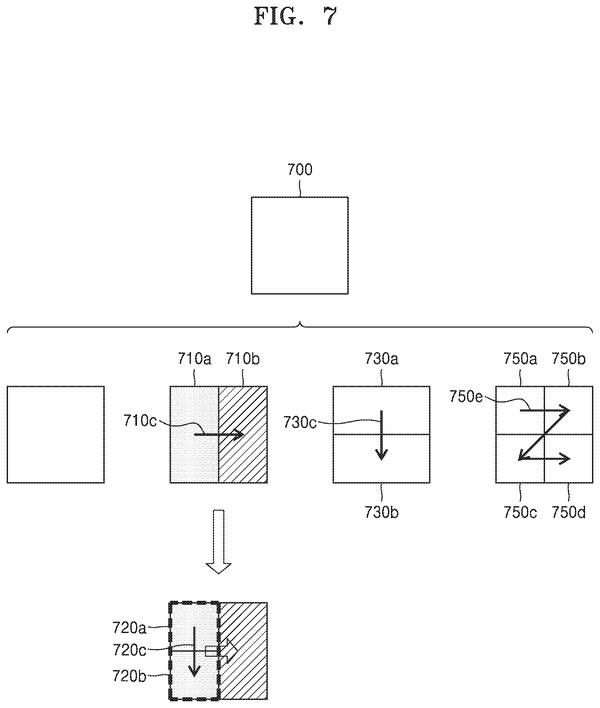
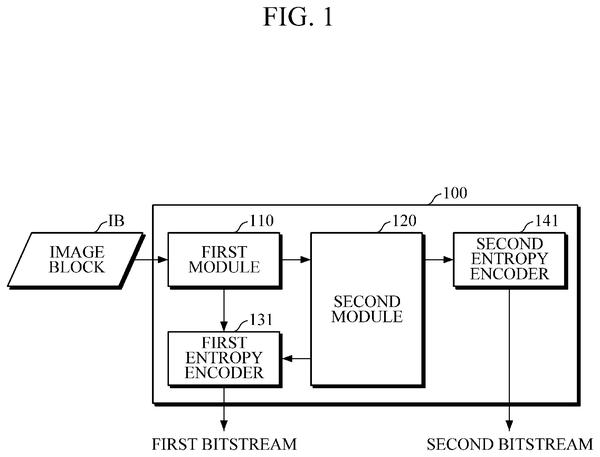
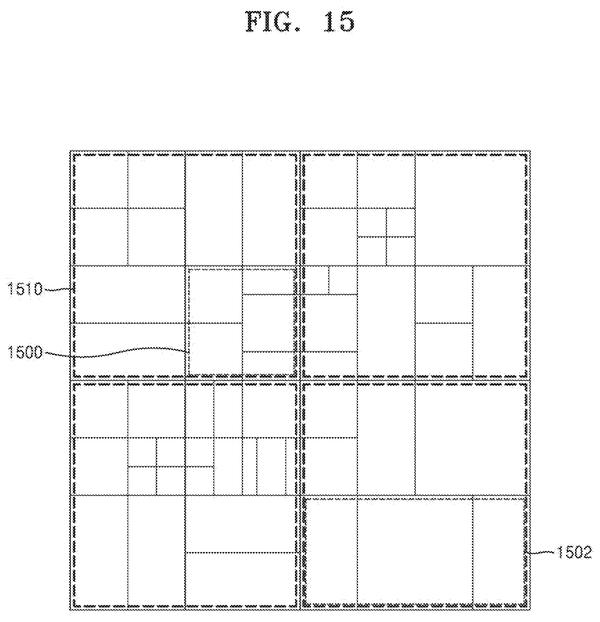
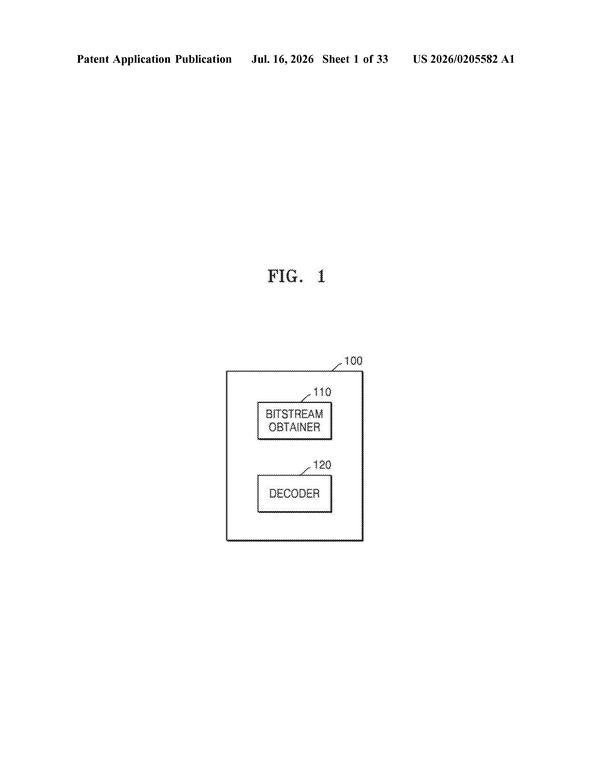
After sensor and pixel work, Samsung moves upstream into the decoder itself, testing multiple fill directions per block to reduce artifacts where motion blur or compression create ambiguous boundaries.
After sensor design and pixel architecture, Samsung is now optimizing the computational path: merging multi-frame data while frames remain compressed cuts the memory and CPU cost of burst-to-single-image processing.
Fills a gap between pixel capture and output: Samsung adds per-image color correction tuned to actual lighting conditions rather than generic adjustments.
Thinning the camera bump means fitting the same processing power into a smaller footprint, which Samsung achieves here by varying circuit board thickness to pack components more densely without stacking them higher.
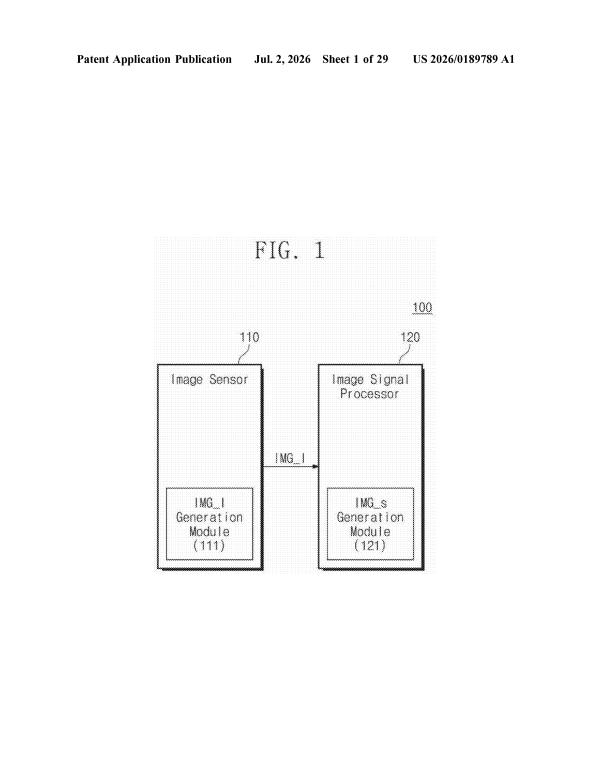
Better passthrough video could reduce the sharpening work that happens after capture, moving detail recovery earlier in the pipeline where multiple frames are available at once.
Splitting background blur into separate depth zones lets each layer receive custom blur amounts, moving past the single-scale approach that flattens depth perception in portrait shots.
Per-pixel dual-readout circuits let the sensor capture high and low exposures simultaneously, moving dynamic range recovery from software to hardware before data leaves the chip.
After pixel design and compression work, Samsung is now embedding error correction directly in the sensor readout path, catching electrical noise before it propagates downstream into the image pipeline.
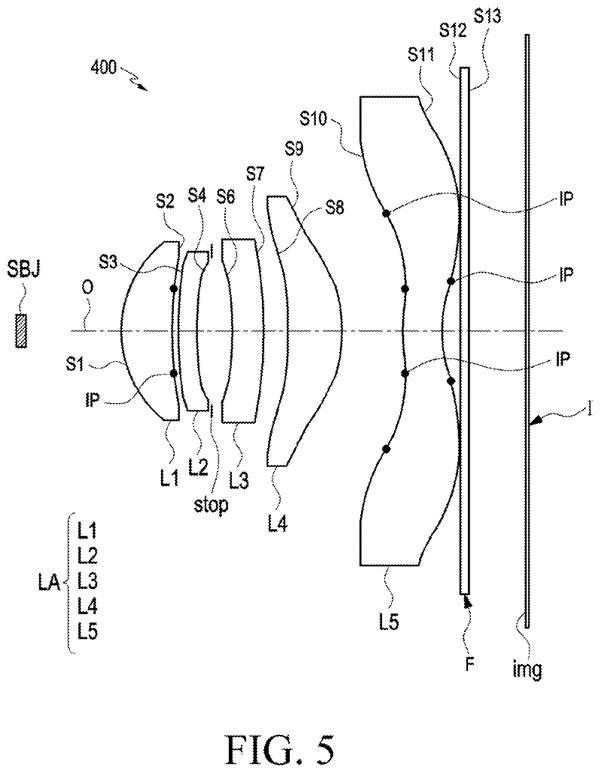
After pixels and processing, Samsung is now locking down the physical constraints that make compact stacks work: precise spacing between lens elements to hit optical performance targets without adding bulk.
After pixel design and motion blur work, this filing targets the electrical noise that degrades image quality during readout itself, using staggered pixel group timing to reduce interference rather than correcting noise downstream.
After establishing pixel and sensor gains, Samsung now attacks the optical constraint that forces zoom into phone bumps: a folded light path that compresses focal length into thinner hardware.
Giving third-party apps direct access to the camera's full capability stack removes the bottleneck of Samsung's own software layer deciding what to share, letting outside developers build camera features that previously required system privileges.
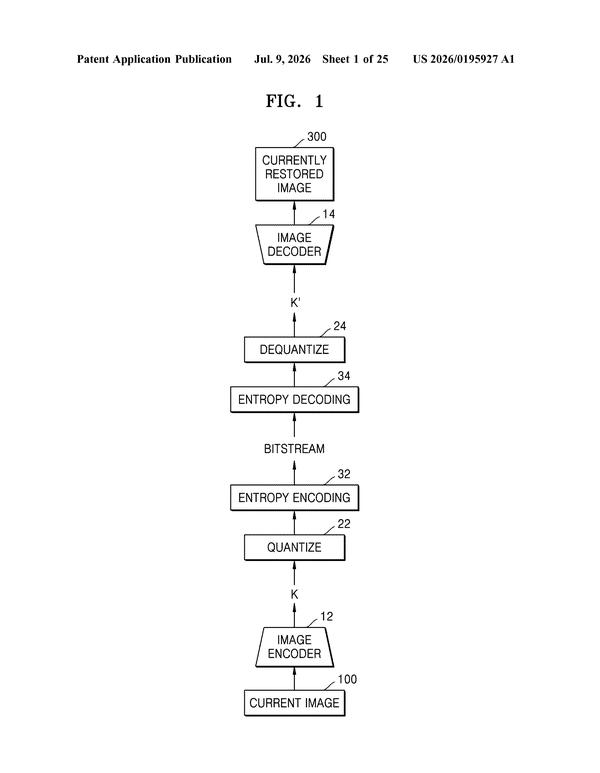
After pixel capture and upscaling, compression becomes the next efficiency bottleneck. Samsung splits the work between reversible and lossy networks to move more data through the pipeline with fewer quality trade-offs.
Comparing hash summaries instead of raw pixels during motion compensation search cuts the computational load that balloons at higher resolutions, keeping the encoding pipeline responsive as Samsung pushes sensor megapixel counts upward.
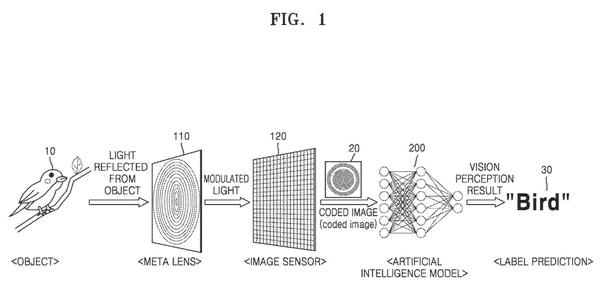
Scrambled raw sensor output bypasses traditional image reconstruction, letting AI recognize objects directly from coded light patterns instead of waiting for optical and software cleanup.
Image quality assessment moves from scoring to reasoning: the system explains which photo wins on specific metrics like sharpness or noise, enabling smarter pipeline decisions.
Better search through recorded video means the camera pipeline must identify and track subjects during capture, then index them for retrieval. This filing confirms Samsung is building recognition logic into the front end, not just the cleanup phase.
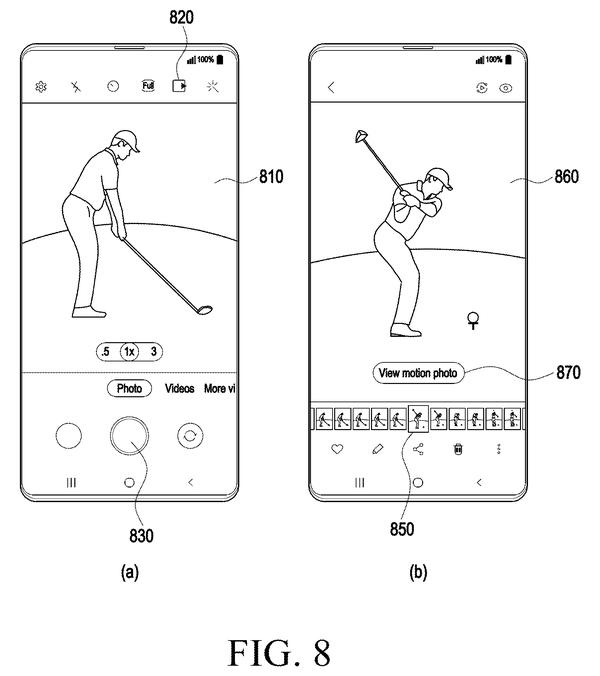
Capturing the right moment in stills often means missing the peak of action. This filing adds temporal buffer capacity, the system records video before and after each still to let users review and pick the actual decisive frame.
Motion detection within continuous footage currently wastes storage on static scenes. Samsung's method uses frame-by-frame analysis to identify and flag dynamic content, enabling selective retention before compression kicks in.
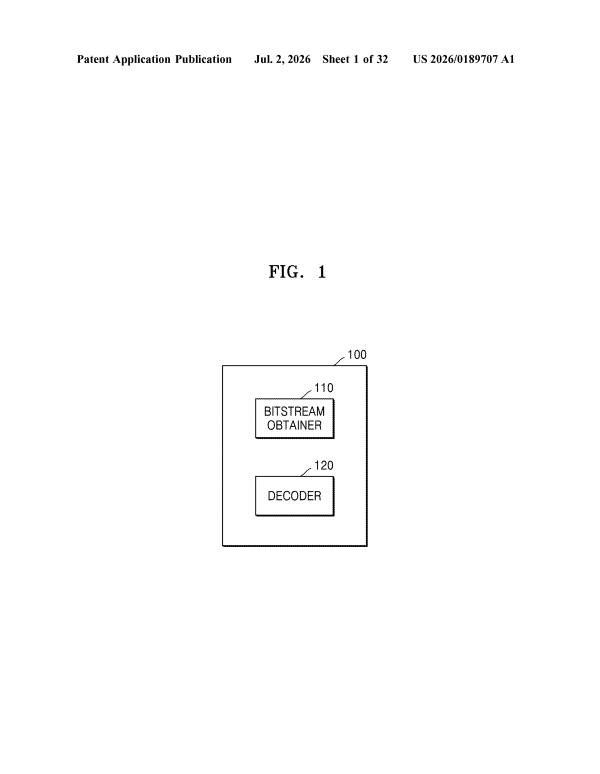
Better video compression means faster streaming and smaller file sizes. The patent shows how to merge two color-difference channels into a single decode pass, cutting redundant processing that currently wastes bandwidth in the pipeline.
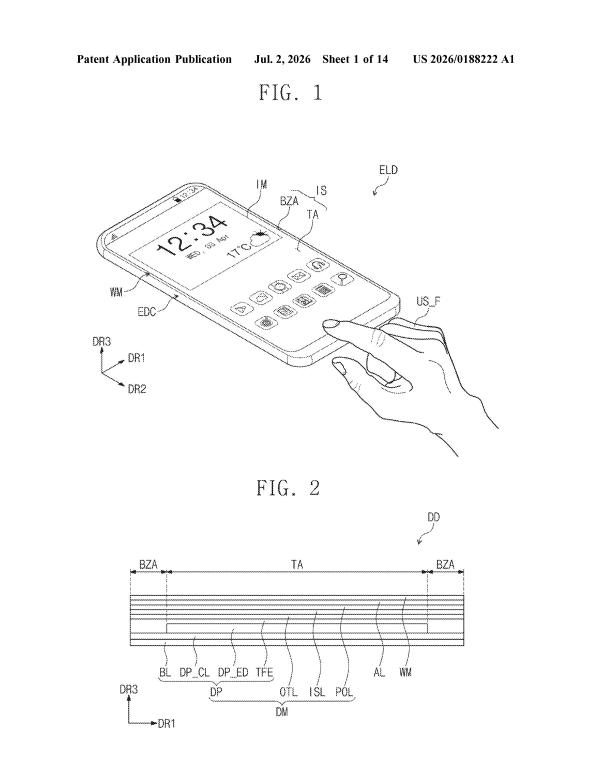
Cleaner camera integration means the sensor can capture full dynamic range without sacrificing screen uniformity or creating visible artifacts in the display panel itself.
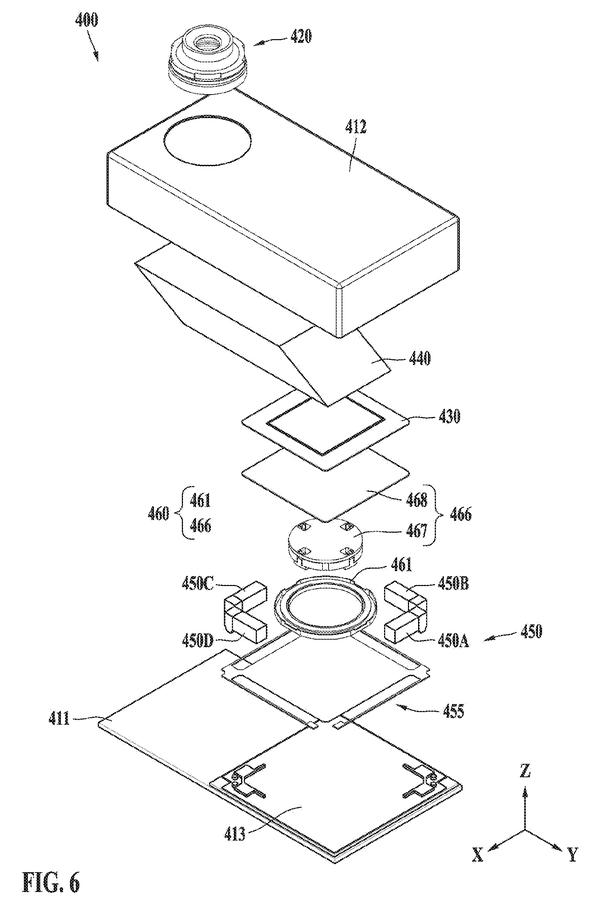
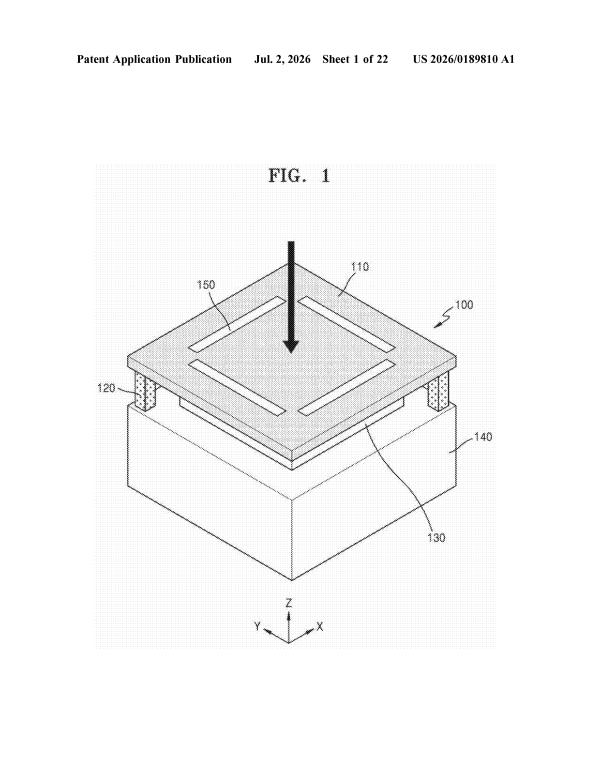
Optical image stabilization motor design shifts from single vibration element to distributed architecture, reducing the lag between detecting shake and correcting it.
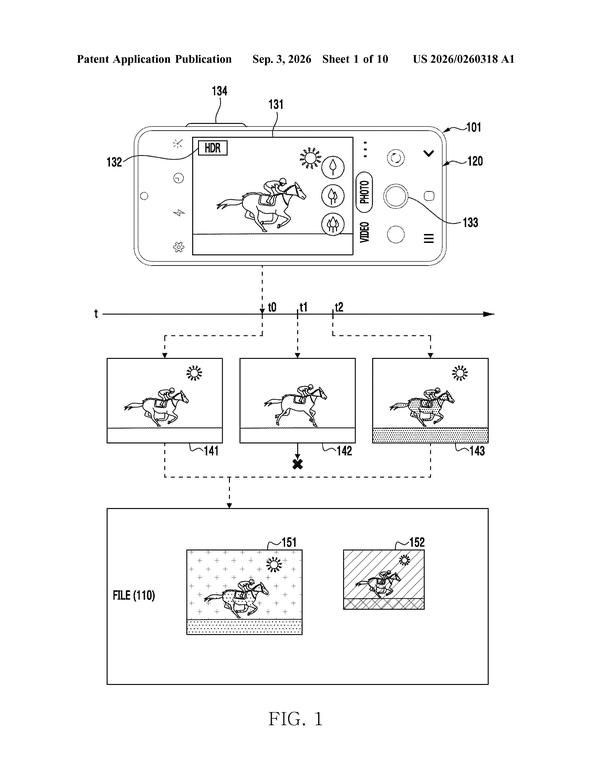
Selecting the sharpest frame before merging exposure data prevents motion artifacts from degrading brightness reconstruction in HDR sequences, improving the reliability of multi-frame compositing.
After pixel design and compression work, this patent isolates electrical noise from OIS motor transitions as a distinct quality problem requiring synchronized software timing rather than hardware redesign.
Splitting luminance extraction from detail synthesis lets the system preserve brightness accuracy while a separate network reconstructs sharpness, reducing hallucination errors in upscaled results.
Noise reduction typically requires separate components or post-processing sacrifice. Embedding capacitors into existing wiring layers lets Samsung stabilize the signal path without adding bulk or computational overhead.
Image degradation diagnosis splits the upscaling path: Samsung's system maps blur, noise, and compression artifacts separately before reconstruction, letting users adjust the enhancement recipe rather than accept a fixed output.
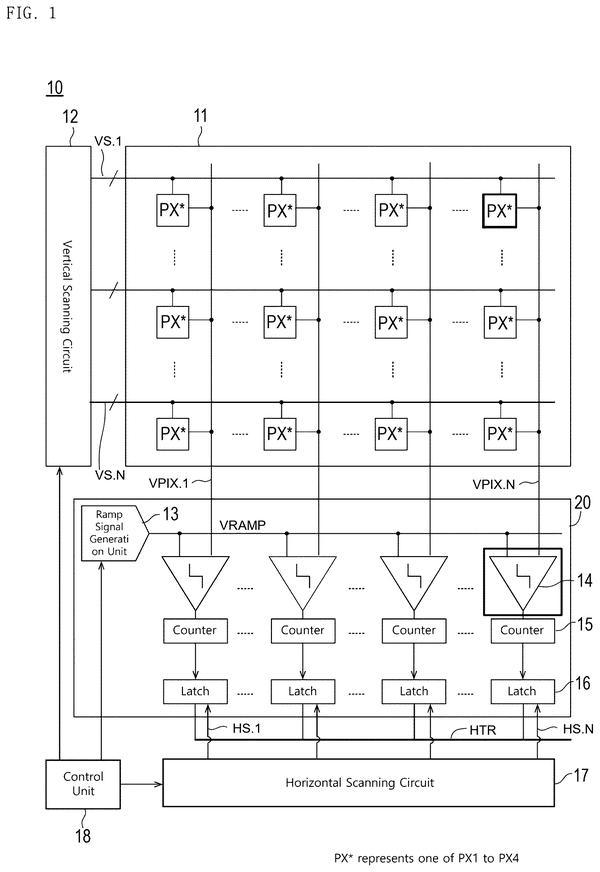
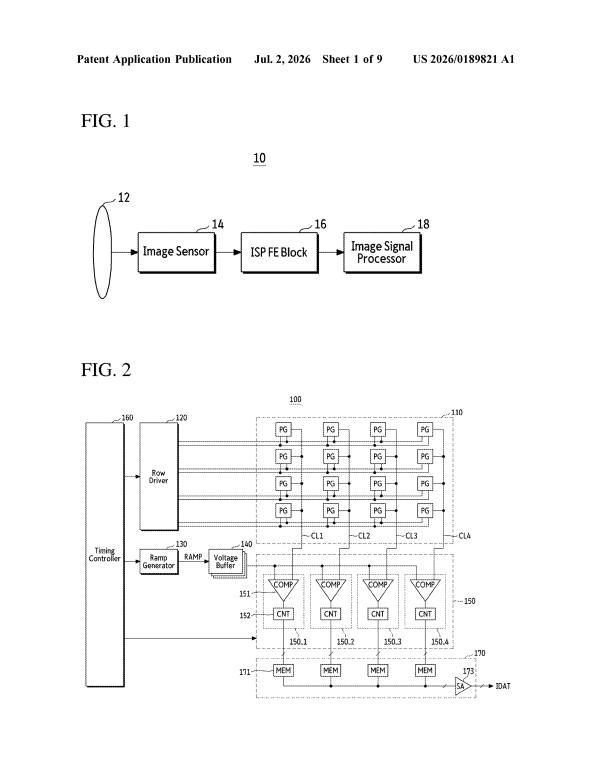
Switching reference signals on the fly lets one sensor chip handle extreme lighting swings without swapping hardware or sacrificing image quality in either direction.
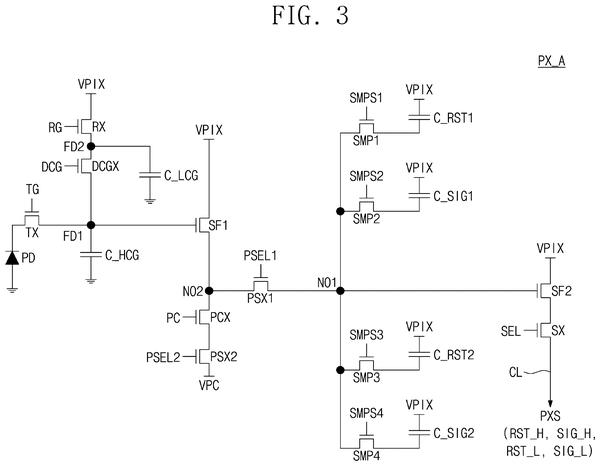
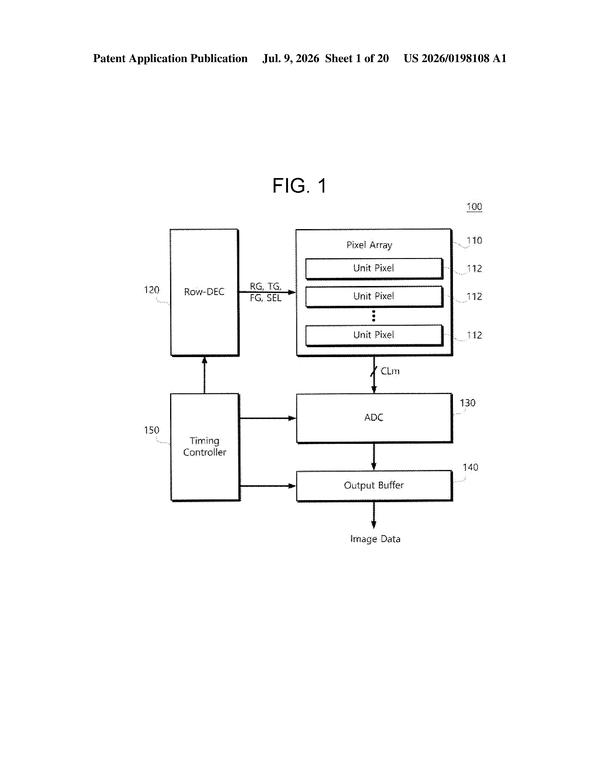
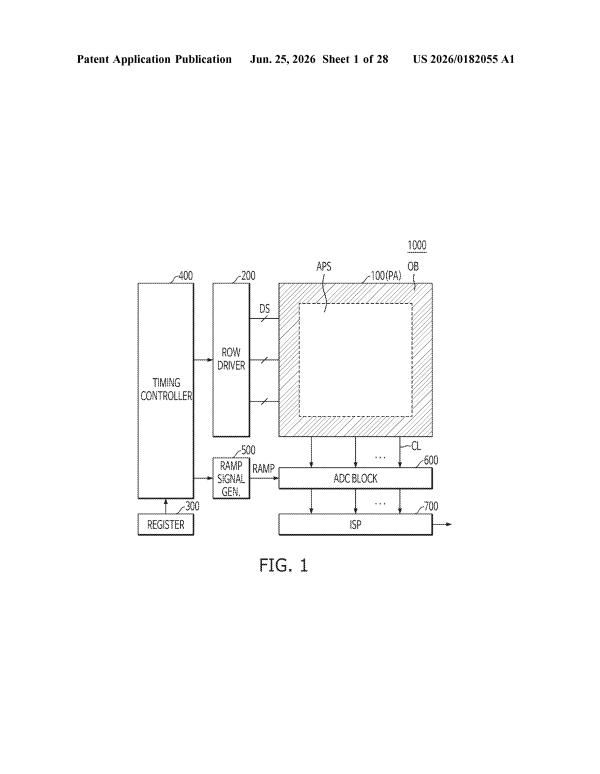
Pixel noise under low light hinges on read precision. Five transistors per pixel instead of three gives Samsung finer control over signal capture and reporting, reducing the grain that typically plagues dim-scene photography.
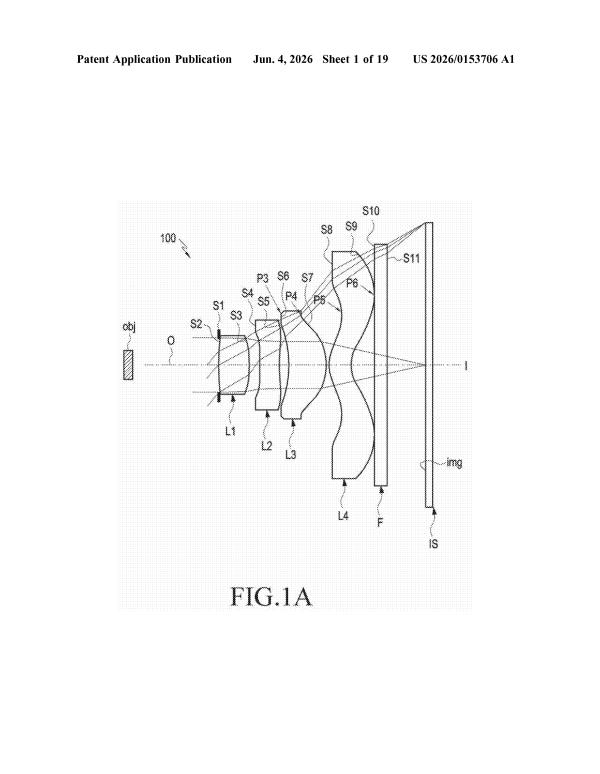
Better zoom without the crop means the optical stack itself must bend light efficiently enough that distant subjects stay sharp. This patent maps the lens geometry that makes that possible in millimeters of phone thickness.
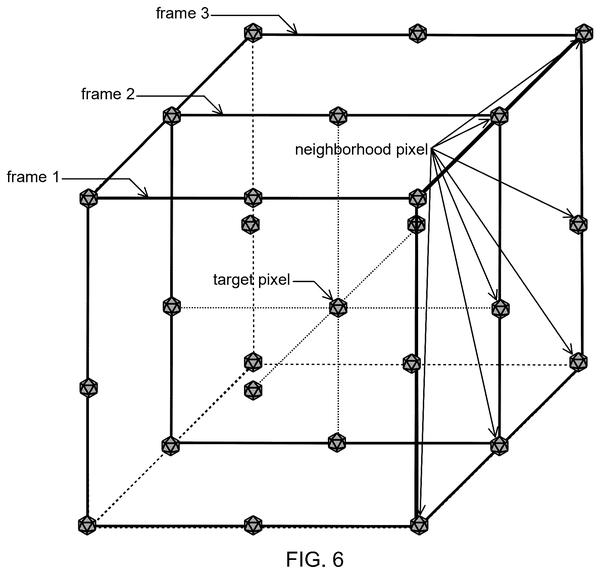
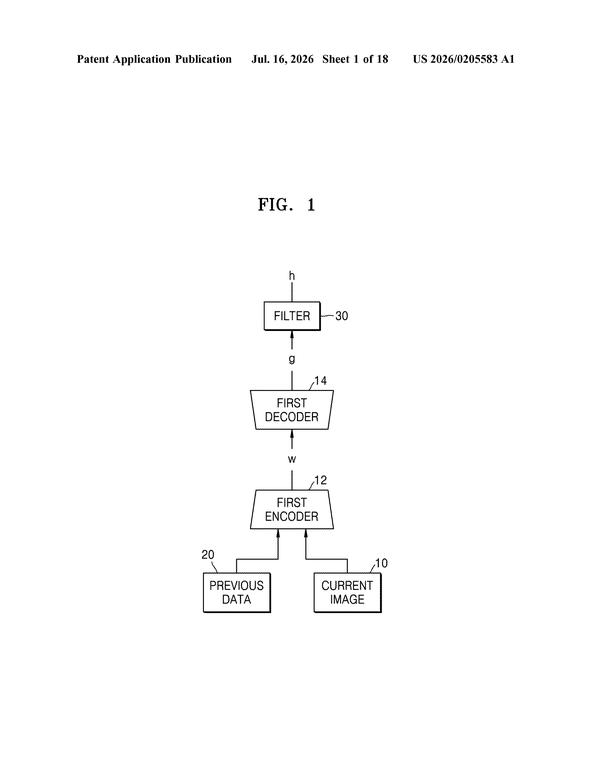
Reconstructing detail from multiple frames requires the AI to track pixel movement across shots and blend them without artifacts. Samsung's end-to-end model handles both alignment and fusion, moving past single-frame upscaling toward genuine resolution gains.
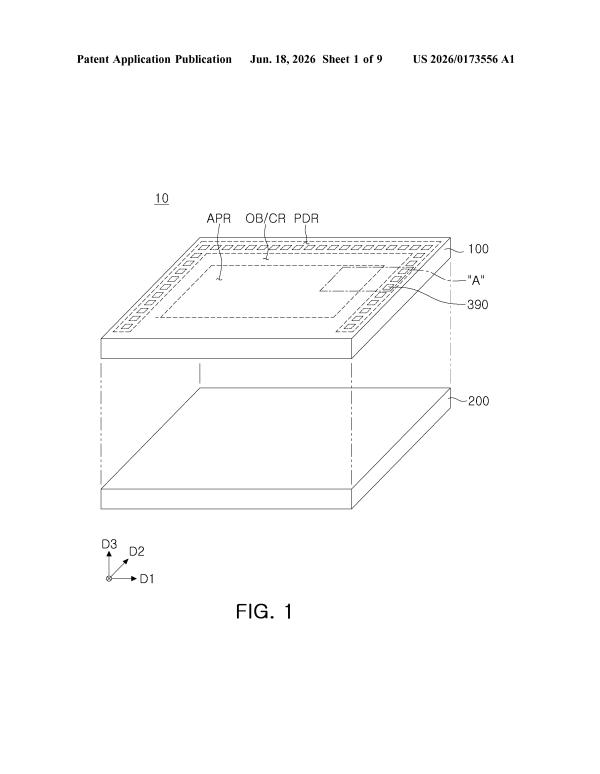
Sharper photos require cutting noise from the stacked chip interface; this filing proposes direct vertical conductors to shorten signal paths between layers.
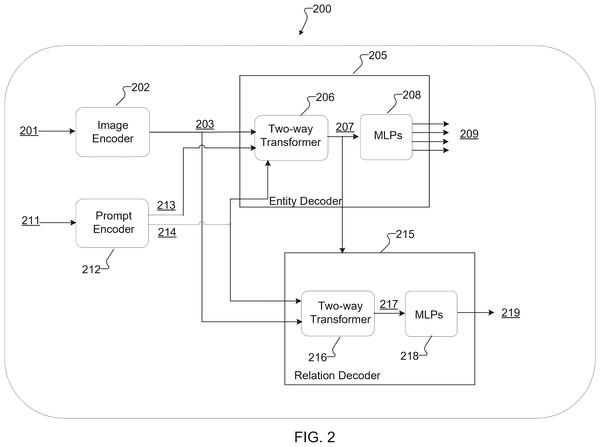
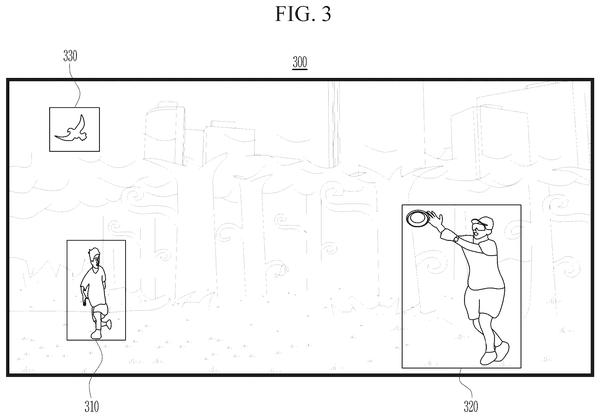
Scene graph generation, mapping relationships between objects rather than identifying them in isolation, feeds the compression and selective detail preservation the pipeline needs to prioritize what matters in a frame.
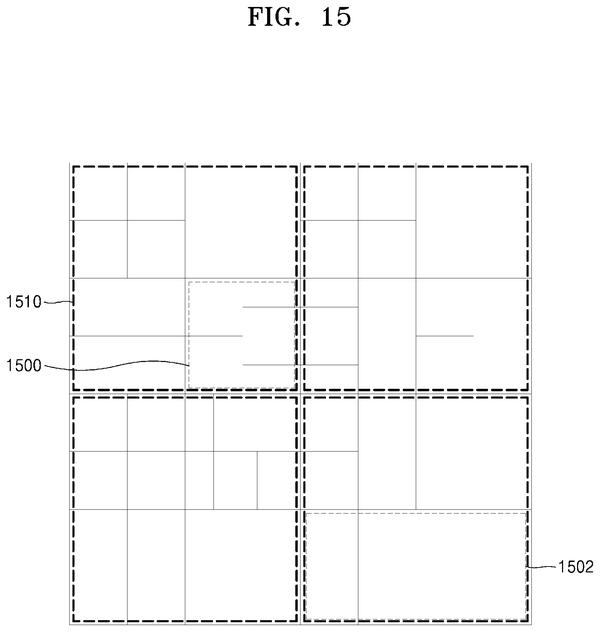
Dual simultaneous viewports mean the compression and upscaling pipeline needs to handle two different crop ratios and quality targets in a single frame, pushing AI fill and detail recovery to work on region pairs rather than uniform images.
Floating diffusion noise in low-light shots limits sensor performance. Samsung's structural redesign of the charge-storage pocket itself reduces electrical interference at the source, improving signal quality before readout even begins.
The pipeline so far has moved processing inward, from optics to silicon. This filing pushes that further by filtering light at the sensor surface itself, letting the chip reject glare and separate true scene colors from reflected light before pixels even form.
Dual charge pathways in each pixel let the sensor capture bright and dark regions in one exposure by routing photons through separate circuits, reducing the downstream work that computational image processing currently handles.
The pipeline's image-selection layer grows sharper: Samsung is decoupling the locked sensor capture from the framing choice shown to the user, letting software recompose what reaches the viewer while hardware holds steady.
The pipeline's depth calculation bottleneck gets a workaround: a secondary sensor captures motion data between full-frame depth scans, filling the temporal gaps that plague portrait mode and AR features during camera movement.
Dual capacitors per pixel let each sensor cell store charge at different voltage ranges simultaneously, expanding dynamic range without requiring post-capture processing to recover shadow or highlight detail.
The pipeline's video motion blur work needs to know what frequency the light is cycling at. This filing describes how to detect that automatically from two quick samples, letting downstream processing compensate before banding artifacts appear.
The sensor pipeline now extends to audio processing during capture, filtering director's notes and crew chatter in real time rather than leaving cleanup for post-production.
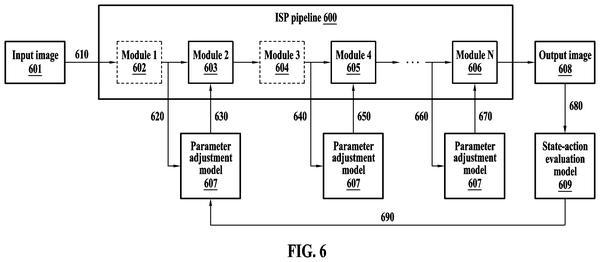
Photos shot in tough conditions need different processing tuning than stable ones. Samsung's filing describes an AI that monitors the full pipeline in real time and adjusts each step's parameters based on what it sees, rather than relying on preset profiles.
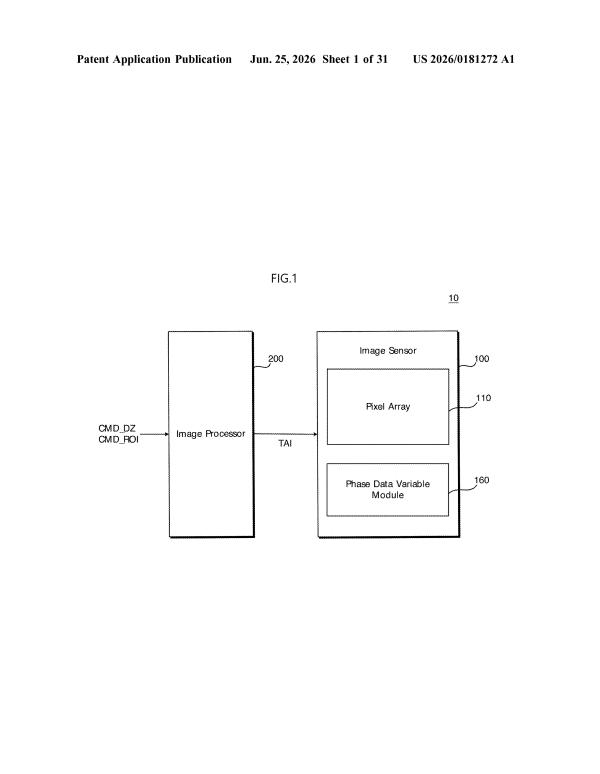
Camera video would keep fine detail during fast motion by reading motion data from dedicated pixels in parallel with color capture, eliminating the lag that currently forces a choice between frame rate and sharpness.
Depth sensing hardware redundancy shrinks when one infrared emitter switches between dot projection and flood patterns, collapsing two separate optical paths into one.
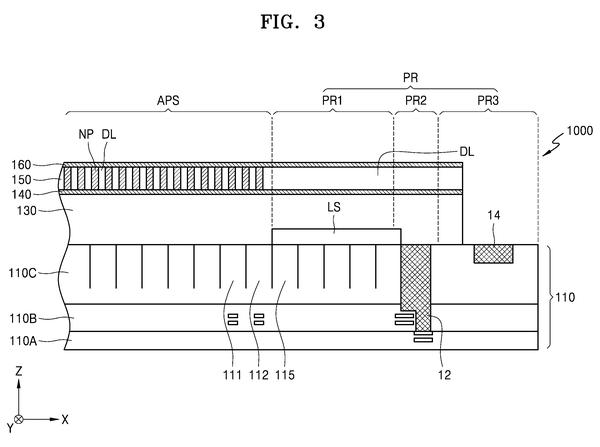
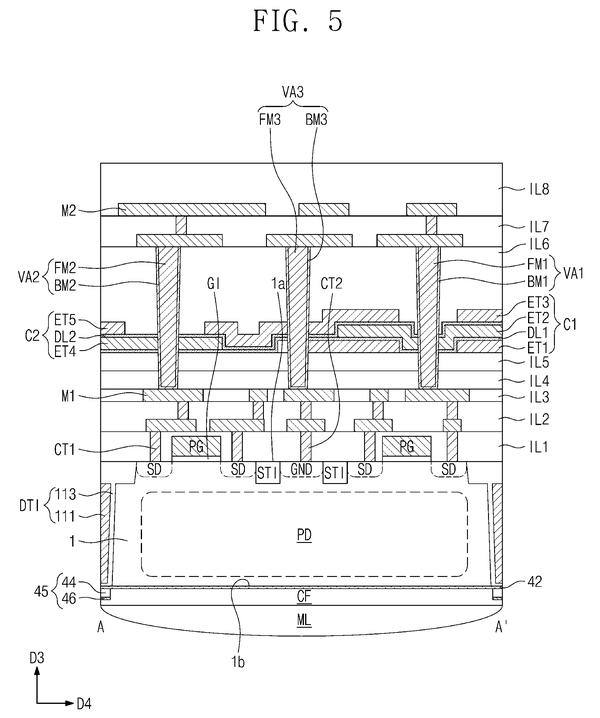
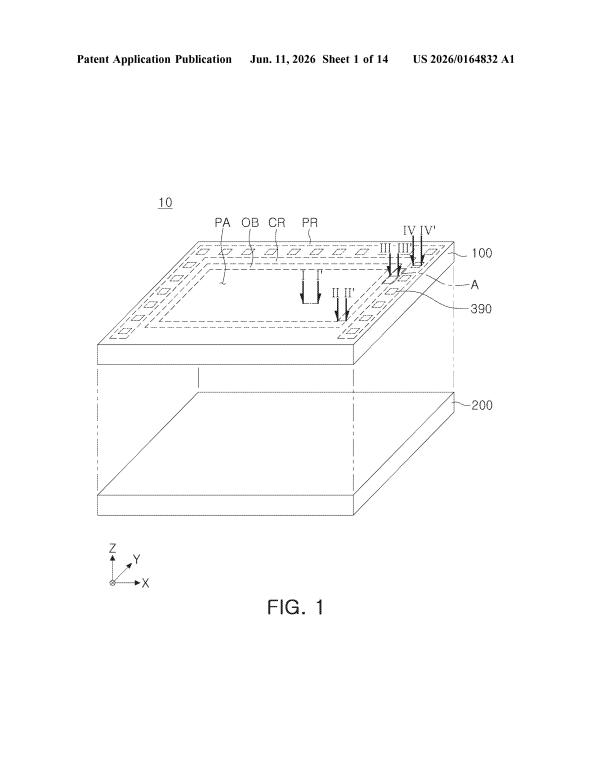
Optical crosstalk at sensor edges degrades sharpness in compact camera systems. Samsung's dual-layer perimeter shield design isolates the active pixel array from scattered photons, protecting image clarity as sensor dimensions contract.
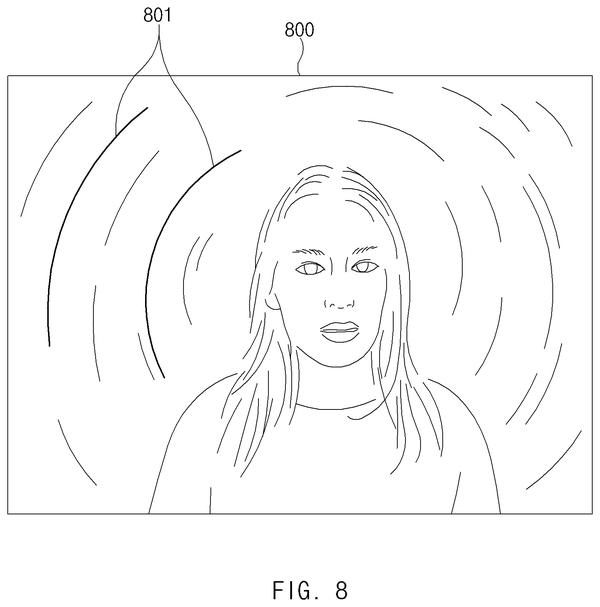
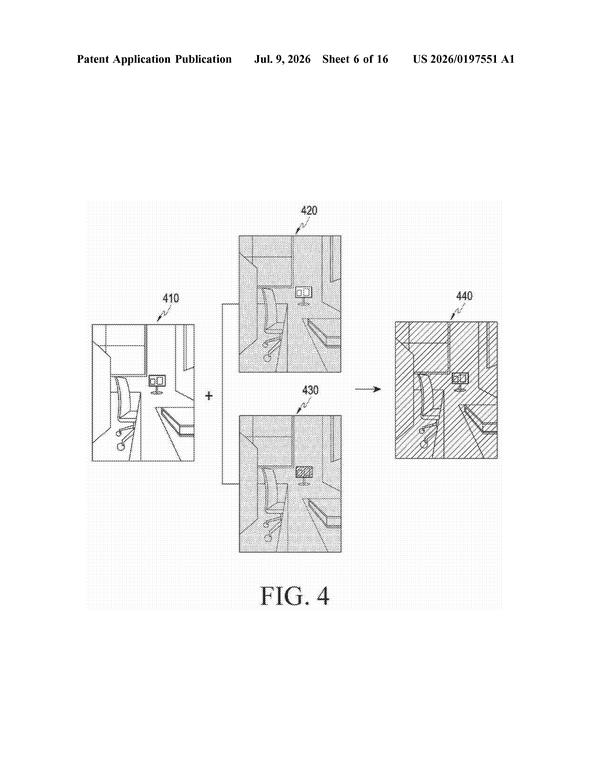
Better photos would require the pipeline to judge what belongs in a scene, not just fix what's already there. This filing shows Samsung betting on generative fill as a core decision point.
The sensor's phase-detection pixels now use internal wall structures to improve focus measurement speed, sharpening the autofocus chain when light is scarce or subjects move fast, a step toward the in-sensor intelligence this watchlist tracks.
Dual-mode pixels that split incoming light between high and low gain paths in parallel eliminate the need to choose exposure settings in-camera, moving dynamic range capture from software post-processing into the sensor itself.
Smoothing compression boundaries between intra and inter-coded blocks prevents visible seams when a codec switches prediction methods mid-frame, a common source of artifacts in the motion pipeline.
Selecting the sharpest region from each camera lens simultaneously and merging them into a single frame shifts stabilization upstream, before software correction enters the pipeline.
The camera pipeline's compression stage now has a way to prune unnecessary decoder instructions, letting playback skip flag-checking when pixel blocks are already known to be empty, cutting processing overhead during video reconstruction.
The pipeline's sensor routing layer now includes physical accessory detection, automating which imaging path activates when external optics are mounted rather than leaving that choice to software alone.
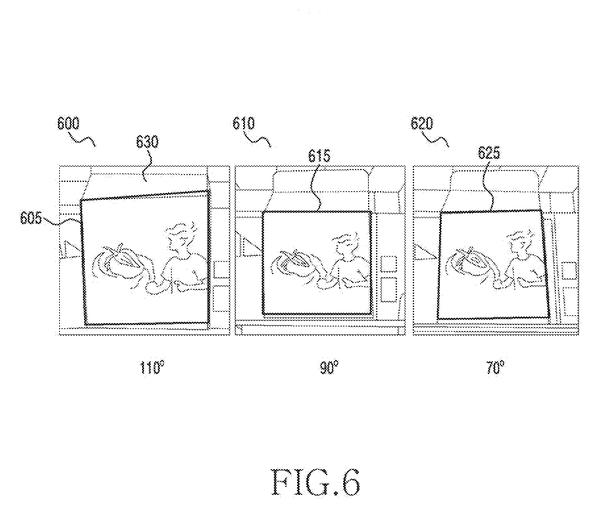
Correcting perspective distortion in the viewfinder itself moves the computational load upstream, letting the camera align the frame geometry before capture rather than relying on post-processing cleanup.
Within Samsung's pipeline, color consistency between lenses moves past individual sensor tuning to cross-camera calibration, letting the system choose which lens's output to trust.
Image reconstruction during training forces the model to learn feature relationships rather than memorize patterns, directly improving the quality of AI-generated fills that the pipeline relies on downstream.
The sensor architecture shift moves signal routing into substrate wiring, reducing per-pixel complexity and freeing up surface area for larger photodiodes or denser readout circuits.
The pipeline's tone-mapping step now delegates to neural networks that compute pixel-by-pixel adjustments rather than applying a global curve, letting the system preserve detail across extreme contrast without post-process blending artifacts.
Within the pipeline's compression layer, Samsung moves prediction logic downstream, using actual decoded pixel data rather than guesses about what came before, which should reduce the gap between predicted and real blocks.
The pipeline's exposure problem gets a concrete solution: a secondary camera positioned to see lighting shifts before the main sensor records them, letting exposure adjust in real time rather than frame-by-frame.
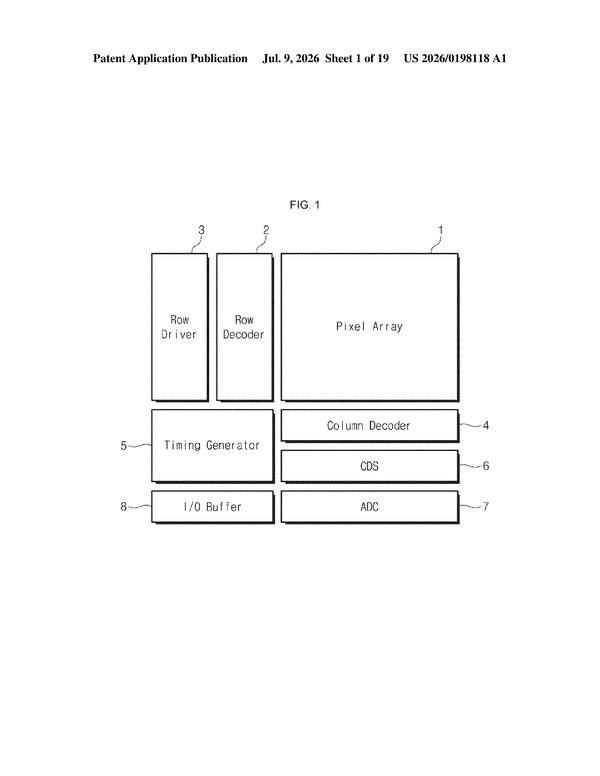
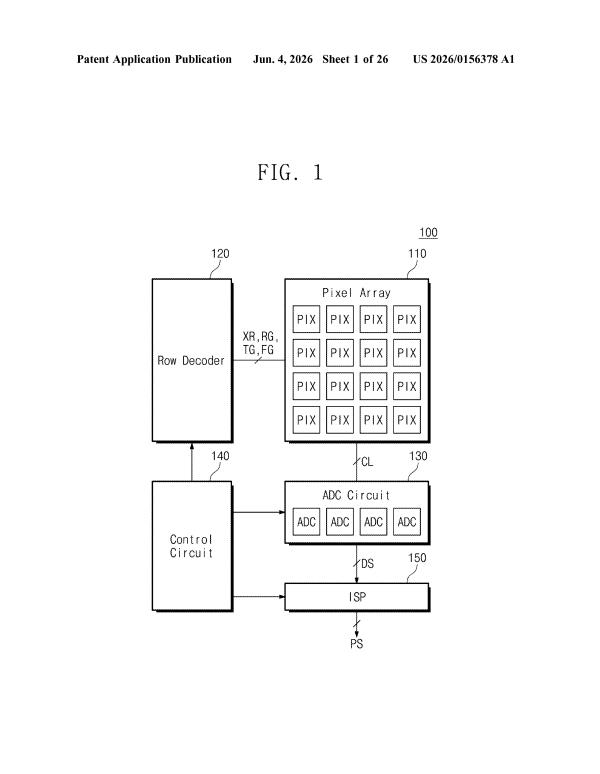
Multiplexing pixel readout through shared memory pathways cuts the wiring overhead that typically scales with sensor resolution, letting Samsung push higher megapixel counts without proportional increases in on-chip data infrastructure.
Stacked gate architecture in the pixel transistor reduces noise by fitting more precise switching control into the same physical space, letting the sensor output cleaner signals for downstream processing.
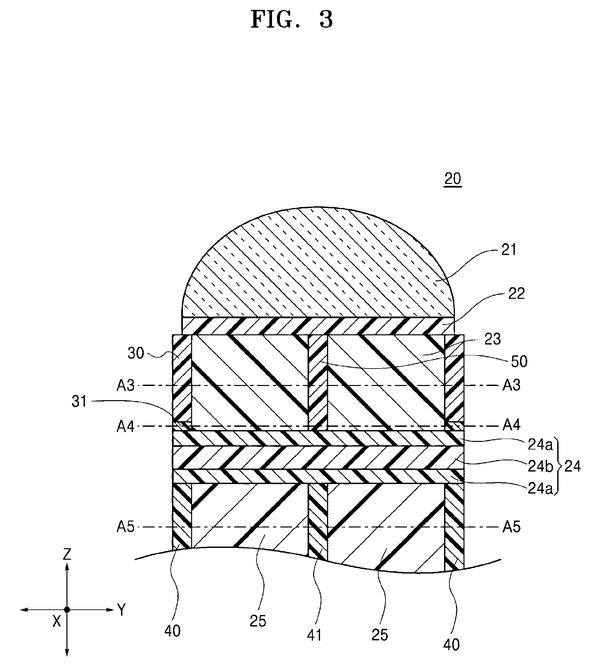
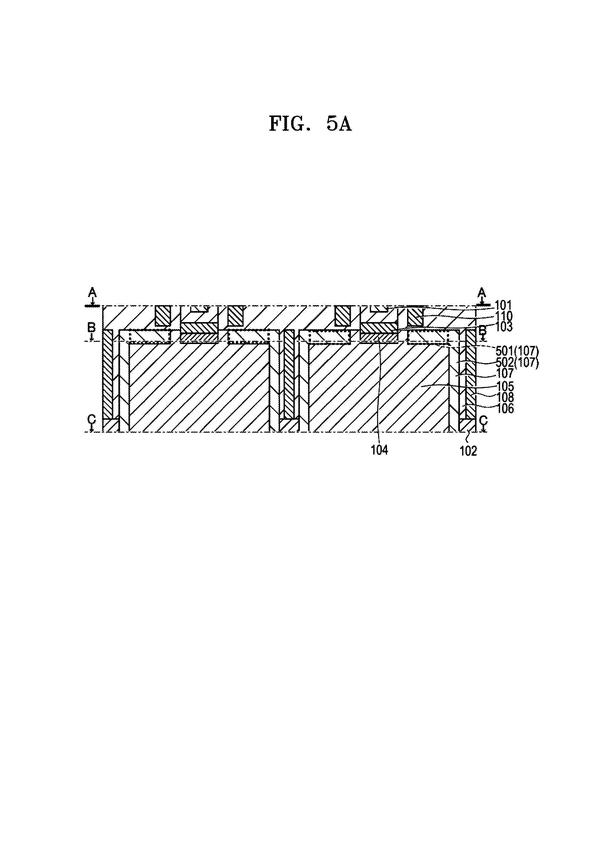
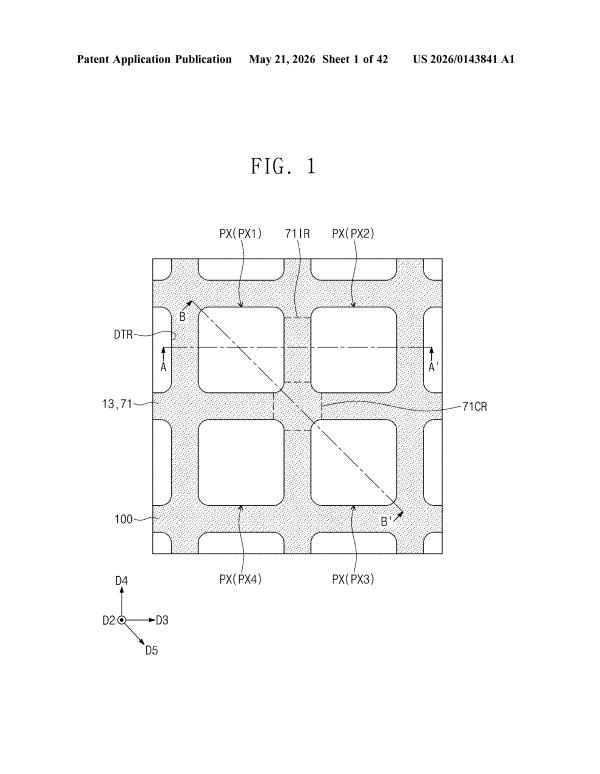
Atom-scale isolation walls between pixels reduce light bleed and cross-talk, letting the sensor preserve color separation and detail sharpness as pixel density increases.
The pipeline's highlight problem has a hardware answer now: dual-exposure capture at the pixel level lets the sensor preserve color information even when standard readout would clip to white.
The pipeline's multi-exposure stacking now skips redundant calibration between frames, cutting the overhead that slows HDR capture and introduces per-shot sensor drift.
The sensor pipeline saves space by embedding IR filtering into lens surfaces rather than stacking a separate optical element, letting the design shrink the overall assembly while keeping color accuracy intact.
Better color fidelity in merged exposures means the pipeline can rely more on computational stacking instead of fighting color shifts in post-processing, freeing the sensor design from compensating for blend artifacts.
Variable-gain photodetectors let a single sensor adapt to shifting light conditions without requiring separate hardware paths, reducing the pipeline complexity that typically forces downstream processing to compensate for fixed-sensitivity mismatches.
Splitting exposure control between two separate AI models lets the pipeline preserve detail in both shadows and highlights without choosing one or the other, pushing the decision-making deeper into post-processing.
Reconstructing dropped frames without blur requires accurate motion tracking between keyframes. Samsung's filter learns to refine optical flow estimates on the fly, adapting to different scene types rather than applying one fixed algorithm.
Post-compression blur and blocking require sequential filtering rather than a single pass. Samsung's method chains two filters to recover detail that one cleanup step leaves behind, reducing the visual cost of codec compression in the playback pipeline.
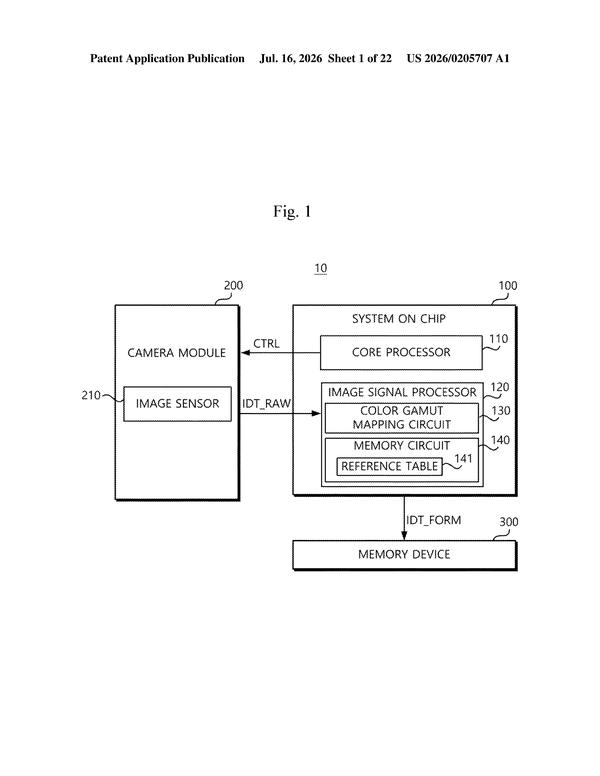
Shifting color correction from software calculation to hardware lookup tables cuts the computational load on the image processor, freeing it to handle more complex tasks downstream in the pipeline.
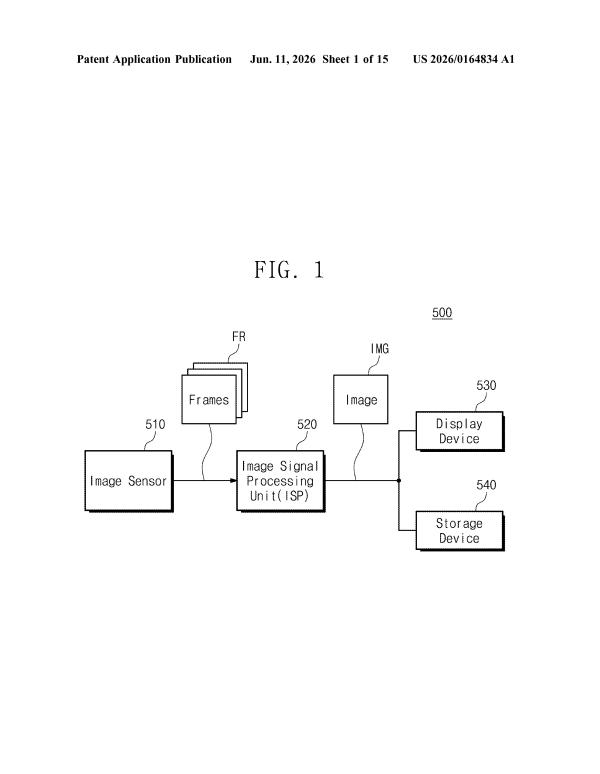
A multi-frame merge needs to know which pixels moved between shots so it can discard duplicates. This filing describes an AI trained to spot those shifts automatically, letting the phone keep only the sharpest version of each detail.
The pipeline's decision-making moves earlier: the camera now evaluates scene conditions during preview and captures multiple exposures automatically, giving downstream processing more raw material to work from rather than correcting a single capture.
The pipeline's compression stage now has a decoder that adapts its reconstruction based on detected quality levels, letting aggressive file-size reduction skip the usual sharpness penalty at playback.
Wavelength-specific antireflective coatings on each color channel reduce internal light scatter that degrades color fidelity, letting the sensor capture truer color information earlier in the pipeline.
Adaptive shutter switching catches motion artifacts like banding in real time, letting the pipeline choose between rolling and global shutter modes based on what's being filmed rather than forcing a single approach for the entire shot.
The sensor pixel storage challenge now has a dual-region answer: splitting capacity across two zones with switchable access lets one region handle highlights while the other captures shadow detail in the same exposure.
The uneven trench spacing between pixel groups lets Samsung control how light spreads across the sensor array, a direct lever on the low-light performance that the pipeline's earlier filings treated as downstream from sensor design choices.
Two sequential neural networks reconstruct compressed video by first predicting motion between frames, then using those predictions to infer missing pixel data, shifting reconstruction work from storage-heavy full frames to learned motion patterns.
Lookup tables let the pipeline correct compression artifacts pixel-by-pixel without expensive real-time processing, shifting quality decisions earlier in the capture chain where Samsung has more control.
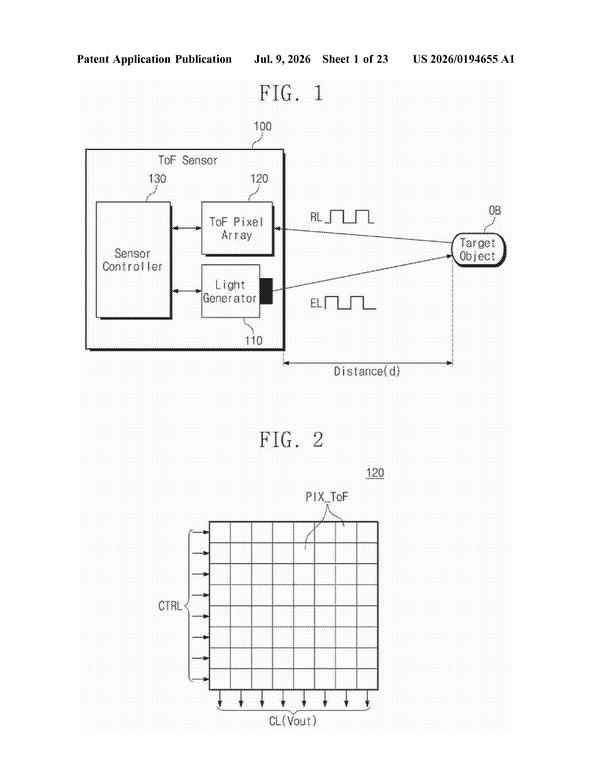
Saturating pixel wells corrupt time-of-flight distance reads in bright conditions. This filing adds optical filtering at the sensor level to prevent that saturation before the measurement circuit sees corrupted data.
Isolation trenches between pixel groups let Samsung route wiring underneath without crosstalk, freeing up surface area for larger photodiodes that collect more photons in dim scenes.
The sensor-stack approach confirms Samsung is pushing light control deeper into the pixel architecture itself, moving beyond traditional lens design to solve focus and sharpness at the component layer where alignment failures cause blur.
The pipeline's optical layer moves from curved glass to nanostructured pillars, enabling tighter pixel-level light control without the manufacturing tolerances that plague conventional microlenses.
The sensor's stacked-gate structure cuts down on the transistor footprint itself, freeing up more real estate on each pixel for light collection, which feeds directly into the pipeline's ability to capture detail before any downstream processing kicks in.
Dual-resolution capture, scanning the full frame at low quality first, then rendering only the focused region at high fidelity, lets the pipeline skip wasteful processing on out-of-focus areas, freeing compute for quality gains where they show.
Dual exposure times within a single sensor layer let the chip record highlights and shadows in one capture, removing the tradeoff that normally forces choice between sky detail and foreground visibility.
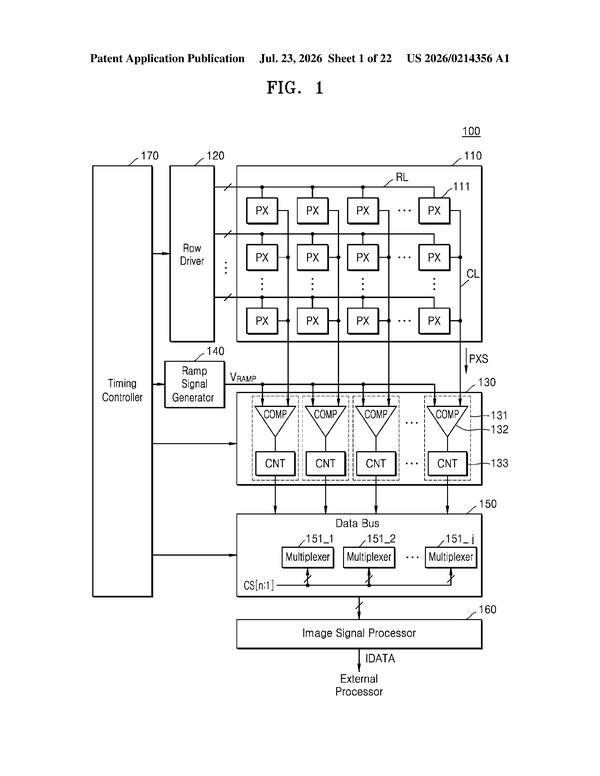
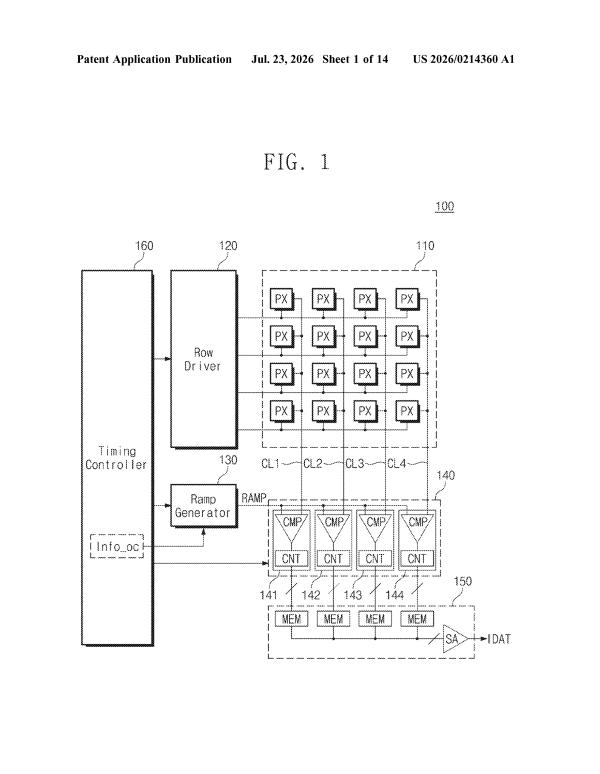
Voltage clamping in the readout circuit constrains signal swing during pixel comparison, reducing noise corruption in the columnar read sequence that processes millions of pixels per frame.
The pipeline needs to recover detail lost during compression, not just capture it cleanly. This filing shows Samsung working backward from the decoder side, applying content-aware corrections as compressed video plays rather than preventing blur at capture.
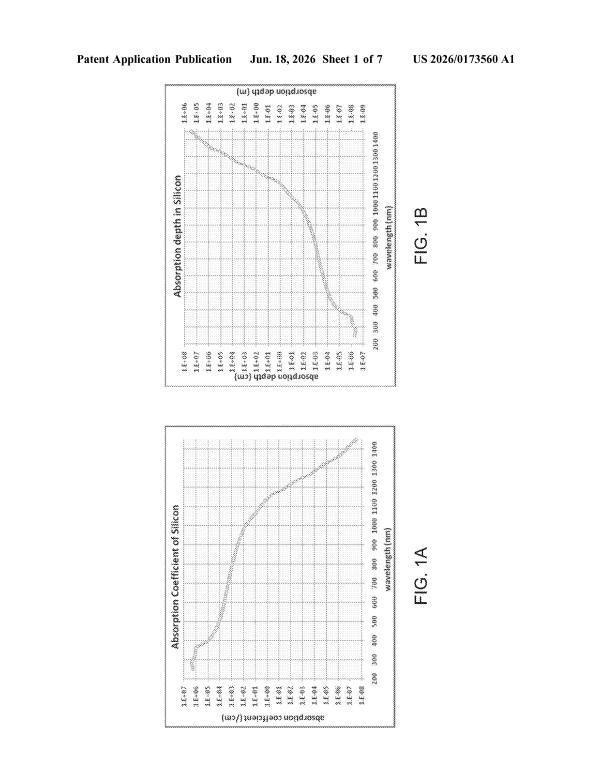
A perforated absorption layer lets the thermal sensor isolate heat detection from stray visible light, sharpening the temperature-to-image conversion when the camera pipeline needs to work without ambient illumination.
Real-time motion detection in the viewfinder feeds exposure decisions, letting the camera shorten shutter time for active subjects instead of applying one preset across different movement levels.
Automatic subject detection triggering dynamic zoom-out keeps multiple faces in frame without manual intervention, building toward a camera pipeline that makes real-time framing decisions based on scene content rather than fixed settings.
The sensor pixel design work now has a concrete path to collect more light per pixel by consolidating readout circuitry between neighbors, freeing space that currently goes to duplicate transistors.
The optical folding patent confirms Samsung's strategy of compressing the light path itself rather than shrinking individual lens elements, a prerequisite for embedding computational zoom decisions deeper into the sensor pipeline.
After pixel architecture, now compression: stacking three charge stages per pixel expands the raw data each sensor must process, forcing the pipeline to handle vastly wider dynamic range upstream.
The sensor integration challenge now shifts from pixel density to synchronization: embedded photodiodes need independent timing control to coexist with display driving circuits on the same substrate without crosstalk degrading either function.
Your phone's autofocus could get faster by having the sensor skip unnecessary data collection in out-of-focus areas, letting it spend processing power only where it matters for the shot you're taking.
The sensor isolation problem gets a manufacturing solution: air gaps between color filters stop light bleed, sharpening both color accuracy and detail in the final image.
Autofocus blur from wobbly lens movement during focusing cycles gets solved through mechanical guidance that keeps the lens sliding on a straight path instead of drifting sideways.
Air gaps between color filters reduce unwanted light scattering that typically degrades image clarity, letting Samsung's sensors capture sharper detail without adding optical coatings that consume space in already-cramped phone designs.
Reducing bulk in optical stabilization by moving only part of the lens stack rather than the whole assembly confirms Samsung's push toward slimmer phone cameras with mechanical image stabilization.
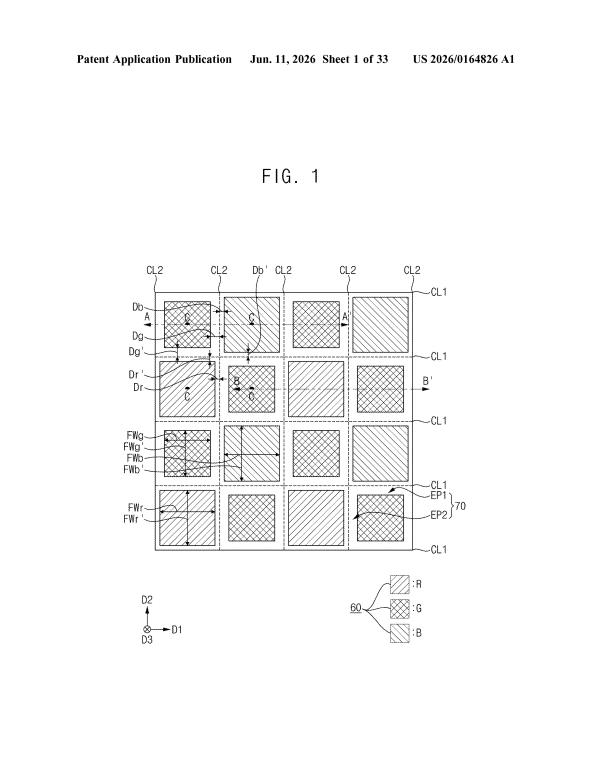
Your phone's camera could capture brighter, cleaner images by varying the barrier heights between pixels, taller walls where light interference matters most, shorter ones elsewhere to gather more light overall.
A dual-zone coating that bends light selectively stops stray reflections from bleeding between adjacent pixels, sharpening color accuracy in dense sensor arrays where crosstalk degrades image quality.
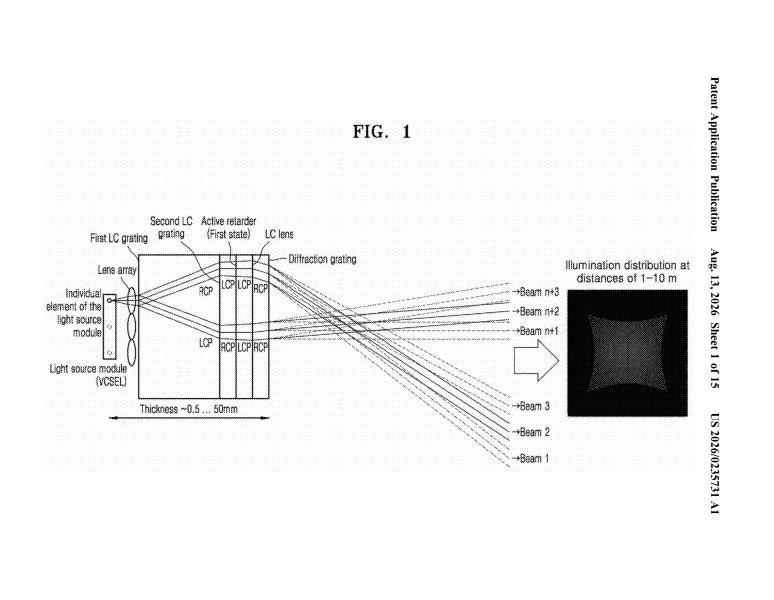
Thinner camera modules could finally escape the physics limits of curved glass by routing light through etched surface patterns instead of stacked lenses.
Within the broader camera sensor upgrades, this filing solves a fundamental efficiency problem: recapturing light that currently escapes detection, boosting signal strength without needing larger pixels.
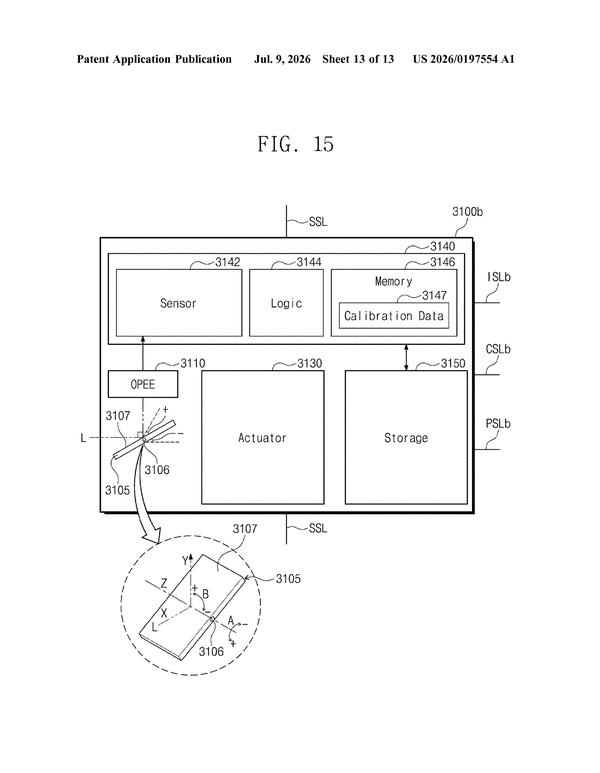
Mechanical image stabilization shifts the lens off-center, requiring the brightness correction table to recalibrate on the fly rather than rely on a fixed calibration.
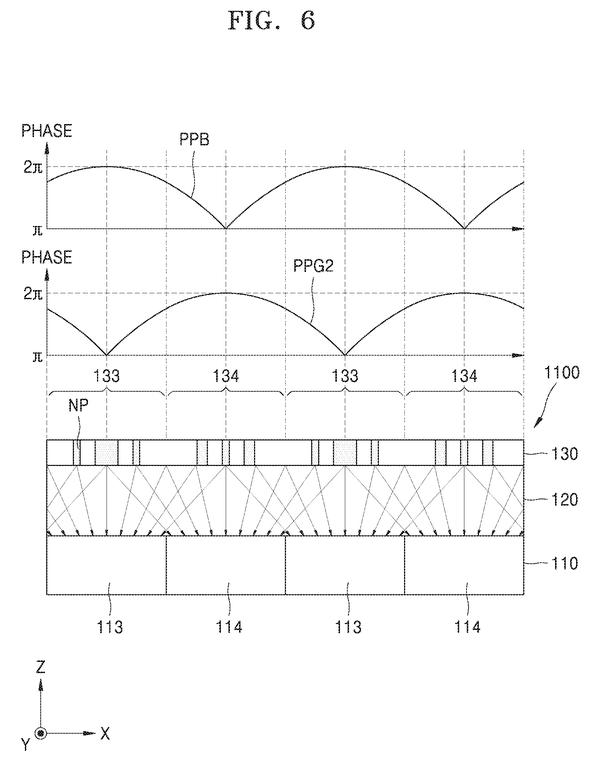
Microscopic optical structures etched directly onto the sensor surface funnel stray light into pixels instead of letting it scatter, sharpening the foundation for smarter computational photography downstream.
Photos would gain sharpness without requiring larger sensors or additional computational processing. The asymmetrical filter layout lets neighboring pixels share edge detail more effectively, strengthening fine lines and texture in the final image.
Within the watchlist's focus on camera capability, this filing zooms in on the manufacturing reliability that makes advanced sensors actually work in phones.
Packing more storage onto each pixel lets sensors capture brighter images without making chips bigger, which matters as phones try to improve low-light photography in confined spaces.
Manufacturing damage to internal electrodes during sensor production limits image quality and yield rates. Samsung's design protects these gates from contamination and misalignment, letting manufacturers build denser, more reliable chips.
Packing wide-angle capability into minimal depth means the phone itself can stay thinner, a direct payoff from solving the optical stacking problem Samsung describes here.
Where the camera struggles most, low light, Samsung adds a second amplification stage to one photodiode per pixel, preserving resolution while boosting signal without enlarging the sensor itself.
Splitting the pixel array into two independent capture paths lets a single sensor run global and rolling shutters simultaneously, merging the results to preserve motion detail without sacrificing low-light performance in one shot.
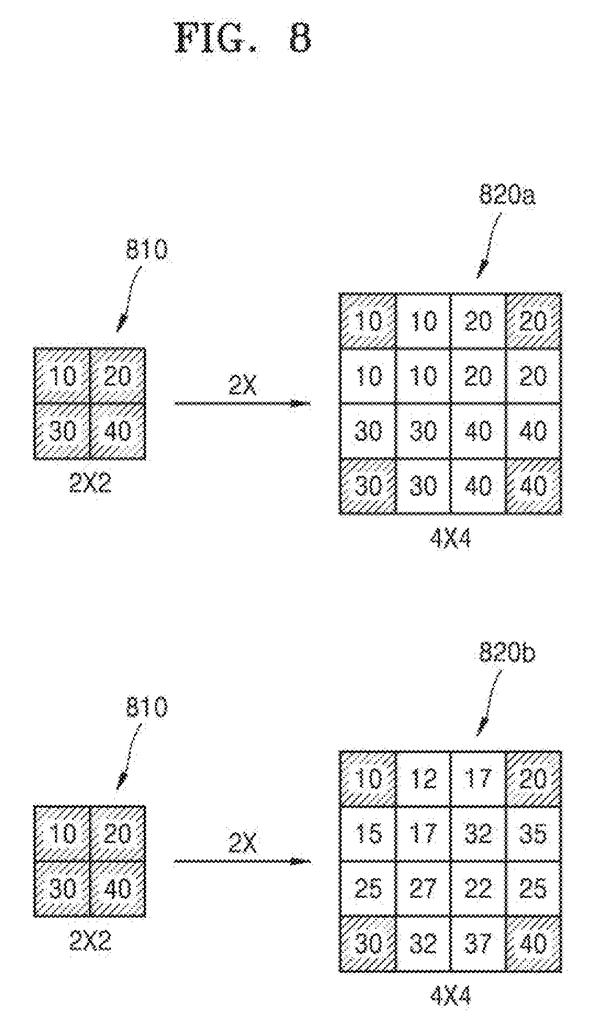
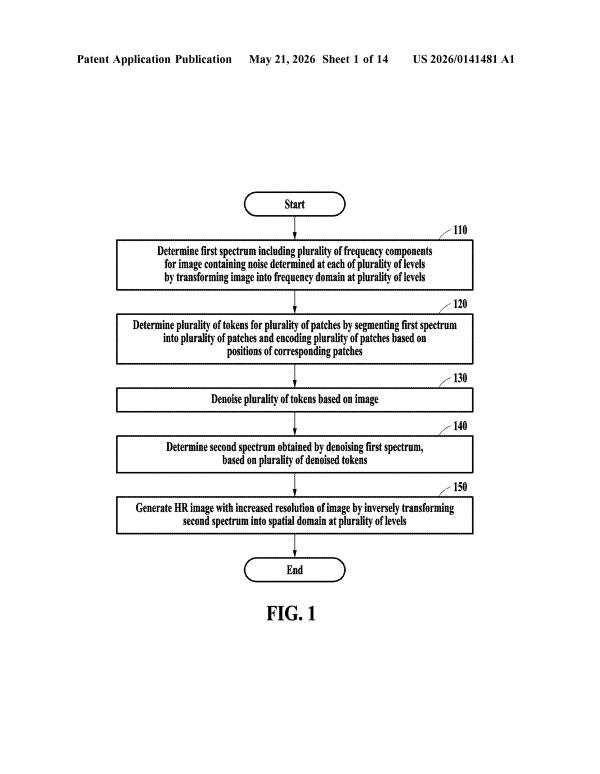
Noise amplification during zoom degrades image quality; this filing shows Samsung separating denoising from sharpening by processing images in frequency space rather than pixel space, preventing grain from being magnified when enlarging photos.
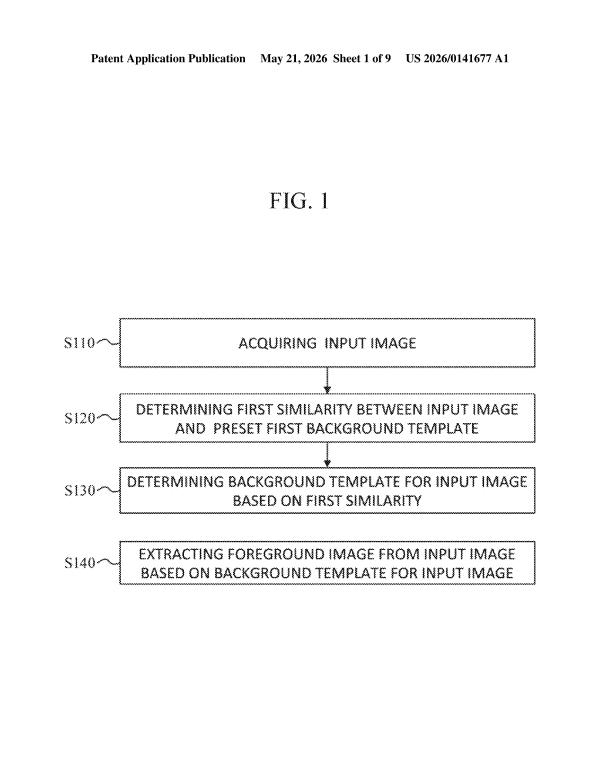
Stripping static backgrounds before running object detection cuts the computational load on the AI, letting the phone do more complex visual tasks without draining the battery as fast.
Where the watchlist has focused on post-capture processing, this patent pushes the problem upstream: tuning how individual pixels convert light into signal during capture itself, potentially reducing noise before it starts.
Sensor noise fingerprints shift over time and use. Samsung's system measures these drifts during recording rather than relying solely on factory calibration, keeping low-light video cleaner as hardware ages.
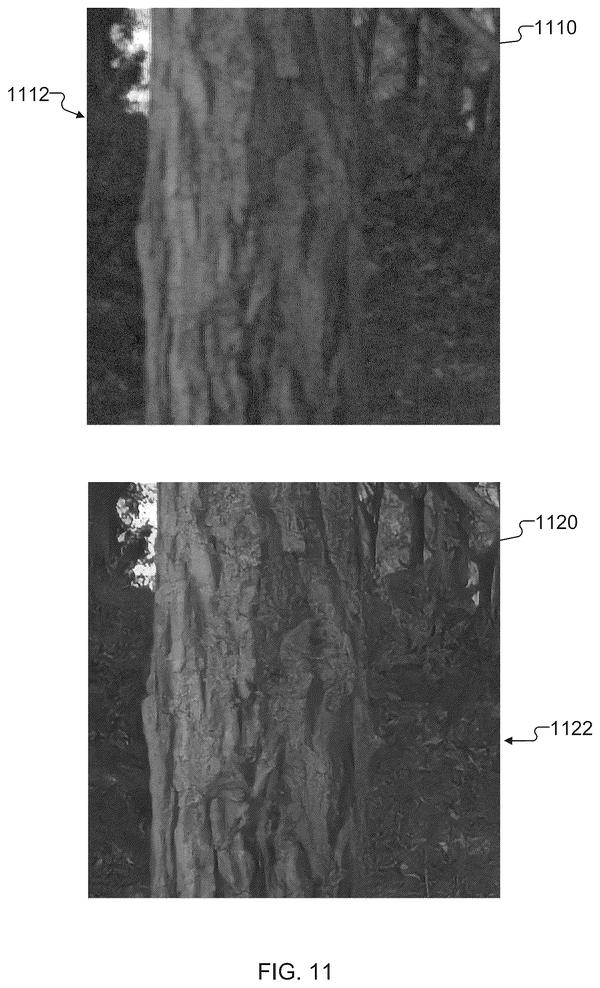
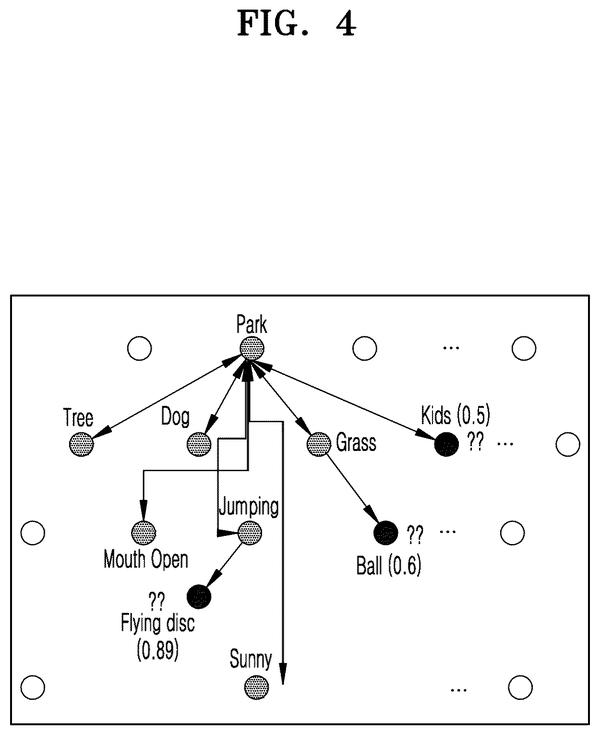
Within the camera app's expanded editing toolkit, this filing adds a quality filter that prevents bad AI fills from reaching users at all, stopping hallucinated backgrounds before they appear rather than forcing manual fixes afterward.
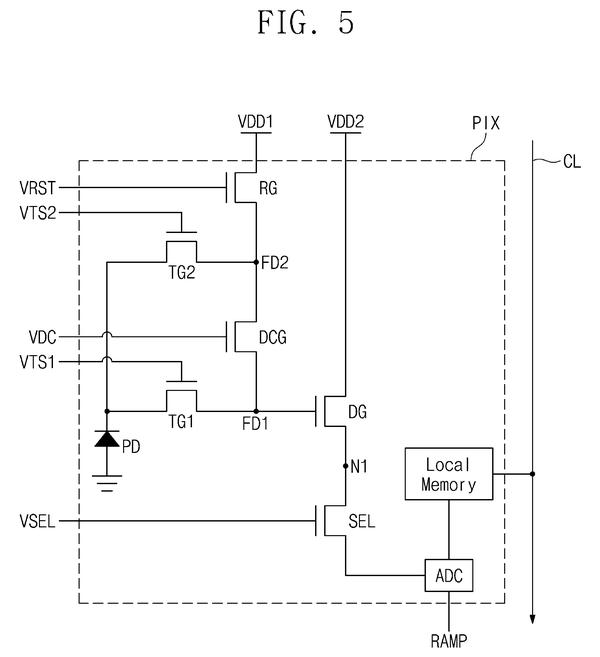
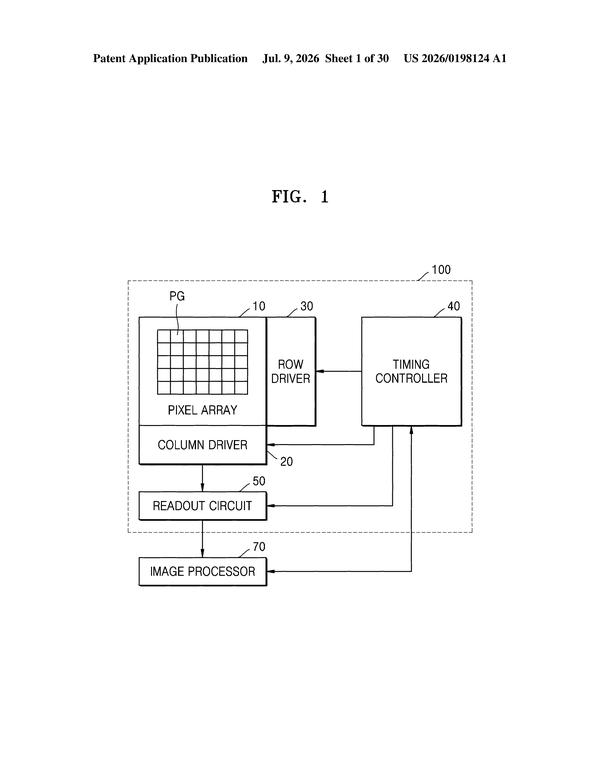
Uneven lighting in a single scene, bright windows alongside dark corners, requires per-pixel exposure tuning rather than one global setting. This dual-node design shifts that adjustment from post-processing software to the sensor itself.
Segmenting a scene into zones before applying effects lets users preview adjustments tailored to sky, subject, and background separately, solving the current all-or-nothing filter problem where one preset can't optimize multiple scene elements at once.
Your phone's camera could fit more pixels into the same sensor by routing control signals through two differently-angled active regions per pixel, letting Samsung compress the supporting circuitry without shrinking the light-gathering areas.
The camera-app expansion needs AI that can generate high-quality images at poster sizes. Samsung's diffusion pipeline solves the memory and speed problems that currently force phone processors into blurry compromises at large scales.
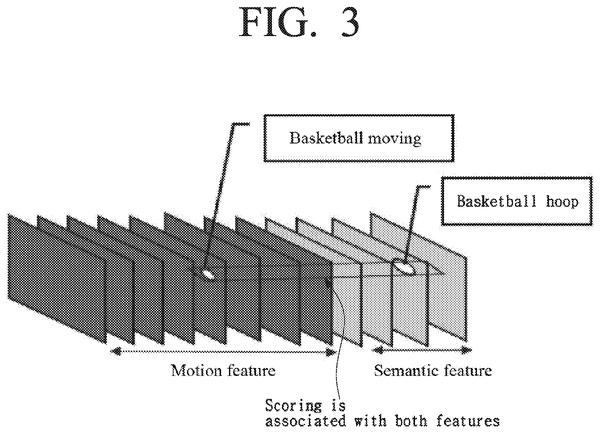
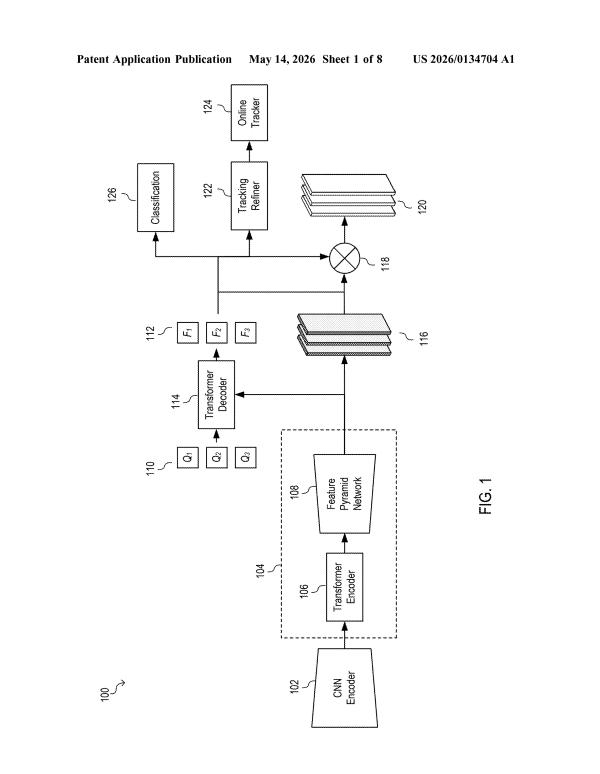
Tracking individual objects across video frames requires the camera to label every pixel consistently without reprocessing footage, a capability Samsung's system handles in a single pipeline rather than multiple passes.
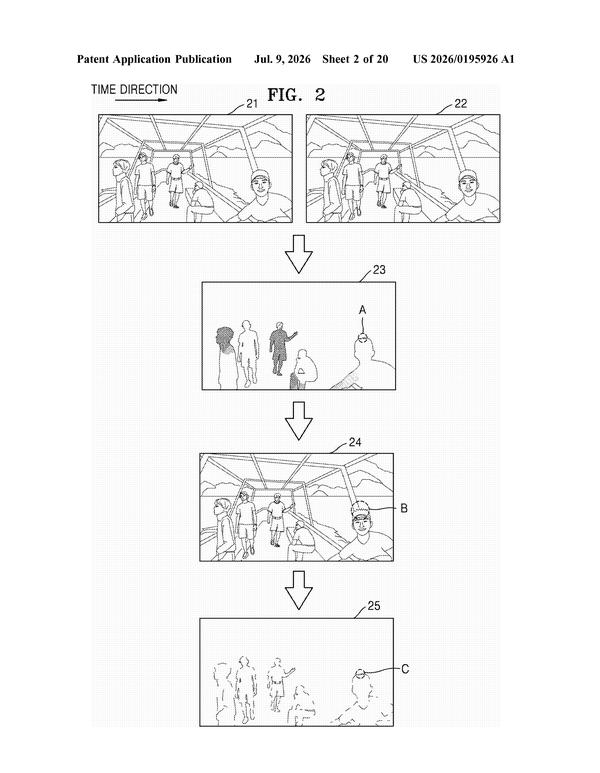
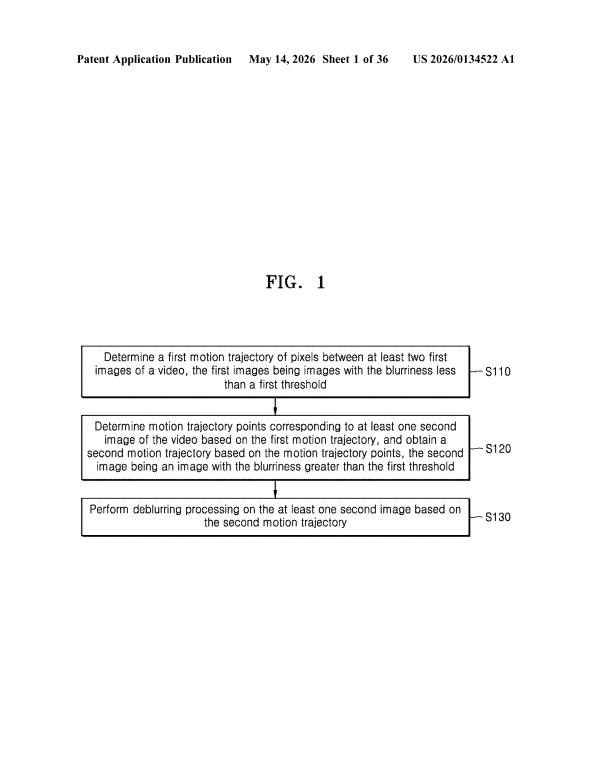
You'd get usable video footage even when the camera can't freeze fast motion, since the system reconstructs blurry frames by analyzing motion vectors from neighboring sharp ones rather than processing each frame alone.
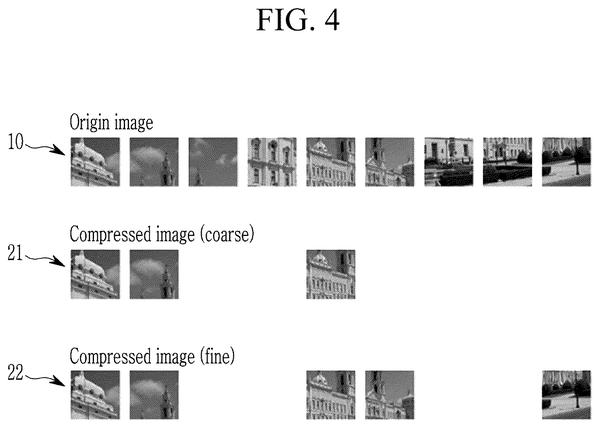
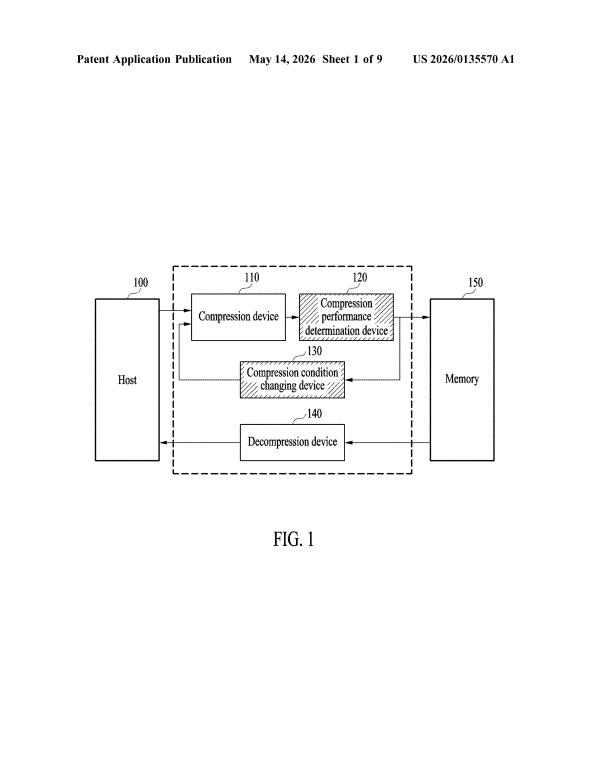
A feedback loop that re-runs compression with adjusted parameters lets the camera capture and store more shots before hitting storage limits, sharpening the practical payoff of shooting and editing more photos on device.
Questions readers ask
What does this Samsung patent tracker actually cover?
It follows Samsung filings related to phone cameras, split roughly between sensor hardware, like pixel and gate layouts, and image software, like video stabilization, AI fill checks, compression, and upscaling. Each entry gets a plain-English explanation of what the filing describes and why it matters for photo and video quality.
Does a Samsung patent mean the feature is coming to phones?
No. A patent filing shows what Samsung's engineers are exploring, not a confirmed feature or release plan. Companies file broadly to protect ideas, and many patented systems never reach a shipping product. This tracker explains what each filing does, not when or whether it arrives.
What kind of camera sensor changes has Samsung patented?
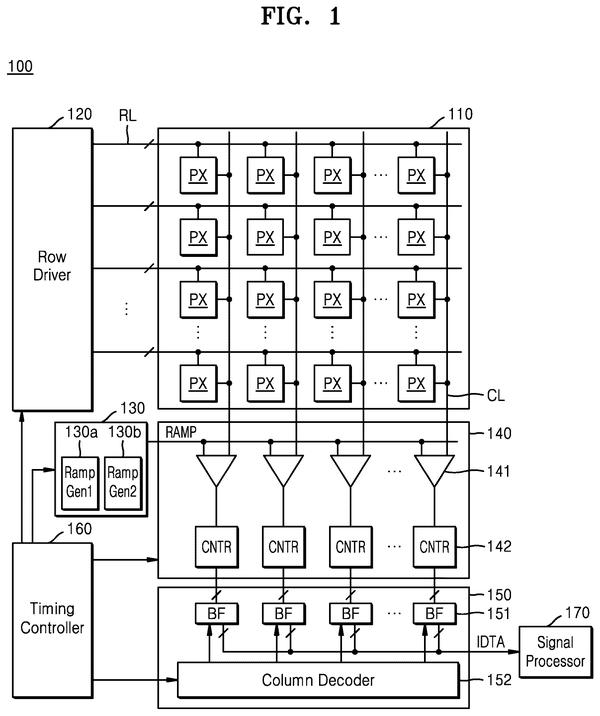
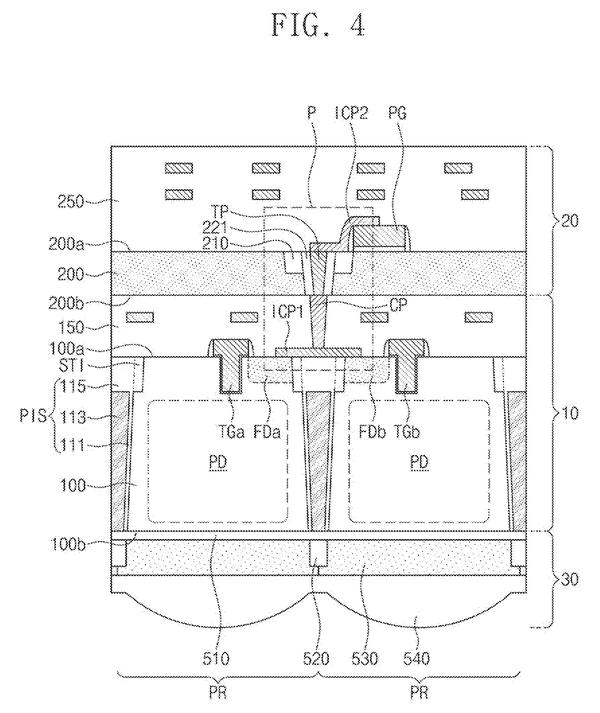
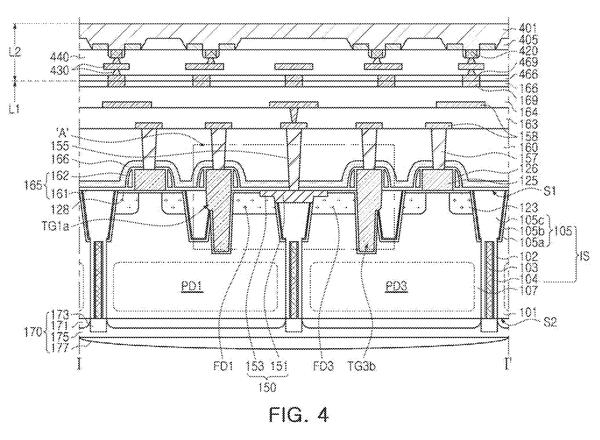
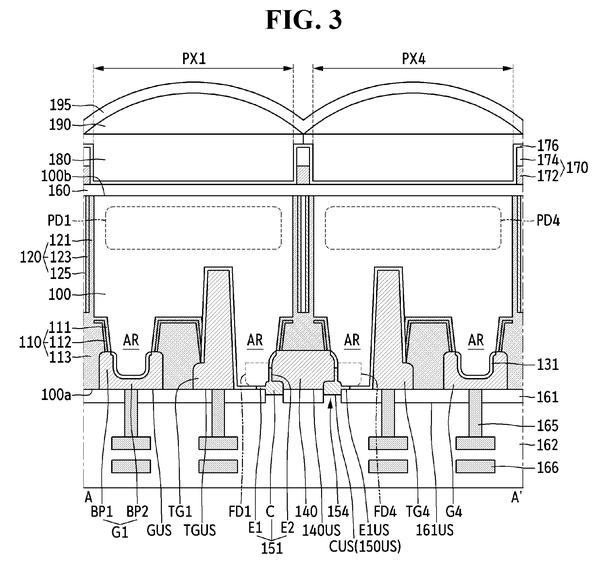
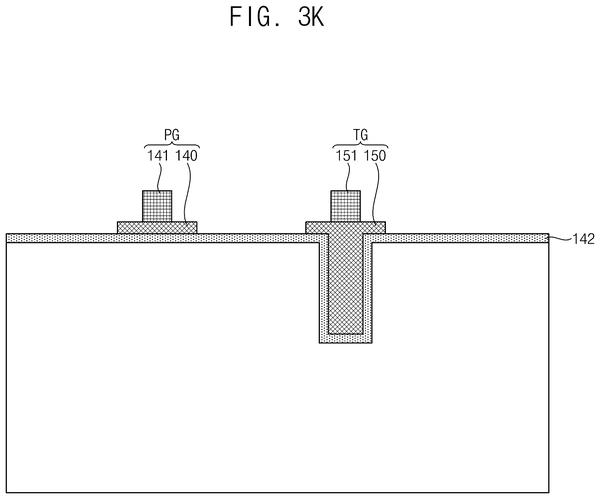
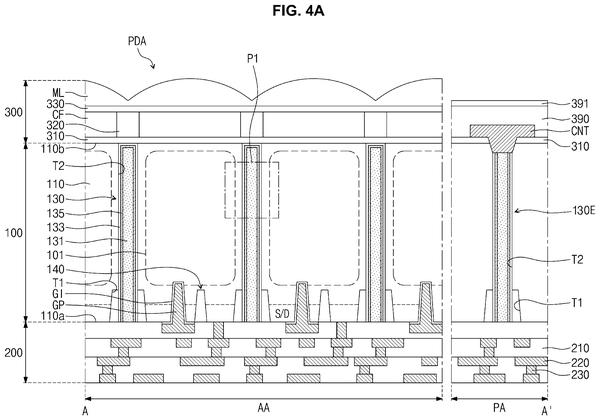
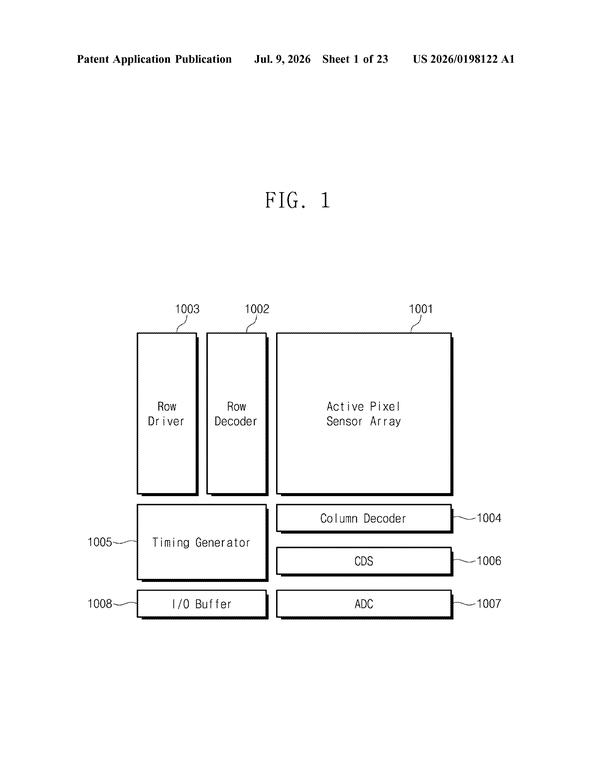
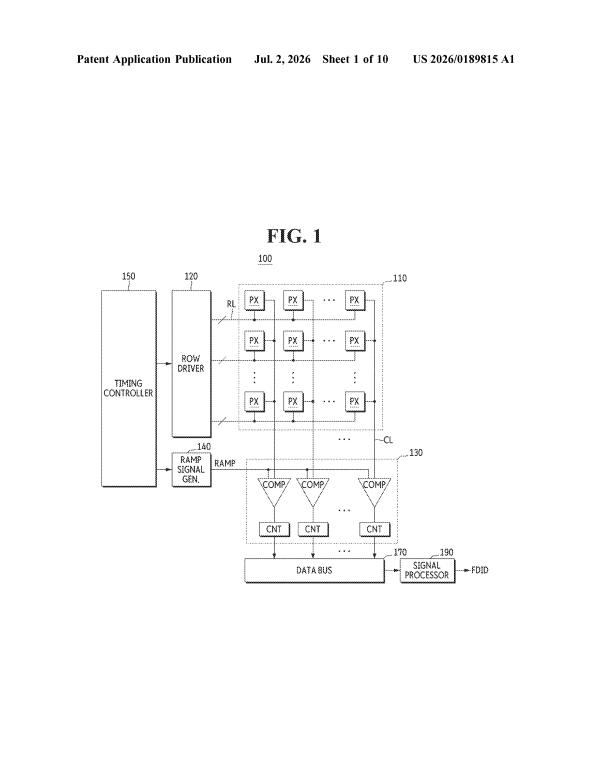
The filings include a dual-node pixel design with built-in gain control, a gate layout meant to pack pixels more densely, a precision grid structure between color filters, and sub-pixels with different doping levels. These are changes to the sensor's physical structure, aimed at capturing more usable light before software gets involved.
What software changes has Samsung patented for photos and video?
Filings cover real-time pixel labeling across video frames, fixing motion-blurred frames using trajectory data, a compression system that redoes bad results, a gate that blocks weak AI image fill, a scene-aware effects preview, diffusion-based image synthesis, and frequency-domain upscaling that denoises before sharpening.
Want this weekly breakdown for a company we don't cover?
Patentlyze Pro →
The weekly email: the best of Big Tech's filings, in plain English. Free.