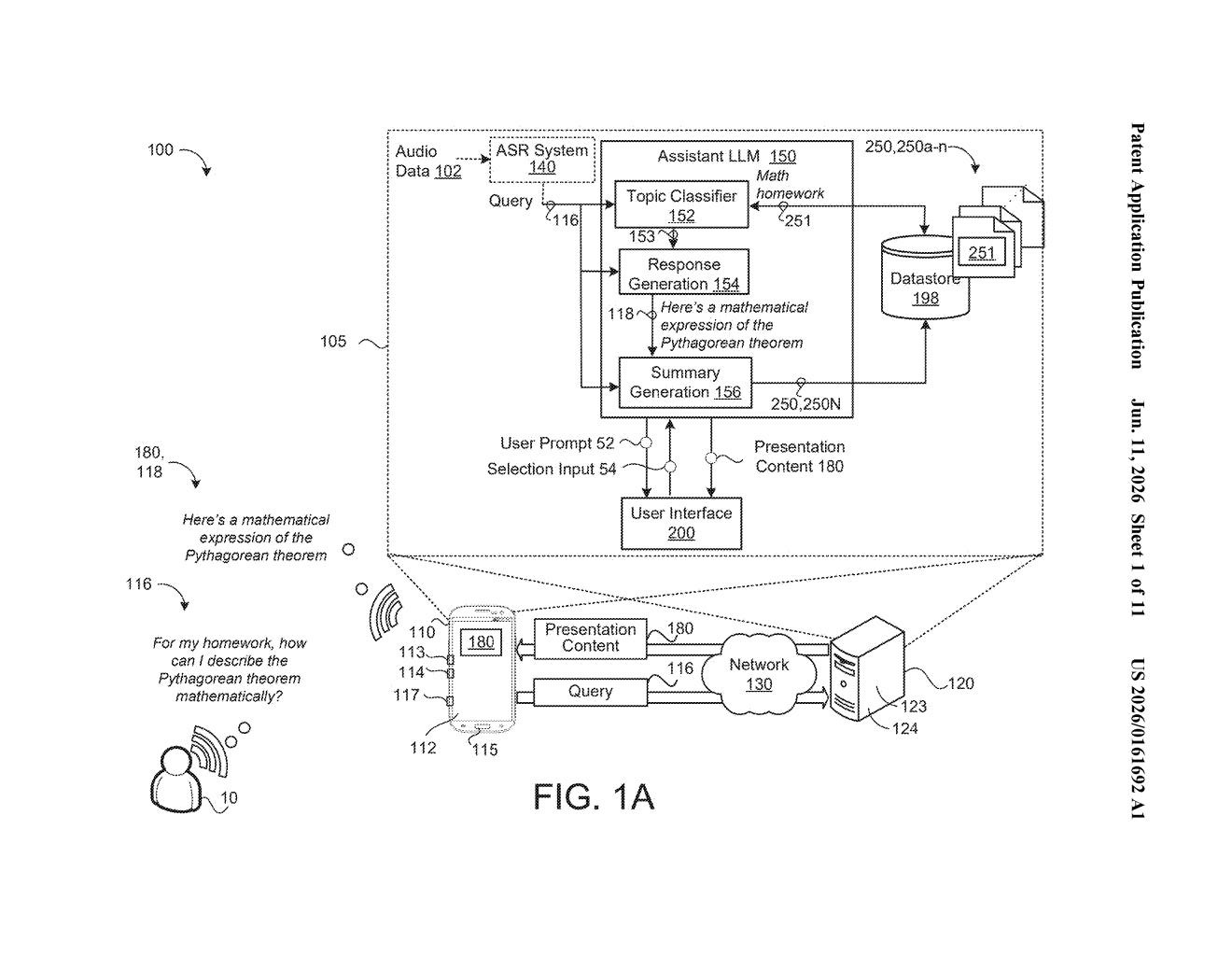
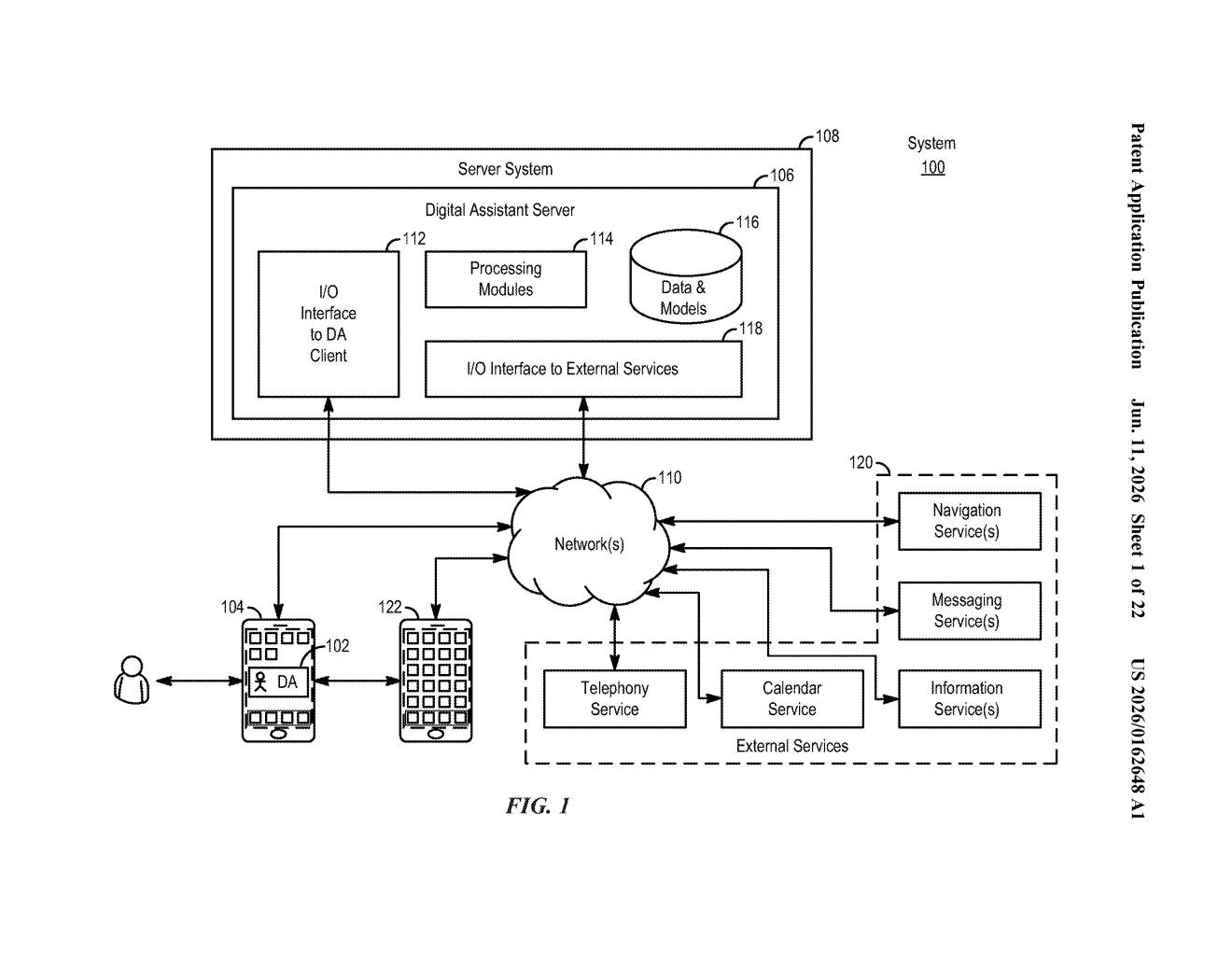
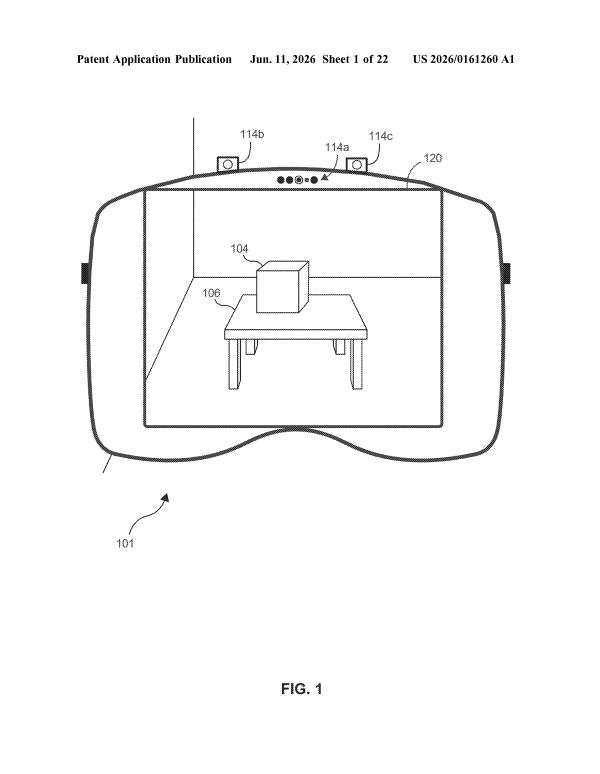
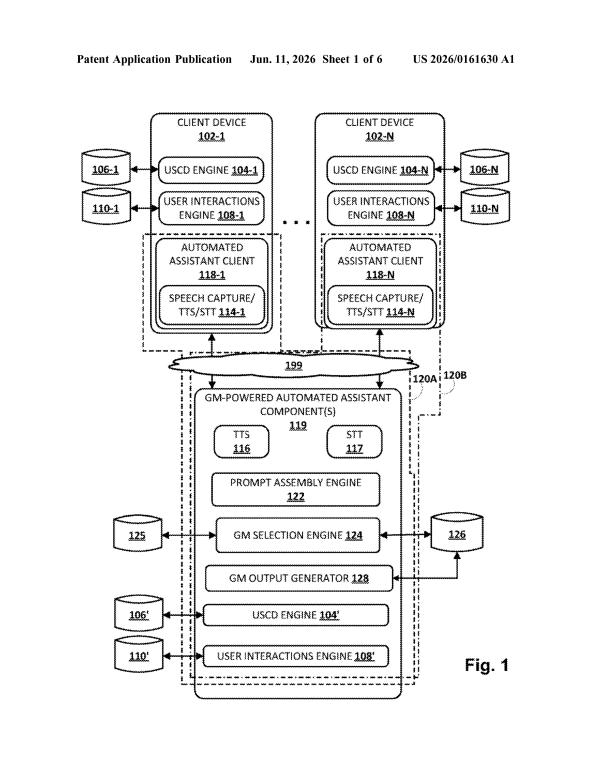
Big Tech's Patents on AI That Remembers You, and where the race stands
This tracker collects patents that decide what an assistant remembers, how it fills in context before you ask, and how it coordinates tasks across your devices. Together they point toward assistants that manage their own memory of you and act with less explicit instruction.
92 filings
· tracking since May 2026 · latest Sep 2026 · updates weekly
based on all tracked filings in this watchlist · refreshes every week
These patents fight over one thing: which company gets to be the layer that knows you well enough to act before you ask, across your devices, apps, and conversations.
Google and Samsung carry the most weight here by sheer filing count, with Google focused on memory that moves across devices and Samsung focused on assistants that learn your habits on phones and in cars.
What’s new in AI assistants that remember you
a dated entry each week this watchlist moves · older entries stay archived
Sep 17, 2026 6 filings joined
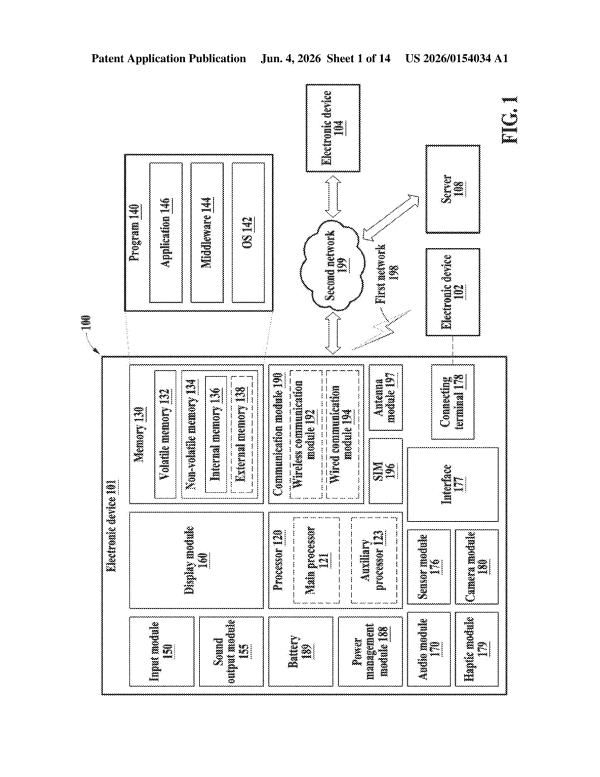
Apple leads this week with three filings around Siri, photos, and location memory. Together with Microsoft and OpenAI, the push is toward AI that learns your habits, context, and private details over time.
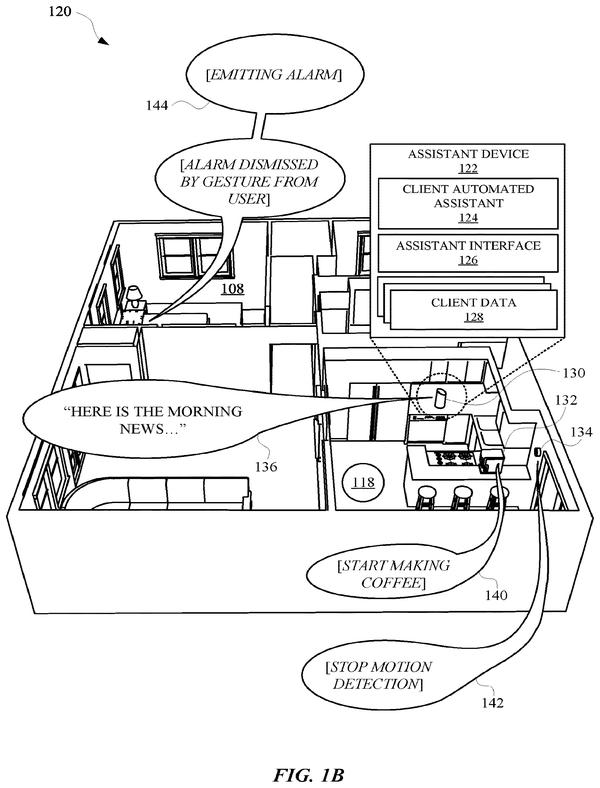
Apple and Google each filed one patent this week, with Apple focused on suggesting next actions and Google on skipping alarms automatically, both pushing toward assistants that react to what you are already doing.
This week's filings cover three different ways AI can learn and remember things about you or your work. Google and IBM are both looking at how AI can hold onto useful information, whether that is your personal habits across your devices or your company's own knowledge.
Aug 27, 2026 5 filings joined
This week's filings all focus on AI that pays attention to what you are doing right now and holds onto that context. Microsoft leads with two filings, covering memory layers and auto-organizing folders, while OpenAI, Apple, and Google each added one filing on tracking conversations, photos, texts, or web pages.
Aug 20, 2026 11 filings joined
This week's filings center on AI that remembers people, learns their habits, and adjusts to them over time. Samsung, Microsoft, and Salesforce each filed twice, making them the most active companies this week.
Who’s filing patents in AI assistants that remember you
counts from tracked filings · focus read from each company’s own filings
The battlegrounds inside AI assistants that remember you
the fights inside the fight · each with its three newest filings · new filings join every week
Assistants That Remember You Over Time 19 filings
Google 7, Microsoft 6, Samsung 3
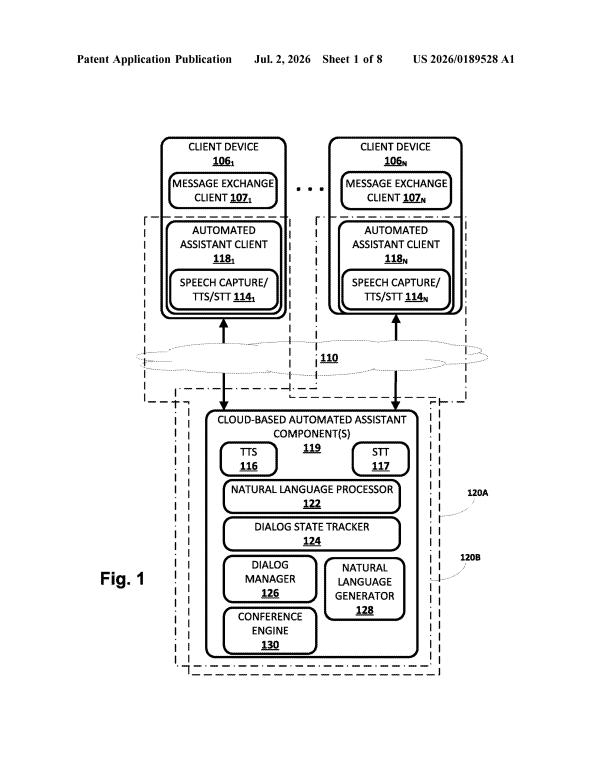
Several companies are filing patents around assistants that build and update a personal profile the longer you use them. Google, Samsung, and Microsoft are all working on ways for an assistant to store what you said before, rewrite its picture of you as you change, and pick up conversations where they left off.
Predicting What You Want Before You Ask 10 filings
Google 4, Samsung 3, IBM 2
A cluster of patents covers systems that guess your next move before you make it, whether that is your next search word, your next question, or what your phone will need to do. Google, Samsung, and IBM are the main companies filing here.
These patents describe systems that decide which device, app, or AI model should handle a request rather than making the user choose. Google, Samsung, and Microsoft are each filing on different versions of this idea.
Using Your History to Answer You Better 13 filings
Apple 5, Google 5, Microsoft 1
Several filings describe pulling in what you have browsed, opened, typed, or asked before to give a more useful answer right now. Google and Apple are the main filers, with Samsung also contributing.
These patents focus on assistants that track what was just said in a conversation or meeting so they do not lose the thread. Google, Microsoft, and IBM are filing on this problem from different angles.
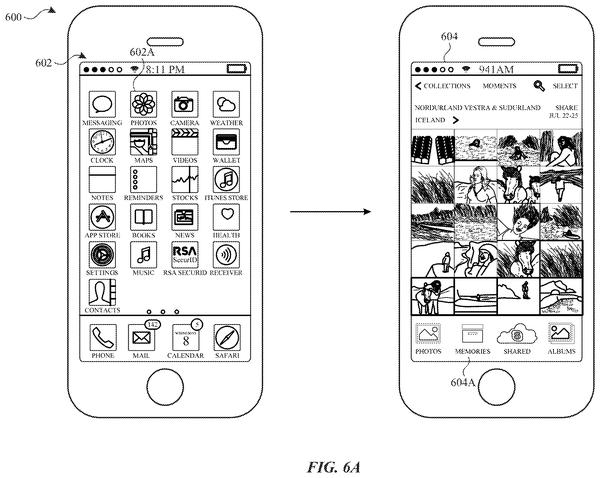
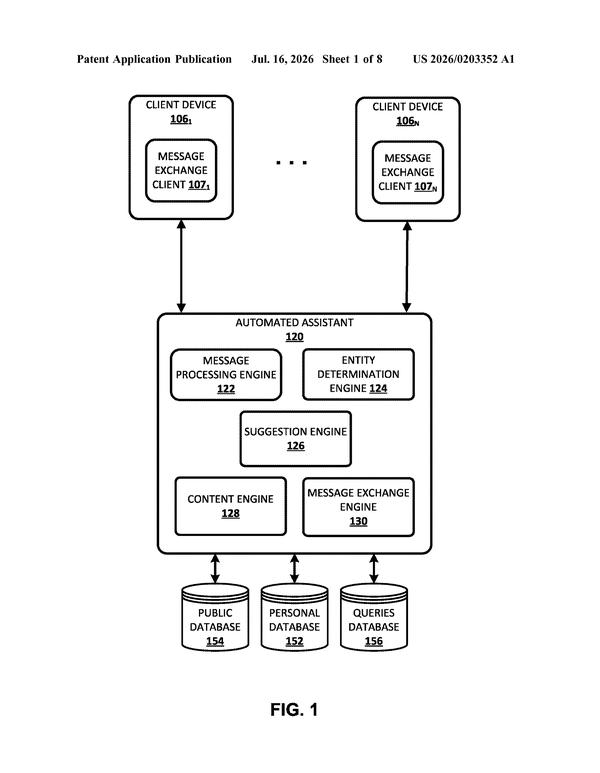
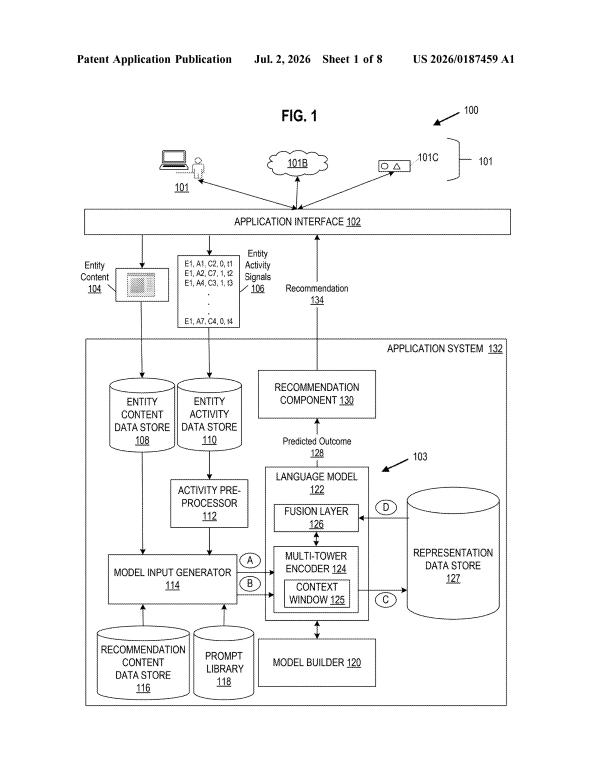
Context-aware surfacing extends the memory problem beyond what the assistant recalls to what it infers you need from existing data, pulling relevant photos before you ask.
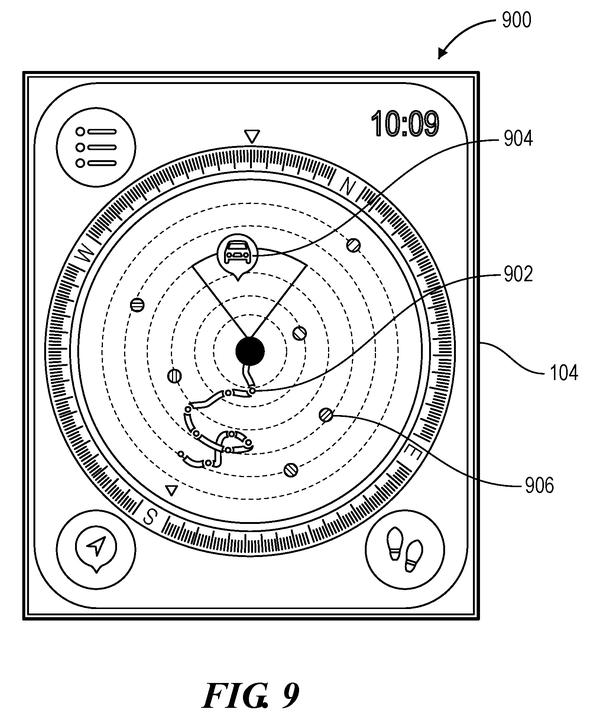
Moves beyond waiting for user requests by predicting when location context will matter. The system infers need from behavioral signals, shifting when memory capture happens rather than just how much gets stored.
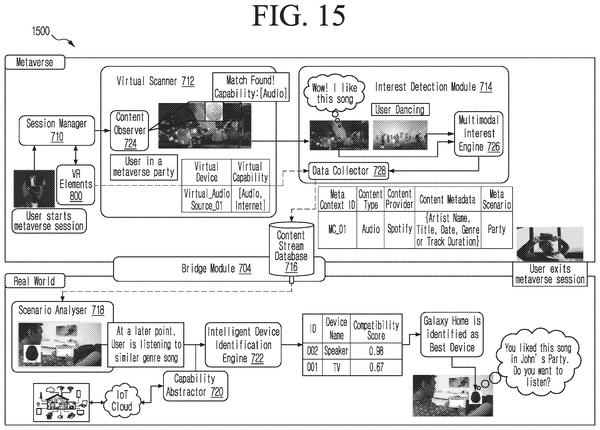
Earlier filings focus on what assistants choose to remember; this one shows how context from VR sessions gets routed to the right device afterward, bridging the attention gap between virtual and physical spaces.
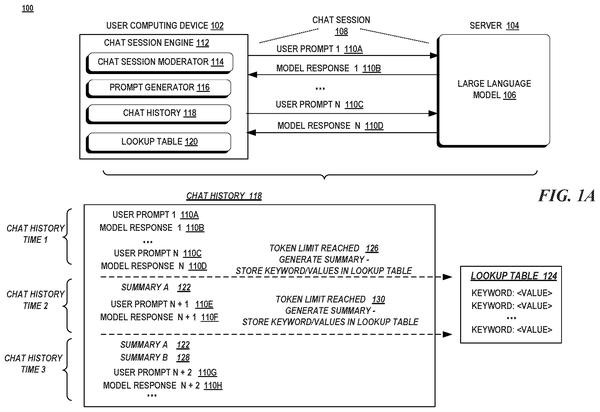
Keeping old messages from dropping out of an AI's working memory as conversations extend. Microsoft's approach lets assistants maintain full context across hours-long sessions instead of losing earlier exchanges.
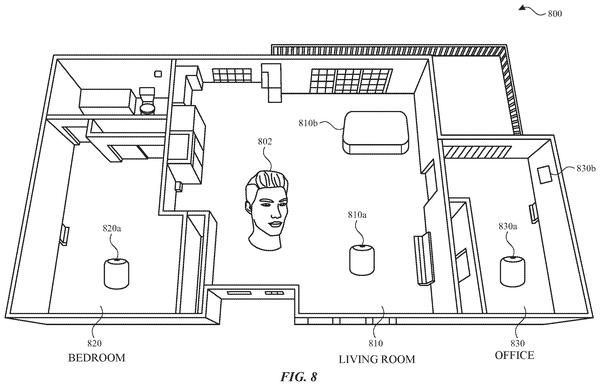
Earlier filings showed how assistants might remember individual users and their preferences; this one solves the practical problem of sorting shared device data by person when multiple household members interact with the same assistant at once.
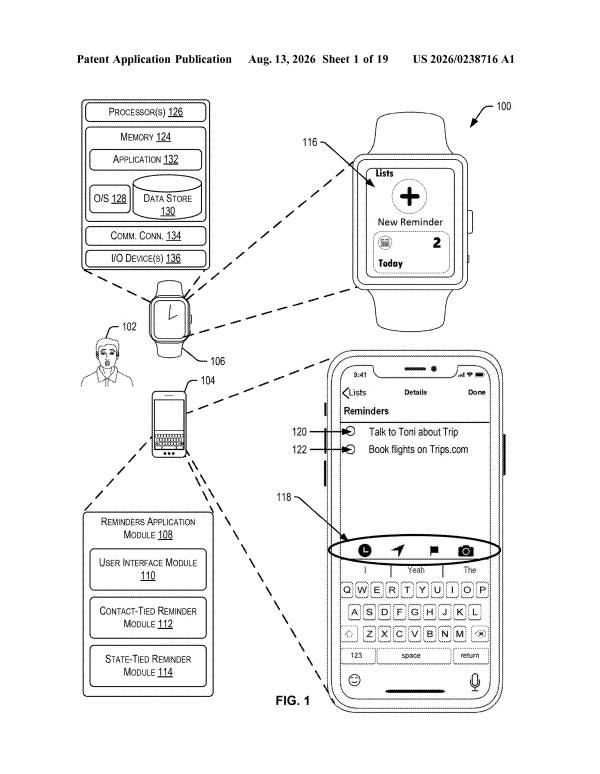
An assistant that monitors your actual behavior across devices could stop redundant alerts before they fire, rather than just letting you silence them after the fact.
Your assistant could infer what task you're actually trying to do from what you save, then suggest next steps without you having to explain the context again across your devices.
Predicting edits from document state plus user history means the assistant learns individual work patterns rather than just responding to explicit requests, filling in context about what matters to each user before they signal a need.
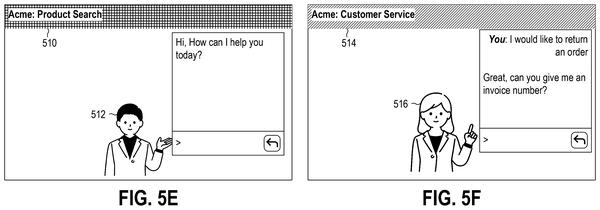
Filling in gaps between user questions and company knowledge bases, this system rewrites prompts to inject internal terminology and policies before the AI processes them.
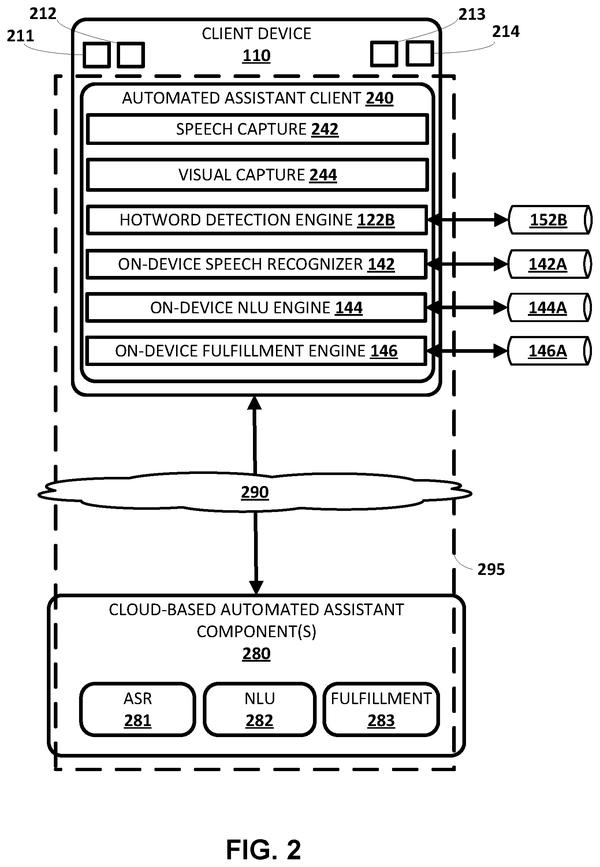
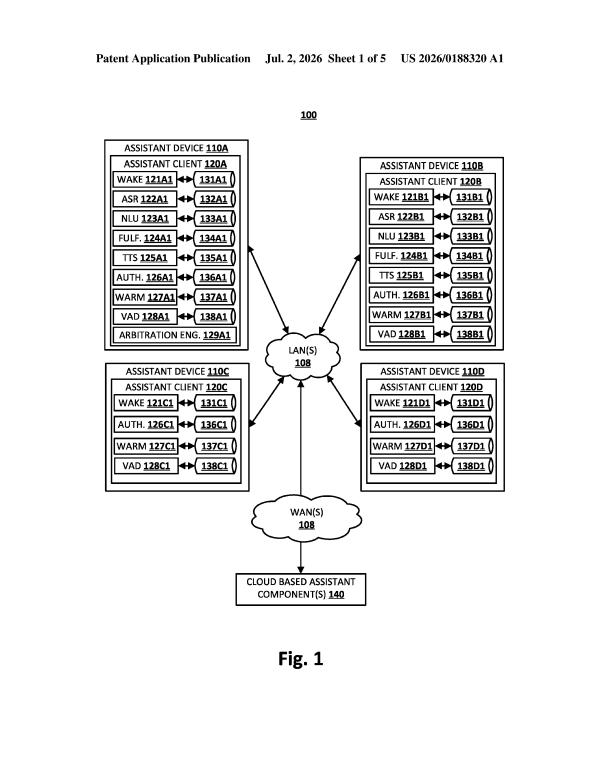
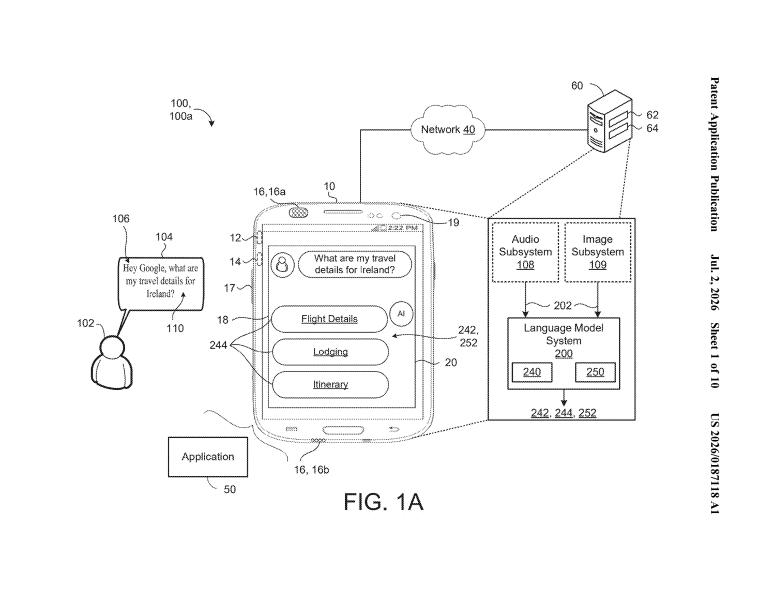
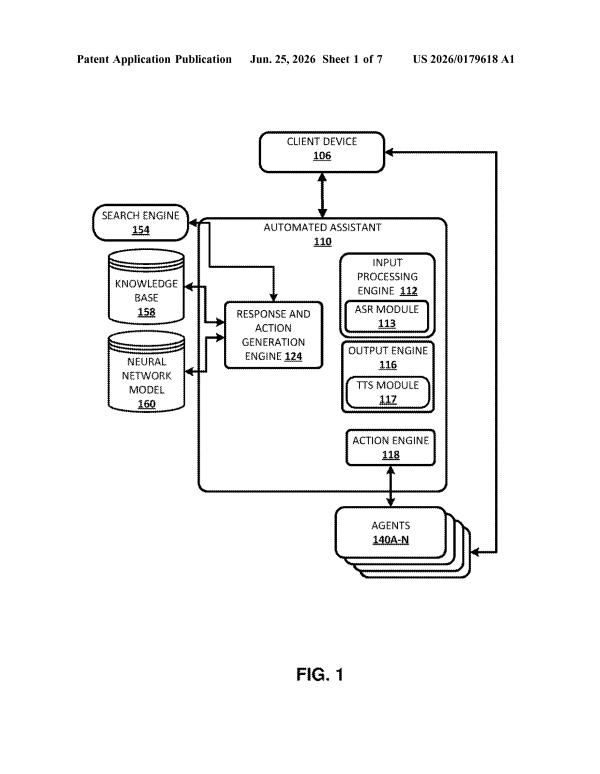
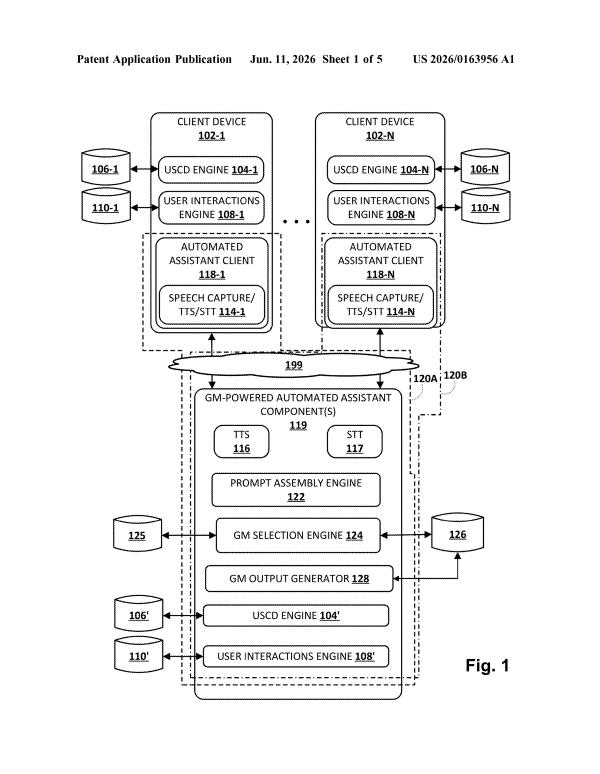
Keeping assistant state consistent across devices requires resolving which device owns the interaction. Google uses simultaneous wake-word detection to identify a primary device and sync its context to others in real time.
Extracting page structure and form fields lets the assistant rewrite vague drafts into responses matched to specific contexts, filling in details the user didn't explicitly request.
Your assistant could update its working memory mid-conversation instead of defaulting to stale context, letting you shift topics without losing continuity or forcing a restart.
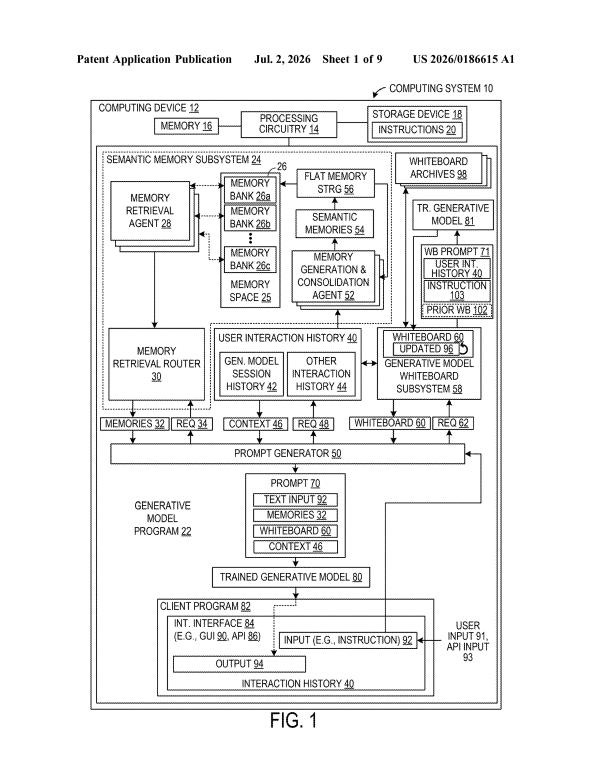
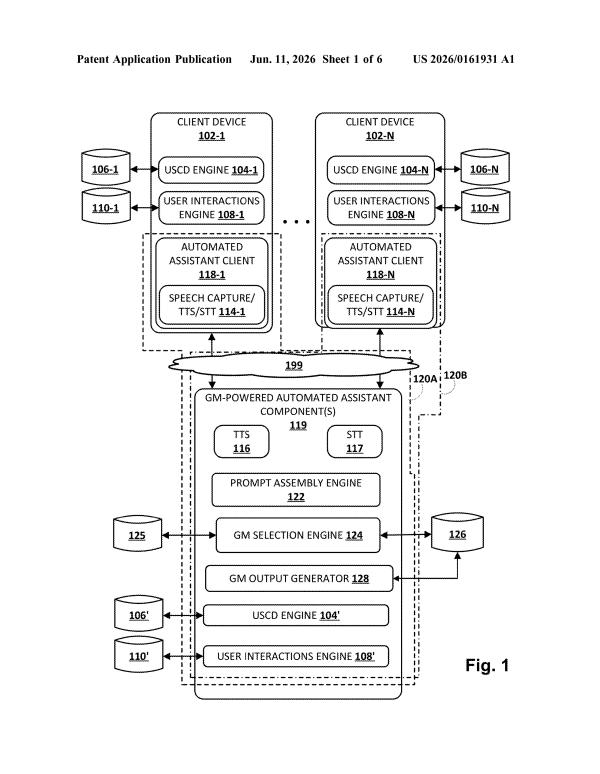
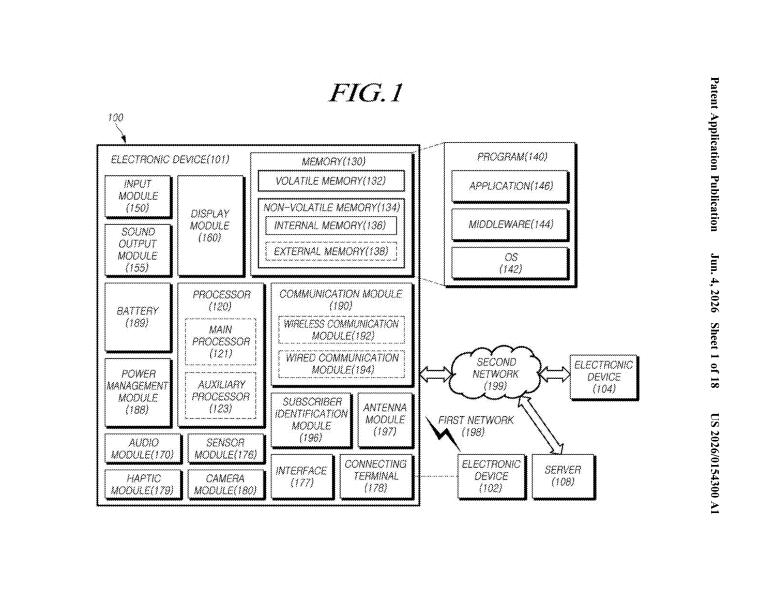
An assistant that keeps user context between sessions needs a way to store and retrieve what matters. This filing describes tiered memory layers that let the model surface relevant past interactions without drowning in noise.
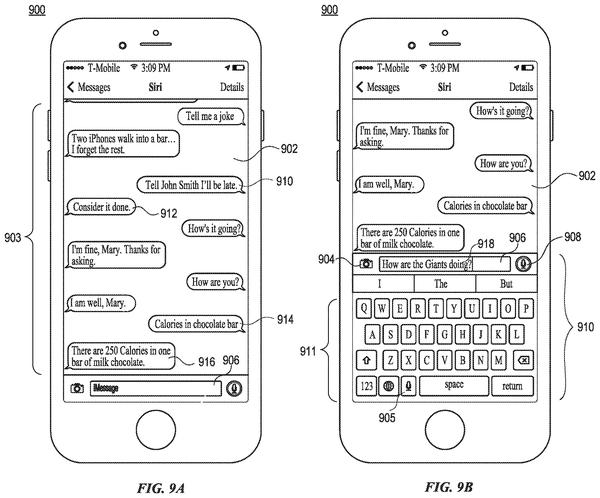
Connecting photos and text in a single thread lets Siri build context across related requests instead of treating each query as separate. This fills the gap where follow-up questions now lose connection to images you've already shared.
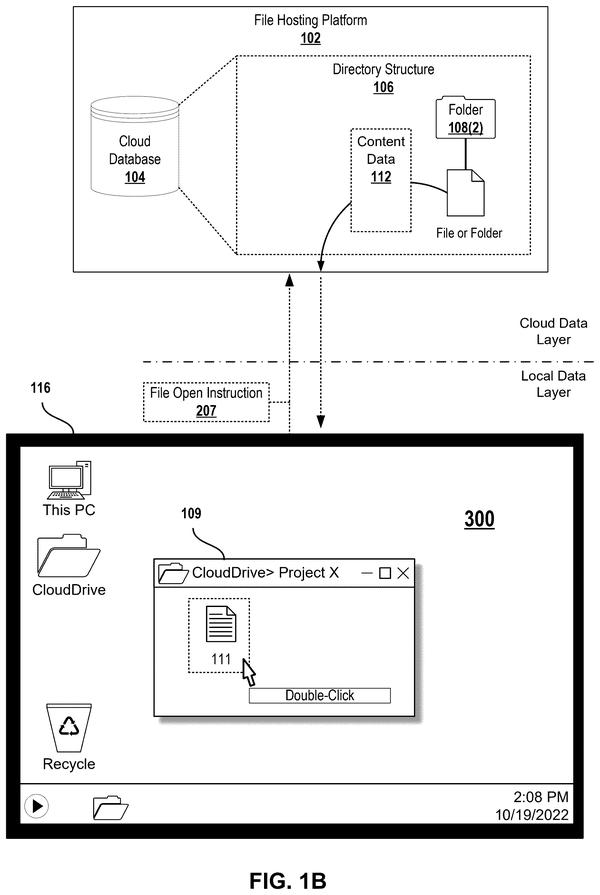
If your assistant could predict which files you need before you ask, you'd skip the hunt across multiple storage locations. This filing shows how to surface relevant documents by reading your current activity and task.
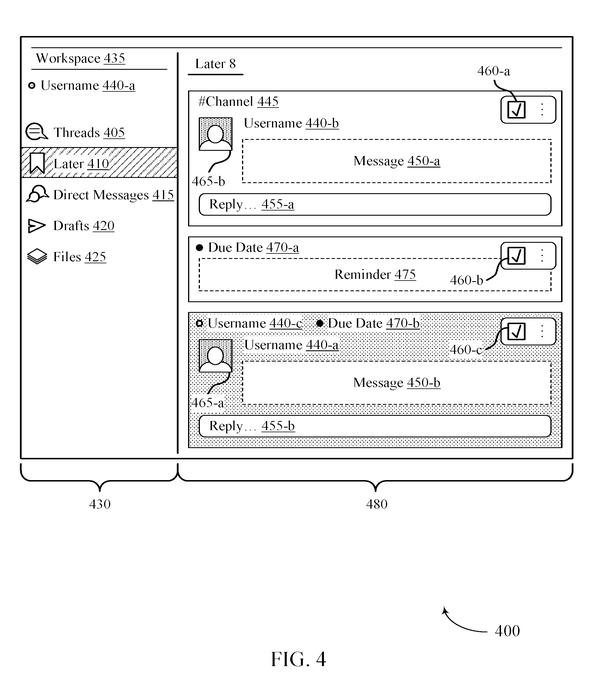
The assistant now learns to rank saved items by urgency, filling in context about what matters most to each user before they dig through the backlog themselves.
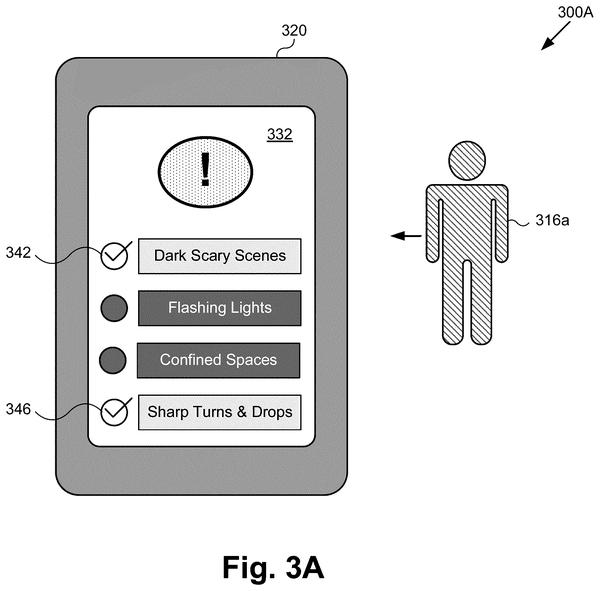
Storing user aversions in a profile and surfacing warnings before encounter lets the assistant predict what content will matter to you without waiting for explicit feedback, filling context gaps before you even know you need help.
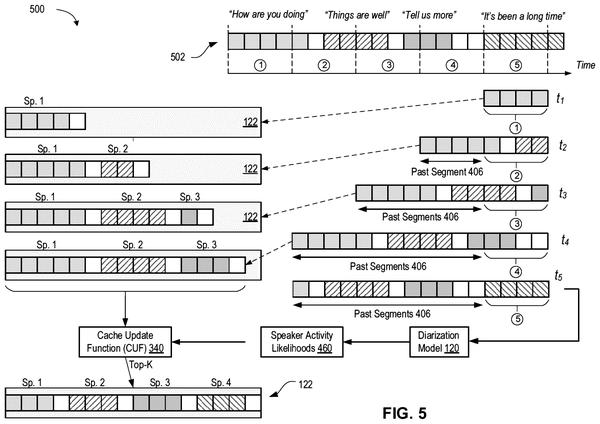
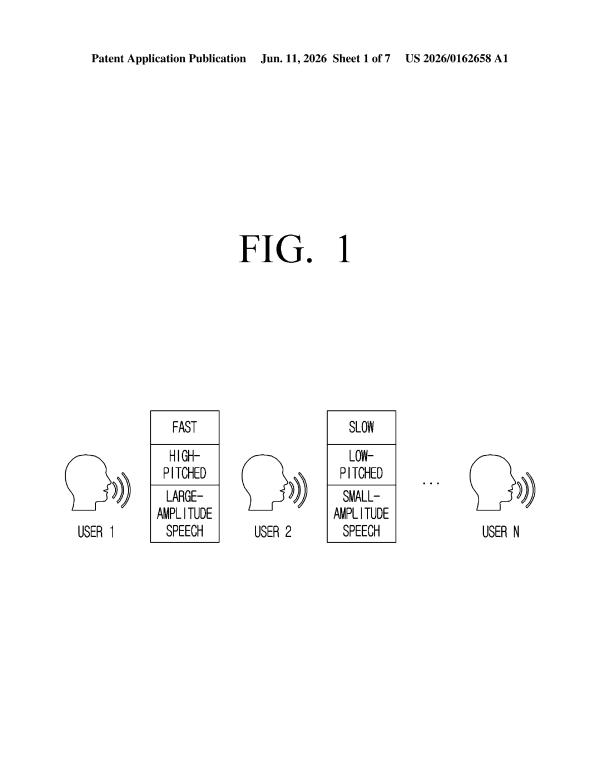
Figuring out who said what in a multi-person conversation is one of the trickiest problems in audio AI. Nvidia's new patent describes a system that does it live, as audio streams in, by keeping a running memory of every speaker it has heard so far.
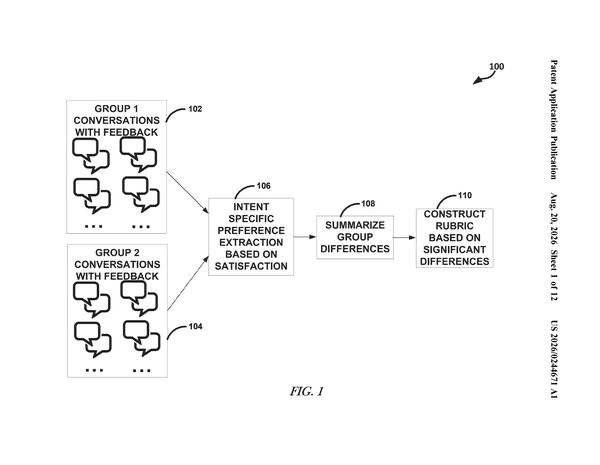
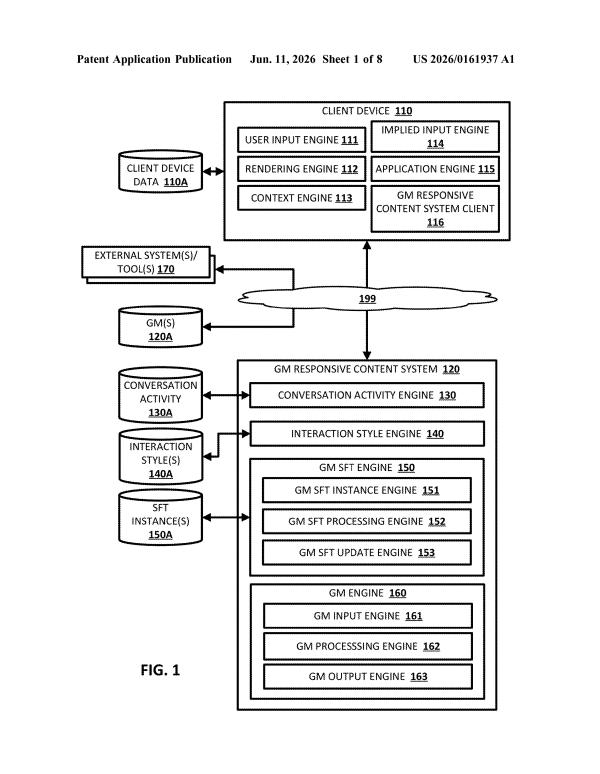
Not everyone wants the same thing from an AI assistant, and Microsoft has filed a patent to make that gap disappear. The system automatically studies how different groups of people react to AI responses, figures out what each group actually prefers, and then bakes those preferences into the model before it ever answers your question.
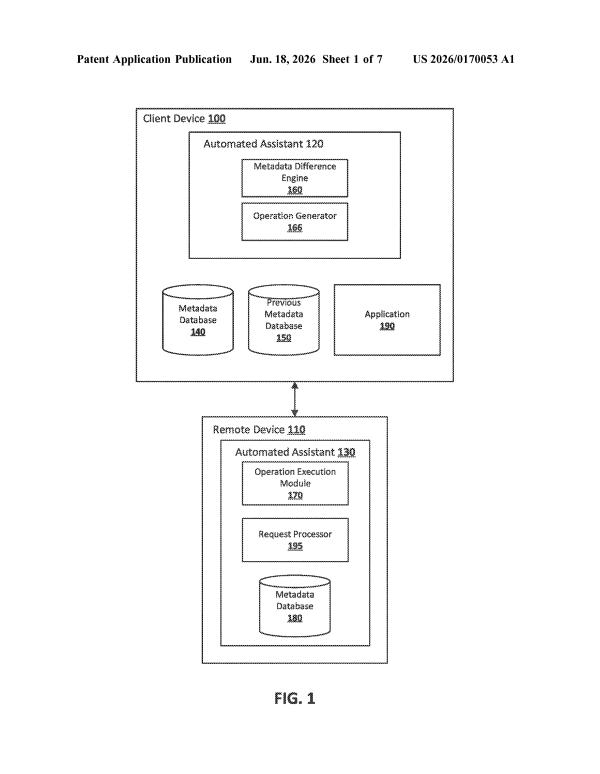
When employees switch platforms, assistants usually start from scratch. This patent keeps prior behavior patterns active across system changes, letting the assistant predict your next move in unfamiliar software before you search for it.
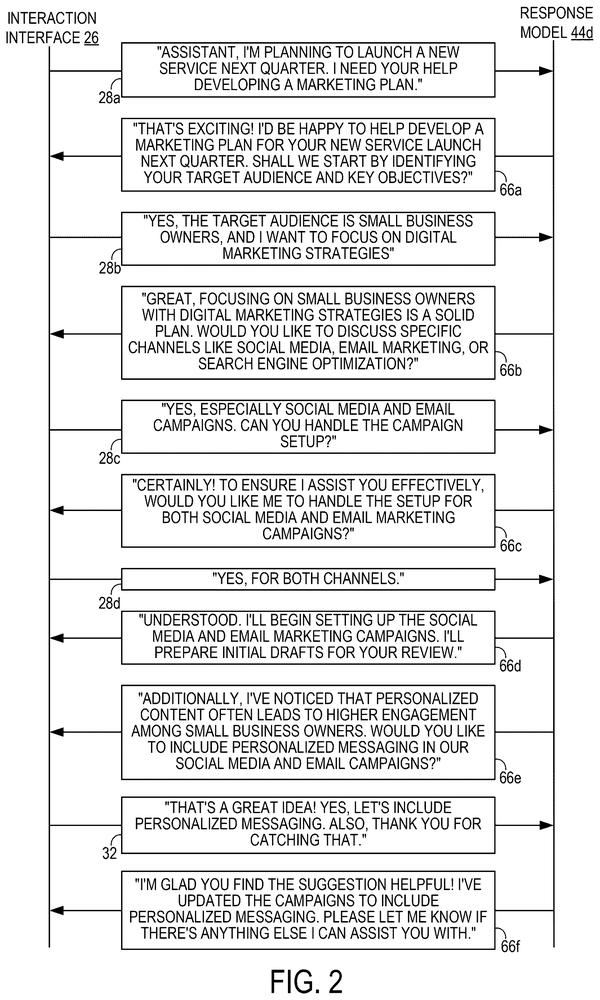
Persistent memory across sessions solves the repetition problem, letting assistants build context from ongoing conversations rather than starting fresh each time you return.
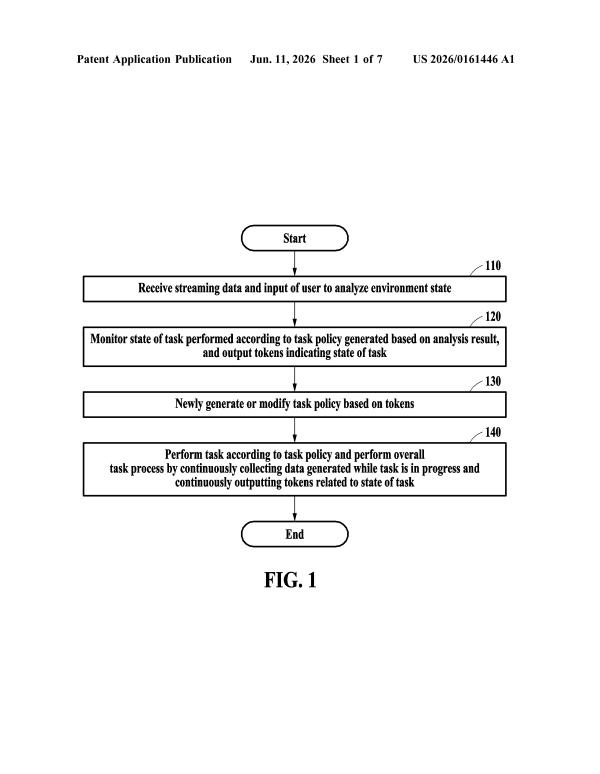
The coordination problem gets concrete: when you shift tasks mid-conversation, agents need to pass along only the context each one actually needs, not the full chat history.
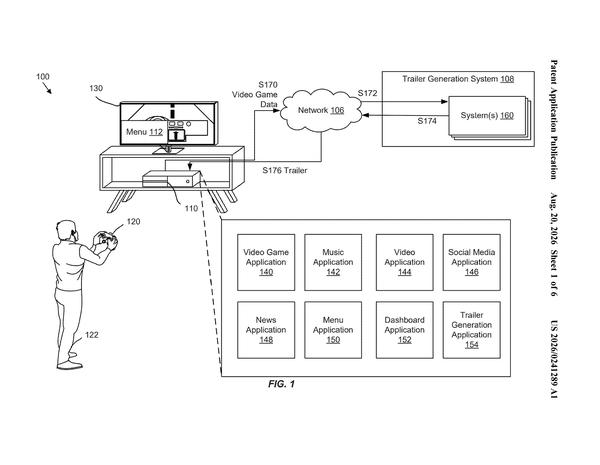
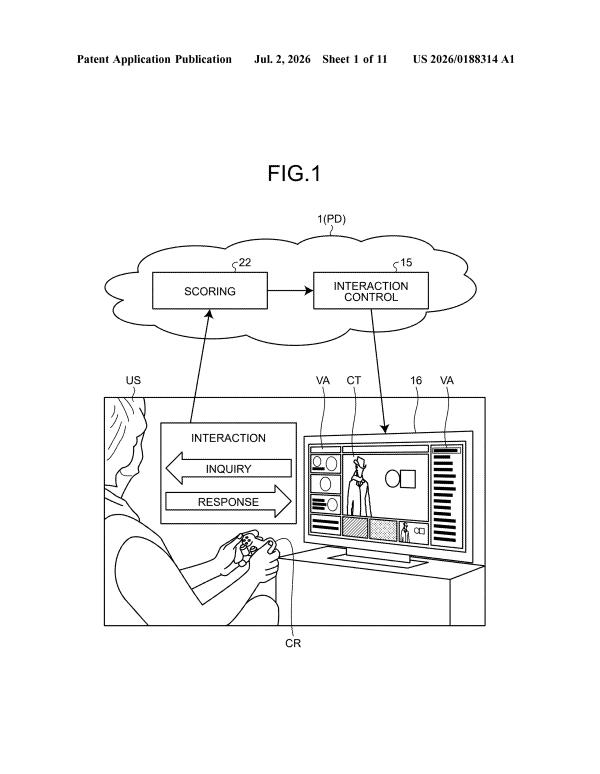
The assistant now learns what gameplay styles hold your attention by mining your actual play patterns, then uses that knowledge to surface new games you'd likely engage with, extending memory beyond conversation into discovery.
The timeline has focused on what assistants remember and how they fill in context. This patent addresses the harder upstream problem: detecting when a user actually switches topics so the assistant knows which memories to activate or drop.
Extracting user intent from messy cross-site browsing data lets assistants build coherent profiles without relying on what each website reports about you.
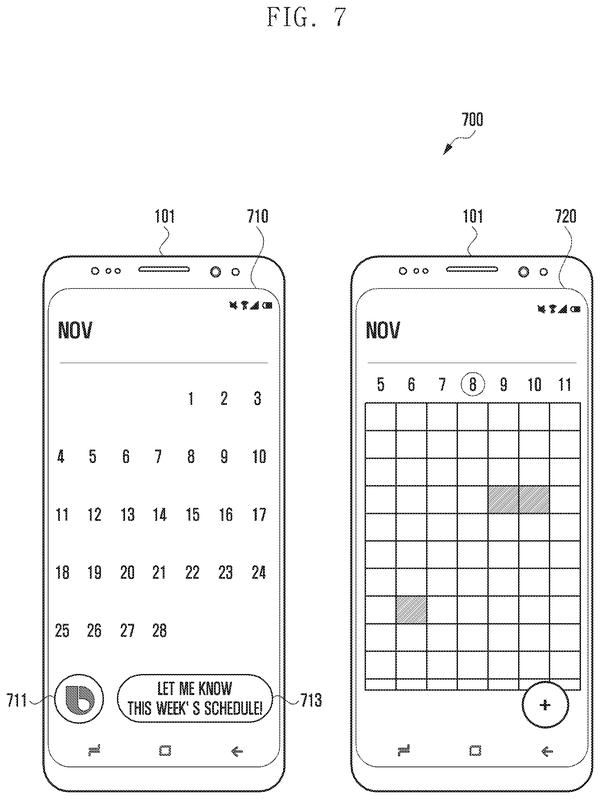
Building the assistant's sense of hierarchy: Samsung's filing shows how to weight speaker contributions by their relationship to you, so summaries surface what matters rather than just what was said most.
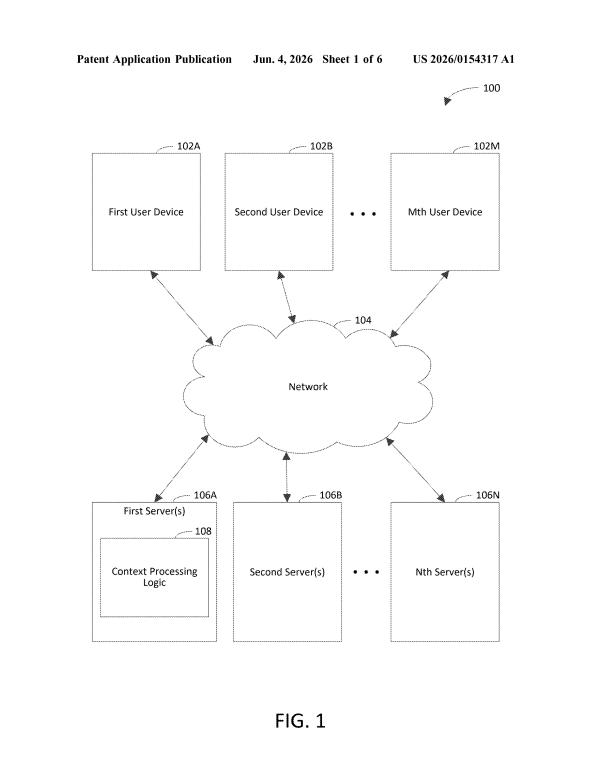
Routing tasks to whichever device suits each step best requires continuous synchronization across your device fleet. Microsoft's approach keeps all your screens aligned on task state so work can migrate automatically when needed.
An assistant that grasps what you actually want across a rambling conversation could surface the right product without you having to restate your needs in search-engine language.
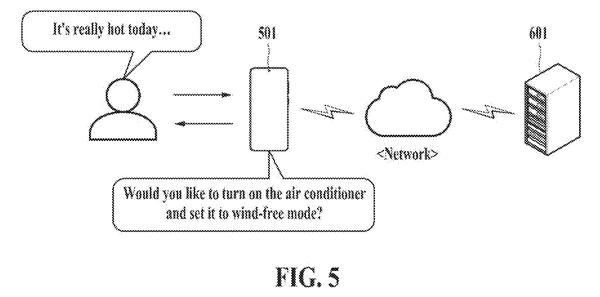
Your assistant could learn that "kill the living room" means the same thing as "turn off the living room light", so it stops requiring exact repetition of commands and starts recognizing your personal vocabulary.
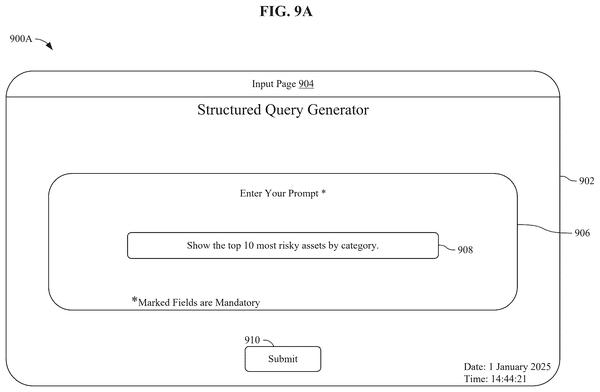
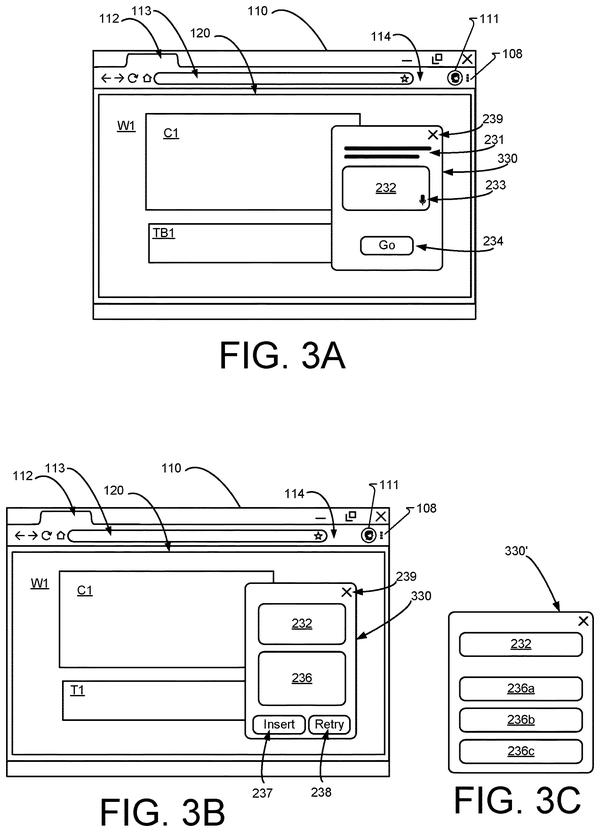
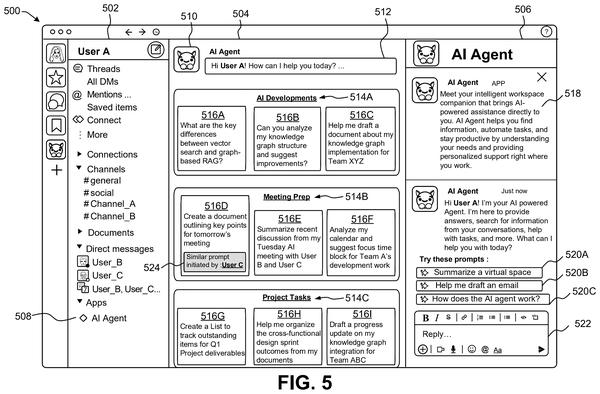
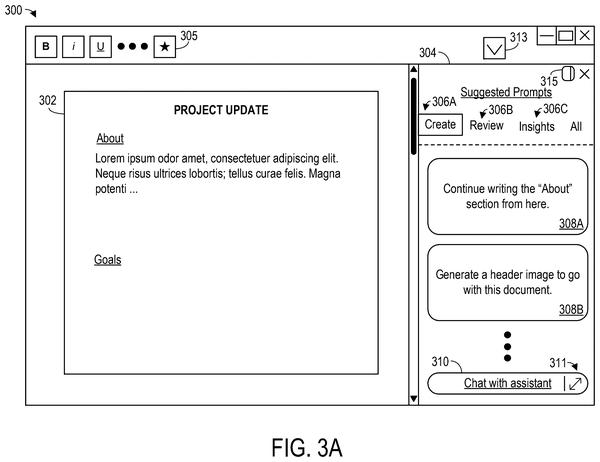
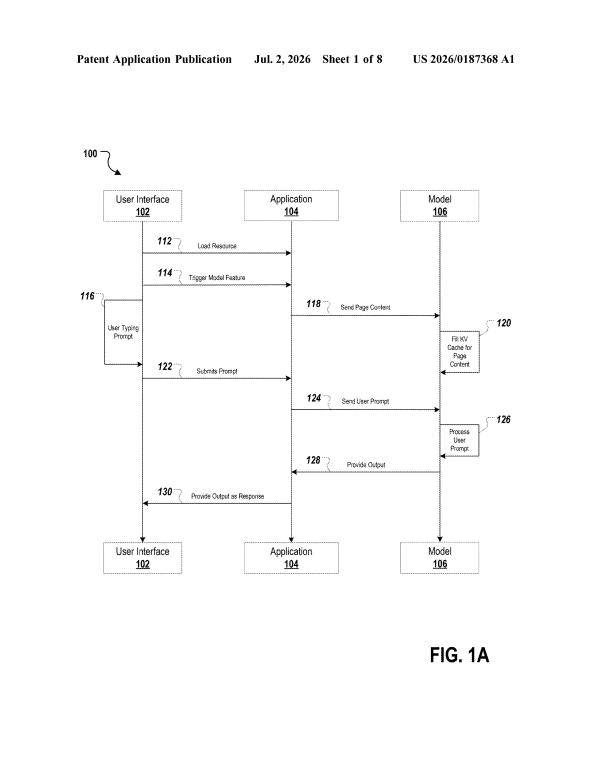
Pre-filled prompts based on document position let users skip the guesswork of what to ask an AI at any given moment, anchoring memory and context work to the specific section you're viewing rather than requiring you to frame requests from scratch.
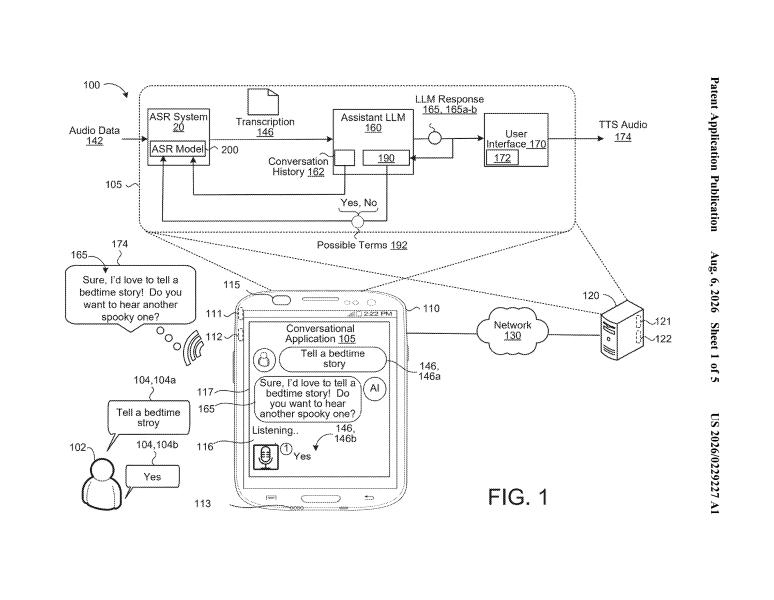
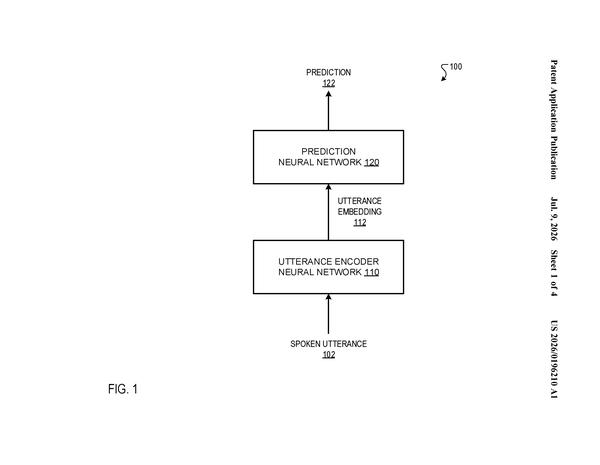
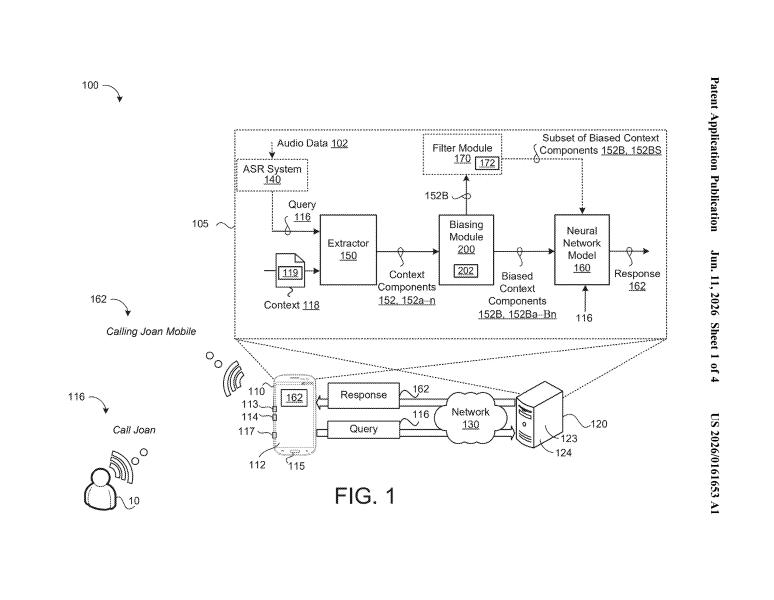
The assistant needs context to hear accurately, not just to understand. This filing shows how predictive modeling could let the system tune its speech recognition engine before you finish speaking, catching unusual words it would normally miss.
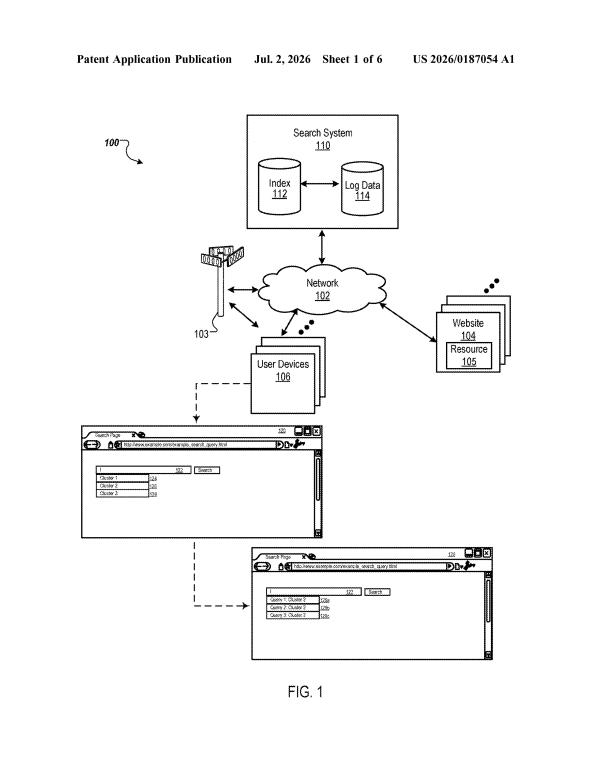
Query rewriting layers in search history and location data before the search engine runs, letting the system infer intent from past behavior rather than asking clarifying questions upfront.
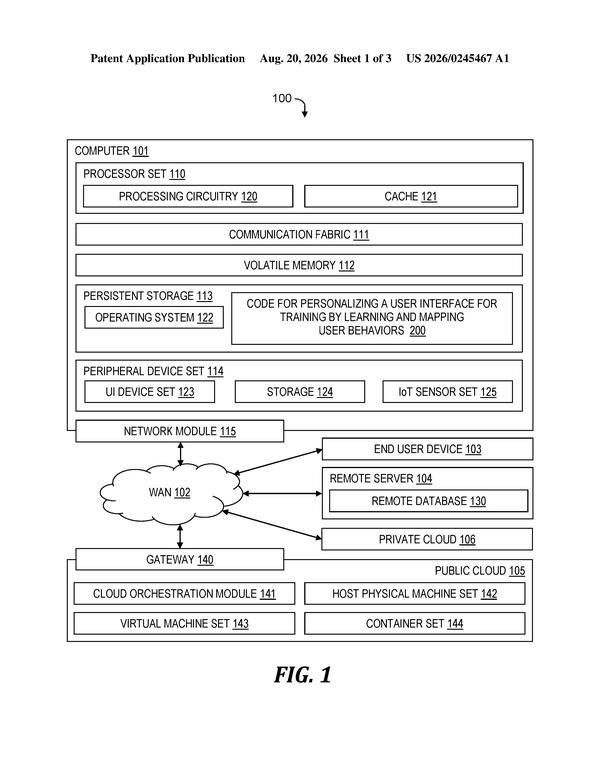
The device's pattern-tracking moves memory upstream, from what you ask the assistant to do into the routine actions before you ask. This creates the context the assistant needs to anticipate your next step.
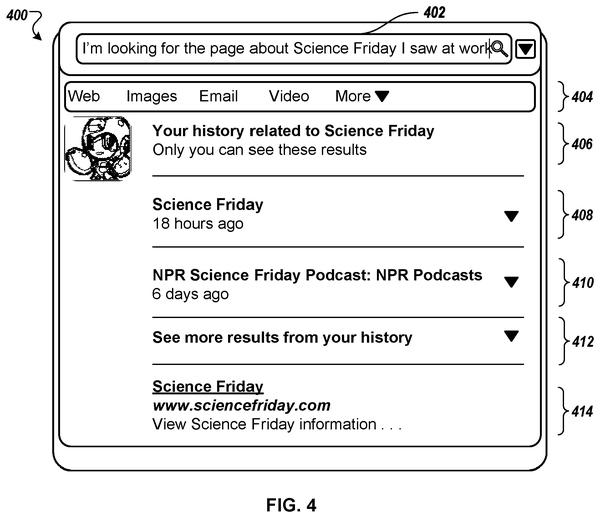
Indexing a user's own browsing history alongside web results lets the system surface previously-visited pages when new queries relate to past research, reducing redundant discovery work across devices and time.
Predicting task sequences from usage patterns requires the phone to recognize which apps you'll chain together next. Samsung's filing shows how on-device AI can pre-load that sequence based on recurring behavioral routines.
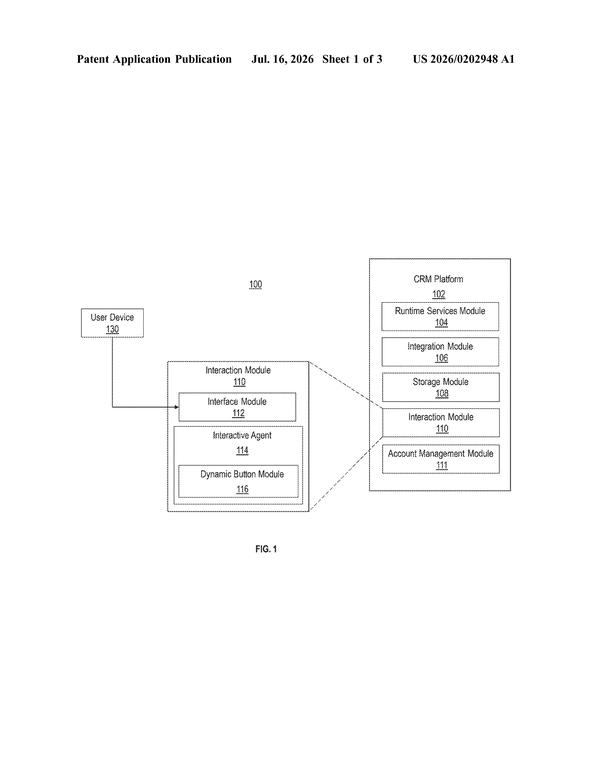
Deciding what action buttons to surface requires reading both account history and conversation state in real time. Salesforce's filing shows how to refresh those suggestions mid-conversation instead of presenting a static menu.
Keeping personal data synchronized across group chats requires the assistant to surface relevant information at the exact moment it matters. Google's filing shows how to monitor ongoing conversations and inject user data into threads without explicit requests.
Where context matters: the system stores compressed conversation history so the assistant grasps pronouns and references without asking clarifying questions each turn.
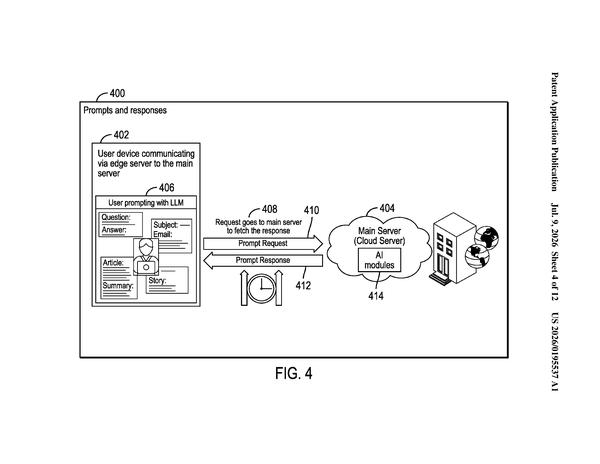
Predictive prefetching of responses cuts latency by staging answers at edge servers based on conversation flow patterns, eliminating the delay between your request and the assistant's reply.
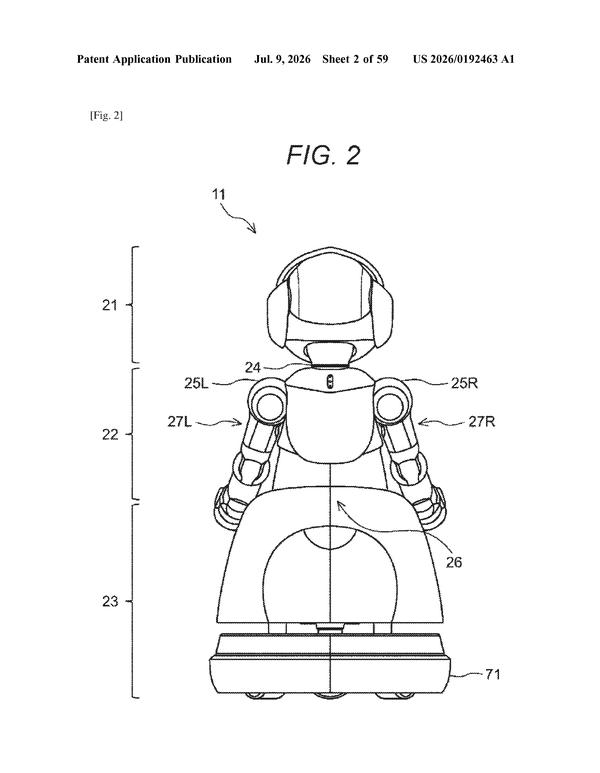
Storing patient profiles directly on the robot itself lets the system deliver content without routing requests through external servers, reducing latency when a care robot needs to respond to immediate needs or preferences.
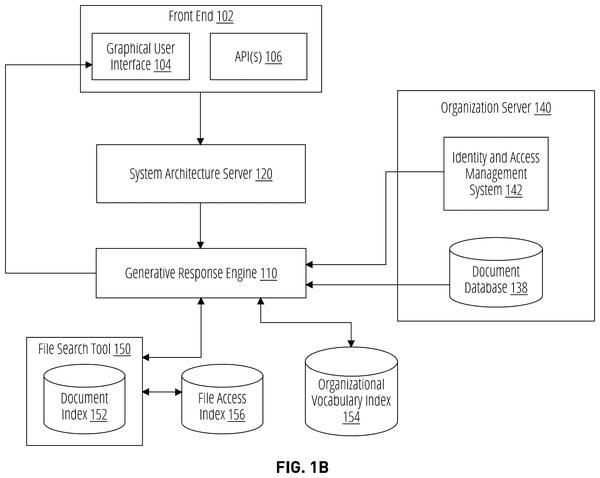
Storing accessibility needs in a persistent profile that flows to staff across multiple businesses lets assistants bridge the gap between what they know about you and what service workers need to know in the moment.
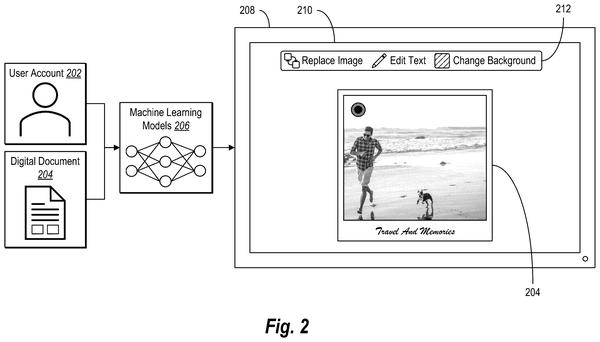
Feeding a user's existing documents into the model before generation ensures the assistant mimics their actual writing patterns rather than defaulting to generic output, anchoring personalization in concrete textual data rather than inferred preferences.
Monitoring your active app or webpage lets the system predict useful actions without you naming them first, then shape how those suggestions appear based on your past interaction patterns with the assistant.
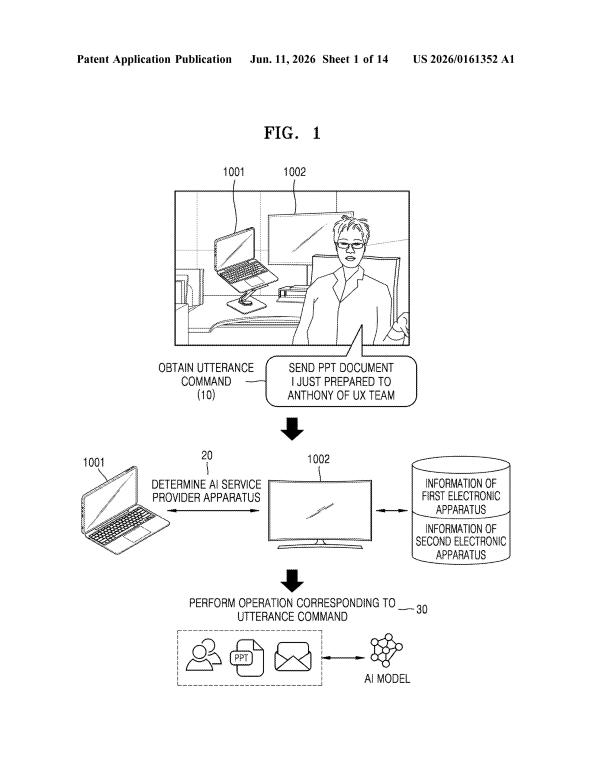
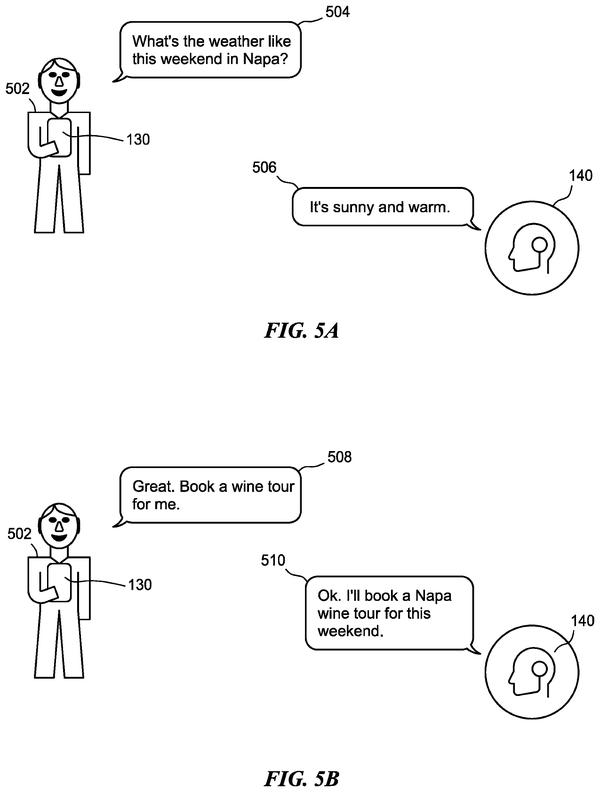
The timeline so far has focused on what assistants remember about you. This filing shows how assistants use those memories to act: routing requests to your actual preferred app rather than asking or guessing wrong. It's memory put to work.
Keeping track of what actually executed across apps is the gap. Apple's filing shows how a voice command can chain actions through multiple services while reporting back which ones succeeded, so you know the full state of your request.
Placing the assistant just beyond the user's view before sliding it in mimics physical presence in shared space, grounding AI interaction in spatial logic rather than summoning it from nowhere.
The timeline so far assumes assistants need to know what matters to you before you ask. This filing flips that: it lets you query a meeting's full context after the fact, building a searchable record the assistant can draw from when you need it later.
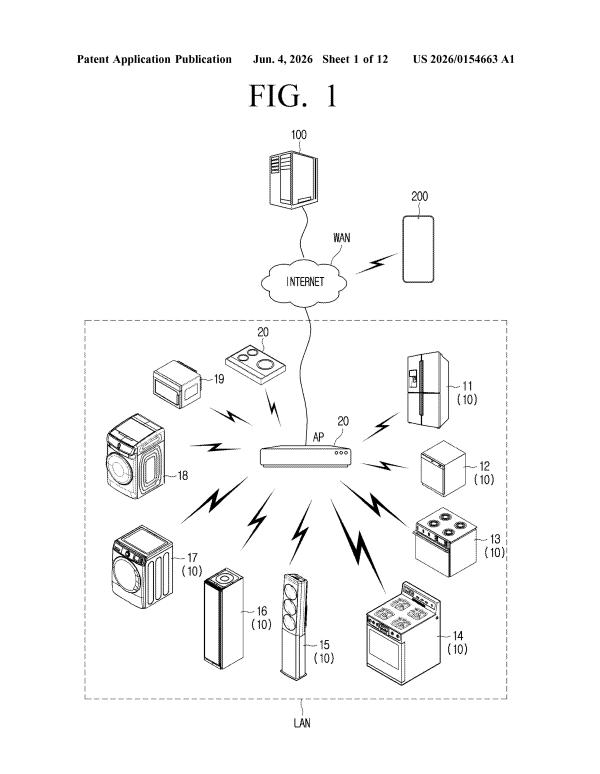
Your devices could silently coordinate which one responds, so only the most useful device for that moment, your kitchen screen for weather, your phone for navigation, actually speaks up.
Where other assistants forget between conversations, Google's filing shows how persistent user profiles let an AI build a continuous record and apply it to interpret vague requests like "the usual."
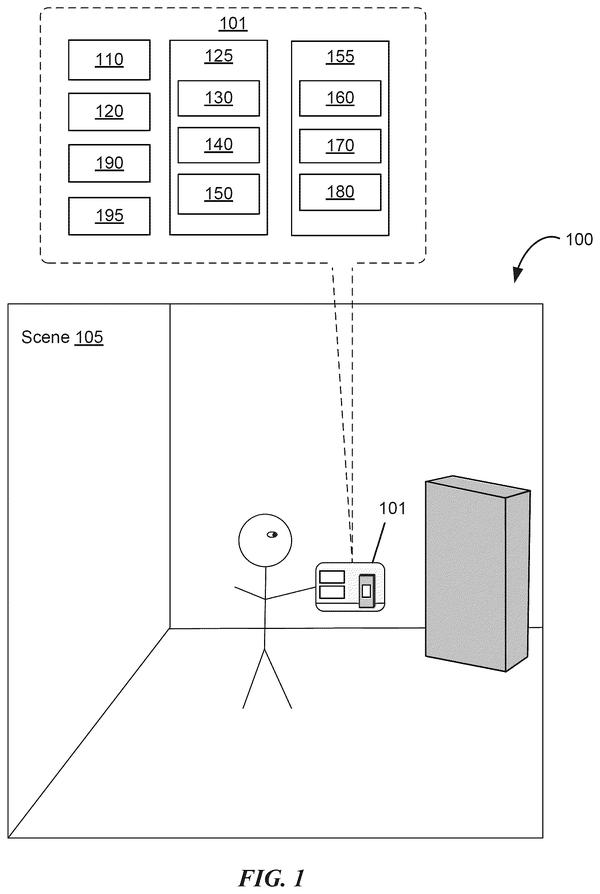
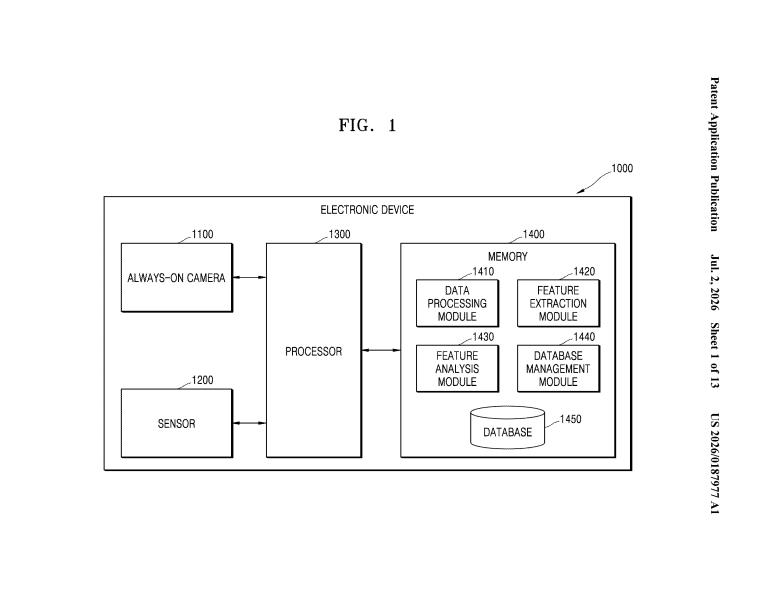
The always-on camera cuts through the context-filling problem by observing what's around you rather than relying on what you tell the system, letting the assistant build routines from direct evidence instead of inference.
Tracking user response patterns lets the assistant predict which clarifying questions you'll actually engage with, narrowing what it asks instead of waiting for you to opt out.
Storing a compressed representation of document content means the assistant can answer follow-up questions without re-processing the full text, reducing latency between your questions and its replies across a conversation.
The watchlist has focused on remembering past interactions; this filing shows how assistants can read your current activity to predict what you need next, filling context before you even search.
Keeping an AI assistant always-listening across multiple speakers lets it synthesize scattered information without anyone breaking conversation to ask. This confirms the watchlist's direction toward ambient awareness rather than explicit queries.
Where assistants learn passenger identity: Samsung's system detects who sits where and pre-loads their preferences into the vehicle display, moving context-filling from manual setup to automatic recognition across shared spaces.
Browser history becomes the raw material for pre-built context: Google wants to extract summaries shaped for different assistants before they even need to ask.
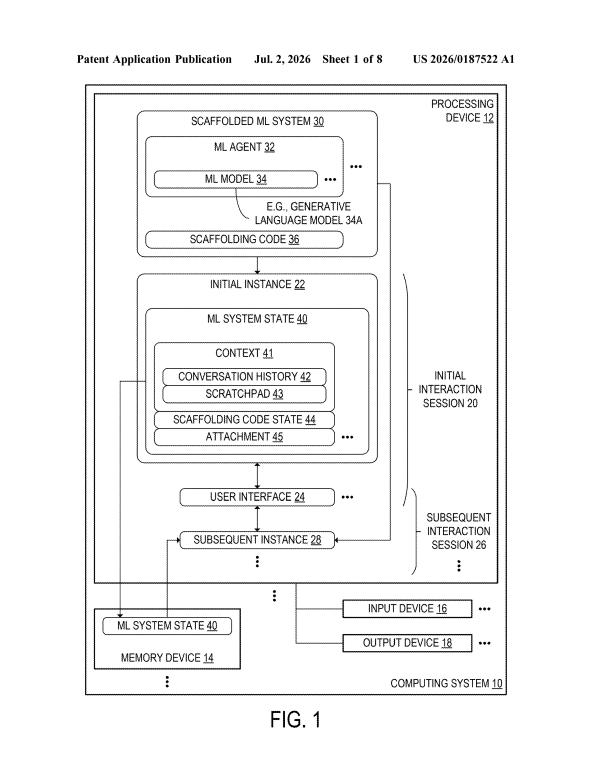
Saving the AI's internal state between sessions, not just chat history, means assistants can resume with their reasoning chains and learned adjustments intact rather than rebuilding context from scratch each time.
Your AI assistant could pull relevant details from hours-old conversations without you having to repeat yourself, making multi-session projects actually continuous.
The watchlist so far has focused on memory and context. This filing shows how assistants generate replies by reading live conversation and inferring relationship type, moving past stored facts into active prediction.
Every customer service agent has been there: someone calls in, but the real reason they're upset is buried in a week-old chat thread. Salesforce is patenting a system that makes an AI do that digging automatically.
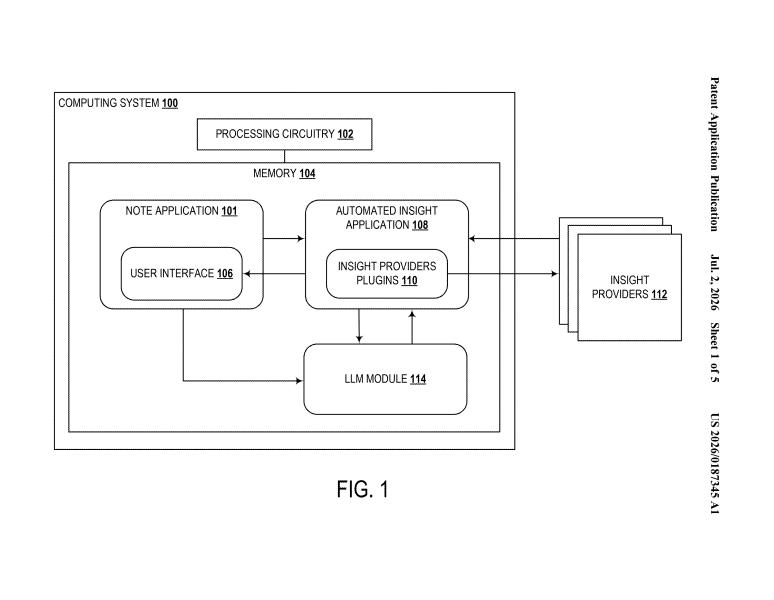
The context-filling mechanism now runs in real time during note entry itself, pulling relevant information from connected databases before you finish a sentence. This narrows the gap between what you remember and what the assistant knows you need.
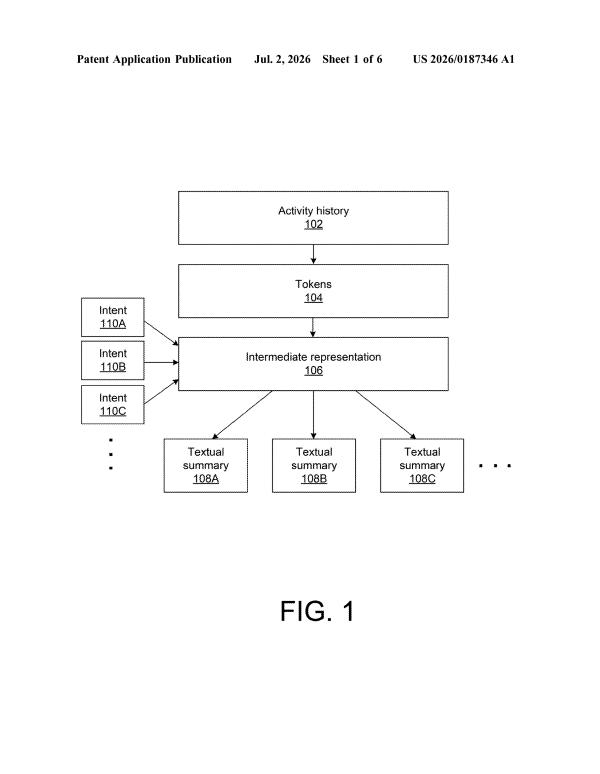
The system fills in context by translating your recent actions into language, then uses that summary to forecast which content you'll want next, moving prediction from guesswork about what you clicked to reasoning about what you're actually trying to do.
Where other assistants force you to re-establish context with each question, Samsung's filing shows how to thread past conversations into new ones, letting the assistant understand "that place" without you naming it again.
Voice assistants today lock in a single voice model during setup, then fail when acoustics shift. Samsung's system continuously updates that model during conversation, using only your clearest utterances to stay accurate in changing environments.
Your assistant could respond while already executing your request instead of waiting to finish speaking first, collapsing the lag between understanding what you want and starting to act on it.
Where assistants need personal data to be useful, Google fills the translation gap: converting raw wearable signals into text that language models can actually process and reason about.
Analyzing voice command failures by category lets the assistant show users which phrasings actually work, turning silent failures into teachable feedback loops.
Your AI assistant could answer familiar questions instantly by checking cached responses and simple rules before running expensive AI models, cutting delay and power use.
Your assistant could start listening the moment you look at it and speak in your direction, eliminating the artificial boundary between casual talk and commands that wake-word systems create.
Building its own UI map of unfamiliar apps lets the assistant execute multi-step requests across any software, not just those with built-in voice hooks.
Within the memory-assistant watchlist, this filing confirms the infrastructure challenge: keeping assistants continuously aware requires constant data flow, so Google is optimizing which context actually needs to travel between device and server.
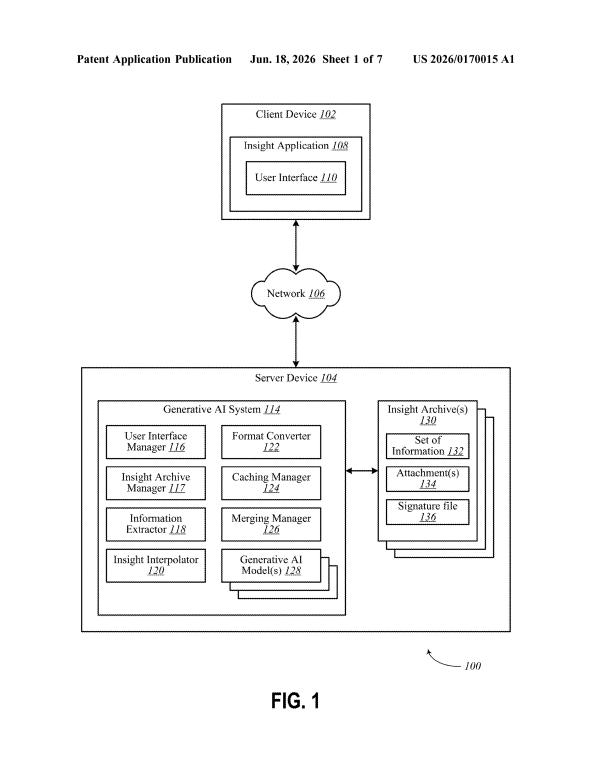
Preserving conversation insights between sessions lets AI build on previous analysis rather than starting from scratch each time. This solves the continuity problem where useful patterns and conclusions vanish when you close a chat.
Keeping a user profile accurate requires knowing when old information has rotted. Google's system detects behavioral shifts and prunes outdated preferences instead of letting stale data poison future recommendations.
Scoring context signals before using them lets the assistant filter noise automatically instead of treating your location, calendar, and messages as equally important to every query.
Your assistant could retain context across months of conversation instead of forgetting between sessions, letting it recognize when a new question connects to old projects you've mentioned.
The memory watchlist has focused on what assistants know about you. This filing shifts to what they know about your content: parsing spoken material into semantic chunks so you can navigate by meaning rather than scrubbing through time.
Retrieving fragmented information across apps without manual switching requires the device to infer what answer matters based on who's in the room and what they asked.
The watchlist assumes AI assistants know you well enough to act on your requests. This filing solves a prior problem: figuring out which assistant should act first when multiple services compete for the same command.
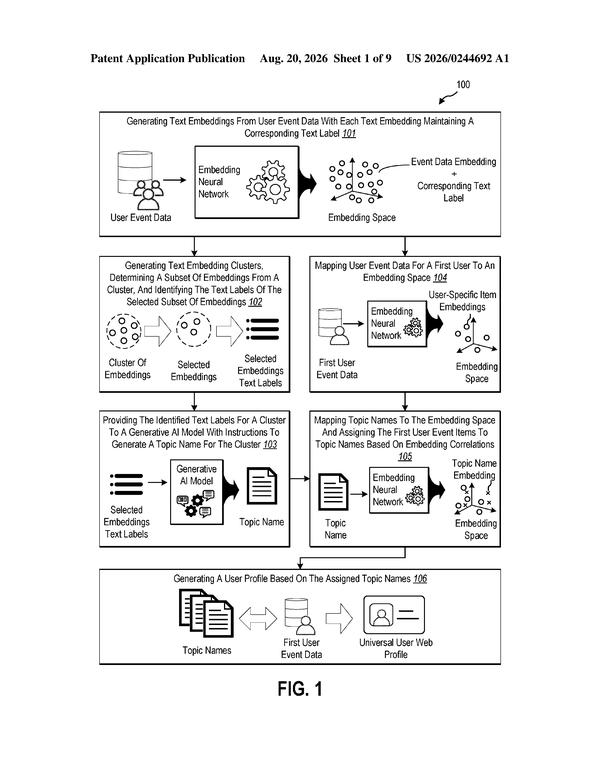
Storing user profiles as editable text rather than fixed embeddings lets the assistant update what it knows about you when you revise past messages or delete activity, keeping memory aligned with your actual choices instead of locked into initial impressions.
Your AI assistant could spot when its stored facts about you have gone stale and update them on the fly, rather than locking you into outdated assumptions for months until you manually correct them.
If assistants need to remember you, they first need to learn your communication habits. Google's filing shows how to extract and store those patterns across conversations so responses can shift to match whether you prefer brevity or detail.
Processing speech twice, raw and enhanced, lets the system catch when noise creates ambiguous transcriptions, sharpening what it actually hears before acting on your commands.
Your device could start showing results mid-sentence instead of waiting for you to finish, then refine them as more words arrive. Speeds up the interaction loop substantially.
Where assistants need to infer intent, Samsung's filing adds the step of validating a multi-device plan before execution, checking whether the inferred sequence actually makes sense before committing resources.
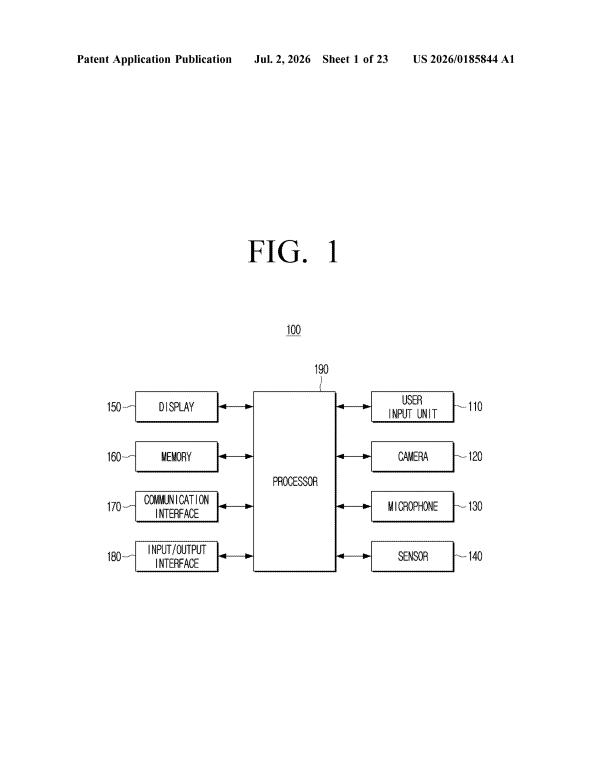
Assistants today can't tell what object you're holding or what you intend to do with it. Samsung's system uses camera recognition to let physical items become command shortcuts, eliminating the need to speak or touch a screen.
Mining service logs to build behavioral profiles lets the AI skip generic responses and match its tone to each user's documented preferences, pushing the assistant toward acting like it already knows you before you even speak.
Your device could route requests to whatever specialized AI it needs rather than forcing one assistant to improvise across domains, making multi-step requests actually work when the first attempt fails.
Letting users filter conversation history before each exchange prevents irrelevant context from contaminating responses, solving a core friction point where AI assistants apply wrong tone or assumptions from earlier chats.
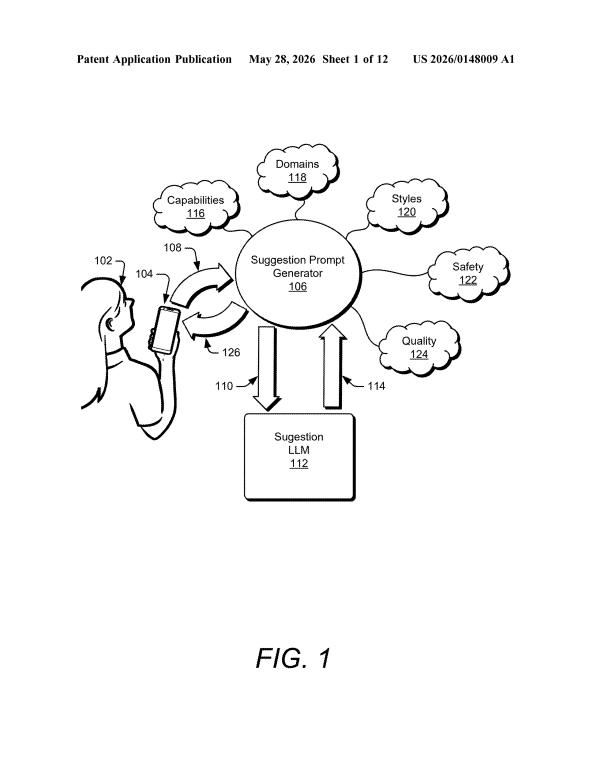
Knowing what you're doing right now matters more than what you asked last time. Google's system generates prompts shaped by your immediate context, so the assistant stays relevant without you having to reset it each time you switch tasks.
Questions readers ask
Are these AI memory patents already in products?
No. These are patent filings, which describe research direction rather than shipped features. Some, like Apple's playback-resume system or Samsung's early-response voice assistant, sound close to real product behavior, but a filing only shows what a company is exploring, not what it has released.
Which companies are filing patents on AI assistants that remember you?
The filings in this tracker come from Google, Microsoft, Samsung and Apple. Each is approaching the memory problem differently, from Microsoft's user-controlled memory settings to Samsung's profile-building from service history and Google's work on detecting outdated assistant memory.
What problem are these AI assistant patents trying to solve?
Most address some version of the same question: what should an assistant remember about a person, and how should it use that memory to act sooner or more accurately. That shows up as anticipating requests, resuming tasks correctly, and coordinating across multiple devices.
Will my AI assistant end up remembering everything about me?
It's unclear. Some patents, like Microsoft's, describe giving users choice over what gets kept, while others, like Samsung's service-history profile, describe assistants building a picture of you automatically. The filings suggest both directions are being explored at once.
Want this weekly breakdown for a company we don't cover?
Patentlyze Pro →
The weekly email: the best of Big Tech's filings, in plain English. Free.