Samsung's Screen Quality Patents, and what they tell us
This tracker follows Samsung's patent filings on screen flicker, moisture-proofing OLED layers, uneven brightness across pixels, and light that adjusts to room glare. Together they suggest Samsung is polishing how displays look and feel rather than chasing bigger or sharper screens.
106 filings
· tracking since May 2026 · latest Sep 2026 · updates weekly
based on all tracked filings in this watchlist · refreshes every week
Samsung's 103 filings in this watchlist all point to one core goal: making screens smarter about power, light, and how they physically fit into new device shapes.
The filings cluster most heavily around two problems right now: cutting power use without making screens look worse, and solving the unique display challenges that come with foldable and rollable screen designs.
What’s new in Samsung's display technology
a dated entry each week this watchlist moves · older entries stay archived
Sep 17, 2026 3 filings joined
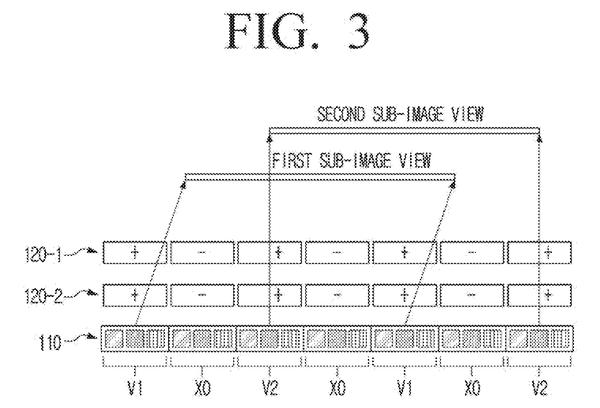
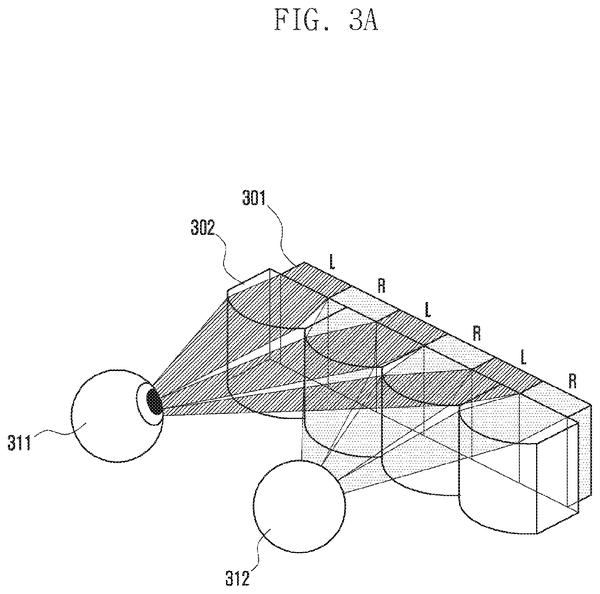
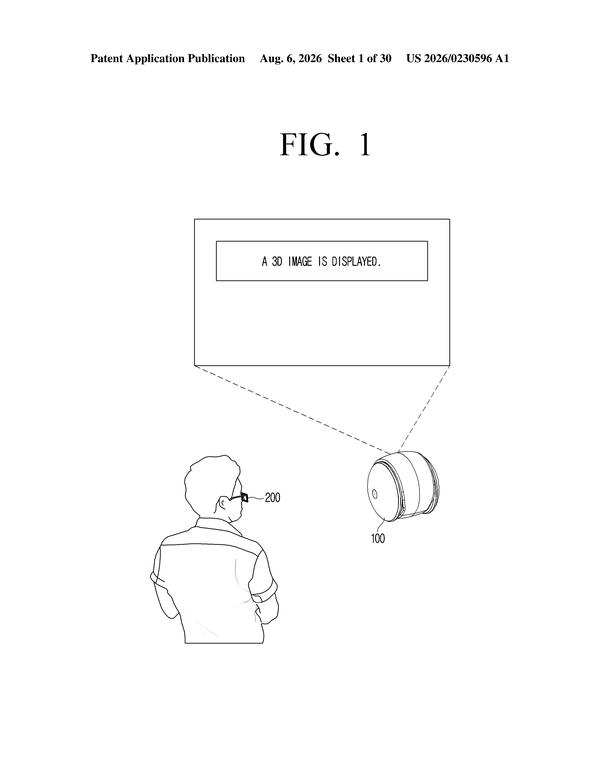
This week's filings focus on how the screen looks to the viewer. Samsung is working on 3D images without glasses, a way to hide your screen from people nearby, and a sealed frame for curved screens.
This week's filings focus heavily on screen power and display quality: saving battery on always-on screens, fixing brightness problems on foldable phones, and stepping down power more smoothly. A few filings also cover new screen shapes, like wrist-wrap and roll-out displays.
This week's new filings show Samsung working on screens that do more than just show pictures. The patents cover displays that sense room light, read their own cables, charge devices wirelessly, and help other devices find their position.
Aug 27, 2026 3 filings joined
This week's filings all focus on how Samsung's screens look and work up close: reducing glare, hiding the lines between large joined screens, and adjusting color and brightness to help the screen read fingerprints better. The common thread is making displays cleaner and more accurate for the person using them.
Aug 20, 2026 9 filings joined
This week's filings are heavily focused on how Samsung wants to control light, power, and color at a very fine level across different screen types. A few filings also tackle making screens work better when bent, touched, or viewed by others nearby.
The filing pace inside Samsung's display technology
The focus areas inside Samsung's display technology
the problems Samsung keeps filing on · each with its three newest filings · new filings join every week
Touchscreen Accuracy and Wiring 13 filings
Touchscreens can misread taps when electrical signals interfere with each other or when wiring is poorly arranged. These filings cover ways to reduce that interference, simplify the wiring inside screens, and keep every part of the screen responding at the same speed.
Keeping every dot on a screen at the right brightness is harder than it sounds, especially when the screen changes speed or content. These filings address ways to hold brightness steady, correct errors the moment the screen turns on, and give each dot more precise control over how much light it puts out.
Reflections and scattered light make screens harder to read and can wash out colors. These filings cover protective coatings, light-directing layers, and filters built directly into the screen to cut glare and send light more cleanly toward the viewer.
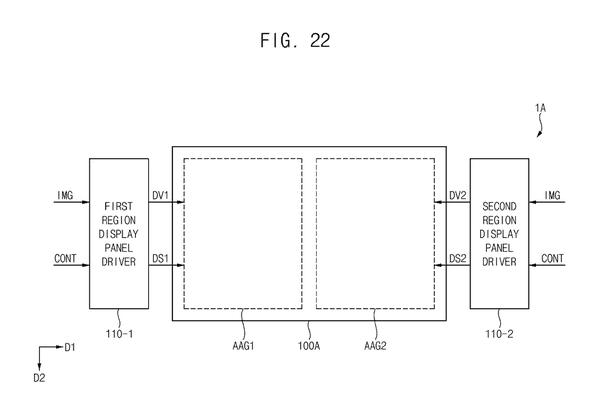
When two screens sit side by side or fold together, the gap between them is a visible problem. These filings look at ways to hide that gap, use it as a feature, or keep both screens perfectly timed with each other.
Flexible and Wearable Screen Construction 10 filings
Screens that bend, stretch, or wrap around a wrist face physical stress that flat screens do not. These filings cover protective layers, reinforced weak spots, and construction methods that help flexible screens hold together.
Every row of pixels on a screen needs a precise signal telling it when to update. These filings cover the small circuits that send and coordinate those signals, including designs that feed signals back between stages and use paired timing switches for more reliable control.
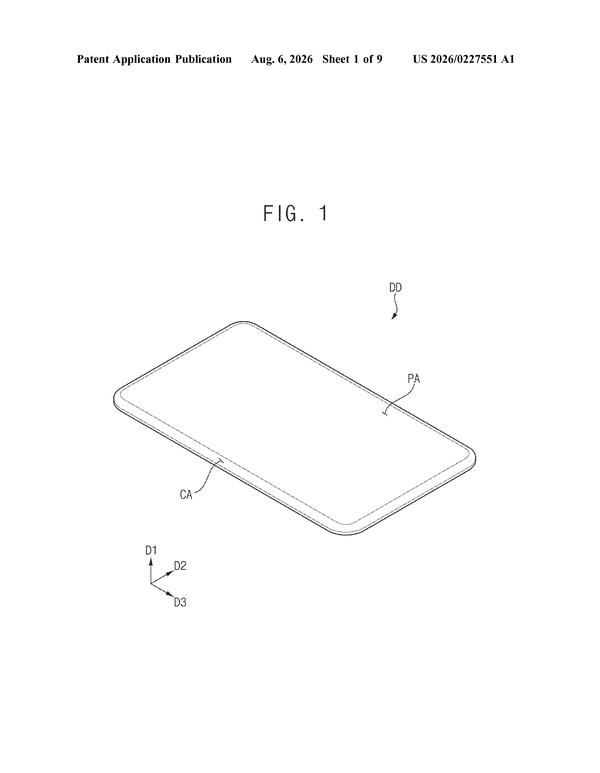
Curved edges that repel water without adding bulk would let Samsung keep phones thinner while protecting the display bend, the weakest point in current sealing designs.
Samsung's privacy display adds a new dimension to the brightness and viewing angle work: dual pixel types let the same screen show different content at wide versus narrow angles.
Uneven brightness across pixels gets harder to manage when screens physically connect. This filing suggests Samsung is automating the alignment step, letting motors handle positioning so brightness calibration happens between properly matched units.
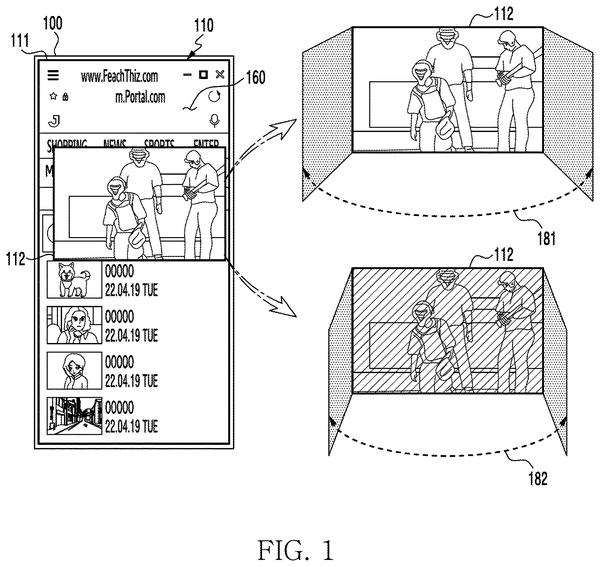
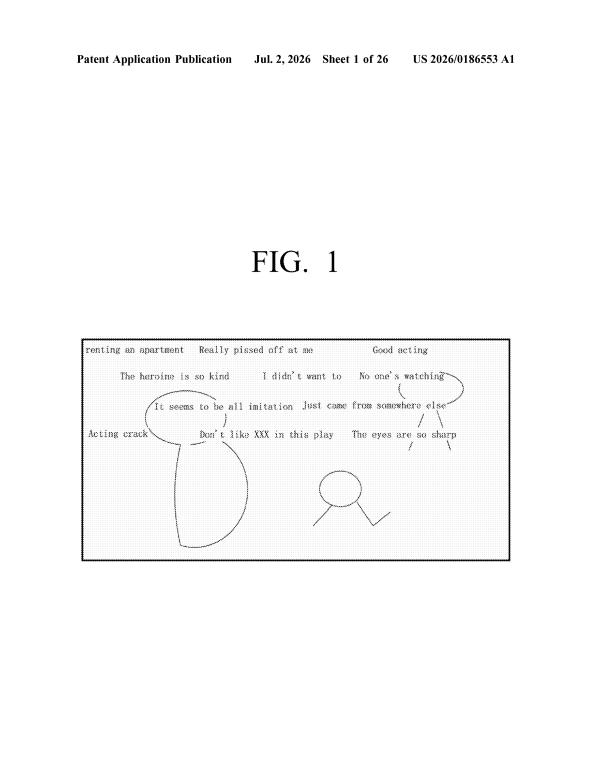
Uneven brightness across pixels gets a new use case: Samsung proposes carving out a separate high-contrast zone on the same display to enlarge and sharpen detected handwriting while video plays in the main area.
Sharper touch response on larger screens by isolating electrode signals in two passes instead of one, cutting through the noise that comes with denser sensor arrays.
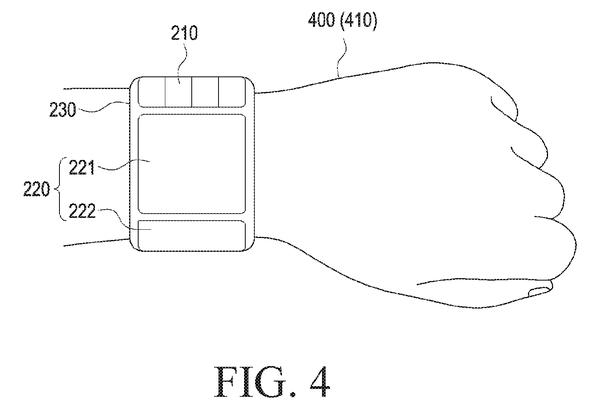
Uneven brightness across pixels becomes critical when a display curves around a wrist; this filing explores how to maintain consistent light output across a flexible wraparound screen.
Power consumption during static display states. Samsung proposes graduated sleep modes for display chips, reducing idle-state energy draw as screen inactivity extends.
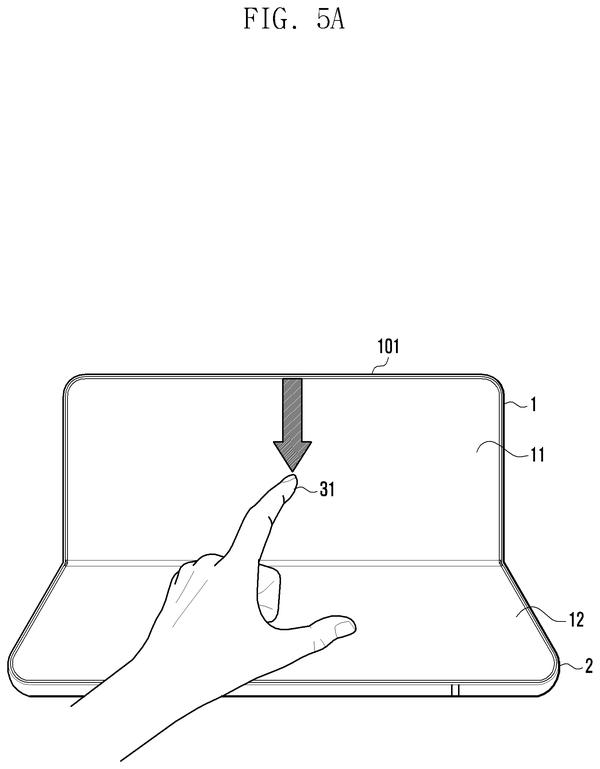
Uneven brightness at the fold line on foldables gets corrected through real-time monitoring and automatic adjustment of each half's output. Confirms Samsung is working to mask the physical divide that splits the display.
Among Samsung's display refinements, this patent suggests a shift from hiding camera hardware behind screens toward integrating sensing directly into pixel structures, potentially solving the image degradation that plagues current under-display cameras.
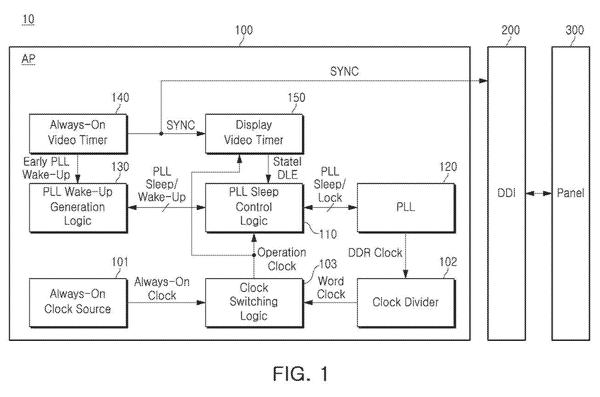
Battery drain on always-on displays can be cut by powering down display components selectively, keeping the panel itself active while resting the hardware that handles brightness adjustment and pixel control.
Gradual fade-out edges mean privacy filtering won't broadcast that you're hiding something on screen, addressing the visibility problem that makes hard-edged blocking counterproductive.
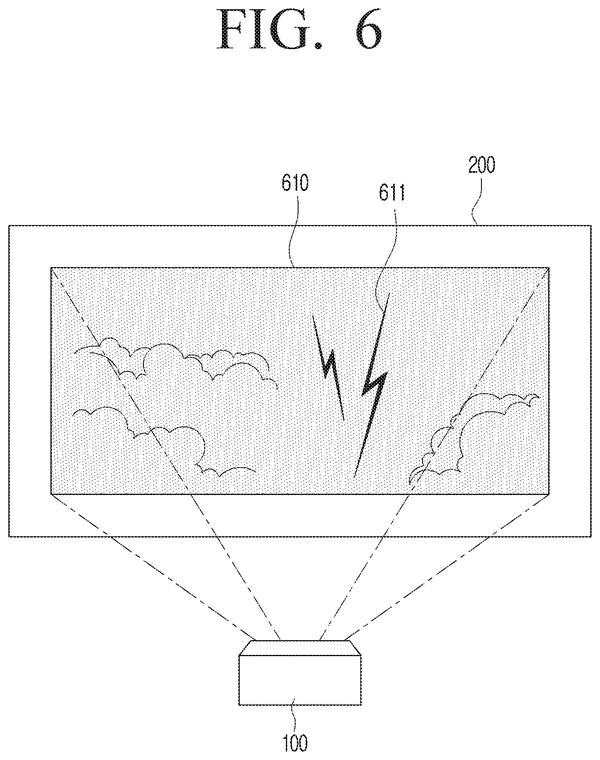
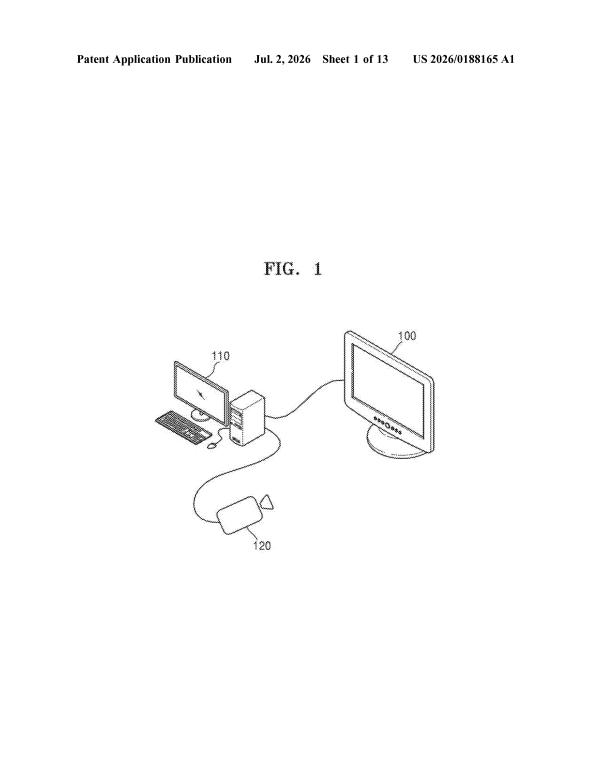
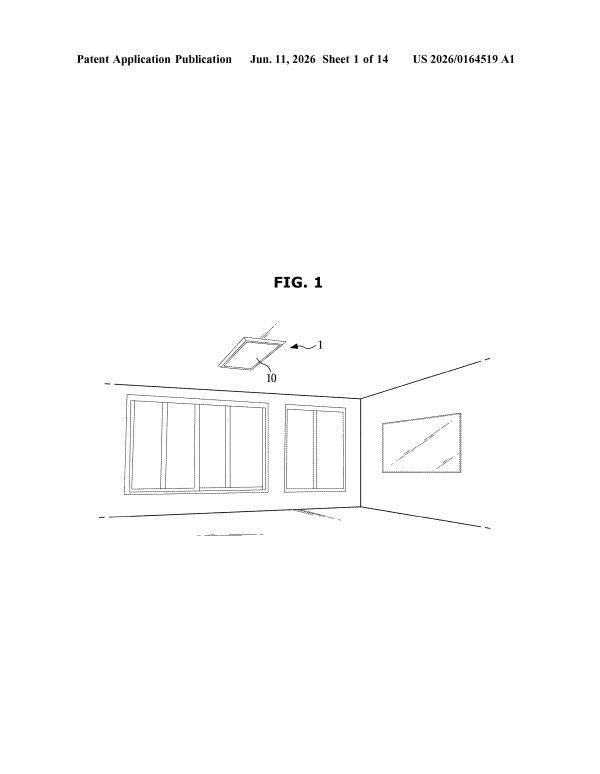
Ambient light detection in projectors fills a gap Samsung has been mapping across its display work. The dual-sensor approach prevents the overcorrection problem that plagues single-threshold systems, moving beyond simple on-off brightness switching.
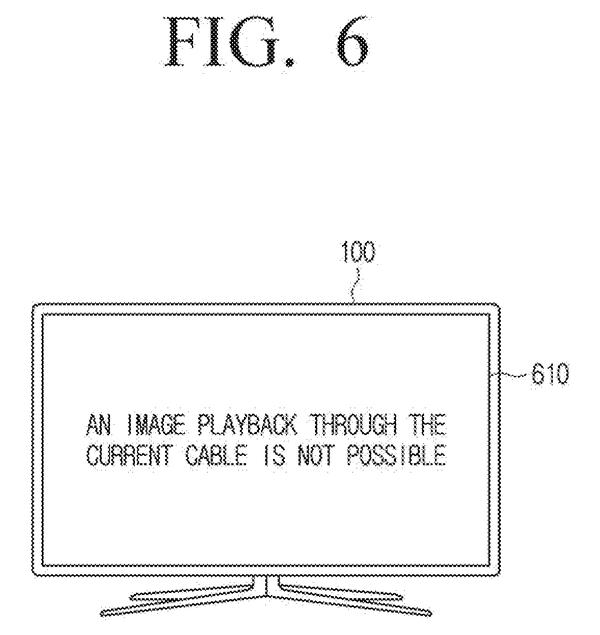
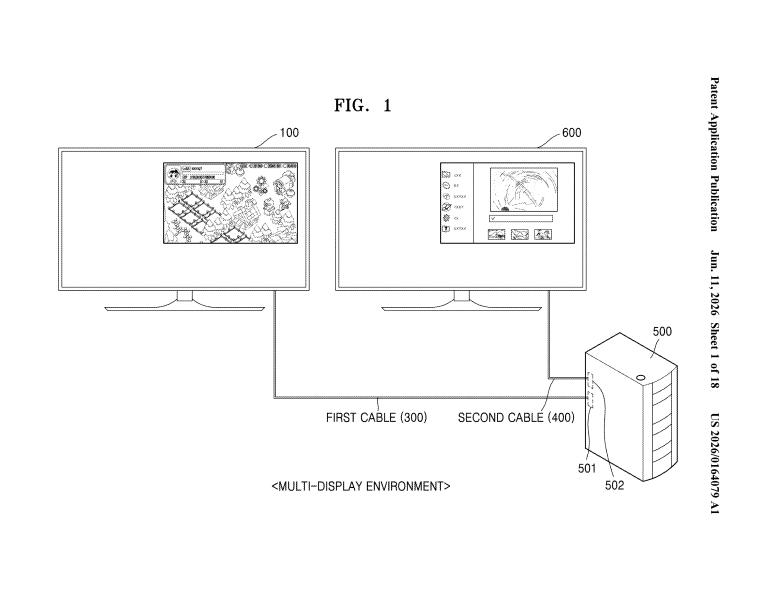
A voltage sensor at the port lets the display auto-detect cable type without negotiation, cutting the resolution mismatches and manual settings adjustments that plague current monitor handshakes.
Electrode lines embedded below the light layer enable the display to emit power wirelessly, expanding Samsung's focus beyond image quality to functional integration within the screen stack itself.
A two-mode driver flips the touchscreen's sensing grid into a transmitter, letting external devices triangulate their position from broadcast signals rather than requiring separate locating hardware.
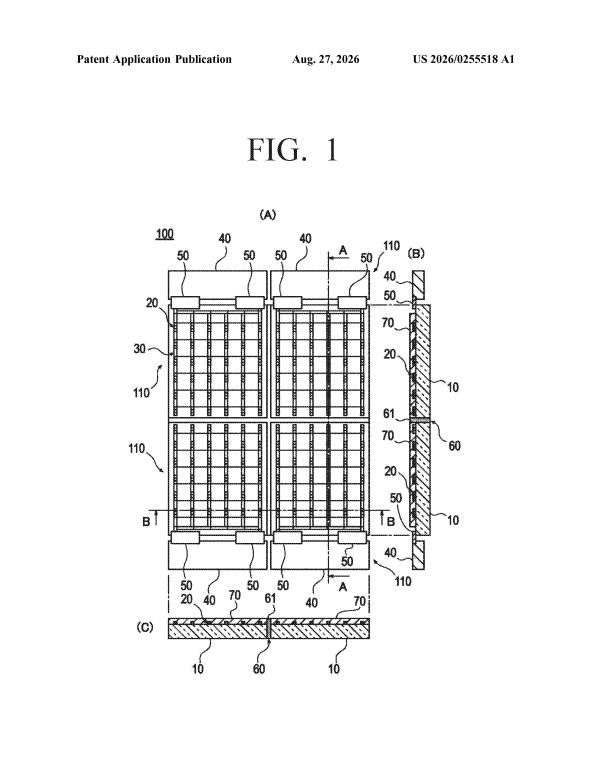
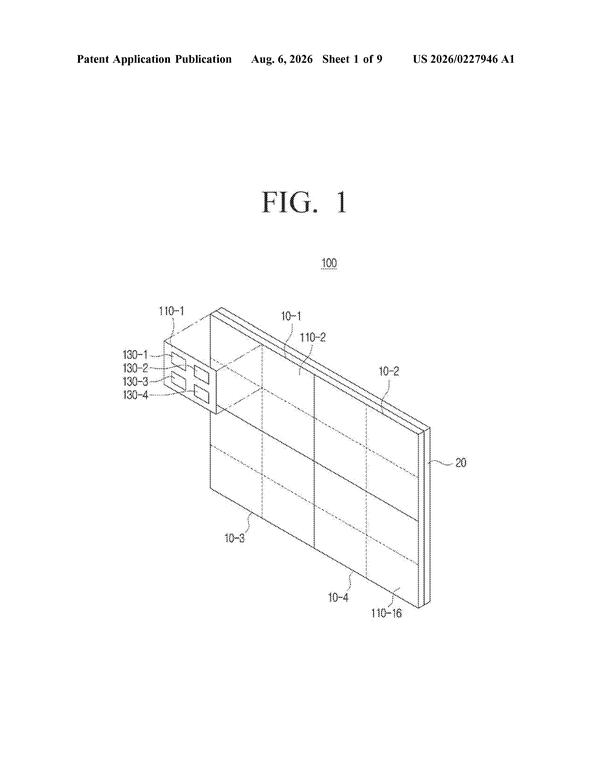
Seam visibility in tiled displays stems from light bending differently across panel edges and gap fillers. Samsung's approach uses matched-index resin to align optical properties, reducing the grid pattern that appears across large video walls.
A working fingerprint sensor means the display itself becomes part of the biometric hardware, optimizing light conditions at the sensor point rather than fighting them as a constant variable.
Samsung's thermal management strategy now extends beyond processor throttling to continuous brightness adjustment, linking display output directly to device temperature rather than waiting for critical thresholds.
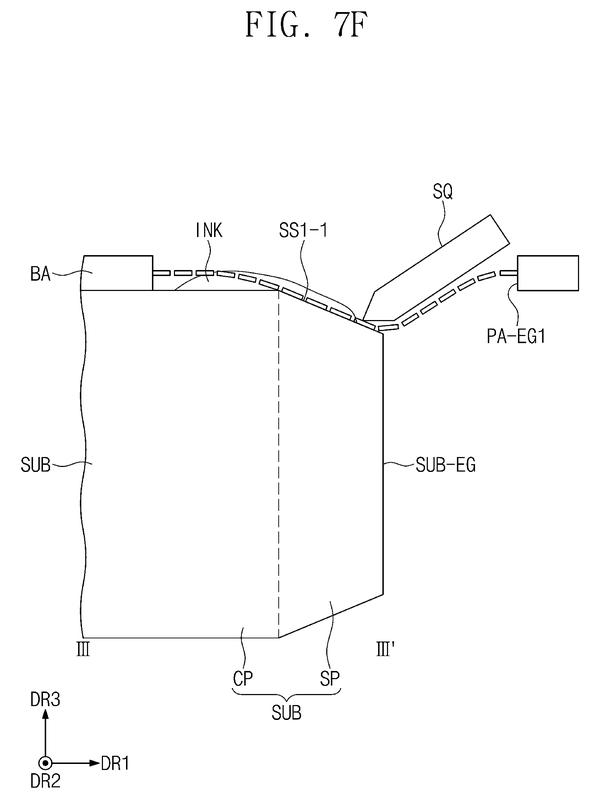
Samsung's bezel uniformity problem now has a mechanical solution: a contoured squeegee blade that prevents ink pooling where flat glass meets curved edges.
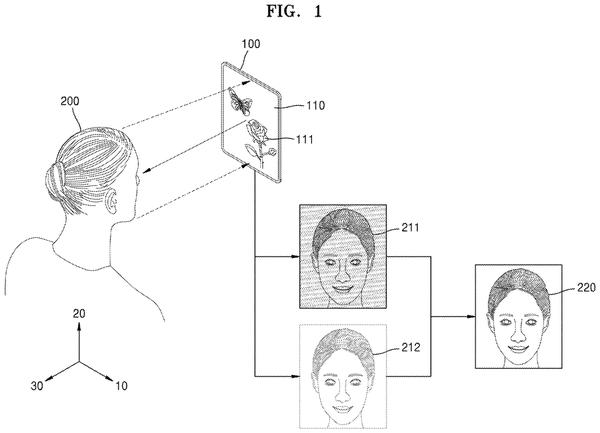
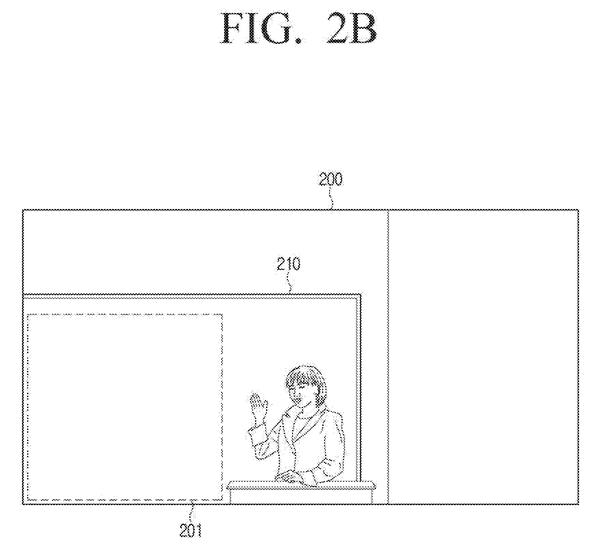
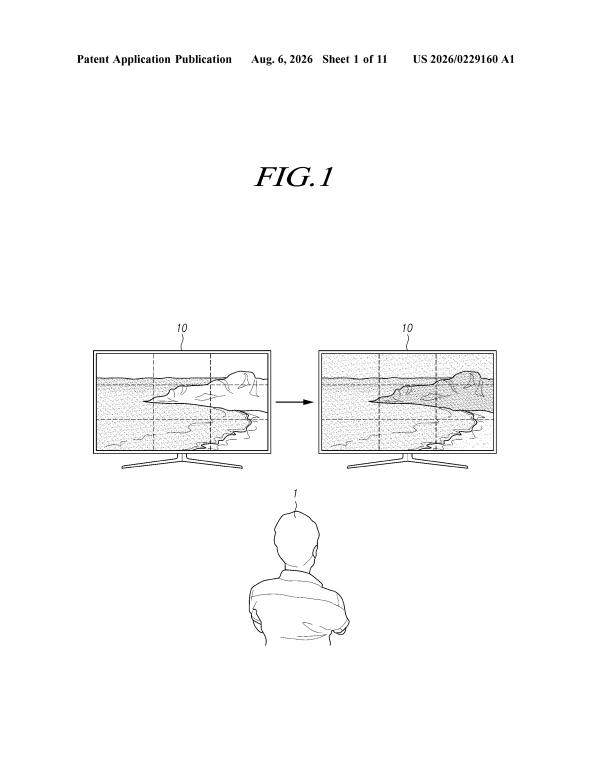
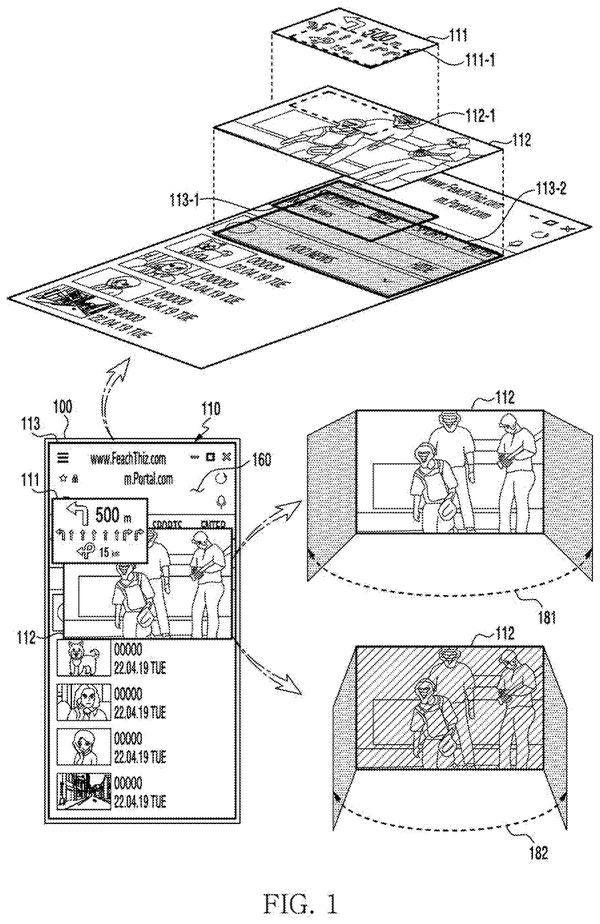
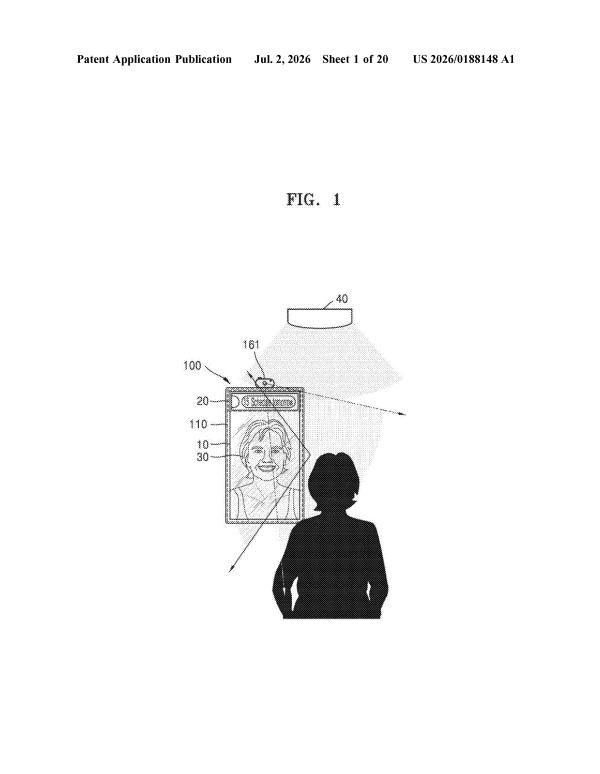
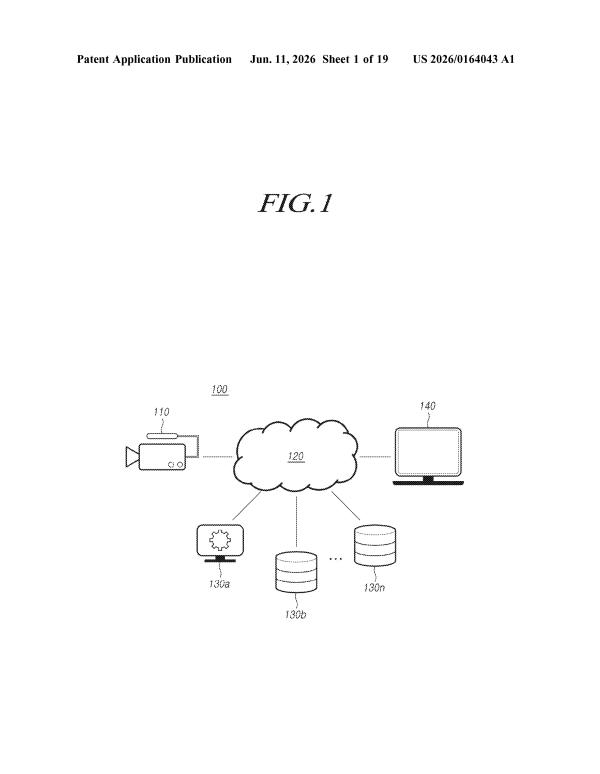
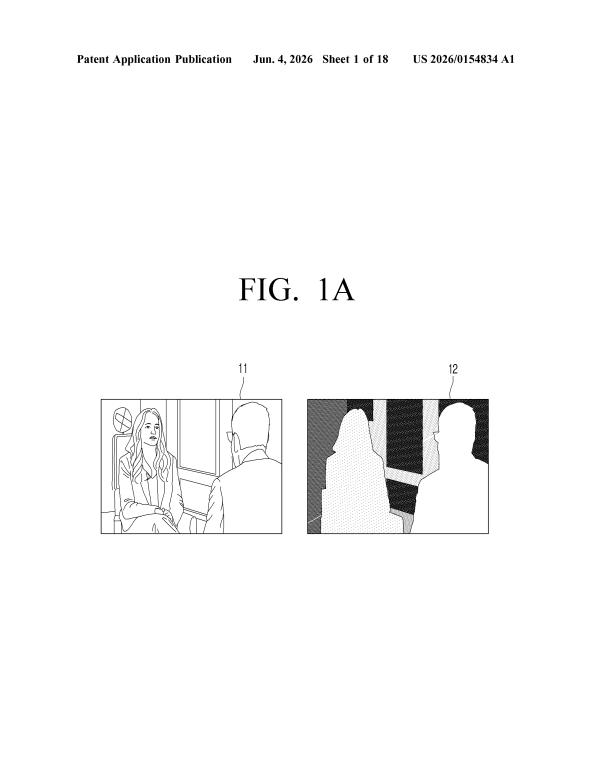
Samsung is working on a screen that automatically spots sensitive information on your phone and warps it into a 3D effect that looks scrambled to anyone not looking straight at the display.
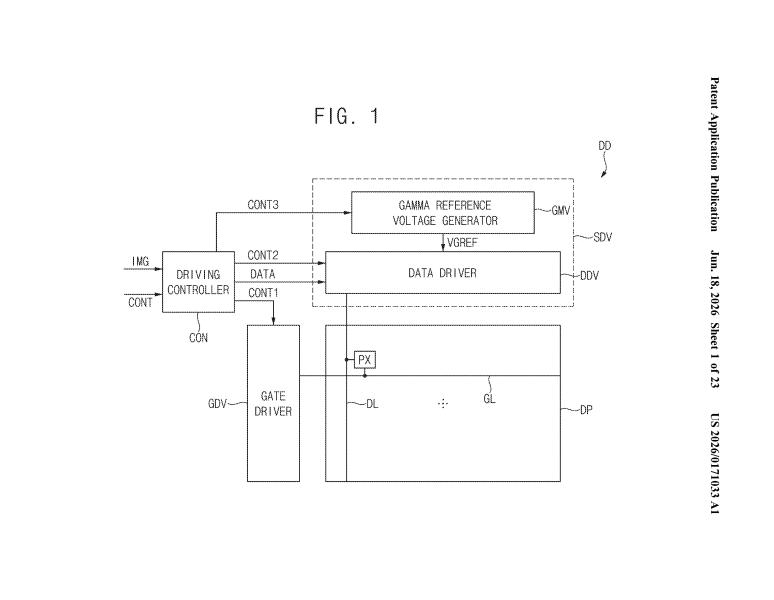
The uneven brightness problem gains a power-management angle: Samsung proposes feeding voltage dynamically to different screen regions rather than forcing uniform power across the panel, which should cut energy waste in mixed-content scenes.
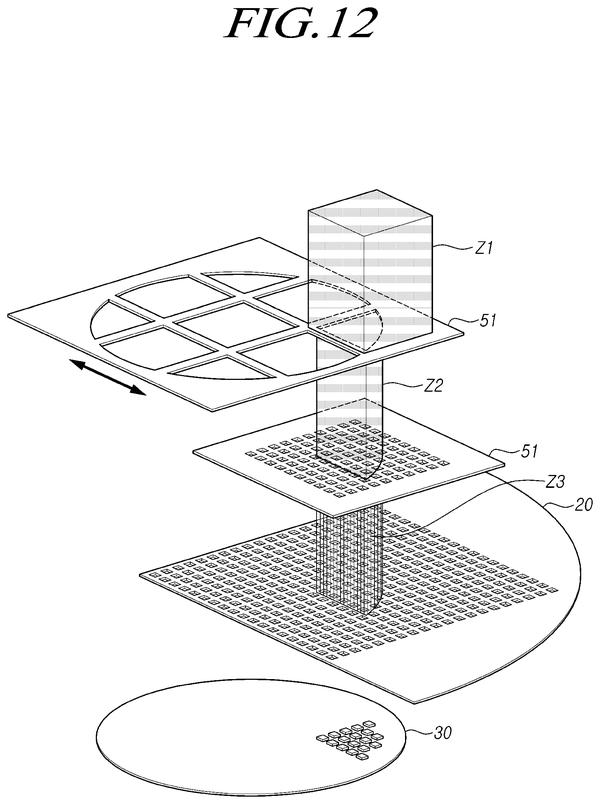
Samsung's curved-screen manufacturing challenge gets a precision tool: a laser system that positions micro-LEDs on non-flat surfaces, solving placement accuracy at scale.
The uneven brightness problem gains a mechanical angle: Samsung is now isolating the sensing layer from display electronics to prevent signal corruption, which could help maintain consistent pixel response across the screen surface.
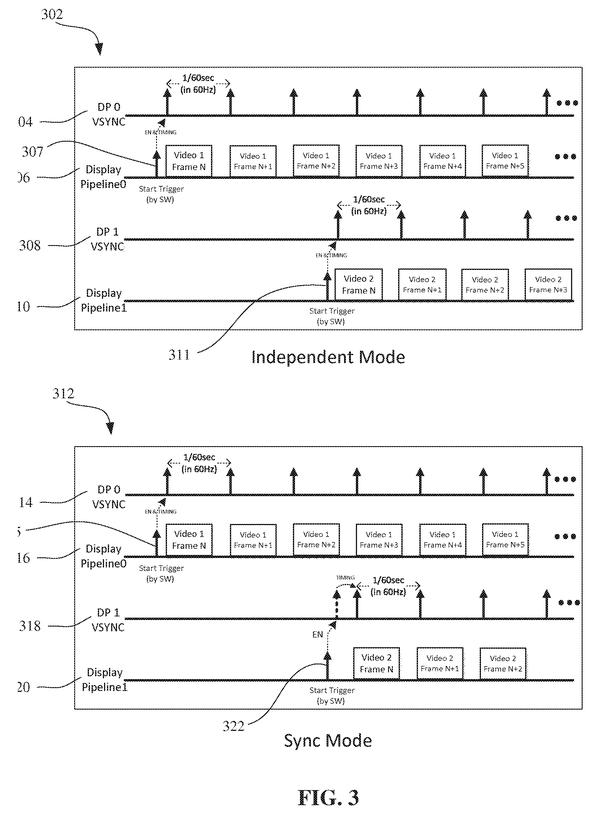
A single internal clock coordinates output timing for multiple screens, preventing the frame misalignment that causes visible tearing where dual displays meet.
Samsung's uneven brightness work now extends to curved surfaces: this filing shows how a flexible display can compensate for the angle at which your wrist naturally holds the screen, keeping pixels readable without requiring you to reposition your arm.
The uneven brightness problem gets a hardware fix: Samsung proposes separate voltage channels for each color instead of treating all three identically at reset, which should prevent the charge carryover that causes some pixels to glow brighter than neighbors.
Touchscreen sensor interference at wire crossings degrades tap accuracy, especially in crowded pixel areas. Samsung's stacked-wire layout isolates horizontal and vertical lines to prevent that signal collision.
Better edge responsiveness would let Samsung pack more interface controls into screen borders without false triggers, completing a display that works reliably across its full surface.
Uneven brightness across pixels could be corrected by layering two adjustable screens where the gap between them modulates light intensity, letting Samsung compensate for brightness variation without redesigning the underlying display tech.
A continuous optical path across panel borders would eliminate the brightness discontinuity that currently marks seam locations, directly solving the visibility problem that arises when light crosses between separate display modules.
The uneven brightness problem gains a temporal dimension: Samsung now proposes catching misalignment between display refresh cycles and polarizing filters in real time, rather than waiting for the artifact to reach a viewer's eyes.
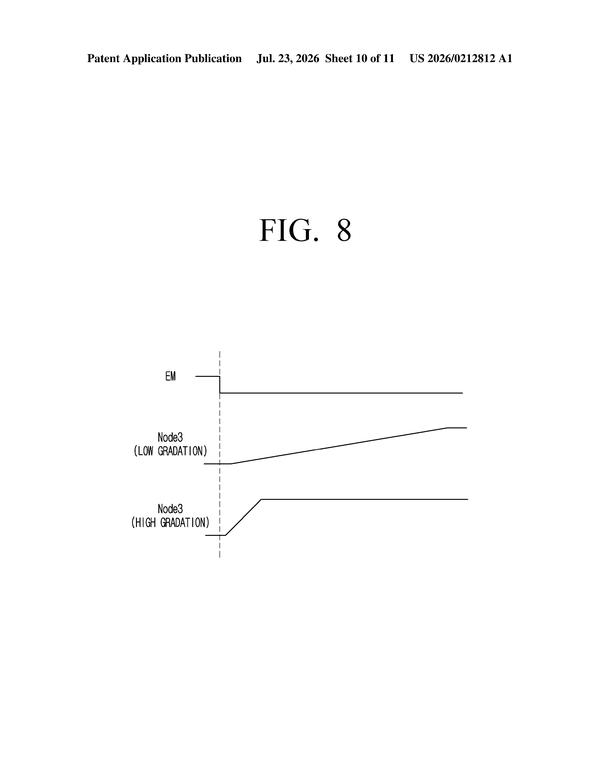
The uneven brightness problem gets a time dimension: Samsung is now working to prevent the lag between power-on and when thermal compensation kicks in, rather than just correcting brightness after the fact.
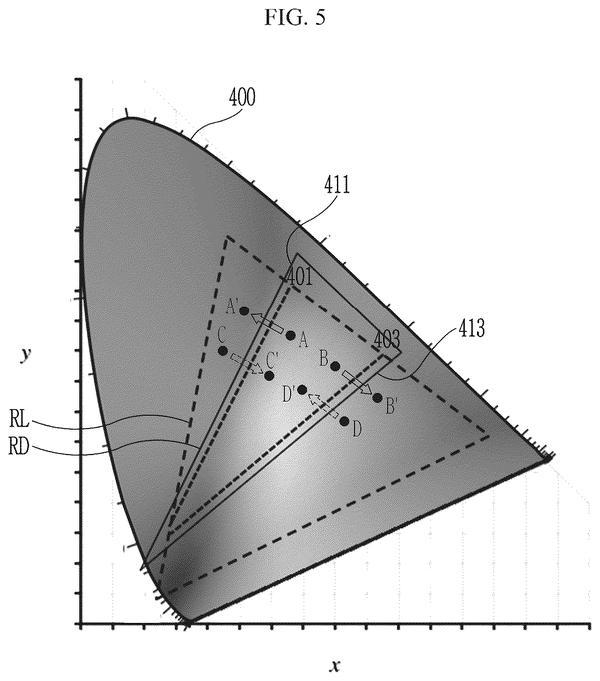
The light-adjustment angle now has concrete hardware: a multi-layer mineral coating that reduces reflections at the glass surface rather than relying on software brightness shifts alone.
Samsung's uneven brightness problem extends beyond single screens to modular displays, where panel-to-panel differences compound the effect. The self-correcting system automates what would otherwise require manual calibration across dozens of tiled units.
Selective angle-narrowing on individual screen regions lets users keep sensitive content hidden while maintaining normal visibility for everything else, avoiding the all-or-nothing dimming that privacy screens currently impose.
Within the flicker problem: Samsung moves from passive signal relay to active multi-signal management, potentially eliminating timing gaps that cause refresh artifacts.
An elastic buffer between chip contacts and the display panel absorbs thermal expansion mismatches, protecting the electrical connections that can fail from repeated heating cycles or physical shock.
The uneven brightness problem gets a mechanical fix here: Samsung adjusts pixel reset timing to match image brightness, preventing glows that occur when resets collide with display cycles.
Injecting lens material at different points across layers prevents fill seams from creating a stress line that could cause internal cracking or optical distortion in the display stack.
Stacked light-blocking lines between pixel columns prevent color bleed from high-density layouts, directly addressing the uneven brightness problem that emerges as Samsung pushes thinner panels with more pixels per inch.
A selective absorption coating targets blue and green wavelengths to reduce reflections in bright conditions, narrowing the spectrum that bounces back rather than treating all light equally.
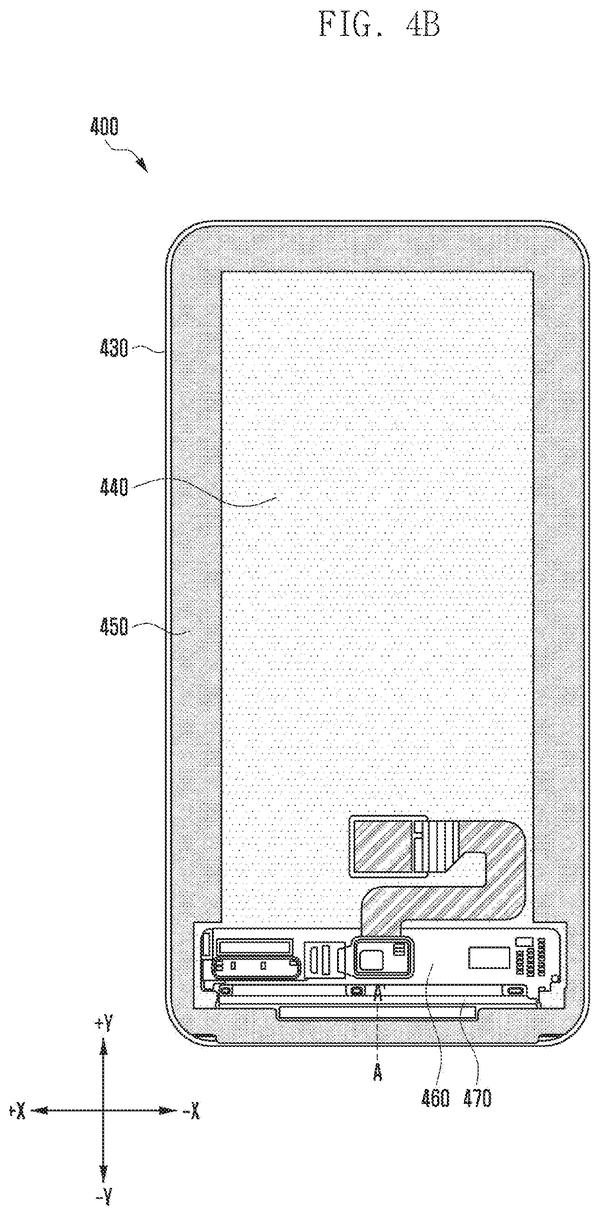
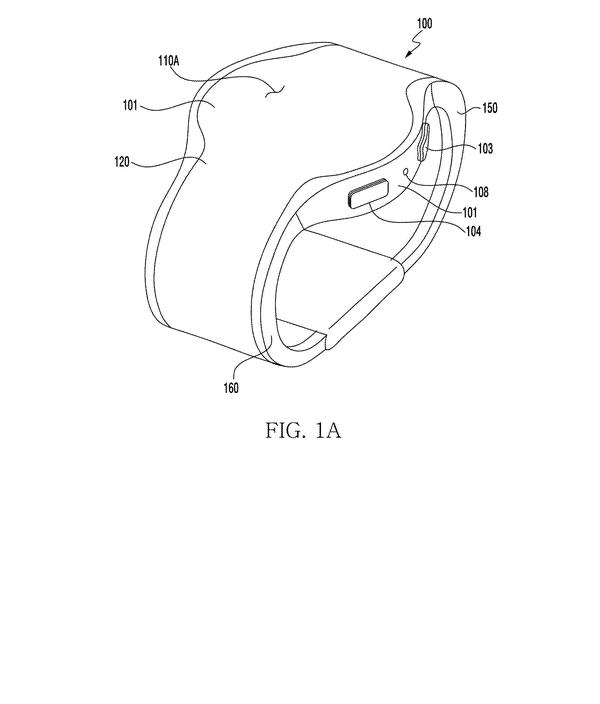
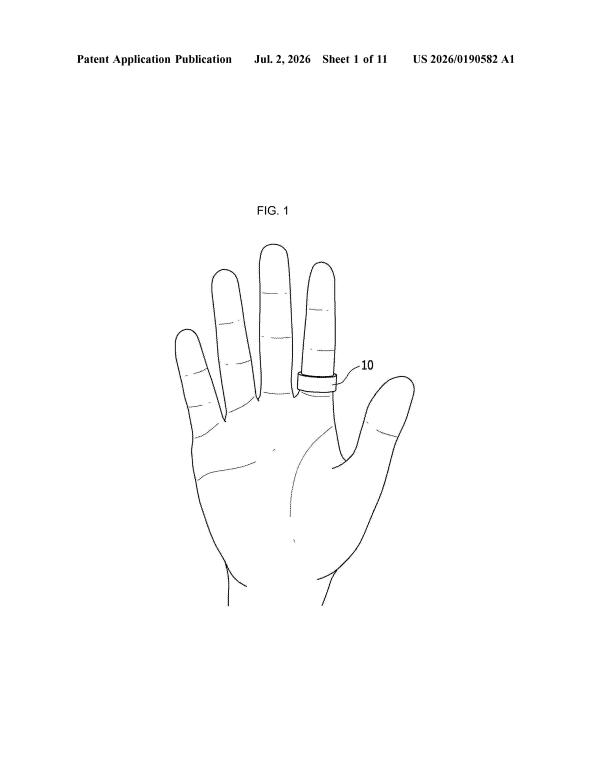
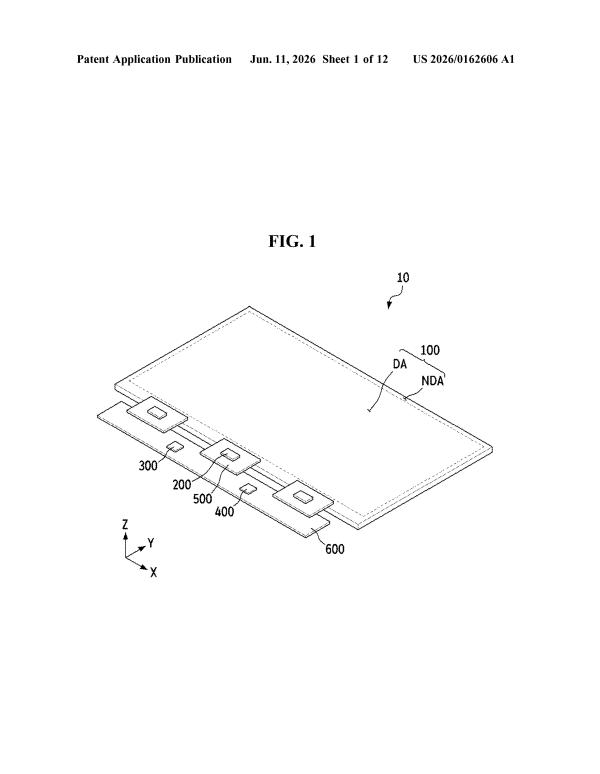
Wrapping the display across both bands and into the clasp itself expands the screen real estate beyond the watch face, testing whether Samsung can maintain even brightness when pixels curve around the wrist.
A precisely toleranced frame keeps the display panel from shifting during assembly and use, preventing the uneven pressure that causes localized brightness problems and structural damage across the screen.
Reinforcing patterns embedded in connector zones between display sections prevent cracking under repeated flexing, extending durability where stress concentrates during stretch cycles.
The uneven brightness watchlist now extends to color accuracy: Samsung is adding hardware to prevent colors from shifting when users adjust brightness, a problem distinct from pixel-level uniformity but equally visible to viewers.
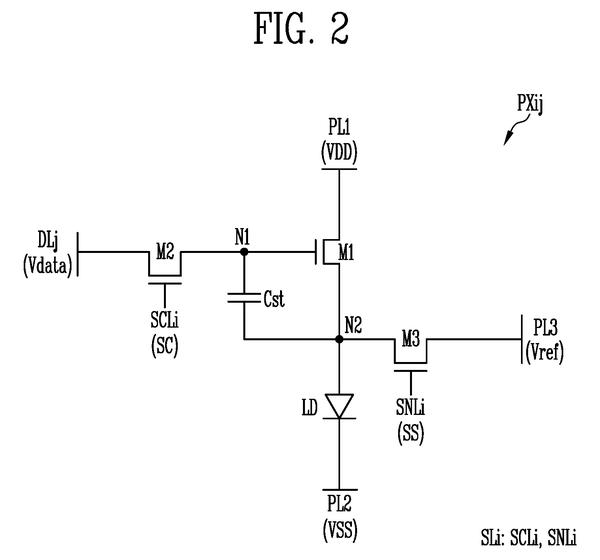
A self-timed cutoff circuit in each pixel eliminates the need for external timing signals, letting Samsung solve uneven brightness by letting pixels manage their own dimming independently.
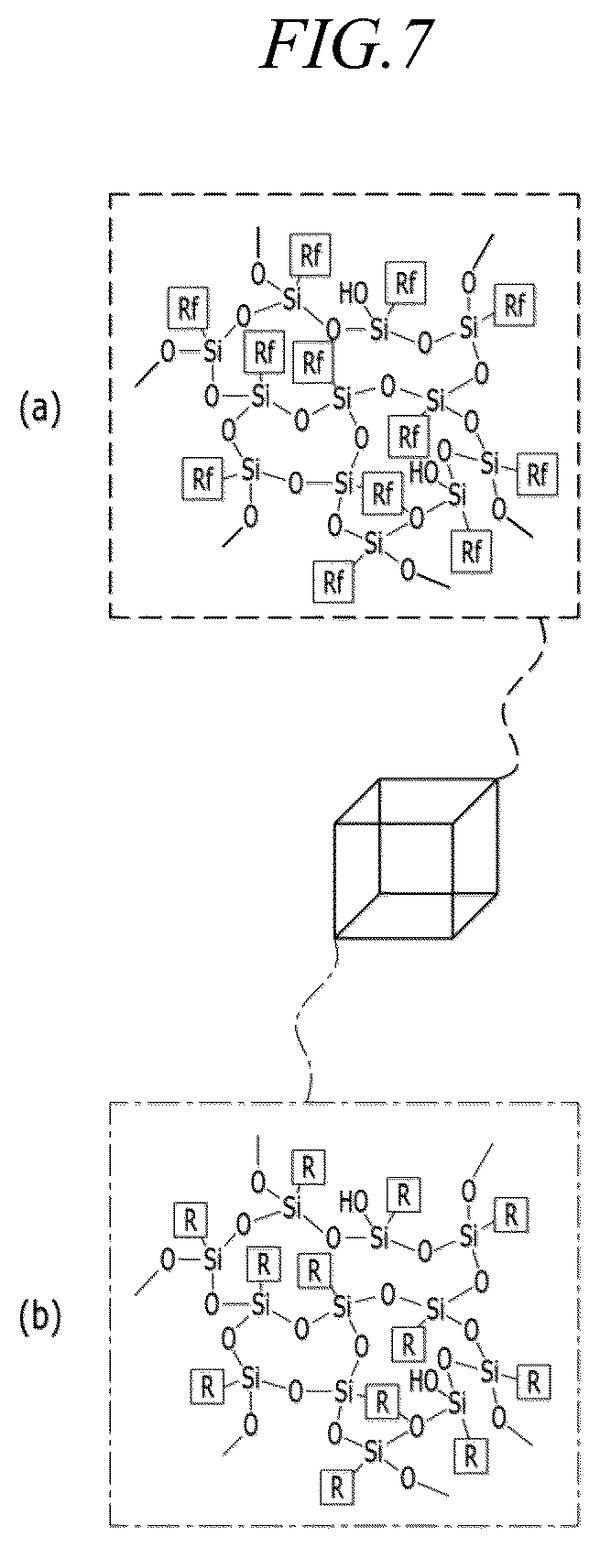
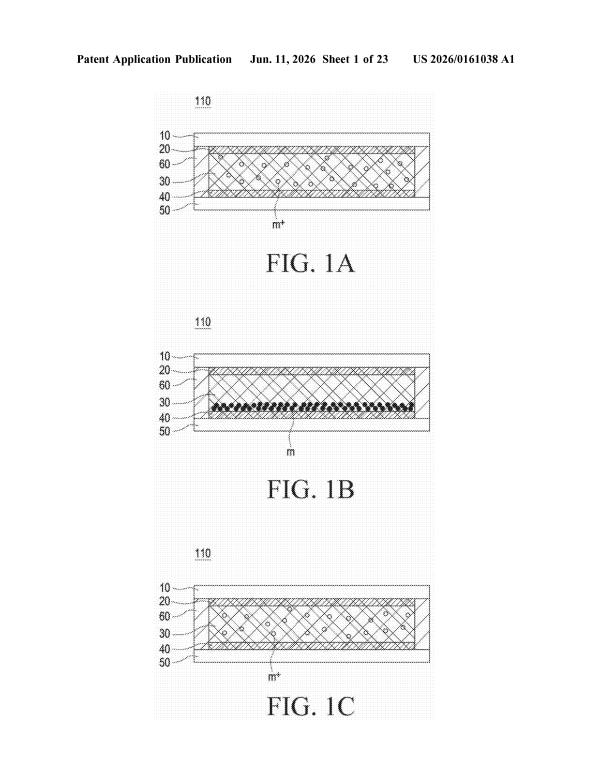
Samsung's moisture-proofing work treated OLED degradation as an external problem. This filing suggests the company now sees it as internal, embedding UV blockers into the panel structure itself rather than relying on outer barriers to keep damage out.
Samsung's existing work on flicker and uneven brightness now extends to color rendering, where the company is preventing artifacts by switching between pixel types when standard ones can't handle peak color intensity.
The brightness uniformity challenge connects to power: rotating slats that harvest idle sunlight could reduce the display's energy draw, easing the strain on uneven pixel brightness that plagues current OLED arrays.
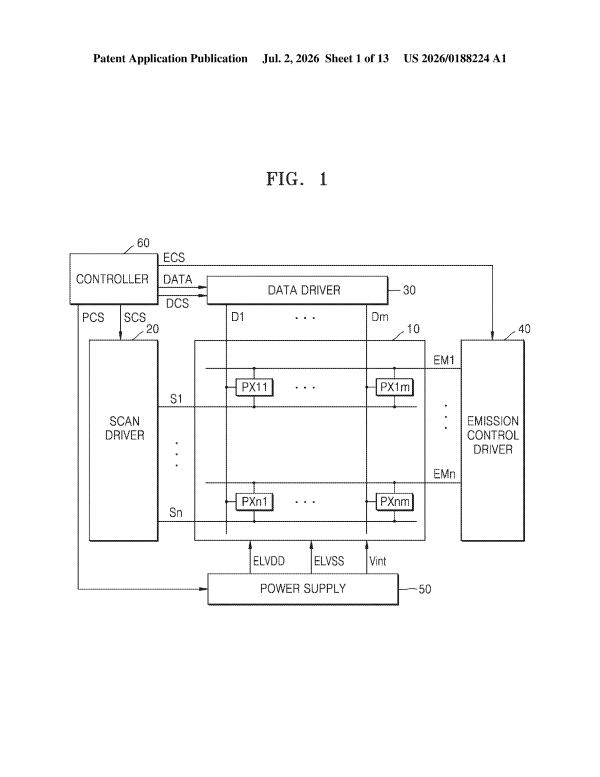
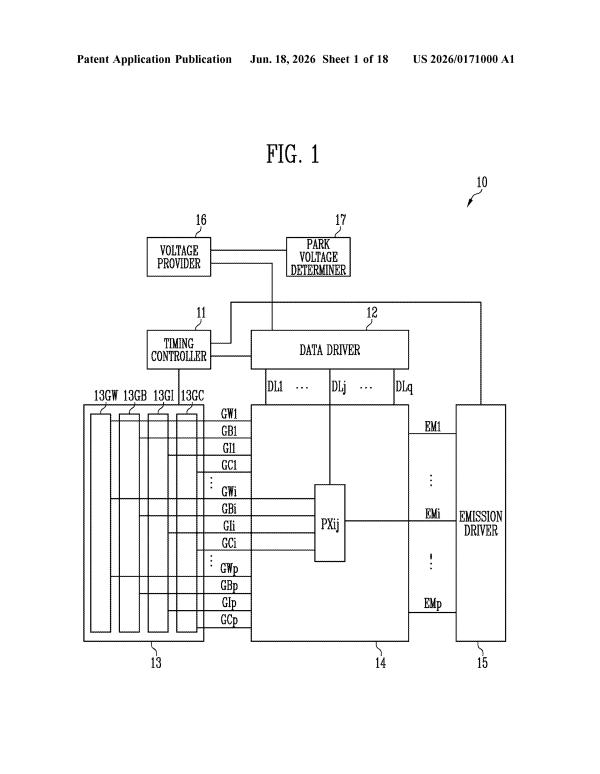
Uneven brightness across pixels stems partly from timing lag between row signals. This filing adds a dual-circuit approach that syncs two driving jobs through a single shared transistor, cutting the coordination delay.
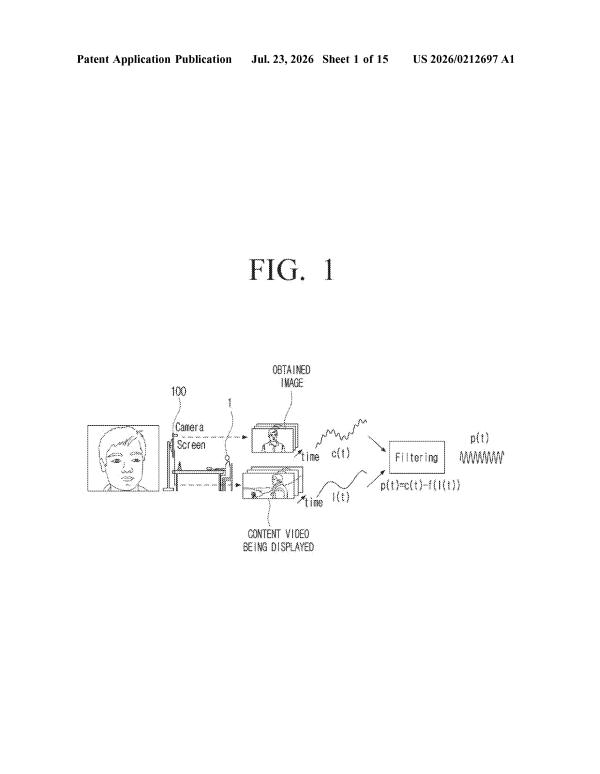
A camera embedded in the display senses when on-screen colors are washing out facial readings, then adjusts the light output to keep health measurements steady regardless of what appears on screen.
The uneven brightness problem gains new relevance here: pixels above under-display cameras need different voltage to stay transparent, creating localized brightness variations that Samsung's earlier work on per-pixel uniformity now helps manage.
The uneven brightness problem now has a specific mechanical solution: asymmetric LED mounts that compensate for how light spreads differently depending on positioning within the backlight grid.
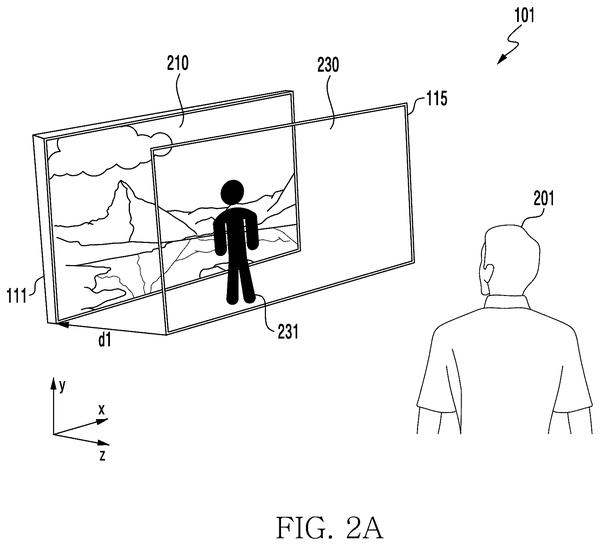
Depth layering on 3D displays requires assigning each graphic its own Z-axis position to prevent visual confusion when elements overlap, and Samsung's system automates that assignment based on object type.
Uneven brightness across pixels gets worse when displays need to switch between reflective and emissive modes, so Samsung is working on layered control to balance both states.
The uneven brightness problem gets a power-level fix: Samsung's dual-voltage approach lets each pixel draw current in the direction that matches its immediate brightness need, rather than forcing all pixels through the same electrical path.
Routing brightness signals through neighboring pixels instead of controlling each one independently smooths out the timing mismatches that PWM creates, reducing the flicker pulses users perceive.
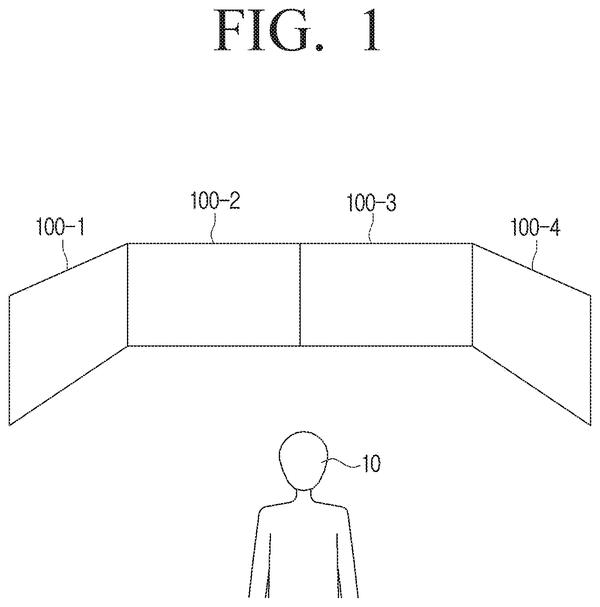
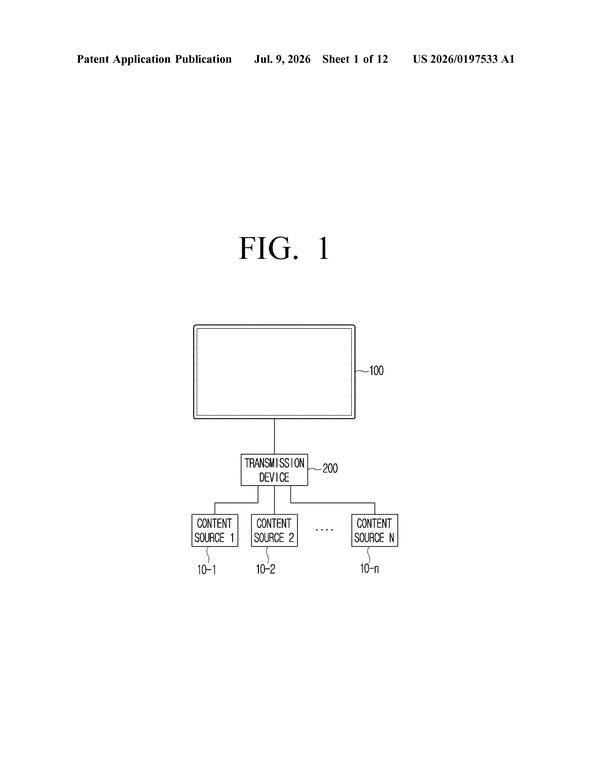
Adaptive bitrate switching between screens lets the primary display keep full quality while the secondary one degrades only when bandwidth tightens, solving the uneven picture problem across connected devices rather than just within a single screen.
Magnetic coupling lets sensors float on internal mounts so swapping bezels doesn't require realigning hardware, keeping proximity detection and ambient light measurement consistent across different frame configurations.
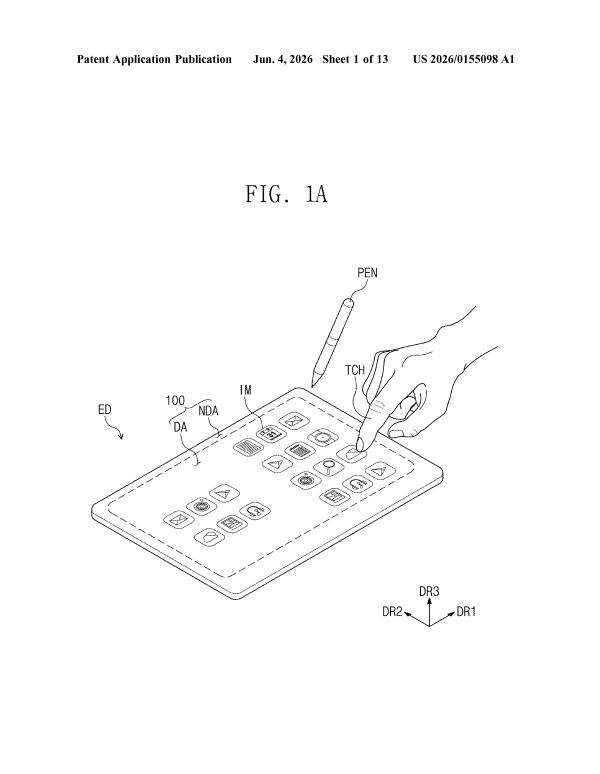
Stacking electrode layers to let a single sensor array distinguish finger touch from stylus input removes the need for duplicate tracking hardware, freeing up space that the brightness and moisture-proofing improvements require.
Rewiring the pixel-level circuit to compensate for drift in individual OLED elements extends the tracker's focus from display-wide brightness problems to the component-level inconsistencies that accumulate with age.
Repositioning internal wiring within each sub-pixel reduces crosstalk between neighboring circuits, sharpening the display's edge definition and supporting the brightness uniformity work Samsung is pursuing elsewhere in this series.
A display that monitors its own buffer levels for each video stream and signals the source device when one feed risks running dry prevents the stuttering that plagues split-screen viewing, where two simultaneous feeds compete for bandwidth.
Embedding touch sensors into the power distribution layer cuts the stack height, reducing manufacturing steps and failure points Samsung flagged in earlier filings on uneven brightness and moisture ingress through layer boundaries.
Samsung's uneven brightness work now has a partner: this filing shows how to keep pen and touch signals from crosstalk by stacking sensor layers, sidestepping the extra glass that would compound pixel uniformity problems.
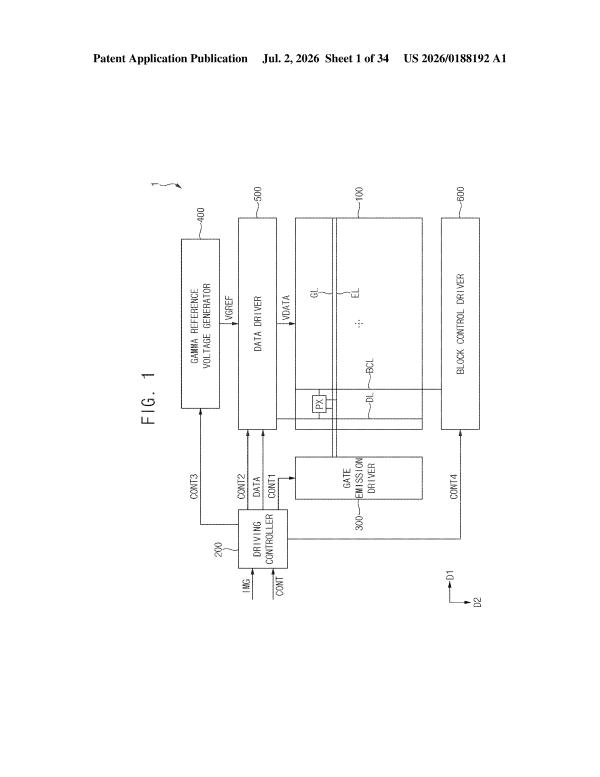
Uneven brightness across pixels gets harder when one screen half runs AI output and the other doesn't, this filing shows Samsung isolating each zone's electrical controls so they can manage light independently without sync conflicts.
The uneven brightness problem gets a structural fix: custom electrode designs let each color channel operate independently rather than forcing all three through identical pixel architecture.
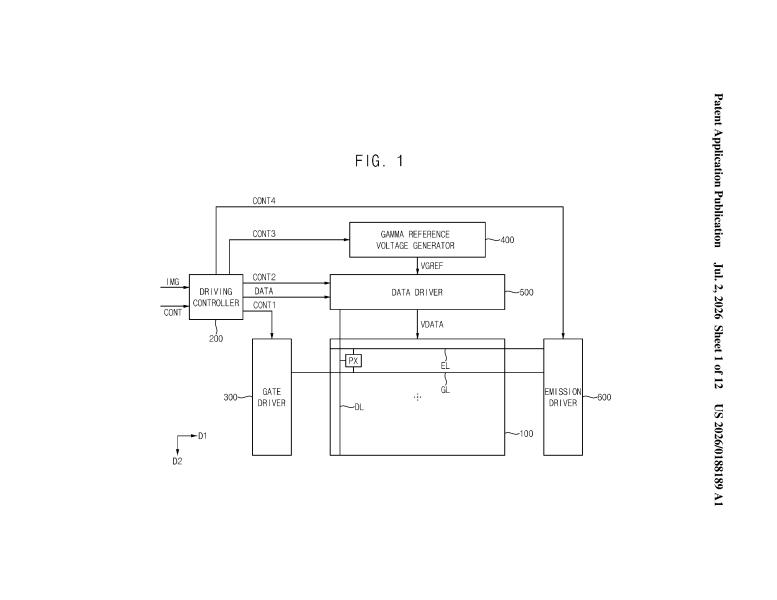
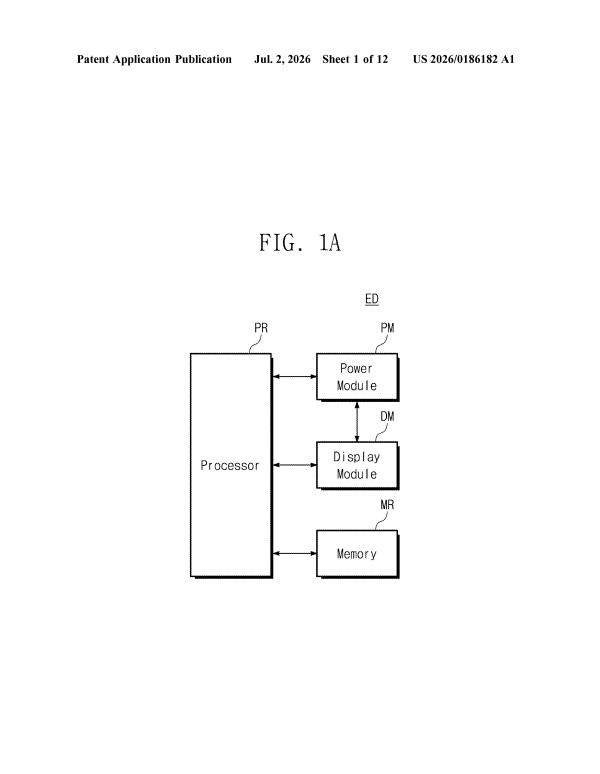
A dual-voltage driver circuit separates low-power signal processing from high-power pixel activation, letting Samsung refine brightness control at the logic level before signals reach the display elements themselves.
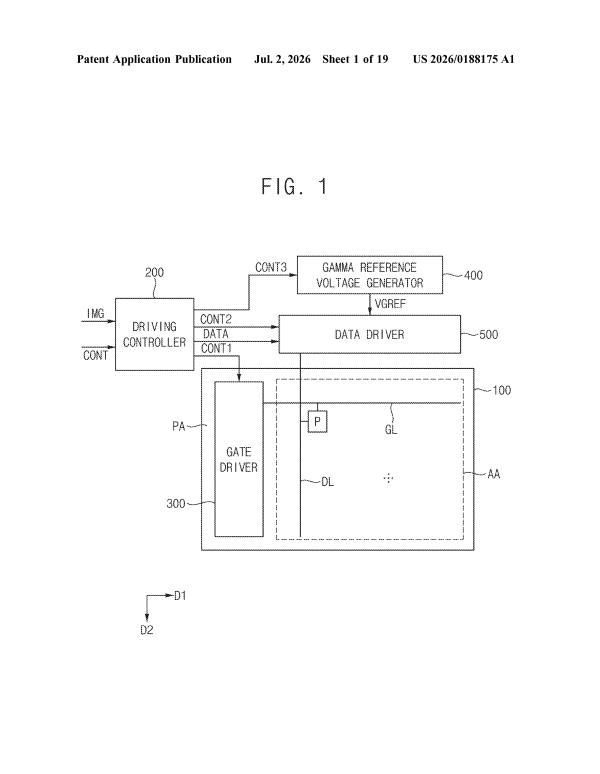
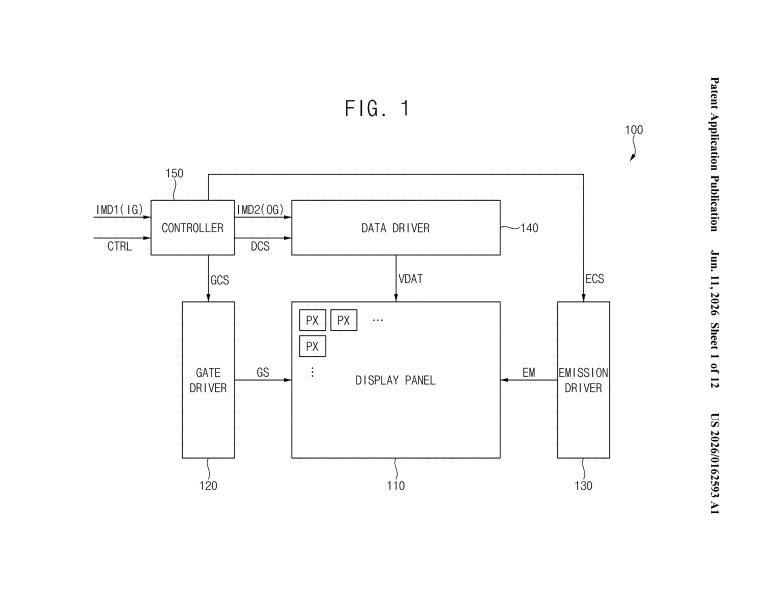
Within the flicker problem, Samsung is refining the gate driver circuits that sync pixel rows. A two-stage timing design could reduce the misfires that cause uneven brightness and visual artifacts across the panel.
Samsung's uneven brightness problem gains a hardware fix: a second capacitor per pixel to lock in brightness signals before they degrade, moving from software compensation toward circuit-level stability.
A separate transistor isolates the brightness-control stage from the light-emission stage, preventing timing noise in one circuit from corrupting the other's output.
Samsung's uneven brightness problem now has a potential fix: blending two pixel signals instead of relying on single readings reduces the color errors that create visible brightness jumps across the screen.
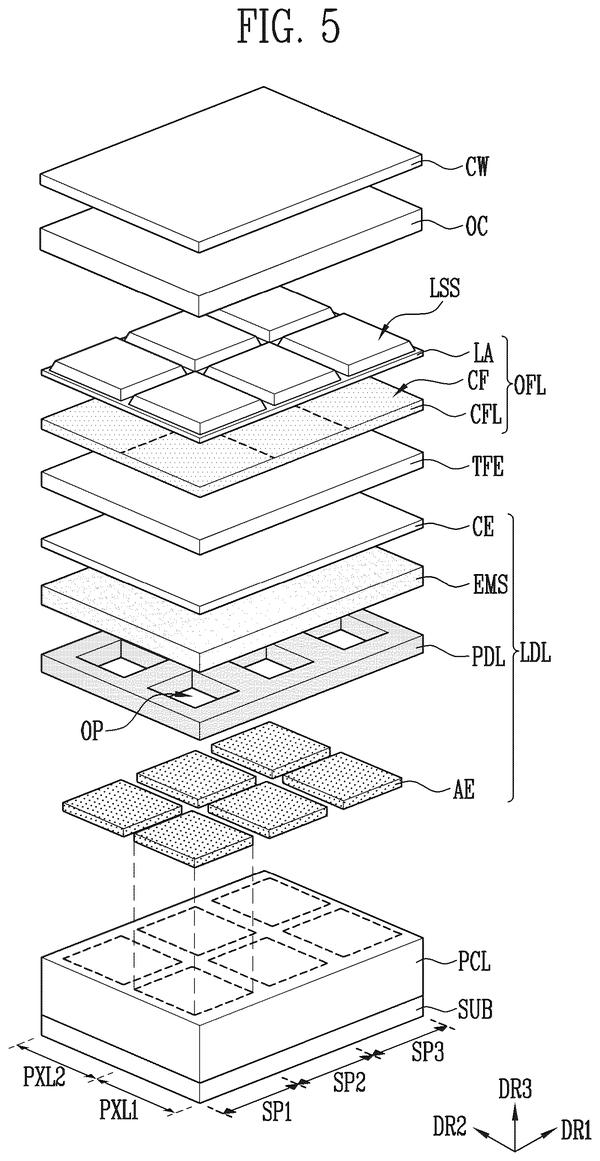
The uneven brightness problem gets a physical solution here: shaped bumps on an optical film funnel light toward the viewer instead of letting it scatter sideways, which is why screens fade when you tilt them.
Samsung's power problem enters the picture. A curved solar panel integrated behind the display pixels means the company is now designing around power constraints rather than just image quality.
The uneven brightness problem links to refresh rates: Samsung's approach to powering down static screen regions now extends to slowing their refresh cycles, cutting battery drain without dimming pixels outright.
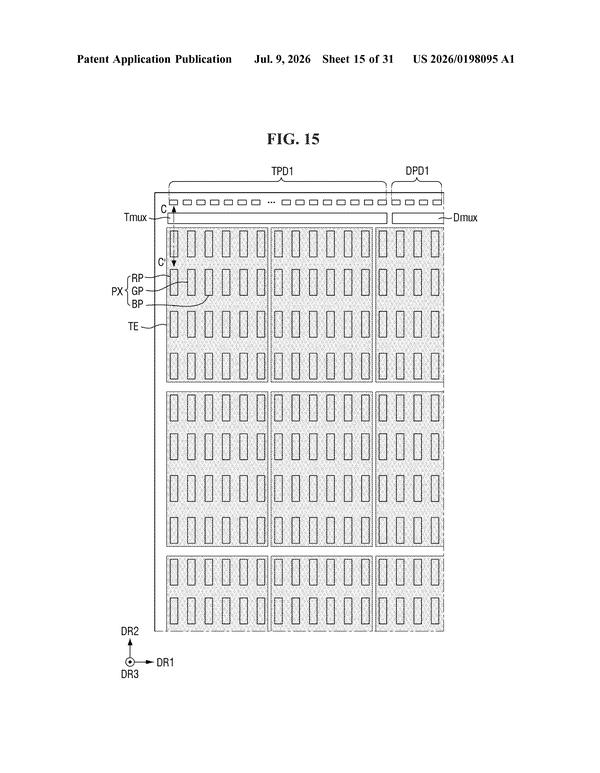
Multiplexing four sensor rows onto one output wire reduces the wiring density that normally constrains high-resolution touchscreen design, letting Samsung pack more sensing points without expanding the internal circuit board space.
The uneven brightness tracker now has a response-timing angle: signal delay across the screen creates the appearance of brightness variation depending on where and how fast you touch.
Restructuring the transistor layout within each pixel reduces power drain during rapid on-off cycles, directly extending the lifespan of individual light elements that currently degrade unevenly across the screen.
The uneven brightness problem gets a circuit-level fix: Samsung is steadying the timing signals that fire each pixel row, using a feedback capacitor to keep those signals from drifting as they move down the panel.
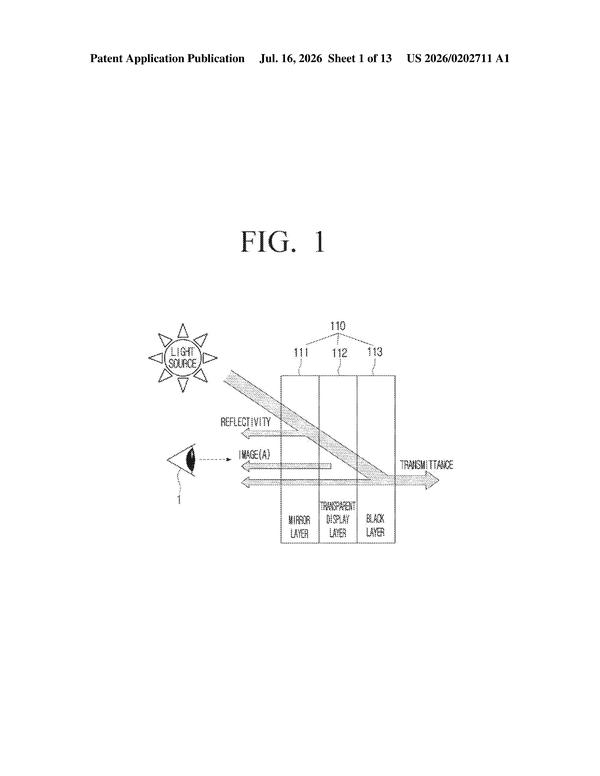
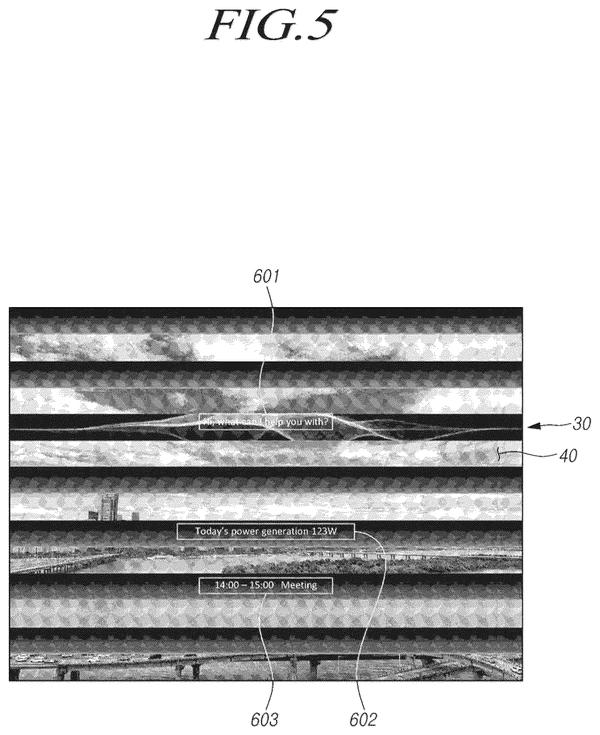
Dividing the screen into regions and measuring content density in each lets the mirror dim unused areas independently, cutting glare without sacrificing readability where information actually appears.
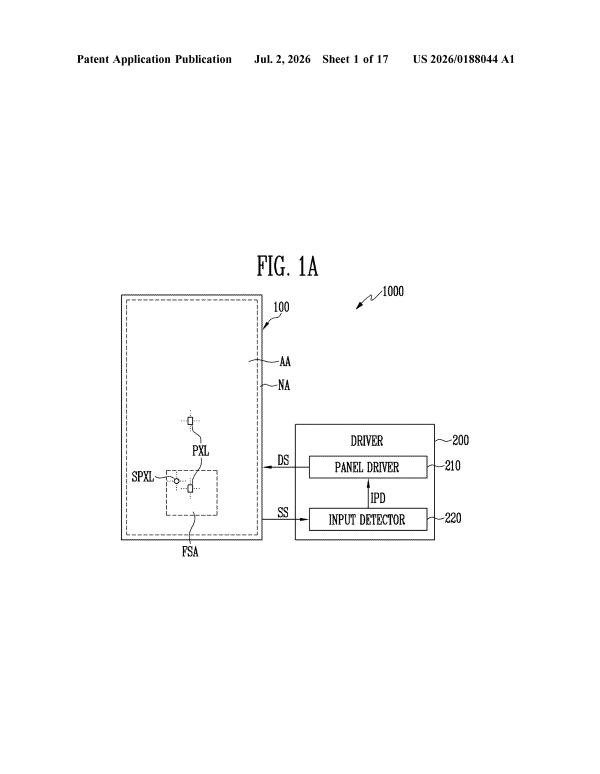
Embedded light sensors need separate timing from pixels to prevent signal corruption, which matters for the room-glare adjustment feature Samsung is pursuing across this display lineup.
Pixel-level contact damage during manufacturing or use can degrade brightness control; stacking electrodes with protective layers between them creates redundancy so one contact can fail without killing the whole pixel.
A buried alignment layer guides microLED chips into position during assembly, letting Samsung skip the costly precision tooling needed to hold each element in place manually.
Screens that work in bright sun need coatings that absorb glare, but those coatings usually get smudged and grimy. This filing describes a layered approach to keep the anti-glare effect durable against fingerprints and daily wear.
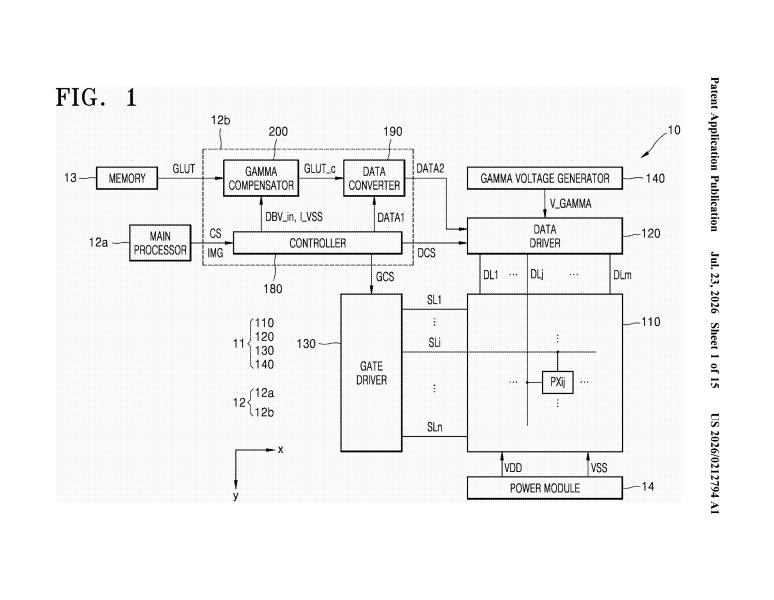
The watchlist has focused on steadying and sharpening what viewers see. This filing shifts toward the power cost of displaying those images, by letting each color channel idle at its own voltage rather than forcing all three to share one baseline.
Separating the control chip from the panel itself lets Samsung route wires more flexibly across the transparent base, opening possibilities for unconventional screen shapes.
Screens synced to each other at the chip level mean no more chasing delay across a multi-display setup, which matters most where split-second timing breaks the illusion of one continuous image.
The steadier-screen work gains a partner: Samsung now wants the light source itself to shift with the sun's path, keeping display brightness stable without the screen doing all the compensation work.
Color fringing in compressed video signals gets corrected on the fly, removing a source of visible artifacts that manual calibration can't easily reach.
A second optical layer that dims specific screen regions independently lets the display maintain detail in both bright and dark scenes simultaneously, sharpening the contrast range without relying on pixel-level control alone.
Brightness drift across the screen over time becomes harder to spot as individual pixels age at different rates. This filing proposes a circuit-level fix that compensates for that uneven degradation, keeping the image uniformly lit.
The brightness dip during refresh-rate switches fills a gap the earlier filings left open: keeping the image stable not just within a single mode, but across the moment of transition between them.
Power drain from constant refreshing gets worse when the radio stays active. Samsung's solution cuts the refresh rate when connectivity drops, pairing screen updates to actual data arrival rather than a fixed clock.
A depth-sensing layer lets the display prioritize rendering closer objects with higher fidelity, sharpening foreground detail while allowing background elements to recede naturally, a shift from treating every pixel equally.
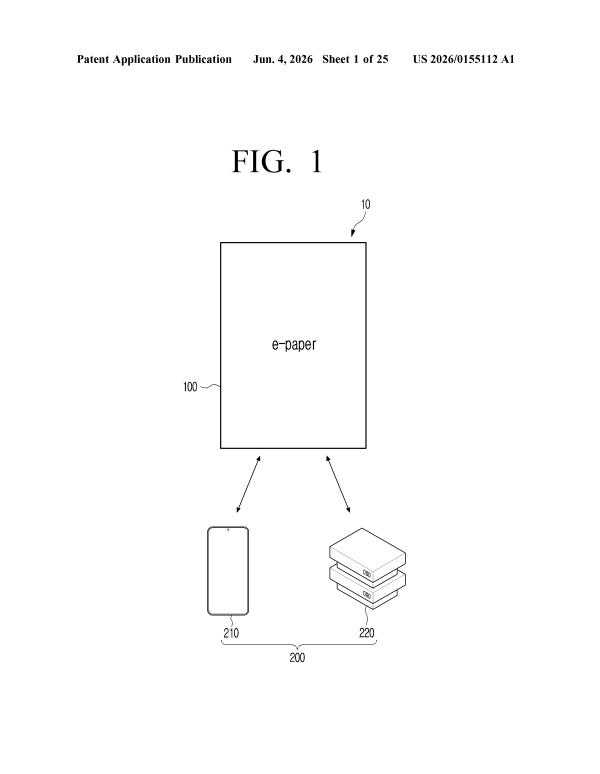
Screens that look uniformly dark across their full surface, instead of dimmer at the edges, a gain for e-ink tablets where the electrical field naturally weakens away from connection points.
The watchlist so far has focused on visual artifacts from flicker and ambient light. This filing moves upstream to the wiring layer itself, treating uneven capacitance in the pixel grid as a root cause of brightness and color drift across the panel.
Uneven brightness across a reading surface drains attention and strains eyes. Samsung's approach learns gaze patterns to brighten incoming regions before they enter view, matching brightness to where vision actually goes.
Adjusting the minimum voltage zone-by-zone lets Samsung compensate for sparser pixels without redesigning the physical grid, keeping brightness uniform across under-camera areas.
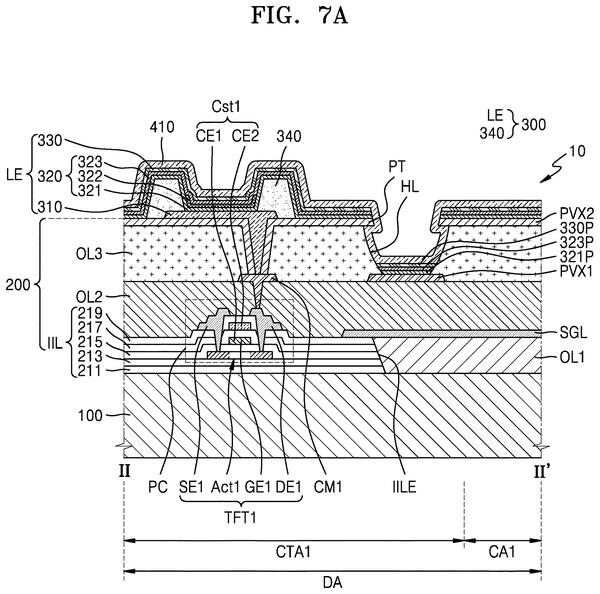
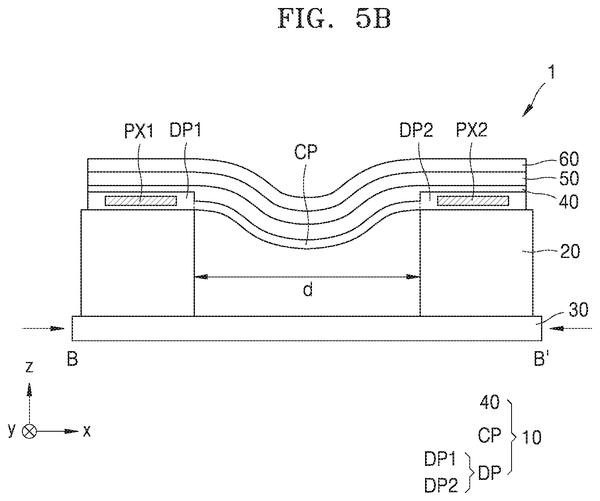
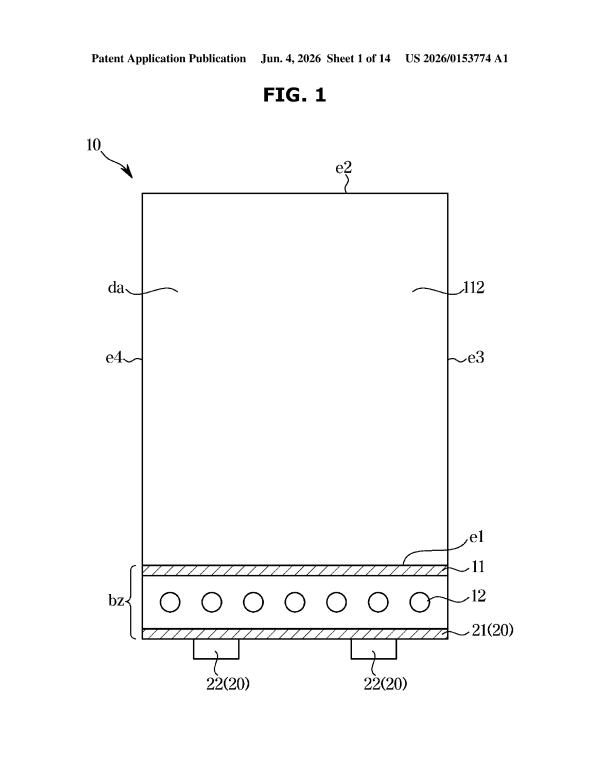
Moisture seeping through camera cutout edges degrades the organic materials in OLED pixels. Samsung's groove-and-seal design creates a barrier at those vulnerable points, protecting the display from the inside out.
Stacking two organic barrier layers instead of one targets moisture and oxygen permeation directly, the degradation pathway that dims and discolors OLEDs over time in the field.
The watchlist so far has focused on image quality during use. This filing shifts to the manufacturing constraint that makes flexible screens physically possible in the first place.
Questions readers ask
What problems do Samsung's display patents try to fix?
The filings target moisture getting into OLED panels through camera cutouts, uneven brightness from wiring or pixel density differences, flicker, and displays that don't adjust well to changing light or viewing conditions. Patents describe engineering approaches to these issues, though not every idea reaches production.
Are these patents about foldable phones?
Some are. A few filings deal with glass-etching for flexible OLED screens and protective layer stacks that matter for foldable devices, but the majority focus on general display quality issues like moisture protection, brightness uniformity, and adaptive lighting rather than foldable-specific design.
Does a patent filing mean Samsung will ship this feature?
No. A patent shows what Samsung's engineers are exploring, not a confirmed product plan. Some ideas in this watchlist, like light that adapts to room sun exposure or displays that sync across multiple screens, may appear in future devices, while others may stay unused.
Why do so many filings mention moisture and encapsulation?
OLED panels are vulnerable to oxygen and moisture reaching the organic layers, especially near camera cutouts and folds. Several filings in this watchlist, including layered grooves and dual organic layer encapsulation stacks, address that vulnerability directly, which suggests it remains a persistent engineering challenge.
Want this weekly breakdown for a company we don't cover?
Patentlyze Pro →
The weekly email: the best of Big Tech's filings, in plain English. Free.