The AI Photo Editing Race in Google and Nvidia Patents, and where they point
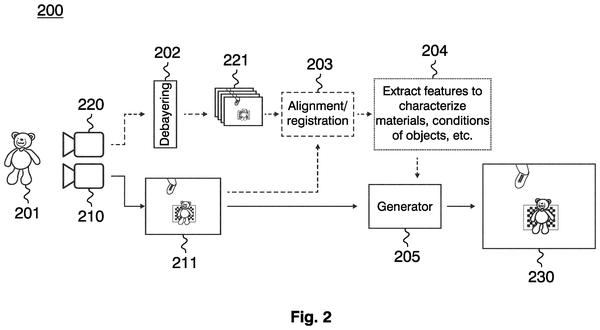
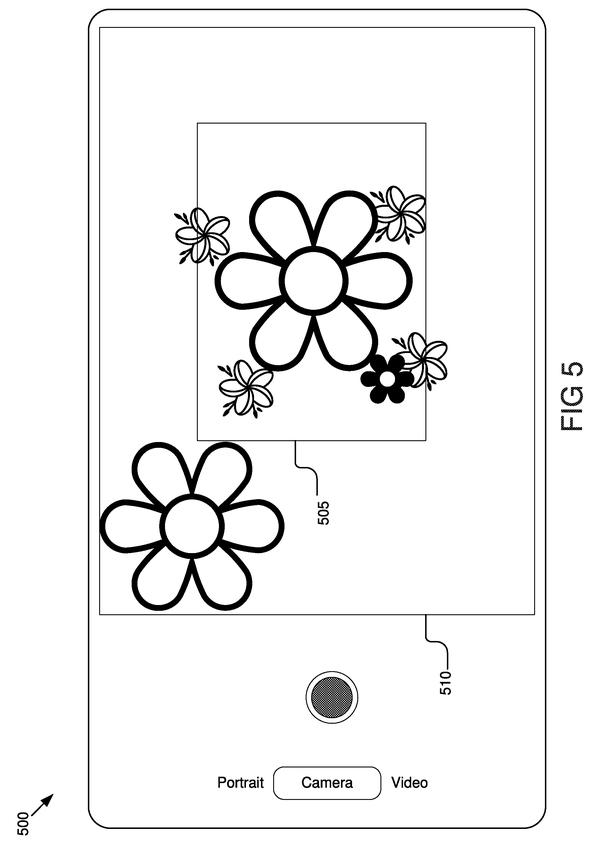
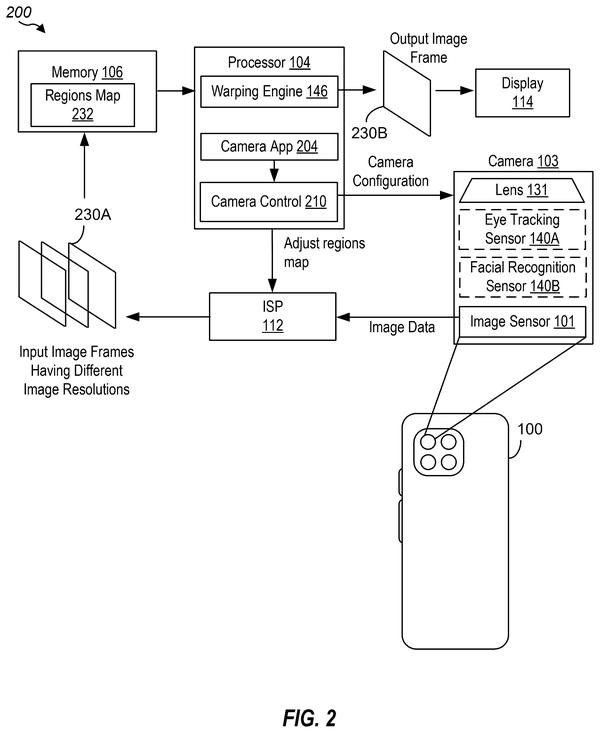
This tracker collects Google and Nvidia filings on photo and video editing, covering per-region edits, text-guided recoloring, compression, and smoother zoom previews. The batch shows camera software moving from single-pass fixes toward layered, context-aware editing built into the pipeline.
based on all tracked filings in this watchlist · refreshes every week
This fight is over who controls the tools that fix, reshape, and reinvent photos and videos using AI, covering everything from removing reflections to rebuilding entire 3D scenes. Every company here is betting that whoever owns the core editing steps will own the creative workflow.
Google and Adobe carry the most weight in this watchlist by a wide margin, with Google spreading across video, cameras, and image generation while Adobe digs deep into precise editing tools for color, light, and object placement.
What’s new in the AI photo editing race
a dated entry each week this watchlist moves · older entries stay archived
Sep 17, 2026 15 filings joined
Adobe leads this week with seven filings covering cutting, lighting, shadows, and motion in photos and videos. Google and Adobe together push hard on making AI understand and edit specific parts of an image rather than the whole thing.
Google dominates this week with seven filings spanning video, lighting, and image repair, while Adobe adds four focused on color, reflections, and repositioning people in photos.
This week's filings show companies focused on fixing photo and video quality problems, from brightening dark spots to repairing blurry compressed video. Google and Apple each filed two patents, making them the most active this week.
Aug 27, 2026 14 filings joined
Adobe leads this week with five filings covering edge cleanup, 3D scene compression, and video edit scoring. Most other companies are focused on fixing or sharpening images and video, from removing spots to rebuilding blurry photos.
Aug 20, 2026 8 filings joined
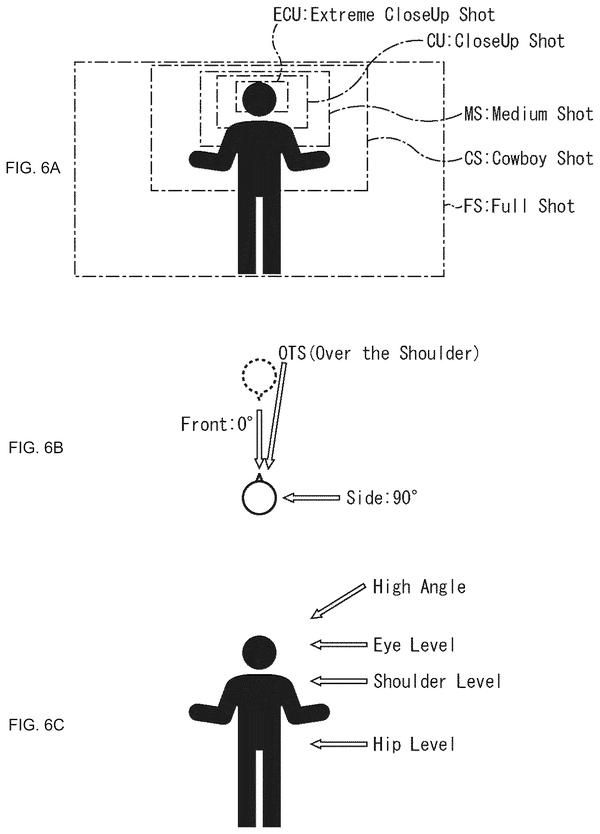
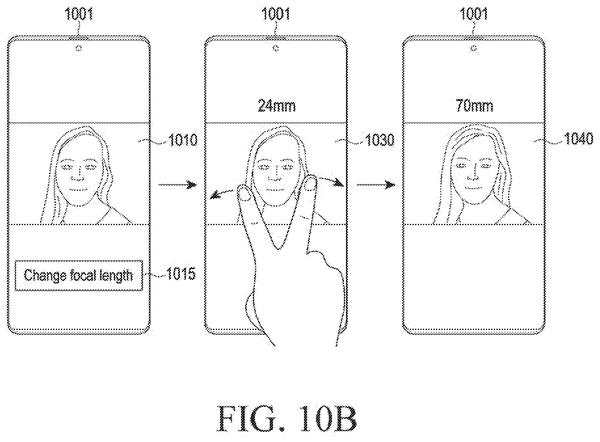
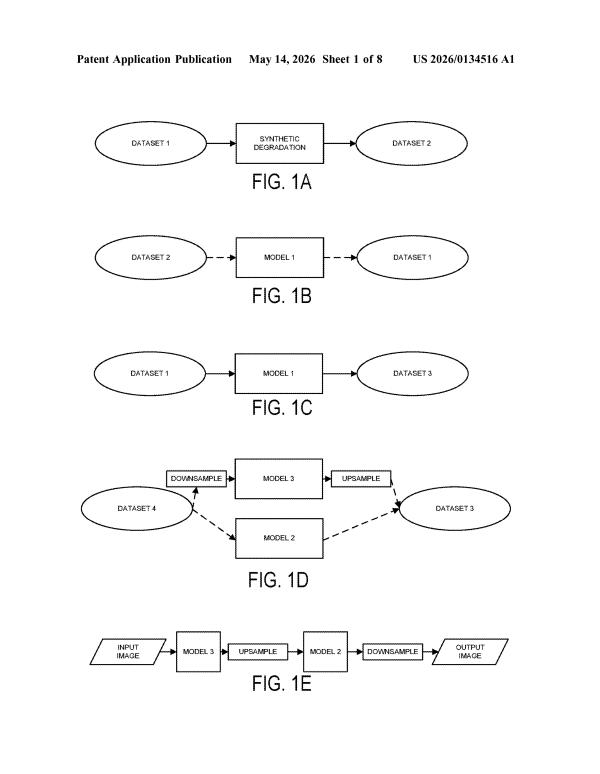
This week's filings lean heavily toward AI that understands and reshapes photos and video, from changing how far away a subject looks to copying a director's camera style. Google leads the pack with three new filings, joined by Sony with two.
Who’s filing patents in the AI photo editing race
counts from tracked filings · focus read from each company’s own filings
The battlegrounds inside the AI photo editing race
the fights inside the fight · each with its three newest filings · new filings join every week
Removing and Replacing Photo Objects 25 filings
Adobe 16, Google 4, Qualcomm 2
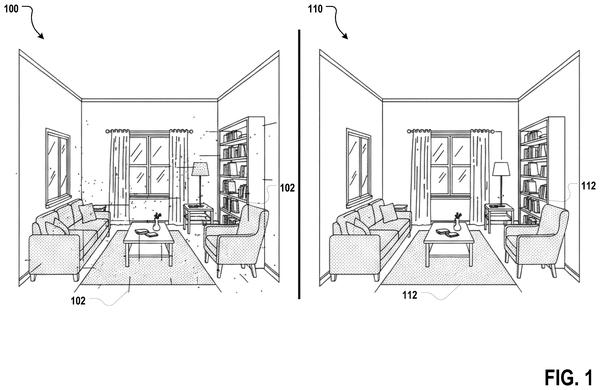
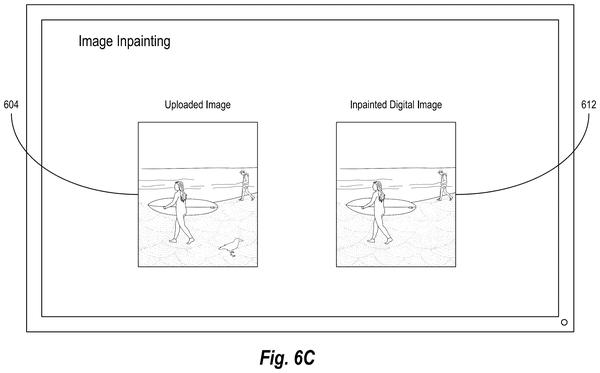
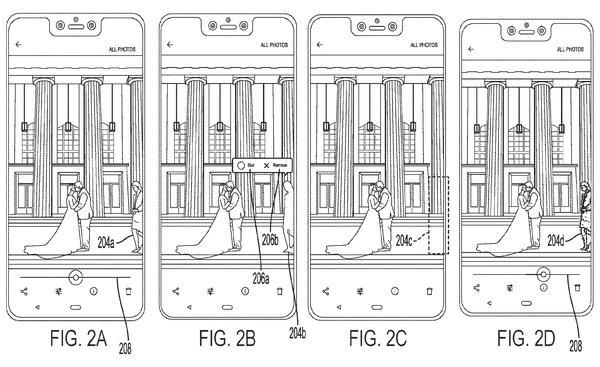
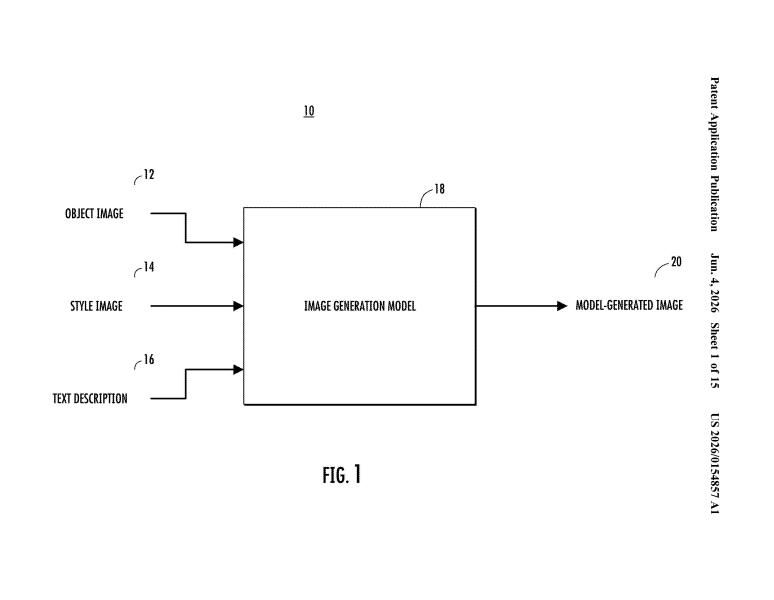
Several companies are filing on ways to cut things out of photos and fill the empty space convincingly. Adobe, Google, and Nvidia are all working on this, with approaches ranging from cutting at multiple detail levels to finishing objects that were cut off at the edge of the frame.
Adobe, Google, Samsung, Sony, and Intel are each filing on ways to correct color and lighting problems, from faces shot against bright windows to scenes lit by two different light sources at once. The approaches differ but the goal is the same: make the colors look right without the person having to fix them by hand.
Adobe, Nvidia, Samsung, and Sony are all filing on the problem of AI-generated or AI-processed video looking jumpy or flickery from one frame to the next. Each company is approaching the fix differently, but all of them are targeting the same visual glitch.
Teaching AI With Examples Instead of Instructions 8 filings
Google 4, Samsung 2, Nvidia 1
Google, Samsung, and Nvidia are filing on ways to train image and video AI by showing it examples rather than writing out rules. The idea is that the AI learns what good output looks like by studying real photos or videos, which can make it better at tasks like sharpening, restoring, or matching a style.
Controlling What AI Generates With Words 15 filings
Google 8, Adobe 6, Meta 1
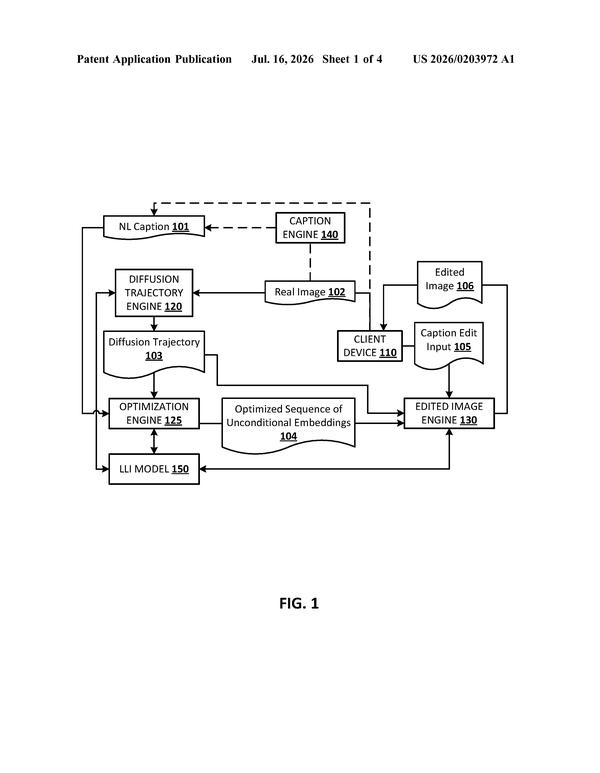
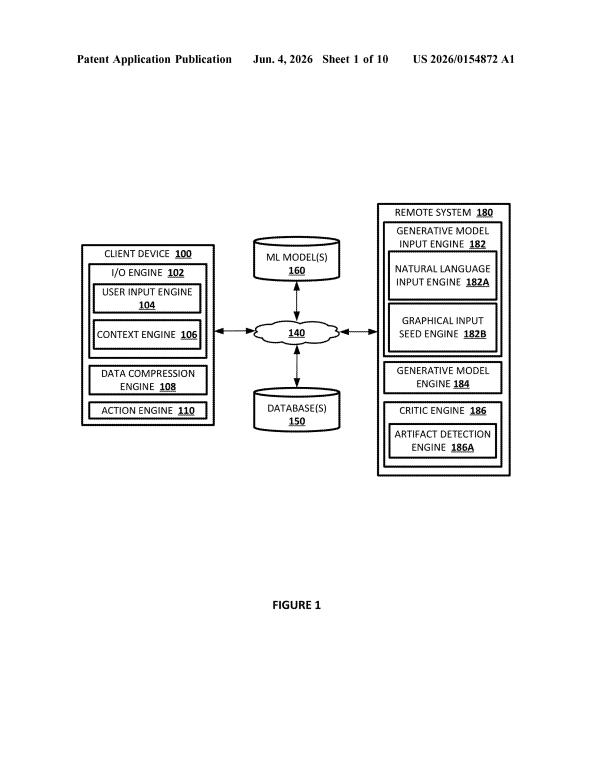
Google and Adobe are filing on ways to let people describe what they want in plain words and have the AI follow those instructions precisely, including editing existing photos by rewriting their text description. The filings cover everything from matching words to image details to keeping brand styles consistent.
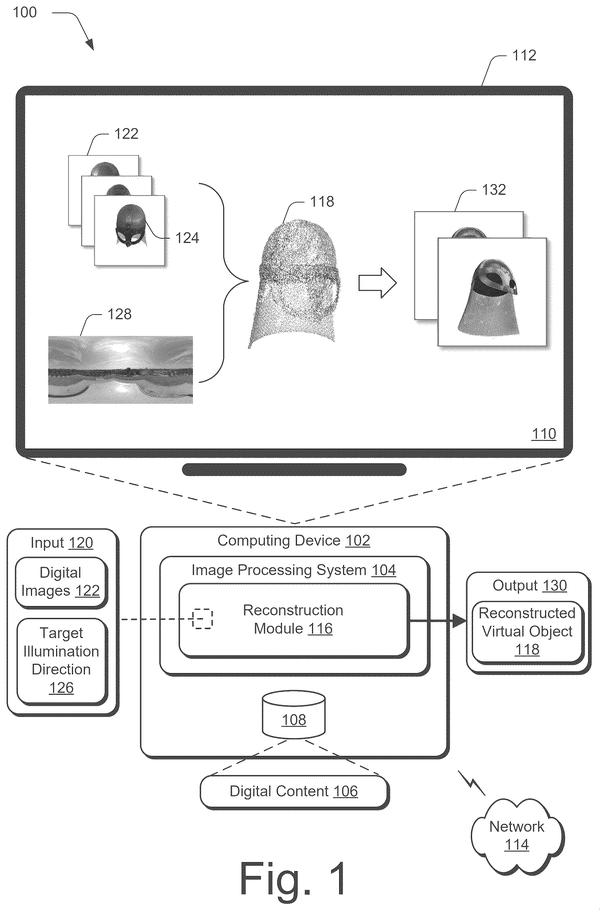
Nvidia and Google are both filing on ways to build a three-dimensional model of an object or scene from ordinary flat photos or video. The filings cover everything from single objects to full scenes with moving parts, pointing to a broad push to make 3D creation possible without special equipment.
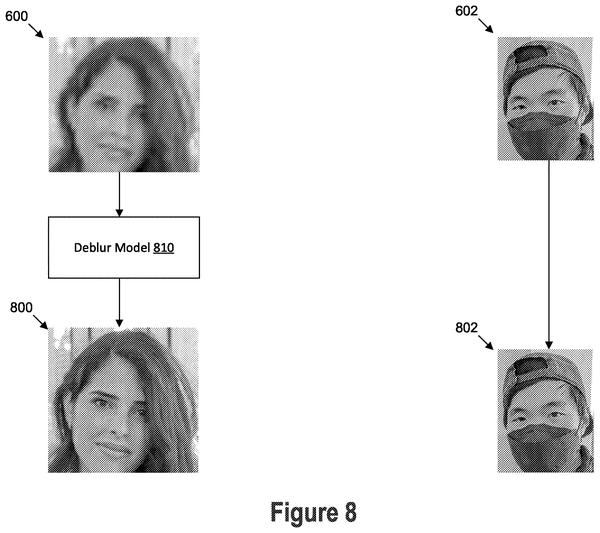
Turning blurry, noisy, compressed or low-resolution photos into sharp ones, and colorizing old pictures. Samsung, Google, Nvidia, IBM, Sony, Microsoft and Intel are all filing.
Photo tools that read the picture and offer edits before you ask: swap options, keyword taps, self-written suggestions, or a filter picked by what is in the shot. Samsung, Google, Apple and Qualcomm are filing.
Filings that change the story of a picture: rewind or fast-forward objects, fill in missing elements, change how close a subject looks, or turn a sketch into a photo. Samsung leads it.
Making an added object belong in the scene: matching shadows, re-lighting real objects after the fact, dropping 3D items into photos. Adobe and Meta are the filers.
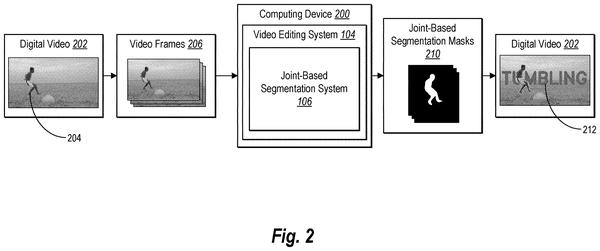
Frame-by-frame masking of moving subjects. Adobe's skeleton-mapping approach automates the tedious work of tracking body position across shots where subjects shift and occlude.
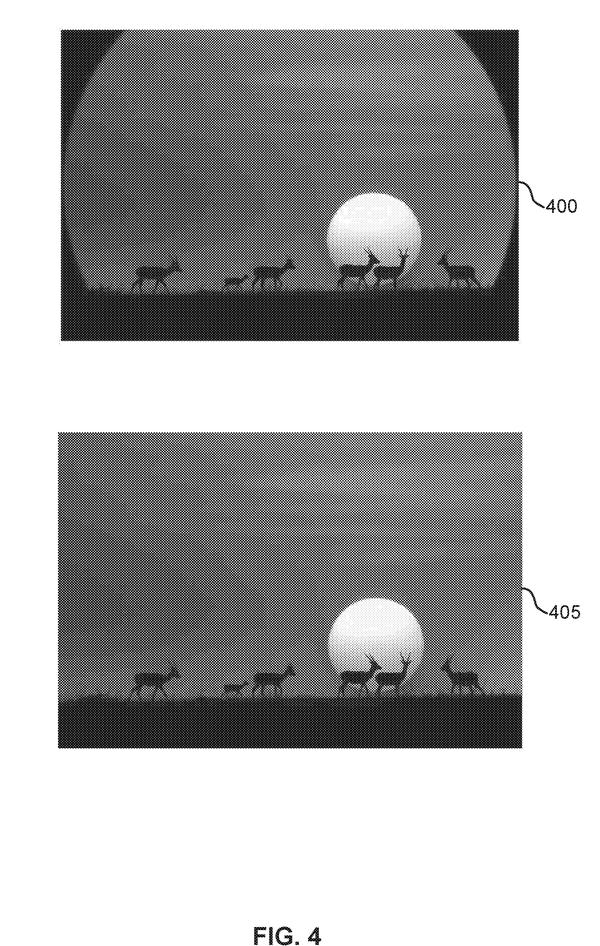
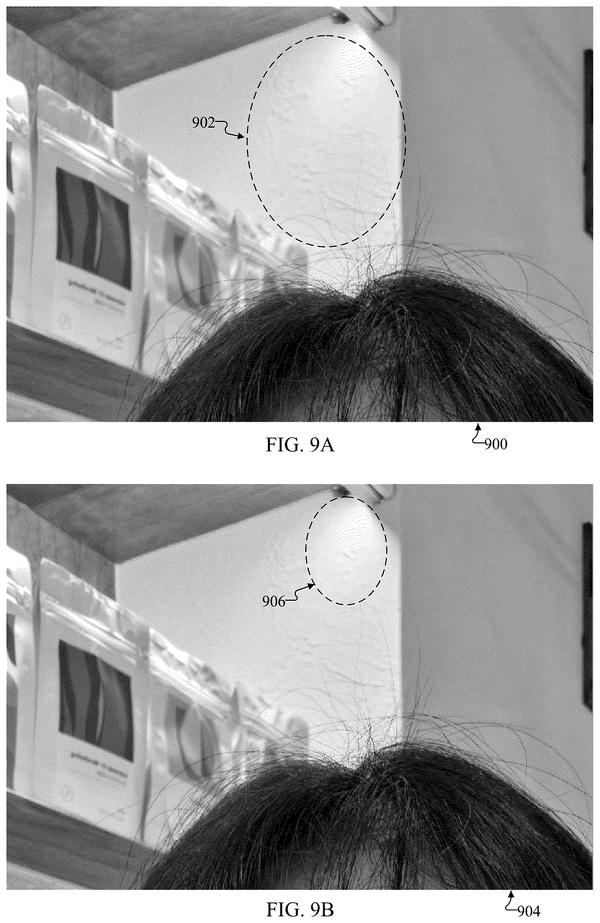
Extends the photo recovery angle by automating vignette removal, detecting dark corner borders and synthesizing missing content rather than cropping. Fills a gap in the restoration workflow that Google and Nvidia haven't targeted yet.
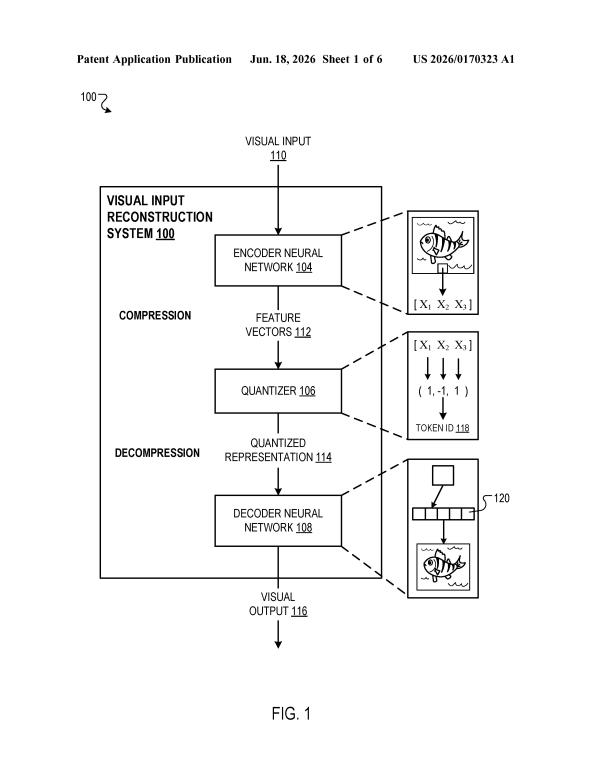
Removing a standard decoder layer speeds up decompression on devices, cutting the latency between transmission and display in gallery apps and similar interfaces.
Rotoscoping automation requires training data that mixes real and synthetic footage. Disney's method generates its own labeled training set by blending computer-generated actors into real backgrounds, sidestepping the manual annotation bottleneck.
Inpainting and outpainting pull matching textures from the user's nearby shots rather than generating them, reducing artifacts when editing complex backgrounds like brick or foliage in burst sequences.
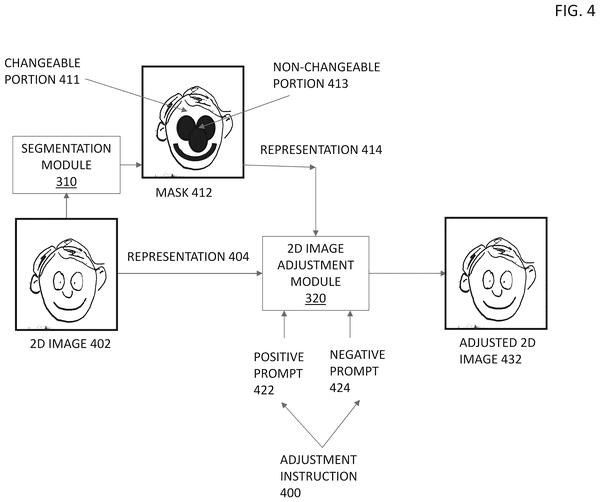
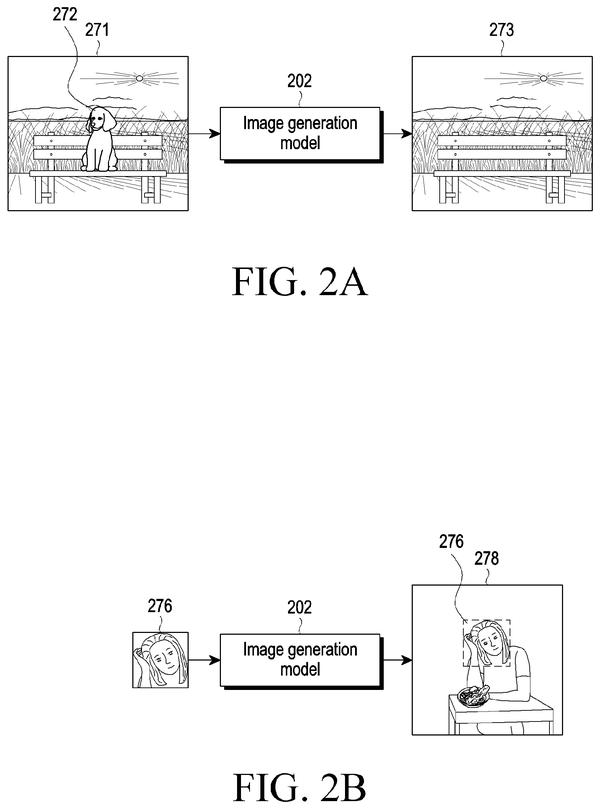
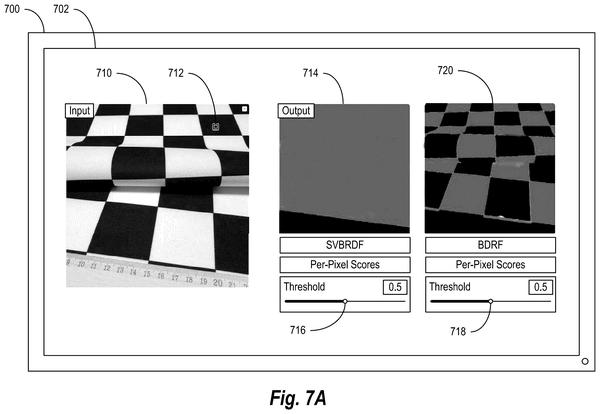
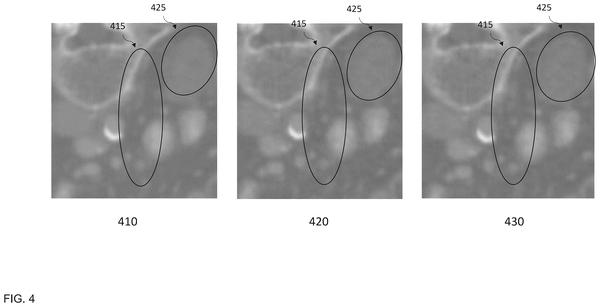
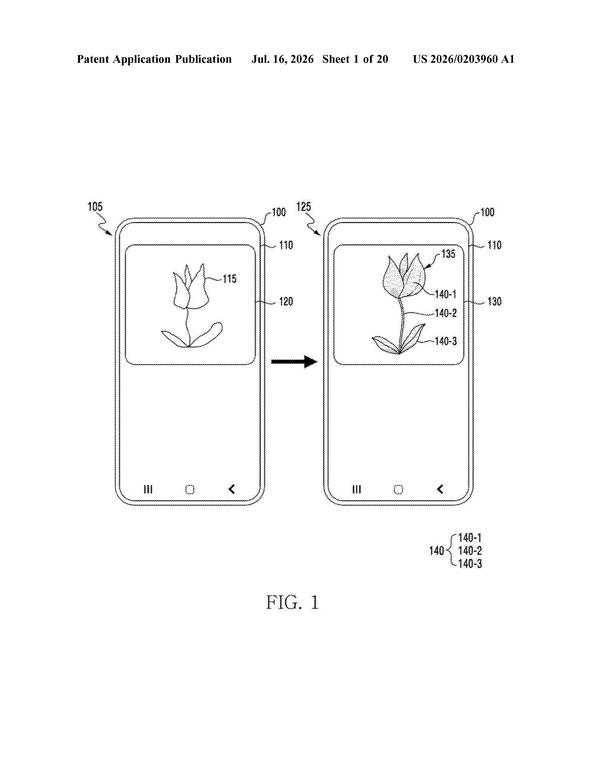
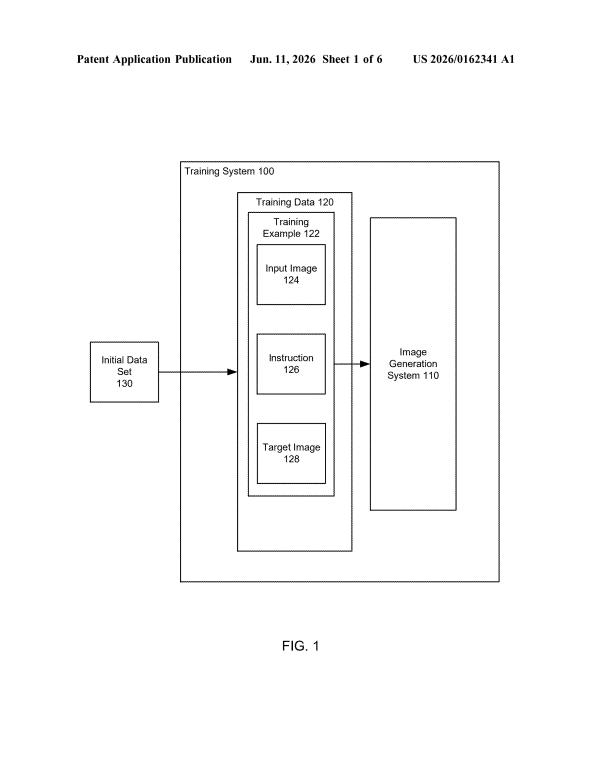
Within the race to isolate edits to specific image regions, Google's approach trains models on paired before-and-after examples to learn the precise scope of change rather than generating from scratch.
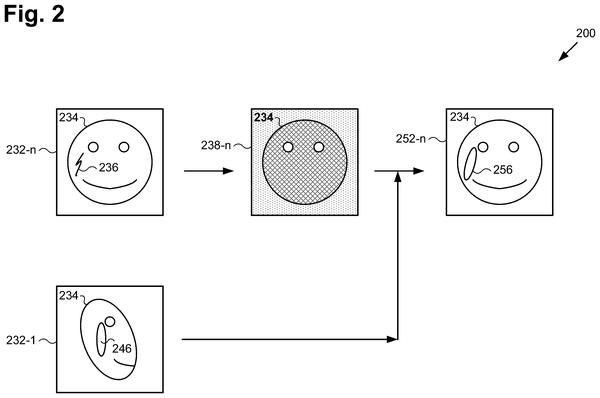
Detecting absent subjects through reference images embedded in the scene, like a photo visible in the background, extends the recoloring and object-swapping work beyond what's already captured, toward reconstructing what should have been there.
The race so far has centered on selective edits tied to objects and text prompts. This filing shifts focus to depth-based sharpening, applying different corrections to subjects at different distances rather than treating the whole frame uniformly.
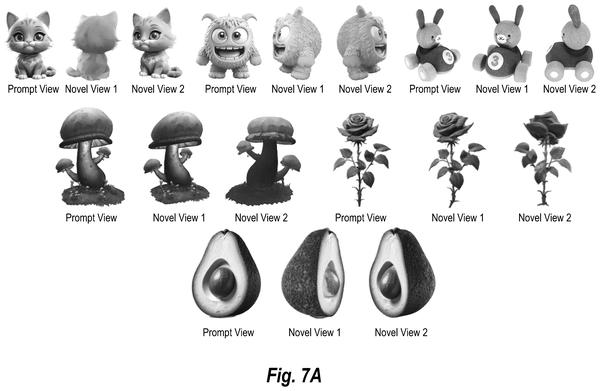
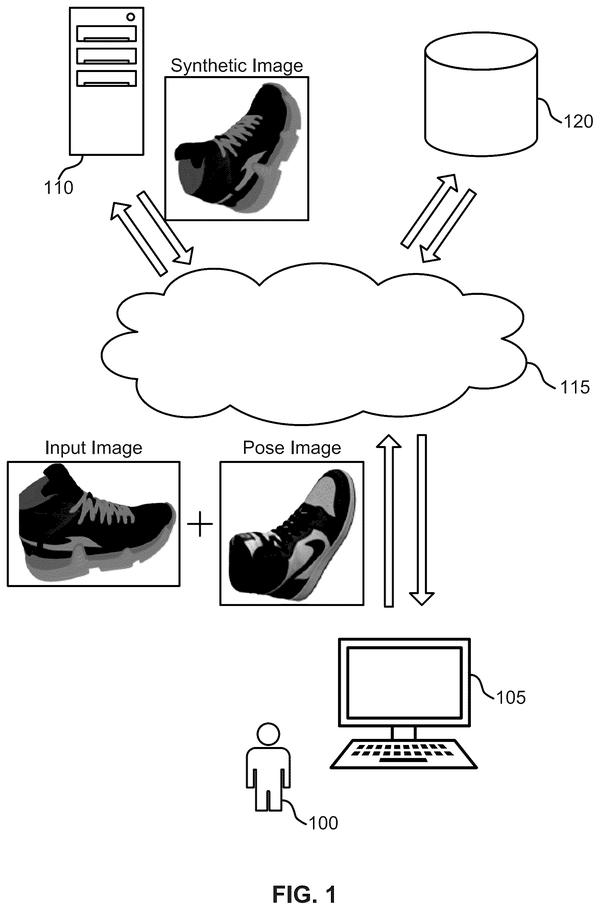
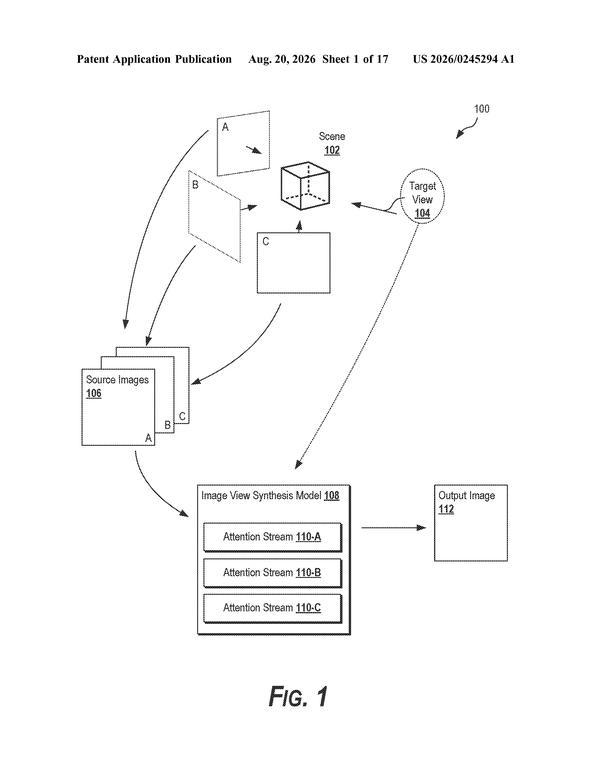
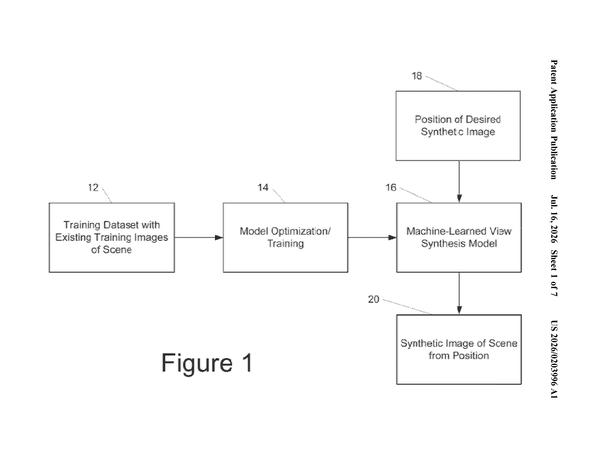
Synthesizing novel camera angles from single images fills a gap in product photography workflows. Adobe's approach generates unseen viewpoints computationally, removing the need for reshoot or 3D modeling work.
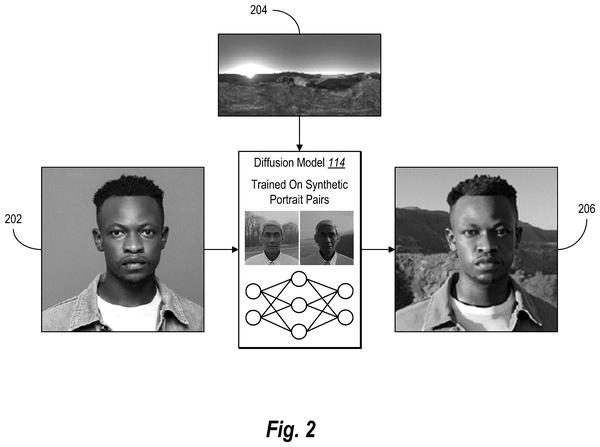
Relighting portraits to match arbitrary lighting environments extends Adobe's work beyond basic color shifts into 3D-aware scene matching, suggesting the tracker's focus on guided edits now includes physical light simulation.
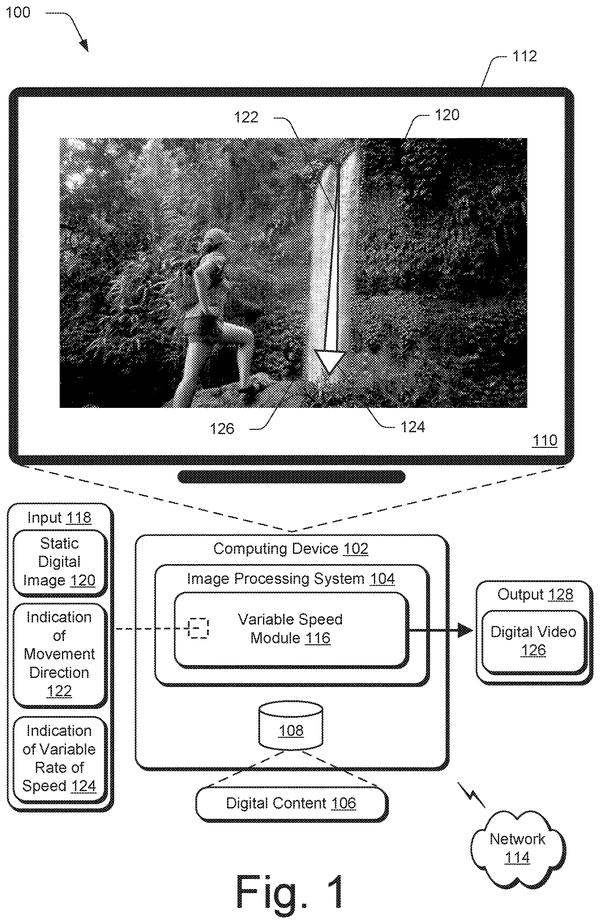
Motion inference from static scene analysis lets the system automatically determine object movement direction and speed without manual tracking, extending the photo editing race beyond recoloring and compression into video synthesis.
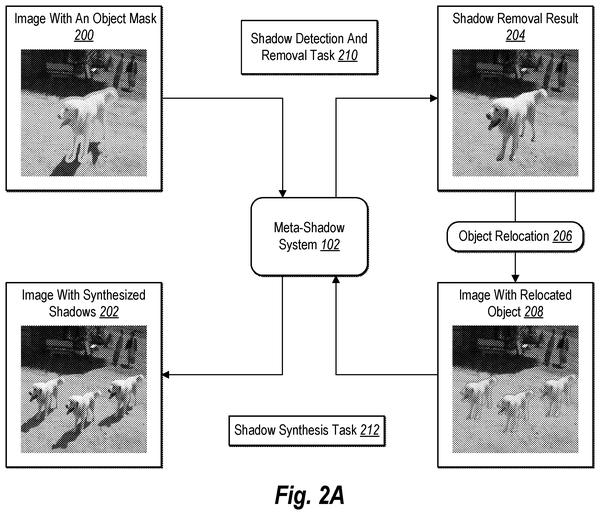
Within the race to simplify photo editing workflows, Adobe's unified shadow-handling system consolidates what currently requires manual detection, removal, and inpainting into a single model trained on all three operations together.
Google and Nvidia have focused on what to edit; Samsung's approach isolates where editing is needed, cutting processing load by skipping unchanged regions.
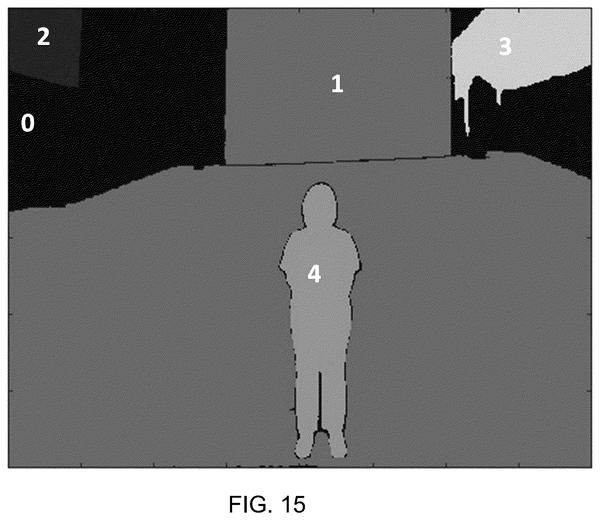
The race has focused on guided edits and compression; this filing shifts toward the selection step itself, using a coarse-then-refine neural network to clean up the jagged outlines that phone selection tools currently produce.
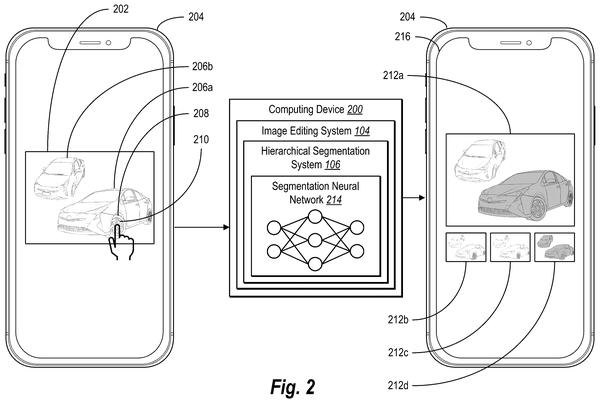
Leveraging depth maps to automate object isolation cuts down manual masking work in mobile editing. Google's tap-to-cut approach reuses camera sensor data already present on modern phones rather than relying on computational segmentation alone.
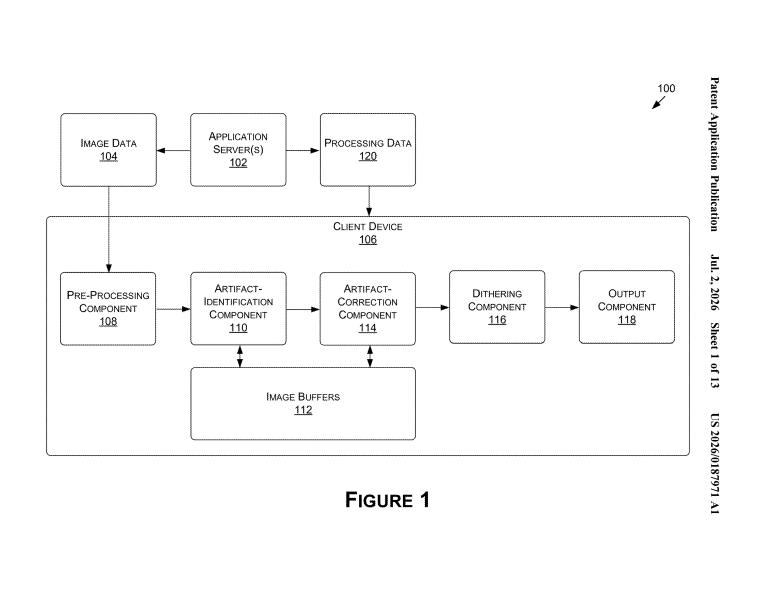
Content-aware repair splits the workload: the model identifies faces, text, and backgrounds separately, then applies targeted fixes instead of one uniform filter across the whole frame.
Users could fix awkward poses by borrowing body positions from other photos, cutting the manual frame-by-frame work that dominates this editing category.
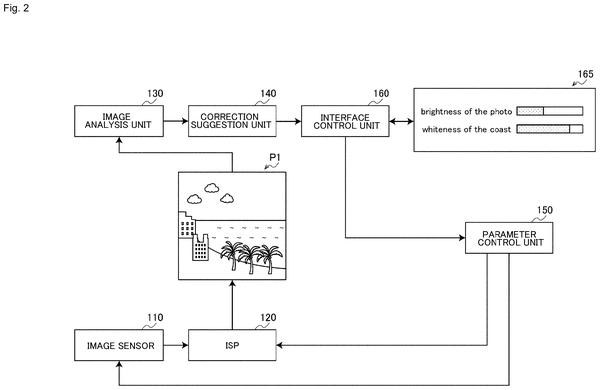
Automating camera preset tuning through user feedback loops shifts the editing burden from post-capture software to the camera itself, reducing manual adjustment cycles.
Repositioning subjects in photos leaves hollow voids and distorted backgrounds. Samsung's 3D model approach fills those gaps by recalculating perspective and occlusion instead of relying on flat cutouts.
Photos edited to match a specific movie or TV scene extend the race beyond color and composition into full scene synthesis. Samsung's approach automates the visual translation between your image and a target scene's lighting, costume, and setting.
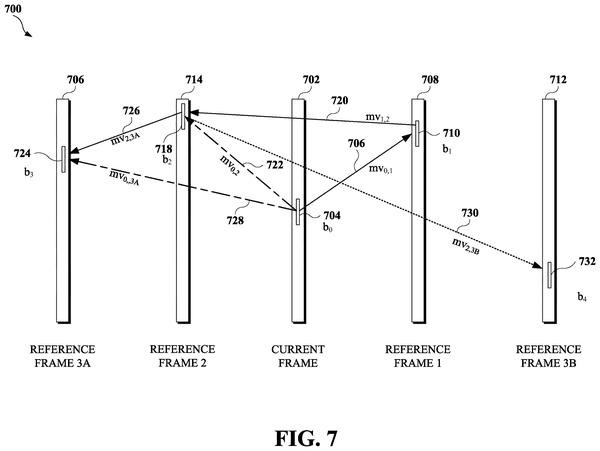
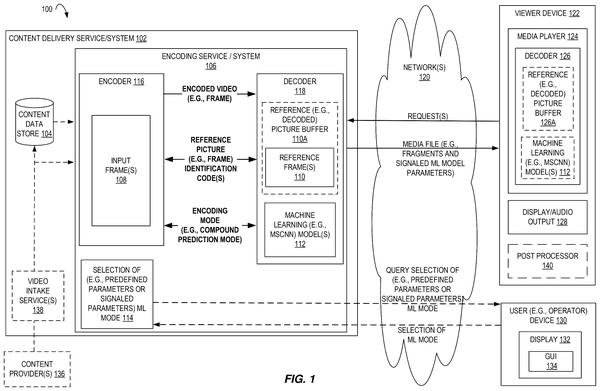
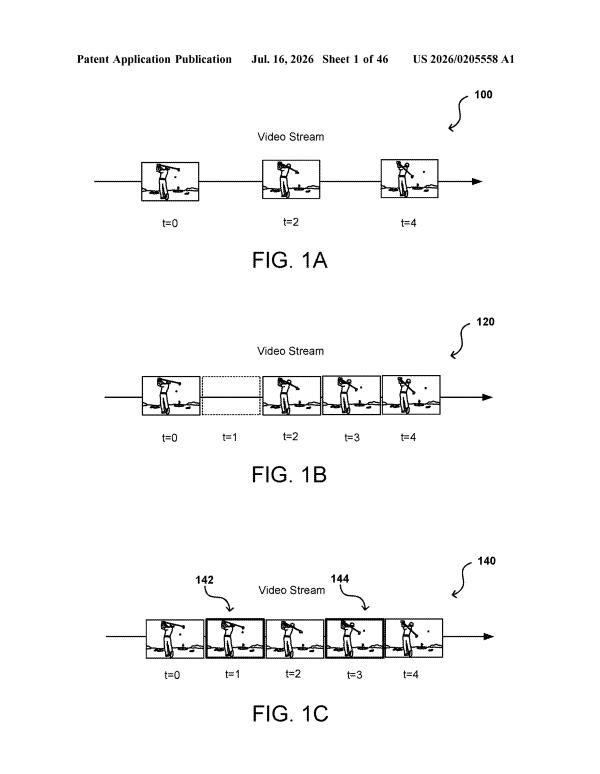
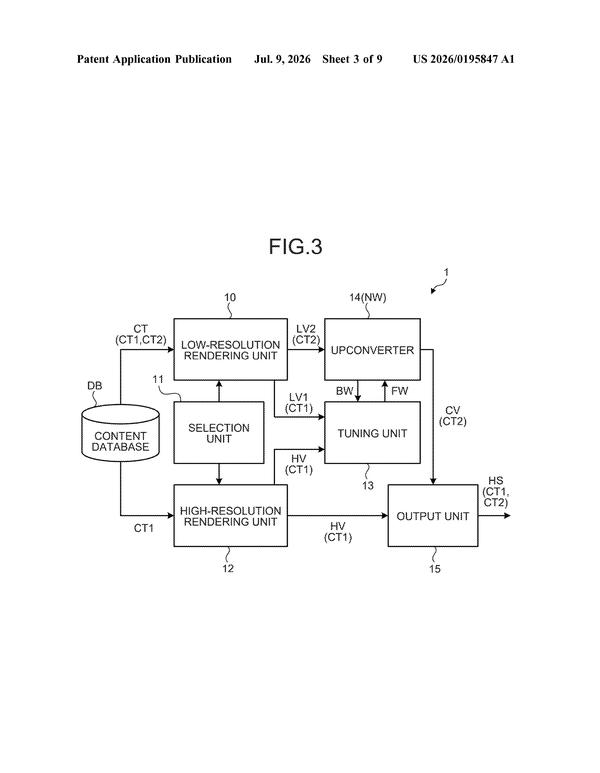
Users could stream longer videos on limited data by cutting the file size that motion encoding demands. The patent confirms Google's focus on predictive models that estimate object movement before decoding, rather than measuring it after the fact.
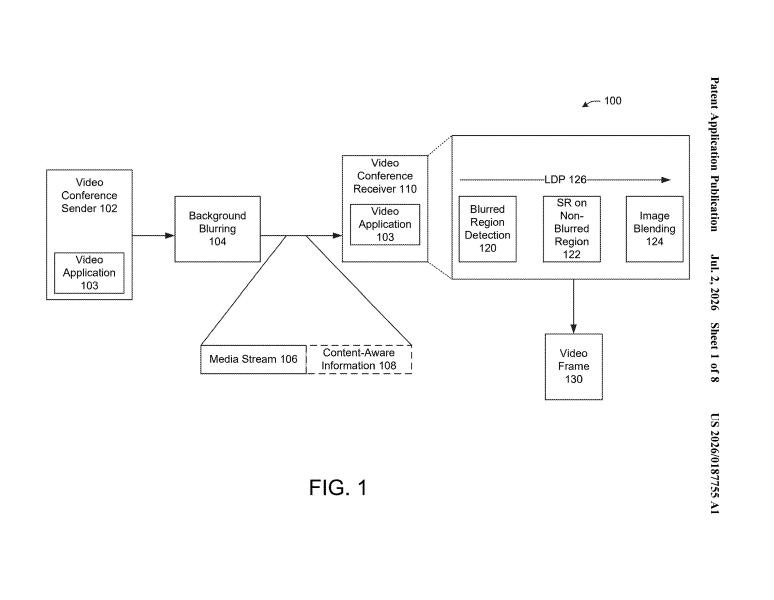
Embedding AI corrections in the video stream itself sidesteps the need to retransmit edited footage, cutting bandwidth while letting client devices apply fixes locally as frames arrive.
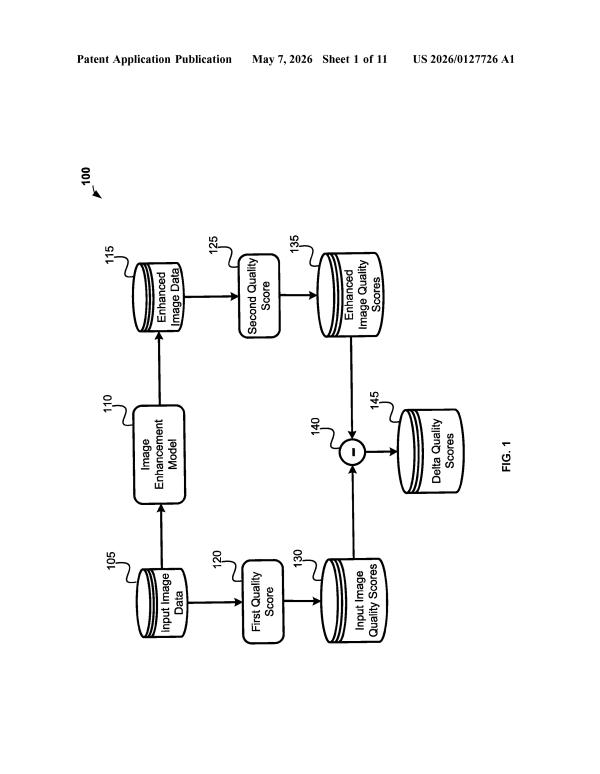
Recovering detail from compressed video feeds without re-encoding opens a practical path for real-time streaming cleanup, particularly relevant for security and live-capture workflows where original files are already discarded.
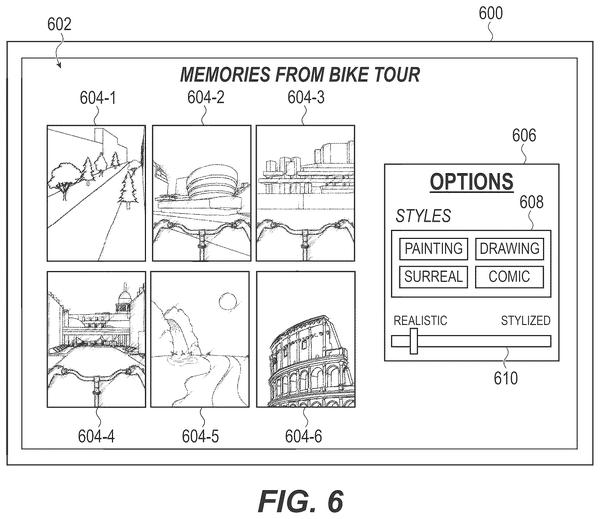
Users could get stylized versions of their best moments without manually sorting through hundreds of shots or editing each one. The filing extends the race beyond region-specific edits into automated curation and generative transformation of whole libraries.
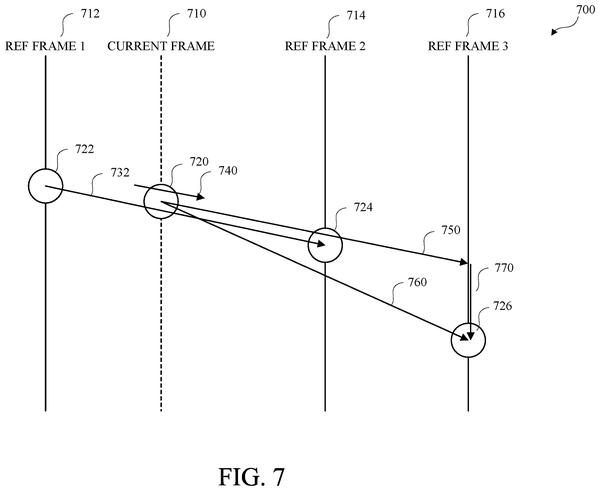
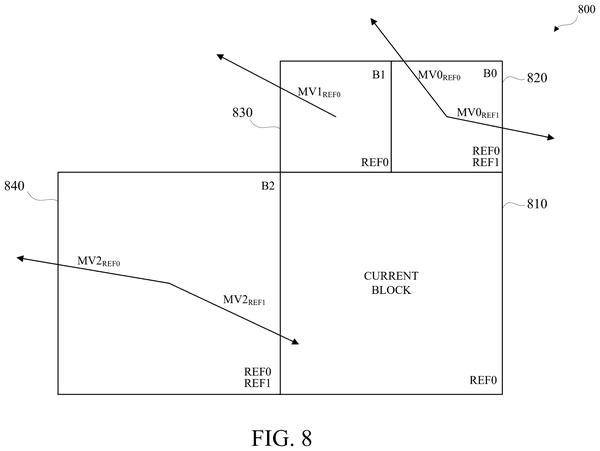
Predicting motion from a single prior frame breaks down in complex scenes. Using two reference frames instead lets the encoder capture multi-directional movement more accurately, reducing the bitrate needed for smooth playback.
Cross-location angle transfer cuts the data burden. Google's method trains on paired viewpoints in one scene, then generates unseen angles in novel environments without retraining, reducing the photo inventory needed before editing can begin.
Pre-avatar photo conditioning via text prompts lets users refine reference images before 3D conversion, sidestepping manual editing steps that typically slow avatar creation workflows.
Exposure inconsistency across multi-angle captures: Google embeds lighting correction into the 3D model during reconstruction rather than correcting each photo separately.
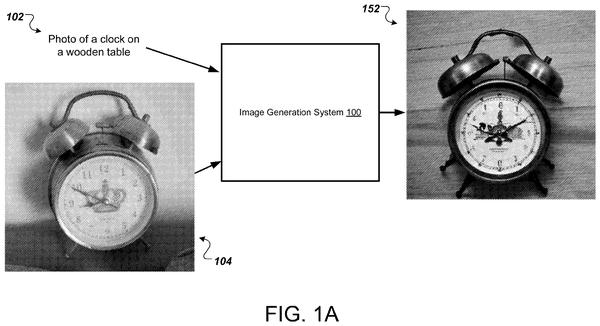
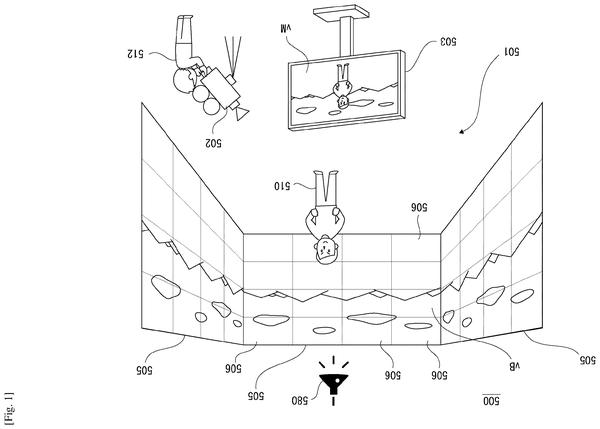
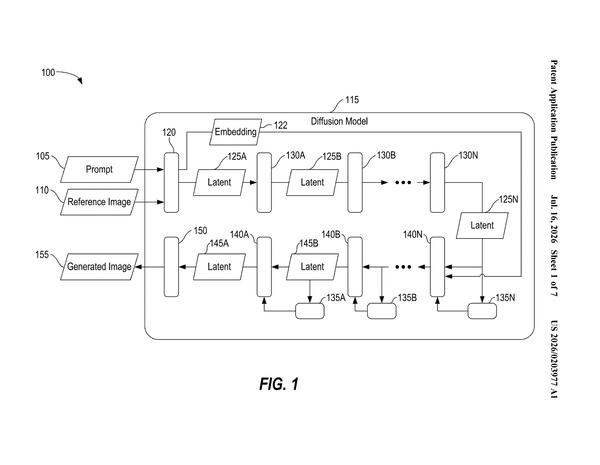
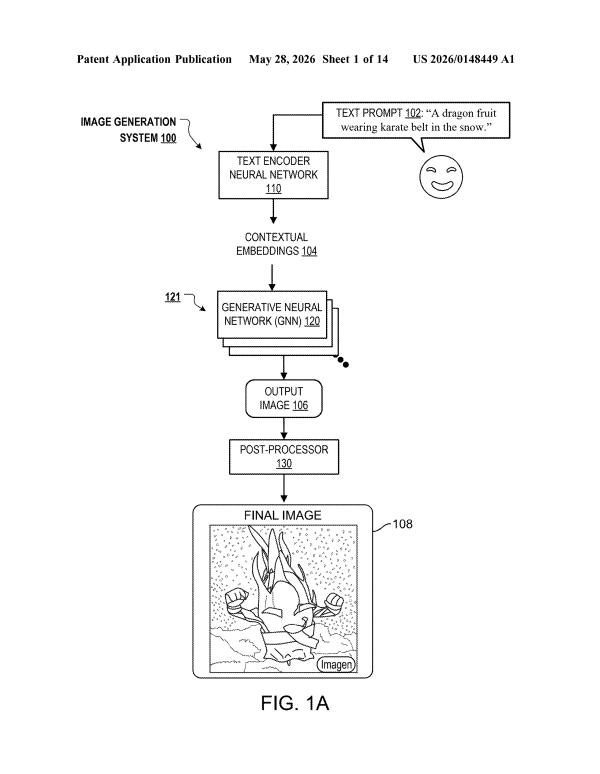
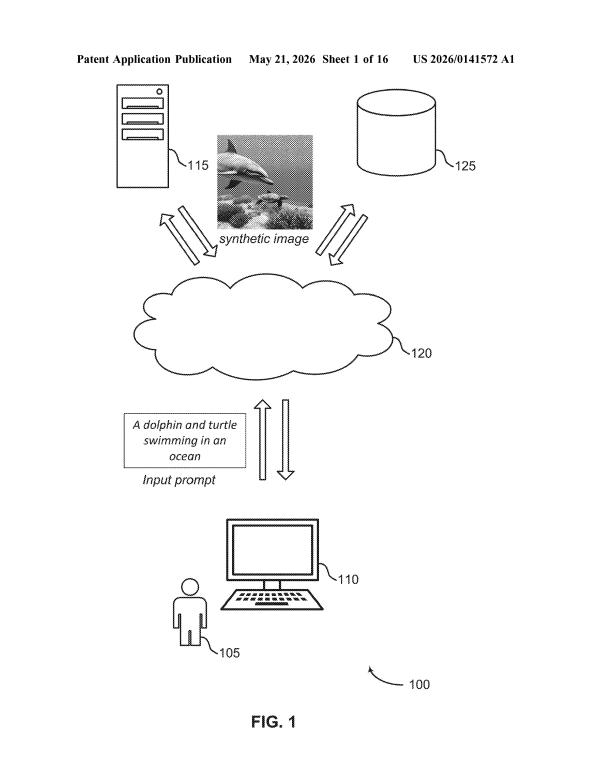
Most AI image generators take a single text prompt and feed the same instructions to every part of the model. Google is patenting a system that gives each layer its own separate set of instructions, potentially giving creators far finer control over the final result.
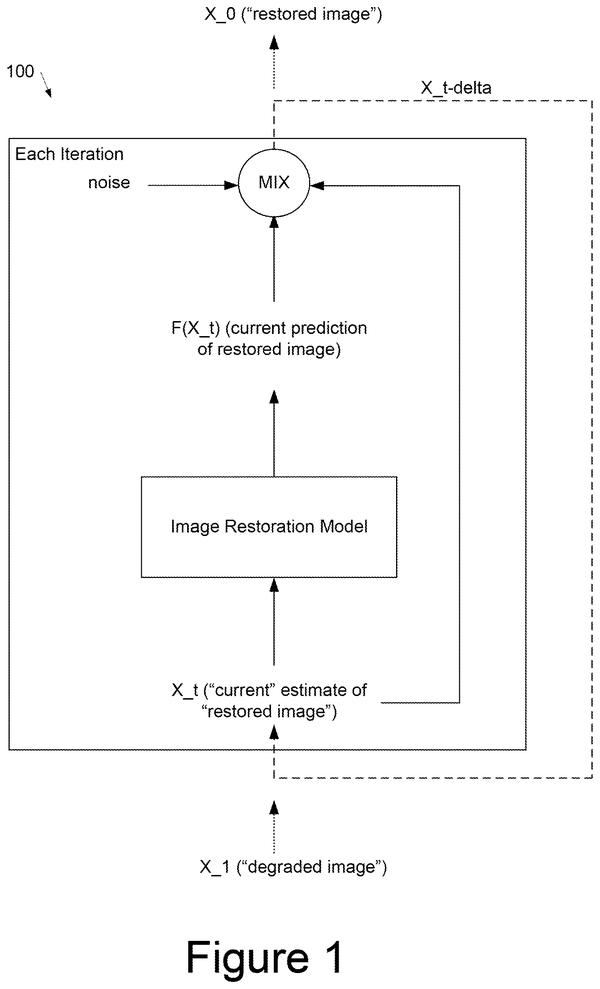
Iterative repair of degraded photos sidesteps the single-pass model's failures by cycling through guided corrections, letting each step build on the last rather than betting everything on one inference pass.
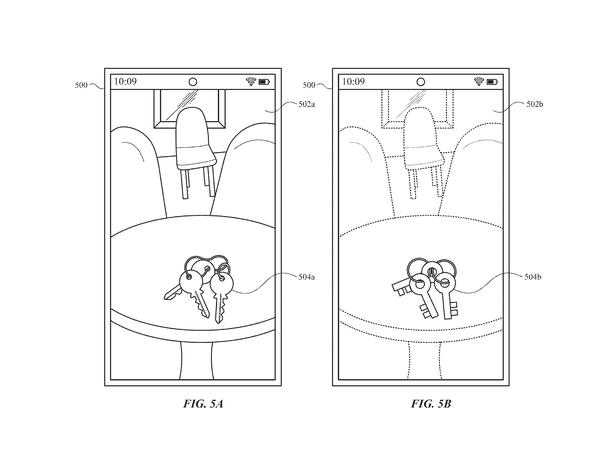
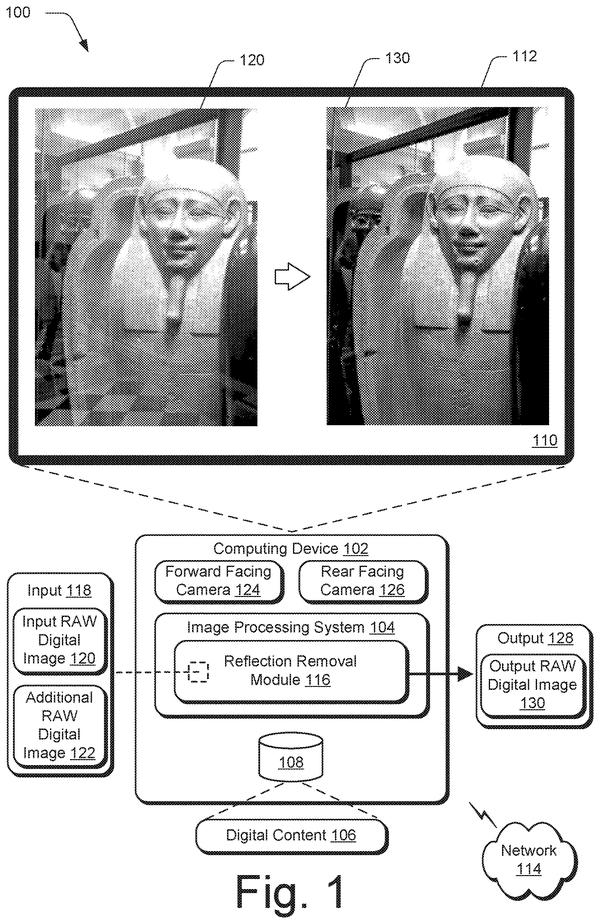
Users shooting through windows could finally get clean shots without repositioning. Adobe's dual-image approach to separating reflections from the actual scene suggests a practical path for handling one of photo editing's messiest real-world problems.
Tracking moving objects frame-to-frame without manual adjustment cuts production time on mask alignment, a core bottleneck in video post-production workflows.
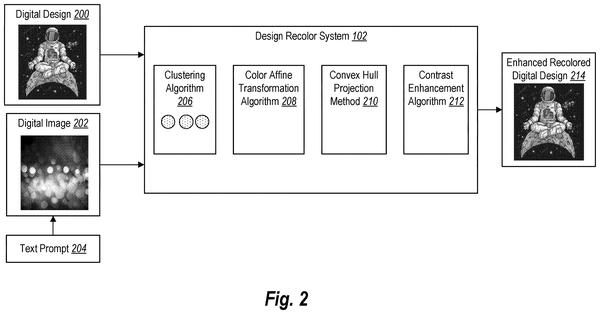
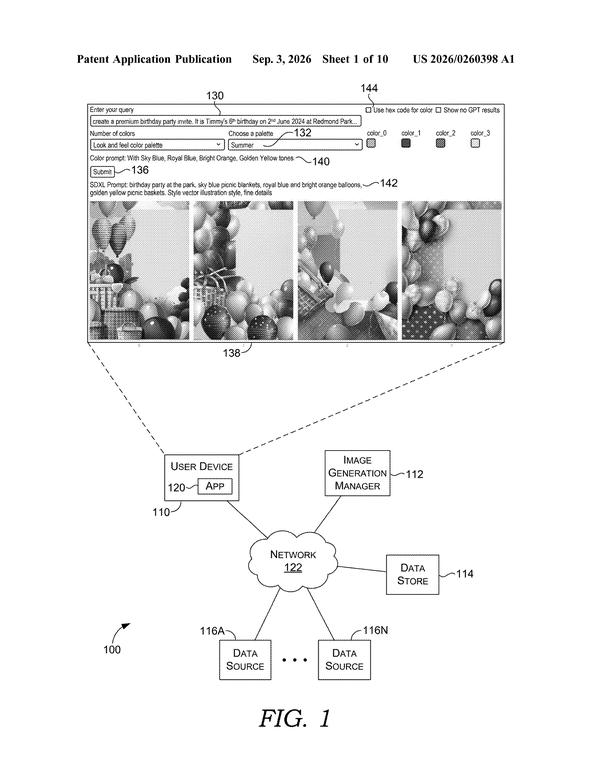
Applying text prompts to redesign entire color palettes at once cuts out the manual per-element recoloring step that currently dominates design iteration workflows.
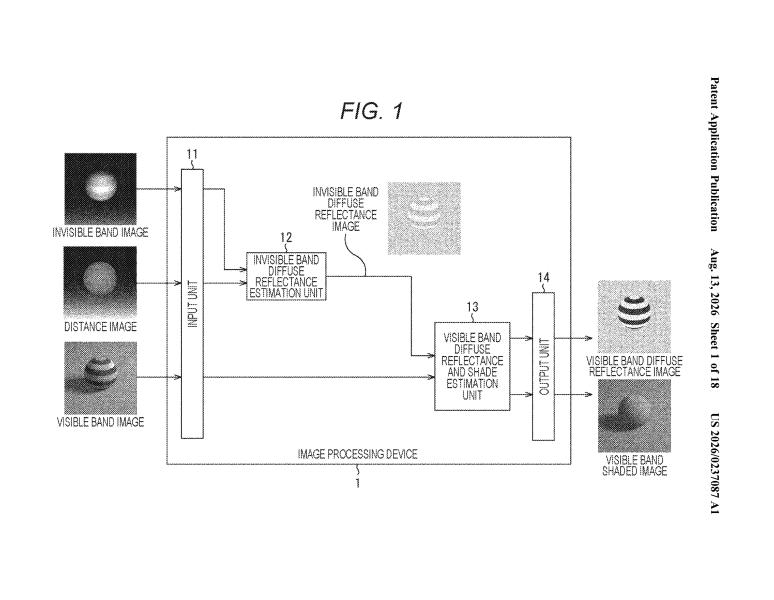
Shadow and highlight recovery in dim or backlit scenes requires data the visible spectrum alone can't capture. Sony's approach fuses infrared wavelengths recorded alongside standard photos to recover detail the camera physically missed.
Adapting color palettes to different light sources currently requires manual adjustment across every element. Adobe's filing automates that translation, letting designers shift from one lighting condition to another without rebuilding the palette by hand.
Camera hardware limits how much detail phones can store from high-contrast shots. Google's compression method routes extra color and brightness data around those constraints, keeping what older chips would normally discard.
Users get stylized photos without manual filter selection, the camera reads what's in the frame and applies treatment automatically. This extends the race beyond guided edits and recoloring into content-aware style application triggered by scene recognition.
Google and Nvidia focus on text-guided edits; Samsung's approach uses AI to isolate and enhance specific subjects without user prompts, pushing toward fully automatic subject detection.
Smoother playback on devices means recovering detail lost to compression at the decoder stage using AI rather than standard algorithms, extending Apple's push into neural reconstruction across media formats.
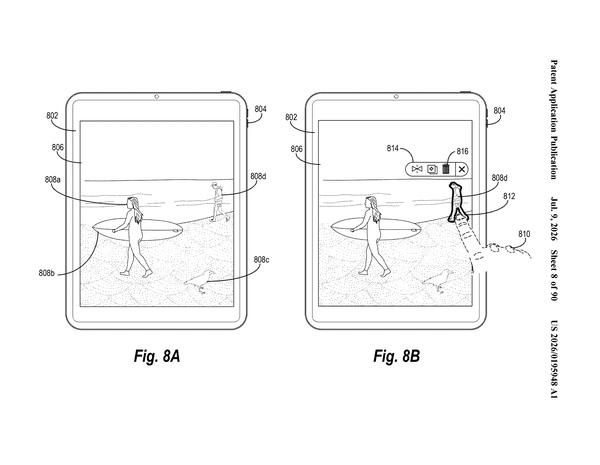
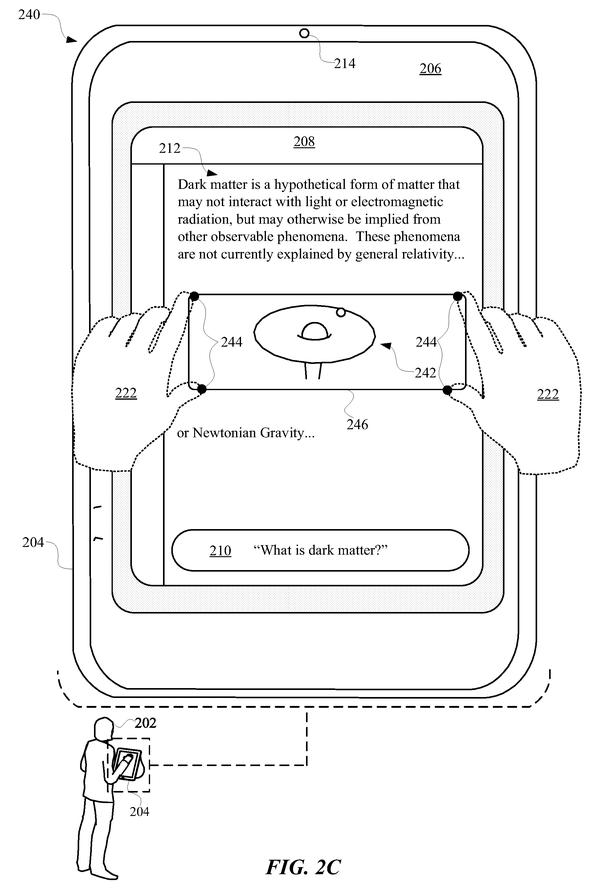
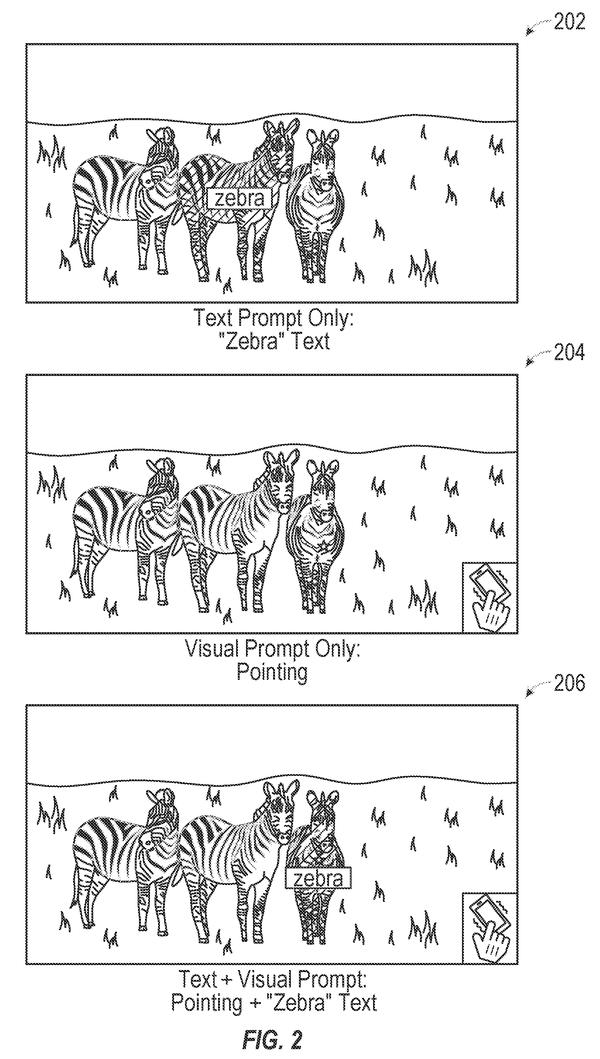
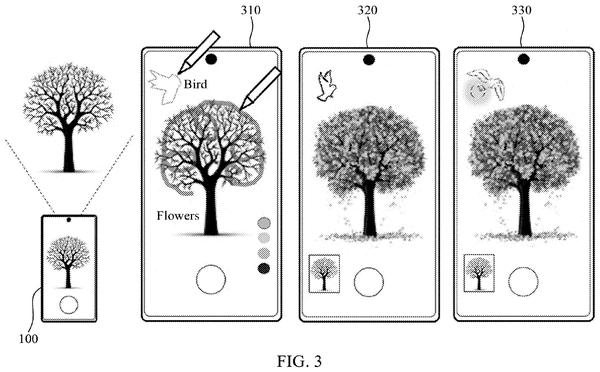
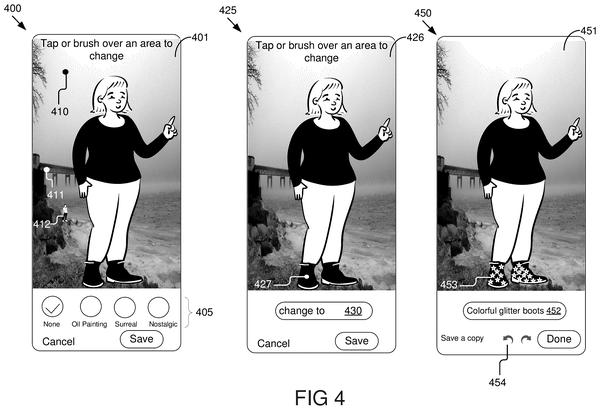
Within the tracker's focus on text-guided edits, this filing shifts toward direct manipulation: users gesture over regions instead of rewriting prompts, moving AI photo editing closer to traditional brush-based tools.
Color matching in generated images requires multiple constraints layered together. Microsoft's approach uses three simultaneous controls to keep AI output within brand-specific color ranges rather than guessing from text alone.
Parallel reconstruction with degradation mapping lets users adjust sharpening intensity before final output, addressing the compression and blur artifacts that plague zoom-in workflows.
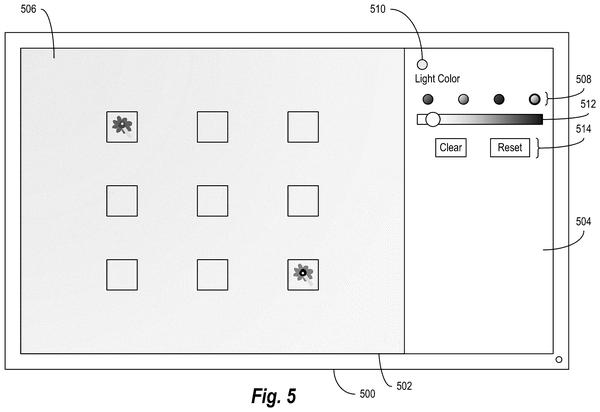
Users won't need to write prompts from scratch, since the system auto-detects subjects and suggests preset edits. This fills a gap in the race where competitors still rely on typed commands.
Per-frame compression tuning shifts from fixed settings to adaptive bitrate allocation. Nvidia's approach feeds encoder decisions back into a learning loop, letting the system preserve detail during motion while cutting waste in static scenes.
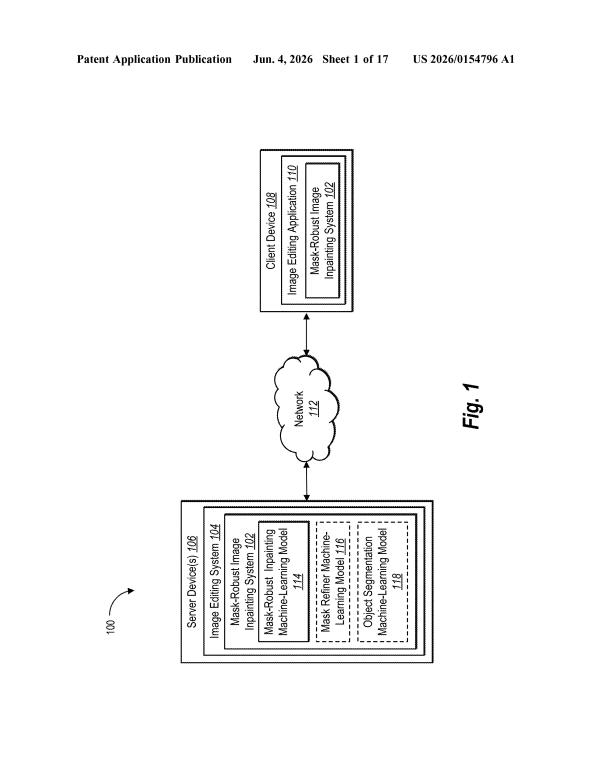
Inpainting artifacts at edit boundaries require a separate refinement pass. Adobe's filing describes a dedicated cleanup model that runs after primary removal to smooth color and texture mismatches where filled areas meet original pixels.
Users could recolor marble veins separately from the base surface in one click, splitting material selections by natural pattern hierarchy instead of forcing a choice between whole-surface and manual brushing.
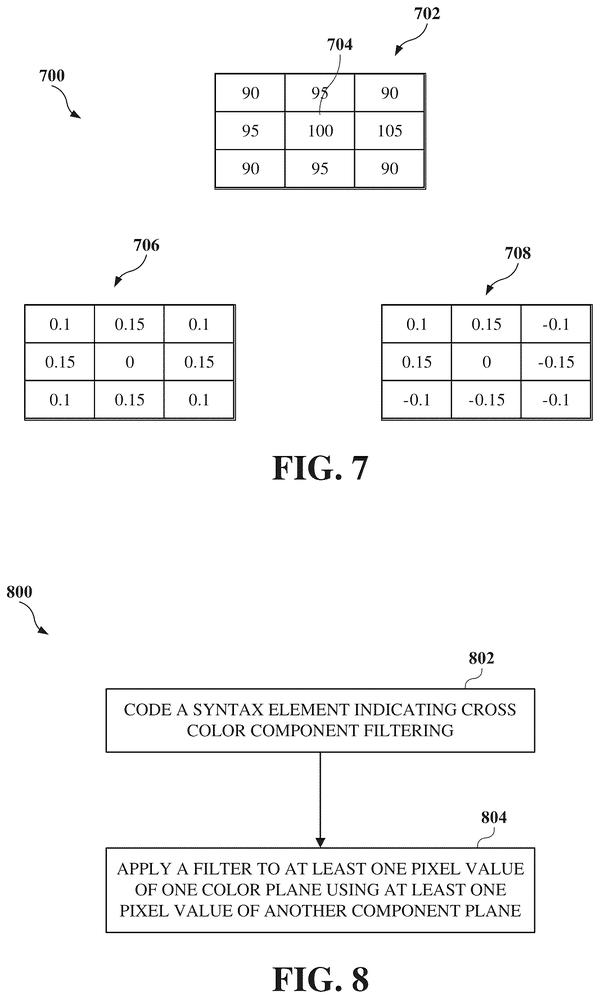
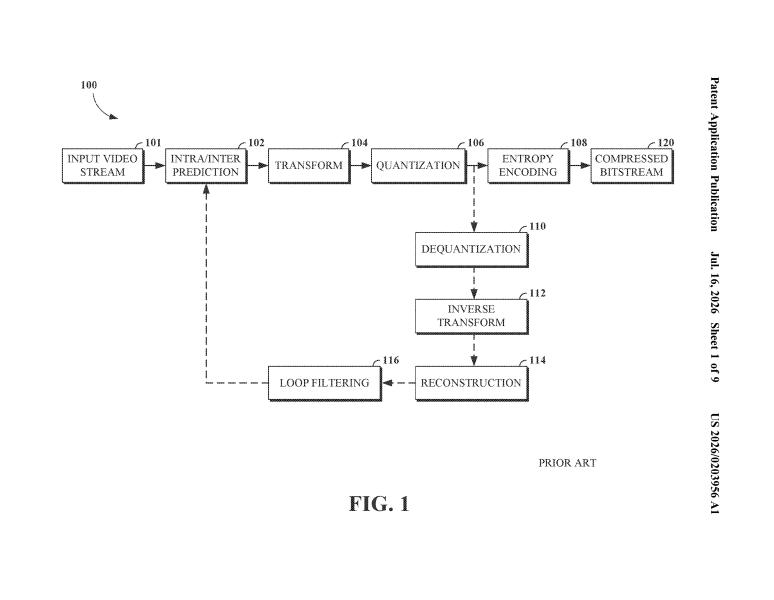
Video compression relies on predicting missing blocks between frames. Google's filing shows how selecting between motion-based and image-based predictions per block could improve decoder accuracy.
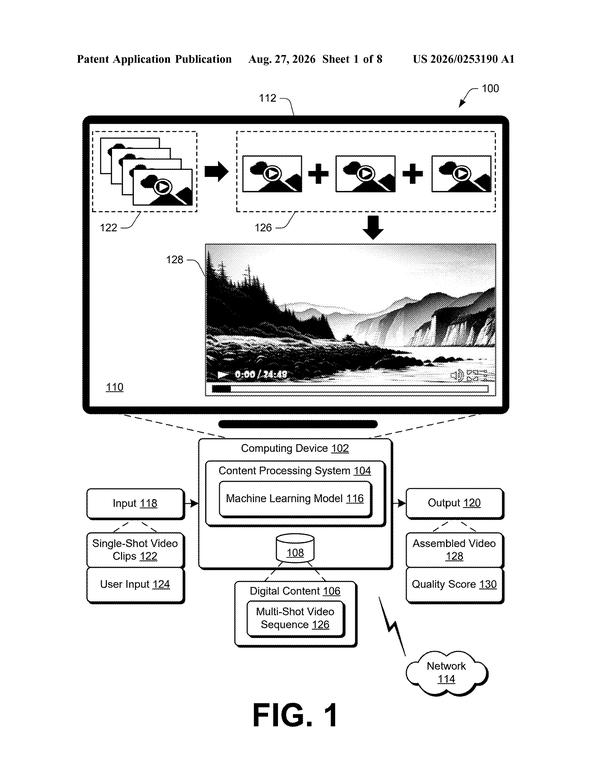
Measuring edit flow quality in real time. Adobe's system scores pacing and continuity across clips before human review, cutting iteration cycles in post-production work.
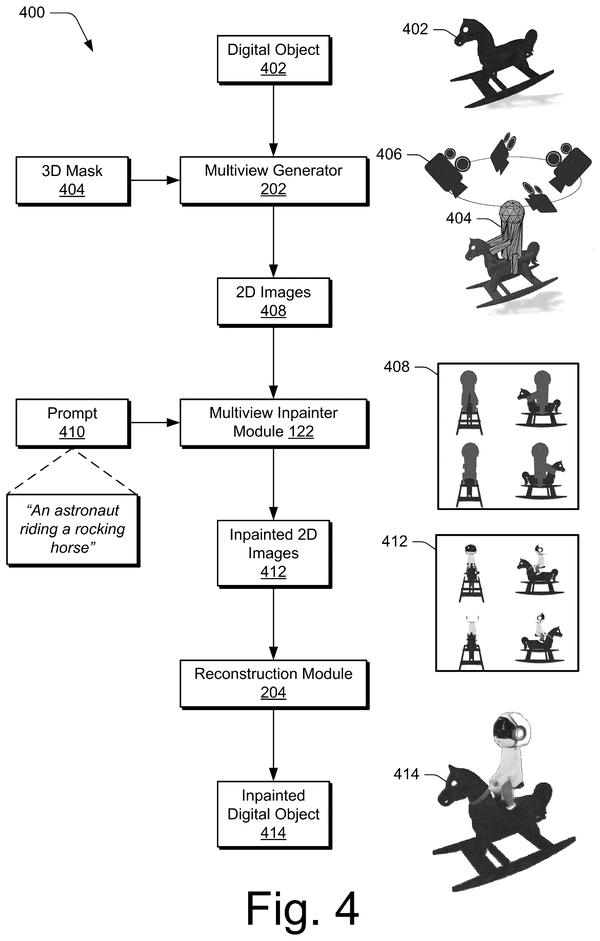
Filling 3D geometry gaps without manual sculpting moves photo editing into model manipulation. Text-guided replacement of object parts extends the guided-edit pattern beyond 2D surfaces into spatial structures.
Users could compose group shots in real time rather than fix framing after the fact. The patent extends the tracker's coverage of real-time guidance tools, joining Google's earlier work on spatial layout assistance during capture.
Artifact suppression during frame merge: Qualcomm embeds defect detection into the burst-capture pipeline, catching glitches before multi-shot stacking rather than correcting them after.
Users could explore video footage in 3D without manual camera tracking or scene reconstruction. Sony's approach learns lighting behavior per-point to rebuild navigable space from handheld shots.
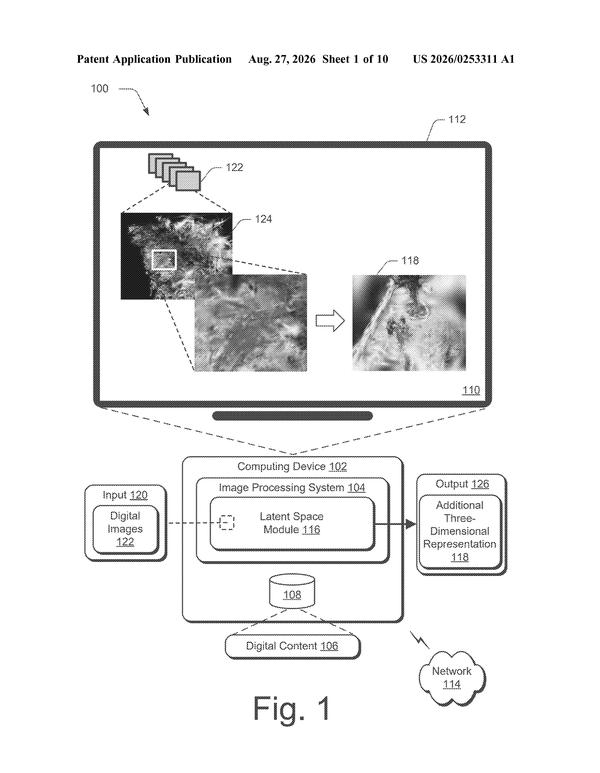
Storing full 3D scenes demands massive memory and slows interactive editing. Adobe's compression method uses AI to encode complex spatial data into compact form, then reconstructs it on demand, potentially enabling real-time manipulation of dense 3D content.
Selective color enhancement by attention mapping shifts the race from global image treatment to region-specific tuning. The filing confirms hardware makers are moving enhancement decisions to the camera processor itself rather than post-capture software.
Users could generate video directly rather than stitching frames together, since the system refines temporal consistency across passes instead of solving each frame independently. Extends Google's diffusion work from stills into motion.
The race so far has focused on guiding edits through text or spatial selection alone. Qualcomm now combines both input types simultaneously, letting users refine object isolation in video by pairing descriptions with spatial markers.
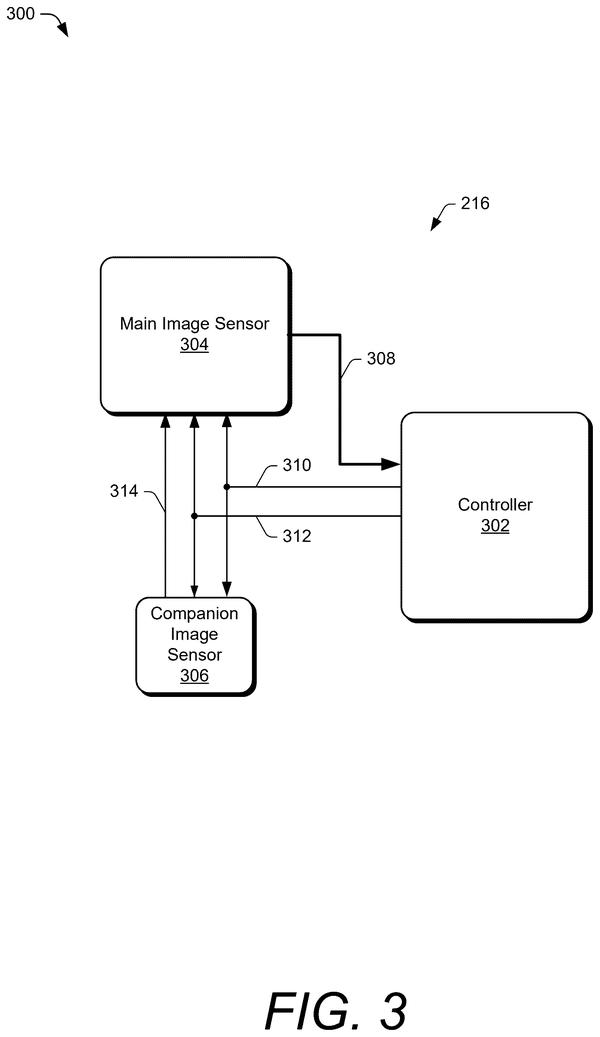
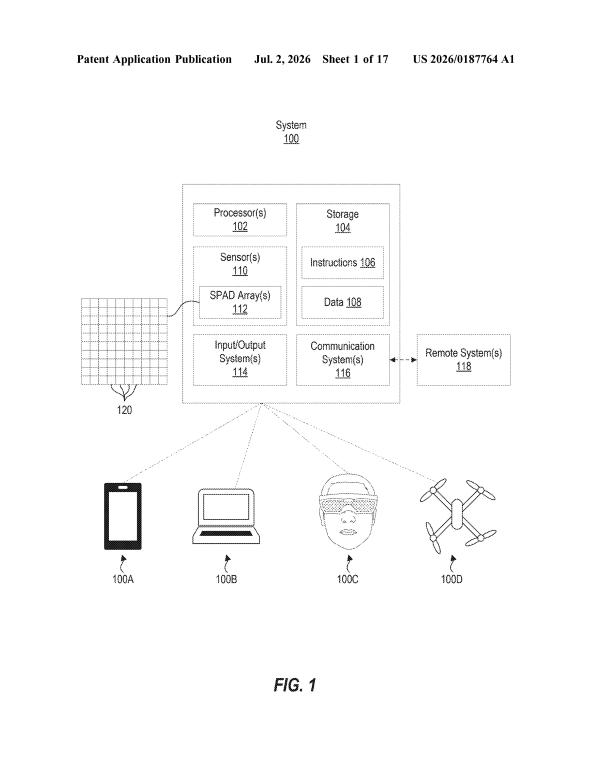
Splitting motion detection from image capture onto separate sensors lets the system skip sharpening static areas, which matters for video where most frames are wasted pixels anyway.
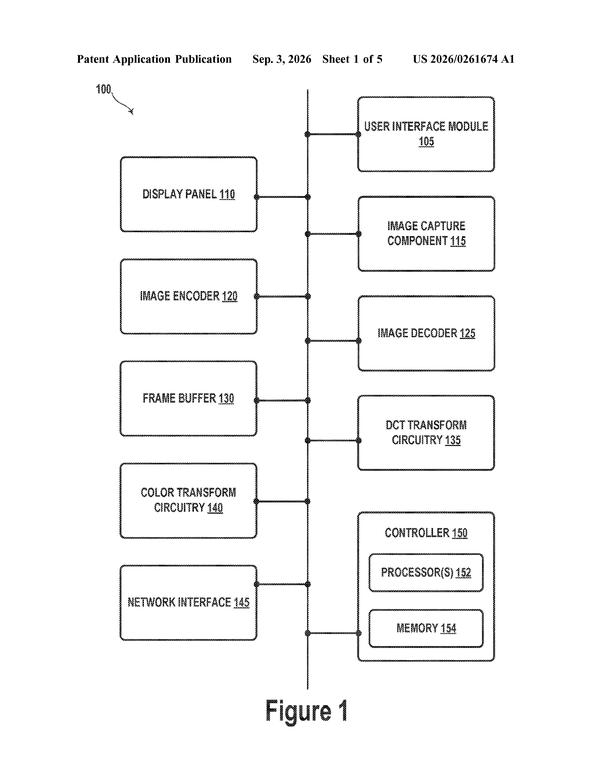
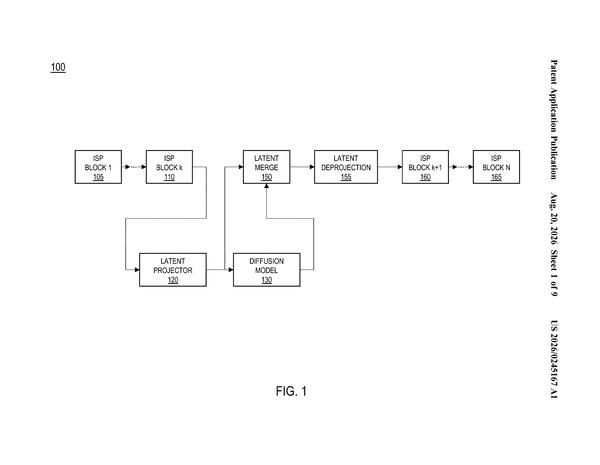
Compact neural networks embedded in the image signal processor itself let AI synthesis happen alongside sensor cleanup rather than after it, collapsing the pipeline delay that normally forces cloud offload or queuing.
Sony is patenting a way to bottle a film director's visual signature, so that new scripts can be shot, automatically, in the style of Kubrick, Kurosawa, or whoever you pick.
The tracker so far shows Google and Nvidia pushing toward per-region control. This filing moves upstream: it's about giving the AI exact spatial data so it can synthesize unseen angles from sparse input photos.
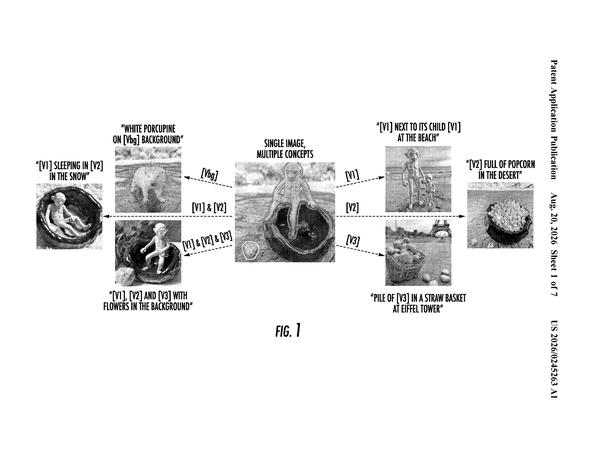
Breaking a photo into separate learned tokens for each object lets editors isolate and manipulate individual visual elements instead of treating the whole scene as one unit, moving the race beyond full-image operations.
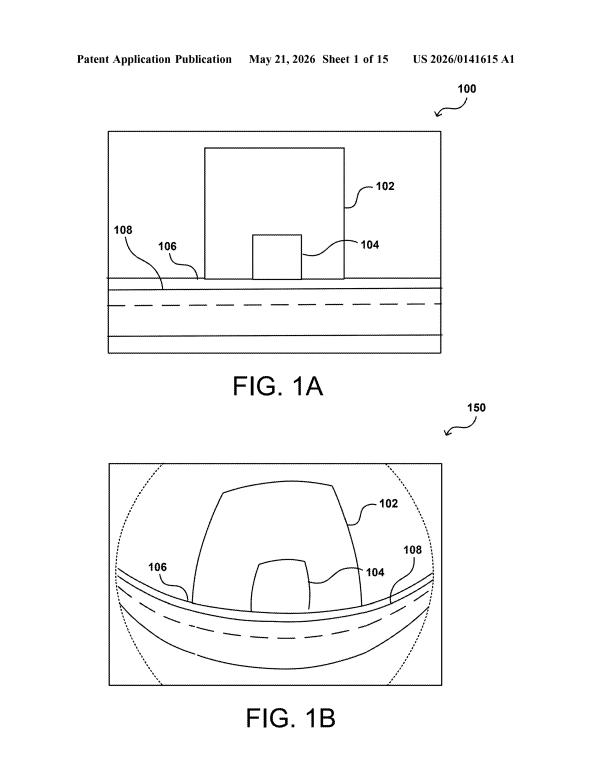
Lens distortion correction in the timeline has moved from optical fixes applied at capture time to post-shot AI redrawing that lets users pick their target focal length after seeing the result, shifting the problem from hardware constraint to software choice.
Sony is patenting a way for a game to look at a photo you upload and automatically decide how an in-game object should appear, skipping the manual sliders entirely.
Users could skip manual white balance correction entirely if the software learns what neutral should look like for skin tones, clothing, or other known objects in the frame, moving beyond the pixel-averaging approach that plagues mixed-lighting scenes.
Solving flicker across frames expands the tracker's coverage from still-image edits into real-time video lighting correction, a harder constraint than per-frame processing.
Boundary frames between video chunks tend to drift in color and lighting when AI processes segments separately. Adobe's approach locks those junction points to shared parameters so adjacent chunks render with visual continuity.
Extracting intrinsic color from cast shadows lets editors relight photos without recoloring the actual surface. This fills the gap between global adjustments and per-region edits by working at the optical physics layer.
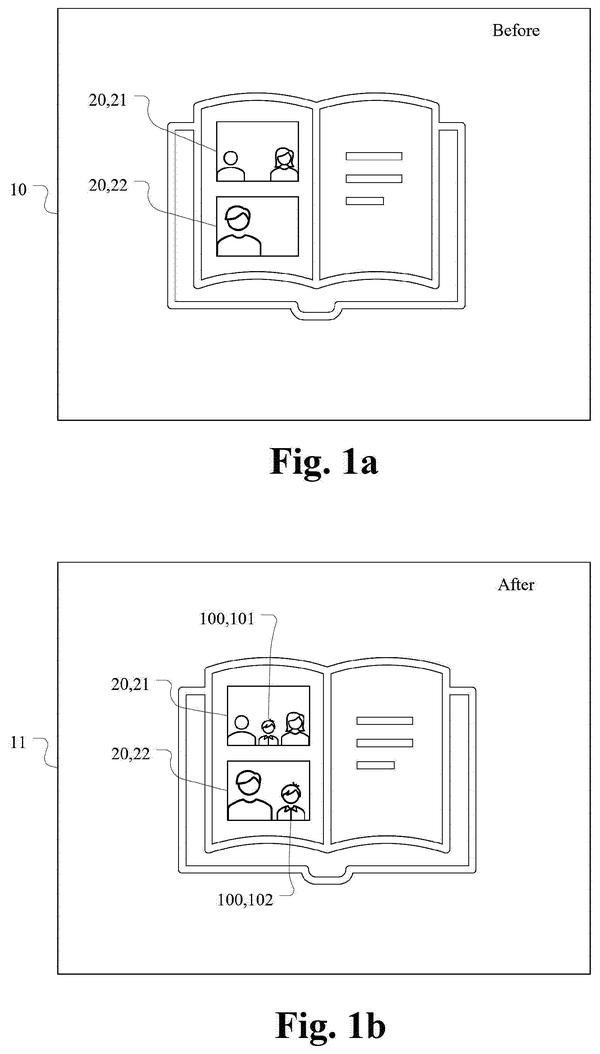
Users could compose photos by sketching directly into the live preview, letting the camera generate missing elements where they draw. This shifts the editing workflow from post-production touchups to real-time scene composition.
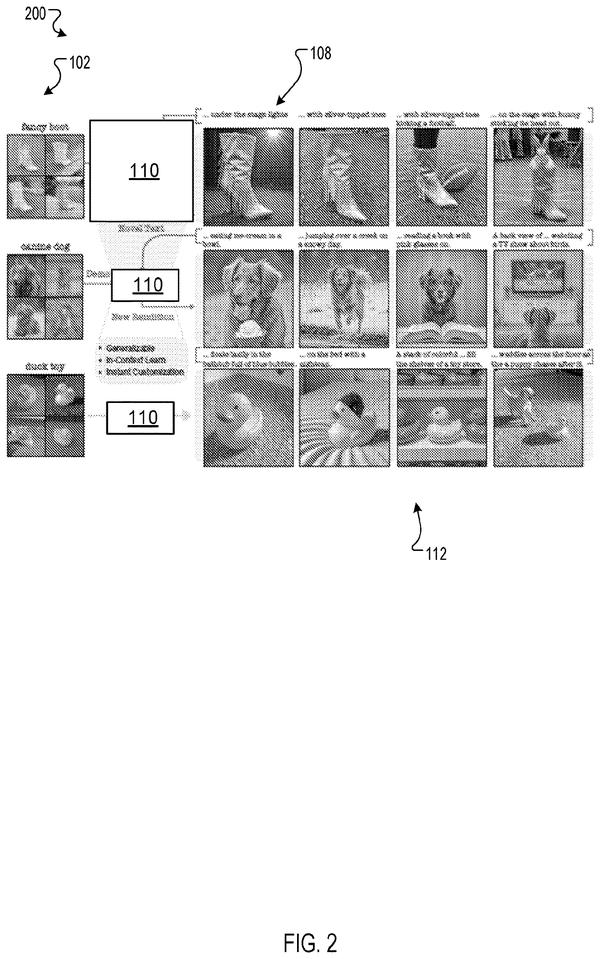
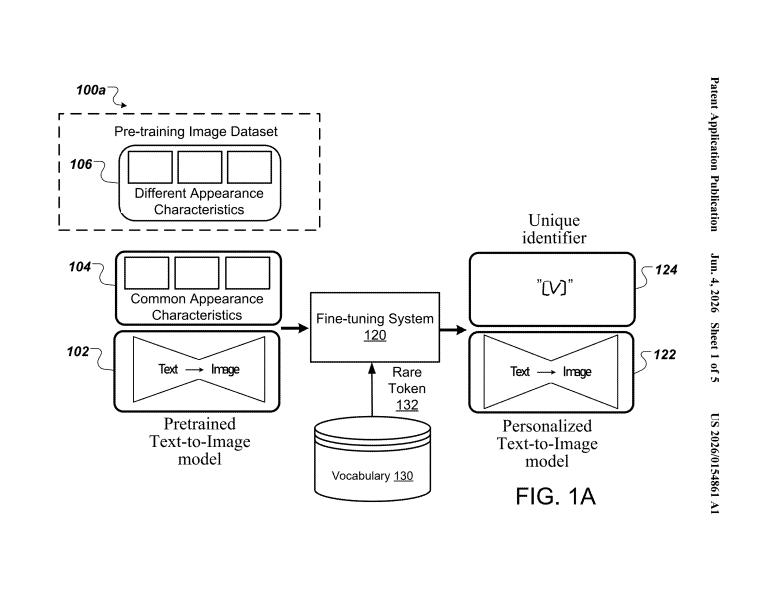
Personalizing edits from minimal reference shots lets AI recompose subjects into new scenes without requiring massive training datasets per user, narrowing the gap between generic photo tools and custom output.
Selecting the right granularity of an object costs repeated clicks in current editors. Adobe's system generates hierarchical selections at once, letting users pick their desired scope from a single interaction without re-selecting.
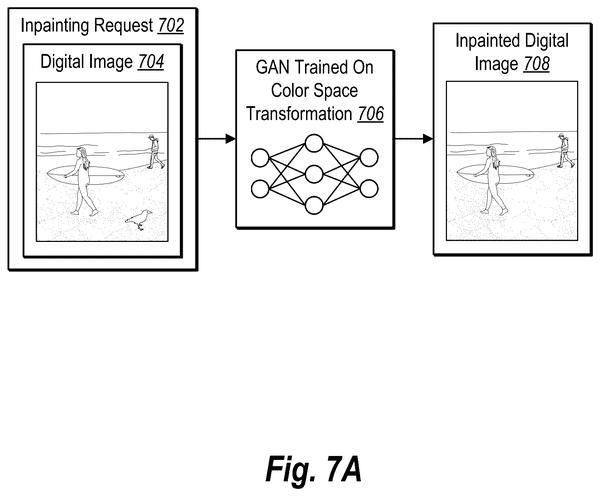
Color consistency in AI-generated fill regions stays prone to subtle mismatches. Adobe's dual color-space validation during training catches errors that single-pass evaluation misses.
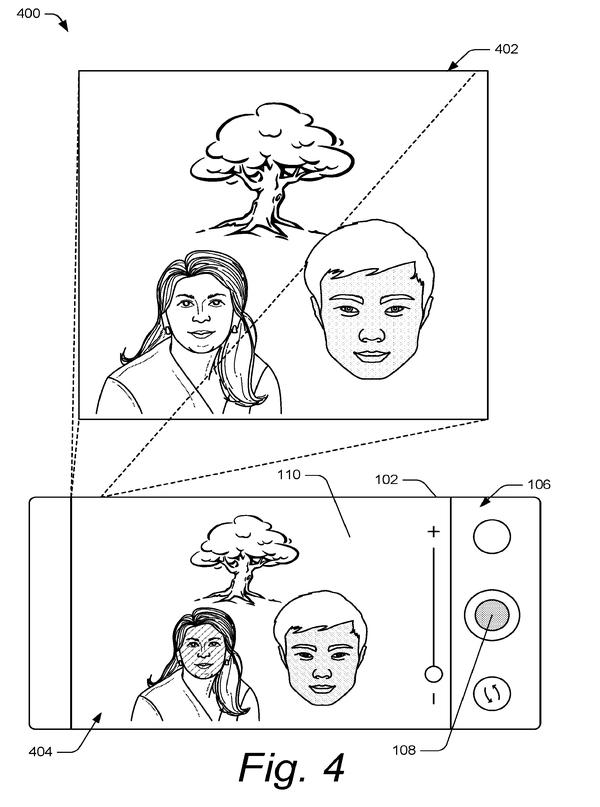
Users could get sharp subjects with blurred backgrounds without post-processing, since the camera chip itself would render foreground and background at mismatched resolutions and merge them before saving.
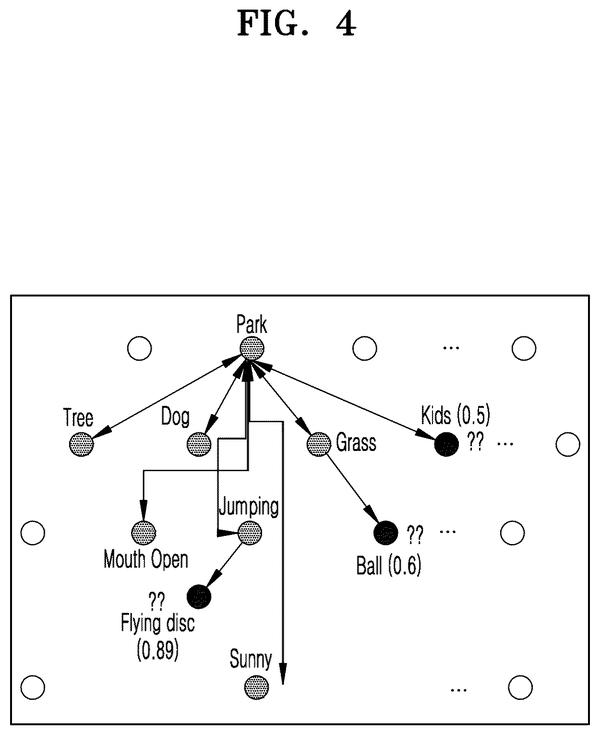
A generative model trained to infer absent objects from scene context rather than user prompts pushes the editing race toward fully automated completion, moving past text-guided tools toward systems that recognize what a scene should contain.
The tracker has focused on post-capture adjustments and guided edits. Qualcomm's filing shifts upstream by segmenting objects during the capture stage itself, letting the camera meter each element independently before any blending occurs.
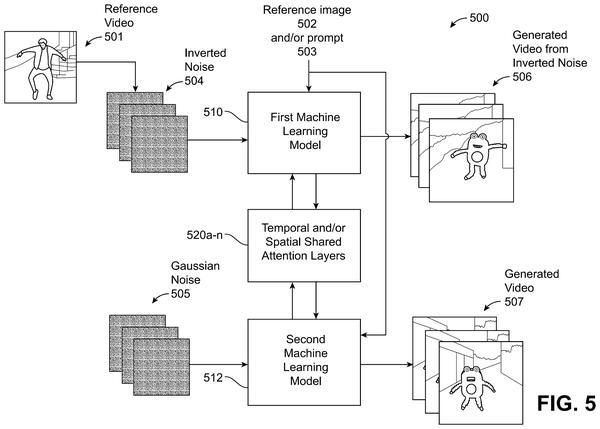
Motion transfer between unrelated subjects extends the editing race beyond appearance changes into movement synthesis, letting users impose choreography or gesture patterns without frame-by-frame animation.
The tracker so far maps which editing operations get automated; this filing shows the selection process itself becoming algorithmic, letting software pick the right reconstruction method before committing compute resources.
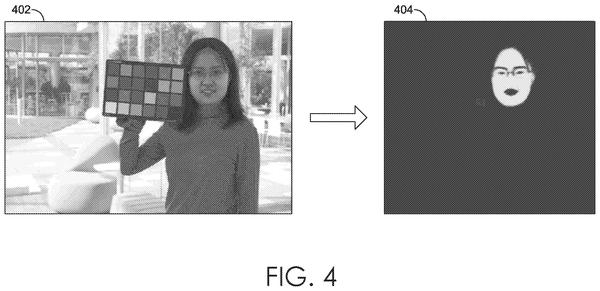
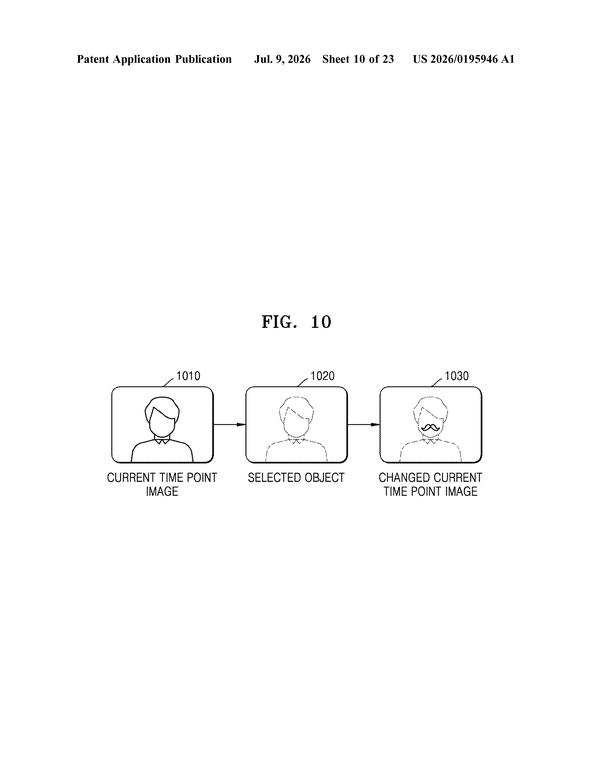
The tracker's focus on regional edits finds confirmation here: Google is building explicit face-preservation zones into its editing pipeline, treating facial regions as protected areas while allowing free modification elsewhere in the frame.
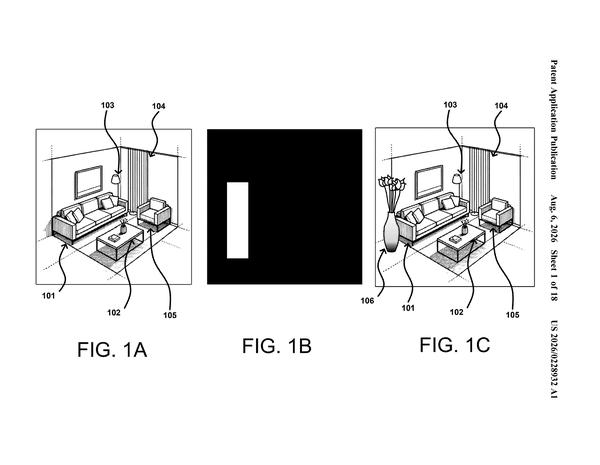
The race so far has focused on editing existing photo content; this filing moves upstream to object insertion, automating where new elements land rather than requiring manual placement work.
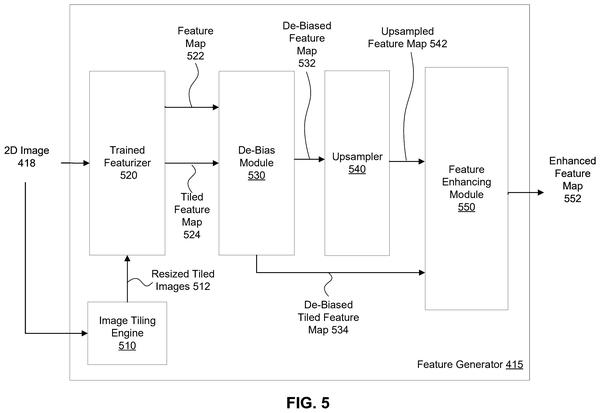
Reconstructing detail from compressed feature maps during inference sidesteps the blurriness that standard upscaling introduces when vision systems need to work with shrunk representations.
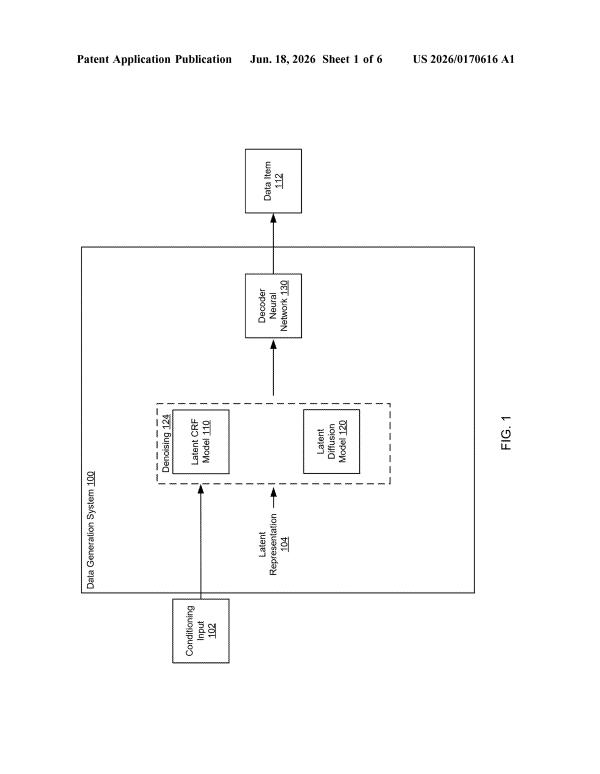
Nvidia trains generators to sharpen output by applying refinement in a secondary pass, steering models away from the statistical averaging that produces soft features in early generation stages.
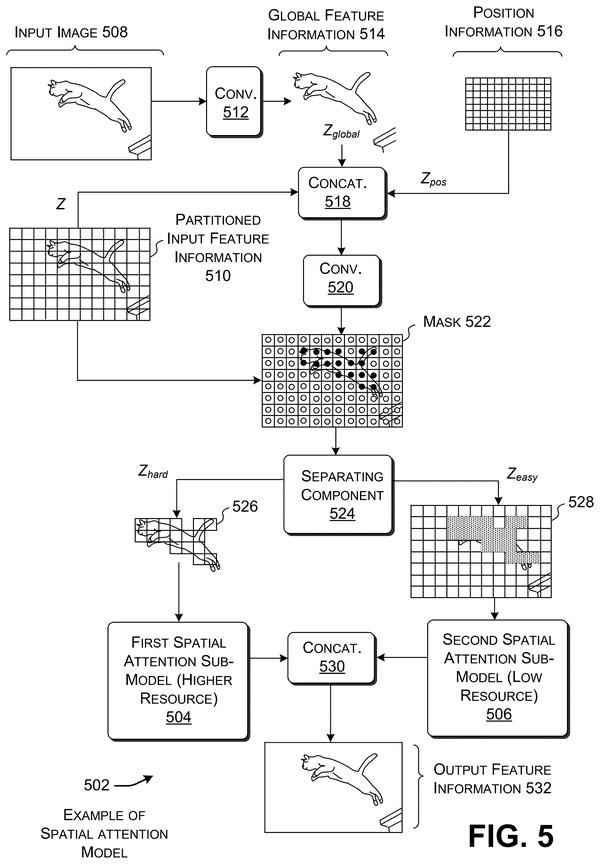
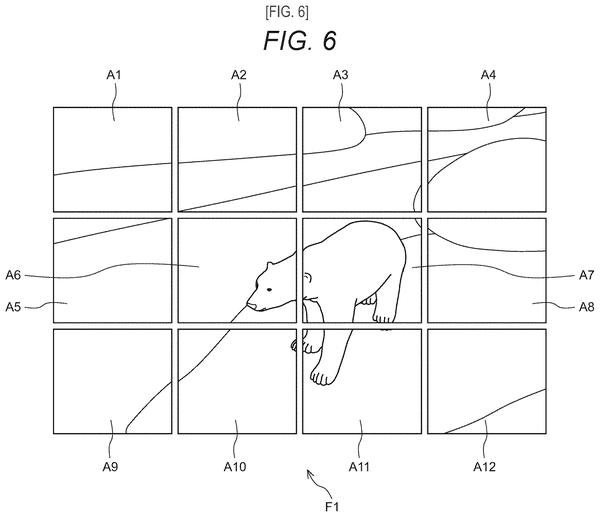
Dual-level region analysis sharpens object boundary detection, a core bottleneck when users need clean selections in camera editing workflows where background separation determines final image quality.
The race so far has focused on editing existing pixels. This filing moves into synthetic insertion, automating the geometry and lighting work that currently demands manual adjustment to avoid visible compositing.
Splitting noise removal from detail recovery lets the pipeline restore texture in low-light shots without amplifying grain, shifting the phone's post-processing toward selective refinement rather than blanket smoothing.
The race includes live compositing: Sony's method isolates screen content during recording so broadcast graphics and talent stay on separate layers, skipping the rotoscoping work that usually follows.
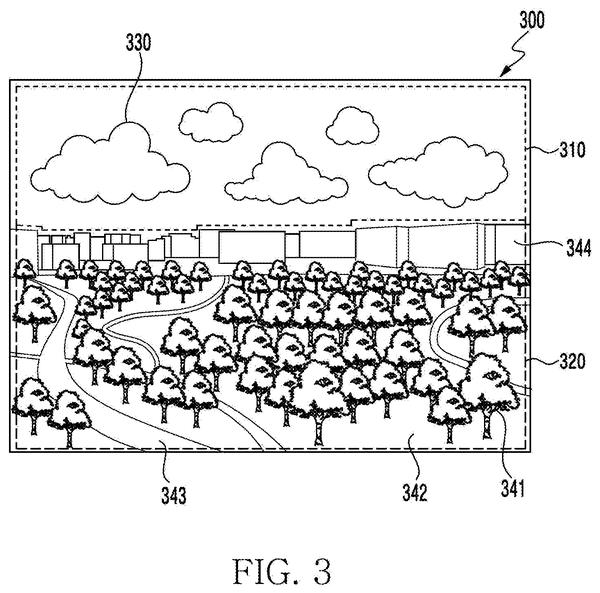
The per-region edits strand gains a key mechanism: semantic segmentation that sorts pixels by content type before applying distinct filter chains, solving the washed-out face problem.
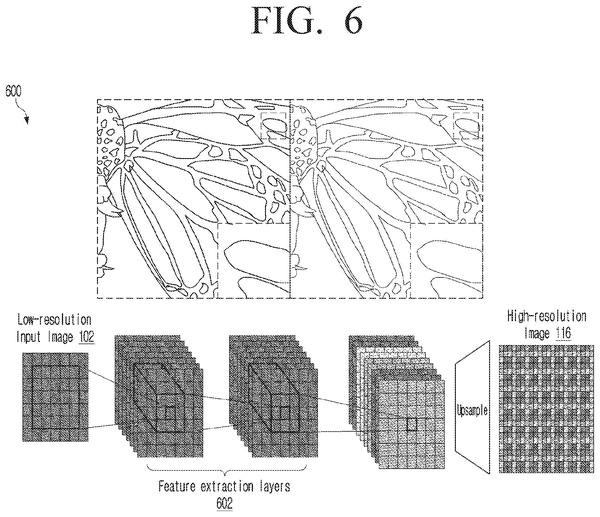
Reconstructing detail from low-resolution input by first mapping the blur structure itself rather than guessing at missing pixels. Extends the tracker's compression and zoom preview coverage into satellite and remote imaging where pixel recovery matters most.
Auto-extracted keywords let users skip typing prompts, reducing friction in the text-guided editing workflow that other players require. Confirms the race is moving toward lower-barrier interfaces for AI recoloring and scene swaps.
Reconstructing 3D geometry from multi-angle shots lets editors reposition light sources in post rather than reshooting or manually correcting each frame, a shift from 2D per-image fixes toward object-space relighting.
The race so far has focused on what edits change, color, compression, region masks. This filing adds depth sensing to make those edits physically plausible across foreground and background layers.
Storing a reference face model lets the system correct white balance drift by comparing live skin tones to known baseline, sidestepping the camera's general-purpose light guessing that fails under mixed lighting.
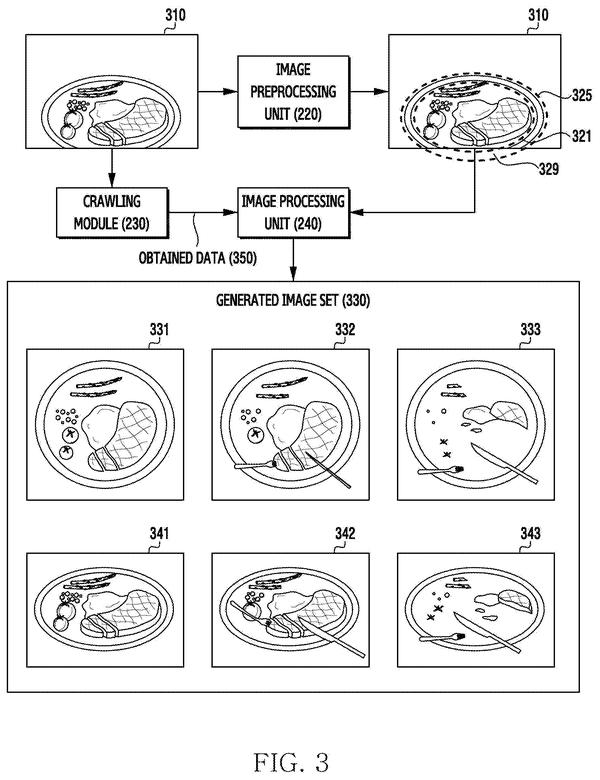
The timeline has tracked text-guided edits and per-object changes; Samsung's filing adds temporal state shifts, aging or freshening a single object backward or forward in time without reshaping the photo around it.
The race's white balance problem gets regional: Sony's filing shows how to handle mixed lighting in a single frame instead of picking one source globally.
The race so far has focused on what AI does after seeing a full image. This filing reveals how Samsung trains the model itself, using masked tiles to force deeper visual reasoning rather than surface pattern matching.
Adaptive bitrate assignment during encoding lets compression parameters shift frame-by-frame based on motion and scene content rather than applying uniform settings across an entire video, improving efficiency for mixed-pacing clips.
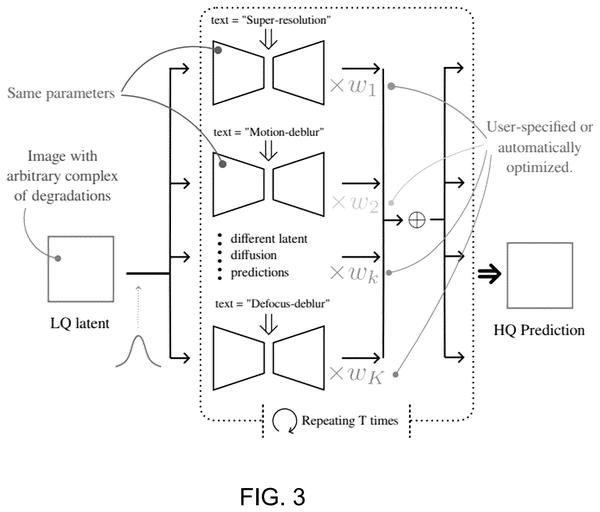
The tracker has focused on guided edits and regional control; this filing extends into automated multi-defect repair, showing Google moving from user-directed fixes toward systems that identify and correct several problems without manual problem specification.
The race so far has focused on what to change in a photo or video. Samsung's filing introduces a prior question: whether a visible flaw is actually a flaw. The system distinguishes intentional tilts from accidental ones before attempting correction.
The race to move beyond one-size-fits-all edits now includes region-specific enhancements. Samsung's system identifies sky and face separately to apply tuned contrast and color to each, solving the sunset-photo tradeoff.
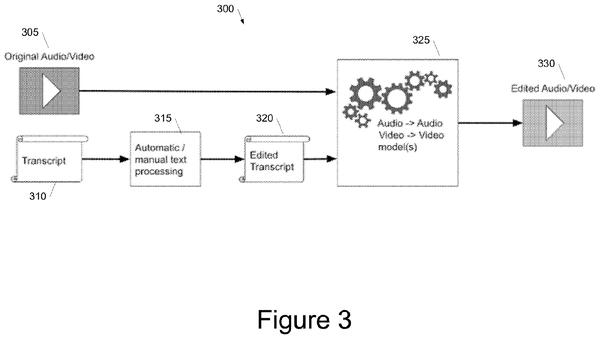
Syncing transcript edits back to raw media files lets users reshape audio and video from the text layer instead of the timeline, shifting the editing surface from waveform manipulation to document-style word deletion.
Separating brightness correction from color grading during multi-shot merging lets Samsung preserve natural tones where exposures overlap, a key step toward seamless HDR and panorama output that won't need manual fixes.
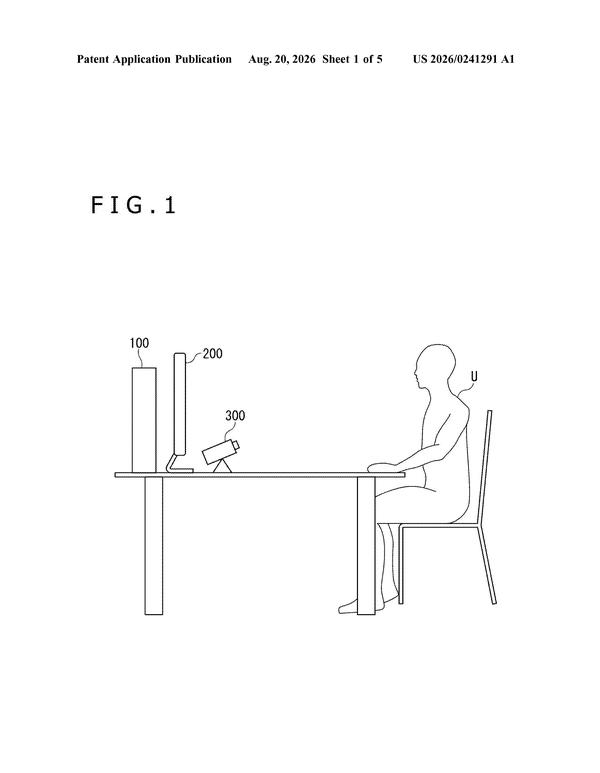
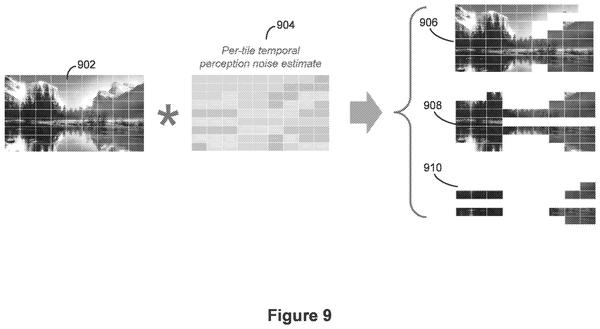
Selective noise filtering based on human visual perception lets the system prioritize smooth faces and subjects over peripheral areas, reducing computational load while maintaining perceived image quality in camera processing.
Users could watch stretched or gap-filled video without the blurring and stuttering that plague current frame-insertion tools, shifting the burden from post-production timing choices to predictive motion modeling.
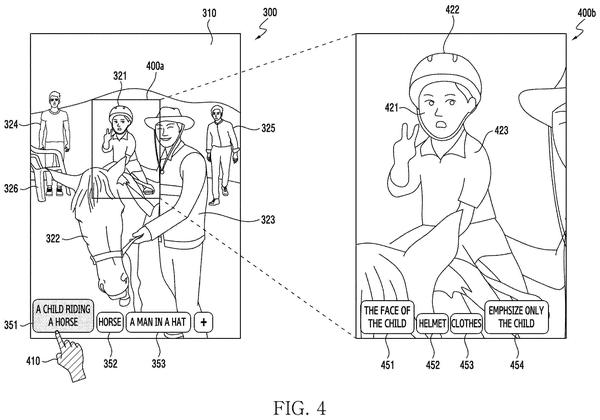
Users won't need to describe what they want changed; the system scans the image itself and offers preset alternatives for each detected element, speeding up the edit-select workflow that text-guided approaches require.
Merging multiple exposures into one frame requires separate AI models for highlights and shadows, a two-stage approach that avoids forcing a single model to balance conflicting exposure demands.
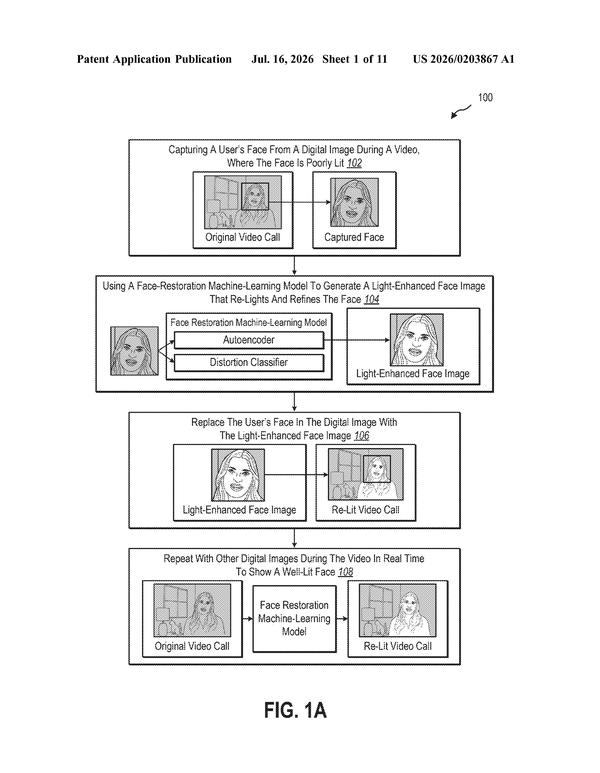
Poor facial visibility in dim environments blocks smooth video calls. Microsoft's filing describes real-time relighting that reconstructs underlit faces without hardware fixes or manual repositioning.
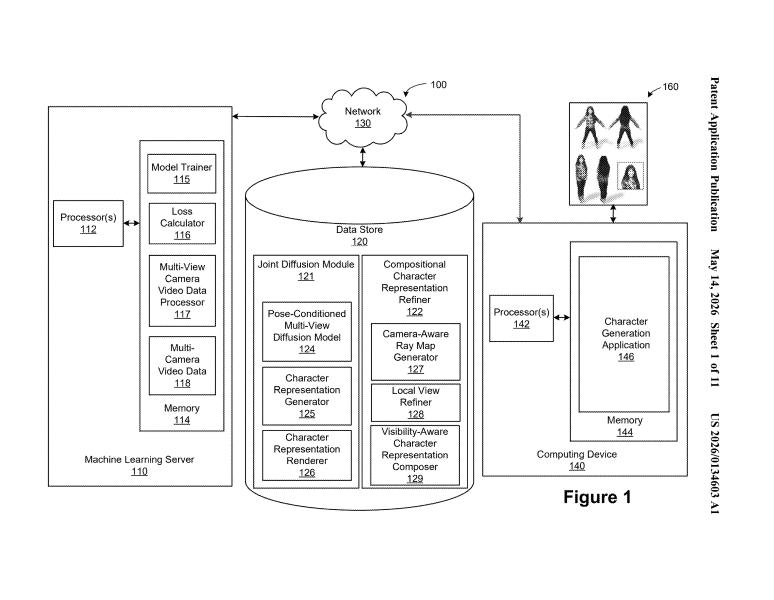
Reconstructing stable 3D scenes from video requires filtering transient objects like pedestrians and cars during model training, a step Google's method automates rather than leaving to manual cleanup afterward.
Users won't have to manually dial in edit intensity for each step, the system learns when to apply instructions heavily versus lightly across different image regions, reducing over-processing and artifact creep that text-guided edits typically suffer from.
Semantic photo reconstruction from natural language lets editors skip manual masking and regeneration workflows by describing desired changes in plain text.
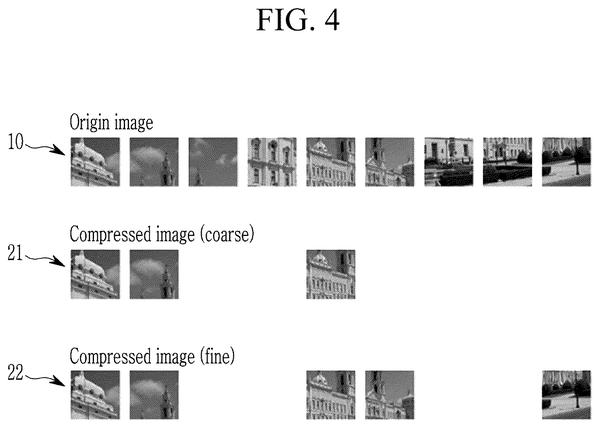
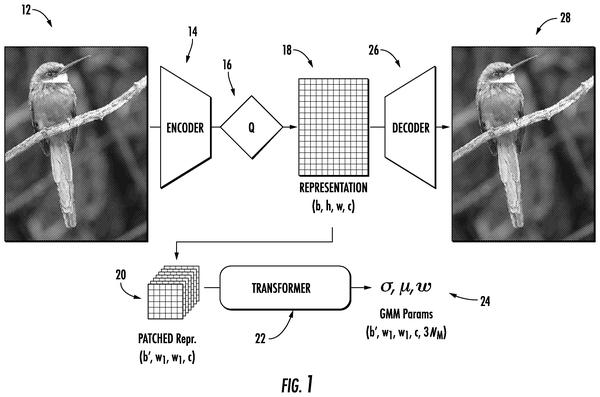
Compression artifacts need selective recovery. Google's filing lets a single compressed file generate multiple detail levels on decode, pushing the recreation work to the viewing device rather than baking in one quality choice at compression time.
Adaptive training on source footage itself rather than fixed datasets lets the upscaler tune to each video's specific noise patterns and content, sharpening results beyond generic models that must work across all input types.
Predicting future lighting and color shifts within a single frame moves beyond static filters into temporal reasoning, extending the tracker's coverage beyond per-region edits into physics-aware scene dynamics.
The timeline so far has focused on single-frame edits and static images. Sony's filing shifts the problem to temporal consistency, where frame-to-frame coherence matters more than individual frame quality in video and games.
The confidence-based white balance system extends the race beyond binary correction into graduated adjustments, letting the camera pull back when lighting conditions resist a clean answer.
Within the race's focus on per-region edits, Adobe's filing confirms the race is moving into spatial reasoning: automatically inferring light direction and shadow geometry to make composited objects blend into their new backgrounds.
The race has focused on guided edits and compression; this filing shows IBM automating the selection and sequencing layer itself, pulling finished videos from raw libraries on command.
Swapping video backgrounds per viewer without re-rendering the foreground object adds a personalization layer to the editing race, moving beyond one-size-fits-all recoloring into dynamic content delivery that preserves the hero product across versions.
Sampling color values from adjacent frames to correct isolated color shifts in animation sequences fills a gap between Samsung's earlier text-guided recoloring work and the broader video consistency problem that Google and Nvidia have been pursuing.
Preserving 3D geometry during generation lets users reposition elements and adjust lighting after the fact, moving AI images closer to the malleable asset status of traditional 3D renders rather than locked photographs.
Separating compression noise from real image detail during streaming, Nvidia's layered detection approach identifies miscolored pixels without blurring edges, a direct fix for the banding and grid patterns that plague low-bandwidth video playback.
Frame-to-frame motion tracking lets the upscaler maintain pixel continuity across fast cuts and pans, addressing the compression artifacts that plague quick camera movements in low-res video.
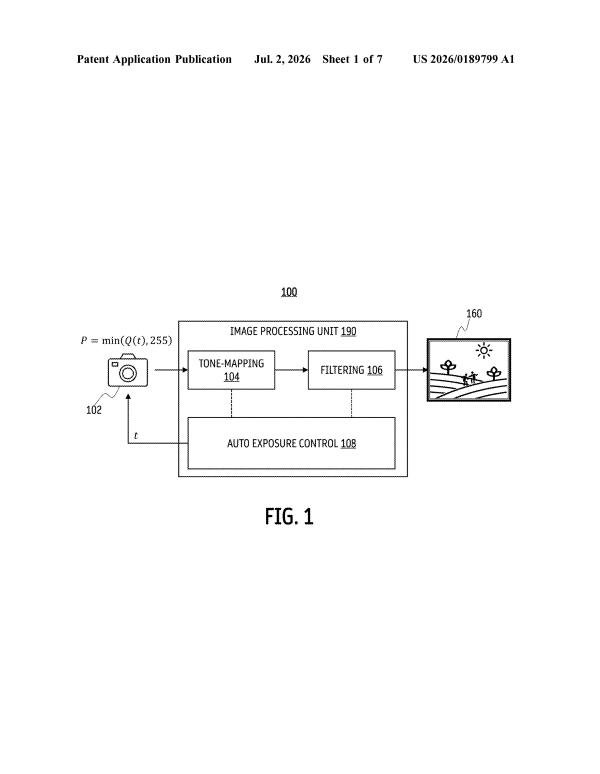
Exposure bracketing during capture lets the camera recover detail across extreme lighting ratios instead of forcing a single-shot compromise, extending the editing race beyond software reconstruction to hardware capture strategy.
The compression and preview category now includes selective sharpening: Intel's approach separates intentional blur from quality loss before applying filters, letting devices sharpen only what needs it rather than degrading soft backgrounds.
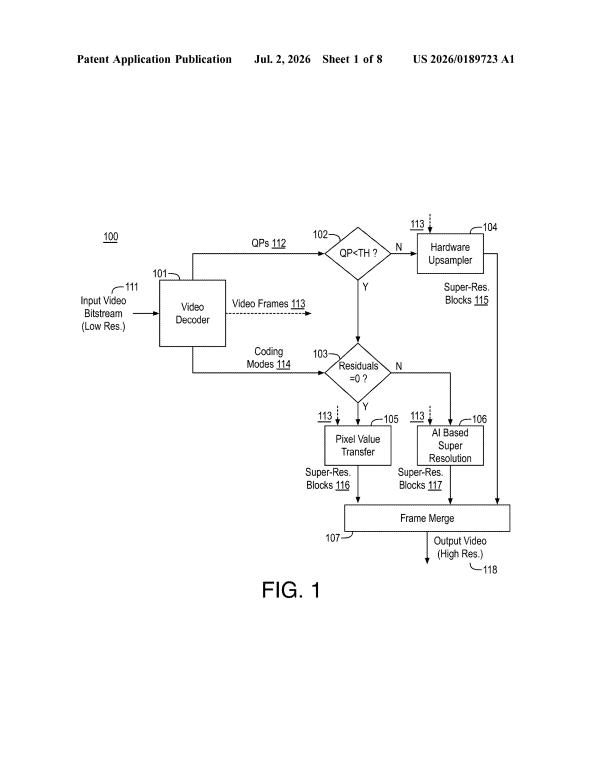
Selective AI upscaling based on codec entropy signals reduces compute waste by skipping frames where compression artifacts are minimal, addressing the efficiency gap between per-frame processing and practical deployment.
The restoration race has focused on uniform processing across images. Samsung's filing suggests a priority-based training method, restoring background areas before subjects, which could give AI models a steadier foundation for reconstructing faces and details.
The noise-reduction race now extends to hardware artifacts. Microsoft's approach learns sensor-specific dark current patterns rather than relying on post-shot filtering, which could let cameras deliver cleaner raw files upstream of editing software.
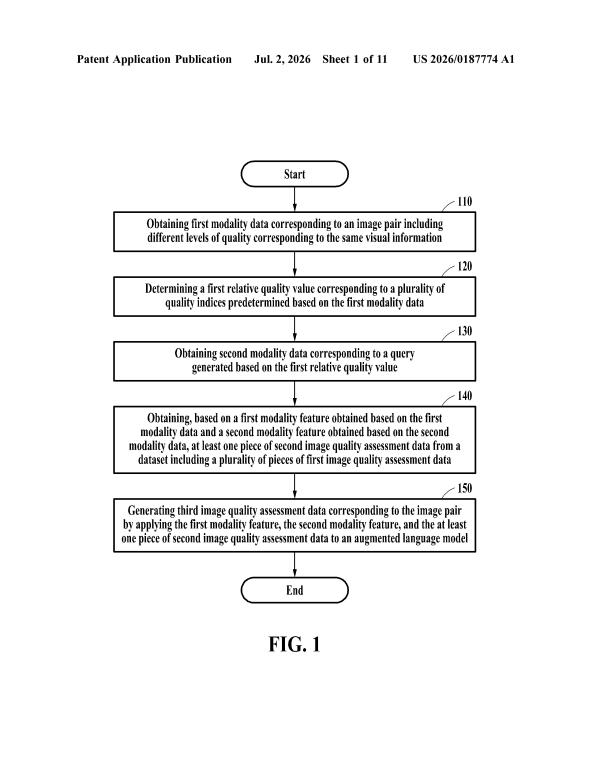
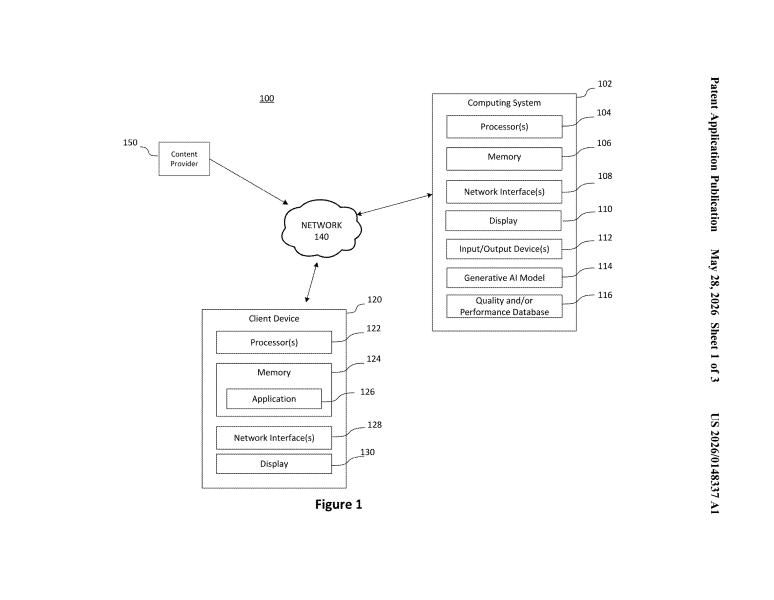
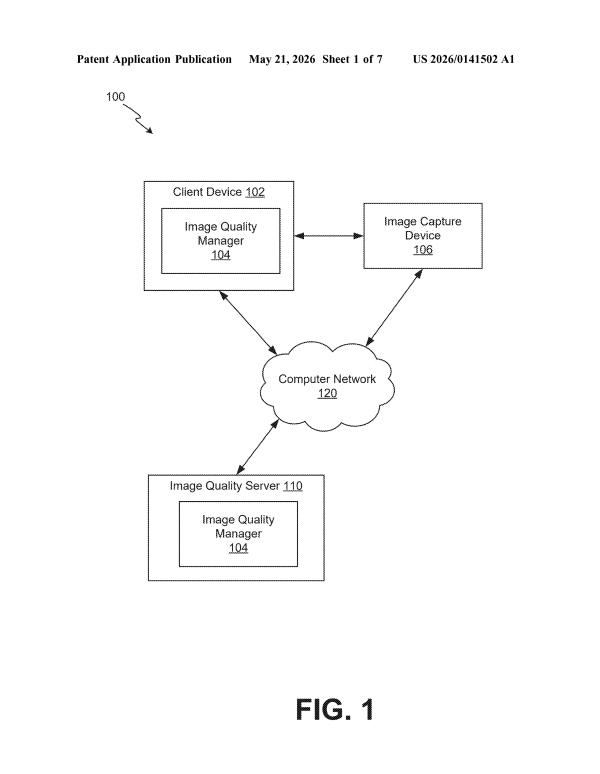
Retrieving similar photos from a database to justify quality comparisons lets the system ground its verdicts in real examples rather than abstract metrics, moving the feedback loop closer to how humans actually evaluate camera output.
Photos with mismatched details across regions, a dog's leg disconnecting from its body, a couch edge that vanishes, would become rare if AI regions could share information during generation instead of working in isolation.
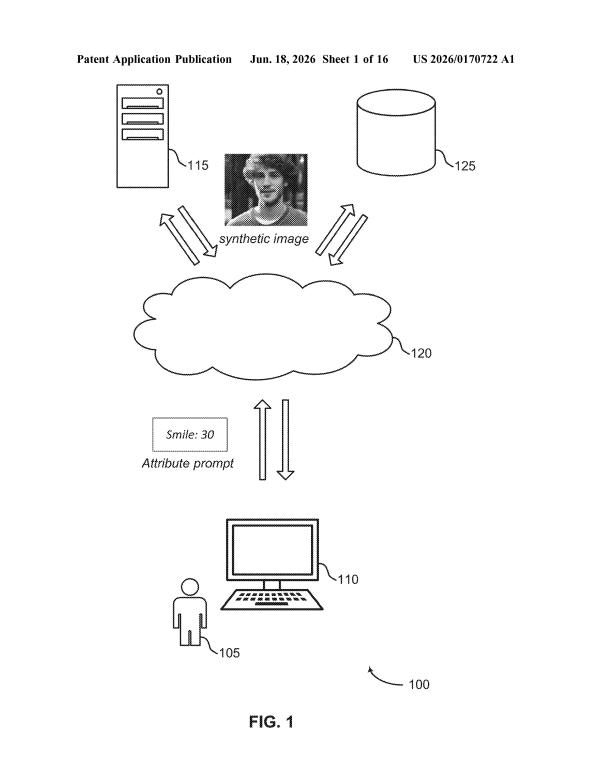
The race so far has focused on rewriting photos after capture, but Adobe's approach lets users preset exact attribute levels before generation happens, shifting control from post-shot prompts to pre-generation dials.
Batch object removal speeds up the core editing workflow by identifying and extracting multiple subjects simultaneously rather than forcing users through repetitive individual selections.
Automating prompt refinement shifts the bottleneck from user skill to machine interpretation, letting Adobe's software bridge the gap between casual description and generator-ready specification without manual editing cycles.
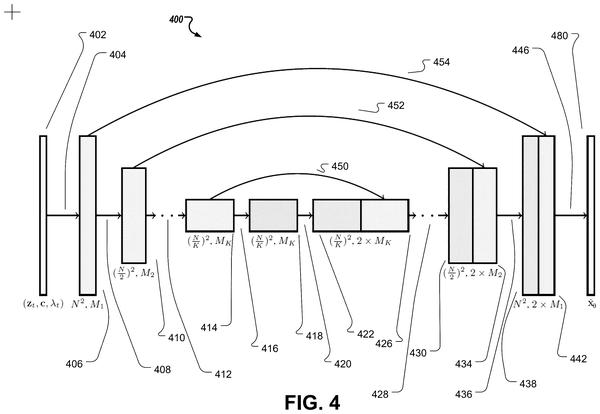
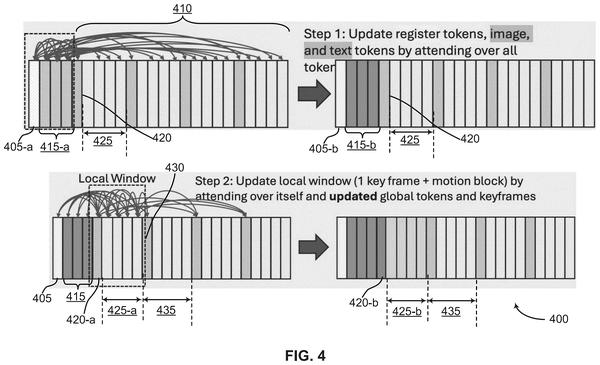
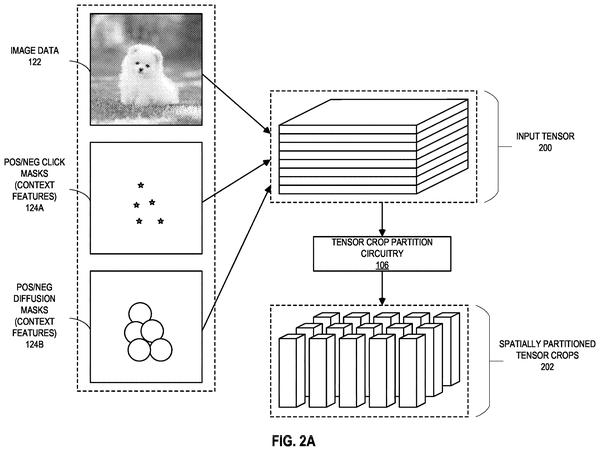
Breaking images into numbered chunks like text tokens lets Google run photo editing through the same AI models that already power its language systems, sidestepping the need for separate image-specific architectures.
Users typing casual commands like "zoom out" could get photos recomposed as if the camera had physically moved, shifting the race from editing pixels to repositioning the virtual camera itself.
The race expands beyond fixing what's already visible: Google is now patenting the ability to reconstruct objects that got cut off or blocked entirely, then reposition them anywhere in the frame.
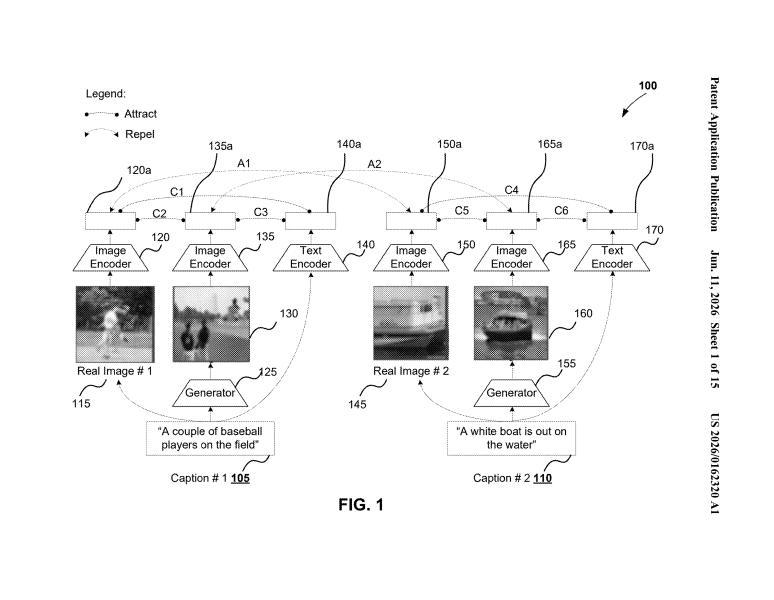
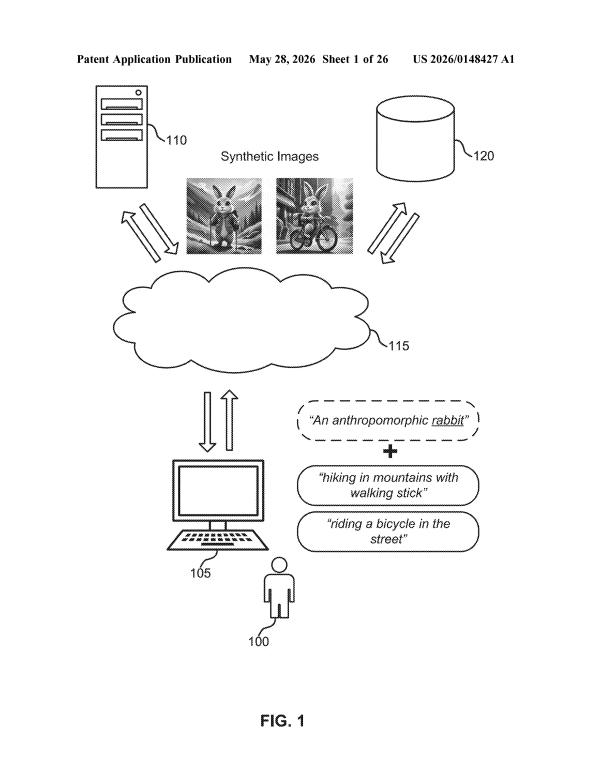
Pinning down which words map to which image regions during training. Google's method uses contrastive learning to force its generator to match text descriptions with sharper spatial precision, moving beyond approximate semantic alignment.
Photo edits need to know which parts they're inventing versus observing. Google's approach runs multiple reconstructions to flag where different 3D interpretations fit the same 2D image, letting the system mark its uncertainty rather than guess confidently.
The race has focused on style transfer and scene generation separately. Google's filing shows how to preserve object identity while applying artistic styles, solving the problem of detail loss that happens when you blend a photo into a painting.
Splitting exposure control by object instead of by frame region lets the system preserve face detail without blown-out skies, a different approach from traditional HDR's zone-based compromise.
Photos lose detail when bright areas max out the sensor. Google's method reconstructs those clipped pixels by training a generative model to invent plausible detail, rather than trying to recover what was never recorded.
The race has focused on editing existing photos, but Google's filing expands the battlefield to generation itself, showing how to make AI consistently reproduce a user's specific subject rather than generic versions.
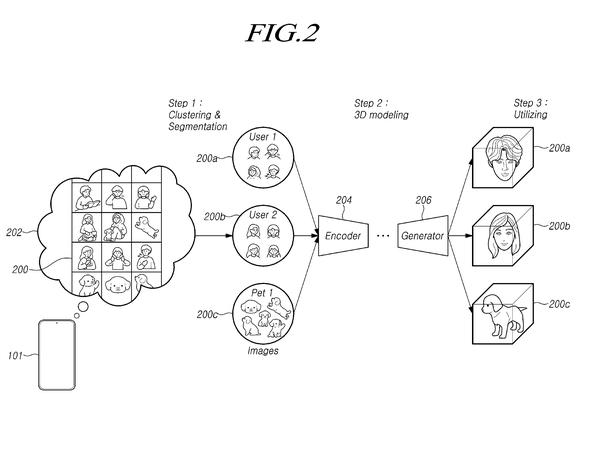
Reconstructing individual objects in 3D space from limited reference images solves a bottleneck in photo-to-model workflows where generic generation fails to preserve real-world specifics like wear patterns and exact colorways.
Running the removal process twice, first to fill the gap and then to refine the boundary, Adobe targets the artifact that haunts content-aware fill: the visible seam where synthetic pixels meet the original photo.
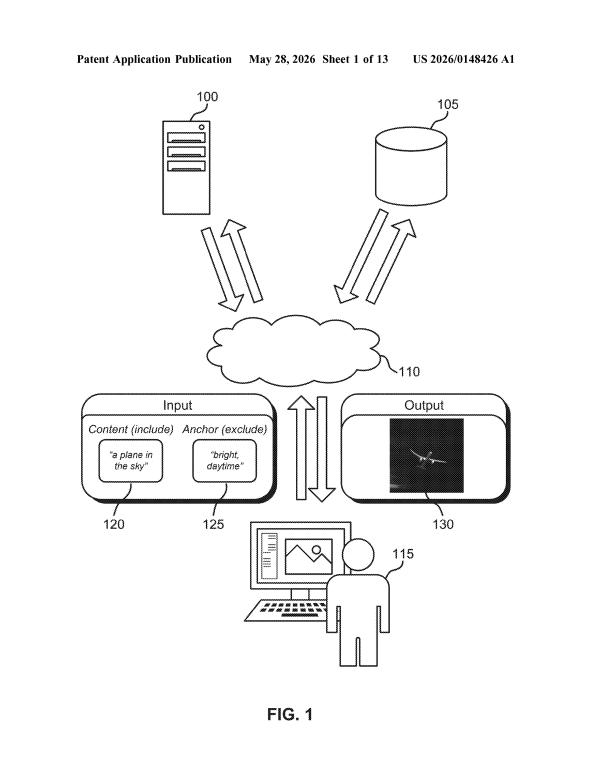
The race so far has focused on fixing images after generation. Adobe is working the problem backward: building exclusion logic into the generation itself so unwanted elements never appear in the first place.
Training a generative model on messy, uncontrolled 2D photos sidesteps the need for expensive 3D capture rigs, letting companies build poseable digital humans from internet-scraped images instead of controlled studio data.
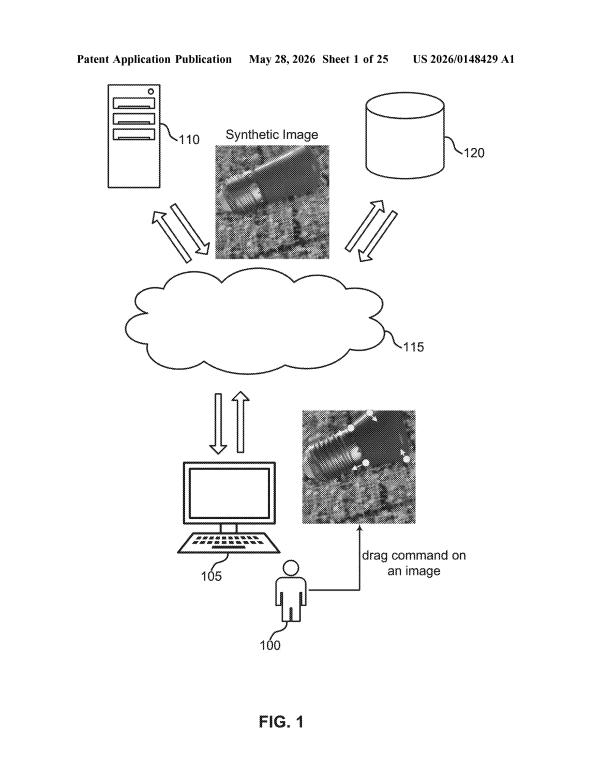
Making realistic pose changes with minimal user input. Adobe's system lets editors drag sparse control points to reshape objects, cutting the manual masking and warping that currently makes physical adjustments tedious.
Splitting image generation across multiple models in sequence lets each one focus on a specific quality problem, roughness, then color, then sharpness, rather than one model juggling everything at once.
Embedding character traits into the model itself rather than regenerating them per-prompt, so the same person stays recognizable across a multi-image sequence without manual intervention between frames.
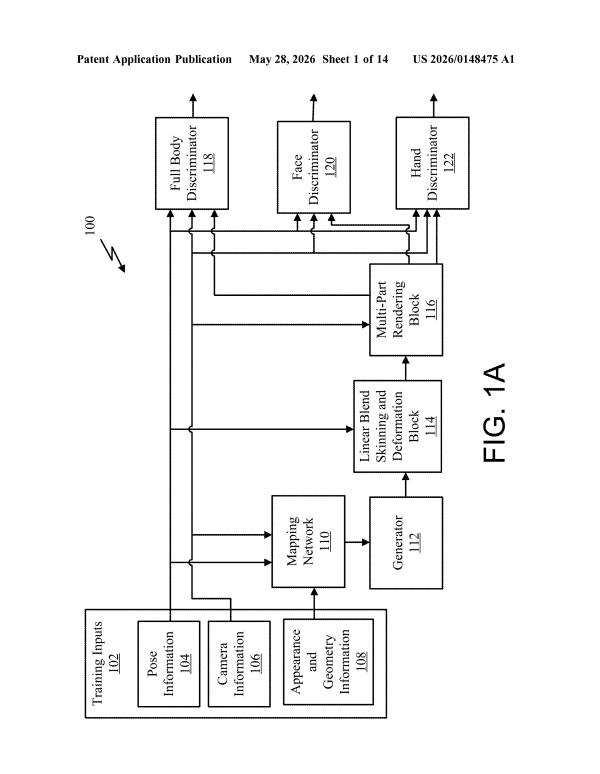
Building realistic 3D human models from random internet photos instead of studio footage would let photo editors generate new poses and angles without reshoots, a major cost cut for the AI retouching pipeline.
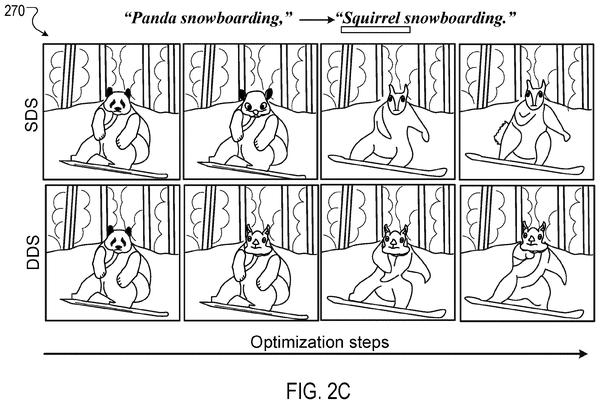
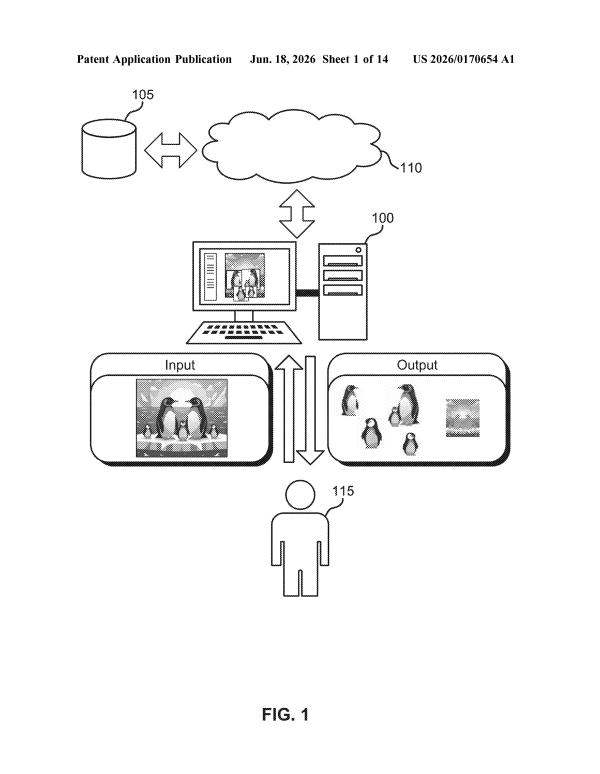
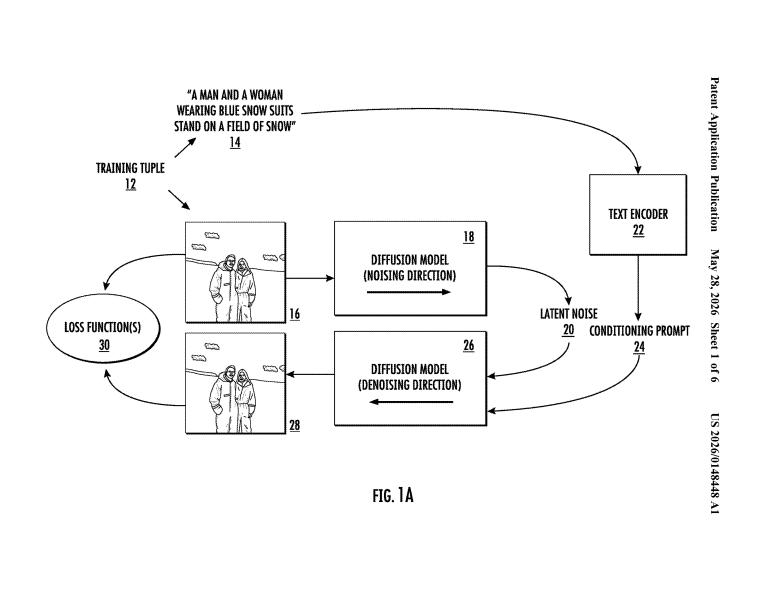
The race so far has centered on which tools can eliminate manual selection work. UniTune pushes further: it removes the need for masks, sketches, or crops entirely, letting plain text commands drive edits without any preparatory steps from the user.
Fitting photos to different aspect ratios without losing subject matter requires generating plausible pixels where none existed. Google's approach expands the image first, then crops, rather than choosing between distortion and loss.
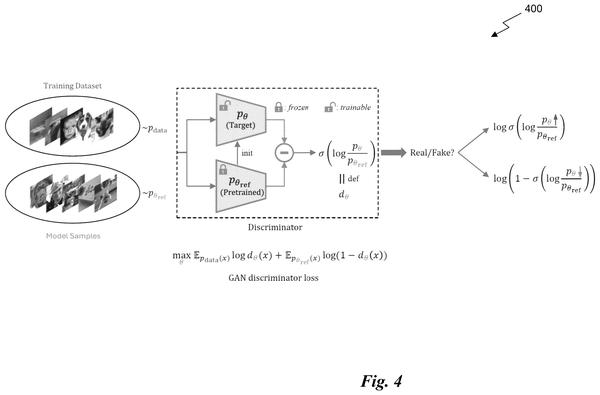
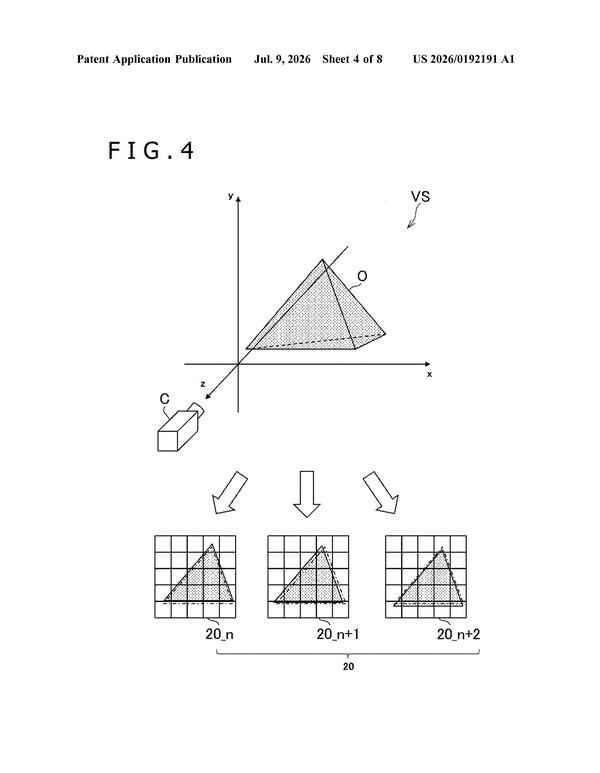
Real-time radiance field rendering would let editors apply light and view changes instantly rather than waiting for re-renders. Nvidia's Morton-code sorting accelerates the voxel lookup bottleneck that currently makes these edits feel sluggish.
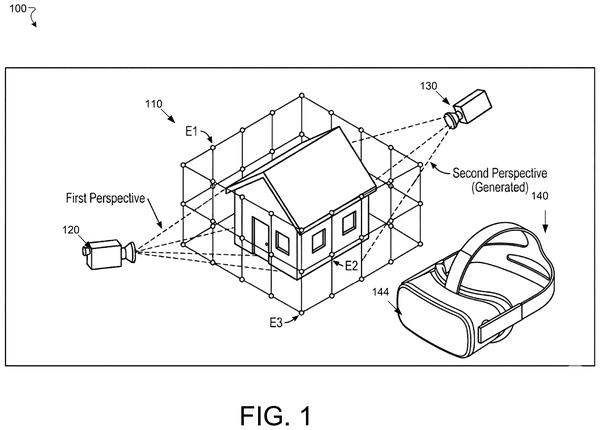
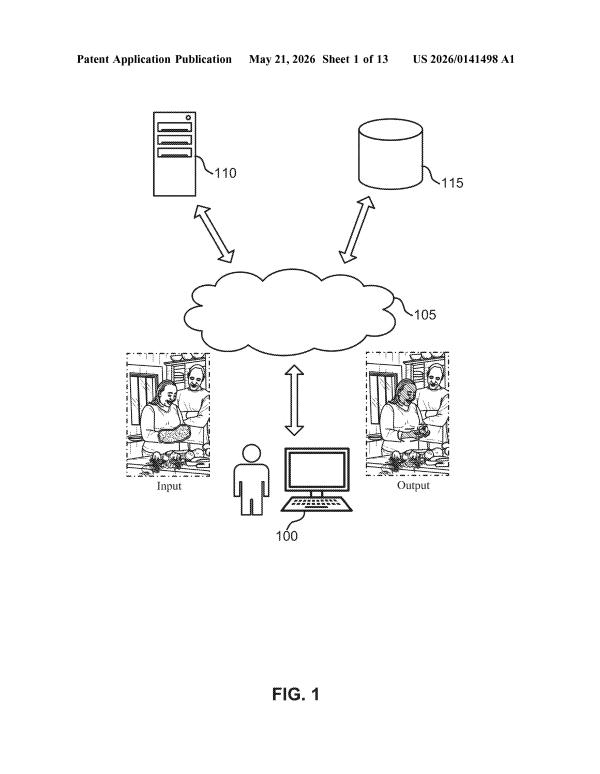
The race so far has focused on editing existing photos. Nvidia's filing pivots to building editable 3D scenes from photos in real time, a foundation that could let users rewrite images from multiple angles before flattening them back to 2D.
Reconstructing intermediate frames from multi-camera video in 3D lets editors pull usable shots from moments never actually recorded, filling gaps between the camera's capture rate and creative intent.
Users could reshape their photos by pointing to reference images instead of describing what they want, speeding up the editing workflow and reducing reliance on written prompts to guide the AI.
Gaussian splatting with learned motion tokens lets the system infer dynamic 3D geometry and movement directly from ordinary photo sequences, avoiding the depth sensors or manual annotation that currently bog down video-to-3D conversion.
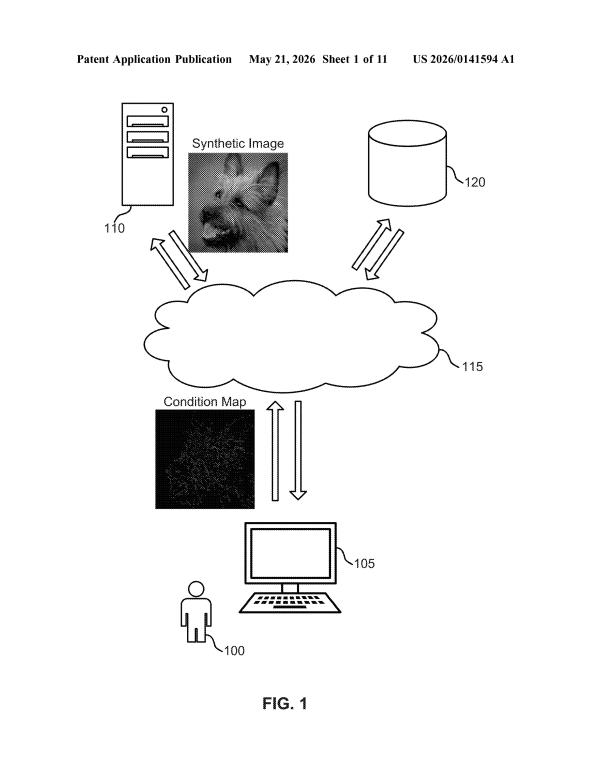
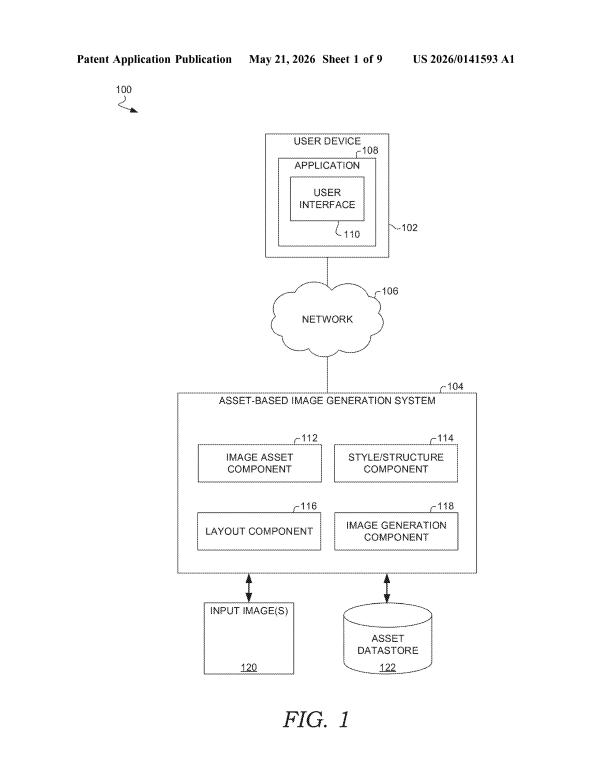
Companies racing to edit photos after capture need AI that follows spatial rules. Adobe's condition-map approach shifts the control earlier, letting users blueprint where objects land before generation even starts.
Photos with flawed exposure or focus could be auto-corrected before the user ever sees them, shifting the race from editing after capture to preventing bad shots in the first place.
Keeping spatial relationships stable in generated images requires enforcing layout constraints before rendering, which Adobe's method does by mapping object positions during the generation process itself rather than correcting them after.
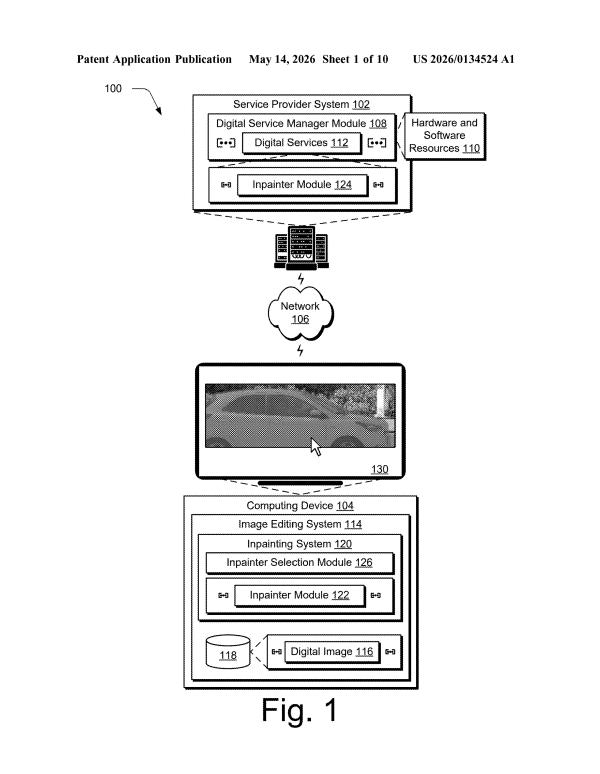
Generating inpainting in two stages, global layout first, then local detail refinement, lets the AI match surrounding textures and perspective without the blurry compromise of single-pass methods.
Photos edited by AI would stay visually consistent with your existing brand instead of drifting toward generic templates. Adobe's approach extracts stylistic rules from your reference images to constrain what the generator can produce.
The race so far has centered on reconstructing 3D scenes from photos in real time. Nvidia's patent removes a practical barrier: making Gaussian-based rendering work with the wide-angle and specialty lenses that phones and cameras actually use.
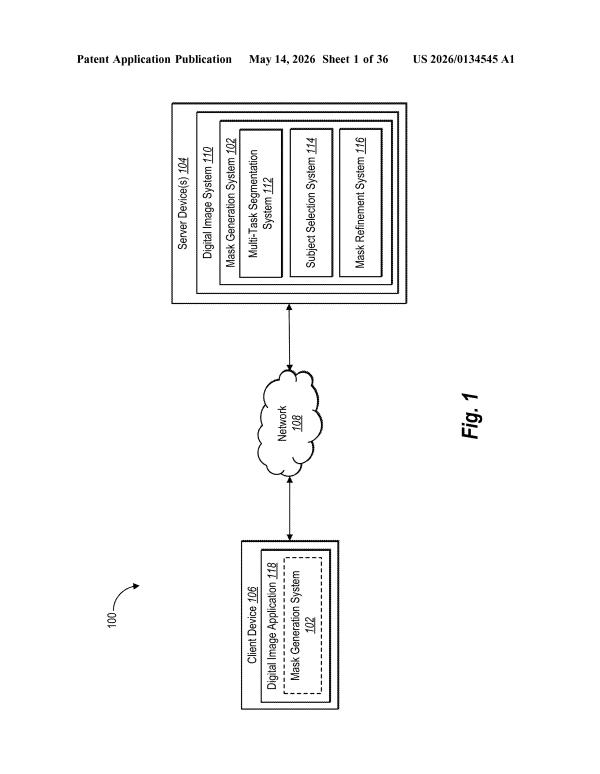
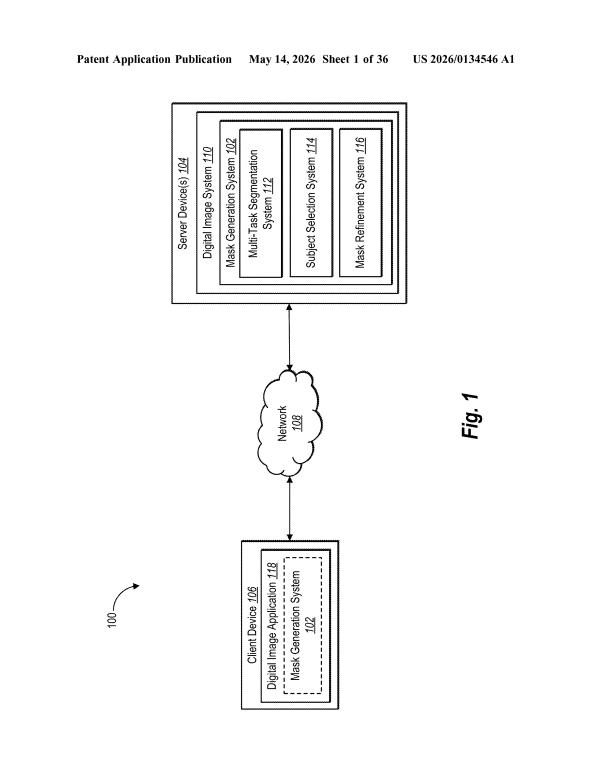
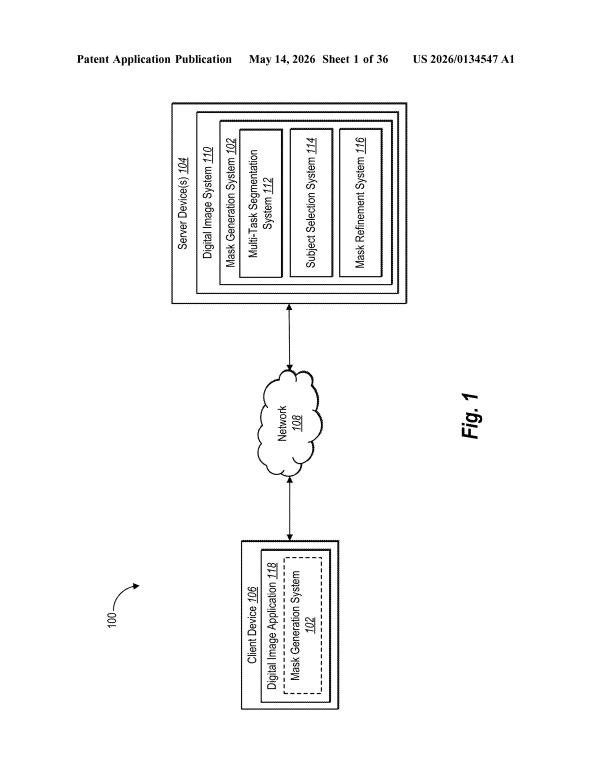
Photos could be edited faster if one AI model handles cutting out subjects, isolating skies, and detecting people in a single pass instead of running three separate networks.
The race so far has focused on rewriting pixels after capture. Adobe's approach targets the selection problem itself, training a network to automatically refine messy masks rather than fix the final image.
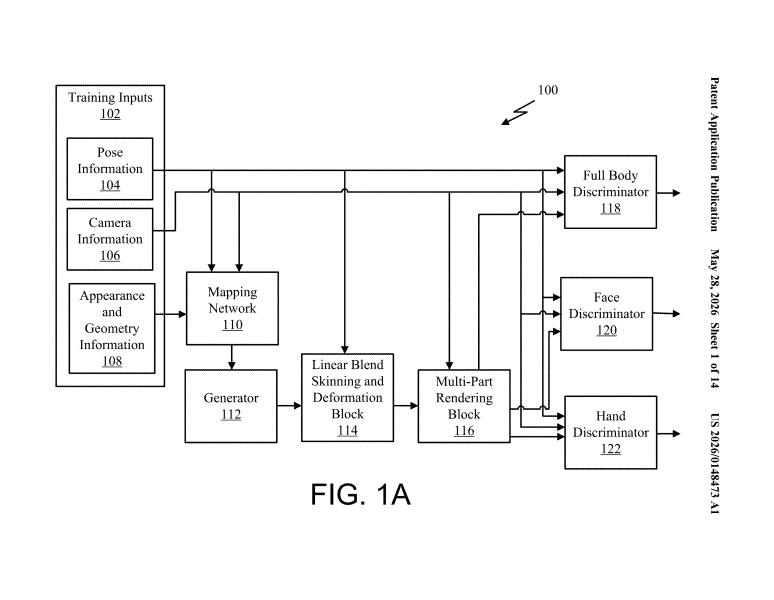
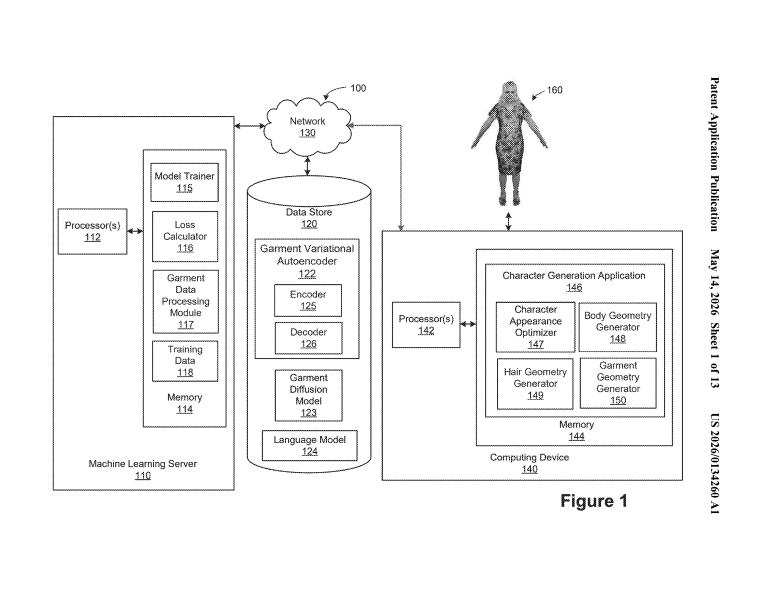
Generating clothing that physics engines can actually use cuts out the manual rigging step that currently requires technical artists to make garments move realistically in simulations.
Picking the right AI model for inpainting depends on scene complexity. Adobe's system analyzes visual difficulty first, then routes the job to whichever model handles that specific type of scene best.
A neural network that refines masks separately for each disconnected region stops Adobe's selection tool from averaging detail across a person's hand, fork, and hair as one blob.
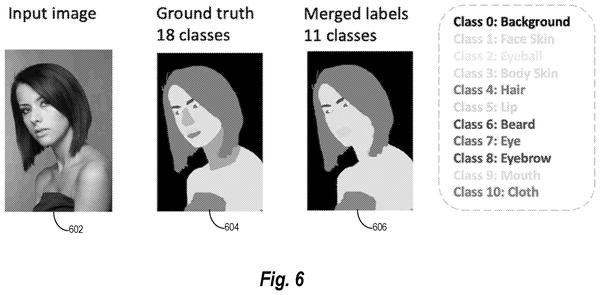
Semantic segmentation of body parts before color assignment lets the network apply different color logic to faces versus hair versus fabric, solving the greenish-skin problem that plagues simpler colorization tools.
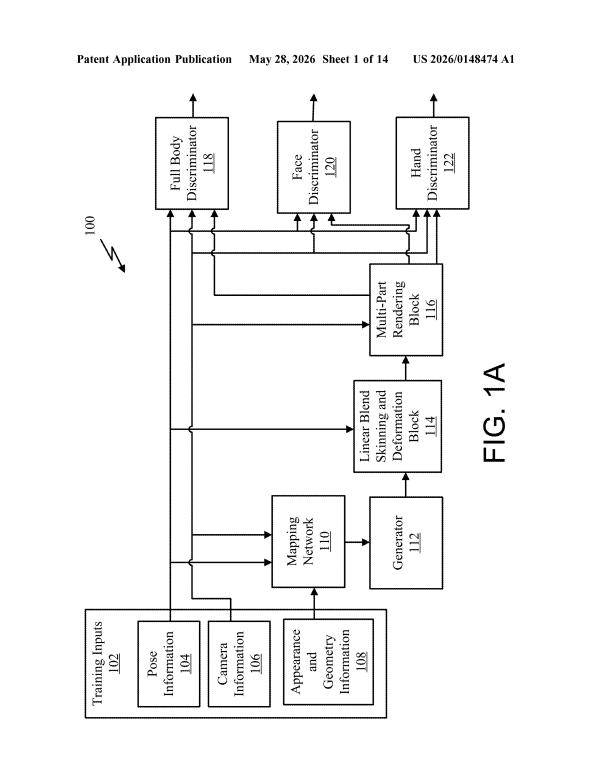
Photos edited after capture expand from still images into video: Nvidia's approach converts footage into riggable 3D models, letting creators animate people rather than just retouch them.
The race so far has focused on editing existing photos. Nvidia is pushing sideways into generating characters from scratch, automating the entire rigging and skeleton setup that normally requires separate specialist work.
Generating photorealistic edits requires 3D geometry that won't break under physics simulation, Nvidia's approach builds that constraint directly into the generation step rather than fixing problems afterward.
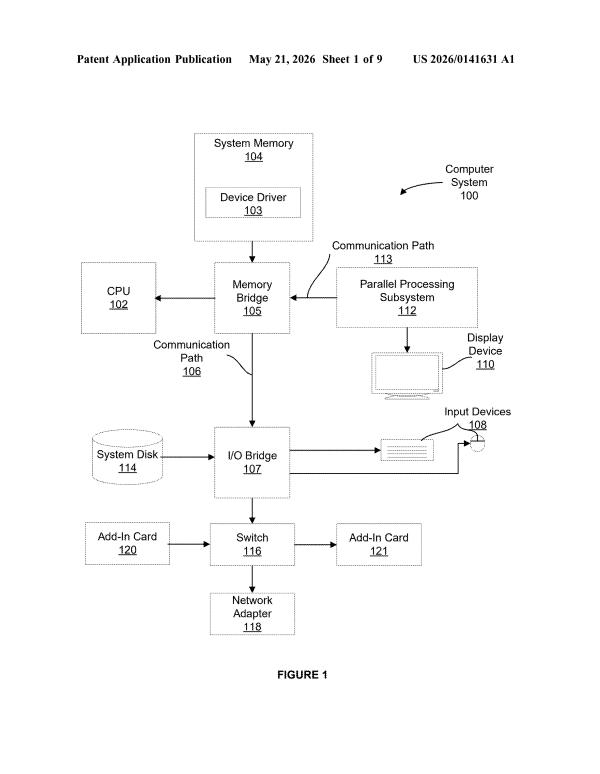
Within the race to move photo AI onto devices rather than cloud servers, Google is focusing on the training problem: how to pack restoration quality into models small enough for smartphones to run without lag.
Automating the rigging and skeleton step, making generated characters actually movable, pushes the race beyond static image editing into animated content creation.
Running two depth sensors in parallel lets the system reject bad focus locks when one sensor gets fooled by close subjects, improving the raw material that AI photo editing later works with.
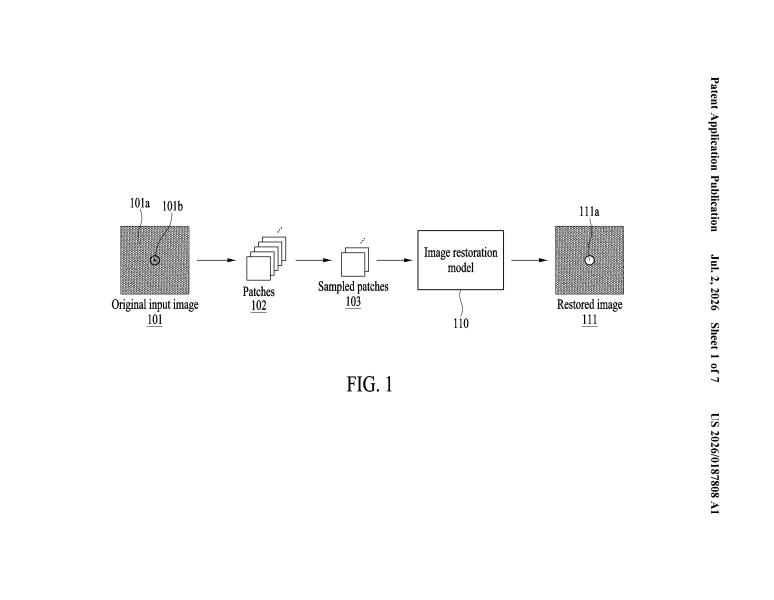
Photos edited with this system would rely on AI trained through a structured pipeline that separates the learning process itself, potentially making the fill-in results more consistent and predictable than current erase tools.
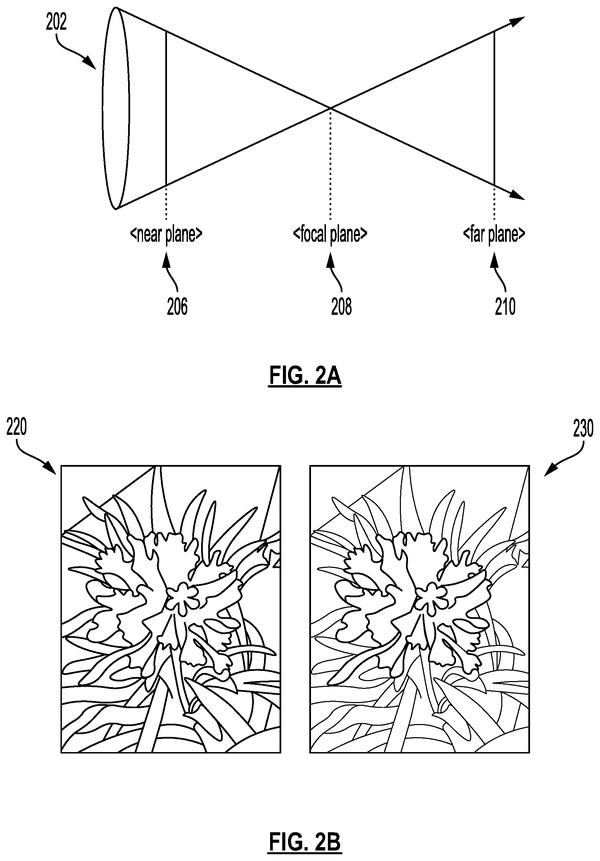
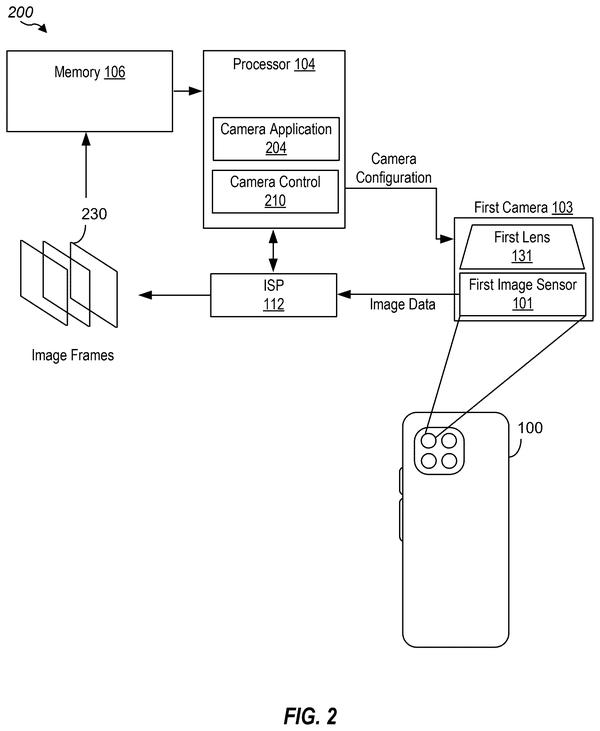
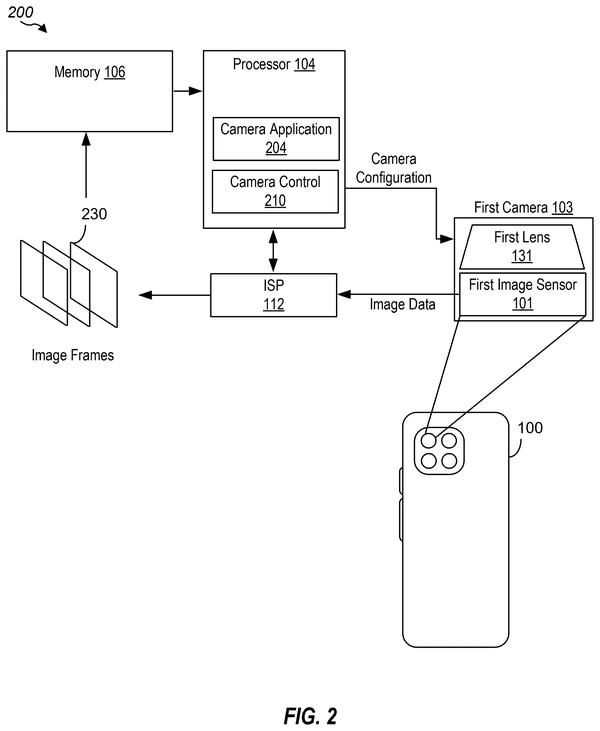
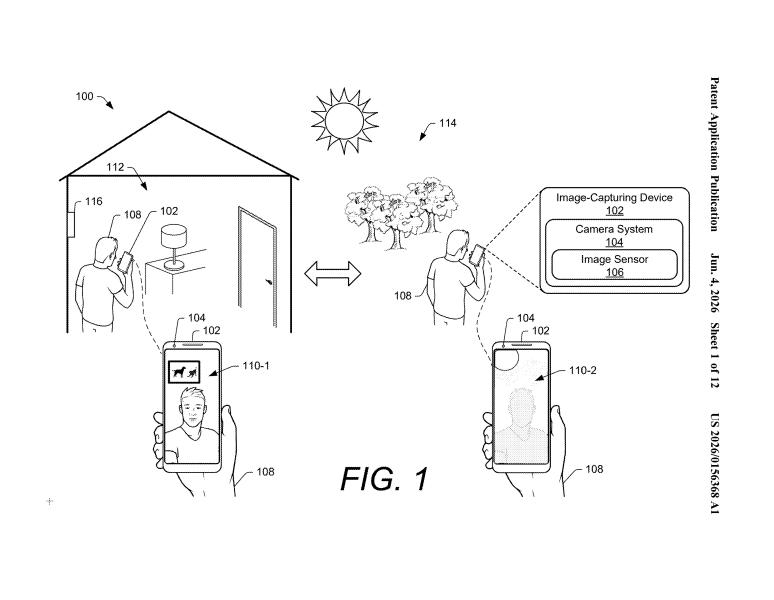
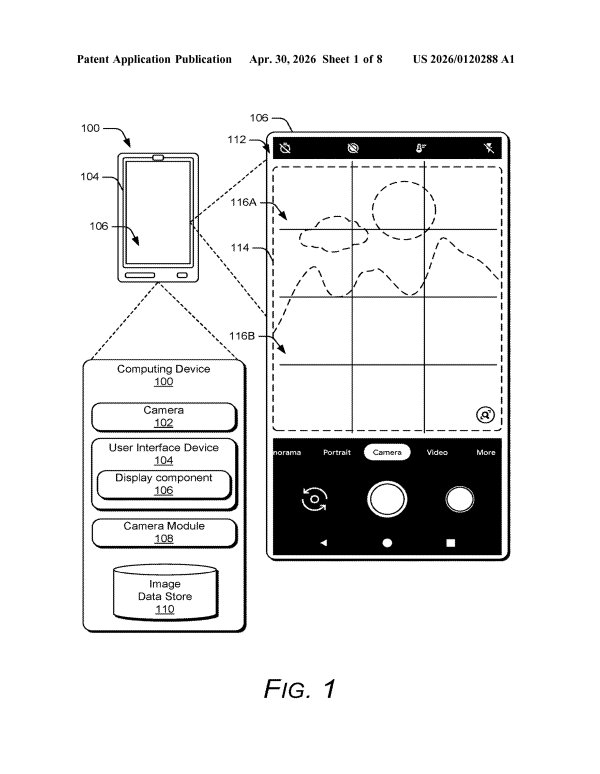
The race so far has focused on what happens after you shoot. Google is now patching the moment before, smoothing the preview itself so zooming feels like one continuous motion instead of a jarring skip.
Generative models that iterate toward a text description reveal how companies are automating color grading entirely, moving the workflow from slider adjustments to natural language prompts.
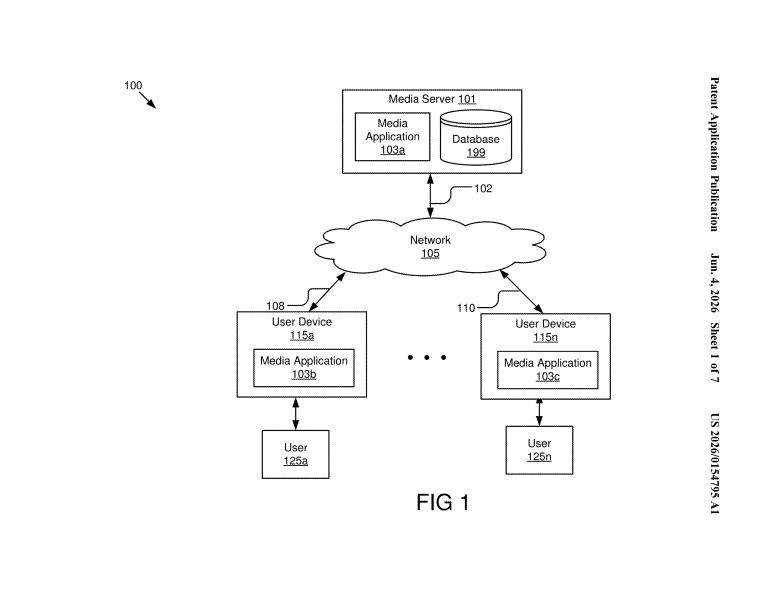
Storing a personalized AI model alongside compressed photos means the reconstruction happens on your device, not in the cloud, reducing the server load that photo editing at scale would otherwise demand.
Questions readers ask
Is Google actually building AI photo editing into products, or is this just patents?
These are patent filings, which show research direction, not confirmed features. Google has filed systems for per-region editing, text-based recoloring, compression, and zoom smoothing, but a patent does not guarantee any of these ship in a camera app. It signals where engineering time is going, not a release date.
Why does Nvidia show up in a photo editing watchlist?
Nvidia's filings in this batch focus on turning text descriptions or video footage into animatable 3D characters, which overlaps with photo and image work through shared AI techniques like generative modeling. It is not photo editing in the traditional sense, but the underlying methods for building and refining visual content connect the two companies' patents.
What problems keep showing up across these patents?
Several filings return to the same challenges: deciding which photos need heavy AI processing, editing different regions of an image with different rules, and shrinking images without losing quality on rebuild. Restoration and inpainting also appear more than once, suggesting both companies see removing flaws and filling gaps as an ongoing area worth patenting repeatedly.
Will these patents mean my phone's photos change soon?
Not necessarily, and not on any predictable timeline. Patents describe technical approaches companies want to protect, sometimes years before a feature reaches a device, if it ever does. This watchlist is a useful way to see what problems Google and Nvidia are actively working on, not a preview of your next software update.
Want this weekly breakdown for a company we don't cover?
Patentlyze Pro →
The weekly email: the best of Big Tech's filings, in plain English. Free.