Waymo and Nvidia Patents in the Self-Driving Sensing Race, and what they reveal
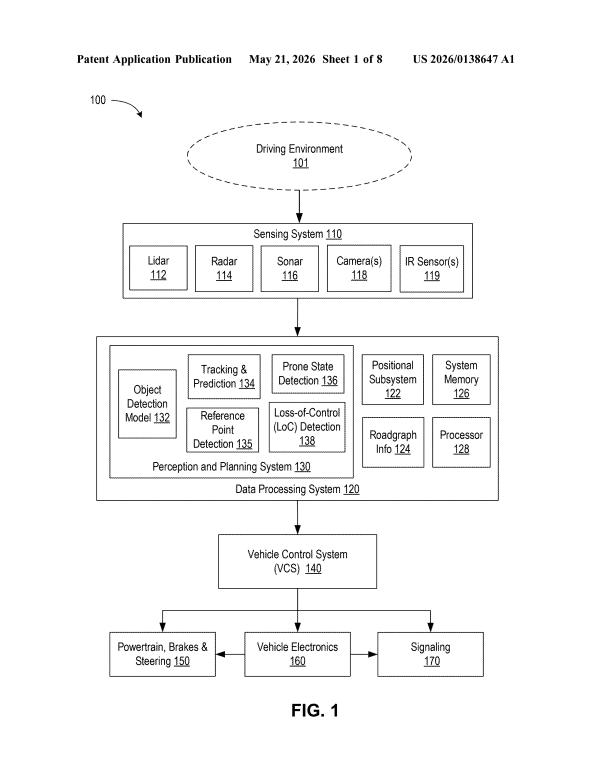
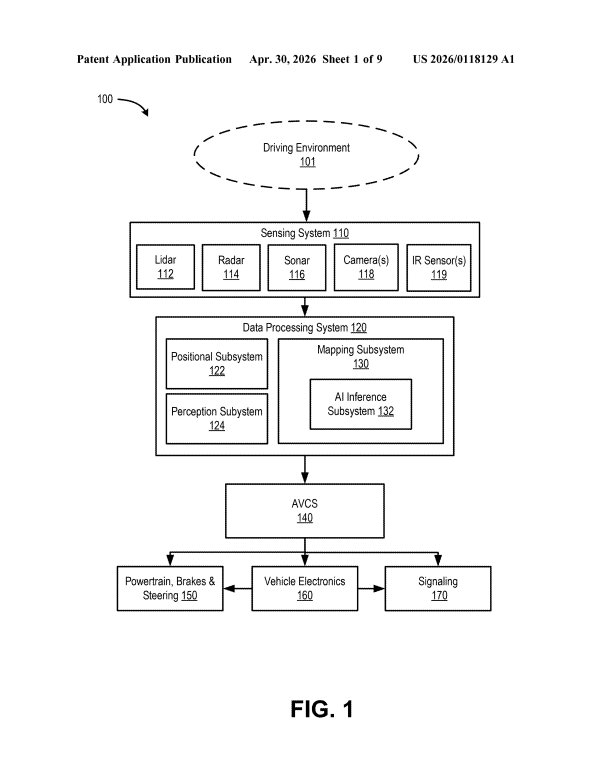
This watchlist tracks Waymo and Nvidia patents on the sensors, models, and software that let self-driving cars map roads, hear sirens, see through fog, predict hidden pedestrians, and time lane changes. Together the filings show two companies working to close the gap between raw sensor data and split-second driving decisions.
based on all tracked filings in this watchlist · refreshes every week
This race is about which company can best help a car see, map, and react to the world around it, covering sensors, cameras, radar, and the software that turns all that data into safe decisions.
Nvidia and Google each filed 53 patents, putting them at the center of this fight, with Nvidia leaning heavily on AI that processes what sensors see and Google focused on how cars understand and navigate their surroundings.
What’s new in the self-driving sensing race
a dated entry each week this watchlist moves · older entries stay archived
Sep 17, 2026 27 filings joined
Nvidia leads this week with filings on merging sensor feeds, spotting blind spots, and running dual decision systems. Qualcomm also filed several patents around depth sensing, camera alignment, and focusing on the most dangerous objects first.
Most new filings focus on helping self-driving cars sense, check, and understand the world around them more reliably. Qualcomm and Nvidia are the busiest this week, each filing multiple patents on reading sensors and catching errors.
This week's filings lean heavily on helping cars see through problems: hidden objects, bad weather, timing errors, and tampered footage. Nvidia and Sony each added multiple patents, with Nvidia focused on spotting blocked objects and Sony focused on catching errors in its own sensors and cameras.
Aug 27, 2026 21 filings joined
This week's filings are heavily focused on helping self-driving cars see and map the world more reliably, covering everything from sharper cameras to smarter road maps. Nvidia and Sony led the pack, with Nvidia filing the most patents overall and Sony pushing hard on camera and sensor work.
Aug 20, 2026 12 filings joined
Most filings this week focus on helping self-driving cars see more clearly and handle gaps in what their sensors pick up. Nvidia and Google each added four patents, with Nvidia targeting sensor accuracy and Google focusing on blind spots and bad conditions.
Who’s filing patents in the self-driving sensing race
counts from tracked filings · focus read from each company’s own filings
The battlegrounds inside the self-driving sensing race
the fights inside the fight · each with its three newest filings · new filings join every week
Cars That Share What They See 14 filings
Nvidia 4, Qualcomm 4, Google 3
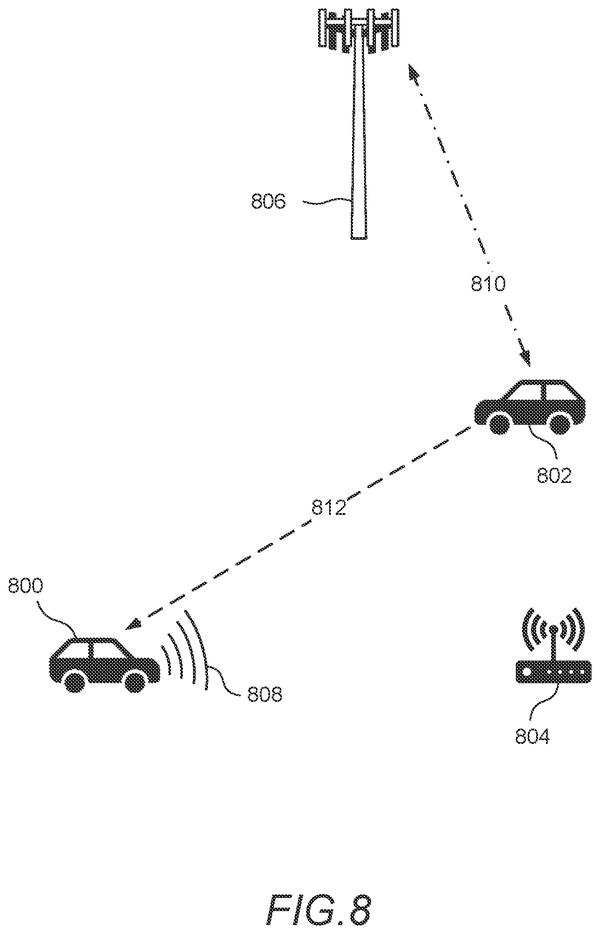
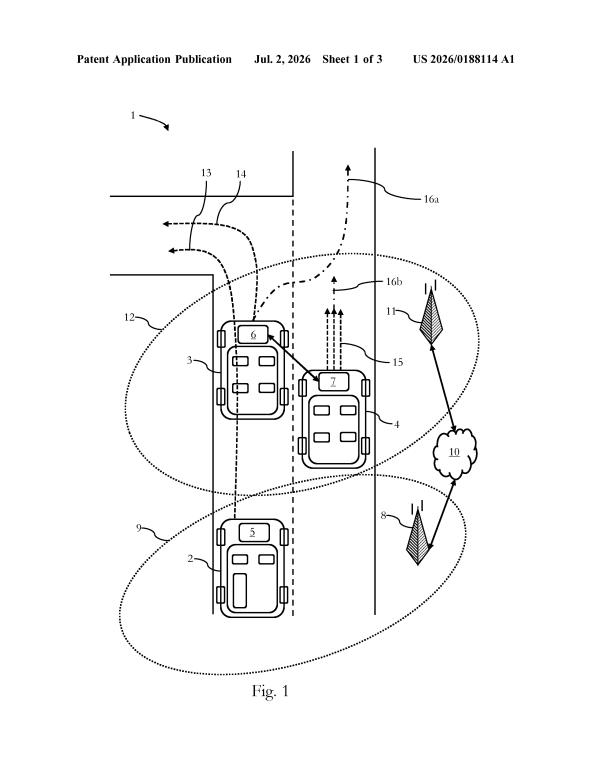
Several companies are filing around the idea of vehicles sharing sensor readings with each other to cover blind spots and verify locations. Google, Qualcomm, and Zoox are all pushing versions of this, from sharing raw sensor feeds to cross-checking positions using shared landmarks.
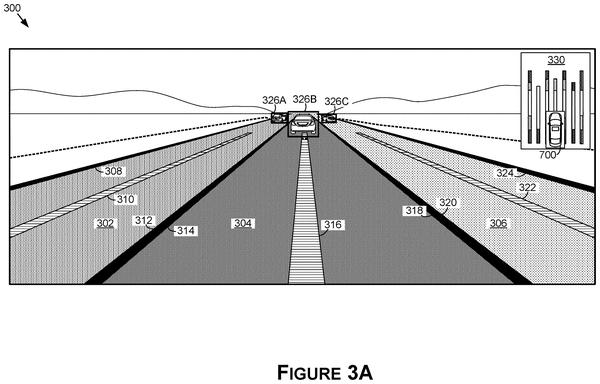
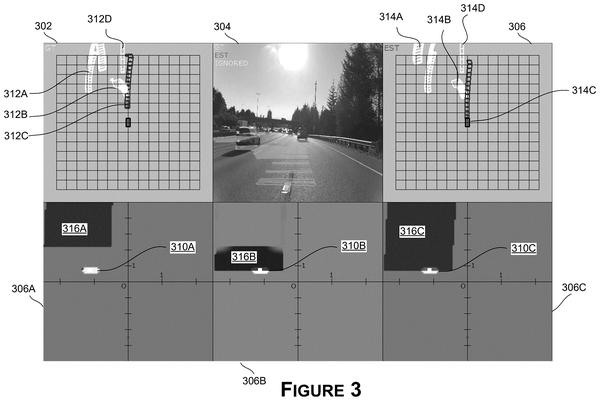
A large cluster of filings covers how cars identify lane lines, road signs, road wetness, and markings from camera and radar feeds. Nvidia, Google, Qualcomm, and Tesla are all filing here, each trying to make the car understand the road surface itself rather than just the objects on it.
Multiple companies are filing around sensors and cameras that detect when they are broken, blocked, or giving bad data and then correct themselves without a human stepping in. Google, Nvidia, Sony, and Qualcomm all have filings in this space.
Building 3D Pictures From Ordinary Cameras 22 filings
Nvidia 8, Qualcomm 6, Sony 5
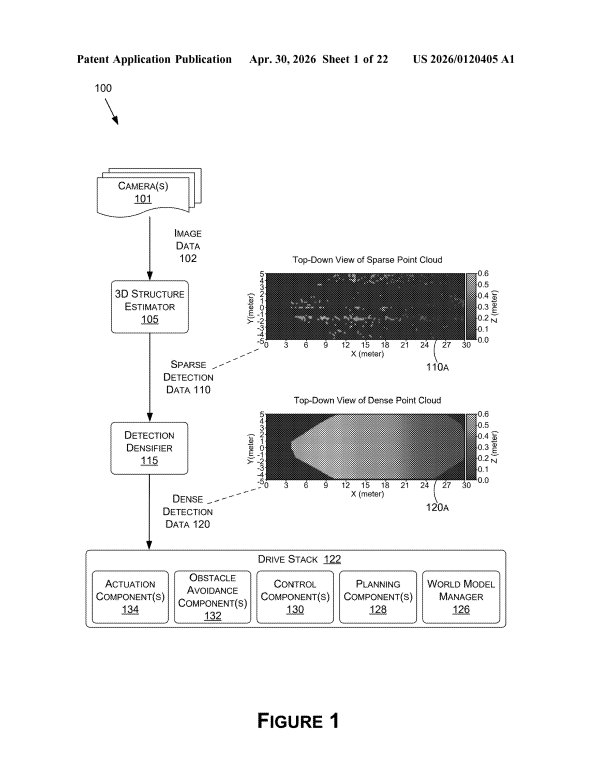
Rather than relying on expensive dedicated depth sensors, several companies are filing ways to pull three-dimensional information out of regular camera footage. Nvidia, Sony, Microsoft, and Google are all working on different versions of this problem.
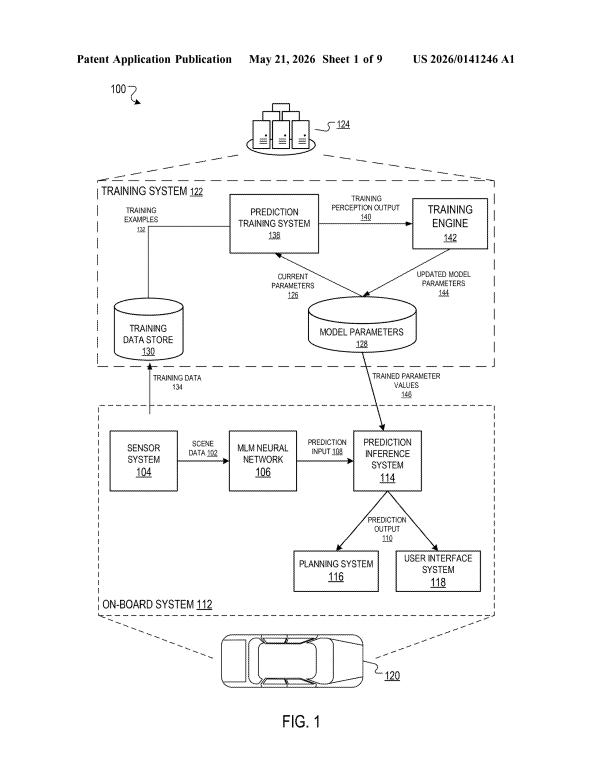
A tight group of filings focuses on guessing where pedestrians, cyclists, and other drivers are about to move before they move. Google and Nvidia lead here, with filings covering body language, hidden pedestrians, and future movement of all road users at once.
Because real dangerous situations are rare, companies are filing systems that generate artificial driving scenes to train their software. Nvidia, Amazon, Tesla, and Google are all building pipelines that create or label fake data so the car learns from situations it has never actually seen.
Once the car can see, it has to pick a route and weigh the risk of every move: dodging collisions, handling double-parked cars, deciding which threats to ignore. Zoox, Amazon, Waymo, Nvidia, Tesla and IBM are filing.
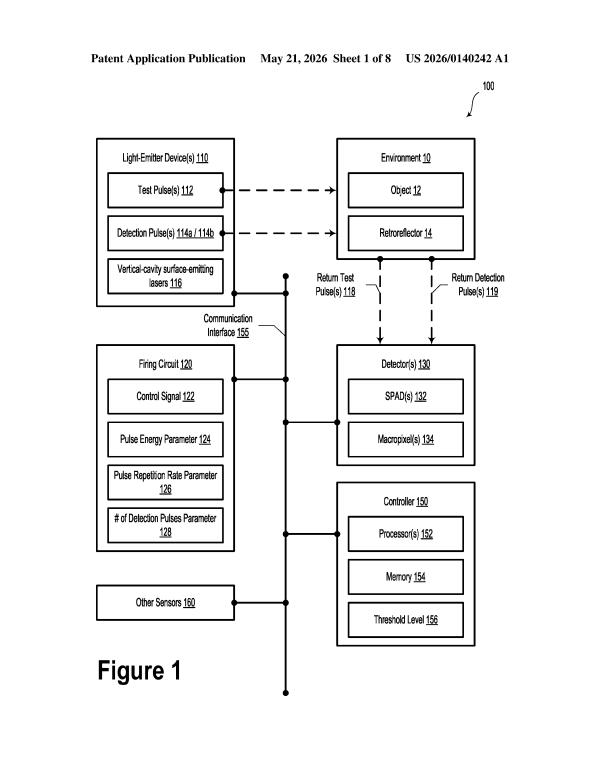
Sensors that keep working in weather and bad light: heated windows, invisible light for night, lidar that adapts to fog or spots reflectors before they blind it, anti-glare glass. Waymo, Google, Tesla, IBM and Samsung are the filers.
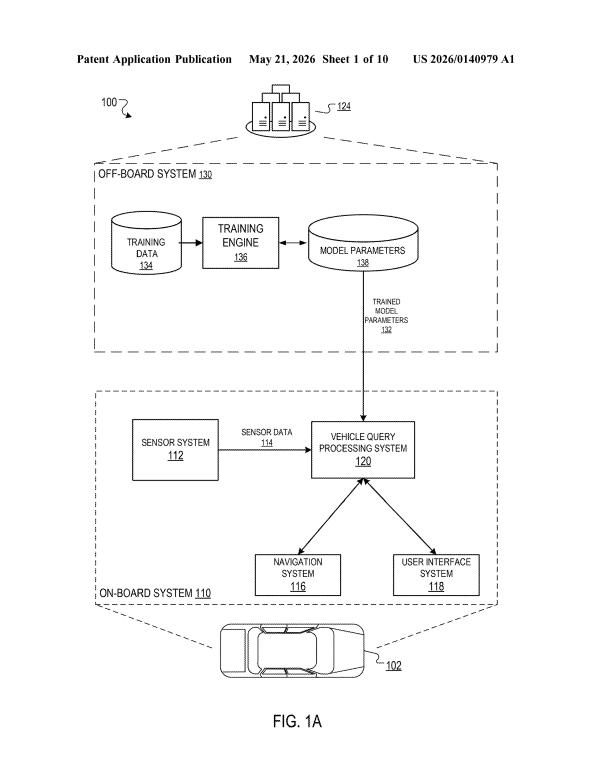
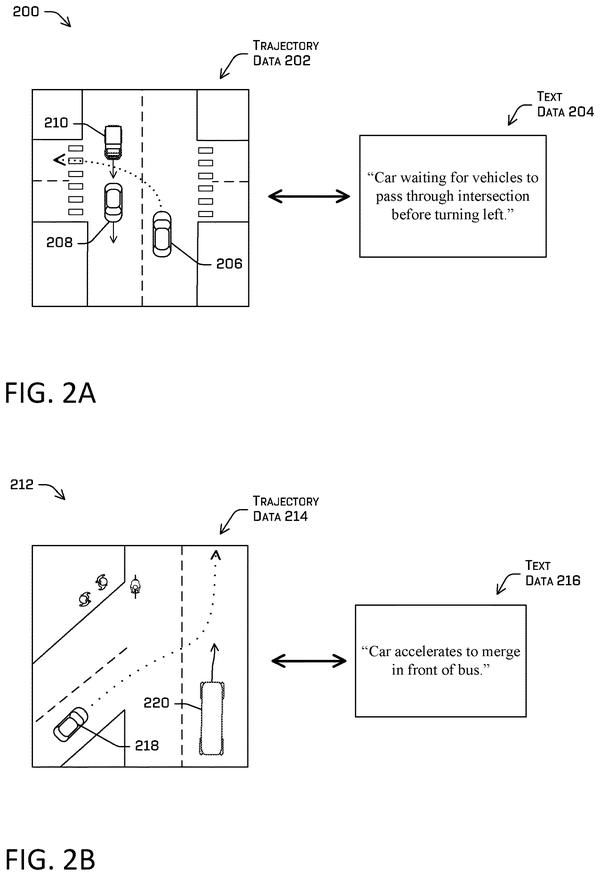
Filings that put a chat-style AI in the loop, so the car can answer questions about the road ahead or predict what it will see next. Waymo is the main filer.
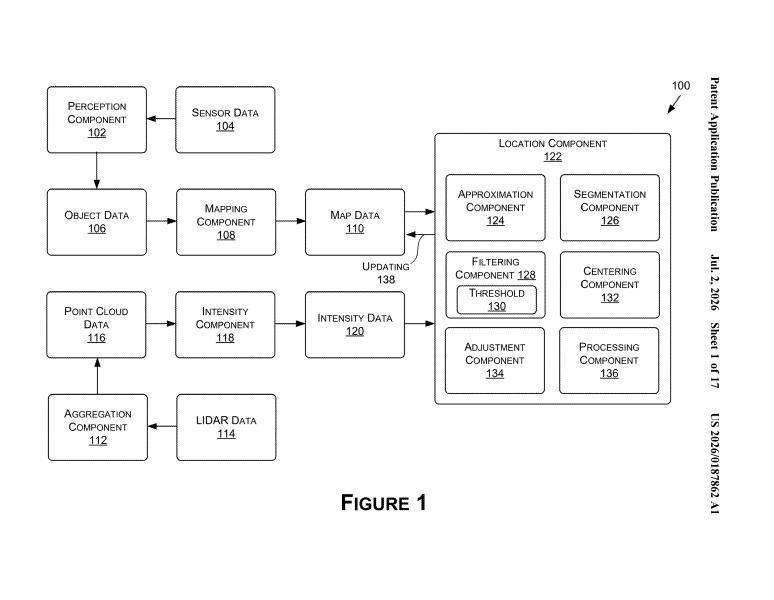
Pinning down location and building maps from inside the car, using landmarks, stationary objects, the sky, or the previous car's data. Qualcomm, Sony and Waymo are filing.
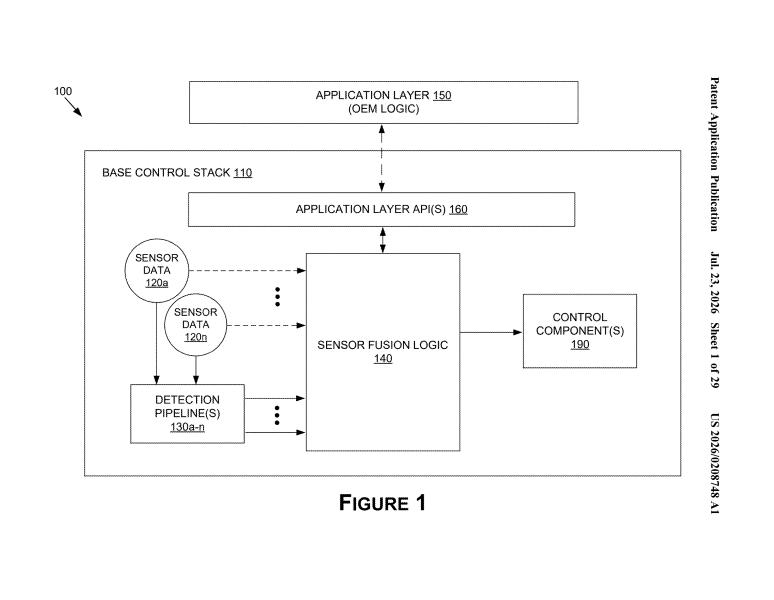
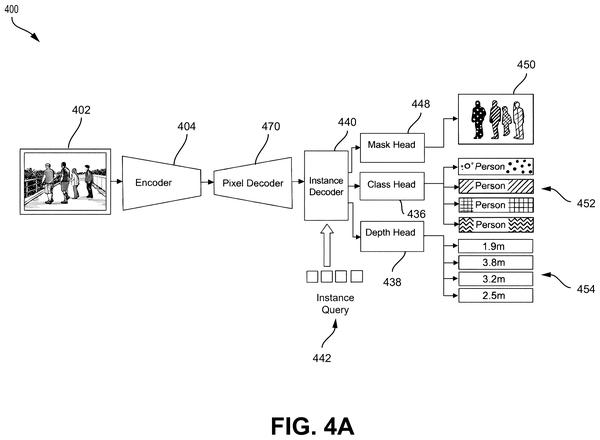
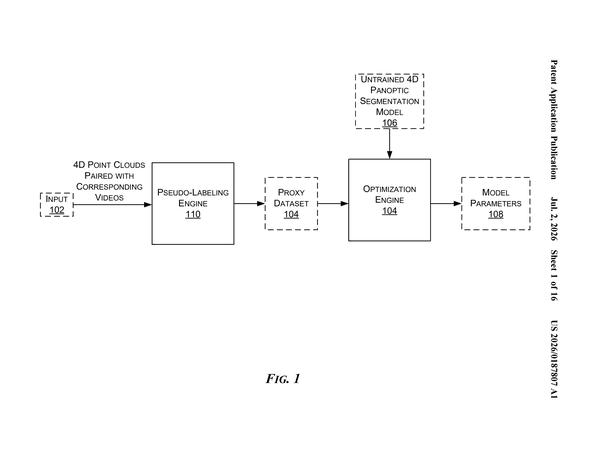
Merging object detection and depth estimation into one inference pass cuts the latency overhead that forces self-driving systems to choose between fast recognition or accurate distance readings.
Modified image variants guide the network to isolate specific objects in a single pass, reducing reliance on massive labeled datasets for training segmentation models that distinguish road features from obstacles in variable lighting.
Sensor fusion has been the bottleneck: cameras and depth sensors often disagree on object location. Qualcomm's calibration method syncs the two streams to prevent detection failures from misalignment.
The sensing race depends on knowing when sensors fail. Tesla's system scores camera visibility in real time, letting the car adapt when rain or fog degrades its view instead of acting on corrupted data.
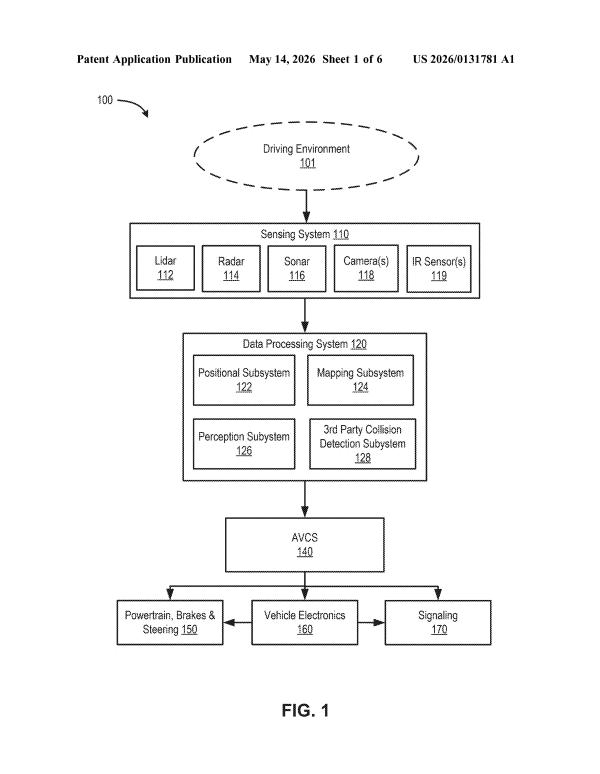
Self-driving cars need lane detection that fails safe, not confidently wrong. Nvidia's approach runs multiple detection systems in parallel and flags when they diverge, catching errors before the car steers into danger.
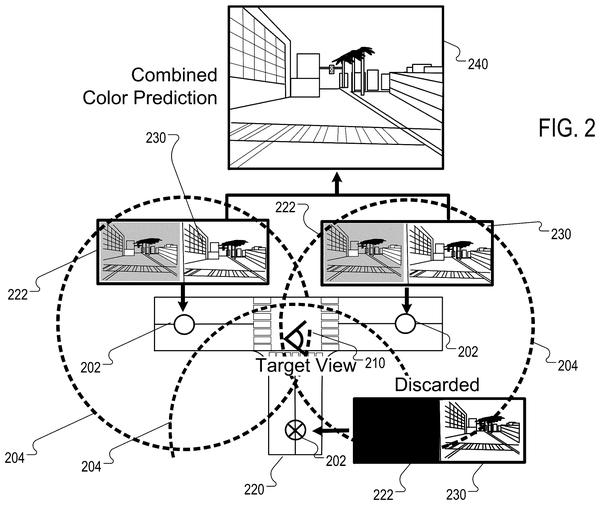
Your eyes make tiny involuntary jumps dozens of times per second, and Nvidia thinks that's the perfect moment to rearrange the seam in a stitched camera view before you notice anything changed.
Structured-light depth cameras struggle with motion blur in their distance readings. Sony's bidirectional scanning and averaging method could clean up that noise, sharpening 3D scene mapping for autonomous vehicles navigating dynamic environments.
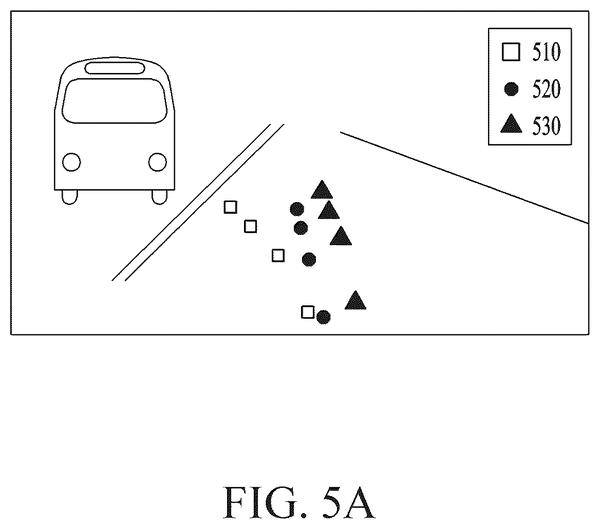
Sensor fusion under heavy overlap cuts processing noise when multiple systems detect the same object simultaneously, letting the car build a unified scene map instead of parsing redundant alerts.
Lane selection during routing remains unsolved in most systems. Zoox's color-coded map translates destination requests into real-time lane commitment signals, bridging the gap between high-level navigation and moment-to-moment driving decisions.
Most self-driving systems pick one approach and commit to it. Nvidia's new patent describes a system that runs two different planning methods side by side and picks the better answer every single time.
The race so far has split between rule-based and learning-based sensing. Nvidia's dual-path system keeps both running in parallel to cross-check decisions in real time.
The watchlist so far maps how cars perceive their environment. This patent extends that to check whether perception errors actually degrade driving behavior, closing the gap between flawed sensing and flawed decisions.
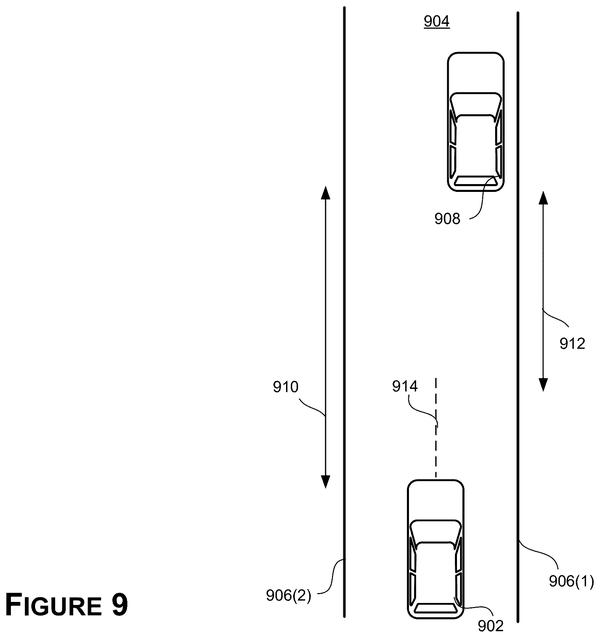
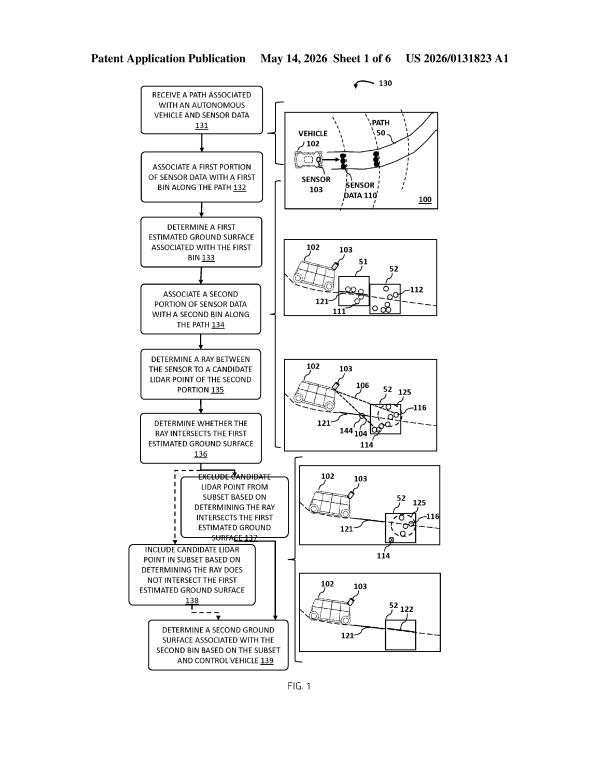
Filtering LIDAR output in real time cuts the computational load: Waymo's system drops irrelevant data points before they reach the processing pipeline, letting the car focus compute on what actually matters for driving decisions.
Predicting where a car should actually drive within a lane requires real vehicle trajectories, not just map boundaries. Mobileye's method reconstructs safe driving corridors from historical path data.
Predictive downshifting based on road geometry and grade ahead lets the transmission prepare before load spikes, smoothing acceleration and deceleration without the jerky hesitation that signals an unprepared vehicle.
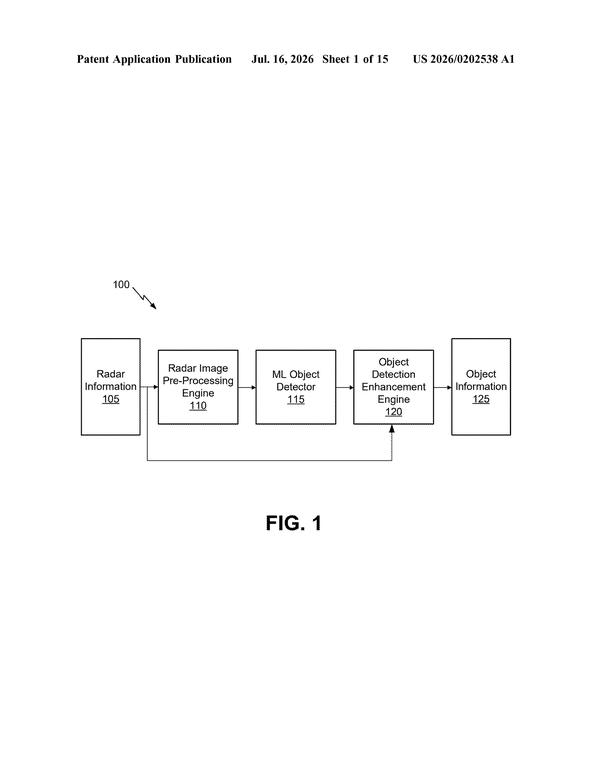
Radar and camera have always fed separate AI pipelines; this patent merges them upstream so the model learns from unified sensor data rather than reconciling two partial views.
Detecting object corners directly rather than inferring orientation first removes a failure point when vehicles or pedestrians appear at odd angles to the camera, sharpening bounding boxes that downstream prediction models depend on.
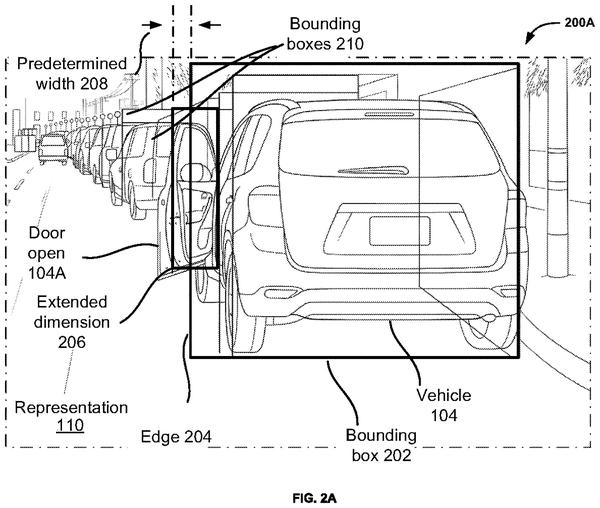
Neural networks that flag opening car doors in real-time video feed address a collision hazard that occurs faster than typical obstacle detection cycles, requiring the system to predict door movement before contact.
A chip-level system that pre-scans the full route and flags sections too complex for autonomous operation, letting drivers plan handoffs instead of facing surprise disengagements mid-trip.
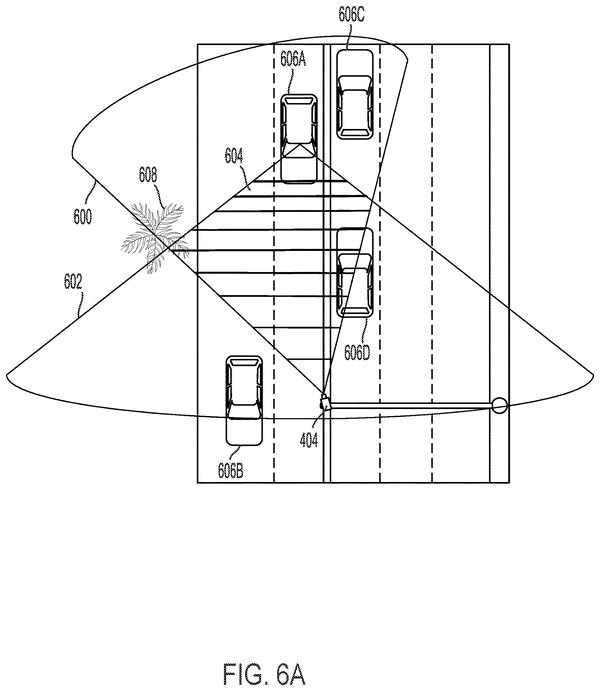
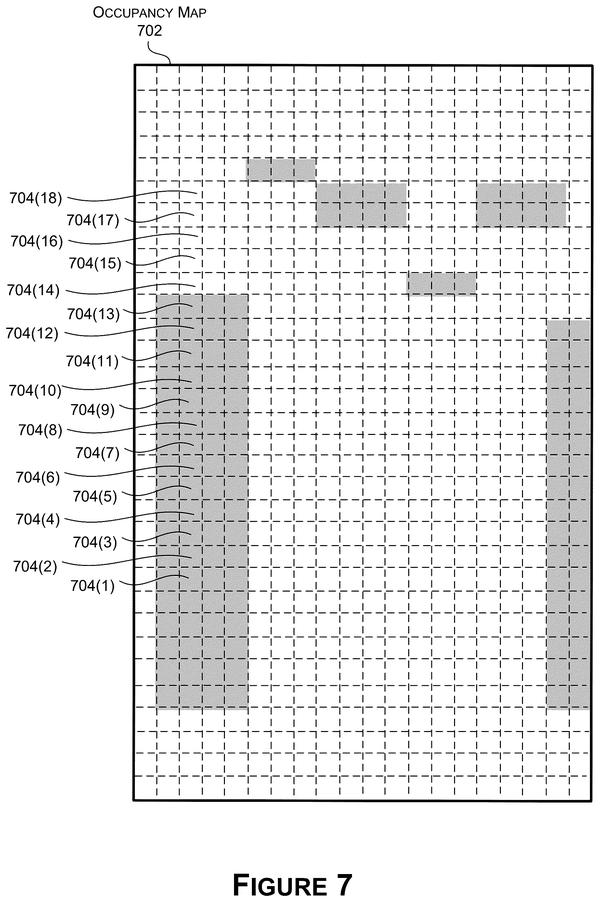
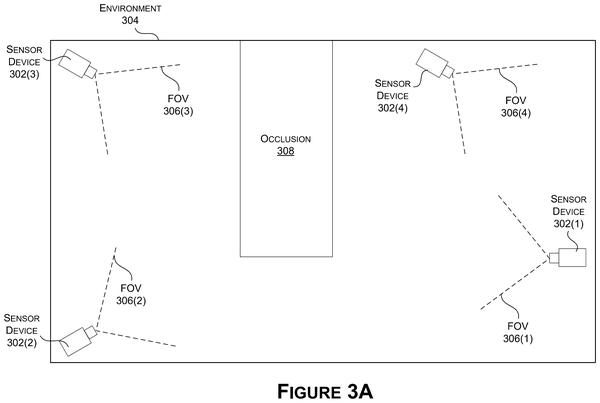
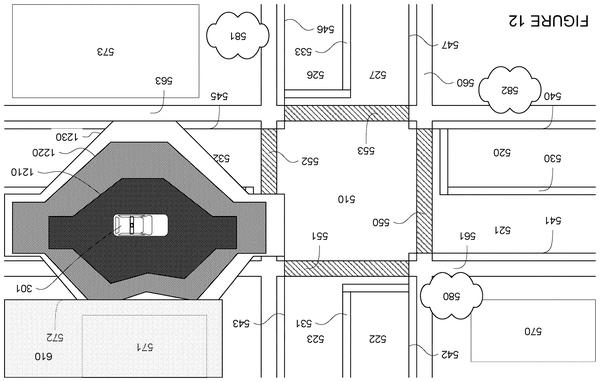
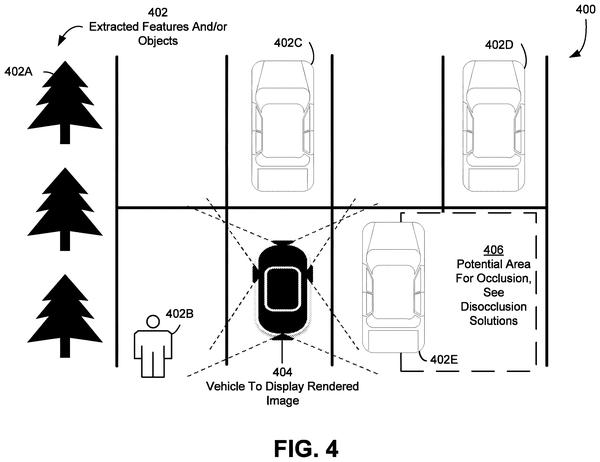
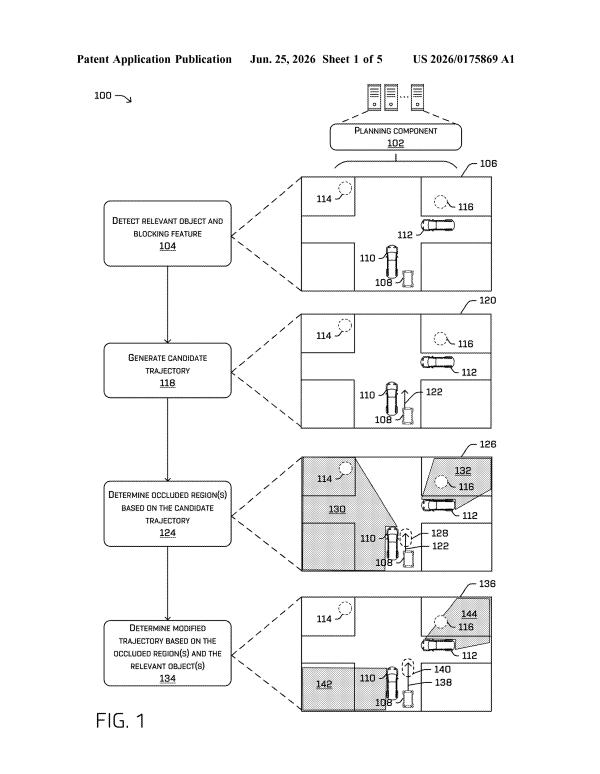
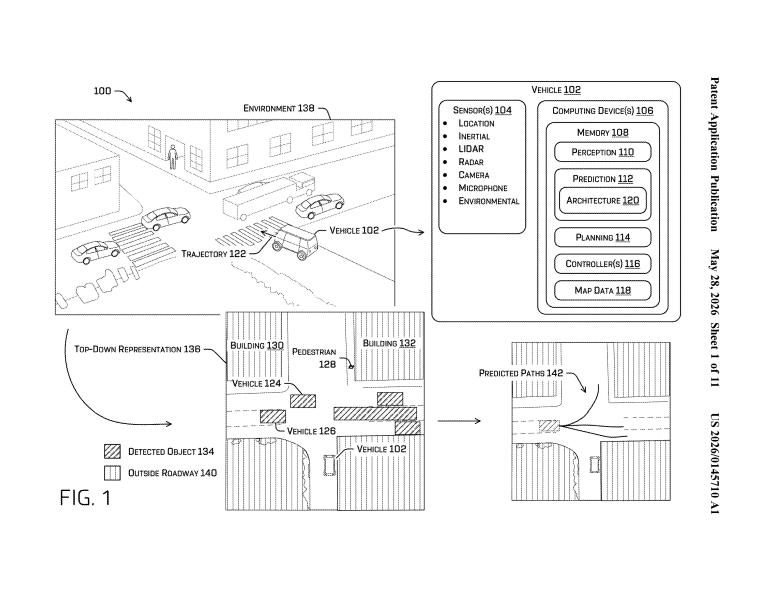
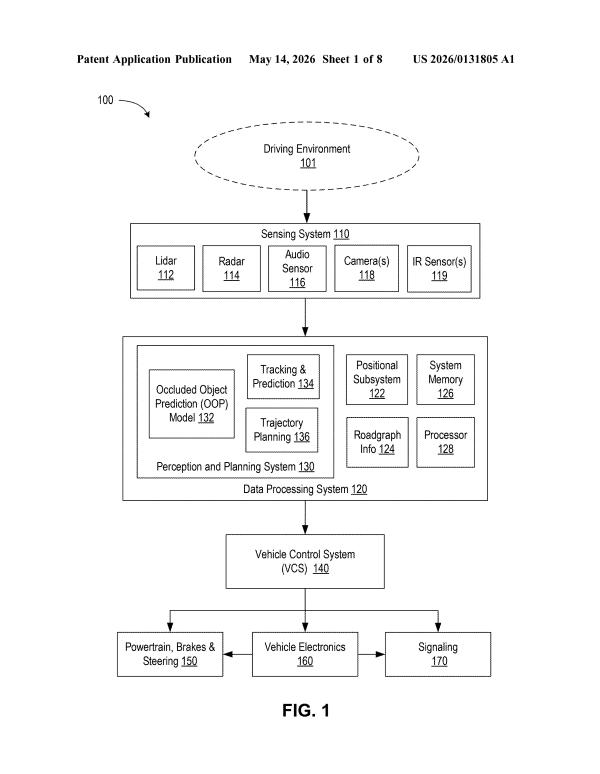
Modeling occluded zones in real time lets vehicles predict hazards behind parked vehicles and other obstacles without waiting for a clear line of sight, compressing the cautious inching-forward that human drivers do into millisecond-scale planning.
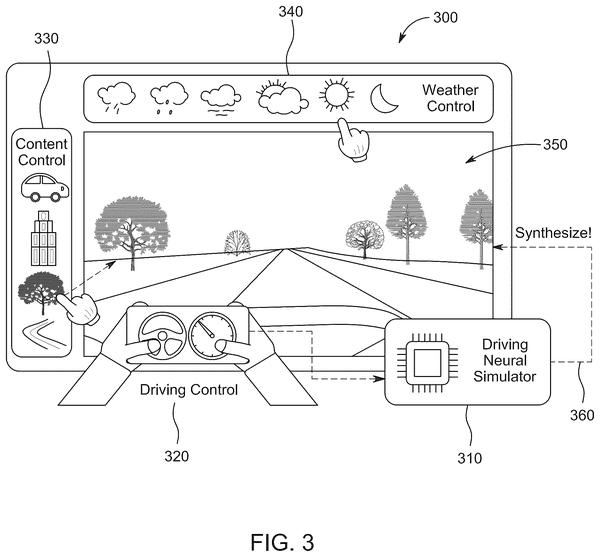
Training AI in the real world is expensive and slow. Nvidia's new patent describes a system where neural networks generate entire simulated environments on the fly, pulling from stored knowledge about the objects inside them.
Waymo and Nvidia both need to filter sensor noise before their models can react. Qualcomm's approach ranks objects by collision risk to allocate compute where it counts most.
The race has centered on collecting real-world sensor data; Nvidia's approach generates diverse training scenarios in simulation by letting the AI continuously rewrite its own virtual environments, reducing reliance on costly road testing.
Self-driving cars equipped with both cameras and radar could train faster if one sensor's labeled data automatically syncs to the other, cutting the manual work that currently slows down AI development.
The sensors need precise calibration to map roads accurately. This patent shows cameras syncing position data with nearby vehicles to self-correct their angles, bypassing manual setup.
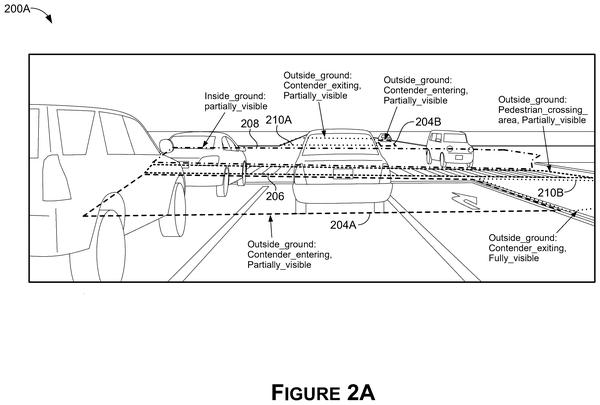
Tracking which areas sensors cannot penetrate lets the vehicle treat blocked zones as active hazards rather than unknowns, forcing explicit safety protocols around parked cars and intersection corners where pedestrians might be hidden.
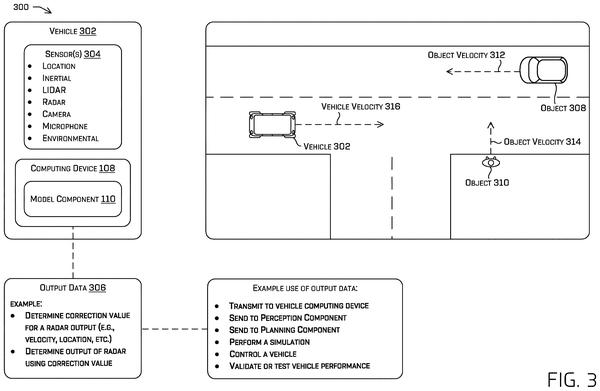
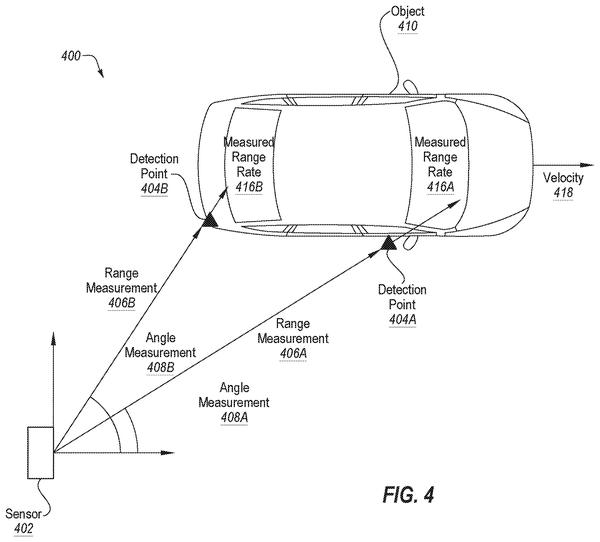
Self-driving cars need accurate speed readings from radar to brake in time. Zoox's fix catches and corrects garbled speed measurements before the car acts on them.
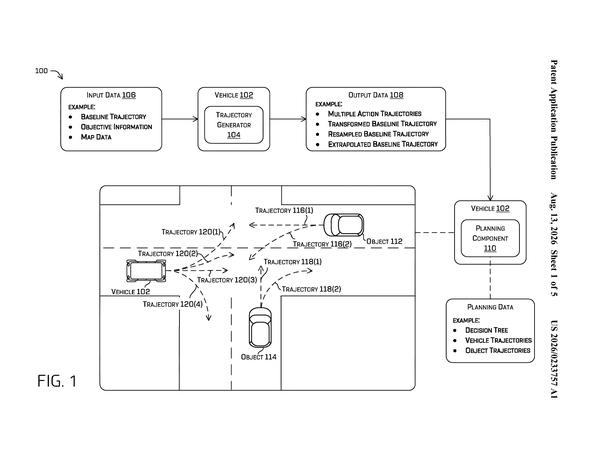
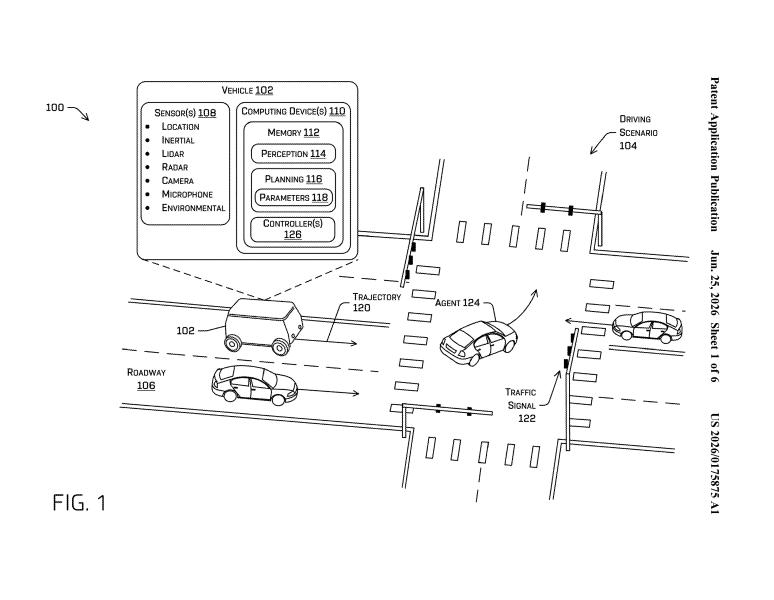
Predicting collisions before they happen requires knowing where every actor on the road will be seconds ahead. Waymo's system generates forward trajectories for the car and all nearby objects to find conflicts early.
Self-driving stacks need simulation coverage that won't leave dangerous blind spots. Nvidia's system auto-generates missing test cases instead of relying on manual scenario building.
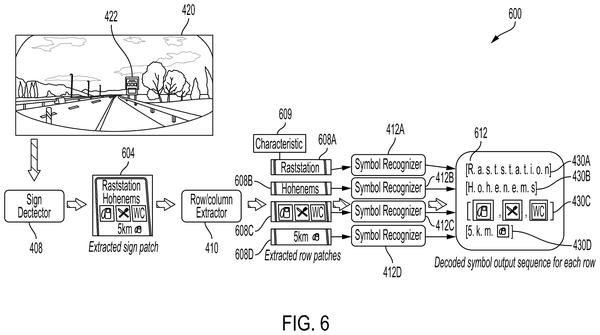
Self-driving cars need to parse cluttered road signs fast and accurately. Qualcomm's system breaks signs into individual symbols and sequences them correctly, solving a key step between raw camera input and actionable driving commands.
Longer detection range means more time to plan maneuvers, and Qualcomm's approach solves the degradation problem by retraining the AI rather than upgrading sensors, keeping costs down while extending how far ahead the car can identify obstacles.
Routing logic gets validated by a language model before execution, adding a verification layer between path planning and motion control that catches inconsistencies the initial planner might miss.
Self-driving cars need sensors to alert the central computer instantly when danger appears. Tesla's patent lets a sensor bypass the normal data queue and broadcast at higher power, so urgent warnings reach the car's brain without delay.
Fusing 3D and camera data in a single neural network cuts the computing load that normally comes from running separate perception pipelines, letting the car catch details both sensors provide without duplication.
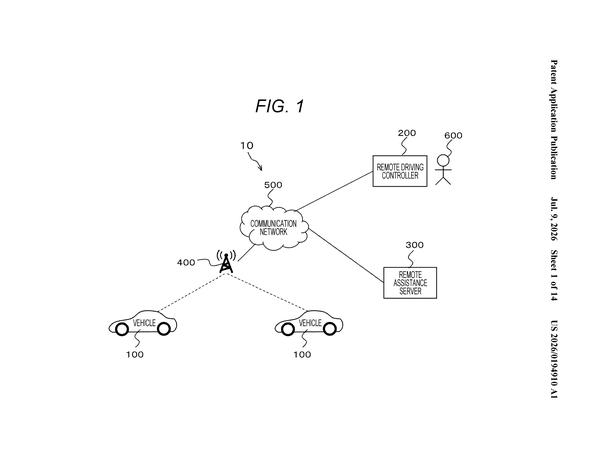
Teleoperator control interfaces shift from screen-based inputs to gestural commands mapped onto 3D vehicle environments, reducing latency between human intention and autonomous response.
Self-driving cars need to predict what other road users will do next. Zoox's system learns to recognize behavior patterns from human descriptions, letting the car build a library of real-world driving and walking styles to anticipate.
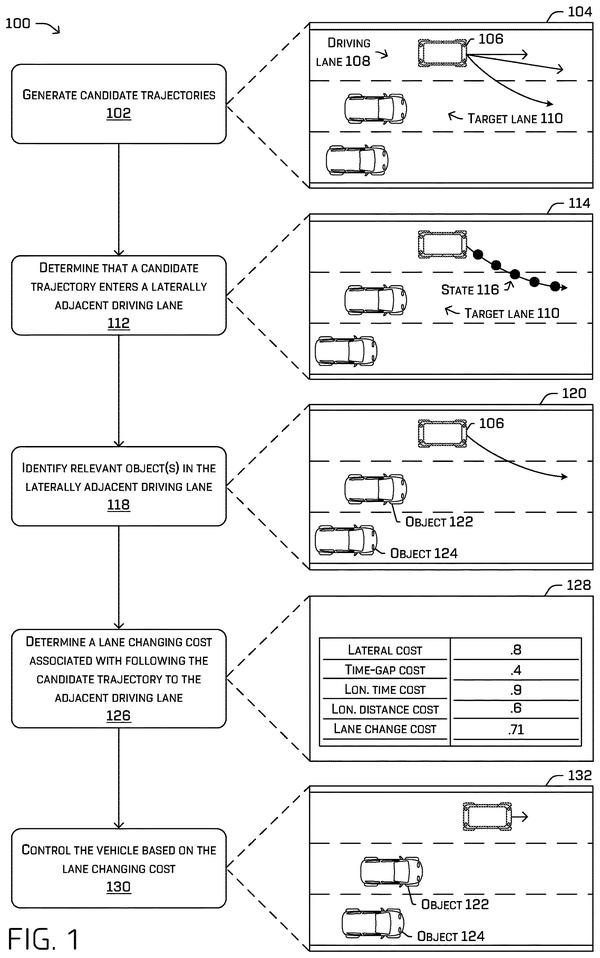
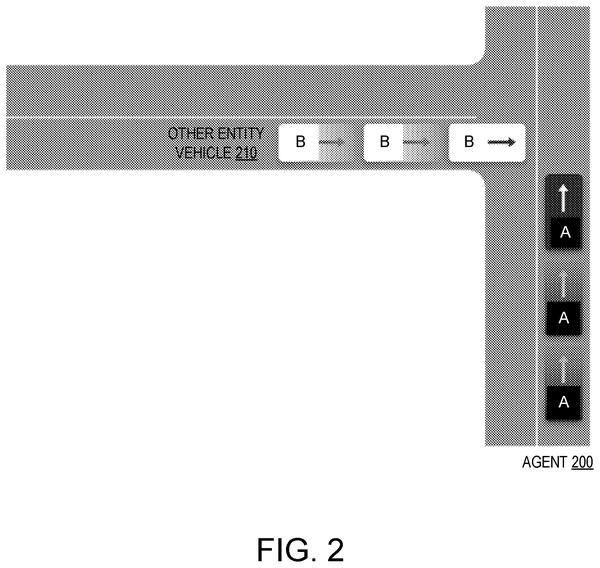
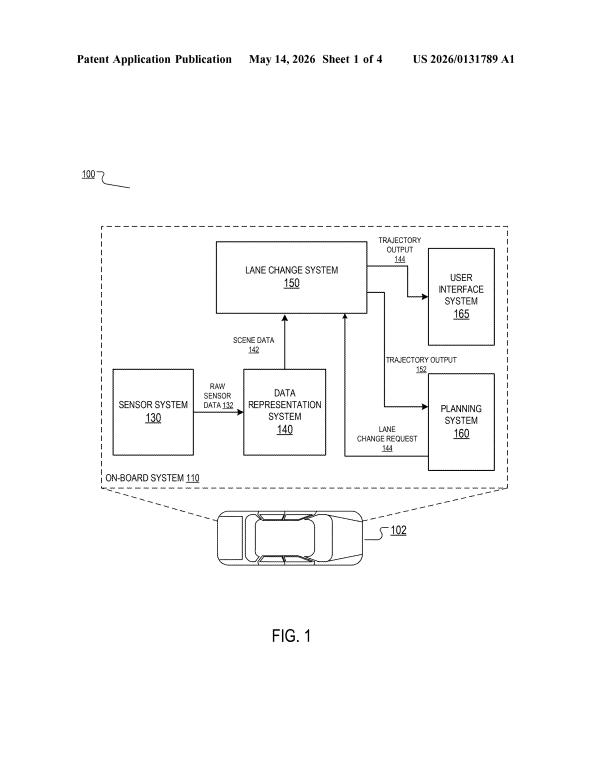
Self-driving cars that merge without spooking other drivers need to weigh how much each lane change would slow or stress nearby traffic. Zoox's cost-scoring system lets robotaxis pick moves that feel least disruptive to whoever's behind them.
Self-driving cars need GPS they can trust. Qualcomm's dual-receiver approach lets the system catch and reject confident but false position fixes before they corrupt the driving model.
Sensor drift during operation can throw off object detection. Nvidia's approach uses detected objects themselves as calibration anchors, eliminating the need for stationary targets or technician intervention in the field.
Tracking objects as they move between camera views requires each sensor to build context from scratch. Nvidia's approach lets cameras share learned features about tracked objects, cutting the perception gap at handoffs.
Built-in clock calibration keeps LiDAR distance measurements from degrading as the sensor operates, directly sharpening the real-time environment maps that guide lane changes and obstacle avoidance.
Waymo and Nvidia both need radar to measure closing speed on nearby objects. Nvidia's approach fuses incomplete sensor snapshots to estimate velocity in real time.
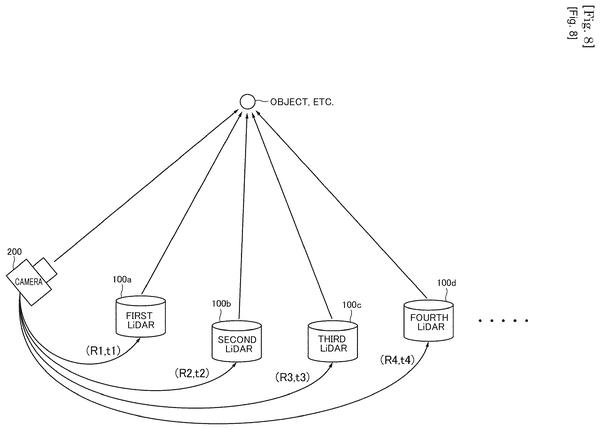
The sensor fusion problem has centered on getting cameras and lidar to agree on relative position; Sony's approach adds a third sensor as calibration arbiter, eliminating manual tuning.
Lidar reflection signatures can reveal road surface conditions like ice or wet pavement in real time, letting the car adjust grip assumptions without adding sensors or relying on weather data.
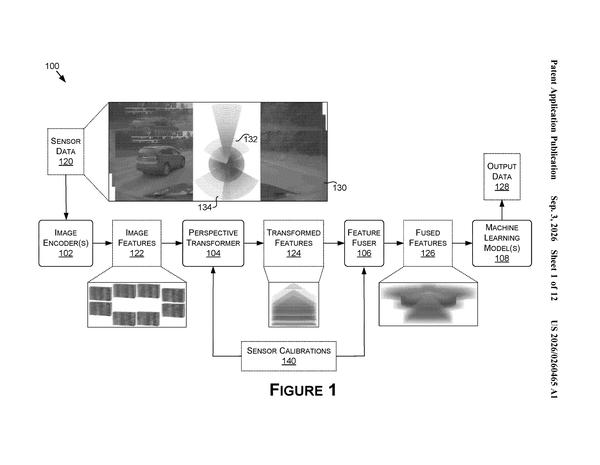
Converting angled camera feeds into a unified overhead map lets the AI reason about object positions without relying on separate depth estimates from each camera angle.
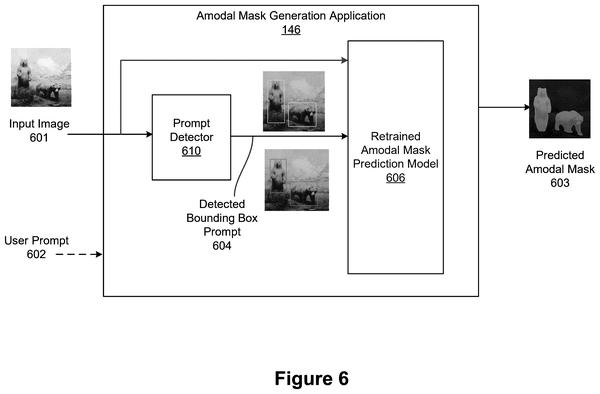
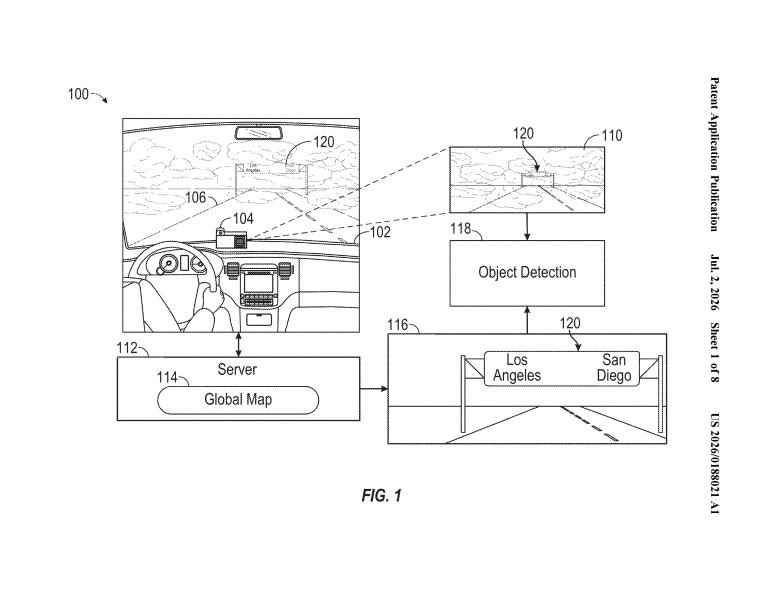
Neural networks trained to infer hidden object geometry improve localization accuracy when pedestrians or obstacles are partially blocked from view, sharpening predictions about what lies beyond a self-driving car's direct line of sight.
The watchlist so far has focused on what cameras see; this patent guards the channel between sensor and processor against tampering, catching forgery before software processes any frame.
The sensor fusion race needs cars that predict hidden pedestrians, not just see visible ones. Nvidia's training method teaches AI to infer complete objects from partial views, closing a gap that matters most when someone steps from behind a parked vehicle.
A two-stage neural network design splits object detection into separate passes, letting one network focus on localization while the other handles classification, reducing the computational load of processing 360-degree sensor feeds in real time.
Self-driving cars need to recognize pedestrians and obstacles in every lighting condition and weather. Reducing the labeled training data required means faster iteration on detection models across diverse real-world driving scenarios.
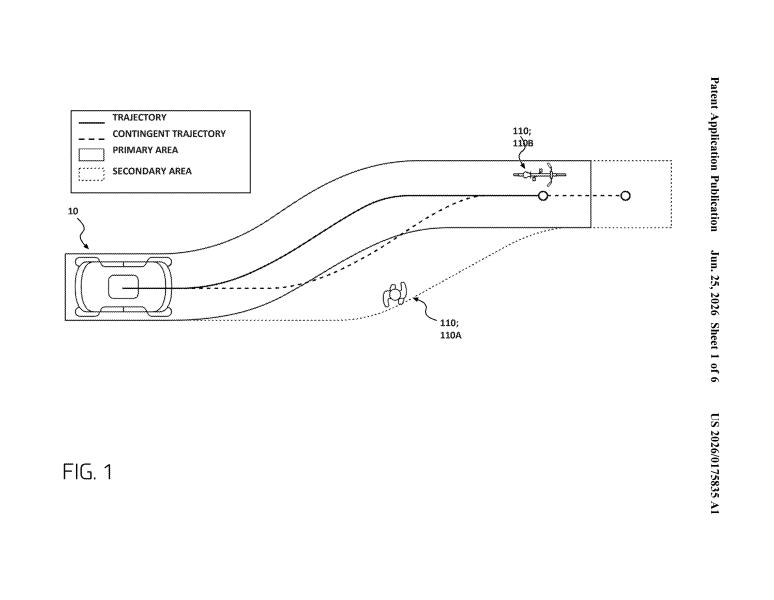
Distinguishing shoulder obstacles from actual path hazards requires mapping the car's predicted trajectory against detected objects, not just proximity alone.
Sensor efficiency under variable conditions: Sony's system adapts signal repetition per frequency based on real-time data quality, rather than firing fixed counts across all bands.
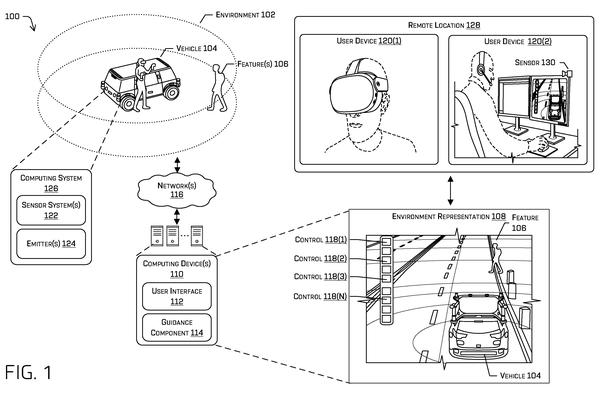
Handling edge cases that stump autonomous systems: remote operator takeover via VR lets a human intervene when the car encounters situations outside its trained model, keeping vehicles moving rather than defaulting to safe stops.
Predicting physical changes to mapped environments from historical data lets autonomous systems refresh 3D maps without repeated field rescans, addressing the gap between static sensor captures and real-world drift in road layouts and obstacles.
Building overhead maps from multiple camera and lidar feeds requires reconciling misaligned data from different sensor angles and timing. Qualcomm applies 3D rendering techniques to sharpen those composite maps and fill gaps where sensors can't see directly.
A car that loses sensor data or processing power mid-drive needs to know instantly which functions survive the failure. Nvidia's system pre-ranks critical features so the computer doesn't have to choose during the crisis.
Stale pre-built maps force most self-driving systems to rely on outdated road data. Zoox's approach generates fresh maps continuously from onboard sensors and machine learning, eliminating the lag between map creation and deployment.
Panoramic pre-scans of planned routes let cars build a forward map of road conditions and signs before they arrive, extending the reaction window beyond what live sensors alone can detect.
Predicting human reaction time in traffic: Waymo maps the delay between when drivers notice hazards and when they act, filling a gap where collisions occur.
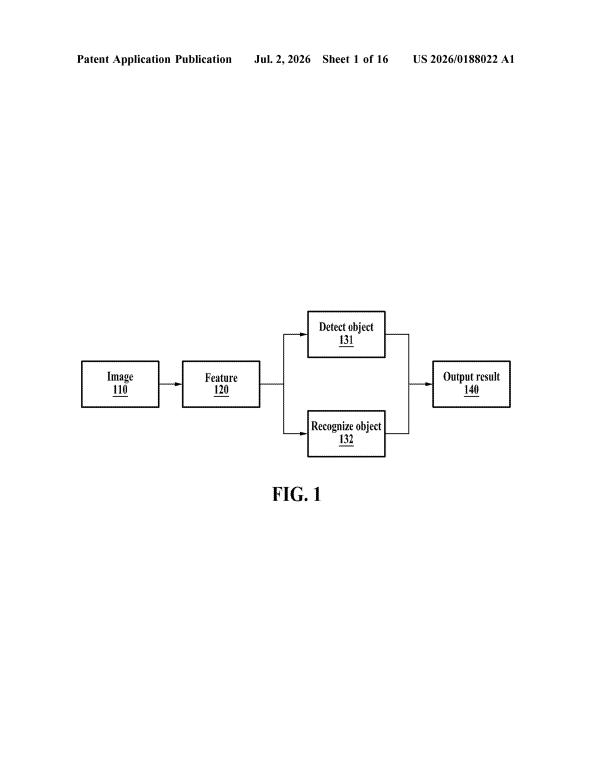
Depth perception and object detection become parallel processes rather than sequential ones, letting the AI build a unified scene model from a single camera instead of requiring multiple sensors to cross-reference.
Decoupling lighting from road layout lets simulators generate training data for conditions that rarely occur naturally, multiplying the scenarios a model can learn from without collecting new footage.
Depth sensing across multiple ranges has required tradeoffs between near and far focus. Sony's dual-section sensor splits the workload, letting one half handle close objects while the other captures distant ones simultaneously.
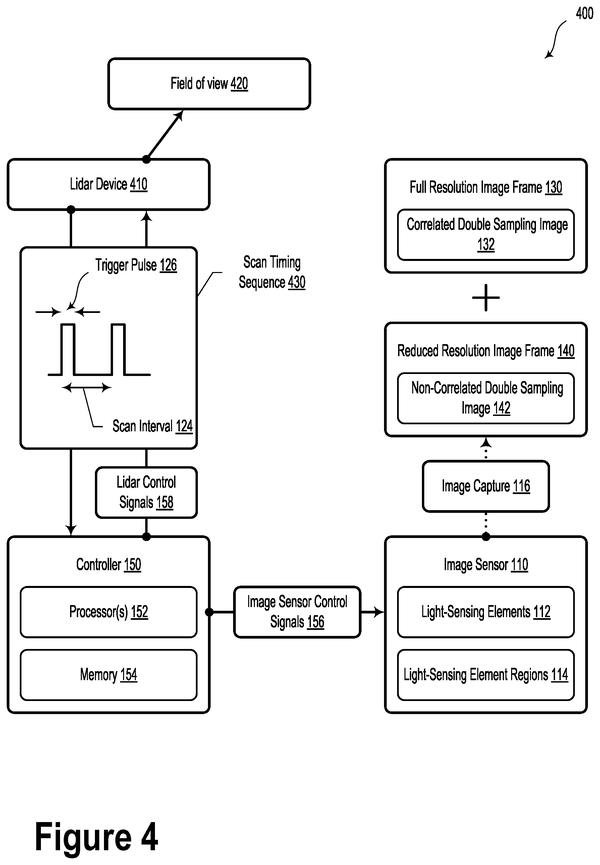
Low-light visibility requires cameras to choose between detail and speed. Waymo syncs dual-exposure captures to LiDAR pulses, grabbing both high-res and fast-readout frames in one cycle to hold sharp road detail even in near-darkness.
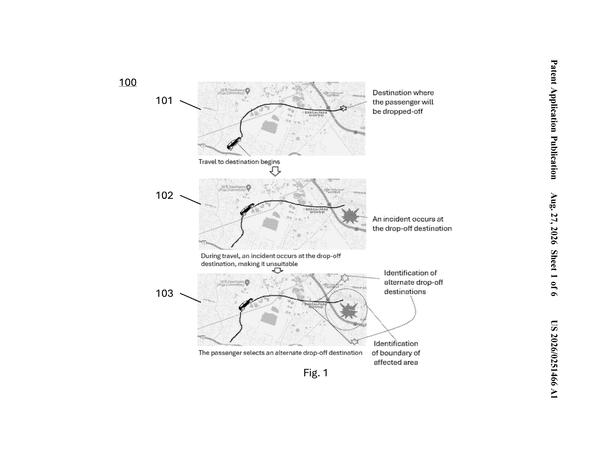
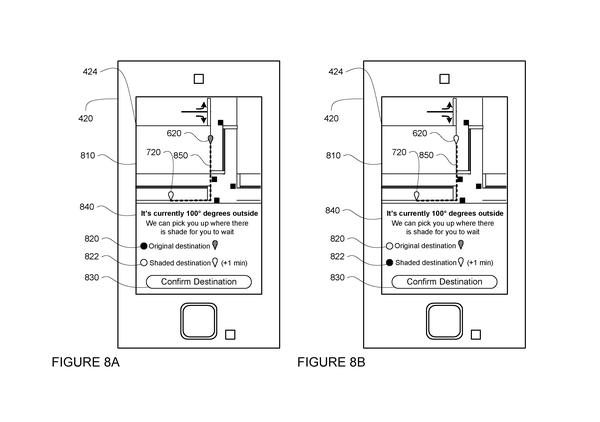
Self-driving cars that refuse unsafe drop-off zones would need real-time assessment of street conditions, weather, and crowd density. IBM's system automates that judgment call rather than leaving it to the passenger's choice or a remote operator.
Filtering out false obstacles like manhole covers reduces unnecessary braking events that can confuse following traffic and degrade passenger experience on city streets.
Self-driving cars need crisp 3D maps to navigate safely, not blurry approximations. Qualcomm's approach fills in missing details by matching rough map objects to a database of real-world shapes, sharpening the sensor data that guides driving decisions.
Self-driving cars need their safety systems running even when one module fails. Nvidia's method isolates restarts so critical functions like steering and braking keep working while a crashed component reboots.
Self-driving cars need lidar working even when sunlight or reflective surfaces flood the sensor. Sony's method restores detection speed after these blinding moments, keeping distance measurements reliable in high-glare conditions.
Self-driving systems need to know when their sensors are compromised. Sony's chip-level degradation detection lets cameras flag themselves before mud or damage silently breaks pedestrian detection or road mapping.
A remote human operator can step in the moment any sensor fails, working from live feeds of the car's remaining vision. This addresses a gap in how autonomous systems handle partial blindness on real roads.
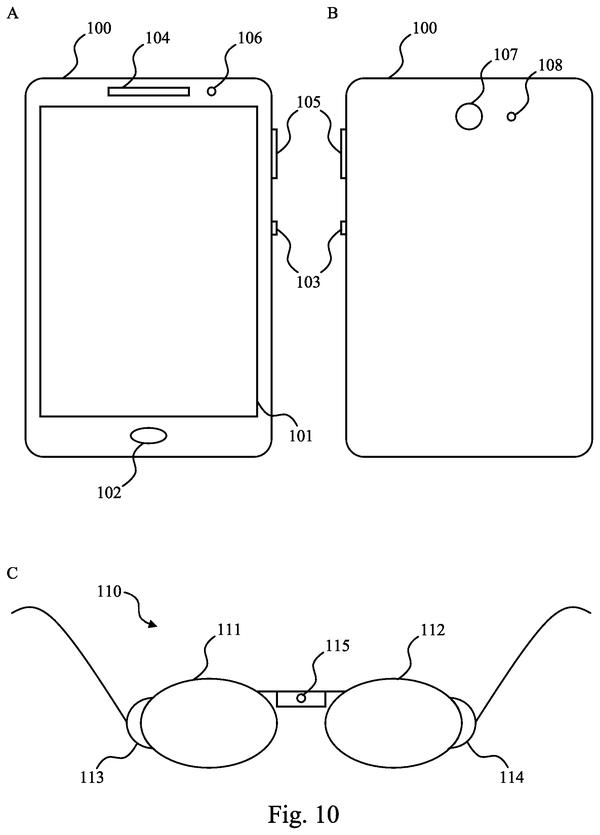
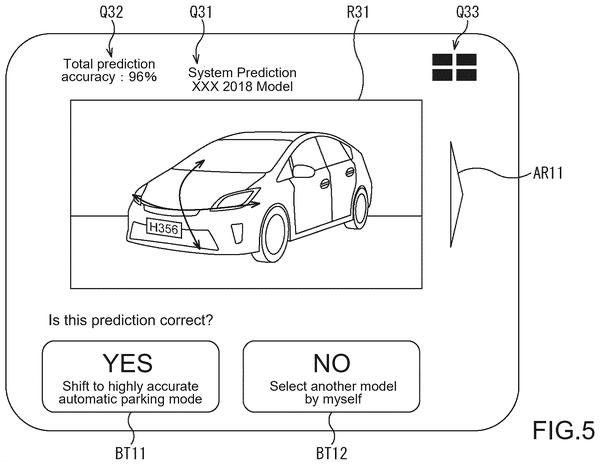
Parallel parking next to a giant SUV when you're driving a compact is genuinely nerve-wracking. Sony's semiconductor arm has filed a patent for a system that simulates the entire parking maneuver before you attempt it, using a live 3D scan of the cars already in the space.
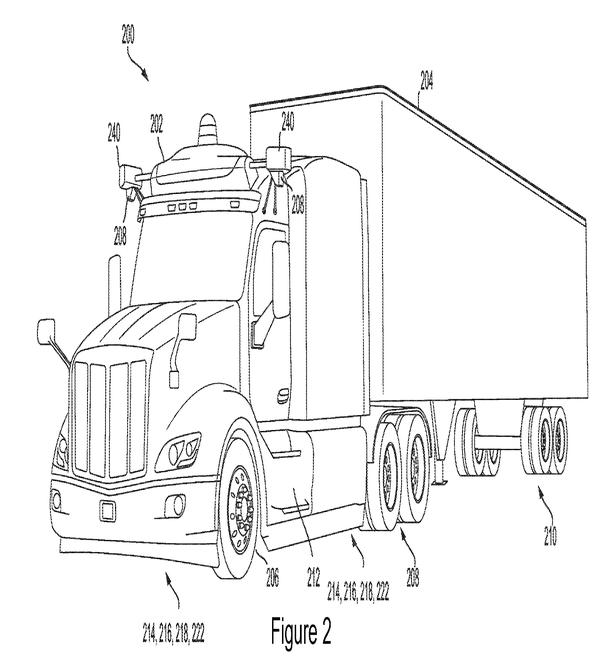
A third independent brake controller ensures the truck can stop even if two fail, replacing driver intervention with redundant hardware paths that self-driving freight cannot afford to lose.
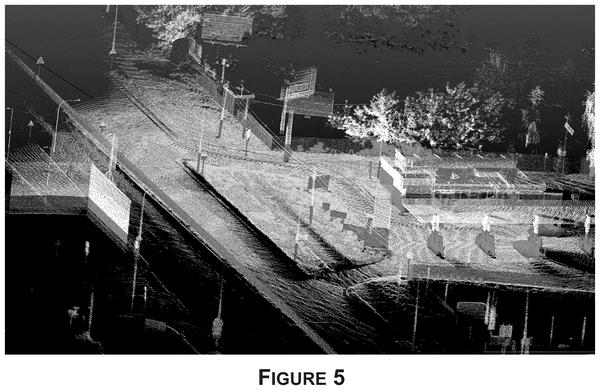
The sensing race includes a gap where flat surfaces vanish from LiDAR returns. Nvidia's method synthesizes road data from weak or missing signals, filling what sensors naturally skip.
Layering LiDAR and camera data to detect road surface conditions like wet patches and potholes fills a gap between obstacle detection and the granular hazard mapping needed for safe trajectory planning.
Camera timing skew has plagued the perception pipeline; Qualcomm's approach detects and corrects misalignment automatically rather than requiring manual calibration between sensors.
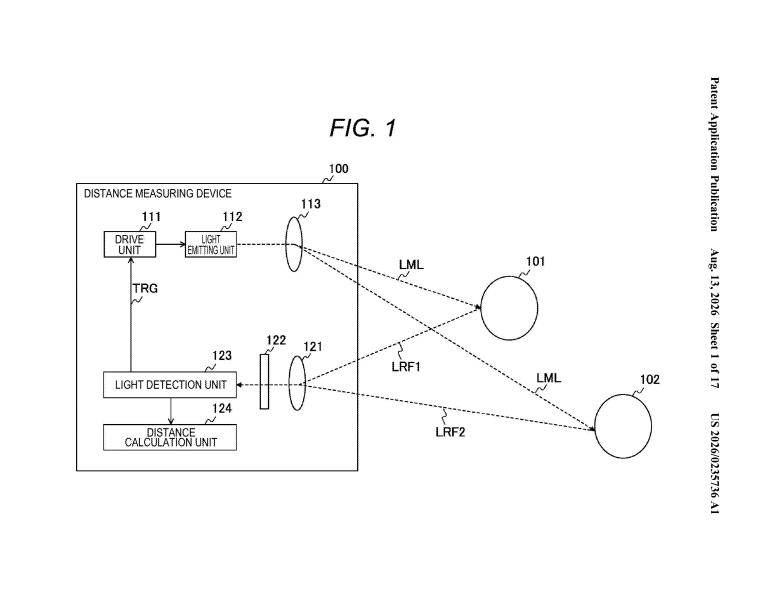
Time-of-Flight sensors bounce infrared off reflective surfaces to measure depth, but glass lets light pass through instead of bouncing back, creating a phantom gap where obstacles exist. Sony's method detects this signature failure mode.
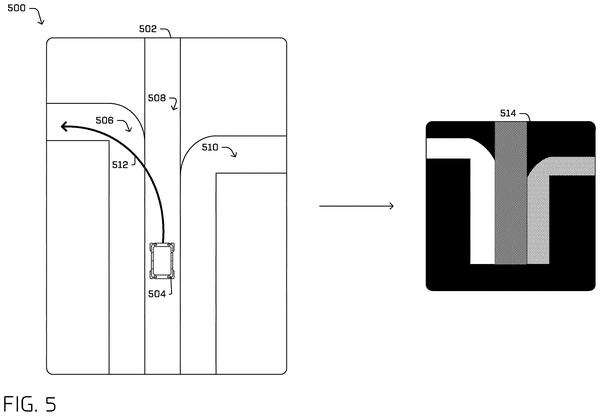
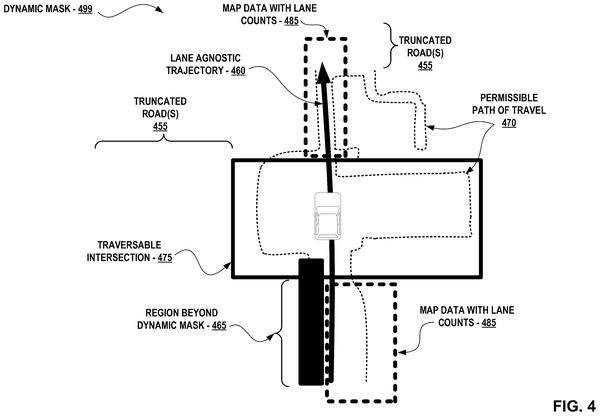
A neural network that identifies intersection boundaries and road patches in real time from camera feeds, letting the car map crossing zones without pre-built maps and determine safe passage during simultaneous arrivals.
A degradation model for each sensor lets the car measure how much rain or fog is blocking its view, then adjust speed and following distance rather than assume normal visibility.
The race to multiply training data hits a bottleneck: cameras capture one angle per drive. Waymo's approach generates unseen camera positions from existing footage, letting the fleet learn from synthetic viewpoints without reshooting identical routes.
Measuring how far objects jut into traffic lanes, not just detecting them, fills a gap between recognizing a parked truck and knowing whether its open doors actually block your path.
Organizing sensor readings into time buckets lets Nvidia detect clock drift across multiple cameras and radar units without heavy computation, a common failure point when self-driving systems fuse data from misaligned timestamps.
Nobody wants to step out of a self-driving car into a downpour. Waymo is patenting a system that reroutes you to a better drop-off spot when the weather at your original destination is miserable.
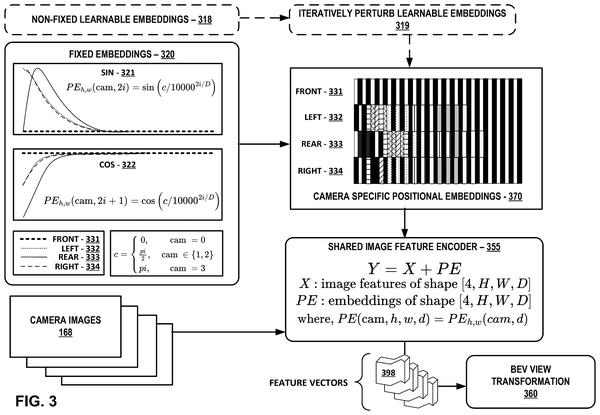
Merging six camera feeds into one scene map requires the AI to know which physical camera each image comes from. Qualcomm's approach trains one encoder to handle all feeds while tracking source camera identity.
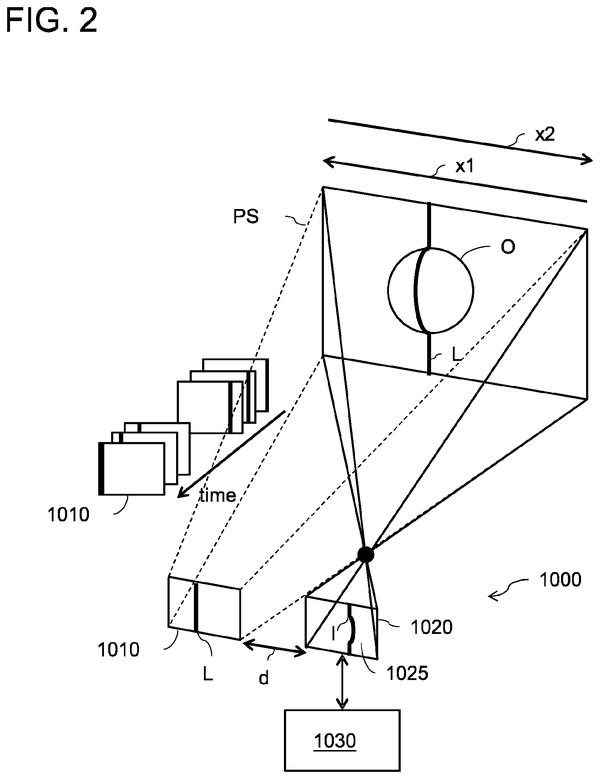
Distinguishing moving objects from stationary debris requires temporal context that single frames can't provide. Nvidia's approach fuses sequential camera data so the car's AI can separate a accelerating cyclist from wind-blown trash.
Sensor degradation in bad weather demands active recalibration. Waymo's system detects when rain or fog is corrupting readings and shrinks the field of view to maintain detection reliability rather than relying on degraded data across a wider area.
Self-driving cars need to predict hazards beyond their sensor range. This patent lets vehicles request live camera feeds from nearby cars or roadside posts, effectively extending their perception field to spots their own hardware physically cannot reach.
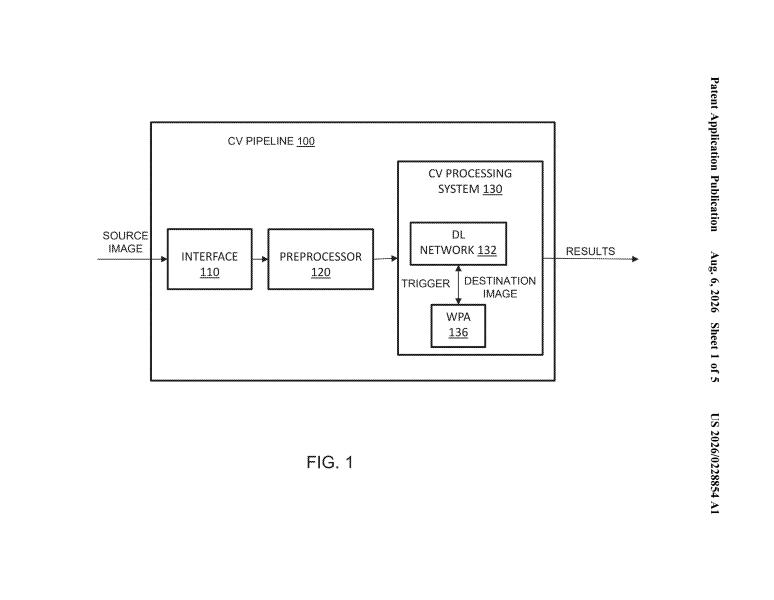
Self-driving cars need pixel-perfect segmentation maps to distinguish road from shoulder from parked cars. Nvidia's method generates those maps without manual annotation, removing a major constraint on how fast teams can retrain their vision models.
Self-driving cars need to separate a pedestrian from a wall behind it. Sony's chip runs two measurement modes in sequence, resolving which reflection came from which object.
Mapping road features lets self-driving cars pinpoint each other's location without relying on GPS signals, solving the coordination problem when multiple autonomous vehicles operate in the same space.
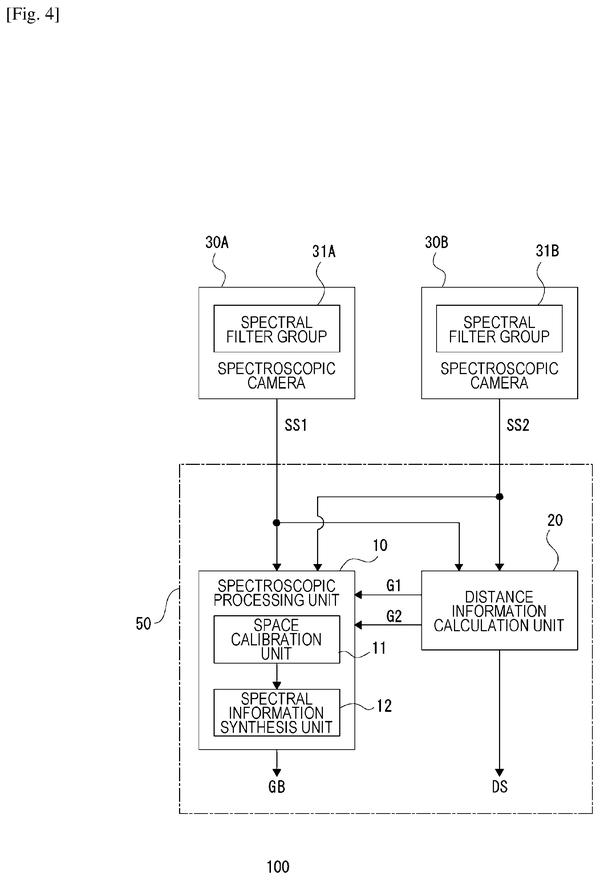
Self-driving cars need depth maps that stay sharp in color-rich scenes. Sony's dual-sensor approach lets cameras measure distance without dimming the wavelength data needed to identify road signs, lane markings, and pedestrians by sight.
Predicting hidden pedestrians requires the car to simulate multiple escape routes in real time. Zoox's branching search system lets the vehicle evaluate which evasive maneuver minimizes collision risk before committing to one.
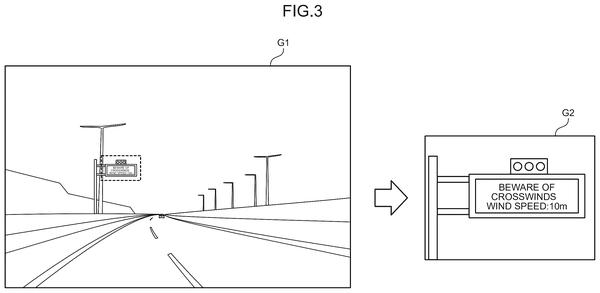
Self-driving systems need to know what signs said, not just that they exist. Sony's approach logs sign data after the car passes, solving the timing problem that makes real-time alerts useless at highway speeds.
Detecting sensor degradation in real time prevents a self-driving car from operating blind in fog, rain, or dust without realizing its vision has failed. Waymo's system compares expected versus actual sensor output to catch gradual performance loss.
Temporal gaze patterns catch driver inattention that single-frame detection misses, adding a monitoring layer that flags sustained distraction rather than momentary glances.
Filtering sensor streams by predicted driving path lets the system process high-resolution data from relevant areas while downsampling peripheral zones, reducing the computational load that limits real-time perception on embedded hardware.
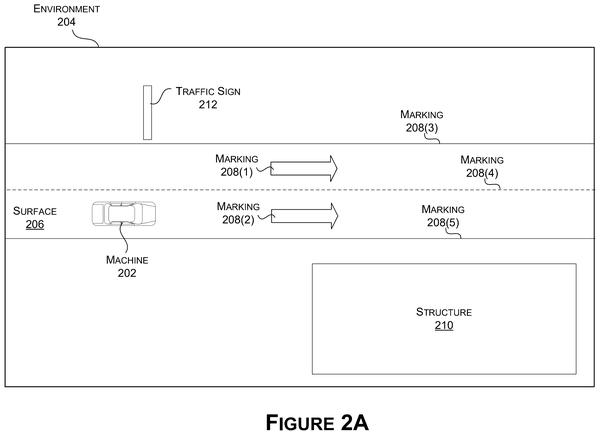
Mapping relies on databases of known markings, but this method lets cars decode unfamiliar road symbols directly from visual input, filling a gap when markings don't match pre-loaded data.
Modeling the geometry of partially blocked lanes lets the car compute safe crossing angles without requiring a full lane change, solving a common urban chokepoint where human drivers constantly negotiate space.
Mapping fixed structures like concrete pillars against stored layouts solves the GPS blackout problem in garages, letting self-driving systems maintain position accuracy where radio signals fail.
Predicting hidden pedestrians requires knowing which vehicles won't swerve into your path. Zoox's system filters out low-probability threats so the car can focus computation on genuinely dangerous nearby objects.
Self-driving cars need fast, reliable localization to navigate safely, and this filing shows how coarse-to-fine landmark detection can speed up the visual recognition bottleneck that currently limits real-time positioning accuracy.
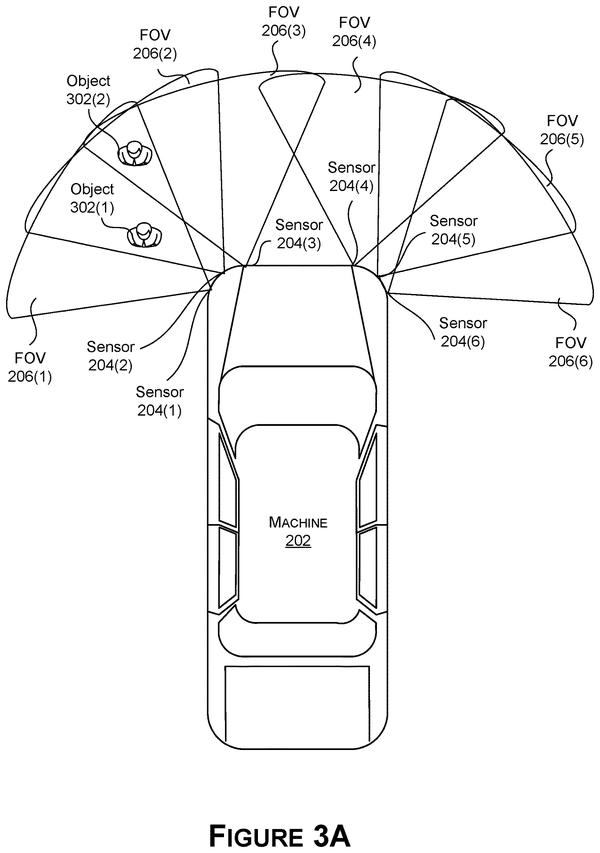
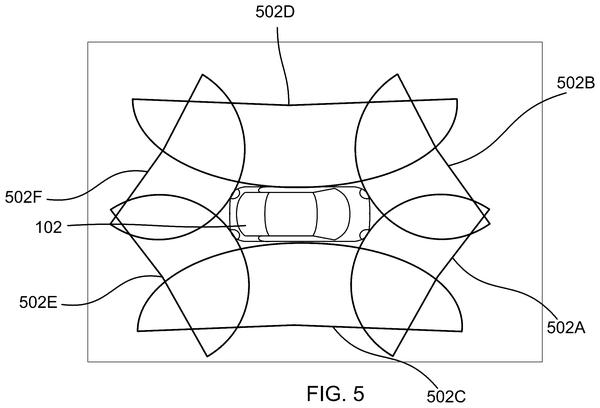
Switching between multiple LiDAR sensors based on real-time driving conditions lets cars rely on whichever laser configuration handles fog, glare, or darkness best.
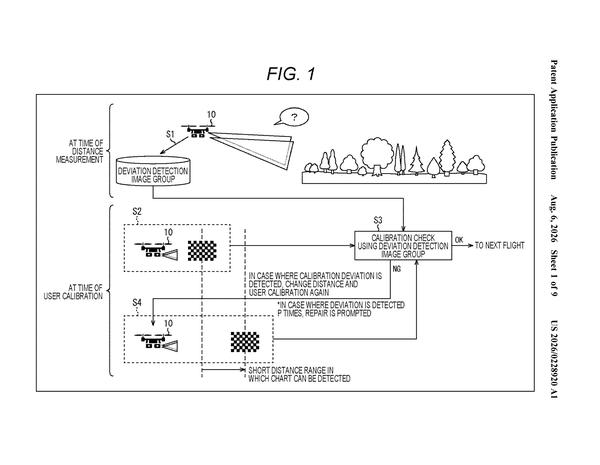
Stereo cameras that drift out of alignment during flight can now self-correct by pairing blurry frames with sharp ones from the same moment, keeping the 3D depth measurement calibrated without waiting for ground processing.
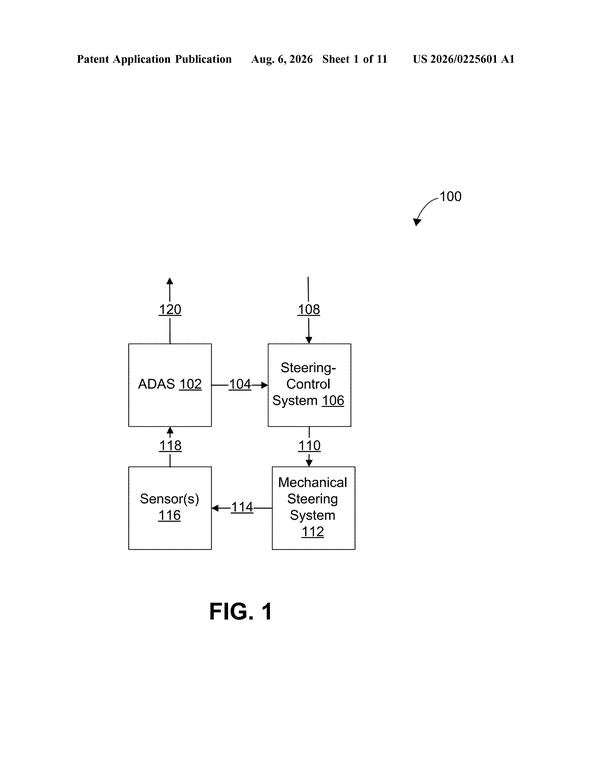
Comparing steering commands from the autopilot against actual wheel position lets the system detect manual override without requiring torque sensors or driver-facing cameras, a simpler way to know when control has shifted.
The sensing race requires cameras to deliver clean, aligned images before any downstream model can work. Nvidia moves perspective correction from software into a dedicated chip, cutting latency on the camera-to-processor pipeline.
Predicting hidden pedestrians and spotting distant hazards both require different sensor ranges; this fusion approach lets the system handle near and far threats simultaneously rather than choosing between them.
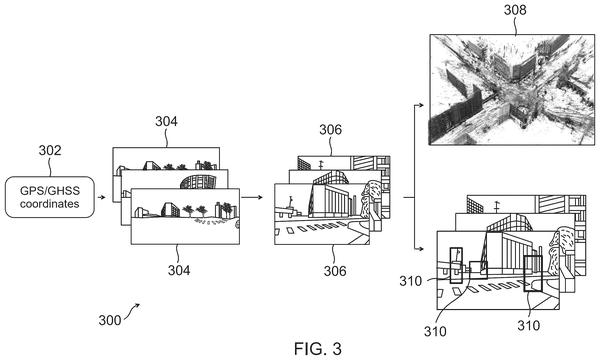
The race to map roads and surroundings now includes synthetic camera angles. Nvidia's approach reconstructs 3D space from existing cameras, then renders views that don't physically exist, filling perception gaps without adding hardware.
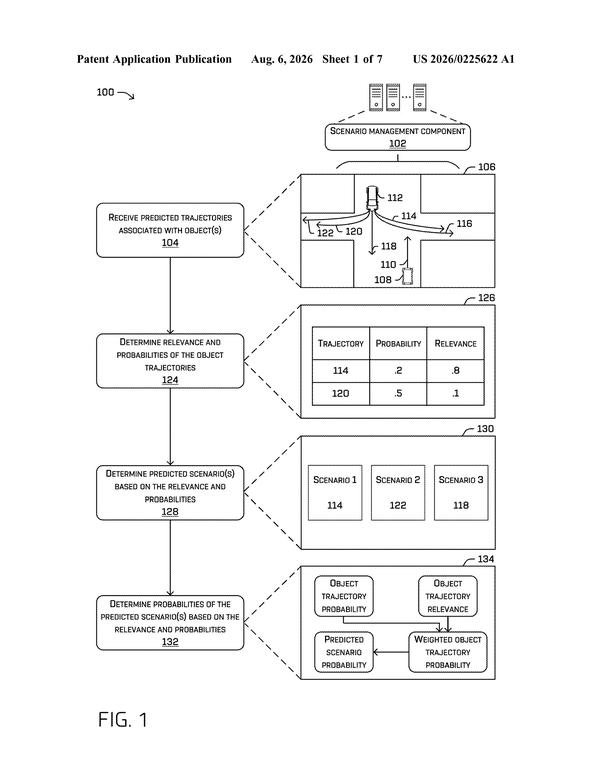
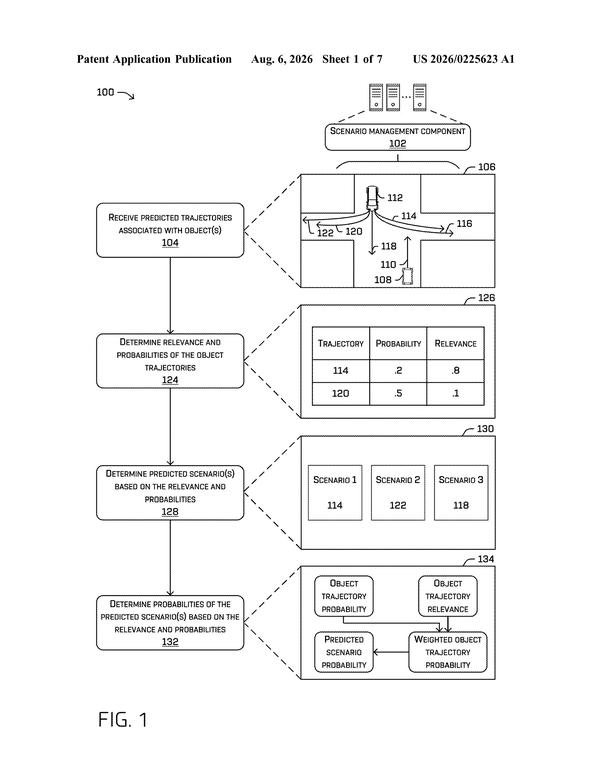
Probability-weighted response planning lets self-driving cars calibrate braking force to the actual likelihood of collision rather than worst-case scenarios, reducing unnecessary deceleration.
The race to map roads relies on LiDAR's ability to measure distance by timing light bounces. Sony's approach shrinks the photon detector and its electronics onto one chip, reducing noise that degrades range precision in cluttered driving scenes.
The sensing race needs fast decisions: this patent moves path planning from CPU to GPU so self-driving cars can evaluate hundreds of steering options per frame instead of picking one trajectory and hoping it works.
Sensor noise from internal electronics has plagued camera-based perception. Sony's shielding approach separates the imaging and transmission circuits to keep electrical interference from corrupting the road data that downstream models rely on.
Pre-computing which image regions matter most lets the chip skip wasted calculations when stitching multi-camera feeds into overhead views, cutting the processing load for real-time surround-view rendering.
Predicting pedestrians behind visual obstructions relies on fleet data: cars record where people commonly cross occluded intersections, then share those patterns so approaching vehicles can preemptively adjust speed and trajectory.
Predicting hidden pedestrians and timing lane changes require warnings that actually reach the driver. This patent ensures audio alerts work by embedding test signals that verify speakers function during normal playback.
Devices cross-checking GPS claims against independent position estimates catches spoofed or degraded signals before self-driving cars rely on them, hardening the location data that feeds prediction and planning models.
Sensor placement and support structures create detection gaps in current arrays. Samsung's filing proposes mechanical redesign to eliminate these shadows, advancing the physical architecture that self-driving systems depend on to see their surroundings.
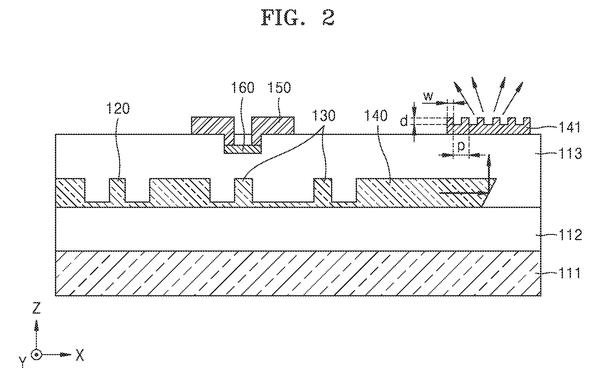
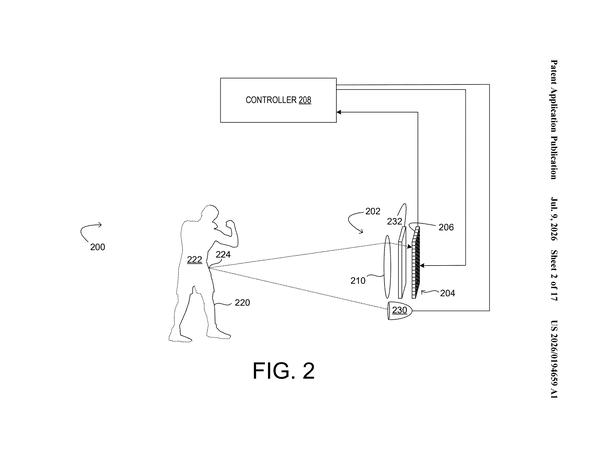
Steering light through nanoscale switches on a single chip removes the need for mechanical spinning components, compressing the entire LiDAR stack into silicon and cutting the size and cost barriers that have kept 3D sensing out of mass-market vehicles.
A single end-to-end neural network replaces the usual pipeline of separate detection, classification, and tracking modules, reducing handoff errors between stages where independent systems can contradict each other.
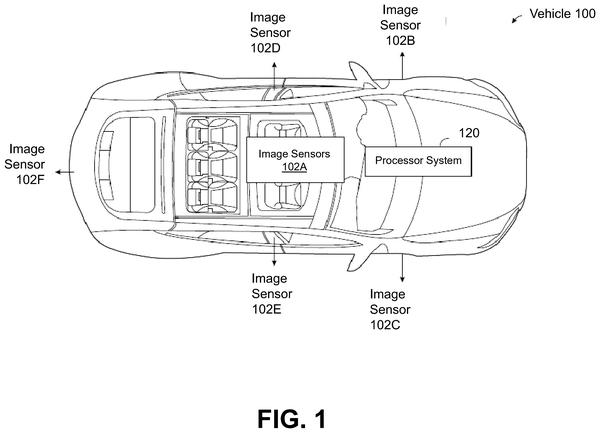
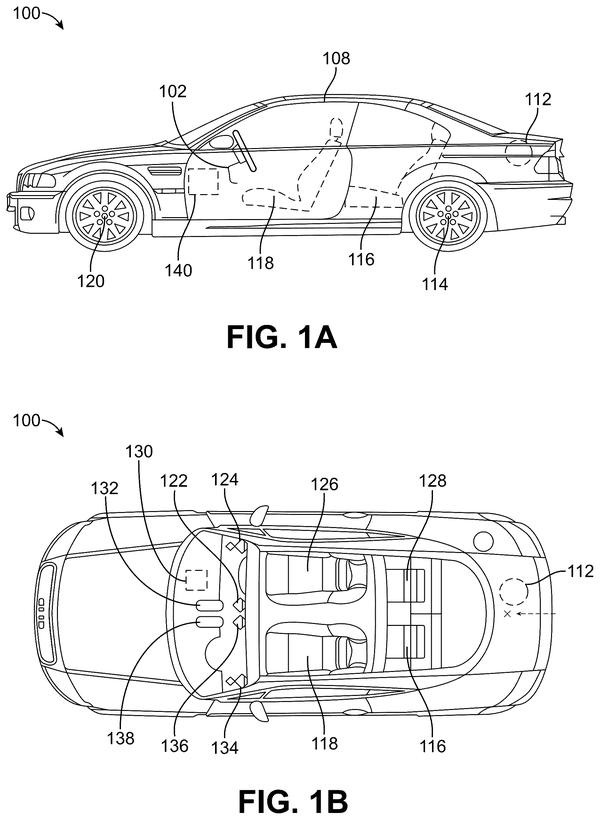
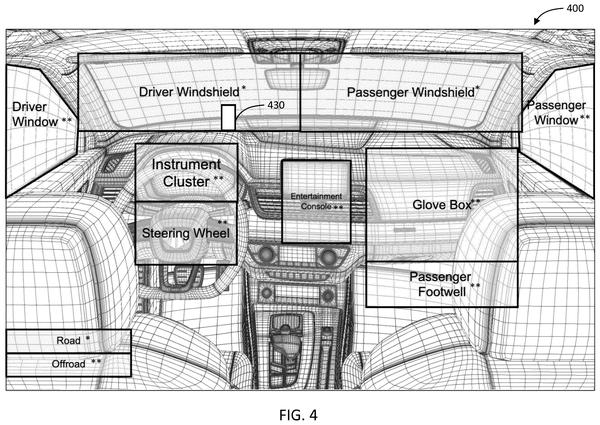
Combining interior camera and radar feeds lets the system detect occupants across all seats, extending Waymo and Nvidia's sensor fusion work from road sensing into cabin monitoring for child detection.
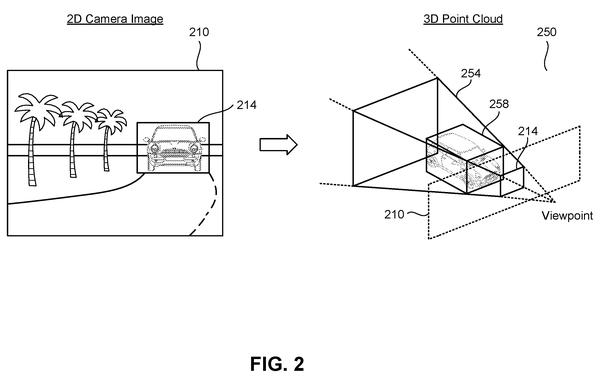
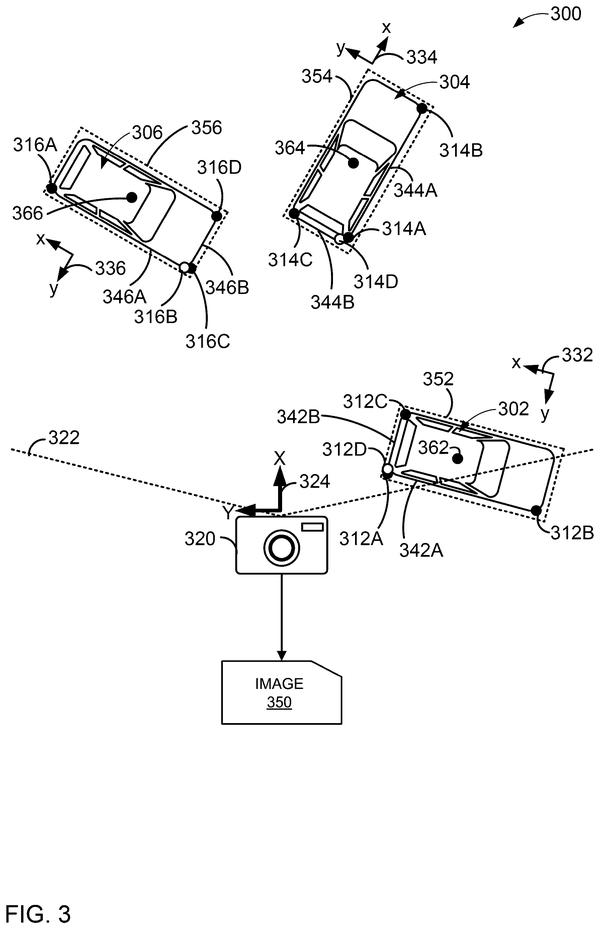
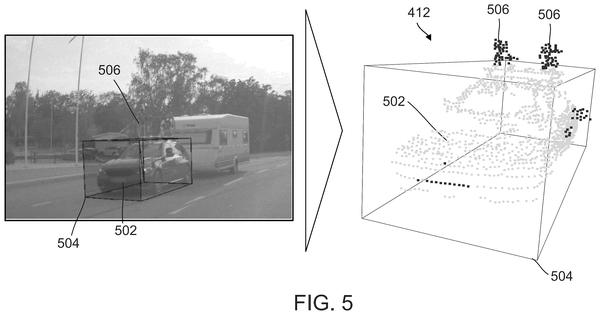
Fitting bounding boxes around detected objects lets the system infer depth and track motion in 3D, solving the core problem of converting flat camera images into spatial coordinates that self-driving systems need to navigate safely.
Interior monitoring needs calibration before it can work, this patent automates the geometric mapping that lets cabin cameras know where passengers and objects actually are.
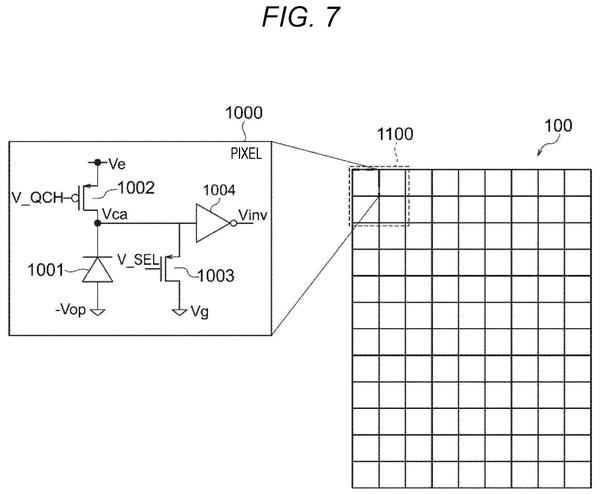
Event cameras flood with signals in bright sun, killing their speed advantage. Sony's pixel-level control gate prevents saturation without losing the high-frequency data that makes these sensors valuable for fast-moving traffic.
Predicting hidden pedestrians and vehicles fills a gap the watchlist identified: self-driving systems need to infer motion beyond their direct line of sight, not just react to what sensors currently show.
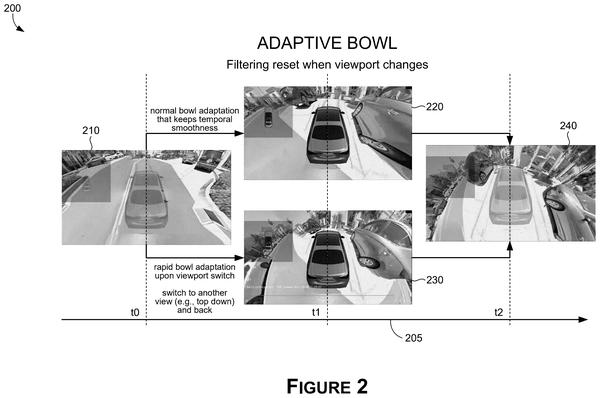
Masking stitching boundaries between surround-view cameras prevents visual discontinuities when pedestrians or vehicles cross seams, keeping the bird's-eye display stable as the system recomposes its 360-degree map.
Thermal and visual sensors tuned separately for each seat location catch children who might be hidden in back rows or footwells, adding a safety layer for autonomous vehicles that park unattended.
Configurable sensor fusion for cabin monitoring lets automakers weight camera, radar, and biometric inputs differently depending on their vehicle class and safety priorities, rather than relying on fixed factory settings.
Mapping the deviation problem: when construction or obstacles force cars off their planned routes, the network needs real-time visibility into actual paths, not just alerts that something went wrong.
A motorized actuator layered with passive dampening lets one suspension system filter out high-frequency road texture while absorbing low-frequency bumps, expanding what sensor data the undercarriage can reliably capture.
The race to see through fog and predict hidden pedestrians now has a power management layer: Nvidia's patent shows how to keep expensive sensors dormant until a camera spots something actually approaching.
Mapping and prediction both depend on fast LiDAR data. Separating geometry from color in compression buffers reduces the bandwidth needed to stream dense 3D scenes in real time.
Dual-pixel sensors with selectable distortion correction let motion-detection circuits operate on either raw or corrected data, improving tracking of fast-moving objects that lens curvature would otherwise blur.
Fusing camera and lidar data lets the system build a 3D map of scattered debris and classify each piece, so the car can decide whether an obstacle requires steering around it or just slowing down.
The race includes mapping invisible lanes when road markings vanish or obstacles block them. Nvidia's approach reconstructs lane geometry from surrounding context, letting the car steer precisely around parked vehicles without guesswork.
Radar returns unstructured point clouds that standard vision networks can't parse. Qualcomm's system converts raw radar into grid-based images, letting the same neural architectures work across both sensor types in rain and darkness.
Self-driving cars must distinguish between harmless debris and actual hazards in real time. Zoox's system automates that sorting, letting robotaxis ignore windblown trash instead of braking for every moving speck.
Self-driving cars that monitor passenger brain activity could adjust driving style to match individual comfort levels, adding a personalization layer beyond route optimization and hazard detection.
Radar's phase center shifts with frequency, breaking triangulation. Tesla's method auto-calibrates this per signal to keep spatial mapping accurate without manual tuning.
Self-driving cars can now build and refresh their own maps at the sensor level instead of relying on preloaded data, letting them navigate unfamiliar roads in real time.
Sensor cost cuts the other way: cheaper cameras plus software inference replace expensive hardware rather than upgrading it. This shifts the sensing race from pure hardware specs toward computational tricks that squeeze performance from basic components.
Self-driving cars need one unified picture of the road, not conflicting maps from each sensor. Qualcomm's method automatically aligns and merges 3D scans from multiple angles into a single, consistent view.
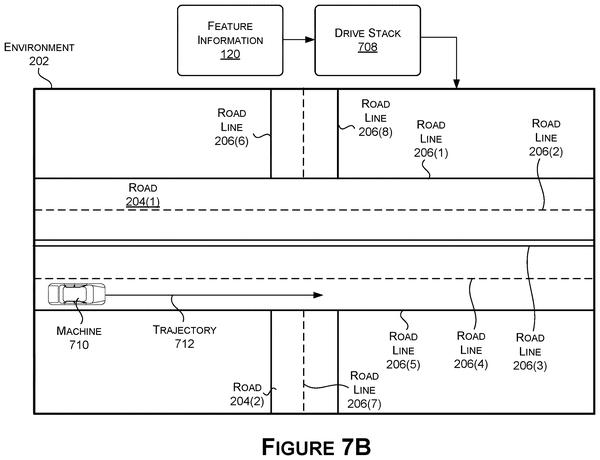
Self-driving cars that can infer complete lane geometry from fragments would navigate roads with worn or obscured markings the way human drivers do, closing a gap between lab conditions and real pavement.
Cleaner laser signals mean LiDAR can detect smaller objects and distant hazards with less power. The coating reduces internal reflections that degrade range and accuracy in cluttered roadside scenes.
Wireless vehicle signals arrive when direct sensor contact fails. Qualcomm's patent builds a confidence filter to weigh whether a car should act on those broadcasts or wait for independent confirmation.
Ranking which road objects matter in real time requires processing multiple sensor streams together, not separately, so the system can weigh a pedestrian near the curb differently than one across the street.
Self-driving cars need cameras that stay calibrated through vibration and temperature shifts on the road. Qualcomm's method lets cameras detect and correct their own drift without factory recalibration, keeping sensor data reliable during actual driving.
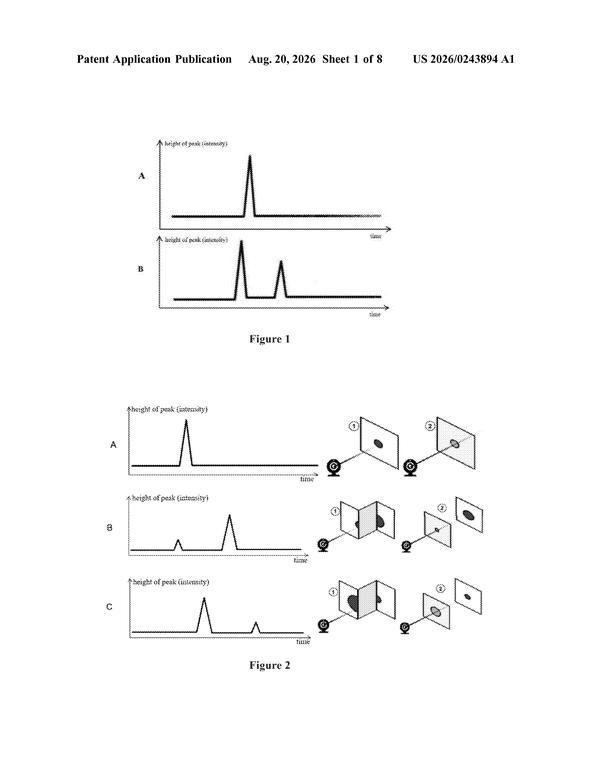
Resolving depth ambiguity in time-of-flight sensors by distinguishing nearby objects from distant ones at the same signal phase, improving the reliability of lidar-style range measurements in crowded driving scenes.
Recording steering and braking sequences from one vehicle's passage lets the next car replay those moves automatically, cutting the need for live human operators to react to road hazards in real time.
Radio broadcasts from nearby vehicles get synthesized into overhead maps that show moving traffic beyond the car's direct line of sight, filling gaps that cameras and lidar struggle with in fog or around corners.
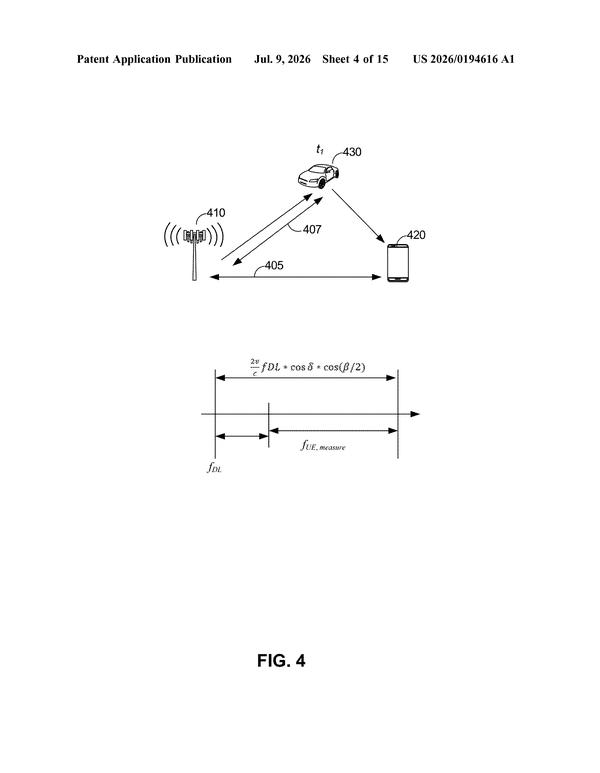
Radio frequency reflections can detect moving objects without cameras, using Doppler shift analysis across multiple signal bounces to identify velocity and position.
A highway exit might have a 'trucks only' sign that applies to one lane but not the three next to it. Getting that wrong at highway speed is a real problem, and Nvidia has filed a patent for a system that figures out exactly which lanes a sign is talking about.
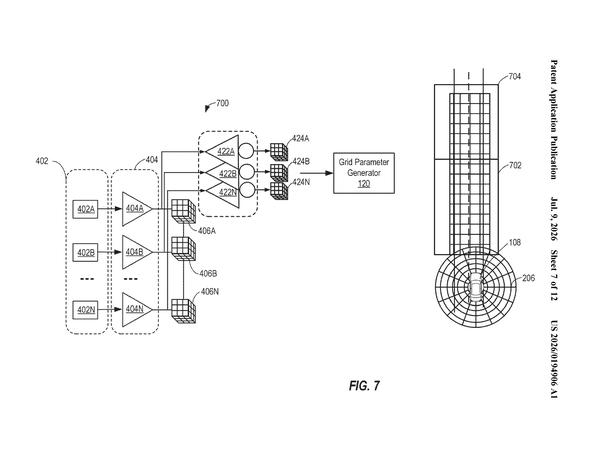
The sensing race has centered on what cars detect, not how efficiently they process it. Qualcomm's grid system solves a real bottleneck: allocating compute only to regions where objects actually appear, rather than burning power on empty road sections.
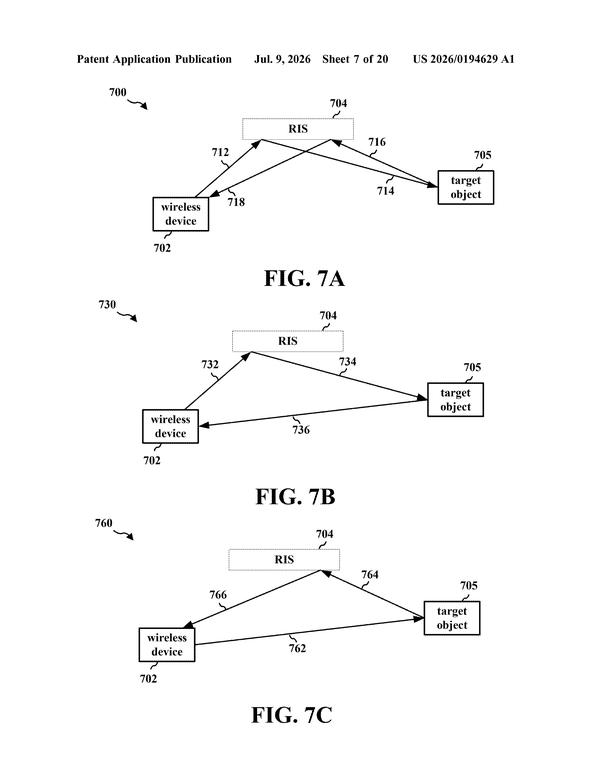
The sensing race so far relies on dedicated hardware like lidar and radar. This filing shows wireless signals bouncing off programmable antennas can measure object velocity, potentially replacing specialized sensors with infrastructure already present.
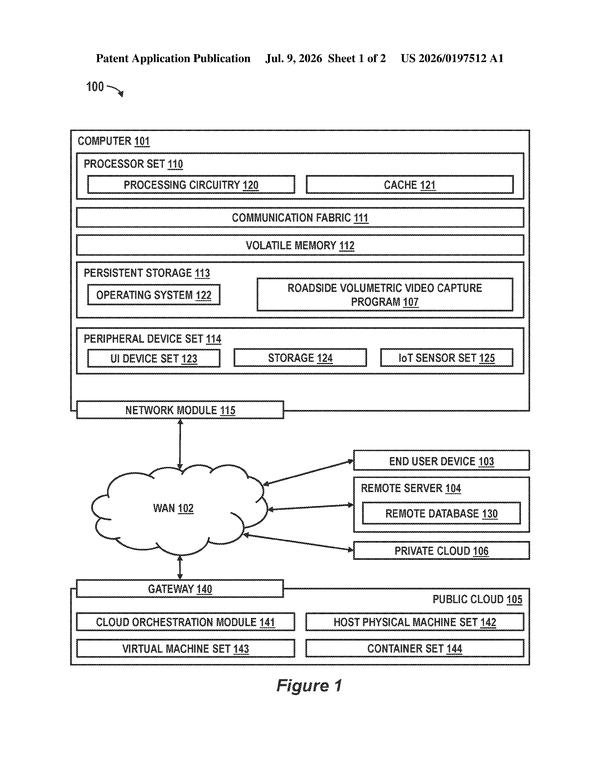
Volumetric video capture from onboard cameras lets autonomous vehicles record roadside events in 3D rather than flat 2D, potentially giving downstream AI systems richer spatial data to judge what's newsworthy and worth uploading.
Compressing lane boundary data into minimal mathematical descriptions cuts the processing load when cars must track road geometry in real time across multiple sensor streams.
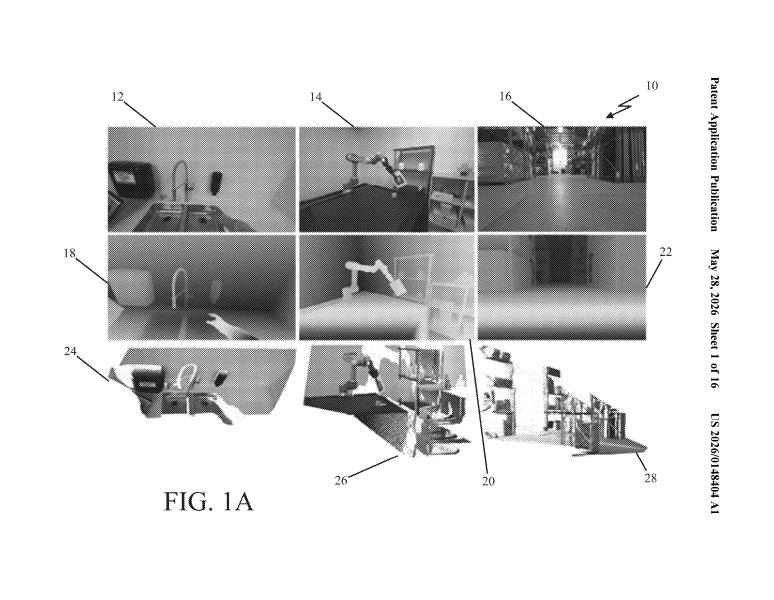
The race to map 3D space without lidar gains a competitor: Nvidia's neural network infers depth and object labels from 2D camera feeds alone, potentially cutting the sensor hardware that currently dominates autonomous vehicle cost.
Sensing systems trained on typical roads tend to miss anomalies, so Nvidia's approach weights rare scenarios during training to prevent the model from ignoring unexpected hazards when they do appear.
Tracking moving objects frame-by-frame requires fewer labeled examples when the model learns to predict motion patterns itself, cutting the human annotation burden for real-time 3D scene understanding.
A shared real-time map of nearby autonomous vehicles' positions and status cuts the information gap between pedestrians and self-driving cars, letting humans make crossing decisions with the same situational awareness the vehicles have.
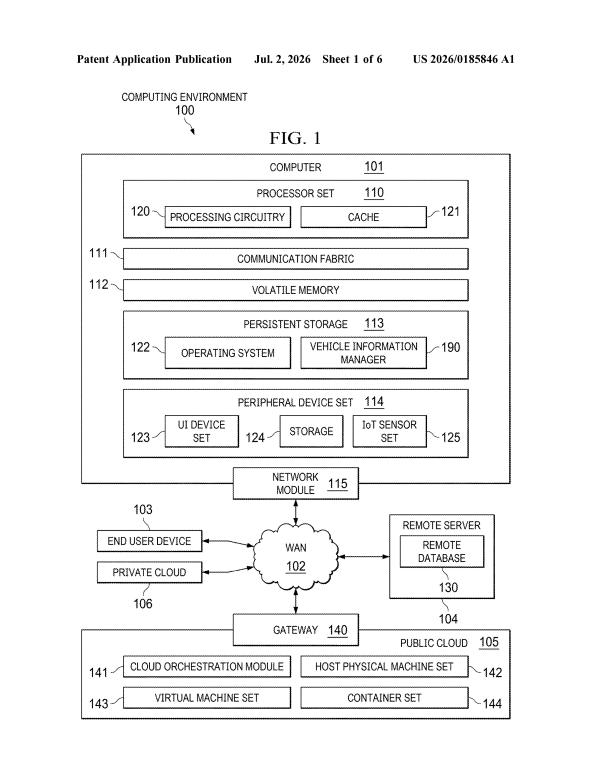
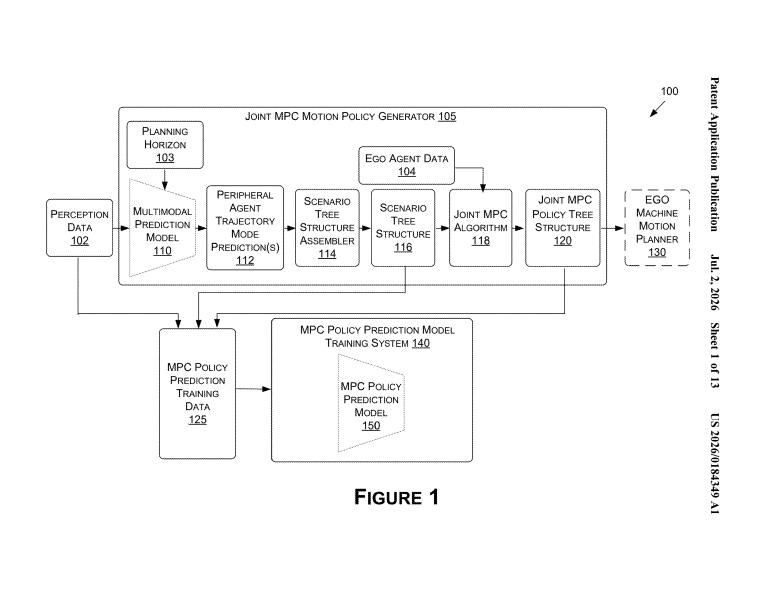
Prediction in the watchlist has moved from single-scenario planning to mapping behavior trees; this patent shows how to compute routes that work across all branches simultaneously rather than picking one path and adapting.
A neural network that maintains stable IDs for each moving object across video frames, so the system knows which car is which rather than treating each detection as a new thing.
The race to pinpoint lane positions moves beyond camera detection alone. Nvidia layers lidar readings onto camera detections to resolve the measurement gap cameras can't close on their own.
The race to see through fog and bad weather gets a boost here: by fusing camera data with pre-mapped locations of fixed objects, Qualcomm sidesteps the need for perfect sensor clarity on occluded signs and barriers.
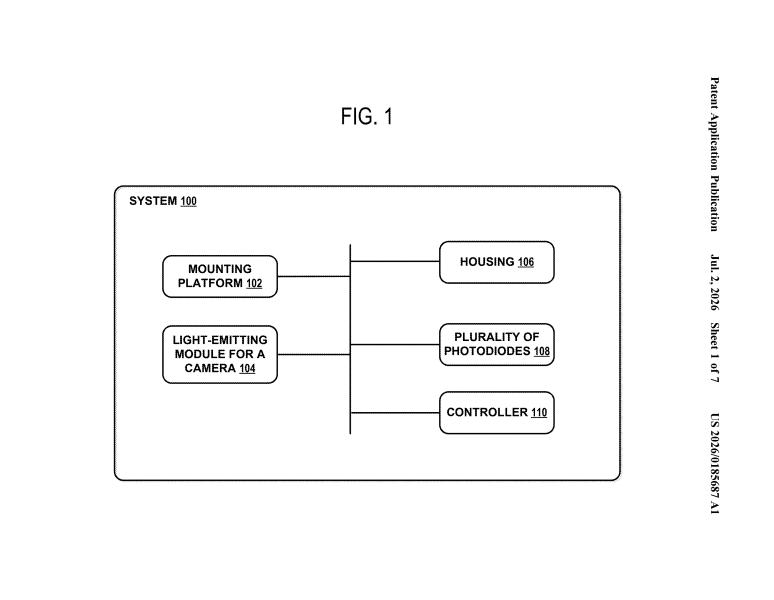
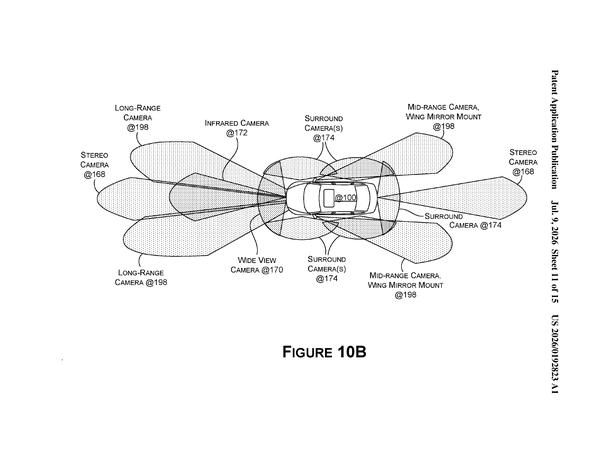
A fisheye camera paired with infrared emitters in one module lets self-driving cars see clearly at night while keeping the sensor package small enough to fit existing vehicle designs.
A self-driving car needs to read both nearby bright objects and distant dark ones from the same laser pulse. Waymo's amplifier lets lidar adjust its sensitivity on the fly instead of losing detail to overexposure or underexposure.
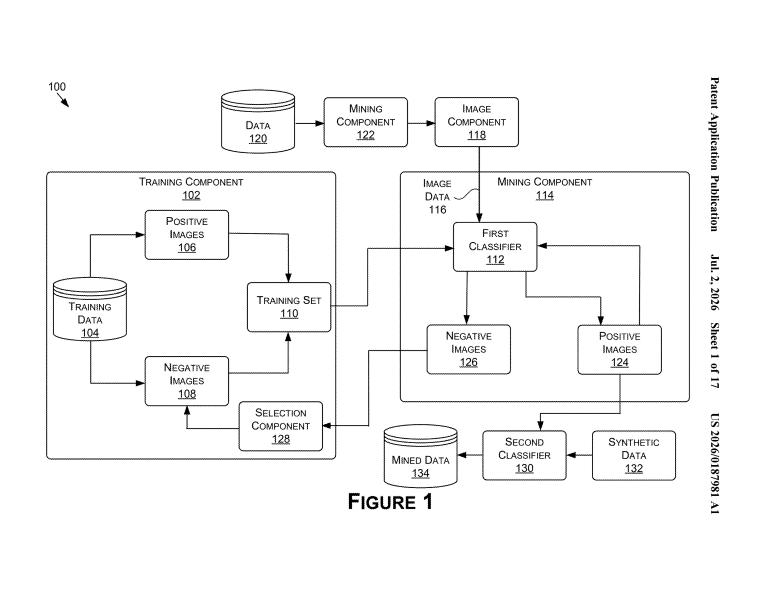
A two-stage filtering system cuts the manual labor of finding training images from video footage. The first pass eliminates obvious negatives; the second ranks remaining candidates by relevance, so engineers label fewer, higher-value frames.
The sensing race includes not just better cameras but the manufacturing steps that keep them working. Waymo's patent covers quality control for infrared emitters, ensuring uneven light patterns don't blind its night-vision system before cars leave the factory.
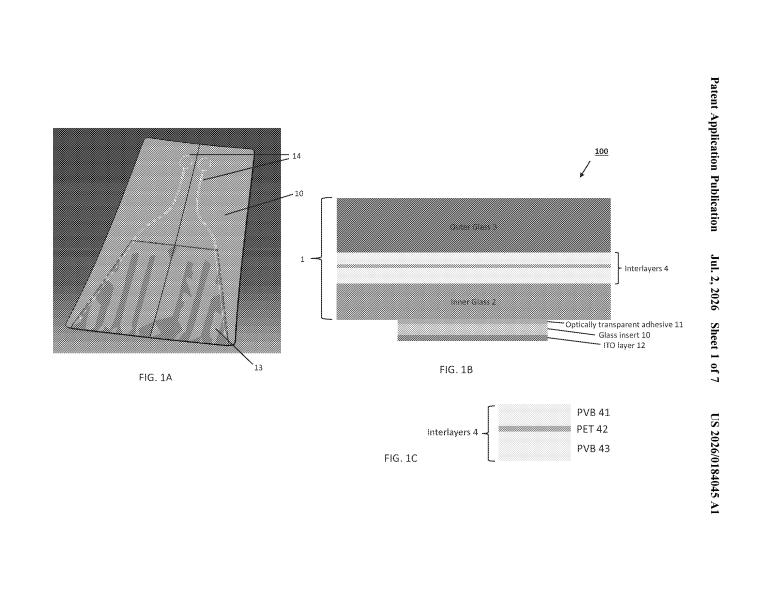
The sensing race now includes keeping cameras optically clear in winter conditions. Tesla's conductive glass layer heats away fog and ice while preserving the image quality that computer vision needs to work.
Blocked sightlines at intersections need human judgment to resolve safely. Waymo's filing describes giving remote operators real-time sensor feeds to authorize incremental forward movement when the car's own perception hits a wall.
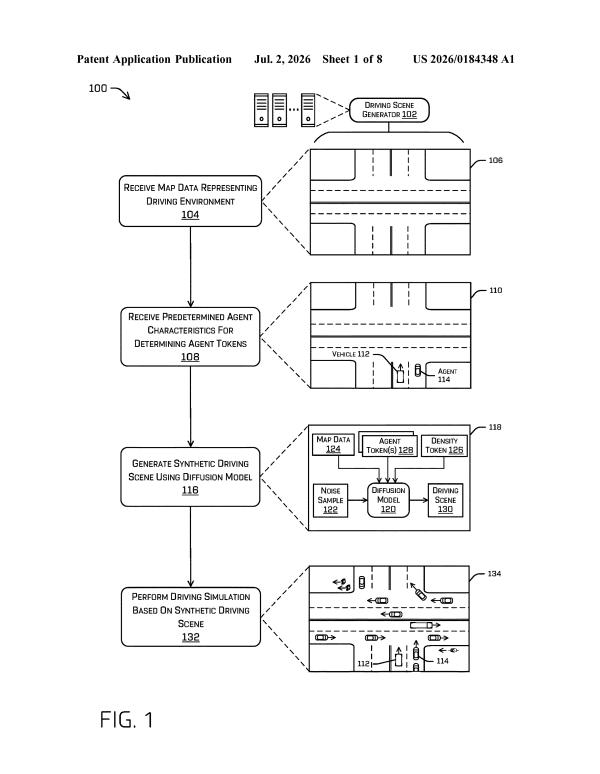
Simulating dangerous edge cases requires realistic traffic that's prohibitively expensive to create by hand. Zoox's system generates AI traffic automatically, letting engineers test self-driving responses to rare scenarios without waiting for real-world data.
Replaying recorded sensor data from real drives lets Waymo validate new software versions against thousands of actual road scenarios without returning to those locations, collapsing the test cycle from weeks of fresh driving to hours of simulation.
Sensing sirens through fog or urban canyons remains unsolved; Sony's approach inverts the problem by having emergency vehicles broadcast their routes directly to nearby navigation systems, creating alerts before audio detection would work.
Self-driving cars need camera protection from direct sunlight during highway driving. This filing shows how lidar can act as an early warning system, triggering camera adjustments before glare causes missed obstacles.
A two-stage filter first isolates traffic signs from road clutter, then classifies each one, reducing the computational load of scanning every roadside object for meaning.
Early frame processing lets prediction models start work on partial camera data rather than waiting for complete frames, shaving milliseconds off the perception pipeline.
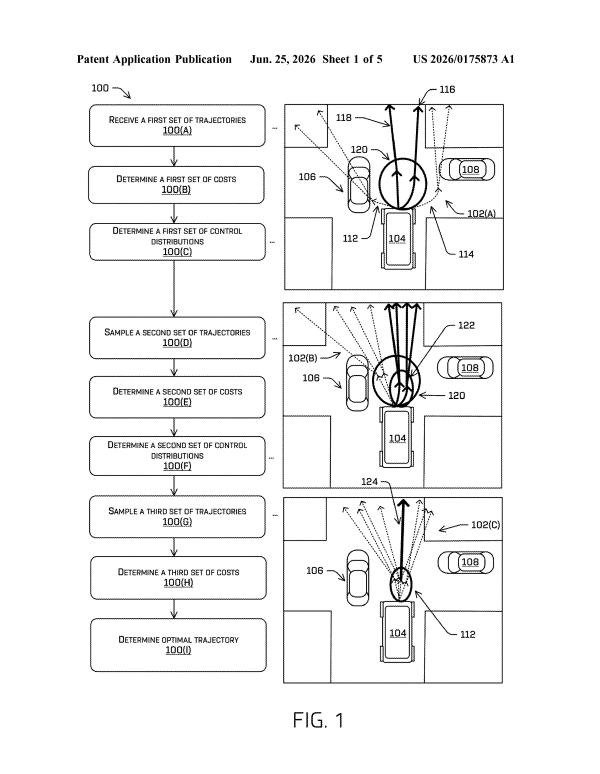
A sampling-and-refinement loop lets the car generate thousands of steering options per second, score them against safety and efficiency metrics, and iteratively discard weak candidates to converge on the best path forward.
A robotaxi that brakes too hard wastes time; one that hesitates costs trust. This filing covers the gap between sensing a red light and executing the stop smoothly enough to feel safe.
Where the sensing race gets physical: Zoox moves beyond passive perception by patenting active repositioning to clear sensor sightlines when large vehicles block critical road features like traffic signals.
Predicting collision risks requires checking not just the planned path but alternative escape routes too. Zoox's filing shows how to evaluate both simultaneously, letting the car know its options before it needs to act.
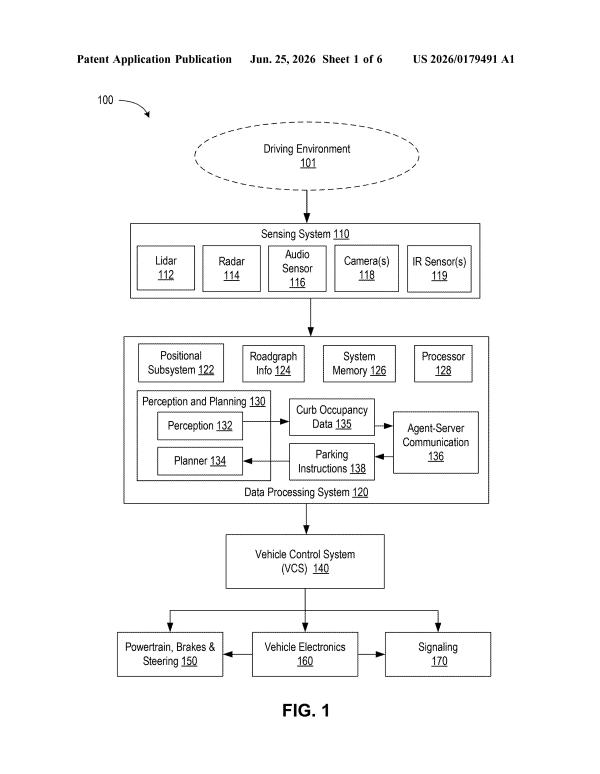
Fleet-wide sensor sharing lets robotaxis know which curbs are actually available before arriving at a block, cutting the search time that makes parking a coordination bottleneck for autonomous vehicles.
A self-driving car needs to see clearly the instant light changes, say, exiting a garage into sun. This patent speeds up how cameras adjust exposure so the system gets usable images without the blind moment human eyes skip past instantly.
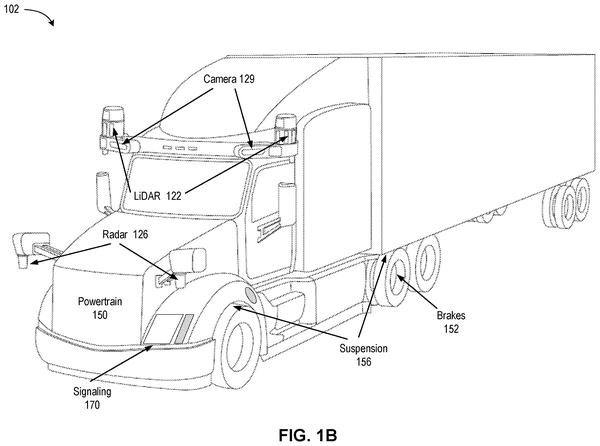
The sensing race now extends beyond what's ahead: Waymo's system monitors the truck itself, detecting tire failure and cargo shifts that human drivers feel but autonomous vehicles must measure through onboard sensors.
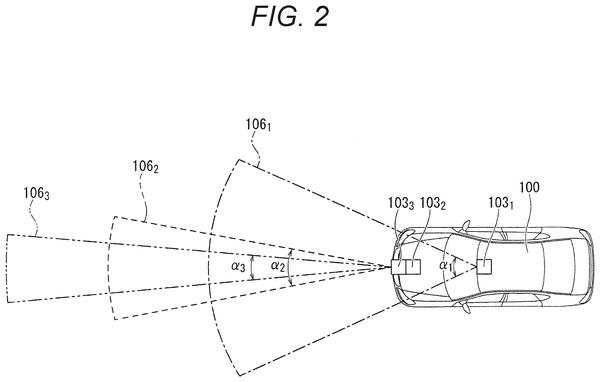
Detecting obstacles at vastly different distances requires cameras built for different focal ranges. Waymo's three-camera setup splits the job instead of asking one sensor to handle both nearby pedestrians and distant vehicles.
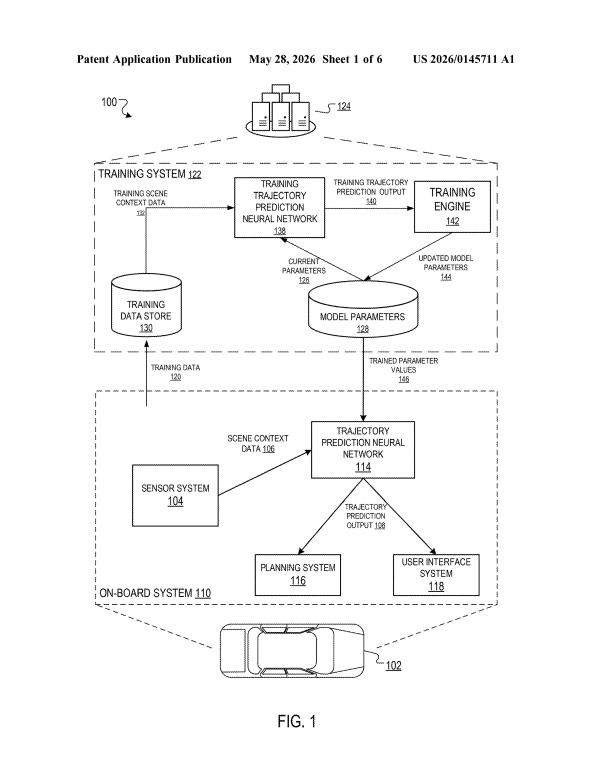
Self-driving cars need to brake or swerve before danger arrives, so Waymo is training its AI to forecast how a traffic scene will evolve seconds ahead using live sensor feeds rather than reactive pattern matching.
The sensing race so far has centered on what data leaves the car. This filing shows Waymo cutting bandwidth by running recognition inside each camera instead of sending raw images to the main computer.
Merging route planning with traffic prediction into a single model eliminates the processing lag that comes from running these as separate steps, letting the car respond faster to other drivers' moves.
Coordinating autonomy levels across a fleet rather than having each vehicle decide independently lets cars share real-time sensor data to adapt faster to changing road conditions.
Camera-based lane topology parsing lets Tesla's system infer which roads lanes actually connect to, sidestepping the need for pre-loaded maps at fork points and merges where autonomous vehicles typically lose confidence.
Self-driving AI needs massive amounts of real-world driving data, but Zoox avoids deploying its own vehicles by mounting a full sensor suite on ordinary cars to collect training footage at scale.
The sensing race has focused on detecting objects; Zoox now pushes toward predicting their movement by converting raw sensor streams into directional flow maps that show speed and trajectory across the full scene at once.
Rare dangerous scenarios starve AI training data. Zoox's method synthetically generates edge cases that occur too infrequently in real driving to teach self-driving systems how to handle them safely.
The sensing race so far has focused on what's around the car; this filing shows how much prediction depends on reading intent before action. Waymo is betting that 3D body tracking gives its system seconds of warning that static obstacle detection cannot.
Sensor drift during operation poses a safety risk that existing calibration methods miss. Waymo's approach uses map data as a reference frame to detect and correct misalignment continuously, rather than relying on periodic manual checks.
A window combining resistive heating and thermoelectric cooling in adjacent zones lets Waymo control exactly where condensation forms, keeping critical sensor views clear without overheating the optical surface.
Self-driving cars need to know when weather degrades their sensors' reliability, not just when it degrades visibility. This filing lets them measure atmospheric conditions by cross-checking what cameras and lidar actually report.
As fleets grow denser, radar crosstalk becomes a real safety risk. Waymo's solution assigns each vehicle a unique signal code so radars can filter out interference from nearby cars.
A self-driving car in heavy fog could see beyond its sensor range by deploying a drone as a forward scout, turning poor visibility from a dead zone into navigable space.
Switching between time-based and distance-based planning lets self-driving cars handle both highway cruising and tight maneuvers without replanning from scratch each time.
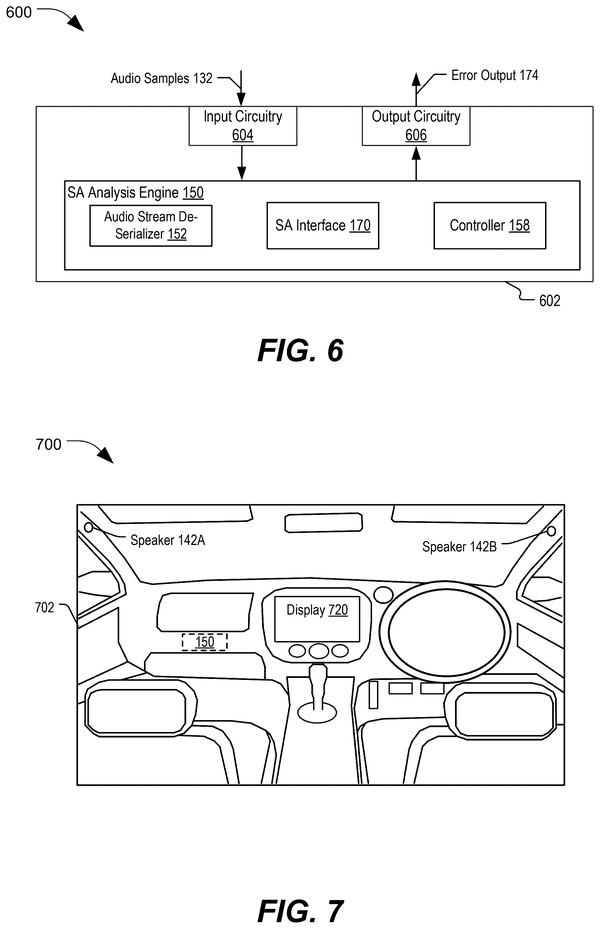
Combining audio from onboard microphones with camera and lidar data lets Zoox detect emergency vehicles before they're visible, filling a gap where vision-only systems fail around corners or in heavy traffic.
Parallel redundant processors let each subsystem monitor independent sensor streams, so a hardware failure in one brain doesn't blind the car to what's happening around it during the limp-home sequence.
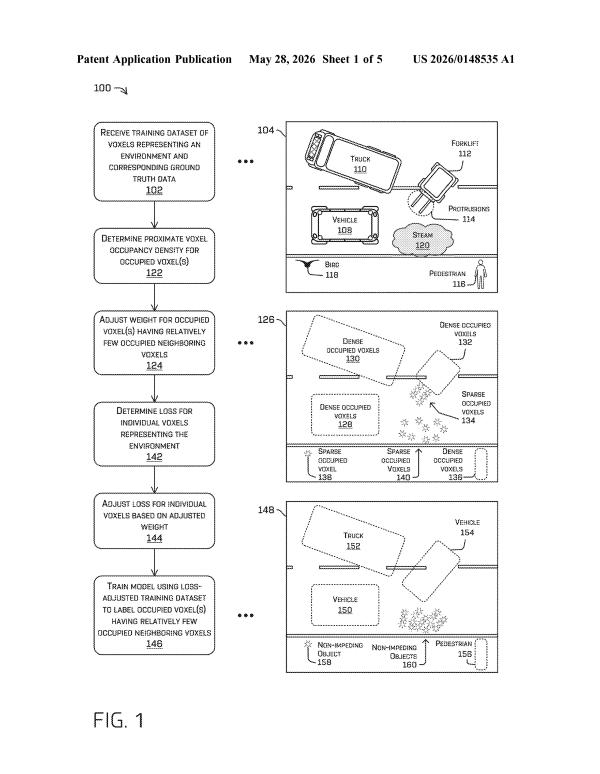
The sensor data already misses thin objects in point clouds. Zoox proposes fixing that during training by helping models weight sparse features equally with dense ones, filling a gap in how self-driving systems learn to see obstacles.
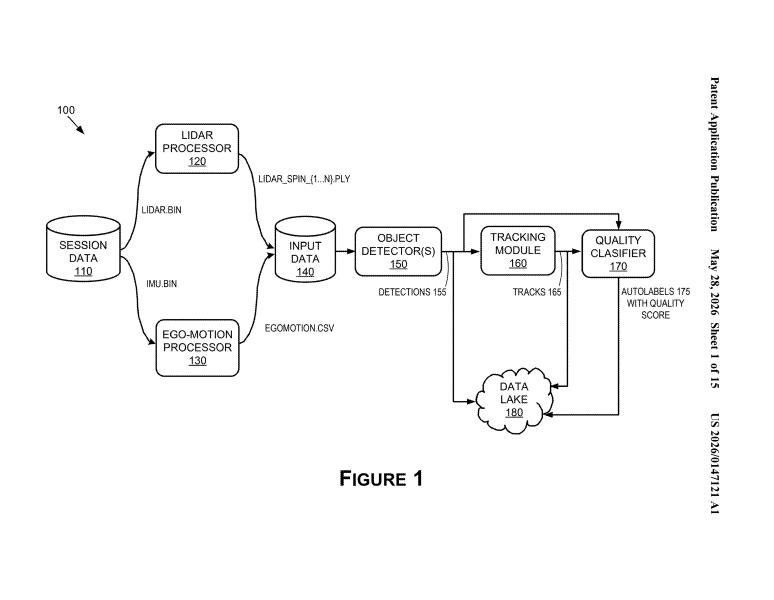
The sensing race needs depth perception to work reliably, and Nvidia cuts the bottleneck of manual labeling by automating both data generation and quality control in a closed loop.
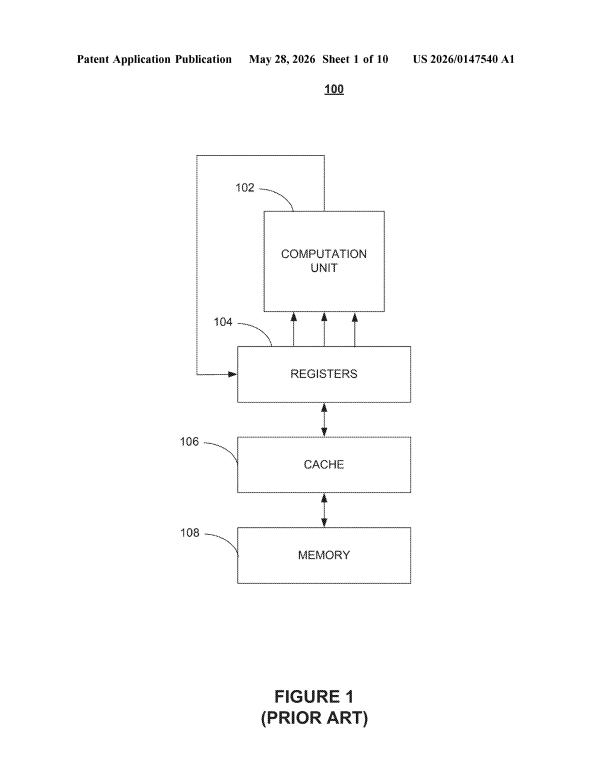
Running neural networks on camera frames requires crushing massive matrix math fast enough for real-time decisions. Tesla's chip design processes thousands of multiply-accumulate operations simultaneously rather than sequentially.
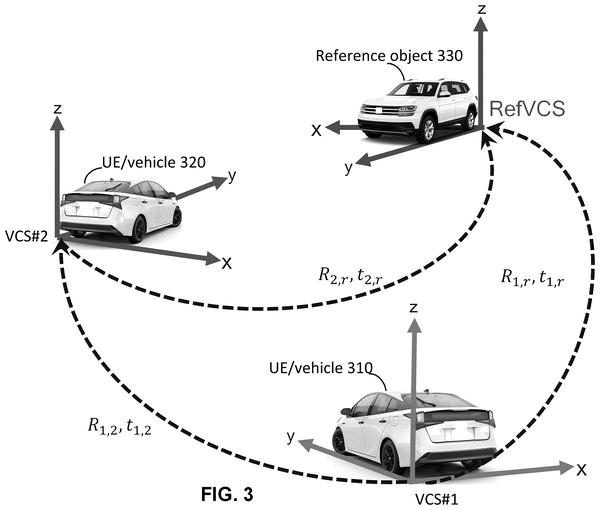
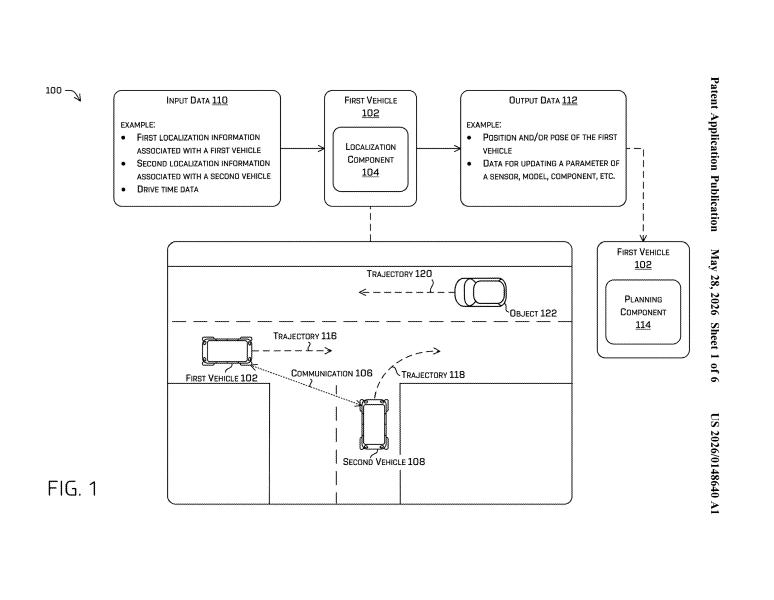
Vehicles in the same fleet exchange sensor observations of each other's position to correct GPS drift and map errors without relying on infrastructure, improving localization accuracy during close encounters on city streets.
A self-driving car needs to know not just where pedestrians and cyclists are heading, but the precise timing of each movement. Zoox's approach trains separate models for trajectory and speed, letting each focus on its specific prediction problem.
Self-driving cars need to predict multiple pedestrians and vehicles simultaneously rather than sequentially. Waymo's neural network cuts the computational cost of running those parallel predictions in real time.
Self-driving systems need millions of labeled training examples to learn what they're seeing. Nvidia's approach lets the AI handle routine annotation work itself, shrinking the human bottleneck that currently slows down data preparation.
Waymo's approach extends LiDAR's effective range by harvesting ambient light data the sensor already collects, solving the blind spot problem where dark or distant objects fail to reflect active laser pulses back to the vehicle.
Depot routing adds a new layer to the sensing problem: vehicles must navigate and self-position within structured service environments, requiring real-time mapping of internal spaces and coordination between car and infrastructure.
Linking camera, lidar, and radar outputs to language descriptions lets the system learn which sensor details actually matter for driving decisions, rather than just matching sensor feeds to each other.
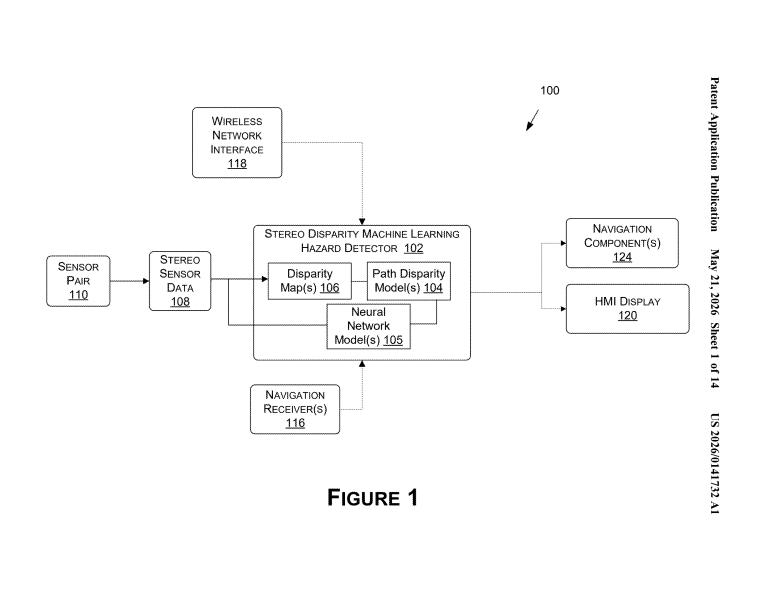
Distinguishing potholes from shadows requires stereo cameras to read depth shifts pixel-by-pixel, then feed those disparities into machine learning models that classify what actually threatens the vehicle versus what's just road texture.
Self-driving systems need to explain what they see in human terms so engineers can verify safe behavior. Waymo's neural network converts raw sensor streams into direct answers to specific questions, collapsing the gap between perception and reasoning.
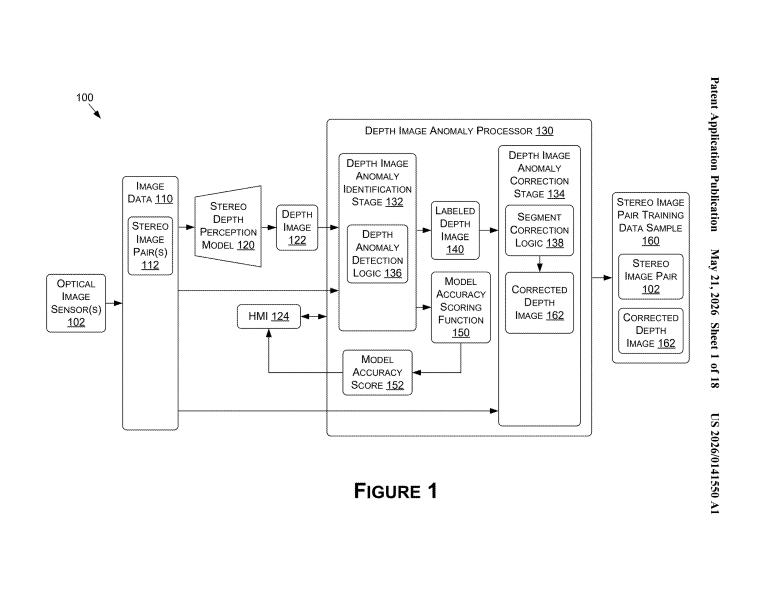
Stereo depth estimates fail predictably in reflective surfaces, so Nvidia built an automated correction loop that catches and fixes bad readings without manual intervention, letting the system self-repair as it encounters problematic lighting or materials.
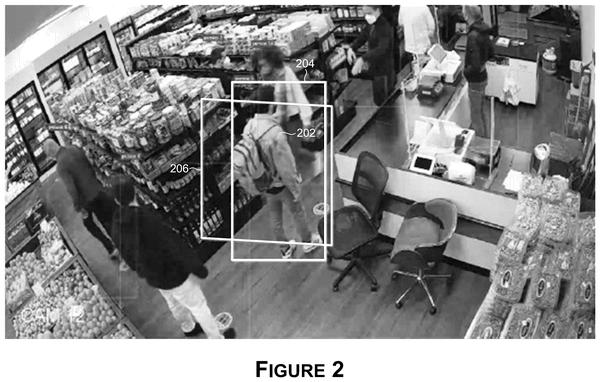
Tracking body geometry in real time lets the system spot imbalance before a cyclist or pedestrian actually falls, giving the car milliseconds to brake or swerve while the person is still upright.
Self-driving cars go blind when lidar bounces off reflective road signs and bike gear. Waymo's system pre-screens for these surfaces so it can dial down sensitivity before they saturate the sensor.
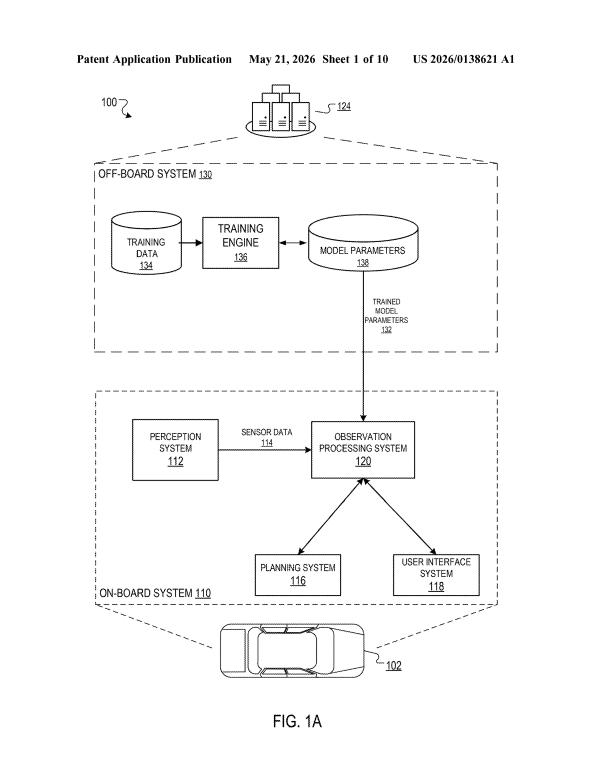
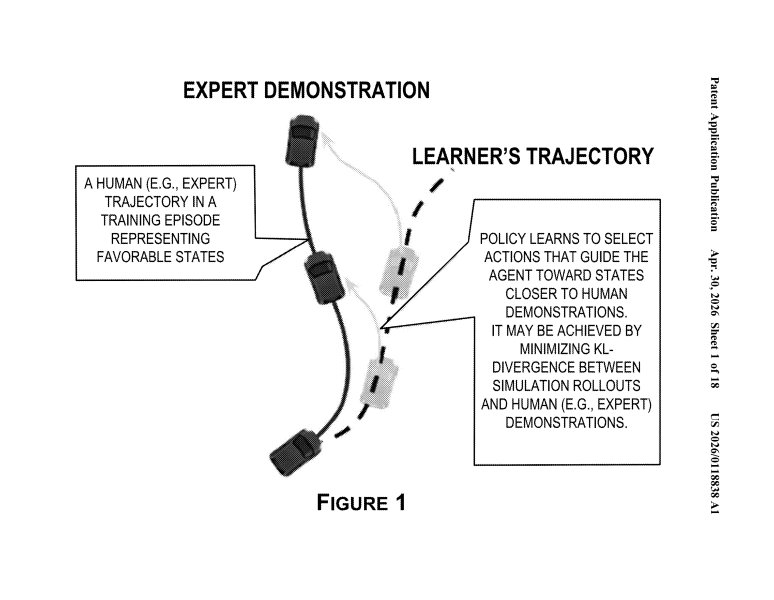
Self-driving cars trained only on flawless human driving freeze when reality deviates even slightly. Nvidia's approach creates a feedback loop where the AI learns recovery moves, not just ideal ones.
The sensing race requires filtering noise from raw camera data. This filing shows Waymo routing specific image regions to a language model so downstream systems get answers rather than raw pixels, reducing computational overhead.
The vision-only approach needs rare scenarios to train properly. Tesla's solution generates synthetic images of edge cases, blizzards, floods, traffic violations, rather than waiting for them to occur naturally on real roads.
Planning paths in real-time without recomputing from scratch requires pre-building options. Zoox's lattice approach lets the car swap between pre-computed trajectories when obstacles appear, rather than generating new routes on the fly.
The sensing race needs massive training datasets. Nvidia's approach sidesteps real-world data scarcity by synthetically generating multiple views and conditions from single images, multiplying training scenarios without new camera hardware.
Collecting rare driving scenarios randomly wastes miles; this filing lets Waymo's fleet converge on locations where edge cases actually occur, compressing training data into useful situations.
Continuous friction estimates let the car adjust braking and cornering limits as road conditions shift, moving from static safety margins to live performance boundaries.
Self-driving cars need grip estimates, not just rain alerts. This filing shows Waymo building real-time surface condition sensing that lets vehicles adjust braking and steering before hydroplaning becomes a problem.
The sensing race so far has focused on what's ahead. This filing shows Waymo is building confidence in reading brake signals specifically by using dual cameras to filter out false positives from dirt or glare.
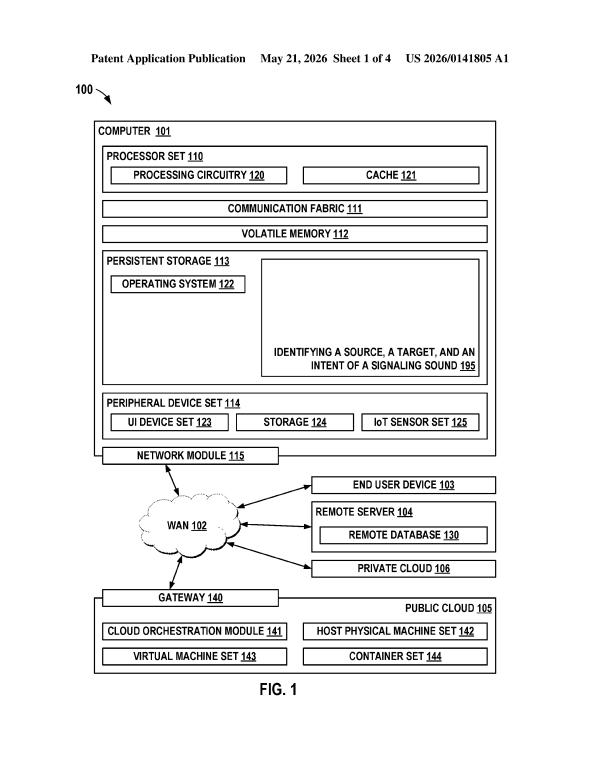
Acoustic localization lets the car pinpoint which nearby vehicle is honking, then notifies the driver of the source and intent, solving the ambiguity of whether a horn blast is directed at your car or someone else's.
Matching speed data to distance data across multiple objects simultaneously lets the car track what's actually moving and where, rather than creating false threat scenarios from sensor confusion.
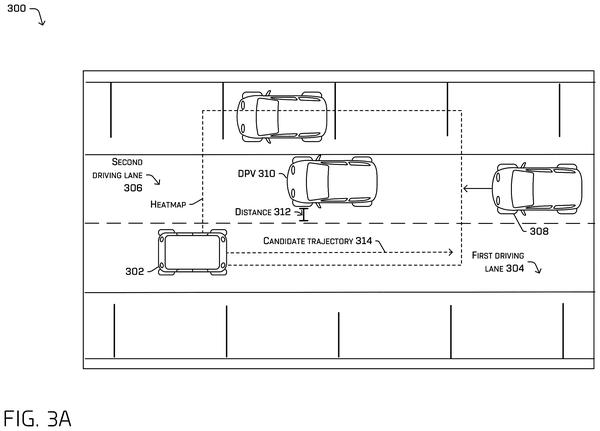
Predicting other drivers' behavior in real time, Waymo's system generates multiple possible lane-change paths and scores them based on forecasted movements of surrounding vehicles, turning a judgment call into a rankable set of options.
The sensing race so far has focused on what cars perceive outside. This filing shifts focus to reading the human inside, ensuring the vehicle won't move until it detects genuine intent to depart alongside safe conditions.
A self-driving car that spots danger between other road users can plan safer routes around accidents that haven't happened yet, rather than just reacting after they occur.
The sensing race so far has focused on what cars can directly see. This filing moves the puzzle forward by training AI to reason about hidden pedestrians, inferring risk from occlusion rather than waiting for visual confirmation.
The sensing race has focused on cameras and lidar, but Waymo's microphone system adds an earlier warning layer: acoustic detection lets robotaxis react to sirens before any visual sensor picks up the vehicle, collapsing response time.
Detecting fog optically rather than guessing from degraded data lets the sensor adjust its own parameters in real time instead of relying on pre-set configurations to handle unknown conditions.
Projecting stereo depth onto a top-down map shrinks the compute burden by converting raw camera data into a format self-driving stacks can act on faster, letting embedded chips handle the geometry without offloading to a central processor.
Self-driving systems need overhead maps to plan routes, but generating them from stereo cameras usually demands expensive processors. Nvidia's approach compresses this conversion into a lightweight operation that runs on modest hardware.
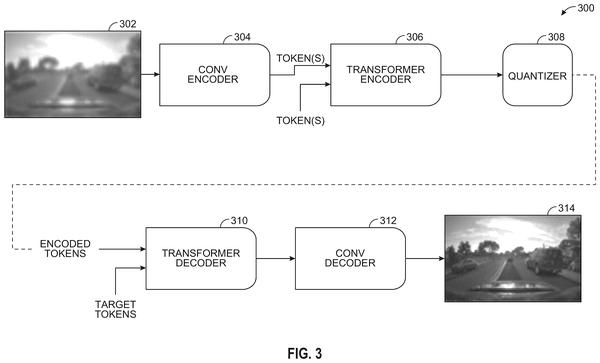
Sensor data fusion into driving decisions requires real-time scene understanding. Waymo's transformer model collapses the pipeline from raw perception to steering commands into a single inference step.
Generating synthetic 3D road surface data sidesteps the months-long process of collecting and labeling real-world examples, letting Nvidia's self-driving systems train on road geometry variations without deploying test fleets.
Self-driving systems need to know how to recover from bad decisions mid-drive. Nvidia's approach creates synthetic recovery scenarios at scale rather than waiting for real-world near-misses to naturally occur.
Questions readers ask
Is Waymo or Nvidia further ahead in self-driving sensor technology?
The patents don't show a clear leader. Waymo's filings lean toward sensor fusion and prediction, like LiDAR that adapts to fog or models that guess where hidden pedestrians might be. Nvidia's filings focus more on turning raw camera and LiDAR data into usable formats, like bird's eye views and synthetic training data. Both are solving different pieces of the same puzzle.
Does a patent mean these self-driving features are actually in cars now?
No. A patent filing shows a company protecting an idea it wants to use, not a feature that has shipped. Some of these filings, like Waymo's siren-detecting microphone system or Nvidia's self-correcting training loop, describe research directions that may take years to reach an actual vehicle, if they do at all.
What problems keep showing up across these self-driving patents?
Two problems repeat often: making sense of messy real-world sensor data, and predicting what other road users will do before they do it. Fog, hidden pedestrians, sirens, and unpredictable drivers all point to the same underlying challenge, getting a car to react correctly to things it can't fully see yet.
Is Tesla part of this self-driving sensing race too?
Mostly this watchlist tracks Waymo and Nvidia, but Tesla shows up too, with a patent on reading a situation's intent before the car moves. That overlap suggests the same underlying questions, like when a car should trust its own read of a scene, matter across the industry, not just to two companies.
Want this weekly breakdown for a company we don't cover?
Patentlyze Pro →
The weekly email: the best of Big Tech's filings, in plain English. Free.